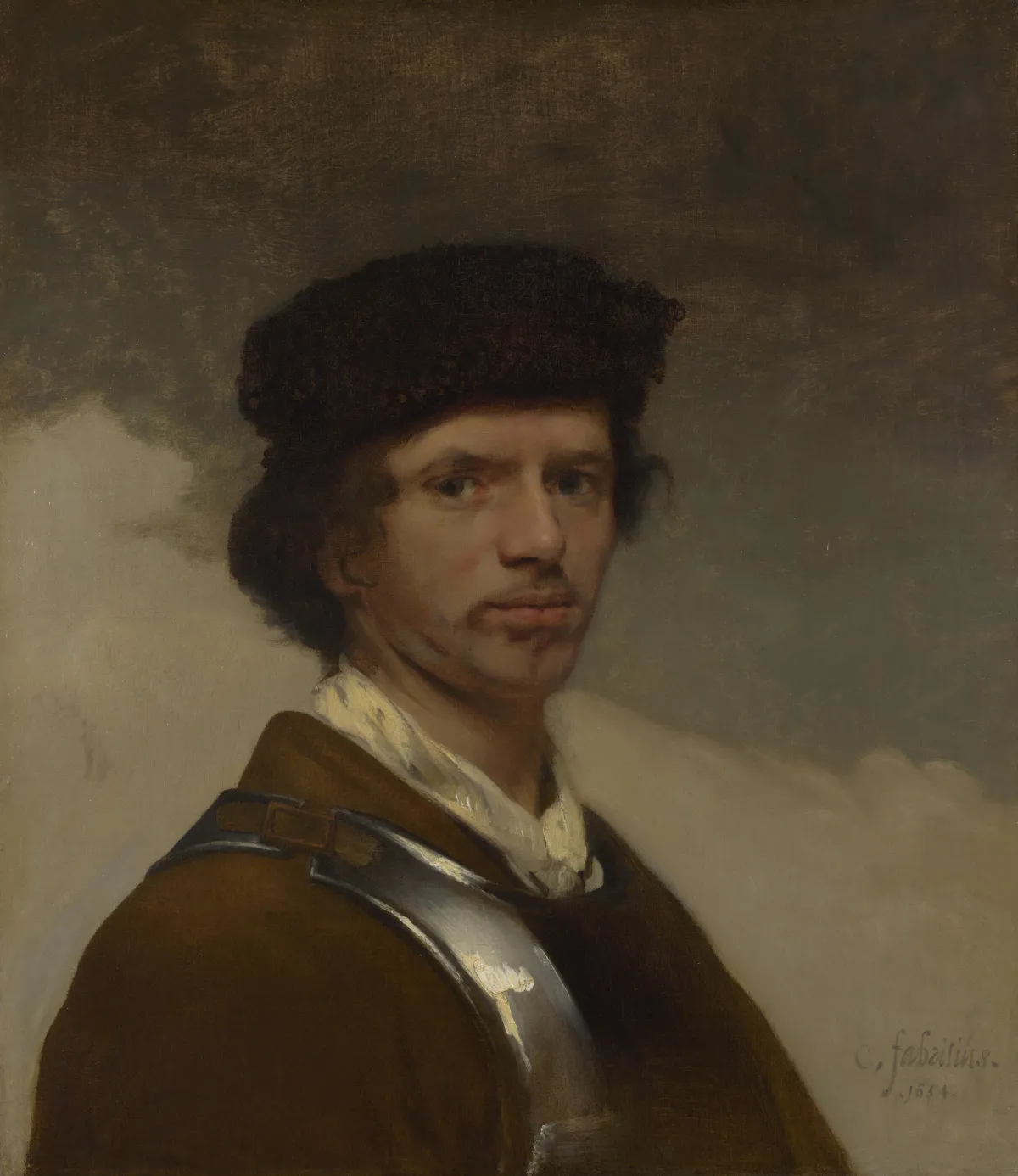
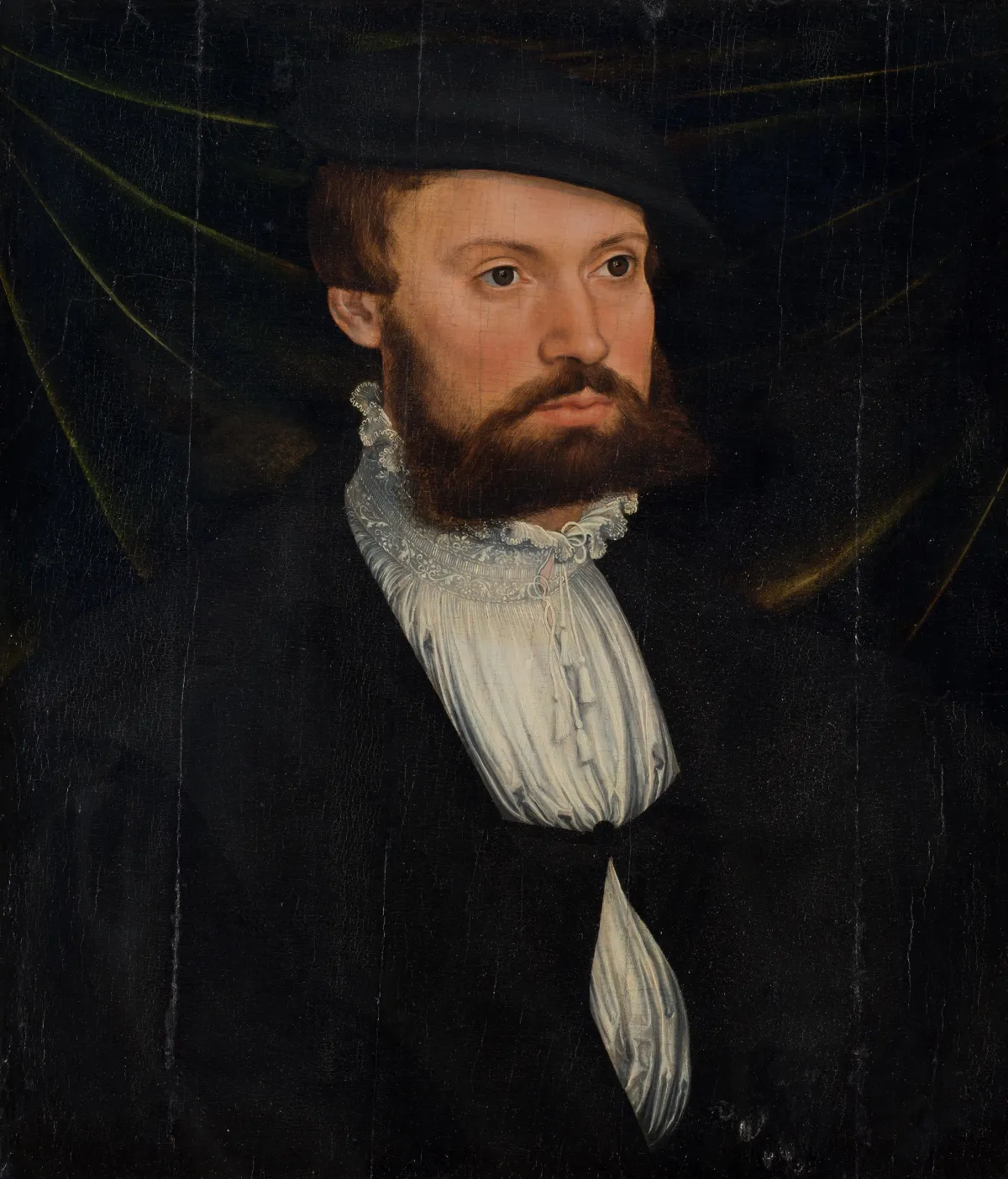
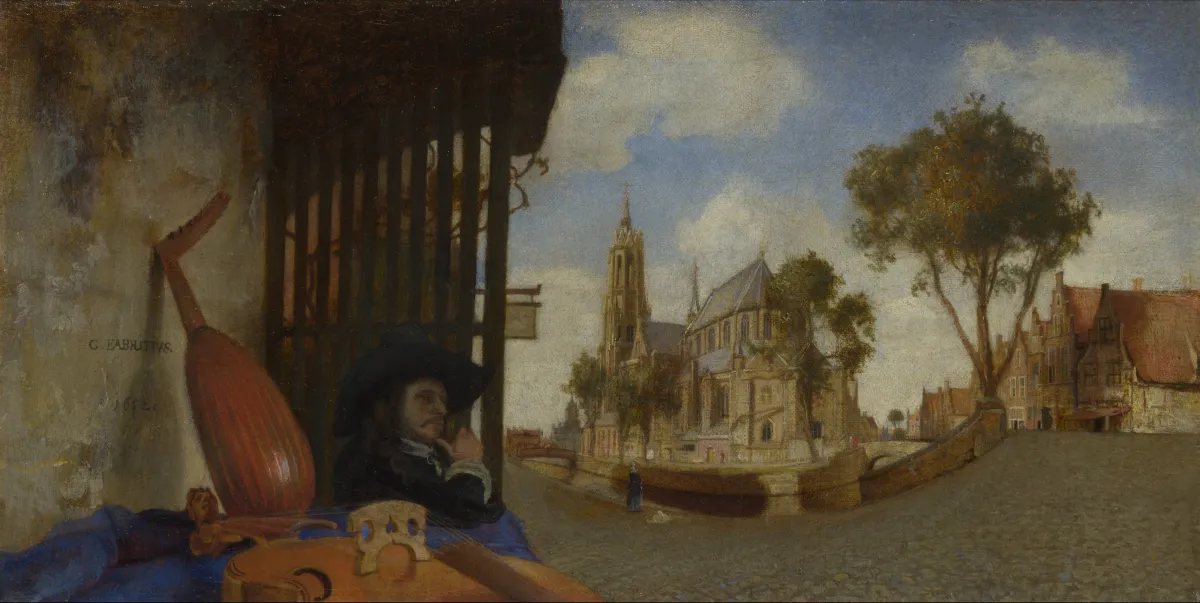
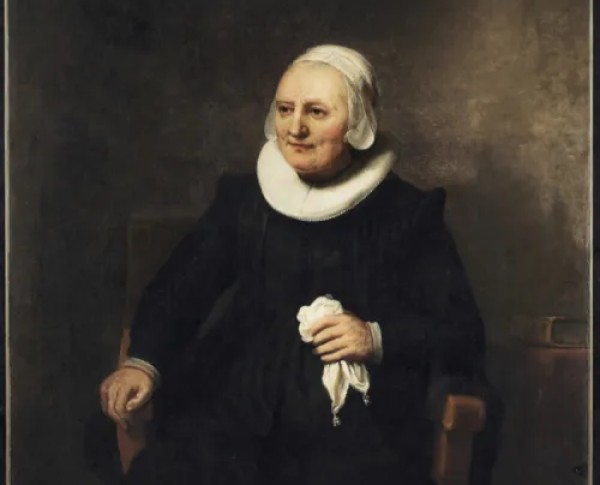
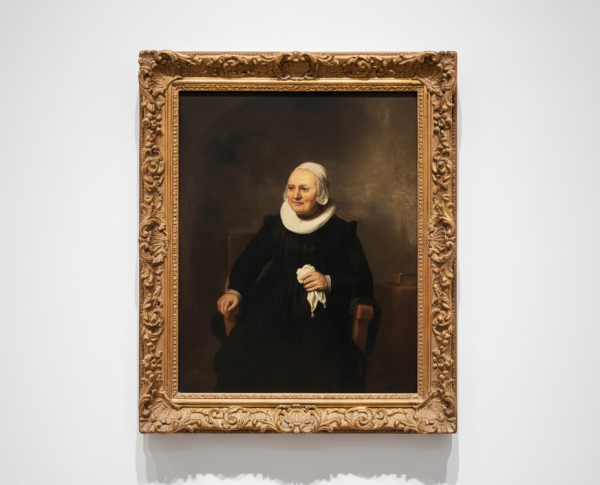
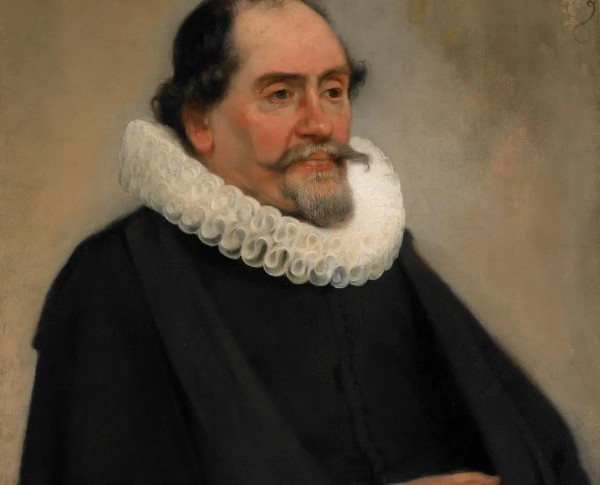
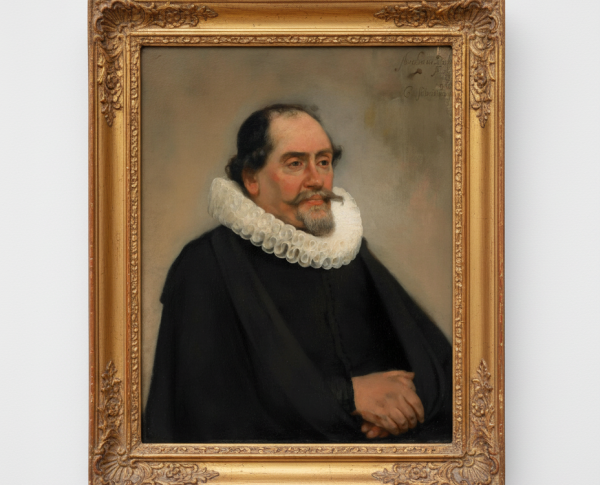
Fabritius’s "Portrait of a Bearded Man" demonstrates exceptional skill in oil on canvas, where each brushstroke brings lifelike texture and depth to the subject. His technique, honed in the vibrant Dutch Golden Age movement, is evident in other notable works like "Man with a Helmet" and "Portrait of a young student." Collectors and enthusiasts appreciate Fabritius’s ability to capture personality and realism, making his paintings highly sought after in the world of fine art.
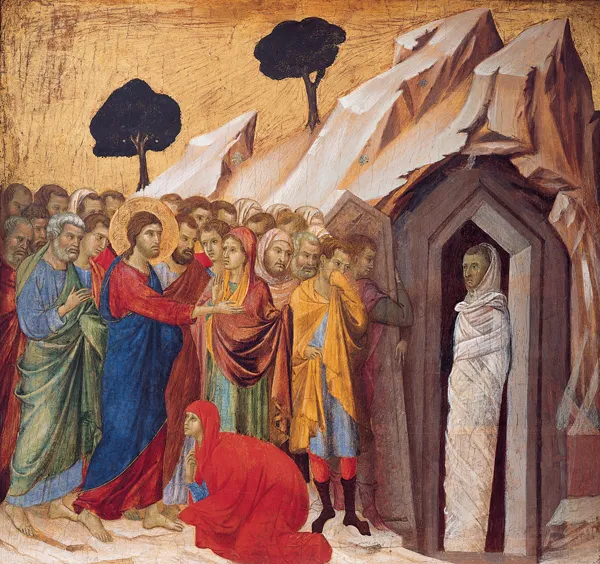
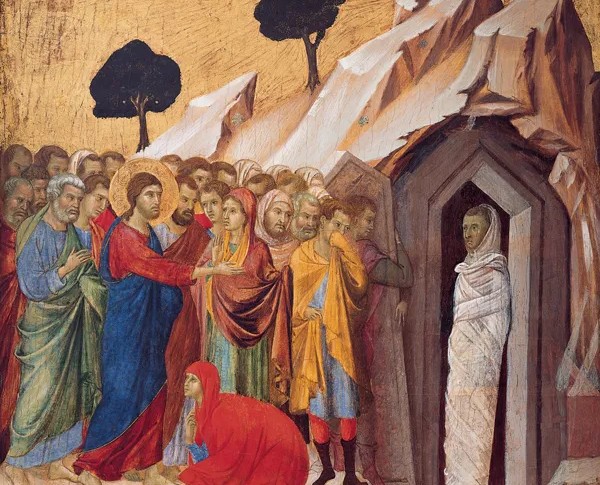
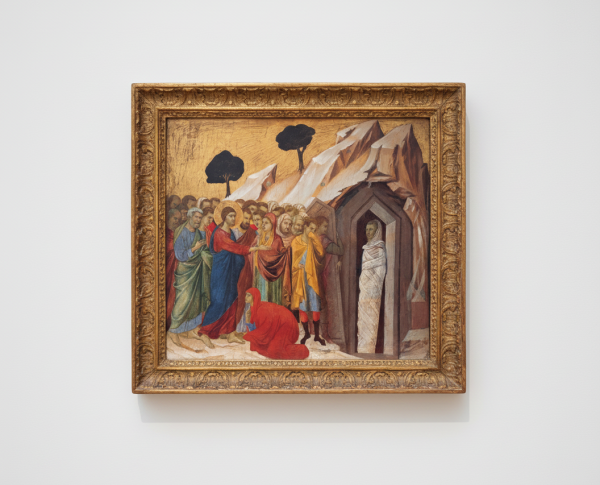
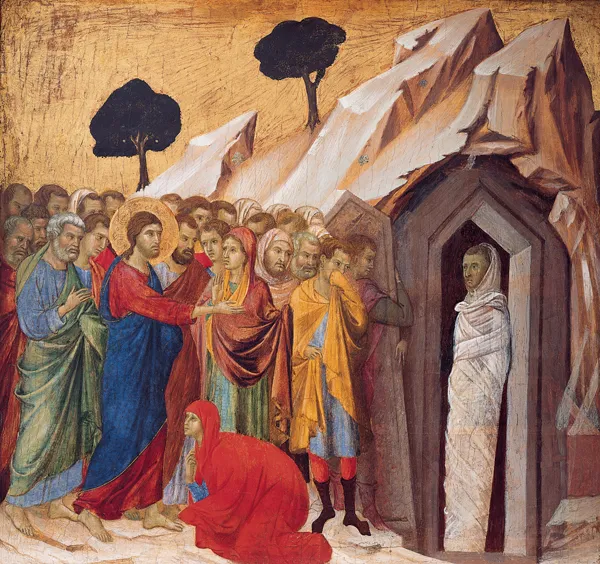
Within "Portrait of a Bearded Man," Fabritius weaves subtle stories and symbols that invite interpretation, a hallmark of Dutch Golden Age portraiture. This fine art painting for sale holds layers of meaning—perhaps reflecting wisdom, status, or the inner life of its sitter. Exploring related masterpieces such as "The Raising of Lazarus" or "A Slaughtered Ox" reveals how Fabritius and his contemporaries embedded narrative depth and symbolism in their celebrated works.
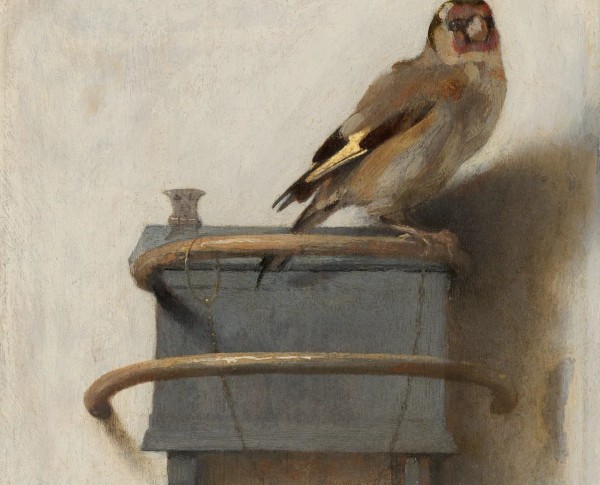
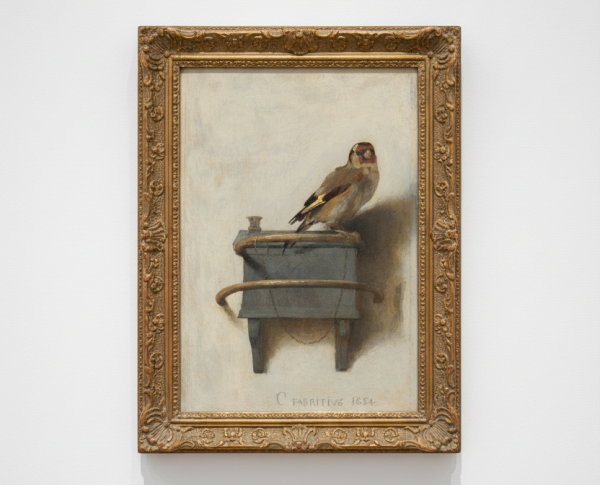
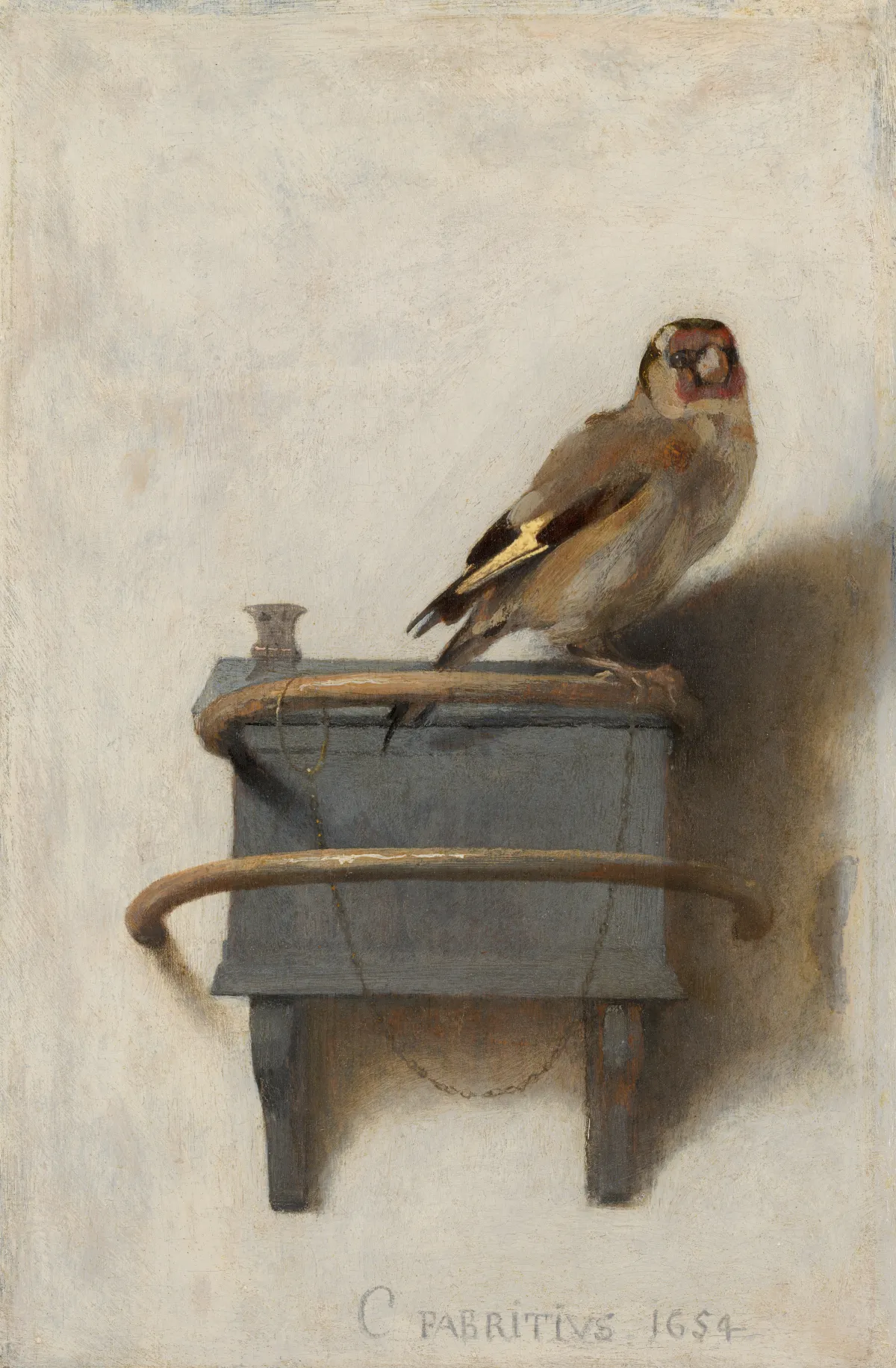
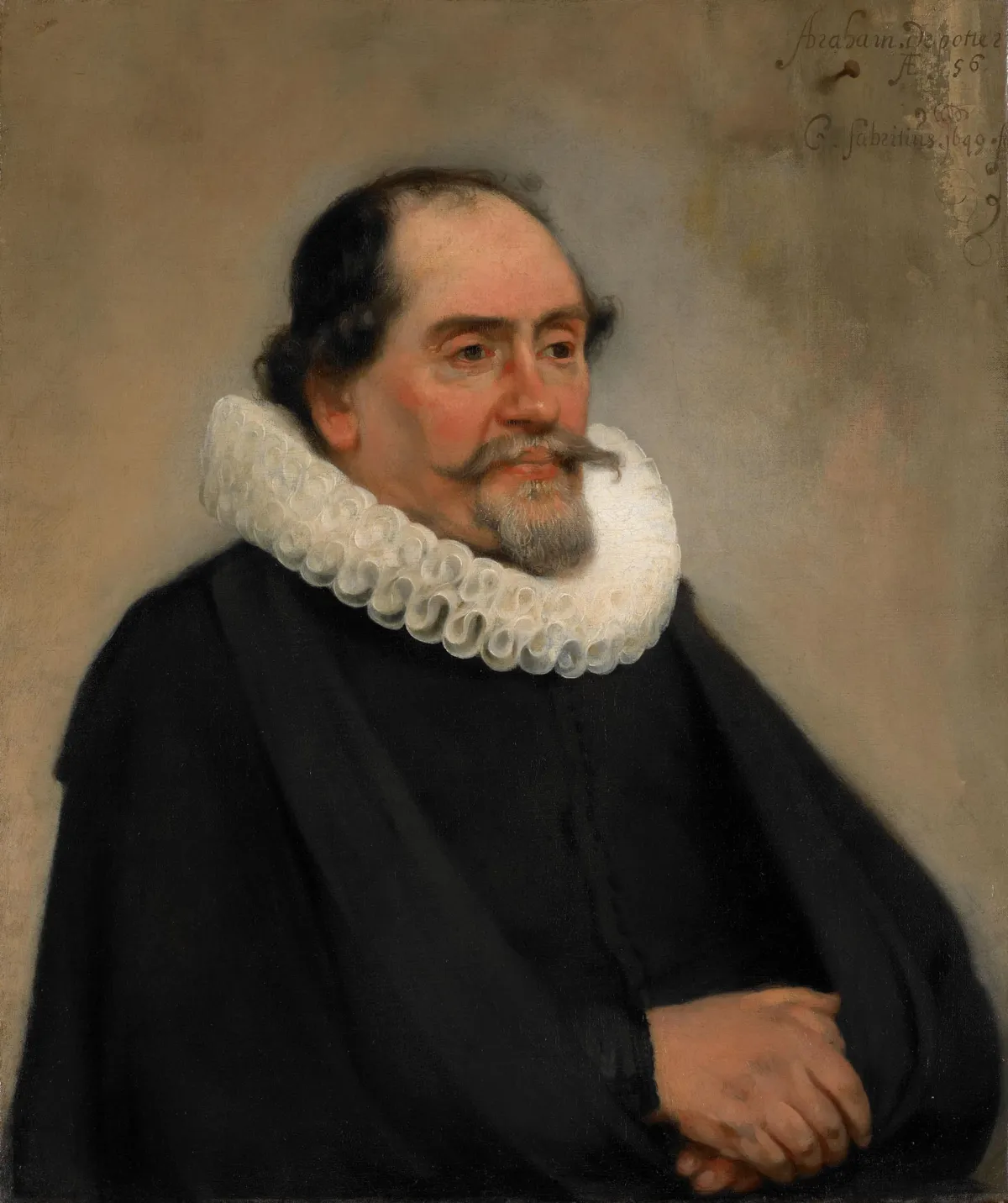
For collectors, owning "Portrait of a Bearded Man" by Carel Fabritius means acquiring an authentic piece of Dutch Golden Age history. This hand-painted oil painting stands alongside celebrated works like "The Goldfinch" and "Portrait of Abraham de Potter," offering timeless elegance and sophistication. Art enthusiasts searching for fine art painting for sale will appreciate the rarity and enduring value that Fabritius’s portraits bring to any curated collection.
When Art Meets History
"Portrait of a Bearded Man" by Carel Fabritius embodies the spirit of the Dutch Golden Age, a period renowned for its exquisite hand-painted oil paintings. This masterpiece stands as a testament to Fabritius’s skill and innovation, capturing the essence of 17th-century portraiture. Alongside related works like "The Art of Painting" and "The Astronomer c. 1668," this painting offers a window into the lives and artistry of a transformative era in European art history.
Techniques That Speak
Crafted with meticulous attention, Fabritius’s "Portrait of a Bearded Man" showcases his mastery of oil on canvas, a favored medium among Dutch Golden Age artists. The artist’s refined brushwork and subtle use of light recall techniques seen in "The Return of the Prodigal Son c. 1669" and "The Geographer." Fabritius’s ability to blend textures and tones elevates the painting, demonstrating why his work is celebrated among connoisseurs and art historians alike.
Emotions on Display
In "Portrait of a Bearded Man," Carel Fabritius conveys a profound sense of introspection, much like the contemplative mood in "Philosopher in Meditation 1632." The sitter’s expressive gaze and poised demeanor invite viewers to connect emotionally, a hallmark of fine art painting for sale from the Dutch Golden Age. Fabritius’s nuanced portrayal ensures that each brushstroke resonates with depth and humanity, making the portrait both timeless and evocative.
Coveted by Collectors
"Portrait of a Bearded Man" remains highly sought-after among collectors, admired for its historical significance and artistry. As a fine example of a hand-painted oil painting from the Dutch Golden Age, it shares prestige with masterpieces like "The Art of Painting" and "The Geographer." The enduring appeal of Fabritius’s work ensures its place in esteemed collections, where it continues to inspire appreciation for the era’s remarkable creativity and technical prowess.
Related Dutch Golden Age Hand-Painted Oil Paintings by Other Artists
Other Famous Dutch Golden Age Artists:
Frequently Asked Questions About Portrait of a Bearded Man
Who is the artist of "Portrait of a Bearded Man"?
The painting "Portrait of a Bearded Man" was created by the Dutch artist Carel Fabritius, a prominent figure of the Dutch Golden Age.
What is the historical significance of Carel Fabritius?
Carel Fabritius is recognized for his innovative techniques and contributions to the development of chiaroscuro and perspective in painting. He was a student of Rembrandt and influenced later artists, making him a significant figure in art history.
What year was "Portrait of a Bearded Man" painted?
This artwork was created in 1654, a period characterized by a focus on realism and emotional depth in portraiture.
What artistic techniques are employed in "Portrait of a Bearded Man"?
Fabritius utilized techniques such as chiaroscuro to create depth and volume, as well as a careful attention to detail that captures the texture of the beard and the fabric of the clothing.
What does the bearded man represent in the context of the painting?
The bearded man is often interpreted as a representation of wisdom and experience, reflecting the societal values of the time regarding masculinity and maturity.
How does "Portrait of a Bearded Man" reflect the artistic trends of the Dutch Golden Age?
The painting embodies the Dutch Golden Age's emphasis on realism, individualism, and the exploration of light and shadow, showcasing the skillful portrayal of human emotion and character.
What materials were used in the creation of this painting?
Carel Fabritius typically used oil on canvas, a medium that allowed for rich color and detail, which is evident in the textures and tones of this portrait.
What is the significance of the color palette used in the painting?
The color palette is dominated by earthy tones, which enhances the realism of the subject and evokes a sense of warmth and intimacy, inviting viewers to connect with the figure.
How does "Portrait of a Bearded Man" compare to other portraits from the same era?
Compared to other portraits of the era, Fabritius's work is notable for its psychological depth and the subtle interplay of light and shadow, setting it apart from more conventional representations of the time.
Where can I view "Portrait of a Bearded Man" today?
The painting is housed in the collection of the Mauritshuis in The Hague, Netherlands, where it is part of a prestigious collection of Dutch masterpieces.






















_GFM_Painting_(1).webp)

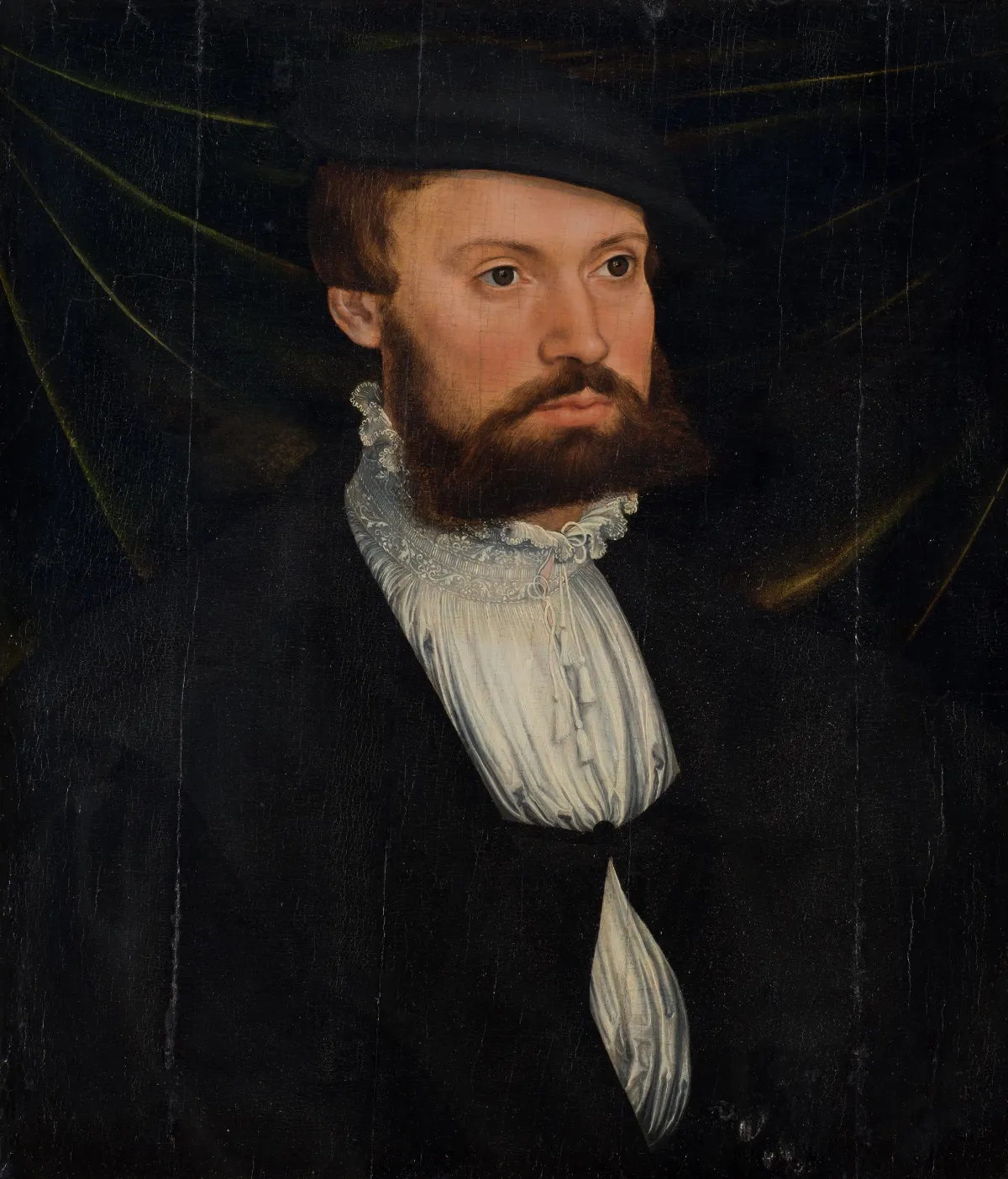

 100% Hand-Painted: Finished in 3-6 Weeks

.png)















_(1).webp)