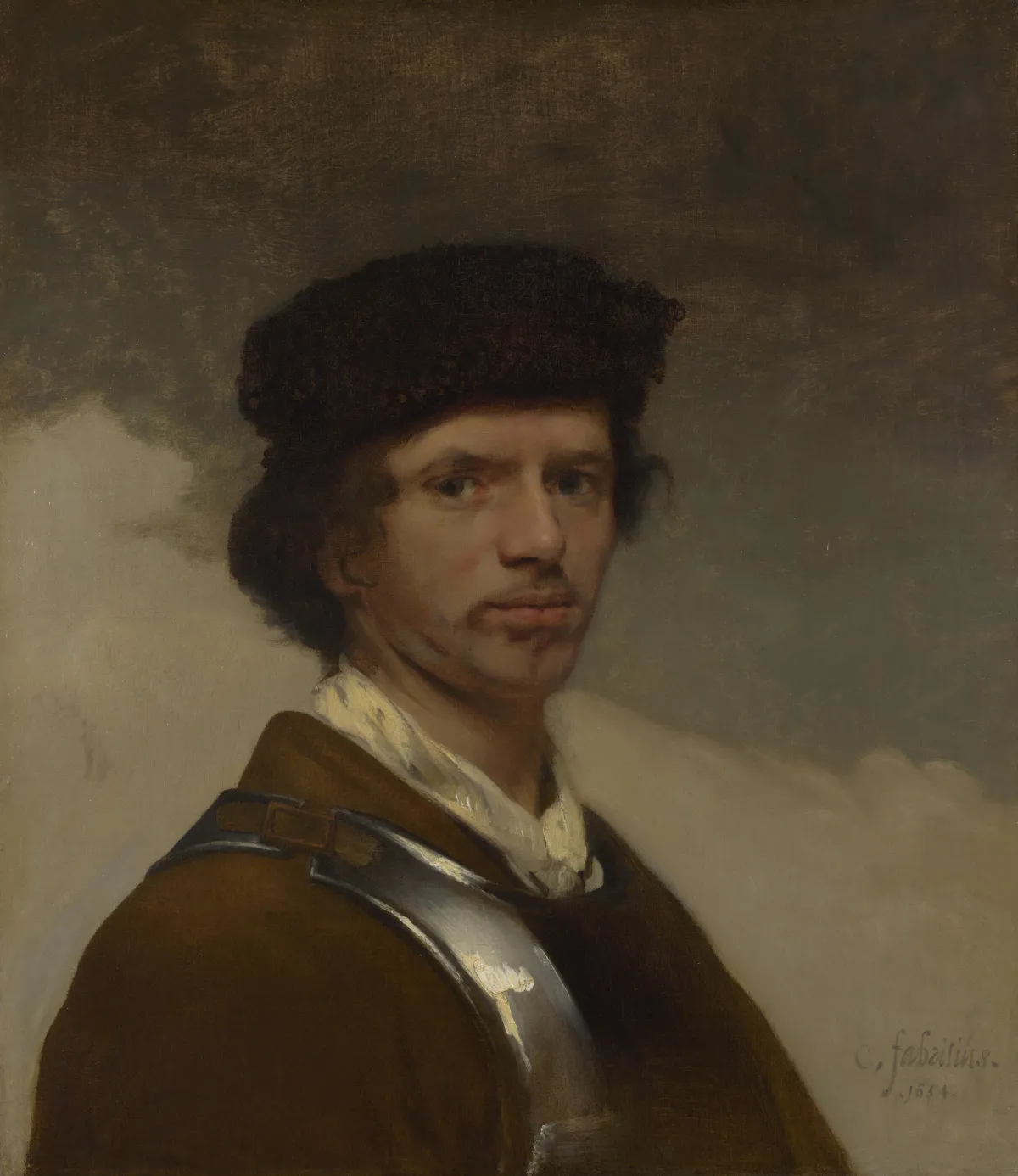
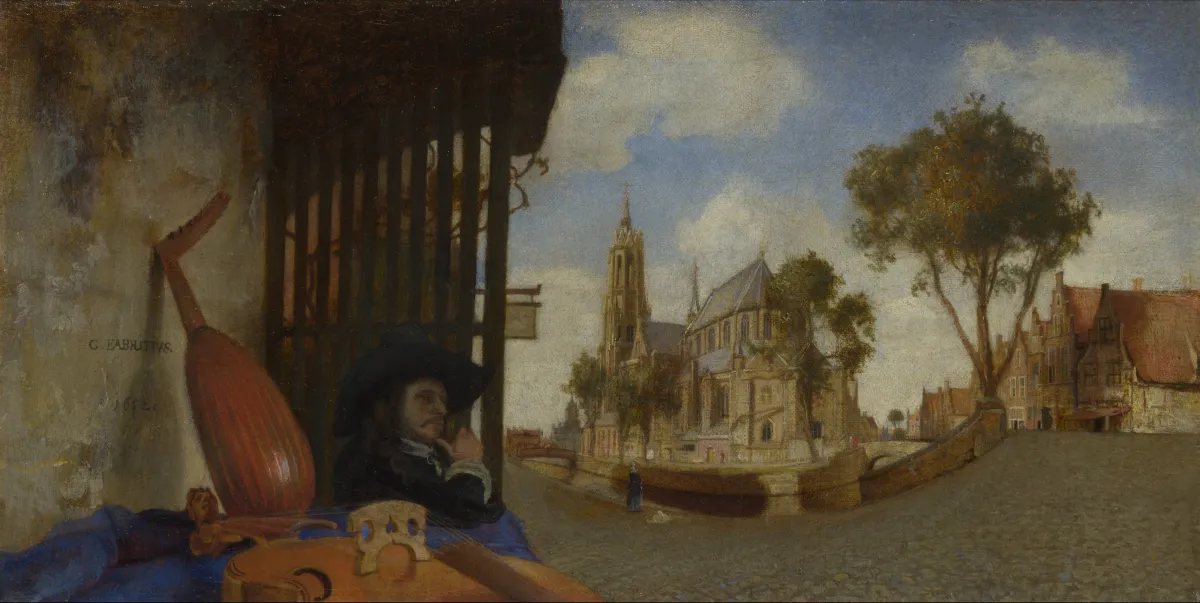
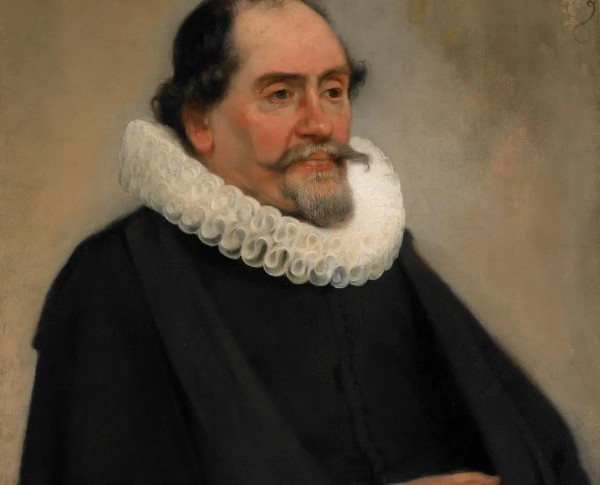
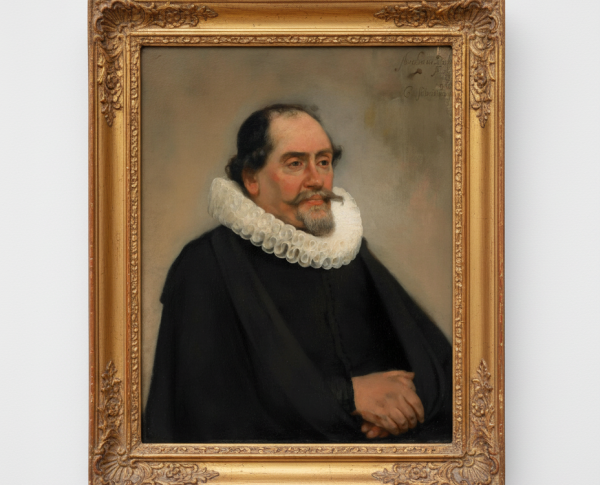
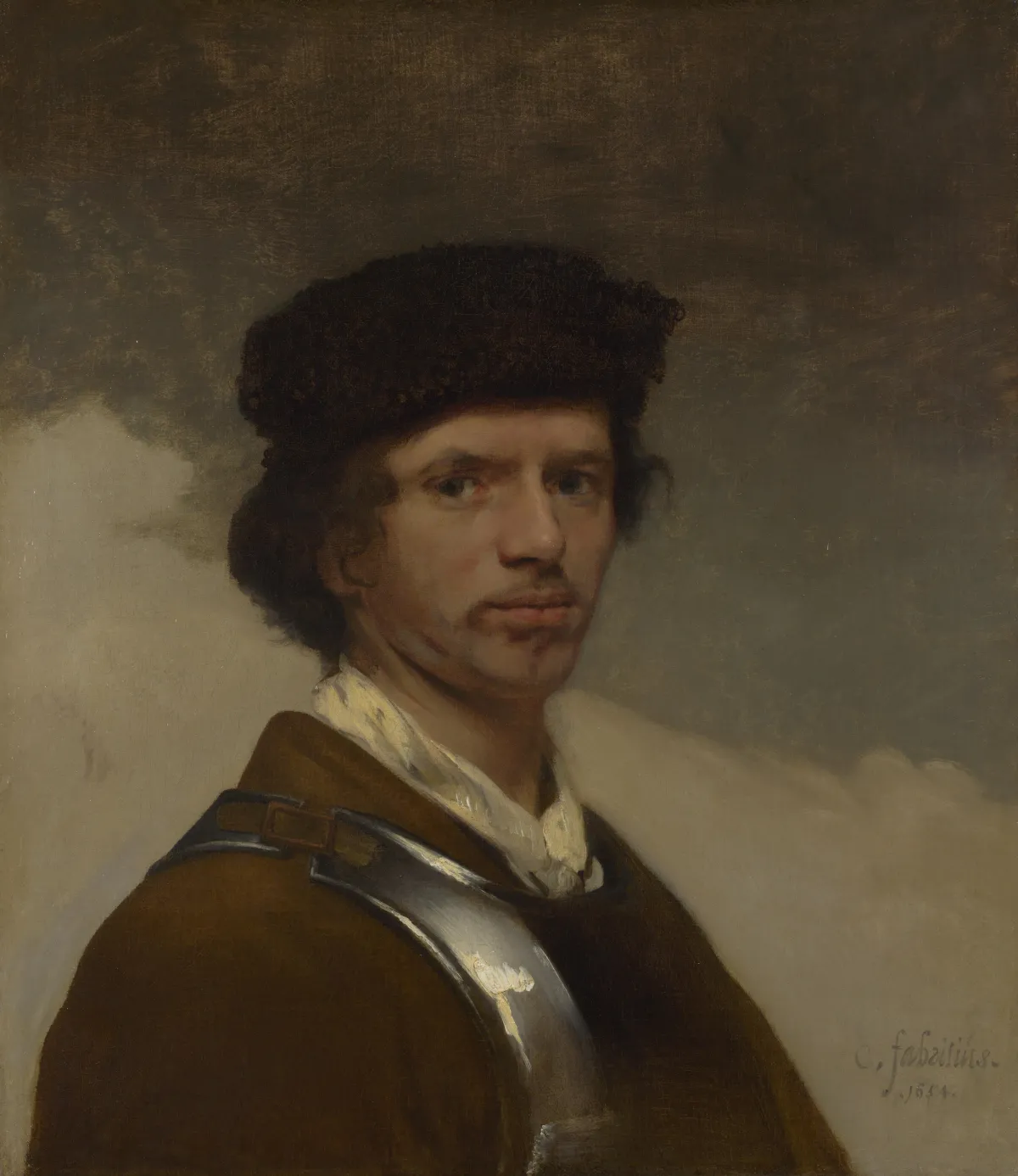
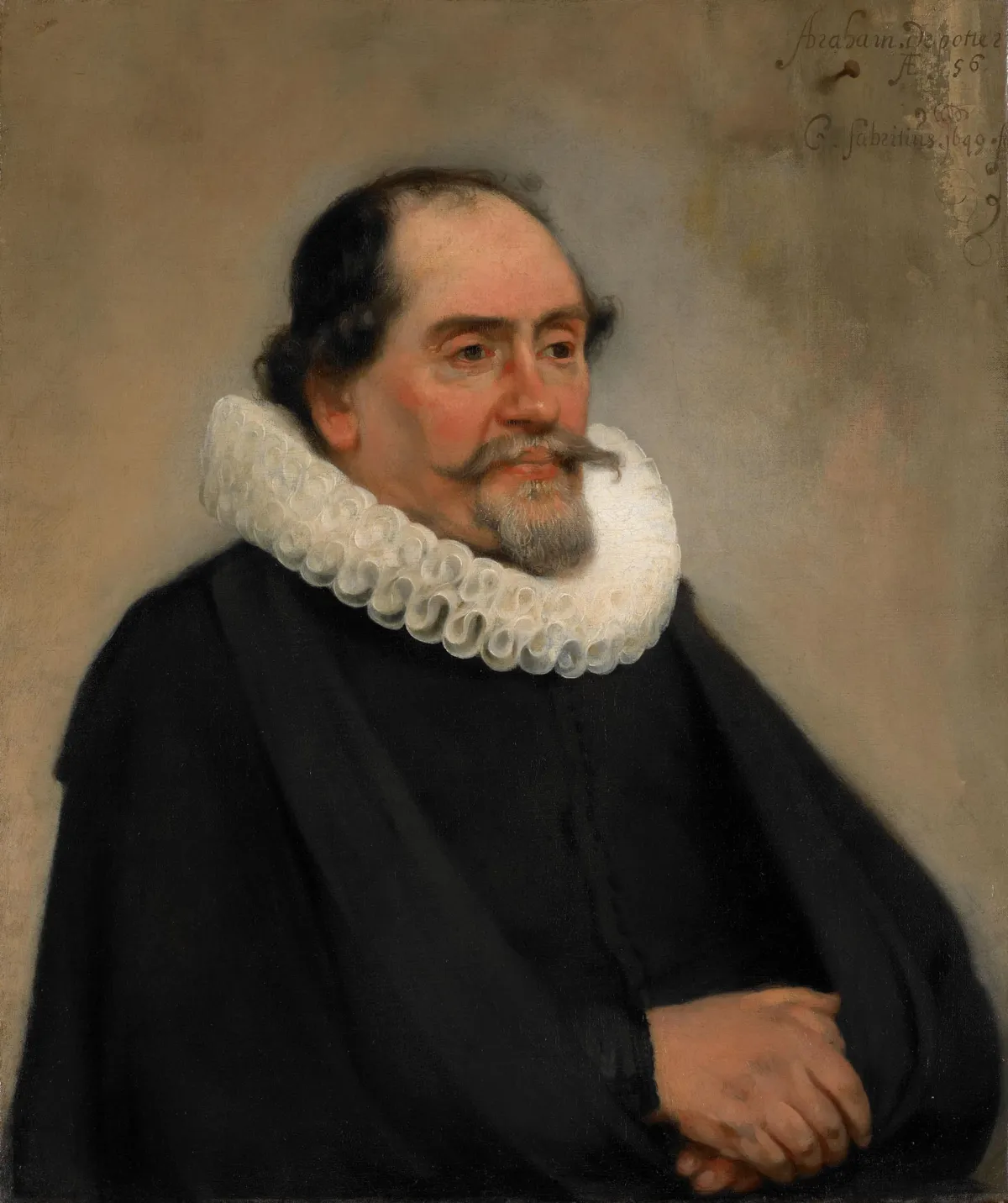
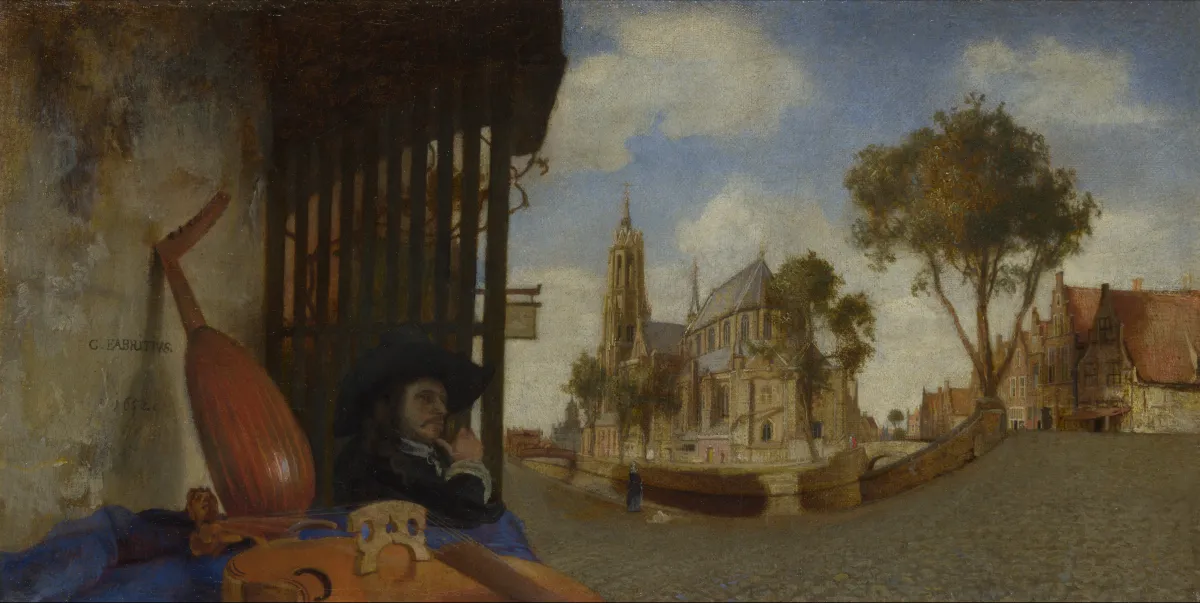
Carel Fabritius’s "Young Man in a Fur Cap" exemplifies the technical brilliance of oil on canvas, a medium favored by Dutch Golden Age painters for its versatility and depth. The delicate rendering of textures, from the softness of fur to the youthful glow of skin, showcases Fabritius’s skill. This painting is admired alongside other Fabritius works such as "Portrait of Abraham de Potter" and "A View of Delft," all celebrated for their exceptional technique.
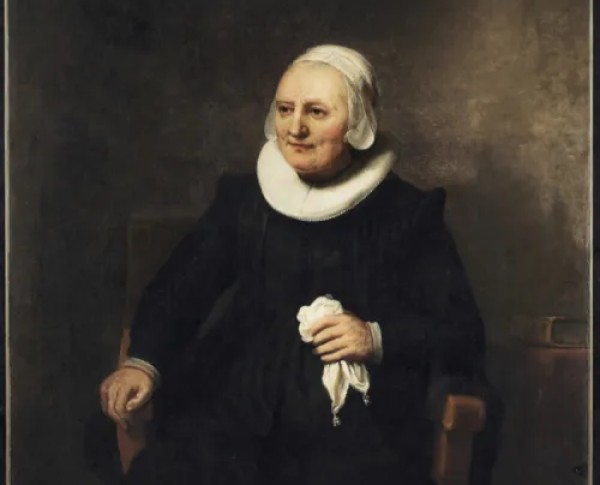
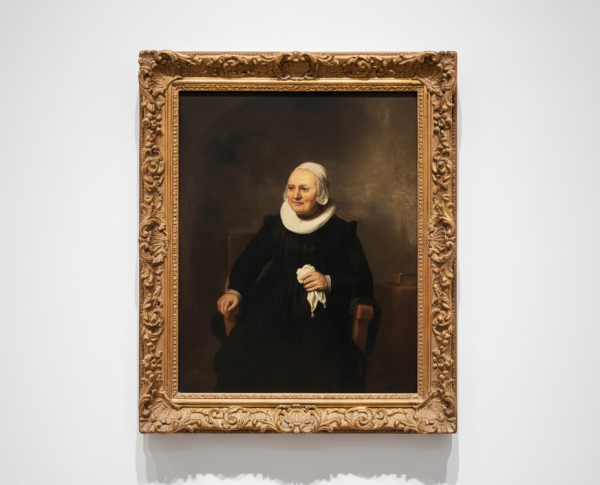
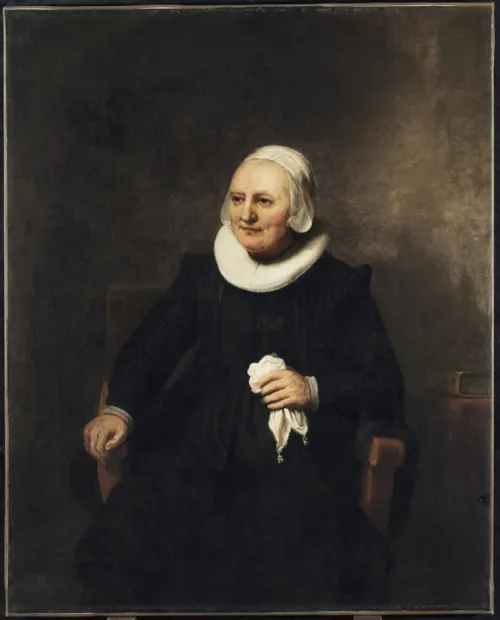
Within "Young Man in a Fur Cap," Carel Fabritius weaves subtle narratives through his use of light and symbolism, hallmarks of the Dutch Golden Age. The fur cap, a prominent accessory, hints at status and individuality, inviting viewers to contemplate the sitter’s story. Collectors often seek such hand-painted oil paintings for their ability to evoke curiosity and reflection, much like "Portrait of a Seated Woman with a Handkerchief" and "The Sentry."
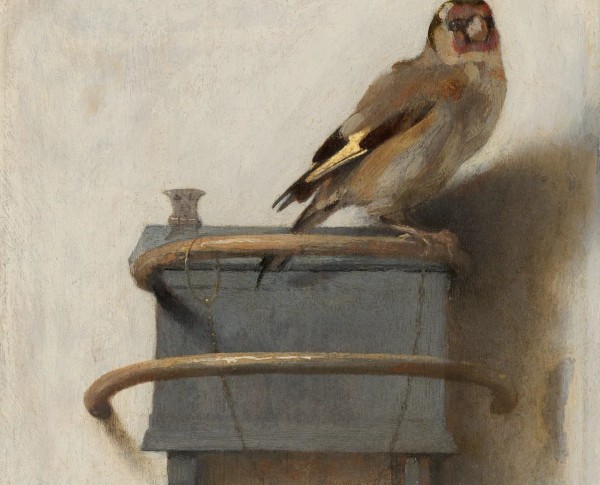
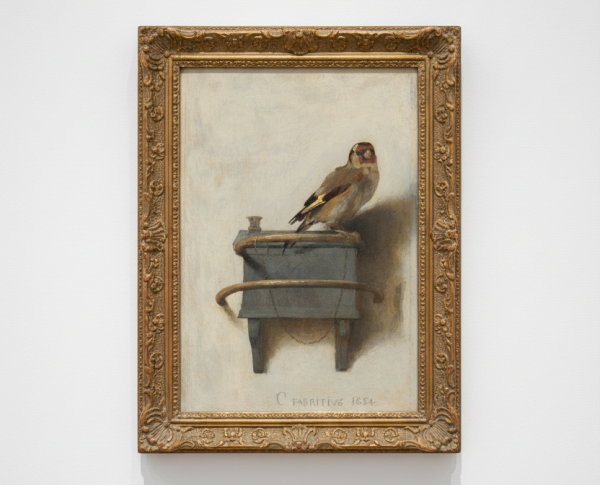
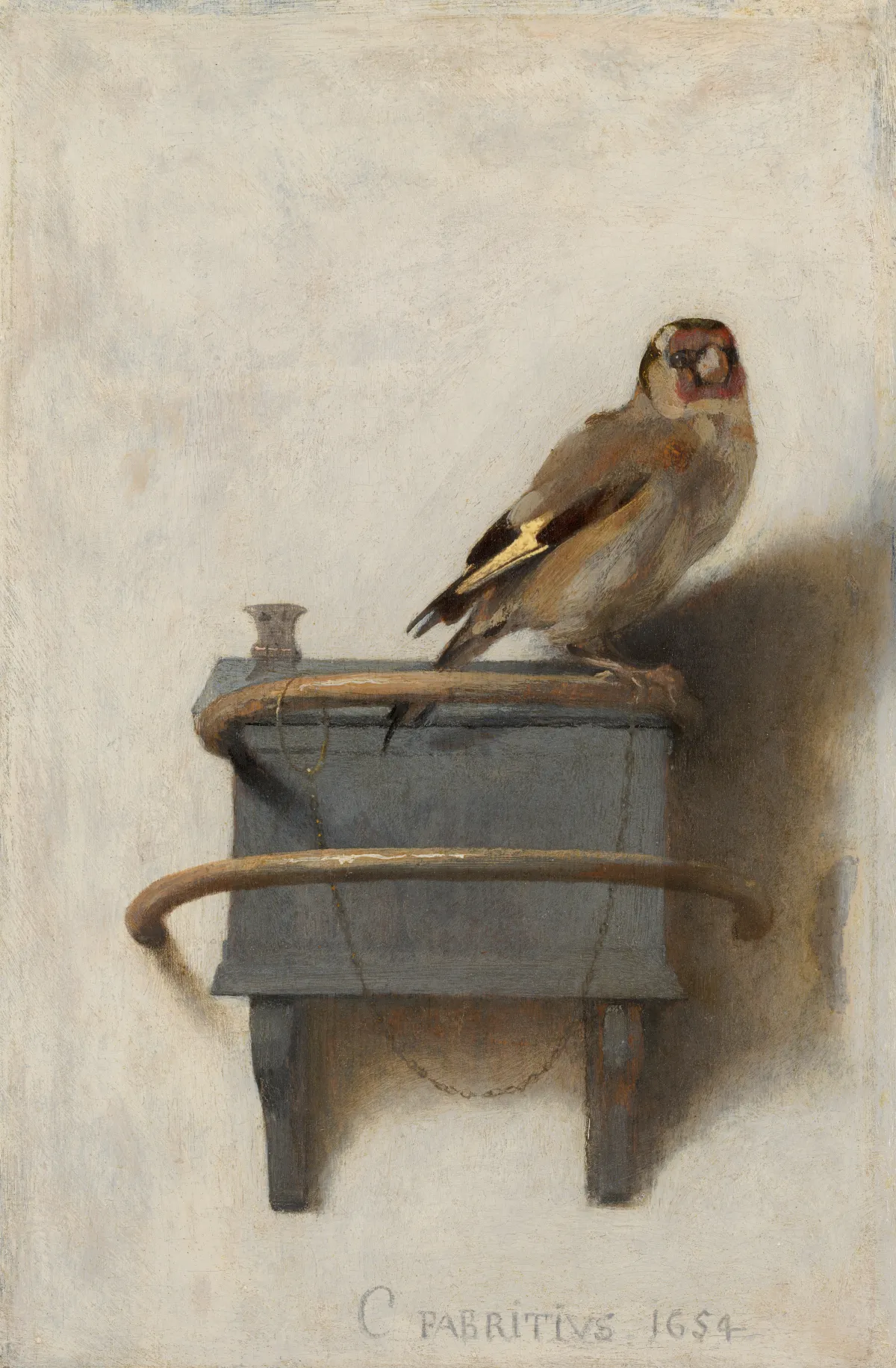
For art connoisseurs, "Young Man in a Fur Cap" is more than just an exquisite oil on canvas; it is a prized addition to any collection of Dutch Golden Age masterpieces. Carel Fabritius’s works, including this one, are often featured alongside "The Goldfinch" and "A View of Delft." As a fine art painting for sale, it offers a rare opportunity to own a piece of history crafted by one of the movement's most innovative artists.
When Art Meets History
Carel Fabritius’s "Young Man in a Fur Cap" stands as a remarkable example of Dutch Golden Age artistry. This hand-painted oil painting not only reflects the era’s fascination with realism but also connects to masterpieces like "Saint Praxedis" and "View of Delft." Fabritius, a pupil of Rembrandt, brought fresh perspectives to portraiture, blending historical context with artistic innovation. His work captures the spirit of 17th-century Netherlands, making it a prized subject among art historians and enthusiasts alike.
Techniques That Speak
Fabritius’s "Young Man in a Fur Cap" demonstrates masterful oil on canvas technique, evident in the subtle play of light and texture. The artist’s brushwork is both delicate and assured, reminiscent of other Dutch Golden Age works such as "Woman with a Water Jug" and "Diana and her Nymphs." Through careful layering and attention to detail, Fabritius achieves a lifelike presence, reflecting the technical prowess that distinguishes Dutch portraiture from this influential artistic movement.
Emotions on Display
In "Young Man in a Fur Cap," Carel Fabritius captures a depth of emotion that resonates with the viewer. The sitter’s introspective gaze and the soft rendering of features evoke a sense of quiet contemplation. This approach to portraiture, also seen in paintings like "The Wine Glass," highlights the Dutch Golden Age’s focus on individual character. Such evocative expression is a hallmark of a fine art painting for sale, attracting collectors seeking emotional resonance.
Coveted by Collectors
"Young Man in a Fur Cap" by Carel Fabritius remains highly sought after by collectors of Dutch Golden Age art. Its historical significance and masterful execution contribute to its enduring appeal, much like "View of Delft" and "Saint Praxedis." As a hand-painted oil painting, it exemplifies the qualities that make fine art painting for sale so desirable—rarity, craftsmanship, and a direct connection to one of the era’s most innovative artists.
Related Dutch Golden Age Hand-Painted Oil Paintings by Other Artists
Other Famous Dutch Golden Age Artists:
Frequently Asked Questions About Young Man in a Fur Cap
Who is the artist of Young Man in a Fur Cap?
The painting was created by Carel Fabritius, a notable Dutch painter of the 17th century, recognized for his innovative use of light and color.
What is the historical context of Young Man in a Fur Cap?
Painted in the 1650s, this artwork reflects the Dutch Golden Age, a period marked by significant advancements in art, science, and trade in the Netherlands.
What artistic techniques did Carel Fabritius employ in this painting?
Fabritius utilized chiaroscuro to create depth and dimension, along with a delicate handling of light that highlights the textures of the fur cap and the subject's facial features.
What is the significance of the fur cap in the painting?
The fur cap symbolizes status and fashion in 17th-century Dutch society, indicating the subject's wealth and social standing while also serving as a focal point in the composition.
How does Young Man in a Fur Cap reflect the characteristics of Dutch portraiture?
This painting exemplifies Dutch portraiture through its realistic representation, attention to detail, and the psychological depth conveyed in the subject's expression.
What role did light play in Young Man in a Fur Cap?
Light is a crucial element in this painting, as it not only illuminates the subject but also enhances the three-dimensionality and creates an intimate atmosphere.
What emotions does the subject convey in Young Man in a Fur Cap?
The young man's expression is contemplative and introspective, inviting viewers to ponder his thoughts and the story behind his gaze.
How does this painting compare to other works by Carel Fabritius?
Compared to other works by Fabritius, such as The Goldfinch, Young Man in a Fur Cap showcases his mastery of portraiture while still reflecting his unique style and innovative approach to composition.
What is the current location of Young Man in a Fur Cap?
The painting is housed in the Mauritshuis museum in The Hague, Netherlands, where it is part of a prestigious collection of Dutch Golden Age art.
What influence did Carel Fabritius have on later artists?
Fabritius's innovative techniques and emphasis on light and atmosphere influenced later artists, particularly those in the Dutch Baroque movement, and contributed to the evolution of portrait painting.






















_GFM_Painting_(1).webp)


 100% Hand-Painted: Finished in 3-6 Weeks

.png)















_(1).webp)