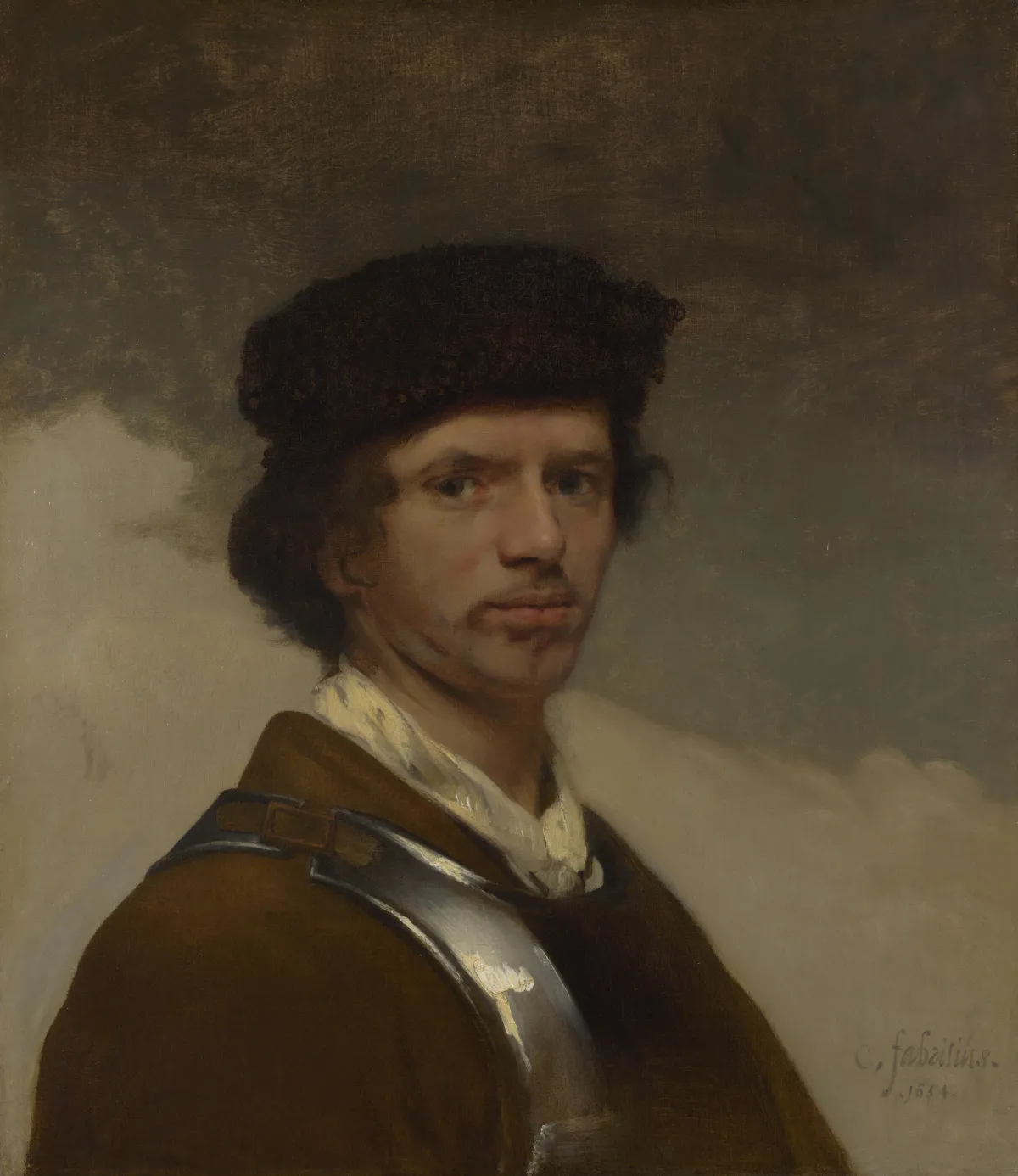
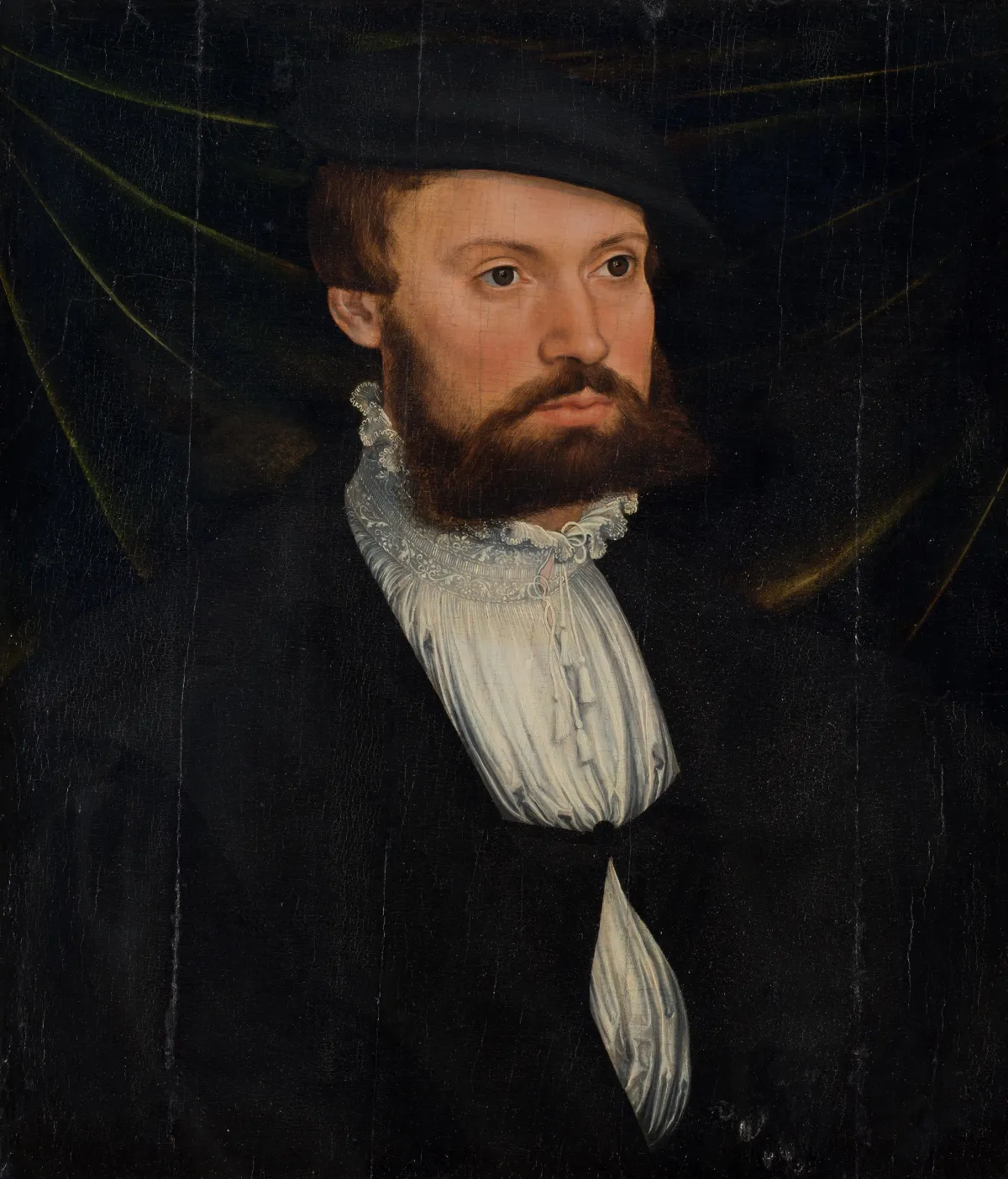
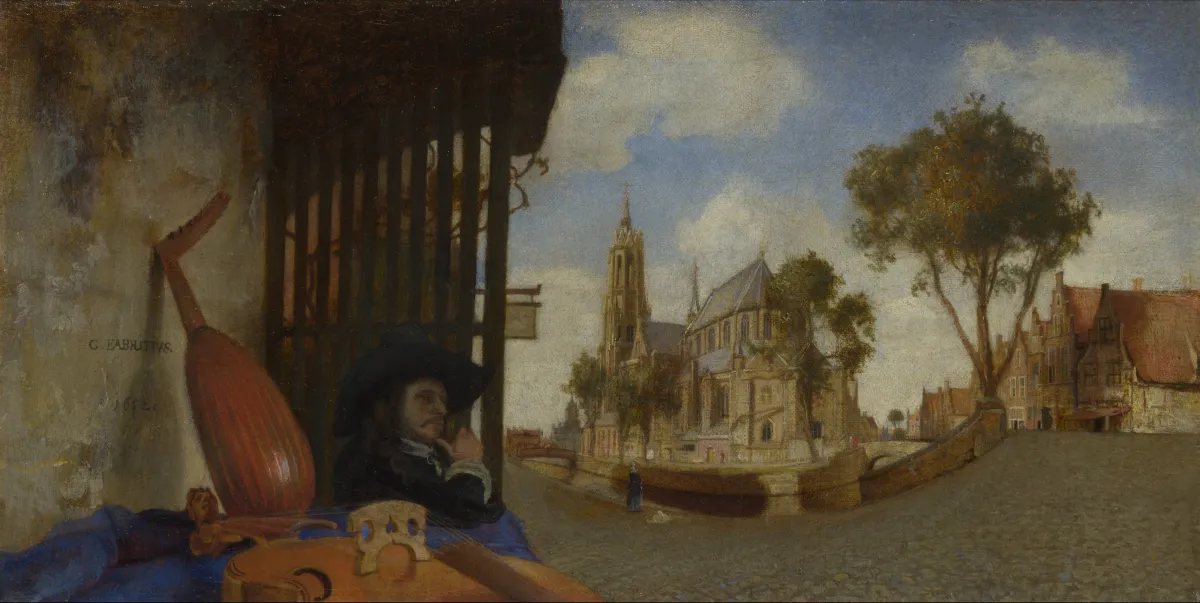
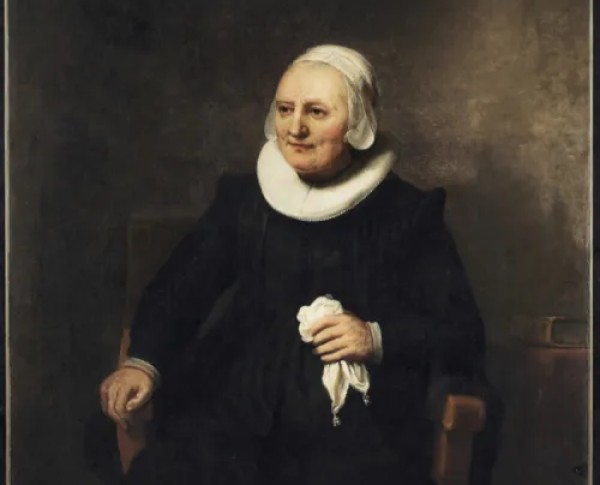
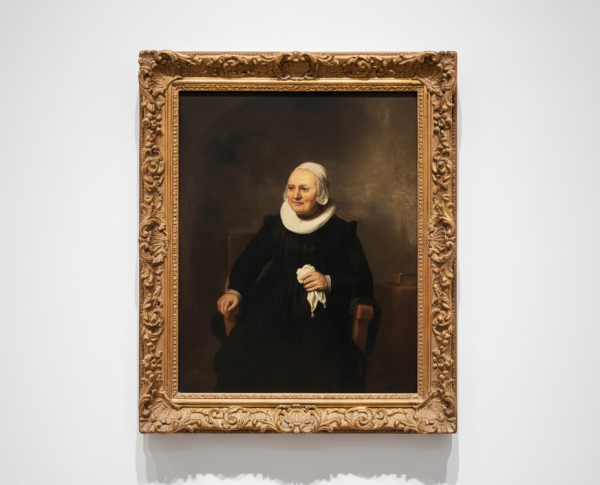
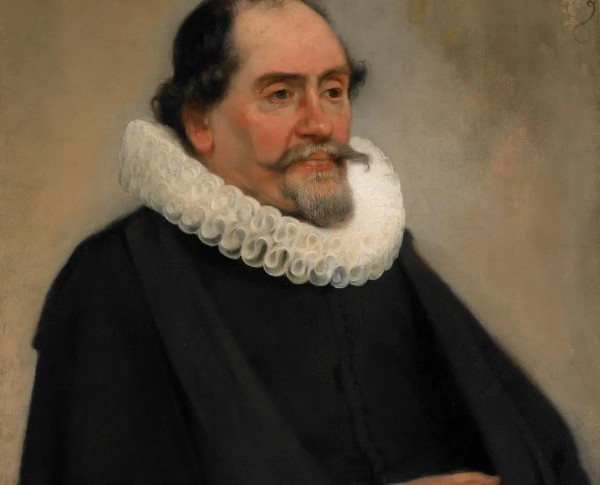
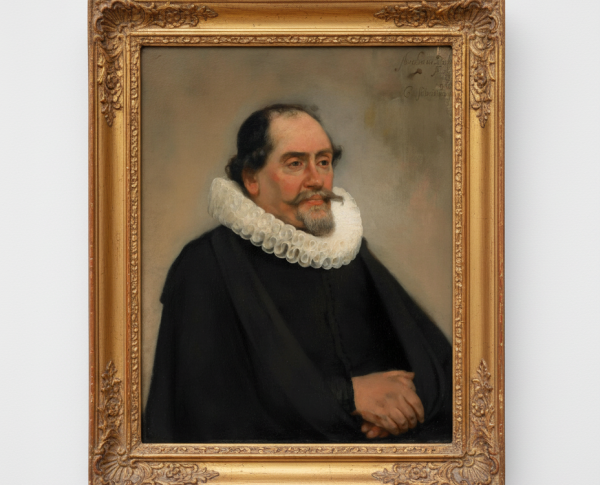
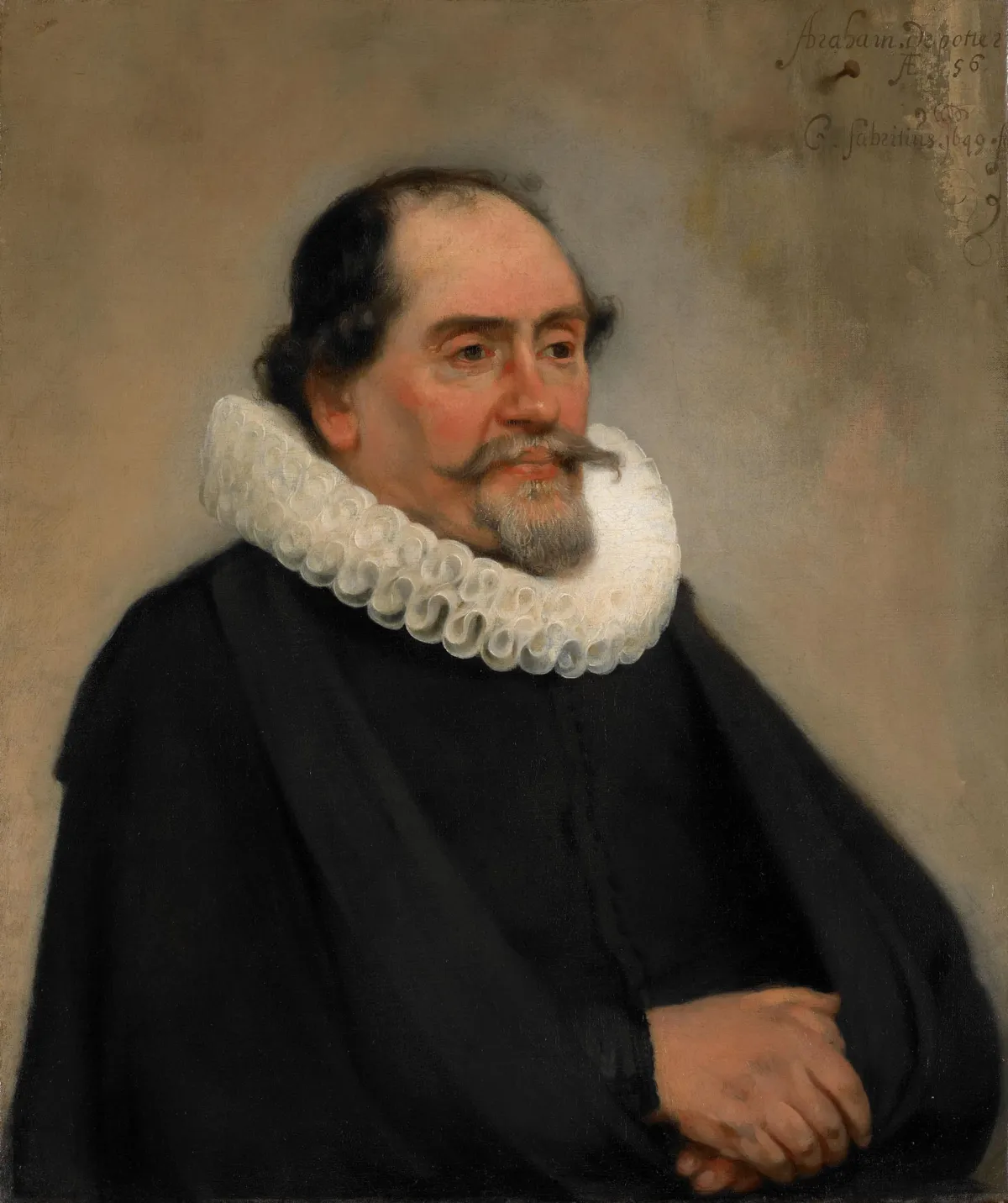
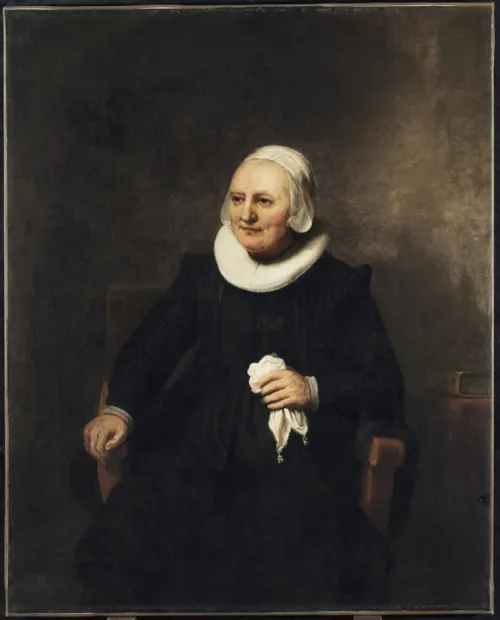
With "Portrait of Abraham de Potter," Carel Fabritius demonstrates his exceptional command over oil on canvas. Each brushstroke captures subtle nuances, highlighting his technical brilliance within the Dutch Golden Age movement. This painting stands alongside masterpieces such as "Portrait of a Seated Woman with a Handkerchief," showcasing the depth and realism characteristic of the period. Art lovers seeking a timeless oil on canvas treasure will appreciate Fabritius’s meticulous attention to detail.
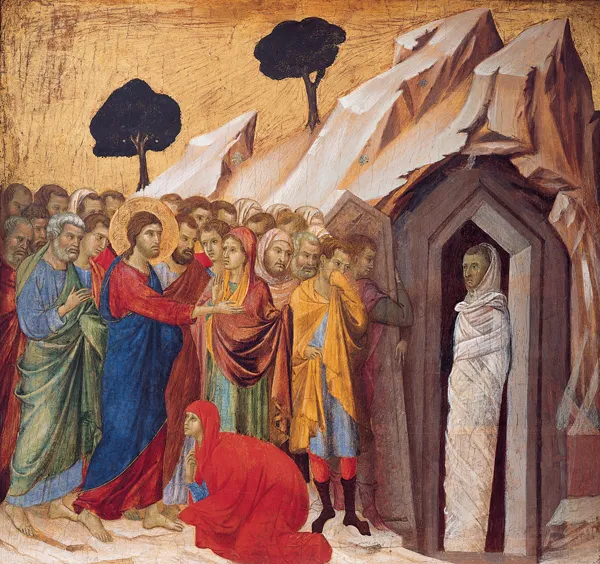
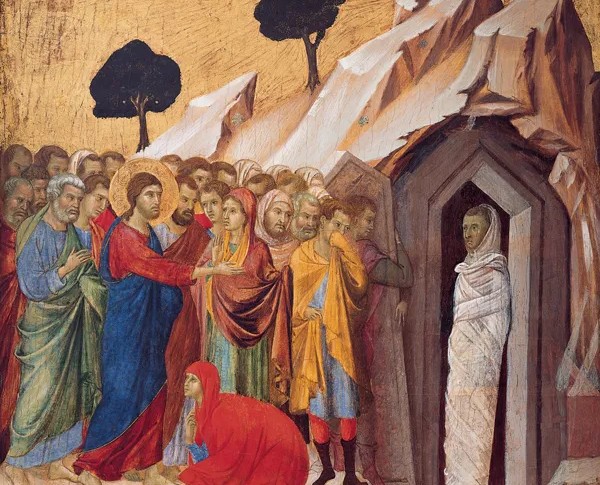
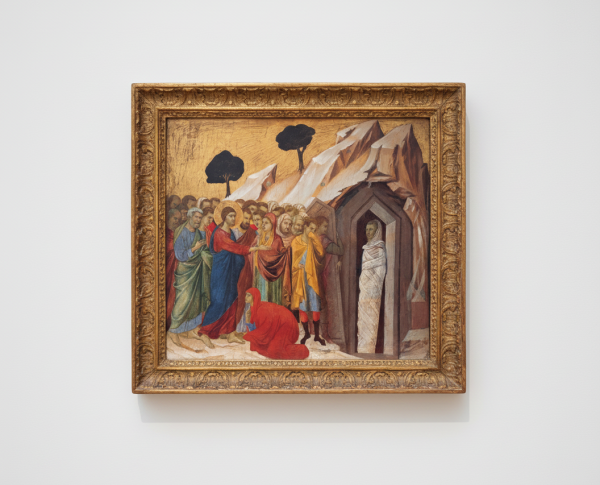
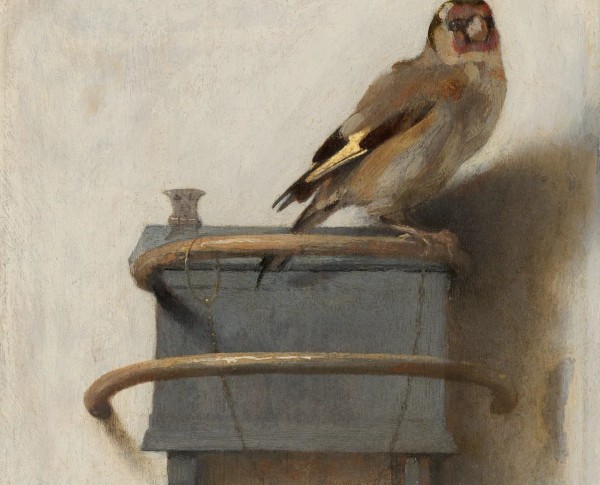
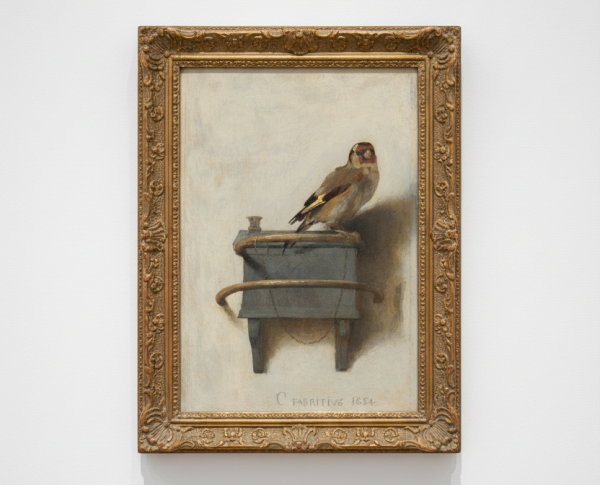
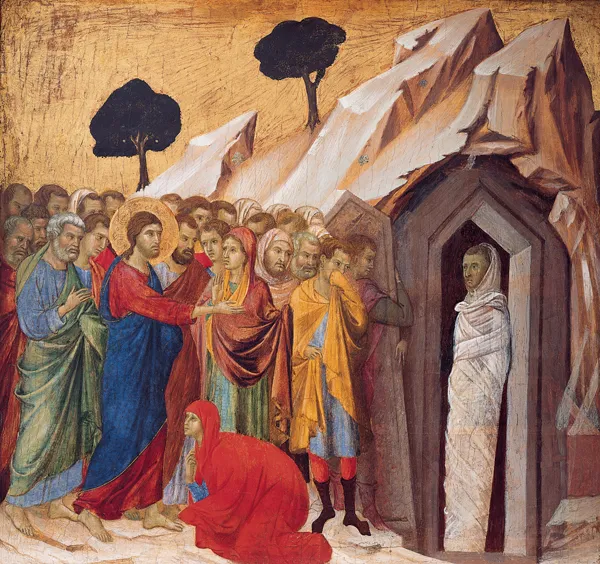
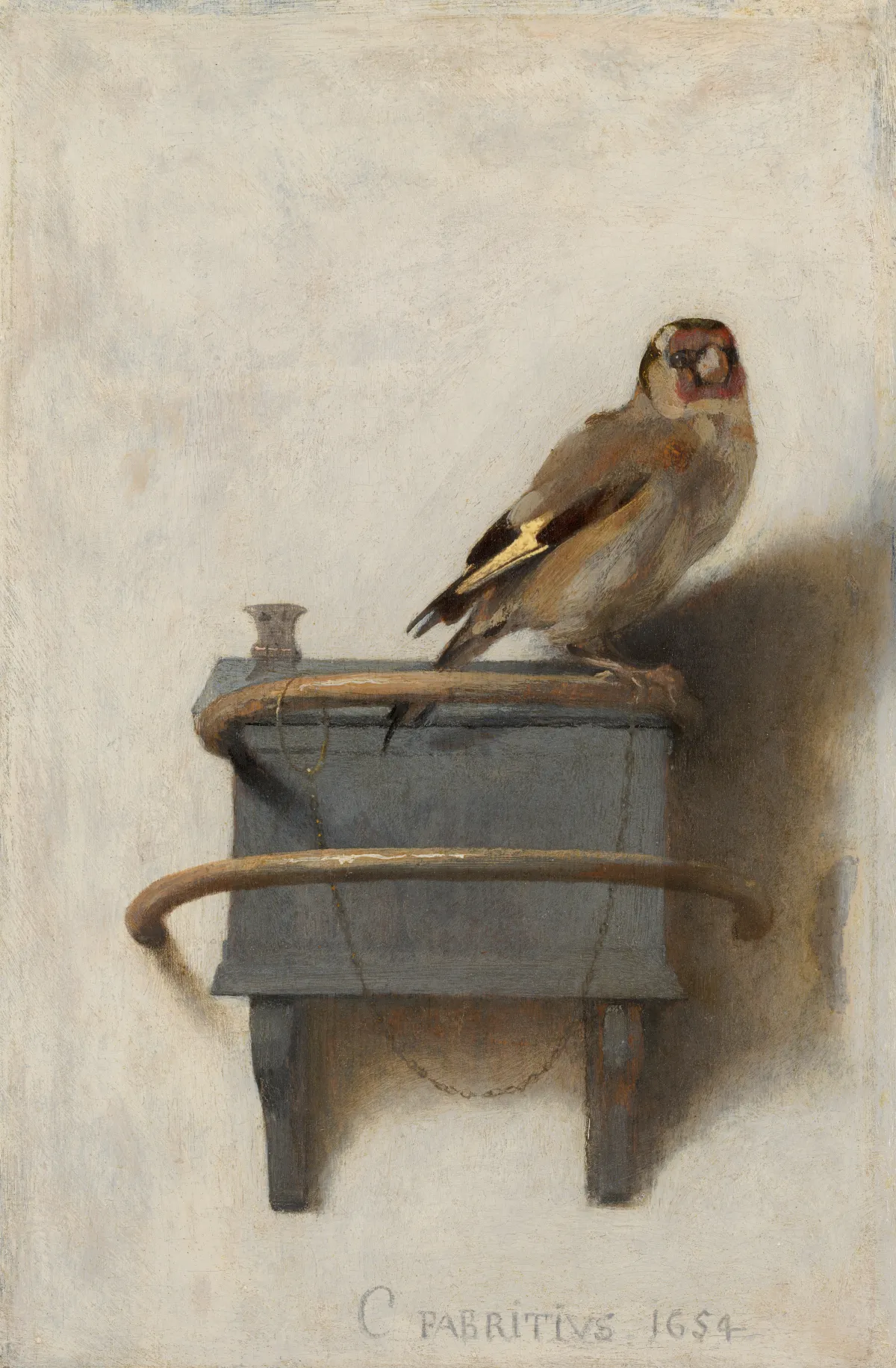
Every element in "Portrait of Abraham de Potter" tells a story, reflecting the narrative depth typical of Dutch Golden Age works. Fabritius skillfully weaves symbolism into this hand-painted oil painting, from the sitter’s attire to his thoughtful expression. Collectors exploring related products like "The Goldfinch" or "The Raising of Lazarus" will find similar storytelling woven into each canvas, making these works invaluable additions to any fine art collection.
"Portrait of Abraham de Potter" by Carel Fabritius remains a fine art painting for sale that captivates seasoned collectors and new admirers alike. Its place within the Dutch Golden Age movement ensures lasting value and appeal. Owning this masterpiece, alongside related works such as "Portrait of a Seated Woman with a Handkerchief," offers a rare opportunity to possess a piece of history, meticulously preserved through centuries of artistic excellence.
When Art Meets History
Carel Fabritius, a notable figure of the Dutch Golden Age, created the remarkable "Portrait of Abraham de Potter." This hand-painted oil painting captures the spirit of 17th-century Amsterdam, blending historical context with artistic mastery. Fabritius, a pupil of Rembrandt, contributed deeply to Dutch portraiture alongside works like "The Night Watch" and "The Procuress." His attention to detail in this artwork mirrors the era’s fascination with individuality and realism, making it a true historical gem.
Techniques That Speak
The "Portrait of Abraham de Potter" demonstrates Fabritius’s exceptional skill with oil on canvas, a favored medium during the Dutch Golden Age. His nuanced brushwork and mastery of light evoke comparisons to masterpieces such as "Philosopher in Meditation 1632" and "Saint Praxedis." Fabritius’s ability to render lifelike textures and subtle expressions places this painting among the era’s finest. His innovative techniques set new standards for portraiture and influenced generations of artists.
Emotions on Display
In this fine art painting for sale, Fabritius conveys the inner world of Abraham de Potter with rare sensitivity. The sitter’s thoughtful gaze and composed demeanor invite viewers to ponder his story, echoing the emotional depth found in "The Wine Glass." Fabritius’s portrait goes beyond mere likeness, offering a glimpse into the psyche of its subject. The emotional resonance of this artwork exemplifies the Dutch Golden Age’s dedication to truth and humanity in art.
Coveted by Collectors
"Portrait of Abraham de Potter" remains highly sought after by collectors and museums alike, celebrated as a hand-painted oil painting of exceptional quality. Alongside Fabritius’s other works and related paintings like "The Procuress," it stands as a testament to the enduring appeal of Dutch Golden Age art. Its provenance and artistry ensure that it remains a prized addition to any collection, illustrating the timeless allure of masterful portraiture.
Related Dutch Golden Age Hand-Painted Oil Paintings by Other Artists
Other Famous Dutch Golden Age Artists:
Frequently Asked Questions About Portrait of Abraham de Potter
Who was Carel Fabritius?
Carel Fabritius was a Dutch painter of the 17th century, known for his innovative techniques and contributions to the Dutch Golden Age of painting. He was a pupil of Rembrandt and is celebrated for his unique use of light and color.
What is the significance of the subject, Abraham de Potter?
Abraham de Potter was a notable figure in the art community of the time, serving as a painter and art dealer. His portrayal by Fabritius highlights the importance of individual identity and the role of artists in society during the Dutch Golden Age.
What artistic techniques are employed in this painting?
Fabritius utilized a technique known as chiaroscuro, which contrasts light and shadow to create depth and volume. His brushwork is also notable for its precision and the delicate rendering of textures, particularly in the depiction of fabrics.
How does this painting reflect the characteristics of the Dutch Golden Age?
The painting exemplifies the Dutch Golden Age through its focus on realism, attention to detail, and the celebration of individual portraiture, which was a popular genre during this period. It also reflects the era's interest in the psychological depth of subjects.
What symbolism can be found in the painting?
The portrait may symbolize the intellectual and artistic pursuits of the time, as well as the status of the individual depicted. The choice of attire and the setting can also imply a connection to the cultural and social values of the 17th century Dutch society.
What is the historical context of the painting?
Created in the mid-17th century, this painting reflects the socio-political climate of the Netherlands during a time of economic prosperity and cultural flourishing. It captures the essence of a society that valued art and individual expression.
How does this work compare to other portraits of the time?
Compared to other portraits of the period, Fabritius's work stands out for its intimate portrayal and psychological insight. While many contemporaries focused on grandeur, Fabritius emphasized the individuality and humanity of his subjects.
What materials and techniques did Fabritius use for this painting?
Fabritius likely used oil on canvas, a common medium of the time, which allowed for rich color and fine detail. His technique involved layering glazes to achieve luminosity and depth, enhancing the realism of the portrait.
What influence did this painting have on later artists?
This painting influenced later artists by demonstrating the power of psychological depth in portraiture. Fabritius's innovative techniques and focus on individuality paved the way for subsequent generations of portrait artists in the Dutch and broader European art scenes.
Where can I view the Portrait of Abraham de Potter today?
The Portrait of Abraham de Potter is housed in a prominent art collection, where it can be viewed by the public. Please check the gallery's current exhibitions for specific details on its availability for viewing.






















_GFM_Painting_(1).webp)


 100% Hand-Painted: Finished in 3-6 Weeks

.png)















_(1).webp)