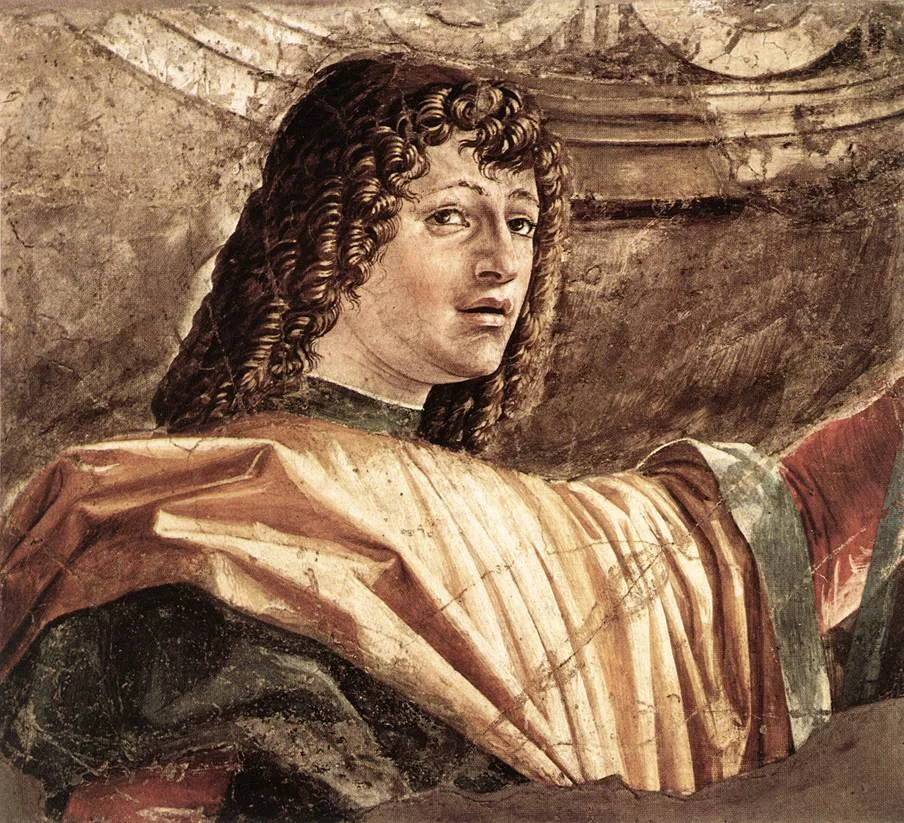
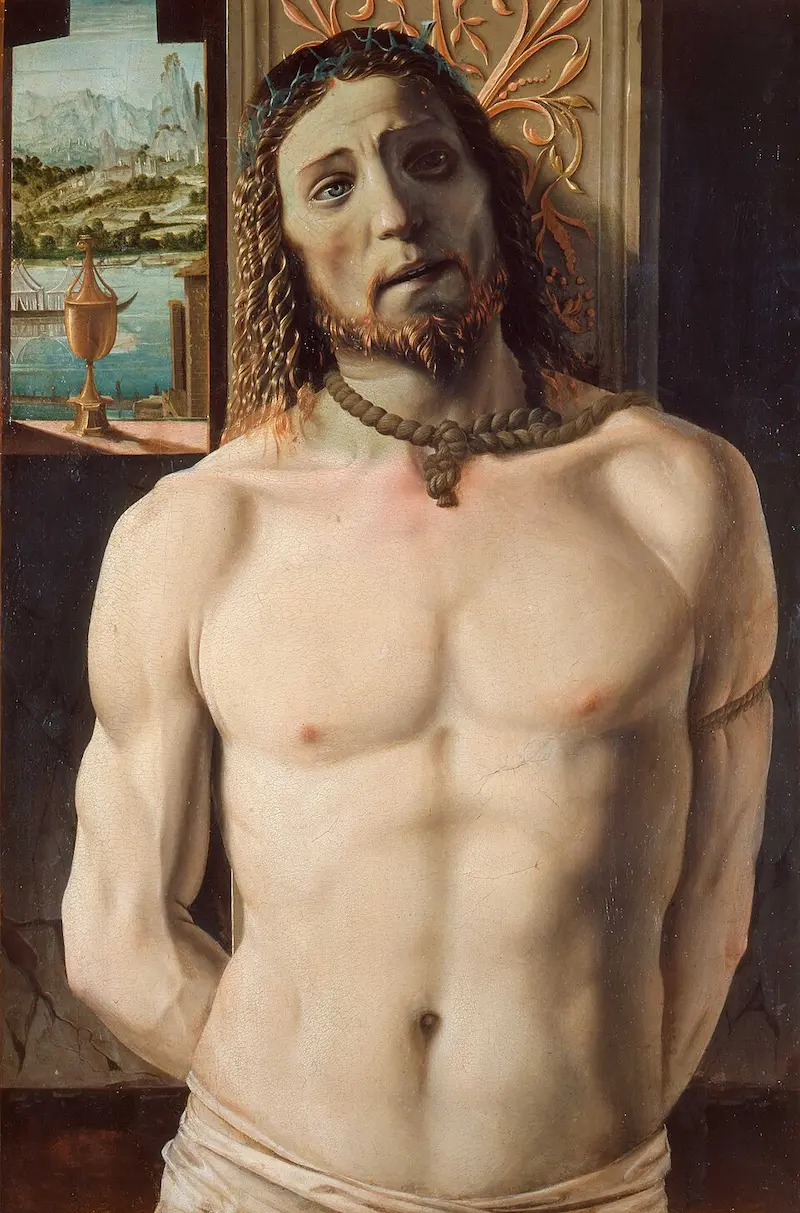
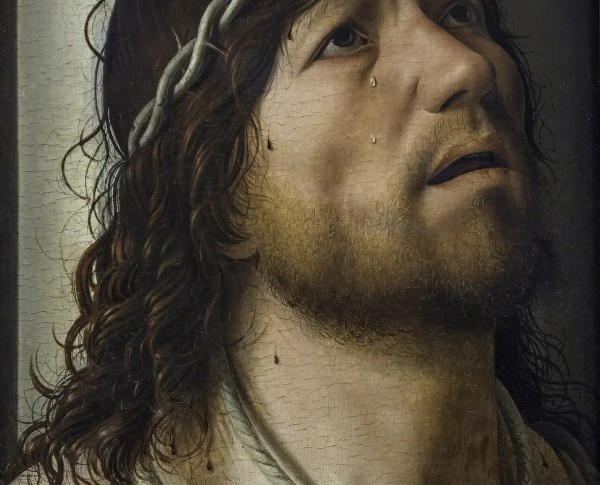
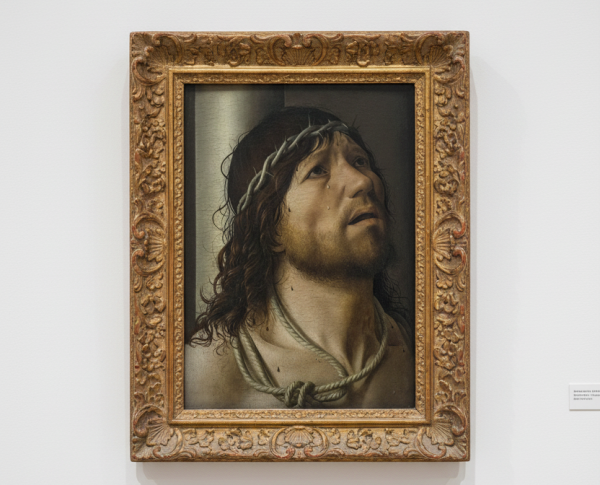
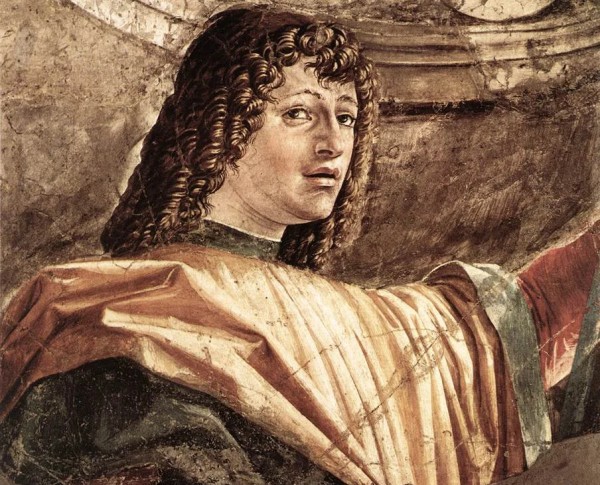
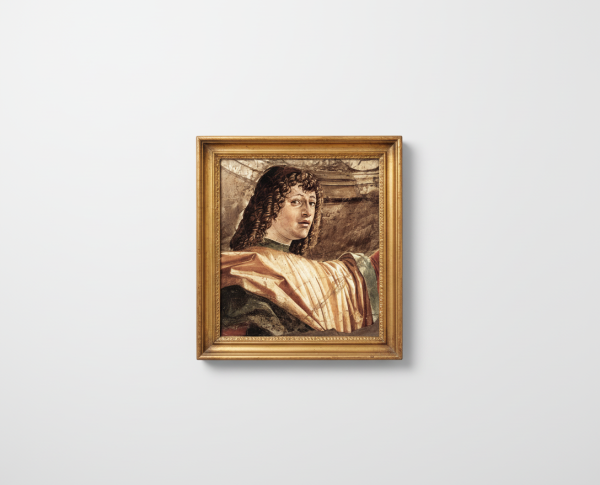
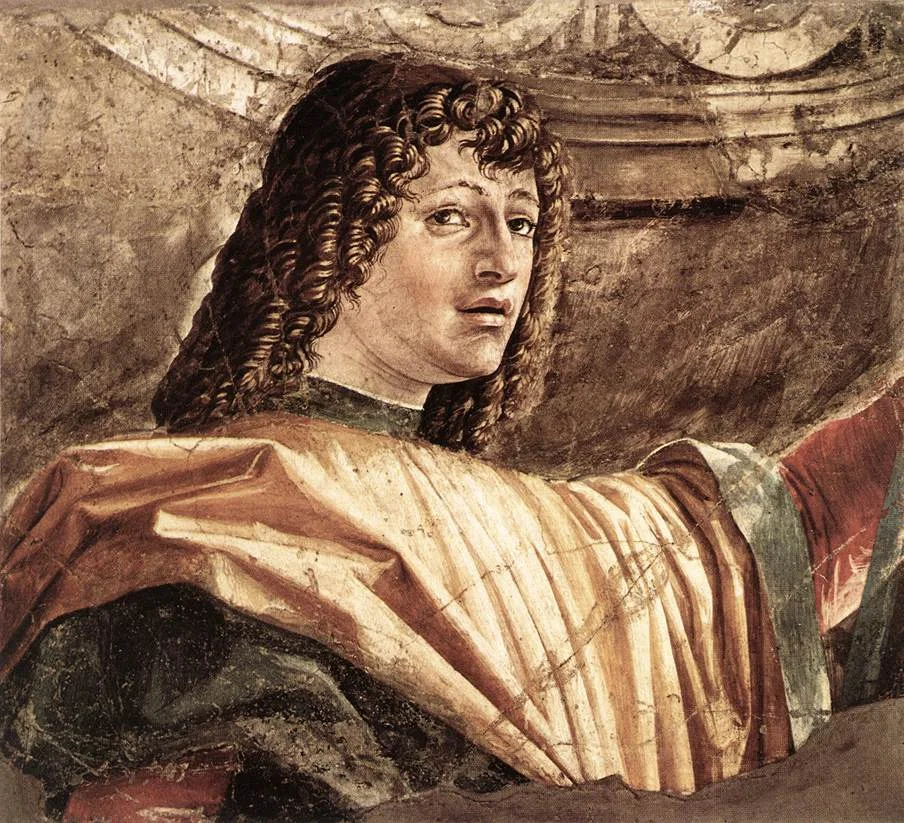
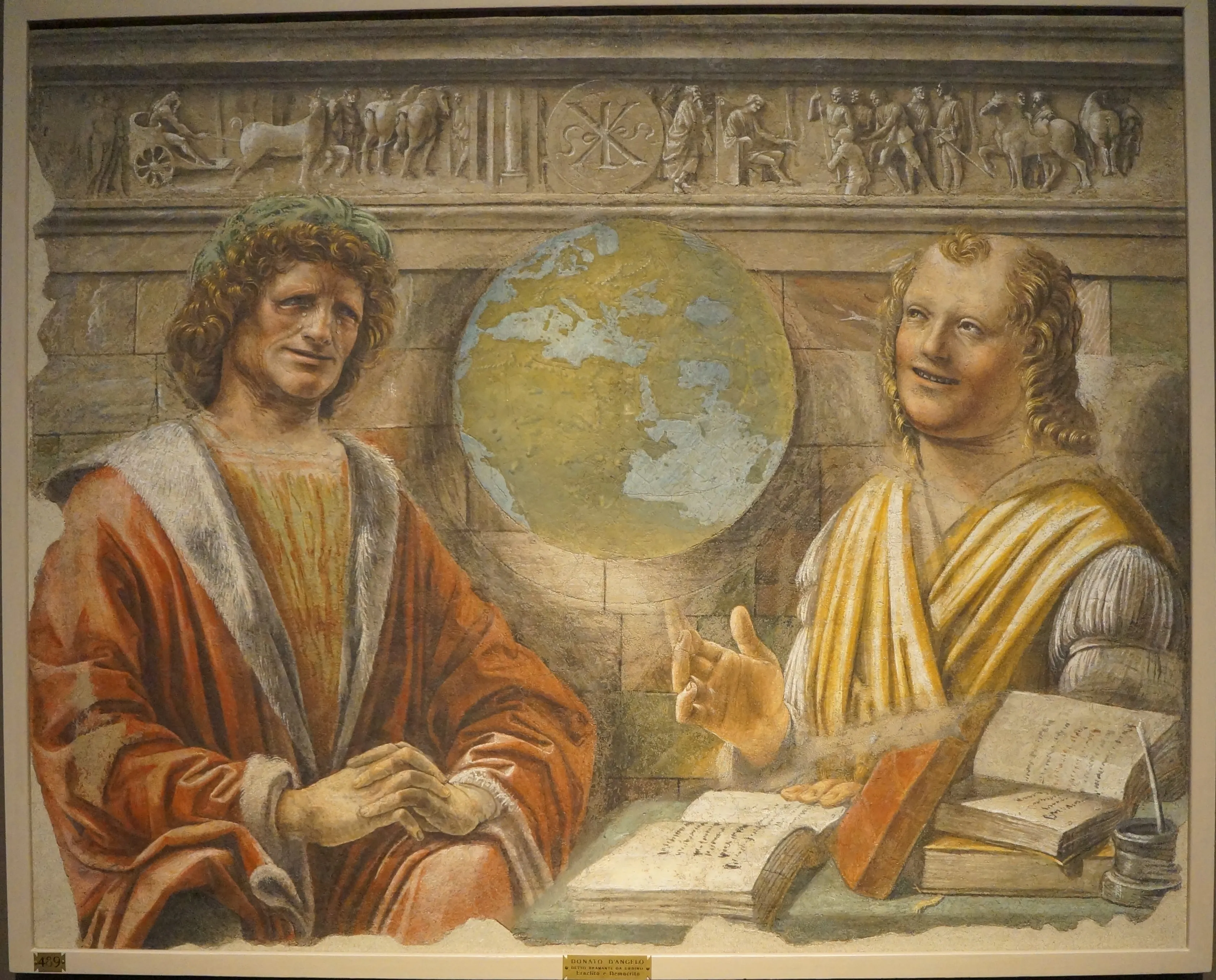
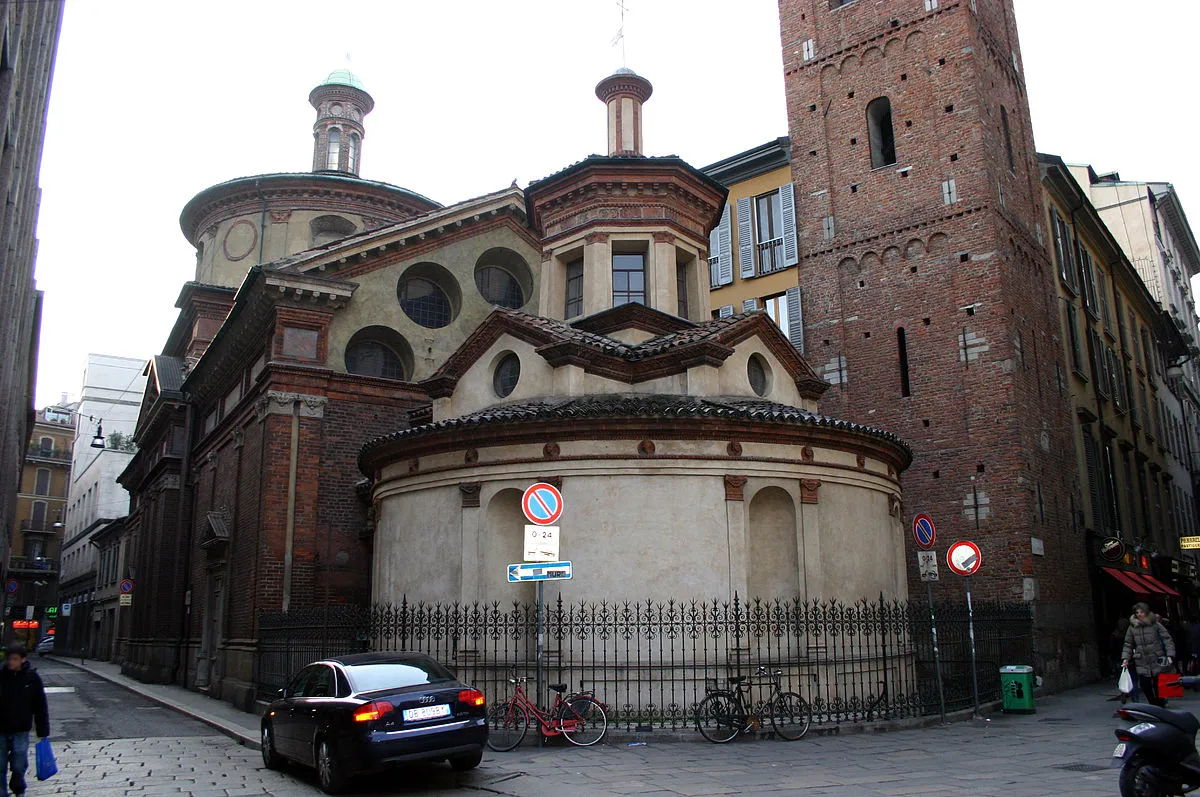
With "Aramato," Donato Bramante demonstrates his command over oil on canvas, blending meticulous detail and vibrant color synonymous with the High Renaissance. Every brushstroke reveals the artist’s dedication to form and proportion, inviting viewers into a world of harmony and balance. This masterpiece shares artistic kinship with works such as "Santa Maria presso San Satiro - Bramante false apse" and "Man with a Mace," highlighting the technical brilliance of Bramante’s painting technique.
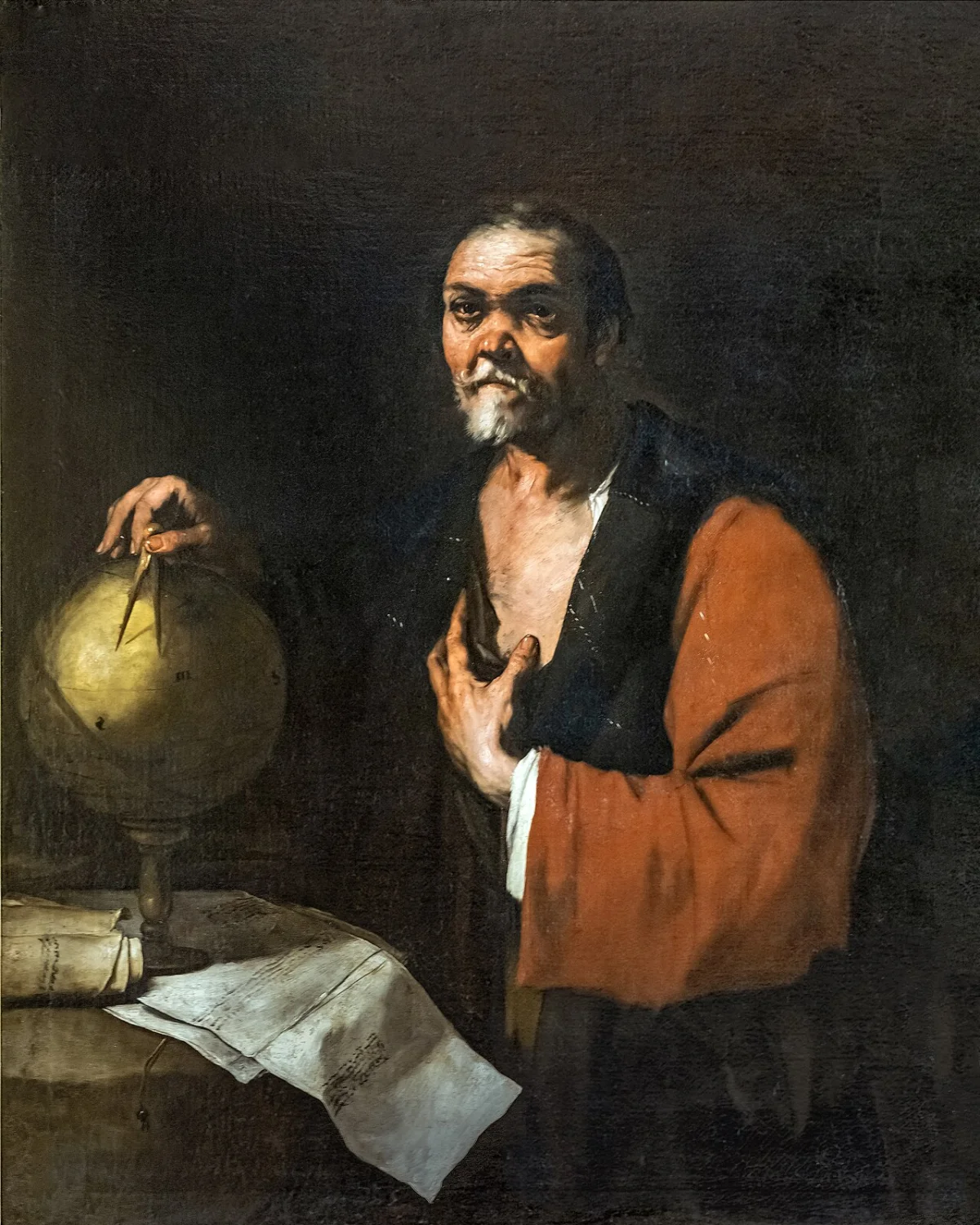
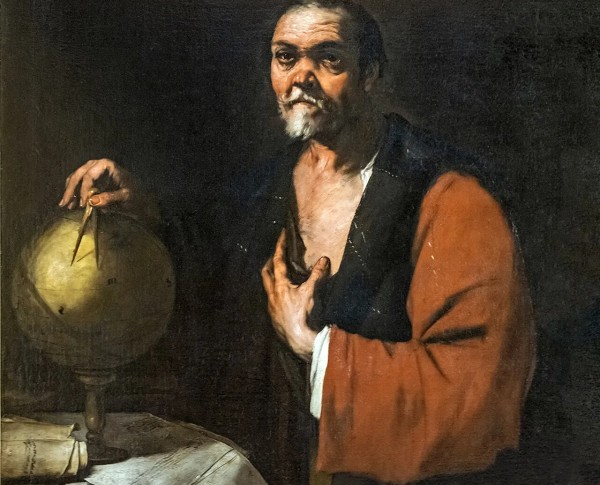
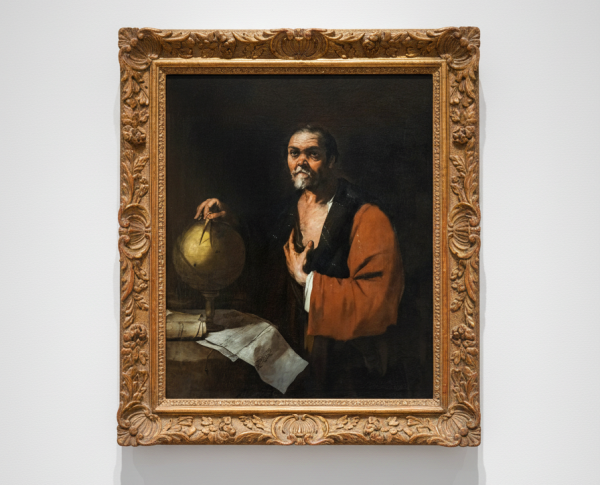
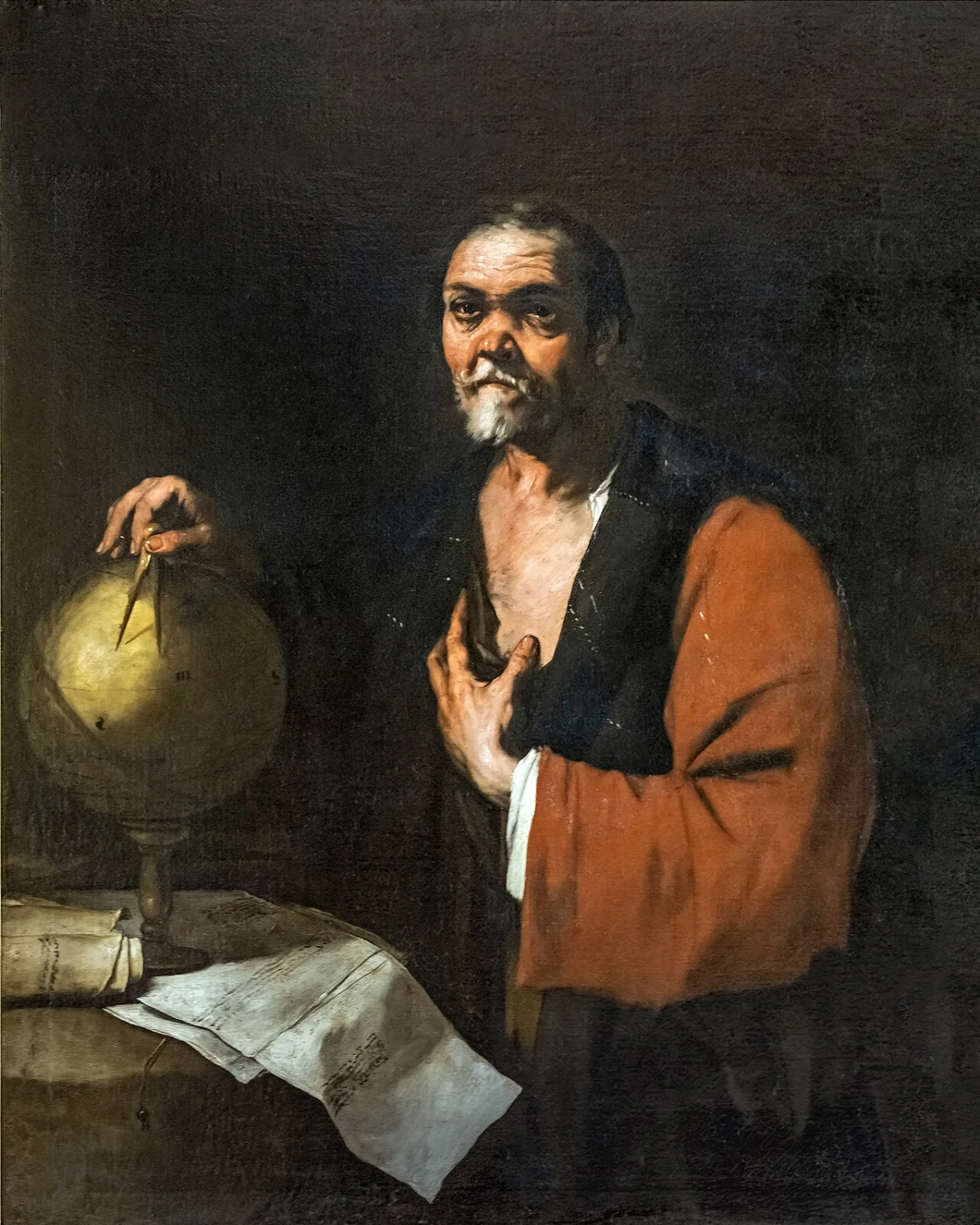
Within "Aramato," Bramante weaves a rich tapestry of narratives and iconography, a hallmark of High Renaissance art. The painting’s subtle allegories and symbolic gestures invite contemplation, making it more than just a fine art painting for sale. Collectors and enthusiasts often compare its thematic depth to pieces like "Uomo dall'alabarda" and "Crying Heraclitus and Laughing Democritus," both of which echo Bramante’s flair for storytelling through art.
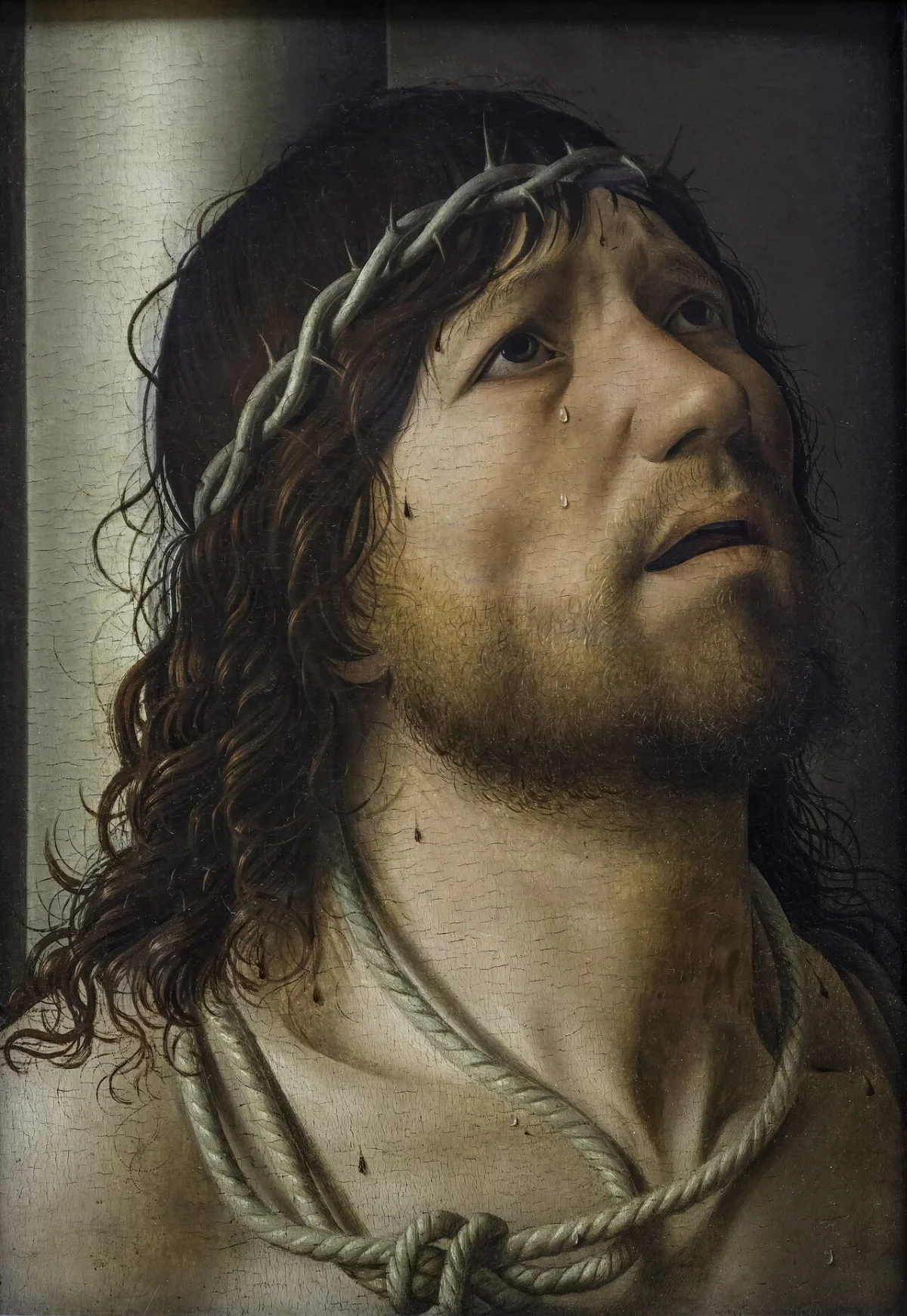
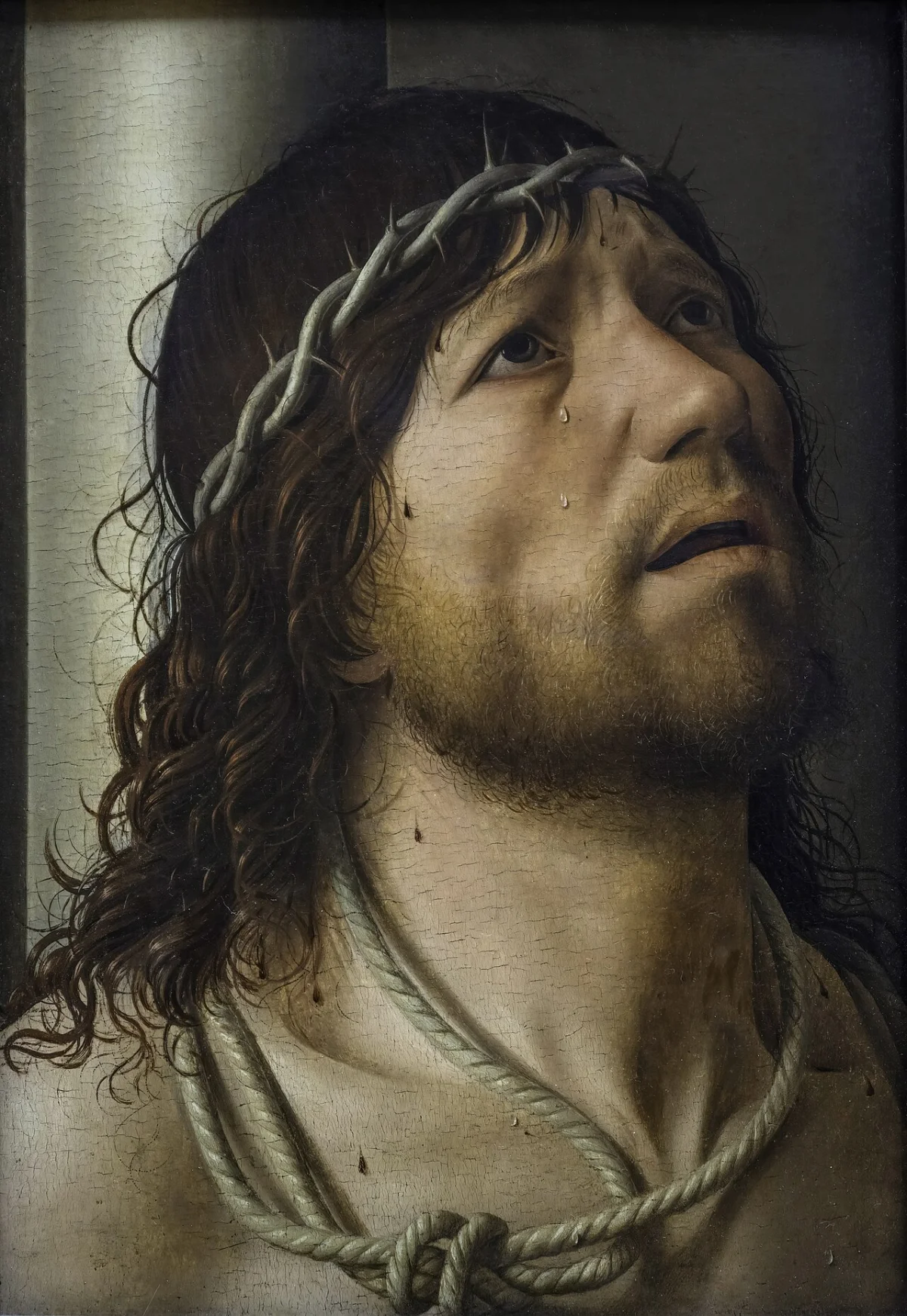
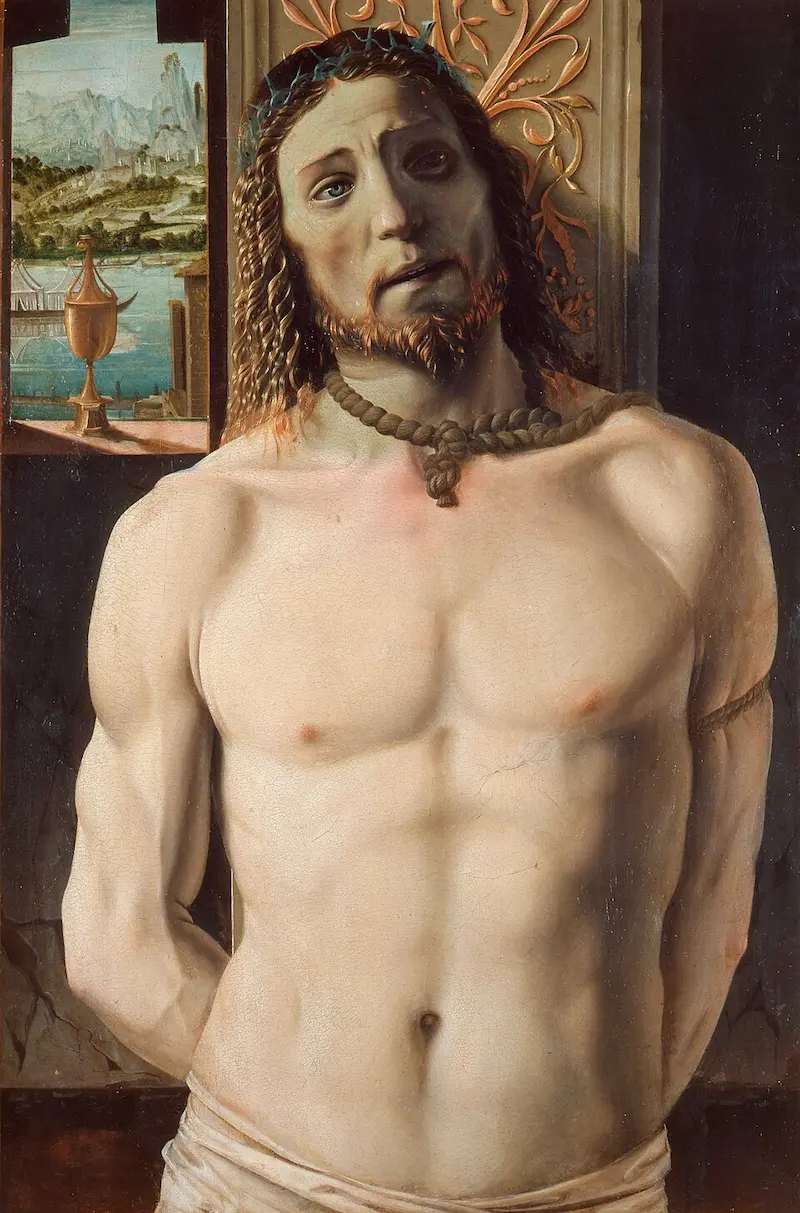
Owning "Aramato" by Donato Bramante means acquiring a piece of the High Renaissance legacy. This hand-painted oil painting is highly sought after by collectors who appreciate its historical significance and artistic mastery. As with other related products, such as "Christ at the Column (Bramante)," "Aramato" represents not only an exquisite artwork but also a wise investment for those seeking timeless masterpieces from the Renaissance period.
When Art Meets History
"Aramato" by Donato Bramante stands as a remarkable testament to the High Renaissance movement, a period celebrated for its artistic innovation and mastery. This hand-painted oil painting encapsulates the era’s devotion to harmony and realism, drawing inspiration from contemporaries like Leonardo da Vinci’s "The Last Supper 1498" and Raphael’s "The Madonna Of The Chair." Bramante’s work not only reflects historical significance but also showcases a unique vision that continues to captivate art enthusiasts worldwide.
Techniques That Speak
Donato Bramante’s "Aramato" demonstrates his exceptional skill with oil on canvas, a medium favored during the High Renaissance. The painting’s layered brushwork and precise use of light and shadow echo the mastery seen in related works such as "The Virgin and Child with Saint John and Angels." Bramante’s technique creates a sense of depth and realism, establishing "Aramato" as a prime example of the period’s technical excellence and a true gem among Renaissance masterpieces.
Emotions on Display
In "Aramato," Bramante expertly conveys a spectrum of emotions, inviting viewers to connect with the subject on a personal level. The expressive features and dynamic composition are reminiscent of works like "Female head (The Lady of the Dishevelled Hair) (or La Scapigliata)" from the same era. This fine art painting for sale captures the spirit of the High Renaissance, offering a profound emotional experience that enriches any collection or gallery setting.
Coveted by Collectors
As a distinguished work from Donato Bramante, "Aramato" is highly sought after by collectors and art aficionados alike. Its historical significance and masterful execution place it alongside renowned pieces like "Saint Michael Trampling the Dragon." For those seeking a hand-painted oil painting that embodies the essence of the High Renaissance, "Aramato" represents both a valuable investment and a timeless addition to any fine art collection.
Related High Renaissance Hand-Painted Oil Paintings by Other Artists
Other Famous High Renaissance Artists:
Frequently Asked Questions About Aramato
What is the historical significance of "Aramato"?
"Aramato," created by Donato Bramante, is significant as it reflects the transition from the Gothic to the Renaissance style in art and architecture during the early 16th century.
What artistic techniques did Bramante employ in "Aramato"?
Bramante utilized techniques such as chiaroscuro to create depth and dimension, as well as linear perspective to guide the viewer's eye through the composition.
What themes are explored in "Aramato"?
The painting explores themes of harmony, balance, and the divine order of nature, reflecting the Renaissance ideals of beauty and proportion.
How does "Aramato" reflect the principles of Renaissance art?
"Aramato" embodies Renaissance principles through its emphasis on realism, human emotion, and the revival of classical antiquity, showcasing Bramante's mastery of form and composition.
What symbolism can be found in "Aramato"?
The painting is rich in symbolism, with elements representing the harmony between humanity and nature, as well as the pursuit of knowledge and enlightenment characteristic of the Renaissance period.
In what ways did "Aramato" influence later artists?
"Aramato" served as an inspiration for later artists by demonstrating the effective use of perspective and composition, influencing the development of Baroque and Neoclassical art.
What materials were used in the creation of "Aramato"?
Bramante likely used oil paints on canvas, a common medium during the Renaissance that allowed for vibrant colors and detailed textures.
What is the context of "Aramato" within Bramante's body of work?
"Aramato" represents a pivotal moment in Bramante's career, showcasing his innovative approach to composition and his role in the evolution of Renaissance art.
How does "Aramato" compare to other works by Bramante?
Compared to other works by Bramante, "Aramato" stands out for its intricate detail and emotional depth, marking a significant advancement in his artistic style.
What was the public reception of "Aramato" during Bramante's time?
Upon its unveiling, "Aramato" was met with acclaim, as it exemplified the innovative spirit of the Renaissance and solidified Bramante's reputation as a leading artist of his time.






















_GFM_Painting_(1).webp)

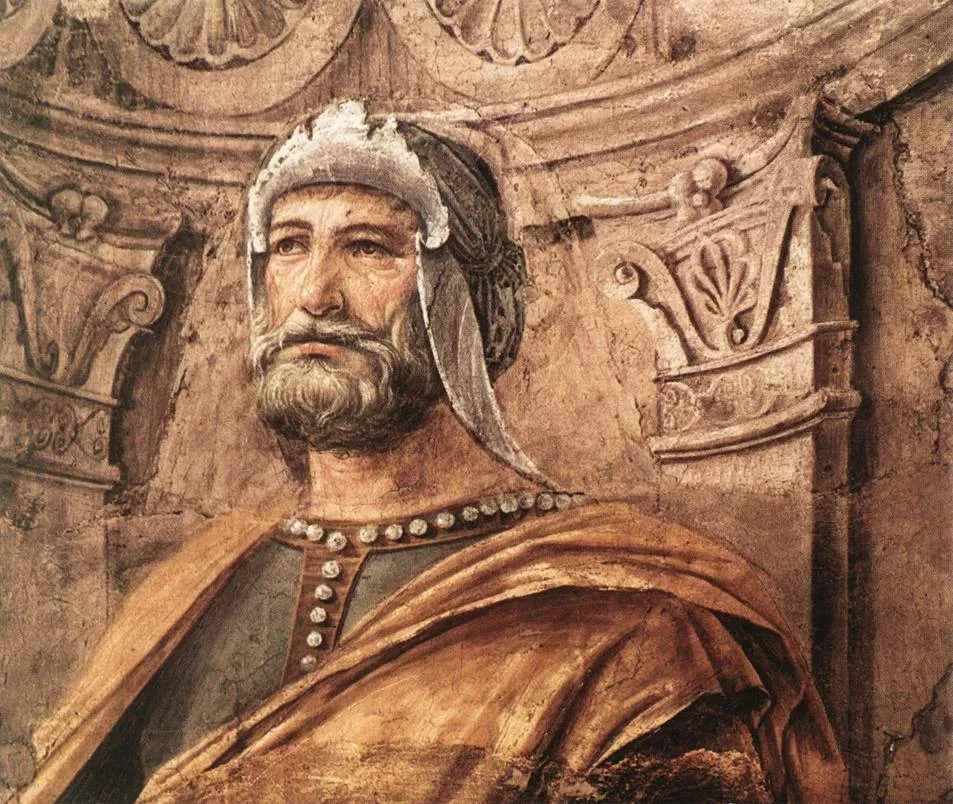

 100% Hand-Painted: Finished in 3-6 Weeks
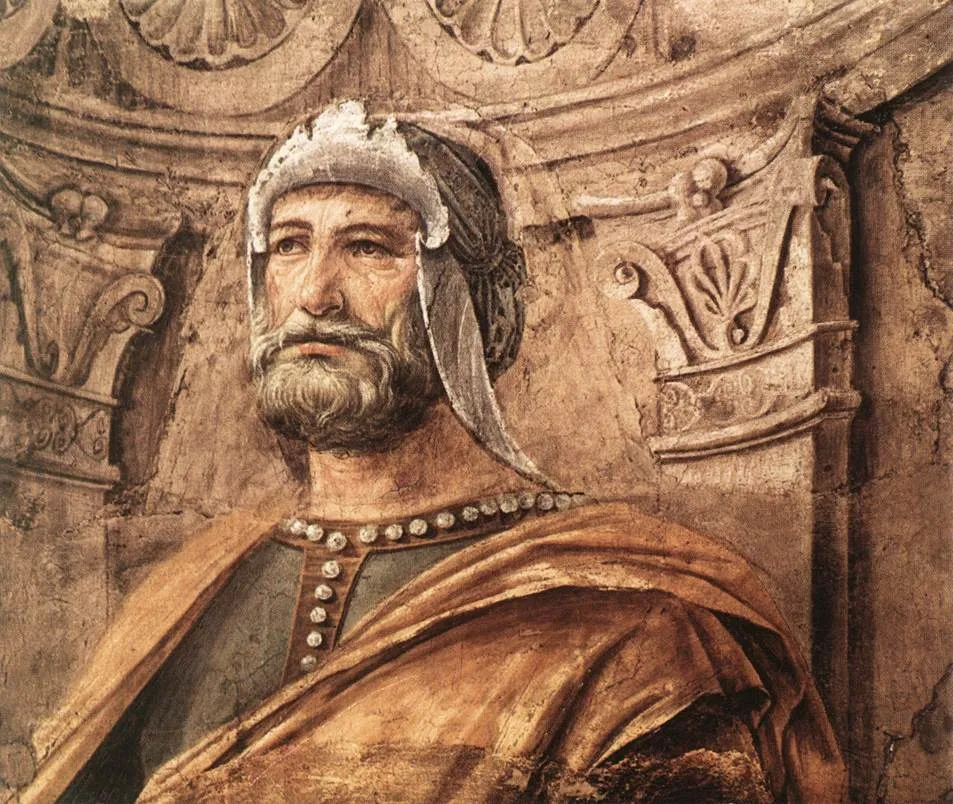

.png)















_(1).webp)