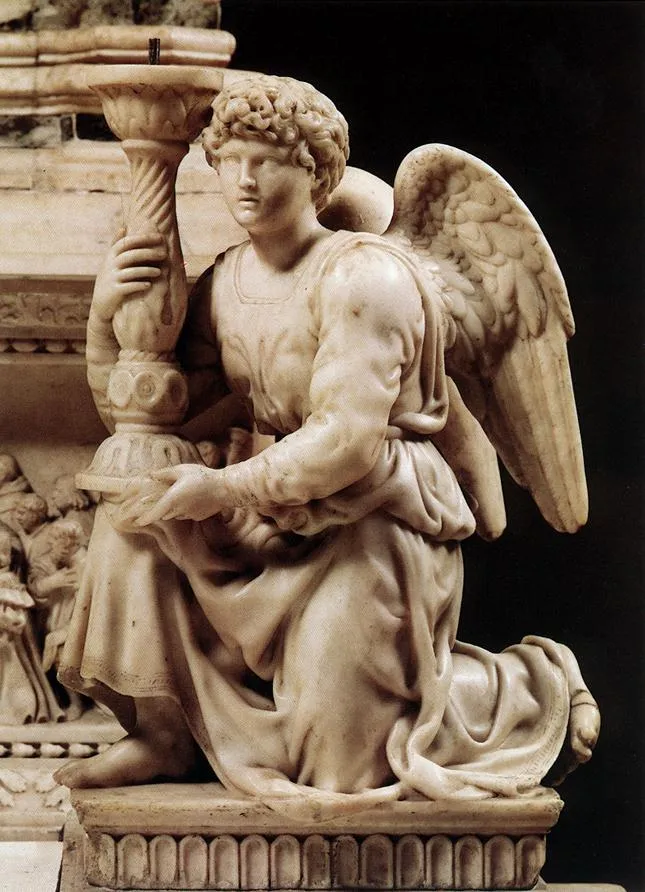
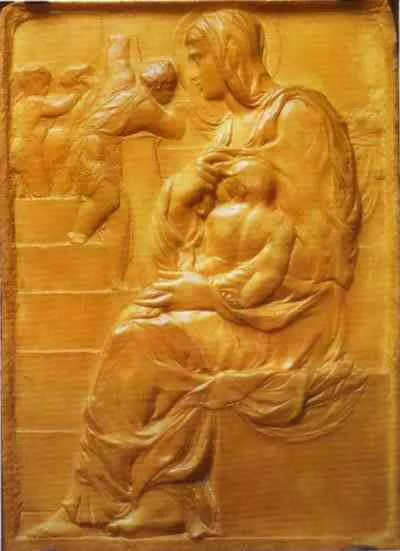
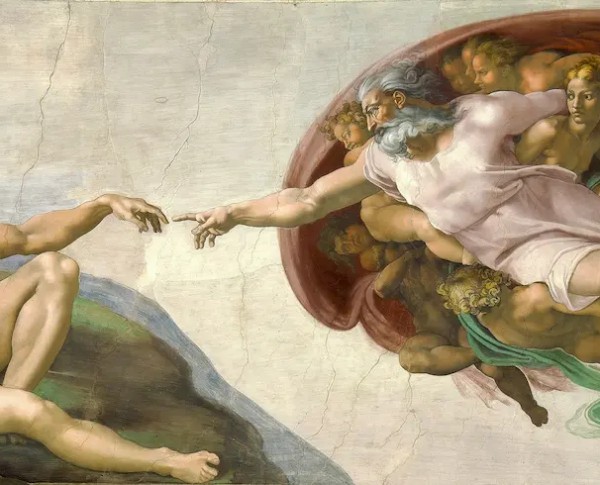
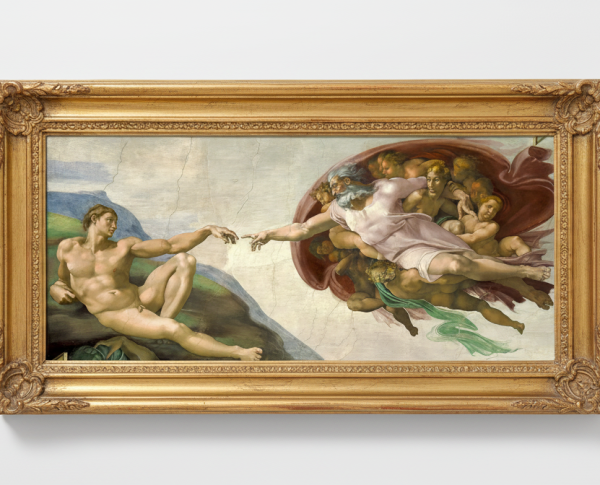
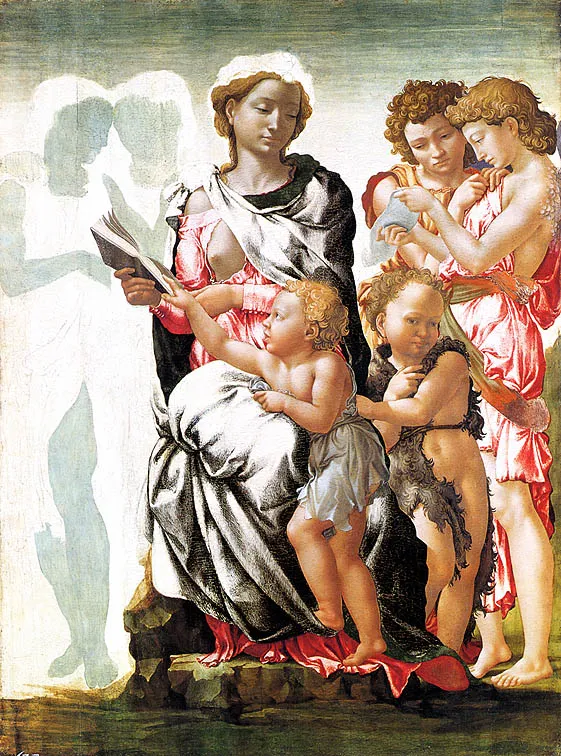
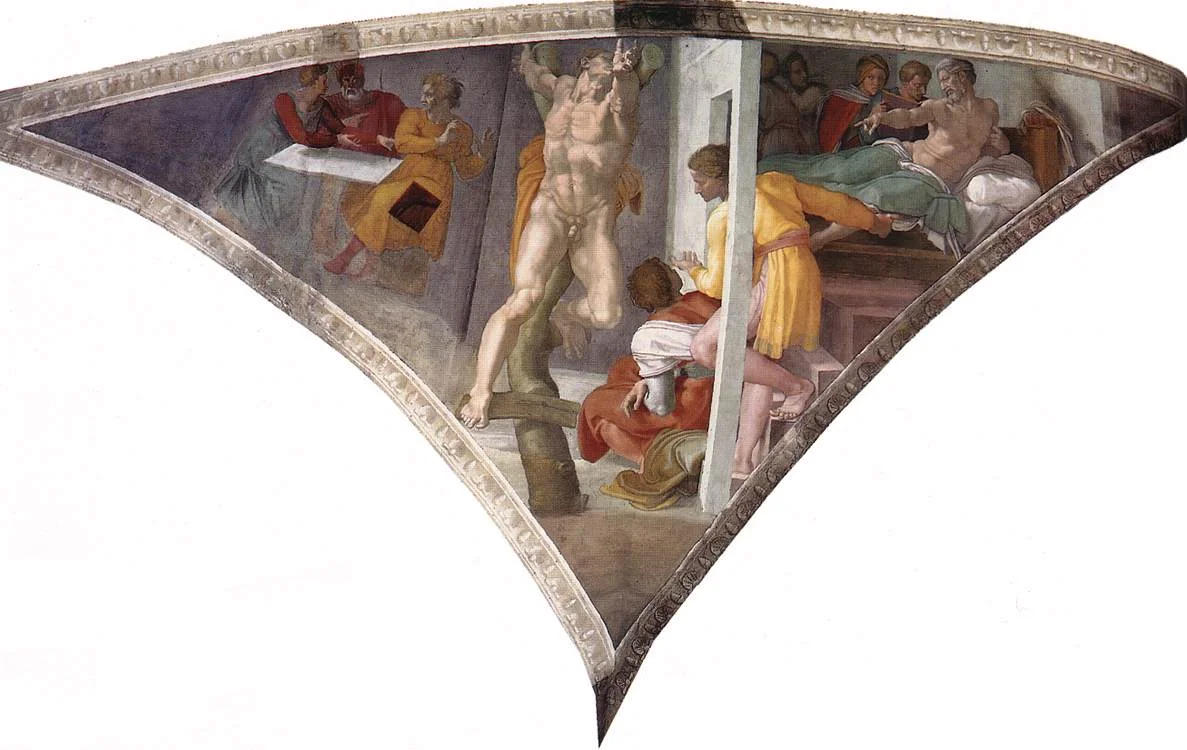
Michelangelo Buonarroti’s "The Virgin and Child with Saint John and Angels" exemplifies the artist’s prowess in oil on canvas technique, characteristic of the High Renaissance. The delicate interplay of light and shadow, combined with meticulous detailing, brings the sacred figures to life. For those interested in owning a piece of history, related masterpieces like "Crucifixion" and "St. Petronius" are also available, reflecting the era’s unique vision and technical mastery.
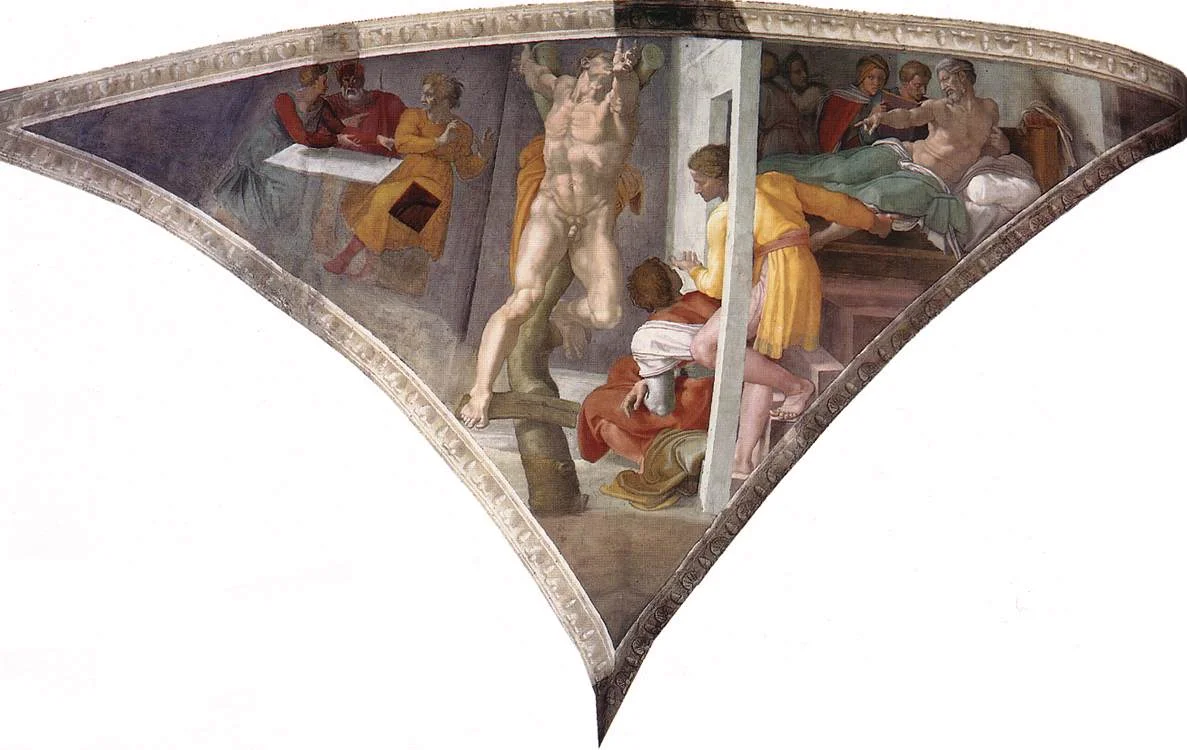
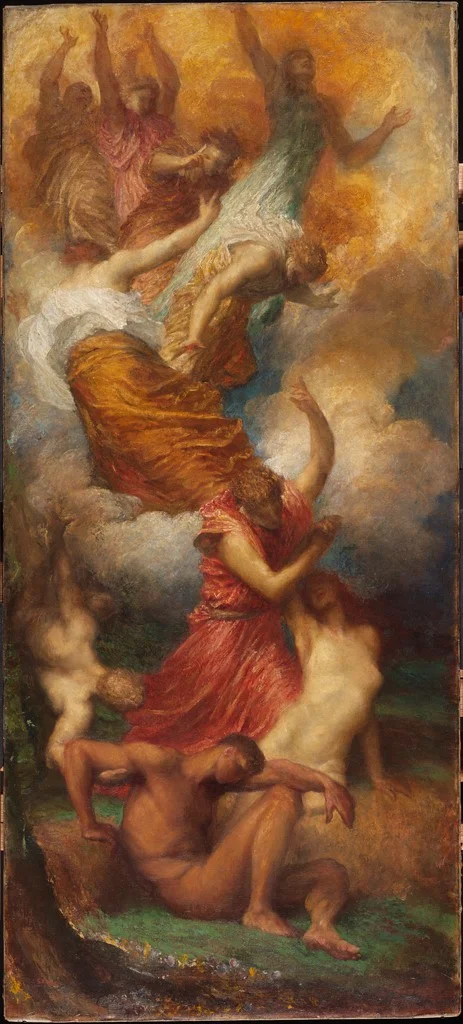
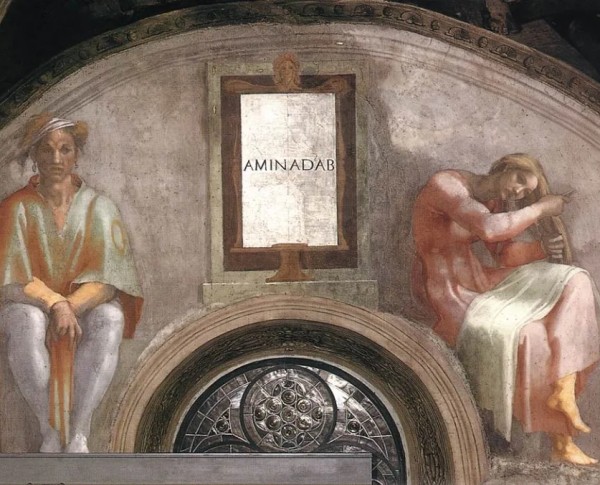
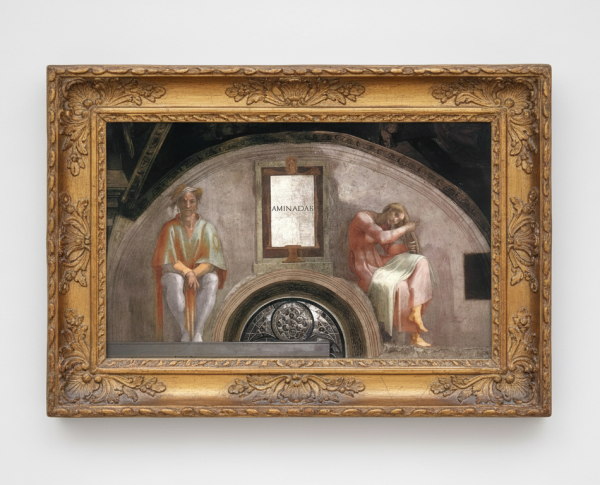
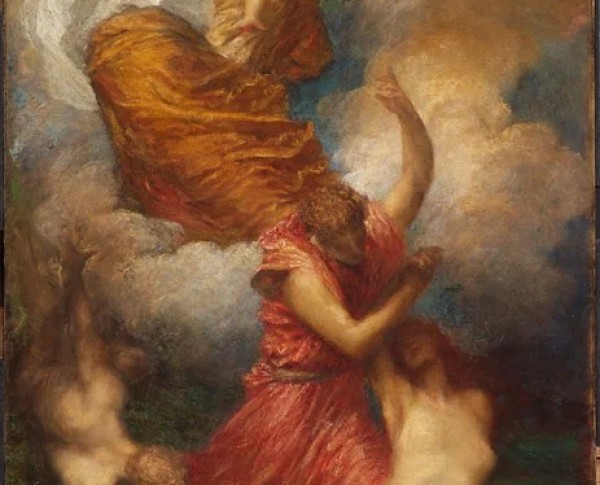
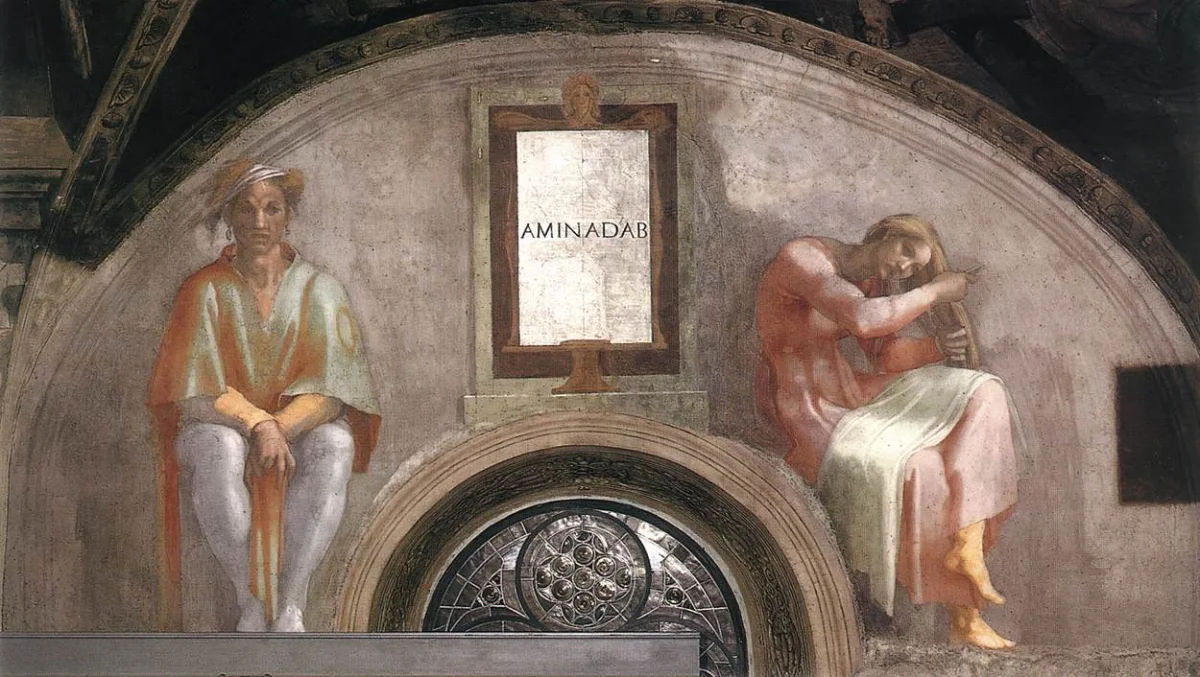
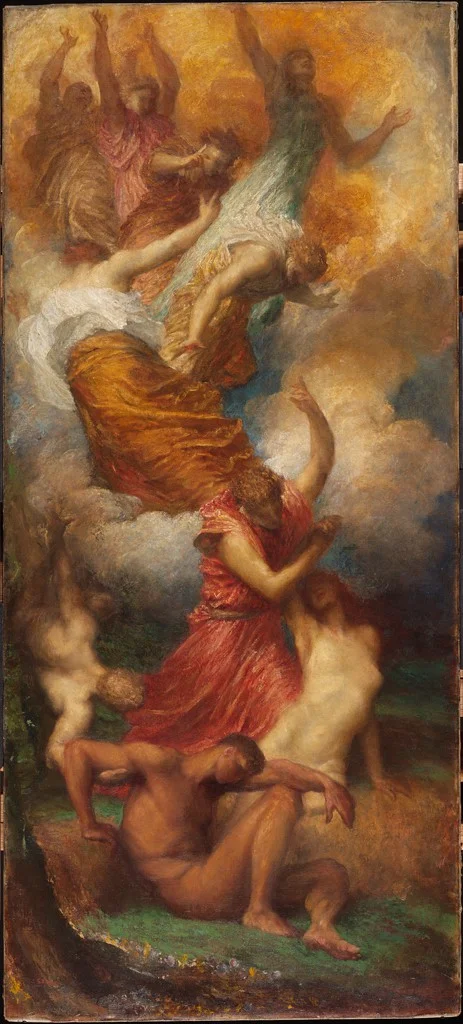
This fine art painting for sale is rich in symbolism, capturing the spiritual connection between the Virgin, Child, and Saint John, surrounded by angels. Michelangelo Buonarroti infused each figure with profound meaning, typical of the High Renaissance movement. Collectors drawn to allegorical works may also appreciate related pieces such as "The Creation of Eve" and "Aminadab," which similarly explore deep narratives through masterful artistry.
Owning "The Virgin and Child with Saint John and Angels" by Michelangelo Buonarroti means possessing a remarkable example of High Renaissance art. This hand-painted oil painting not only enhances any collection but also connects the owner to a lineage of artistic genius. Pairing it with related products like "St. Proculus" or "The Creation of Eve" offers a curated selection for discerning collectors seeking the finest in historical and spiritual art.
When Art Meets History
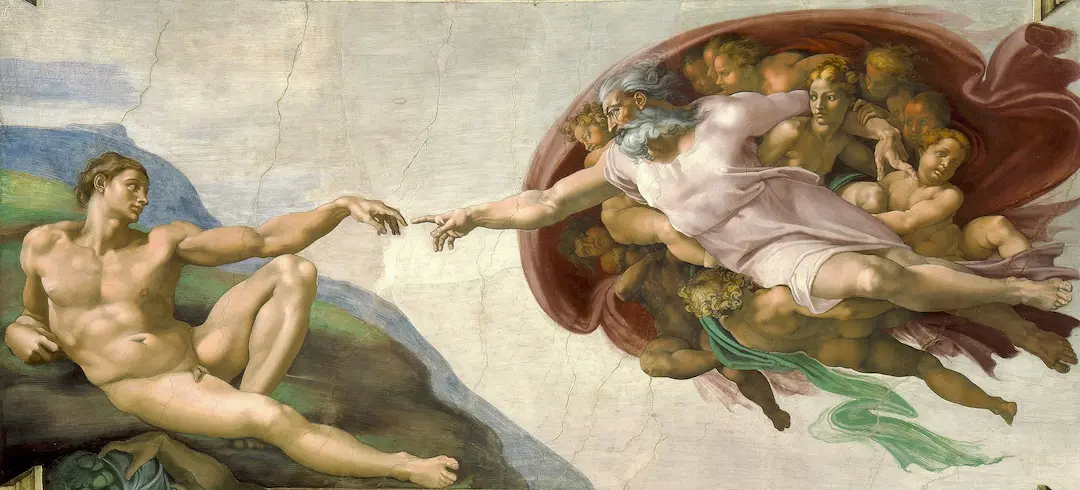
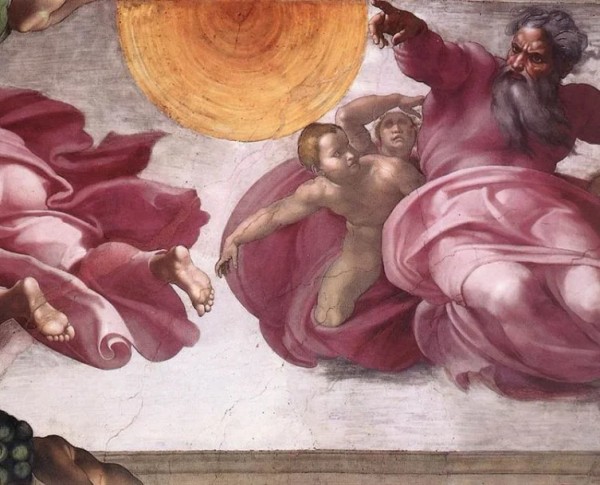
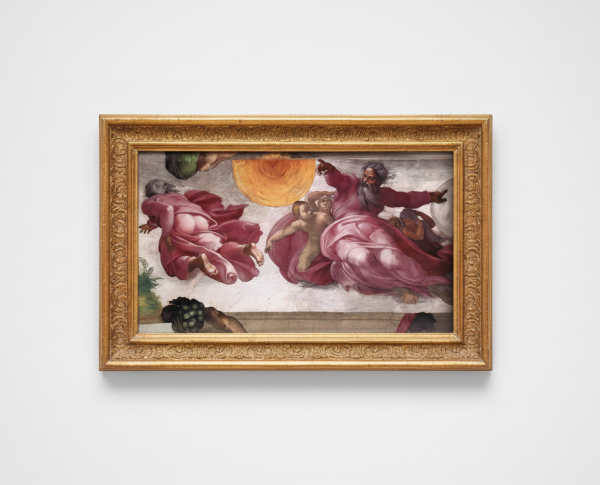
"The Virgin and Child with Saint John and Angels" by Michelangelo Buonarroti stands as a testament to the High Renaissance, an era celebrated for its masterful hand-painted oil paintings. This fine art work captures the spiritual essence of the period, blending religious themes with humanistic ideals. Alongside masterpieces like "The Transfiguration" and "The Sistine Madonna," Michelangelo’s creation reflects the cultural and historical atmosphere that shaped the evolution of Renaissance art.
Techniques That Speak
Michelangelo Buonarroti's "The Virgin and Child with Saint John and Angels" exemplifies the exquisite use of oil on canvas characteristic of High Renaissance masters. The artist’s precise brushwork, delicate modeling of forms, and harmonious color palette set this painting apart. Techniques seen in related works such as "Madonna della Sedia" and "The Triumph Of Galatea" are echoed here, revealing Michelangelo’s command over the medium and his innovative approach to composition and light.
Emotions on Display
This remarkable hand-painted oil painting radiates deep emotion, portraying the tender connection between the Virgin, Child, and Saint John, surrounded by adoring angels. Michelangelo Buonarroti masterfully conveys innocence, reverence, and maternal warmth, hallmarks of the High Renaissance spirit. Similar emotional depth can be found in works like "St George and the Dragon" and "The Sistine Madonna," where the artist’s figures come alive with expressive gestures and poignant gazes.
Coveted by Collectors
"The Virgin and Child with Saint John and Angels" remains a highly sought-after fine art painting for sale, desired by collectors and museums alike. Michelangelo Buonarroti’s association with the High Renaissance, alongside his renowned paintings such as "The Transfiguration" and "Madonna della Sedia," ensures enduring appeal. The painting’s historical significance and masterful execution make it a precious addition to any collection of Renaissance masterpieces.
Related High Renaissance Hand-Painted Oil Paintings by Other Artists
Other Famous High Renaissance Artists:
Frequently Asked Questions About The Virgin and Child with Saint John and Angels
What is the historical context of "The Virgin and Child with Saint John and Angels"?
This painting was created during the High Renaissance, a period characterized by a renewed interest in classical antiquity and humanism. Michelangelo painted this work in the early 1500s, a time when the Catholic Church was a major patron of the arts, influencing the themes and subjects of many artworks.
What artistic techniques did Michelangelo employ in this painting?
Michelangelo utilized chiaroscuro to create depth and volume, giving the figures a three-dimensional quality. His mastery of anatomy is evident in the realistic portrayal of the human form, while the composition reflects a harmonious balance typical of Renaissance art.
What is the significance of the figures depicted in the painting?
The Virgin Mary and the Christ Child are central figures representing divine motherhood and the incarnation of Christ. Saint John the Baptist, often depicted as a child in this context, symbolizes the precursor to Christ, while the angels represent the heavenly realm, emphasizing the divine nature of the scene.
How does Michelangelo's portrayal of the Virgin Mary differ from other artists of his time?
Michelangelo's Virgin Mary is depicted with a sense of strength and dignity, contrasting with the more idealized and passive representations by other artists. His Mary exudes a profound emotional connection with the Christ Child, highlighting her role as a nurturing and protective figure.
What symbolism is present in the depiction of the Christ Child?
The Christ Child is often portrayed in a pose that suggests both vulnerability and divinity. His gesture and expression convey innocence and purity, while also foreshadowing his future sacrifice, a common theme in Christian art that underscores the duality of his nature as both God and man.
What role do the angels play in the composition of the painting?
The angels in the painting serve to elevate the scene to a celestial level, reinforcing the divine nature of the Virgin and Child. Their presence adds a layer of spiritual significance, suggesting the importance of the event being depicted and inviting viewers to contemplate the heavenly context of the figures.
How does this painting reflect Michelangelo's overall artistic style?
This work embodies Michelangelo's signature style, characterized by dynamic poses, intricate details, and a deep understanding of human emotion. His ability to convey complex narratives through the physicality of his figures is evident, showcasing his exceptional skill as both a sculptor and painter.
What influence did "The Virgin and Child with Saint John and Angels" have on later artists?
The painting has had a lasting impact on subsequent generations of artists, inspiring them to explore similar themes of divinity and humanity. Michelangelo's innovative use of composition and emotional depth has influenced countless works in both painting and sculpture throughout art history.
In what ways does this painting exemplify the ideals of the Renaissance?
The painting exemplifies Renaissance ideals through its focus on humanism, the celebration of individual figures, and a balanced composition. It reflects the period's emphasis on the beauty of the human form and the exploration of spiritual themes through a lens of naturalism and emotional expression.
Where can I view "The Virgin and Child with Saint John and Angels" today?
This masterpiece is housed in a prominent art institution, where it can be appreciated alongside other significant works of the Renaissance. Visitors are encouraged to explore the painting in person to fully experience its artistic and historical significance.






















_GFM_Painting_(1).webp)


 100% Hand-Painted: Finished in 3-6 Weeks

.png)















_(1).webp)