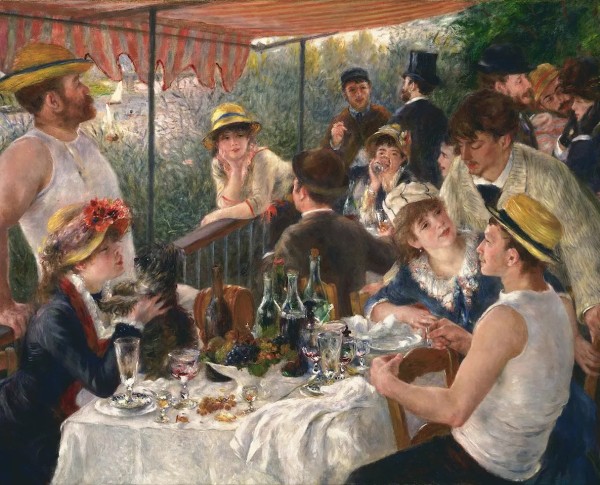
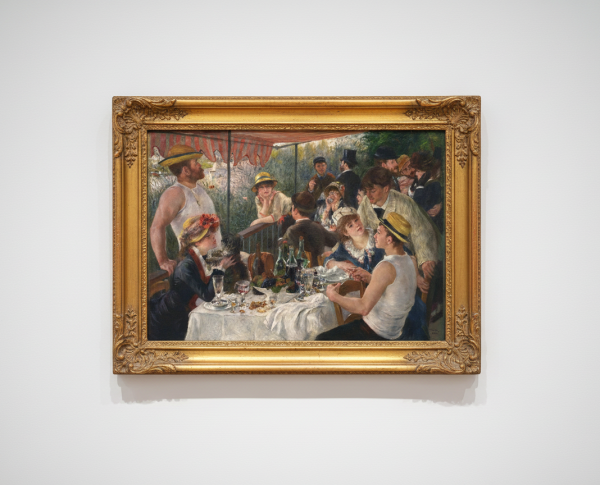
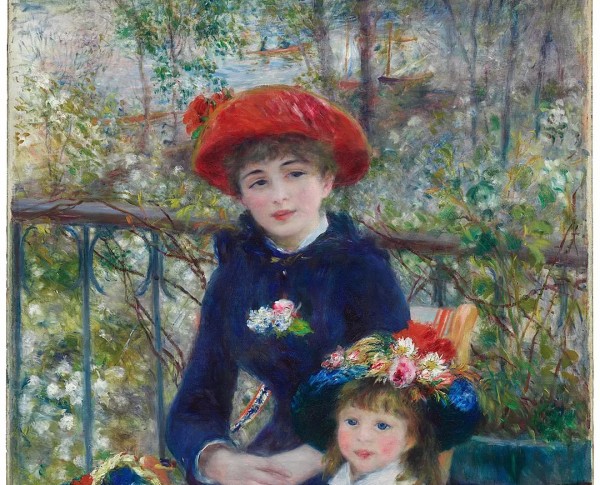
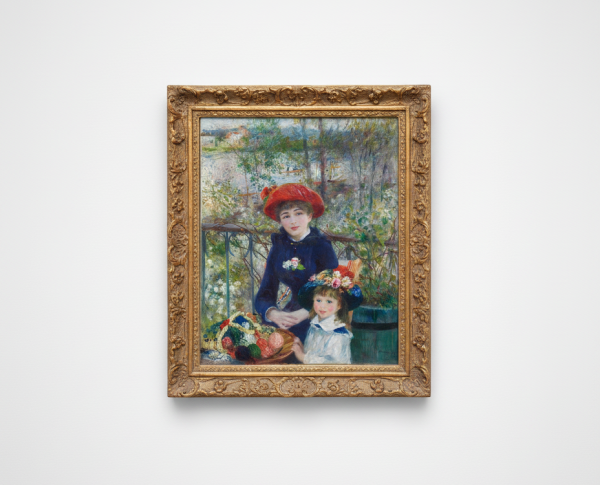
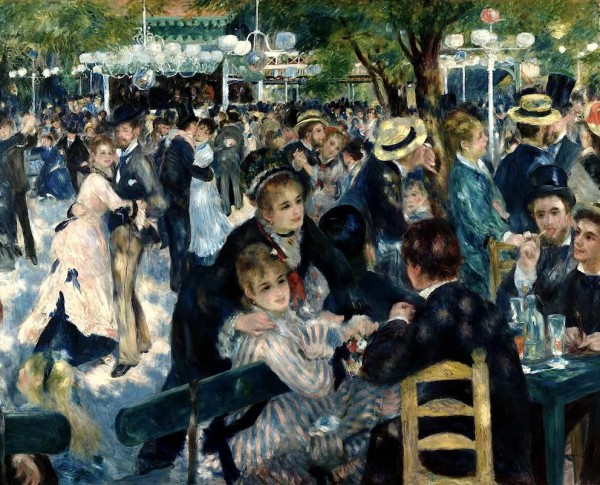
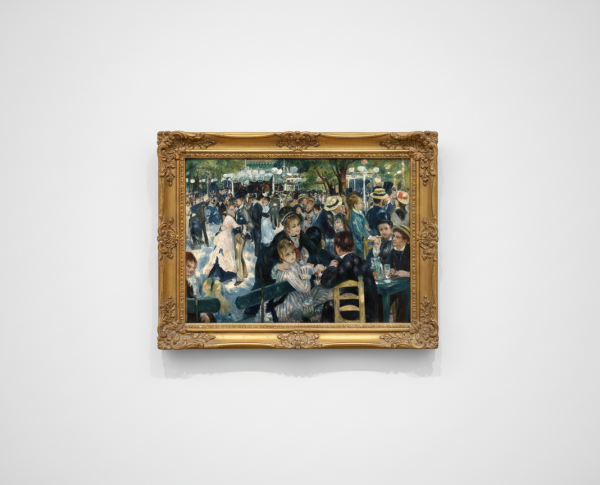
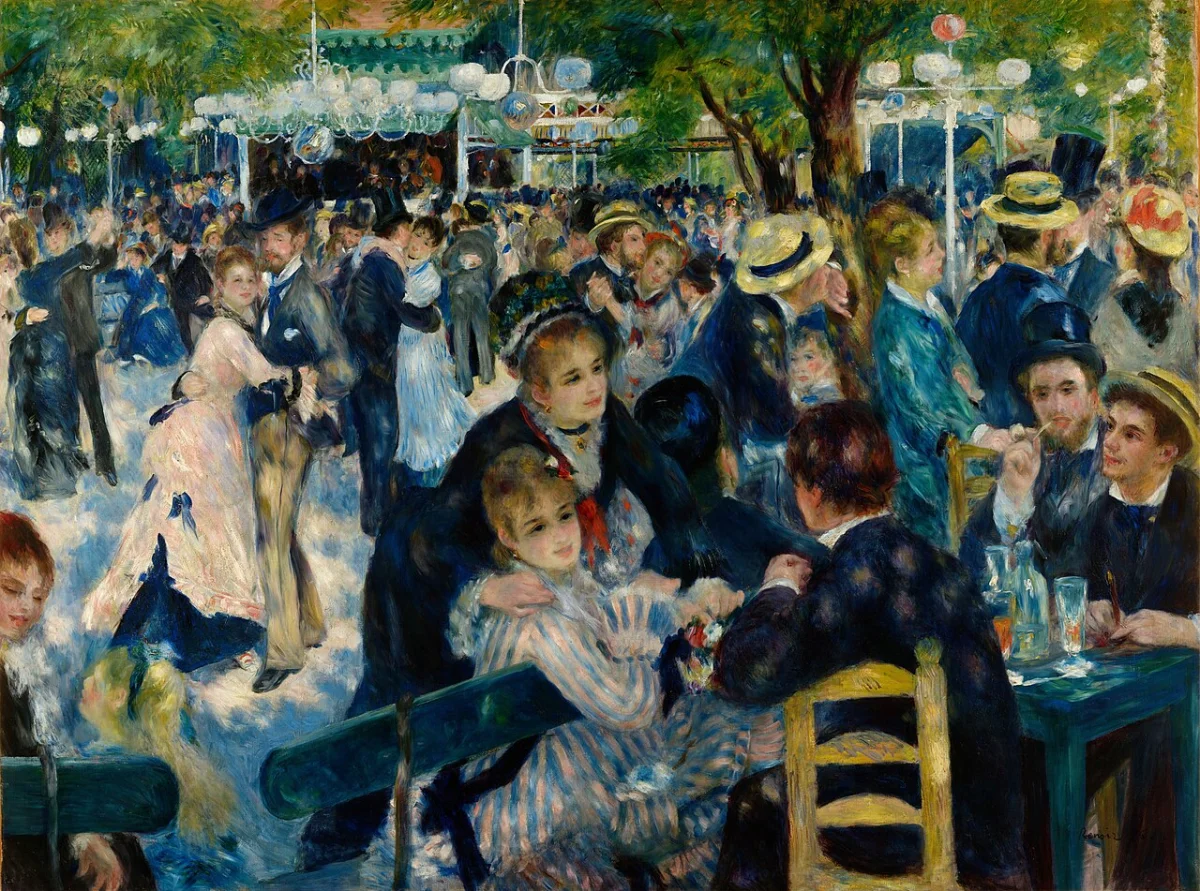
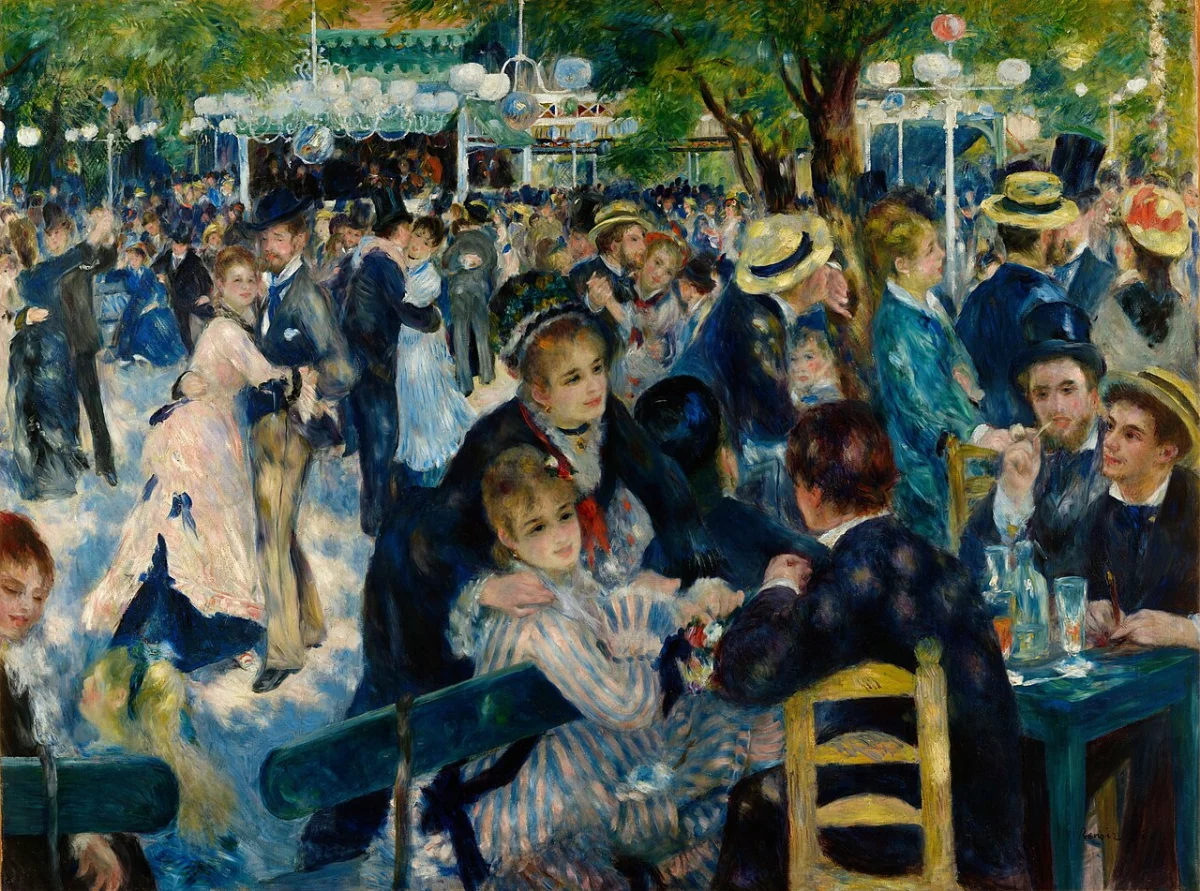
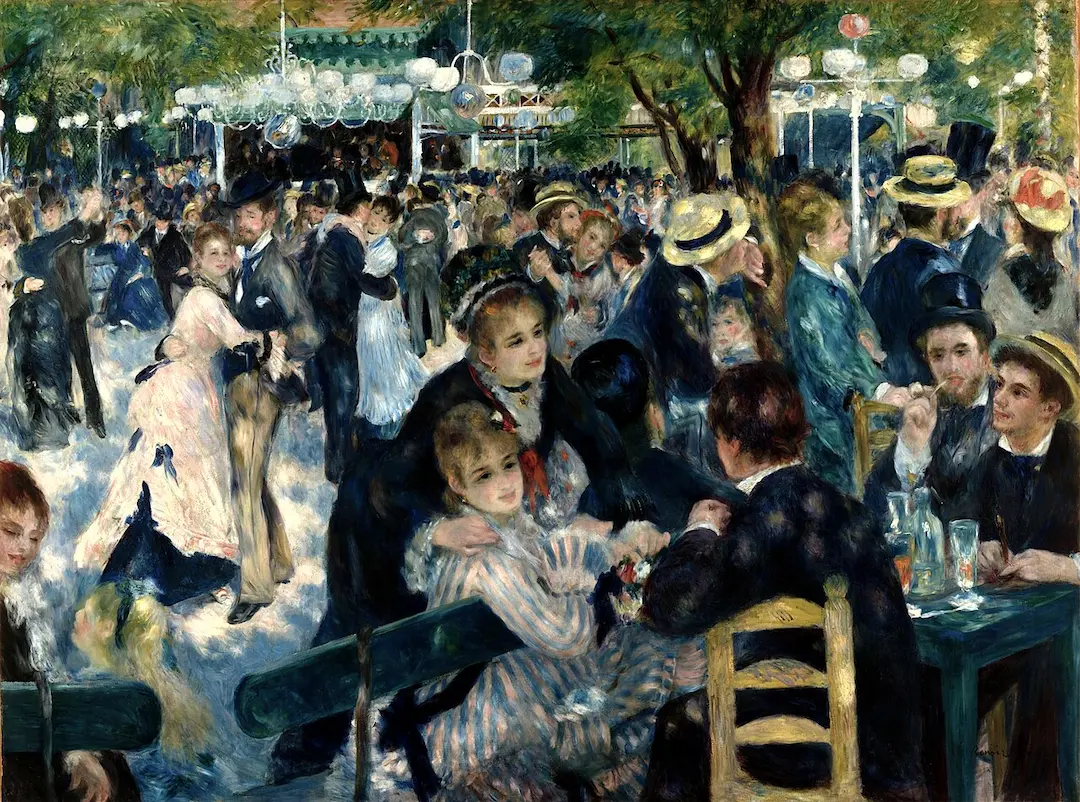
Renoir’s "Bal du moulin de la Galette" demonstrates his exceptional technique with oil on canvas, using quick, fluid brushwork to evoke movement and light. The Impressionism movement is defined by such innovation, and Renoir’s artistry breathes life into the bustling Montmartre scene. Collectors and enthusiasts often seek related products such as "Two Sisters" and "Spring Bouquet" to complement their appreciation of Renoir's mastery in oil on canvas, each piece radiating with his unique touch.
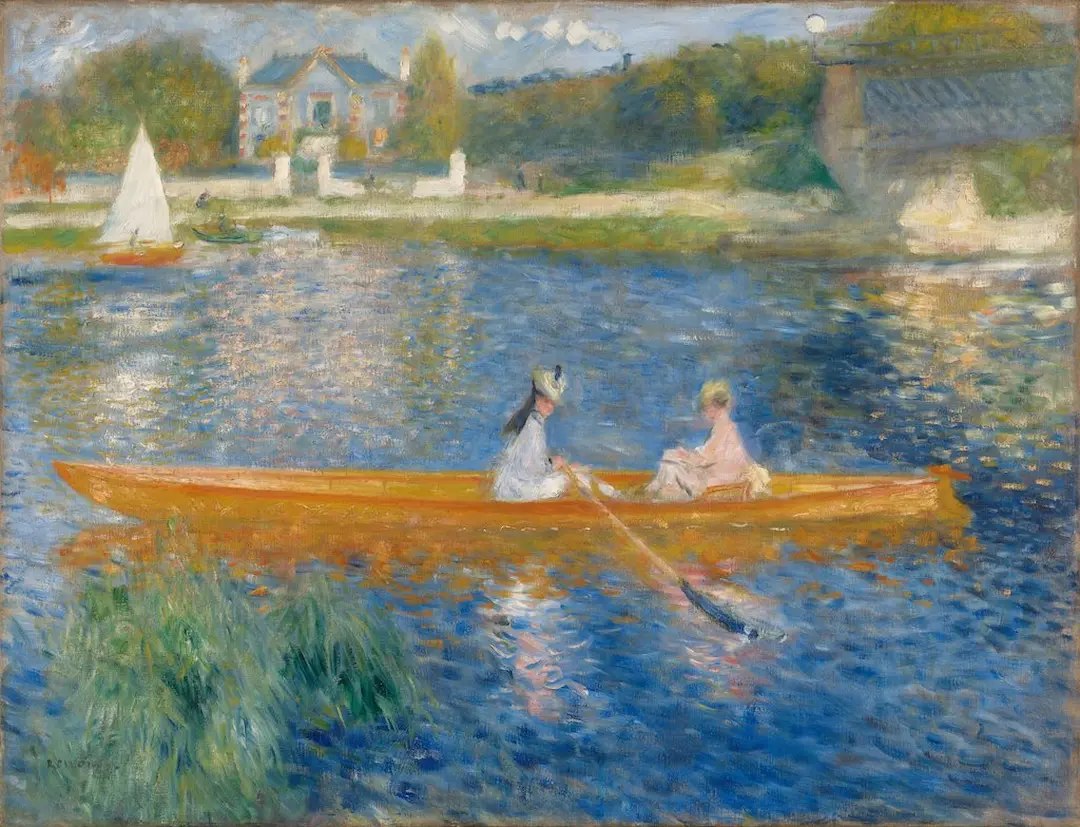
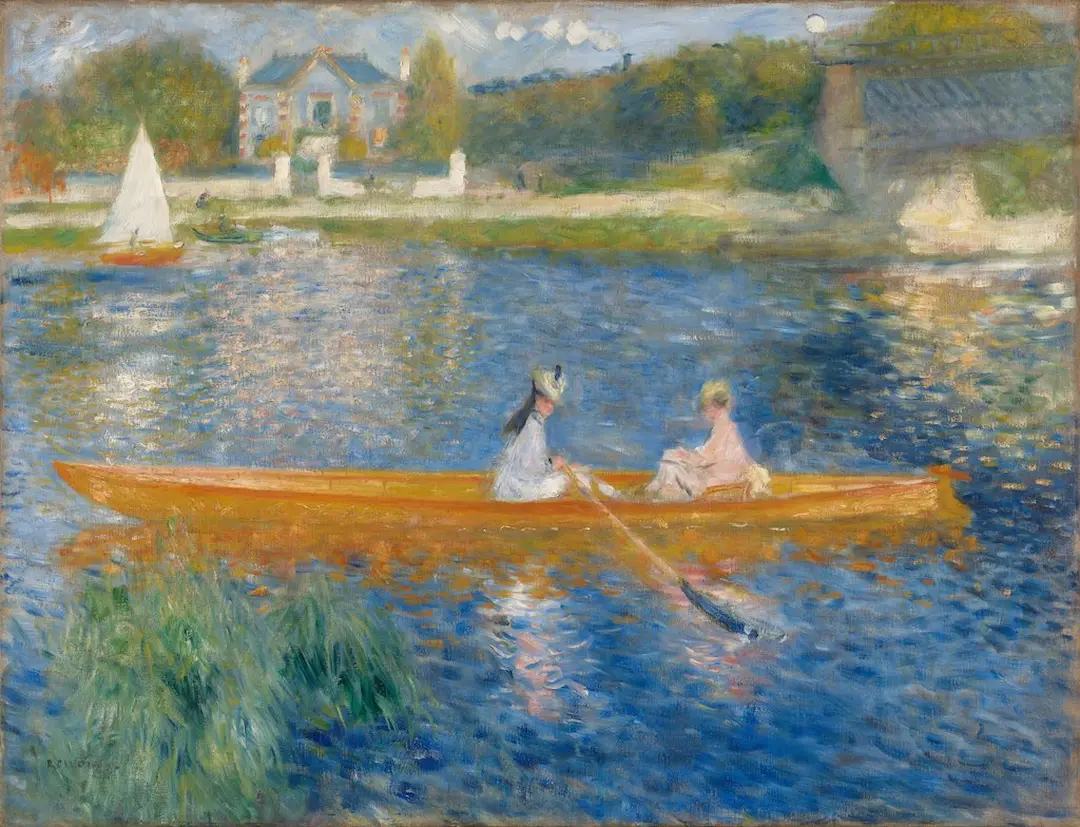
Within "Bal du moulin de la Galette," Pierre Auguste Renoir weaves stories of friendship, romance, and Parisian leisure. This fine art painting for sale is rich with symbolism: the interplay of sunlight and shadow, the joyous expressions, and the vibrant attire all reflect the spirit of the Impressionism movement. Other related products, including "The Seine At Asnieres Aka The Skiff," echo similar themes, offering glimpses into the lives and emotions of Renoir’s contemporaries.
Owning a hand-painted oil painting like "Bal du moulin de la Galette" is a dream for collectors who value the legacy of Pierre Auguste Renoir and the Impressionism movement. This masterpiece, along with related works such as "Dance At The Moulin De La Galette" and "Spring Bouquet," represents timeless elegance and artistic innovation. Each fine art painting for sale in this collection invites viewers to experience the exuberance and charm of 19th-century Parisian life.
When Art Meets History
"Bal du moulin de la Galette" by Pierre Auguste Renoir is a masterpiece of the Impressionism movement, capturing the vibrant social life of late 19th-century Paris. This hand-painted oil painting immortalizes the lively gatherings at the Moulin de la Galette, where Parisians danced and celebrated. Renoir’s work, alongside related paintings like "Irises In Monets Garden" and "Le Dejeuner sur lherbe," offers a window into a transformative period in French art and society, making it a cherished piece in art history.
Techniques That Speak
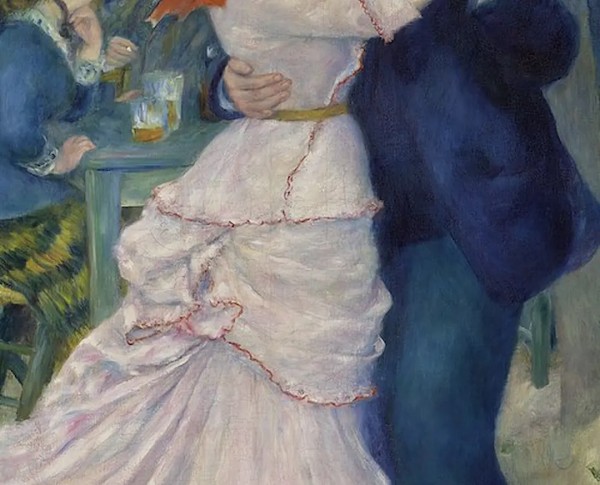
Renoir’s "Bal du moulin de la Galette" is renowned for its masterful use of oil on canvas, a hallmark of Impressionist technique. The artist skillfully applied quick, light brushstrokes to convey movement and the play of sunlight through the trees. This approach, also seen in works like "Garden at Sainte-Adresse" and "The Railway Bridge at Argenteuil," creates a sense of spontaneity and life, distinguishing this fine art painting for sale from more traditional, academic compositions of the era.
Emotions on Display
The joyous atmosphere of "Bal du moulin de la Galette" radiates from every inch of the canvas, as Pierre Auguste Renoir captures the laughter, music, and camaraderie of a Parisian afternoon. This hand-painted oil painting evokes a sense of nostalgia and warmth, inviting viewers to feel the collective happiness of the crowd. Similar emotional richness can be found in related Impressionist paintings such as "Wild Poppies, Near Argenteuil," where everyday moments are transformed into timeless celebrations of life.
Coveted by Collectors
As one of Renoir’s most iconic works, "Bal du moulin de la Galette" is highly sought after by collectors and art enthusiasts worldwide. Its status as a fine art painting for sale highlights the enduring appeal of Impressionism and the unique vision of Pierre Auguste Renoir. Collectors also prize related pieces like "Irises In Monets Garden" and "Le Dejeuner sur lherbe," which together represent the vibrant spirit and innovation that define this influential artistic movement.
Related Impressionism Hand-Painted Oil Paintings by Other Artists
Other Famous Impressionism Artists:
Frequently Asked Questions About Bal du moulin de la Galette
What is the historical context of "Bal du moulin de la Galette"?
"Bal du moulin de la Galette" was painted in 1876 during the height of the Impressionist movement in France. This period was characterized by a focus on capturing modern life and the effects of light, reflecting the social changes occurring in Paris at the time.
What themes are explored in "Bal du moulin de la Galette"?
The painting explores themes of leisure, social interaction, and the vibrancy of Parisian life. It captures a moment of joy and celebration, showcasing the lively atmosphere of the dance hall where people from various social classes mingled.
How does Renoir's technique contribute to the painting's effect?
Renoir's use of loose brushwork and vibrant colors creates a sense of movement and spontaneity. The dappled light filtering through the trees enhances the lively atmosphere, making the viewer feel as though they are part of the scene.
What is the significance of the setting in "Bal du moulin de la Galette"?
The setting, a popular dance hall in Montmartre, symbolizes the emergence of modern leisure culture in Paris. It reflects the shift towards a more relaxed social environment where people could enjoy entertainment and camaraderie.
Who are the figures depicted in the painting?
The painting features a variety of figures, including friends and acquaintances of Renoir, showcasing a cross-section of Parisian society. Notable figures include the artist himself and his future wife, Aline Charigot, who is seated in the foreground.
What role does light play in "Bal du moulin de la Galette"?
Light is a central element in the painting, with Renoir capturing the effects of sunlight filtering through the trees. This interplay of light and shadow adds depth and vibrancy, enhancing the overall mood of joy and celebration.
How does "Bal du moulin de la Galette" reflect Impressionist ideals?
The painting exemplifies Impressionist ideals through its emphasis on capturing a fleeting moment, the use of color to convey light, and the portrayal of everyday life. It moves away from traditional techniques, focusing instead on the artist's perception of reality.
What is the significance of the title "Bal du moulin de la Galette"?
The title refers to the dance hall where the scene takes place, which was named after a windmill that once stood in the area. The name evokes a sense of nostalgia and highlights the cultural significance of such venues in 19th-century Paris.
How has "Bal du moulin de la Galette" influenced modern art?
The painting has had a profound influence on modern art by inspiring subsequent generations of artists to explore themes of social interaction and the use of color and light. Its innovative approach to composition and perspective paved the way for future movements such as Post-Impressionism and beyond.
Where can "Bal du moulin de la Galette" be viewed today?
"Bal du moulin de la Galette" is housed in the Musée d'Orsay in Paris, France. It remains one of Renoir's most celebrated works and a key piece of the Impressionist collection at the museum.























_GFM_Painting_(1).webp)


 100% Hand-Painted: Finished in 3-6 Weeks

.png)

















_(1).webp)