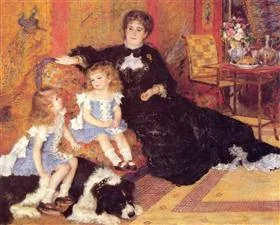
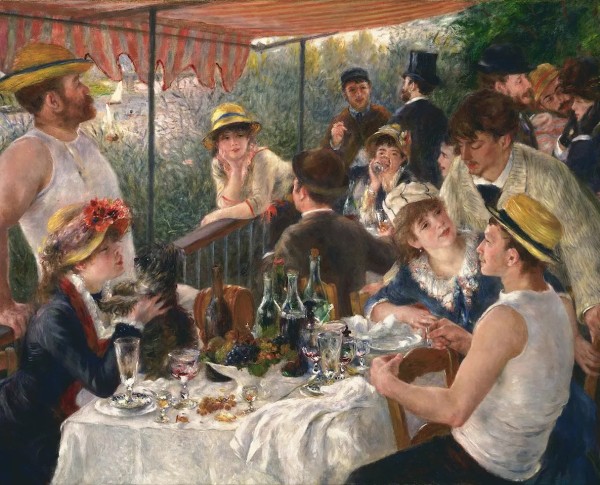
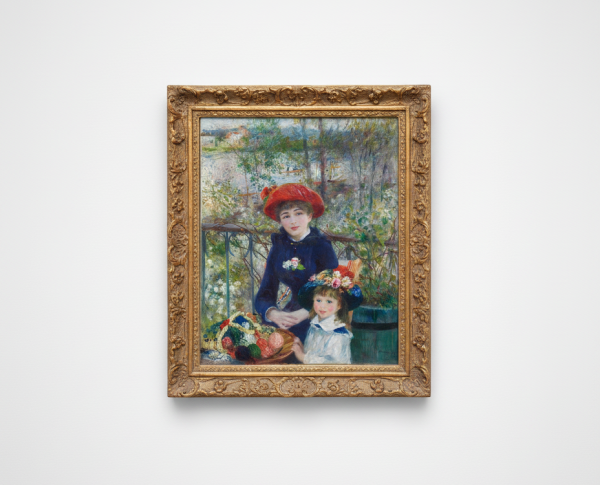
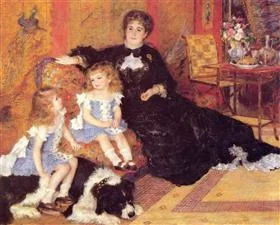
Renoir’s technique in "Madame Georges Charpentier and her Children" exemplifies the delicate brushwork characteristic of oil on canvas in Impressionism. The soft blending of colors and luminous light effects highlight his extraordinary mastery. This painting, like "Luncheon Of The Boating Party" and "Young Girls in Black," demonstrates Renoir’s commitment to portraying everyday elegance. Collectors often seek such works for their vibrant depiction of life and their historical significance within the fine art tradition.
Within this hand-painted oil painting, Renoir weaves subtle narratives and symbolism, reflecting the social status and familial bonds of the Charpentier family. Through careful composition and expressive details, he invites viewers to interpret the relationships and emotions on display. Fans of Renoir’s art will find similar storytelling in "Woman in Black" and "By the Seashore," making these fine art painting for sale options ideal for those who appreciate depth in visual storytelling.
Owning "Madame Georges Charpentier and her Children" as an oil on canvas elevates any art collection, embodying the essence of the Impressionism movement. Pierre Auguste Renoir’s works are highly valued, and this piece is no exception. Collectors seeking fine art painting for sale often pair it with related masterpieces such as "La loge" or "Luncheon Of The Boating Party" to showcase the enduring appeal and investment potential of Renoir’s celebrated artistry.
When Art Meets History
"Madame Georges Charpentier and her Children" by Pierre Auguste Renoir stands as a testament to the Impressionism movement, capturing a unique moment in late 19th-century France. This hand-painted oil painting features the Charpentier family, celebrated patrons of the arts, and reflects Renoir’s close association with Parisian society. Like his contemporaries in works such as the Houses of Parliament series or Rouen Cathedral Series, Renoir documents history through the lens of everyday life, blending personal stories with broader cultural shifts.
Techniques That Speak
Renoir’s mastery of oil on canvas is evident in the luminous textures and vibrant brushwork found in "Madame Georges Charpentier and her Children." His technique—characterized by soft, broken brushstrokes and a radiant palette—embodies the essence of Impressionism. This painting, along with masterpieces like Woman in the Garden and The Walk Woman With A Parasol, showcases Renoir’s ability to convey movement and light, making each scene feel alive and immediate.
Emotions on Display
The emotional depth in "Madame Georges Charpentier and her Children" is palpable, with Renoir’s delicate portrayal of familial intimacy and warmth. Through subtle expressions and gentle gestures, the artist invites viewers into a private world, much like in Le Dejeuner sur lherbe. This fine art painting for sale continues to resonate, revealing the nuanced emotions that define human connections and highlighting Impressionism’s focus on capturing fleeting moments of genuine feeling.
Coveted by Collectors
As one of Pierre Auguste Renoir’s celebrated works, "Madame Georges Charpentier and her Children" remains highly sought after among art enthusiasts and collectors. The painting’s significance within the Impressionism movement, alongside related pieces such as the Rouen Cathedral Series and Woman in the Garden, ensures its enduring appeal. Collectors prize this hand-painted oil painting for its historical importance and the timeless elegance that defines Renoir’s oeuvre, making it a cornerstone of any art collection.
Related Impressionism Hand-Painted Oil Paintings by Other Artists
Other Famous Impressionism Artists:
Frequently Asked Questions About Madame Georges Charpentier and her Children
Who is the artist of "Madame Georges Charpentier and her Children"?
The painting was created by the renowned French artist Pierre Auguste Renoir, a leading figure in the Impressionist movement.
What year was "Madame Georges Charpentier and her Children" painted?
This artwork was completed in 1878, during a period when Renoir was exploring themes of family and domestic life.
What is the significance of the subjects in the painting?
The painting depicts Madame Georges Charpentier and her children, symbolizing the ideal of family life and maternal affection prevalent in the late 19th century.
What artistic techniques did Renoir use in this painting?
Renoir employed loose brushwork and a vibrant color palette to convey warmth and intimacy, characteristic of his Impressionist style.
How does "Madame Georges Charpentier and her Children" reflect Impressionist ideals?
The painting captures a spontaneous moment of everyday life, emphasizing natural light and the beauty of human connection, which are central to Impressionism.
What is the historical context of the painting?
Painted in the late 19th century, the work reflects the social changes in France, including the rise of the bourgeoisie and the evolving role of women in society.
What elements in the painting symbolize motherhood?
Madame Charpentier's protective posture and the affectionate interaction with her children symbolize nurturing and the importance of familial bonds.
Where is "Madame Georges Charpentier and her Children" currently housed?
The painting is part of the collection at the Musée d'Orsay in Paris, France, which is renowned for its extensive collection of Impressionist art.
What influence did this painting have on later artists?
This work influenced subsequent generations of artists by highlighting the significance of domestic themes and the emotional depth of family life in visual art.
How does Renoir's portrayal of light contribute to the painting's mood?
Renoir's masterful use of light creates a soft, inviting atmosphere, enhancing the emotional resonance of the scene and drawing viewers into the intimate moment.























_GFM_Painting_(1).webp)


 100% Hand-Painted: Finished in 3-6 Weeks

.png)

















_(1).webp)