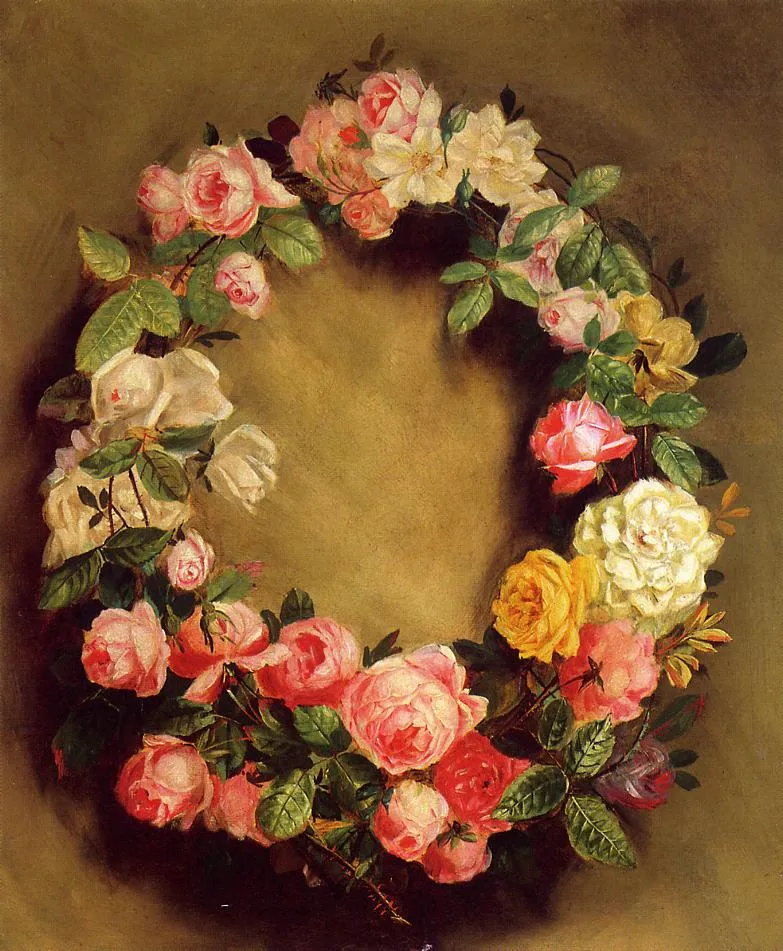
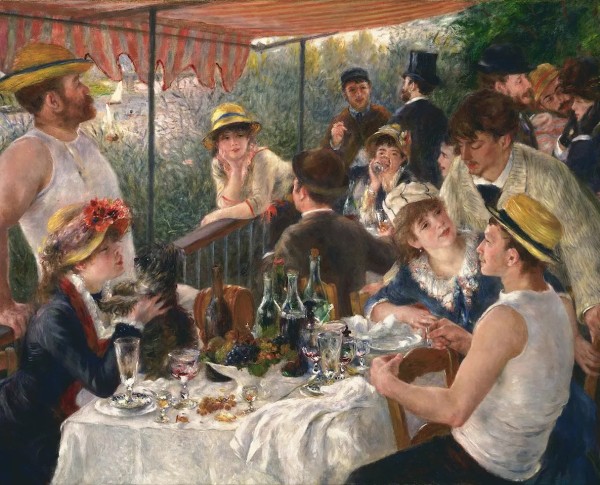
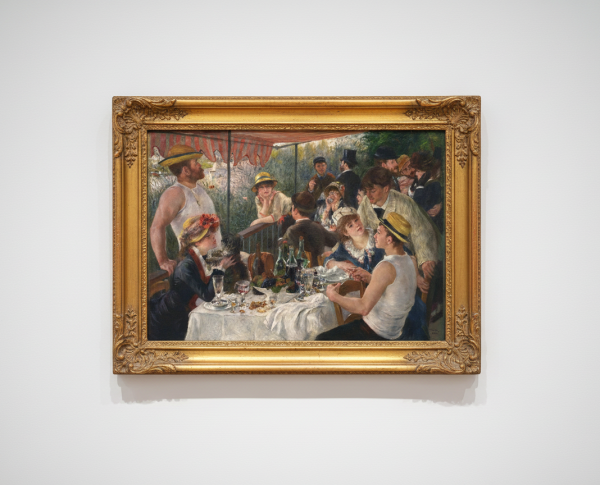
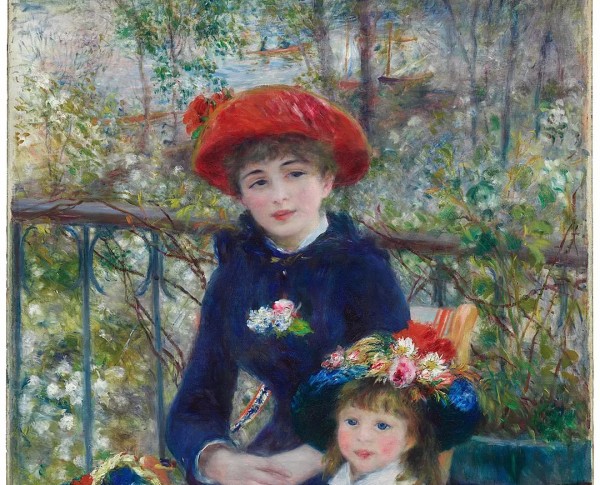
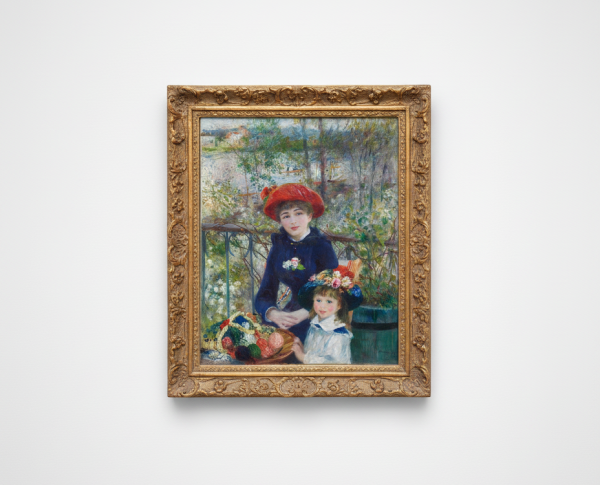
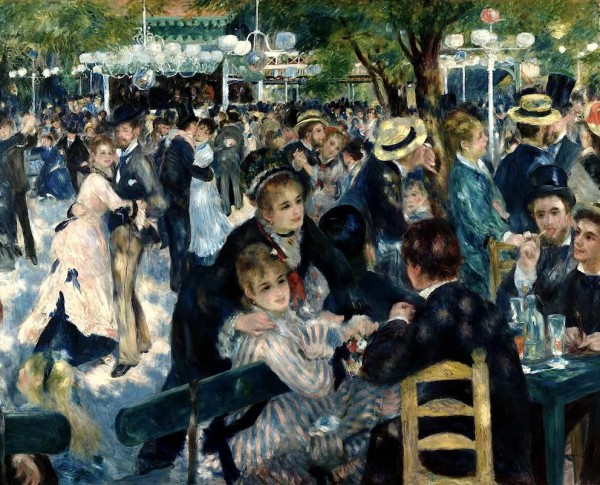
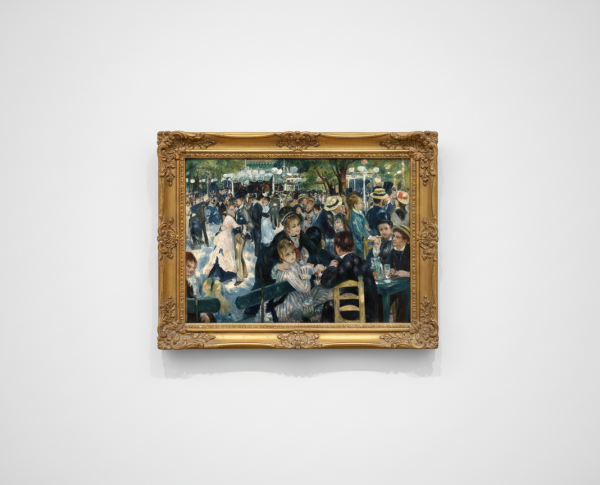
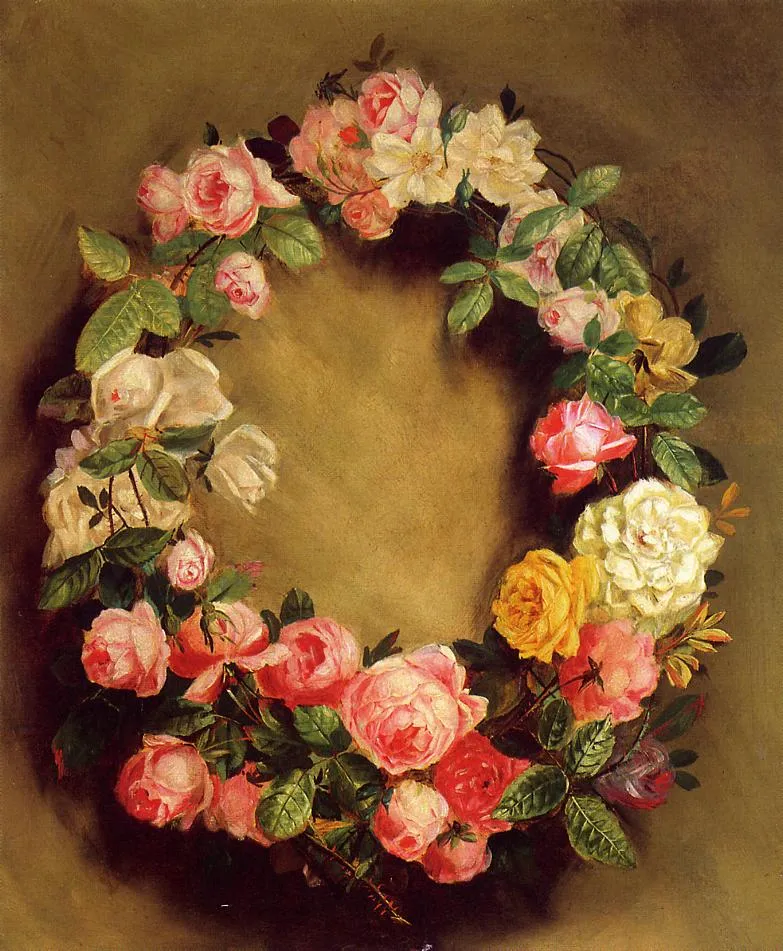
Renoir’s use of oil on canvas in "Crown of Roses" showcases his unparalleled ability to render texture and luminosity. Each brushstroke breathes life into the petals, embodying the Impressionist fascination with light and movement. Collectors of masterpieces such as "Dance At The Moulin De La Galette" and "Two Sisters" will appreciate the artist’s consistent excellence in this medium, making this oil on canvas a true highlight of Impressionism’s legacy.
"Crown of Roses" weaves together stories of beauty, nature, and emotion, integral to Pierre Auguste Renoir’s vision. The hand-painted oil painting symbolizes renewal and grace, themes echoed in related products like "Spring Bouquet" and "Ambroise Vollard." By exploring these motifs, Renoir invites viewers to find personal meaning in his art, reinforcing the enduring appeal of Impressionism and the universal language of floral imagery.
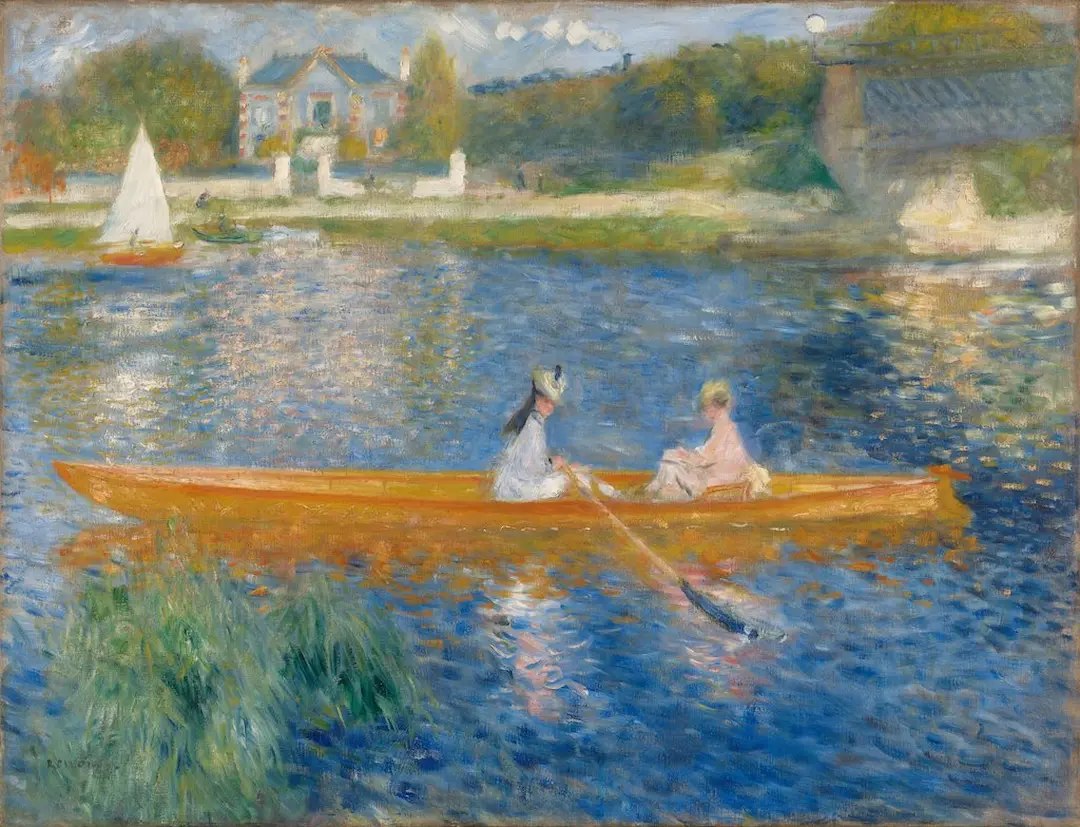
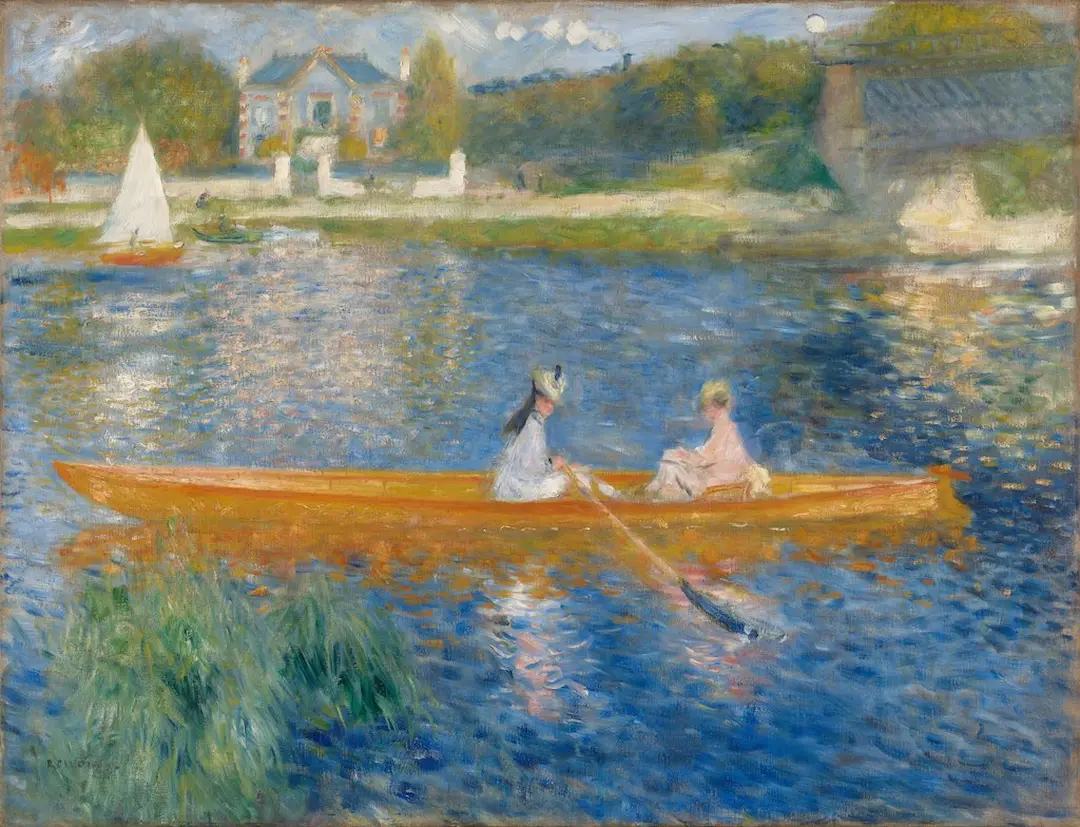
For art enthusiasts seeking a fine art painting for sale, "Crown of Roses" by Pierre Auguste Renoir is a prized acquisition. Its Impressionist heritage and exquisite craftsmanship make it a standout among related masterpieces. Whether displayed alongside "The Seine At Asnieres Aka The Skiff" or "Two Sisters," this painting demonstrates Renoir’s genius, offering collectors a timeless piece that embodies the essence of oil on canvas artistry.
When Art Meets History
"Crown of Roses" by Pierre Auguste Renoir stands as a captivating example of the Impressionism movement. Painted during the late 19th century, this hand-painted oil painting reflects a period rich with artistic innovation. Renoir, alongside contemporaries like Monet, sought to capture fleeting moments of beauty. Works such as "Garden at Sainte-Adresse" and "The Walk Woman With A Parasol" share a similar historical context, making "Crown of Roses" a significant piece in the evolution of modern art.
Techniques That Speak
Renoir’s mastery with oil on canvas is evident in "Crown of Roses." His brushwork brings delicate petals and vibrant colors to life, embodying the signature light and movement of Impressionism. This technique can also be seen in related paintings like "Dancers In Pink" and "Port-Goulphar, Belle-Île." Through soft blending and bold strokes, Renoir creates a sense of spontaneity, making each oil on canvas work a vivid sensory experience for the viewer.
Emotions on Display
The emotional depth in "Crown of Roses" is unmistakable, as Renoir channels joy and tenderness through his fine art painting for sale. The soft hues and lush textures evoke a sense of warmth and tranquility, much like those found in "Chapel on the Láchar estate." Renoir’s Impressionist approach allows viewers to personally connect with the scene, making "Crown of Roses" more than just a floral study—it becomes a celebration of life and feeling.
Coveted by Collectors
As a masterpiece by Pierre Auguste Renoir, "Crown of Roses" remains highly sought after in the art world. Collectors appreciate the rarity and beauty of this hand-painted oil painting, alongside other Impressionist works like "Dancers In Pink." The painting’s provenance and artistic legacy contribute to its value, ensuring that "Crown of Roses" continues to be a prized fine art painting for sale among enthusiasts and institutions alike.
Related Impressionism Hand-Painted Oil Paintings by Other Artists
Other Famous Impressionism Artists:
Frequently Asked Questions About Crown of Roses
What is the historical context of "Crown of Roses"?
"Crown of Roses" was painted by Pierre Auguste Renoir in 1885, during a period marked by the Impressionist movement, which sought to capture the fleeting effects of light and color in everyday life.
What artistic techniques did Renoir use in "Crown of Roses"?
Renoir employed loose brushwork and vibrant color palettes, characteristic of Impressionism, to convey a sense of immediacy and emotional depth in the portrayal of the subjects.
Who are the subjects depicted in "Crown of Roses"?
The painting features two young girls, often interpreted as symbols of innocence and beauty, adorned with roses, which enhances the thematic elements of youth and femininity.
What is the significance of the roses in the painting?
The roses in "Crown of Roses" symbolize love, beauty, and the ephemeral nature of youth, reflecting Renoir's fascination with the delicate balance between innocence and the passage of time.
How does "Crown of Roses" reflect Renoir's artistic evolution?
This work illustrates Renoir's transition towards a more personal and intimate style, moving away from the broader social themes of earlier works to focus on the beauty of individual subjects.
What influences can be seen in Renoir's style in this painting?
Renoir's style in "Crown of Roses" reflects influences from both Impressionism and classical art, combining a focus on light and color with a structured composition reminiscent of earlier European painting traditions.
What role does light play in "Crown of Roses"?
Light is a crucial element in "Crown of Roses," as Renoir skillfully captures its effects on the subjects and their surroundings, enhancing the overall mood and emotional resonance of the piece.
How does "Crown of Roses" compare to other works by Renoir?
Compared to other works by Renoir, "Crown of Roses" is notable for its intimate portrayal of childhood and the use of floral symbolism, distinguishing it from his more social and bustling scenes.
What themes are prevalent in "Crown of Roses"?
The painting explores themes of innocence, beauty, and the transient nature of youth, encapsulating Renoir's admiration for the purity of childhood and the fleeting moments of joy.
In what ways has "Crown of Roses" impacted art history?
"Crown of Roses" has contributed to the understanding of Impressionism's evolution and the representation of femininity in art, influencing subsequent generations of artists in their exploration of similar themes.






















_GFM_Painting_(1).webp)


 100% Hand-Painted: Finished in 3-6 Weeks

.png)

















_(1).webp)