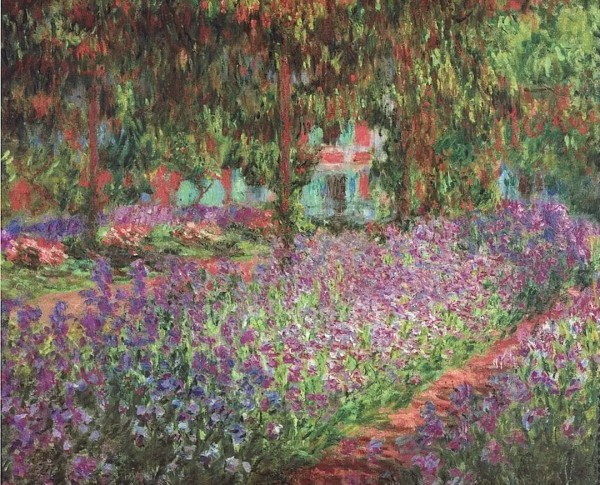
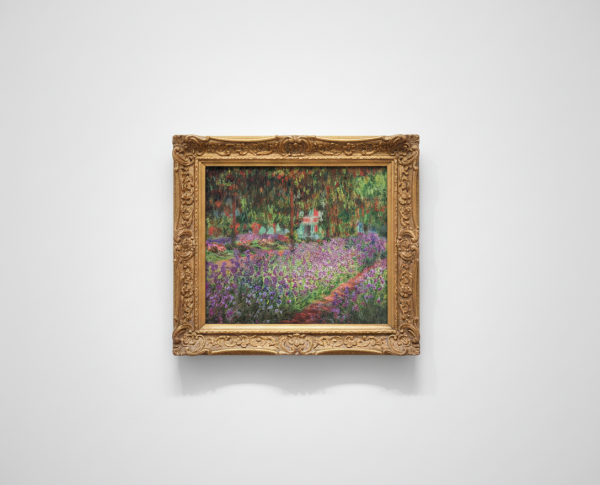
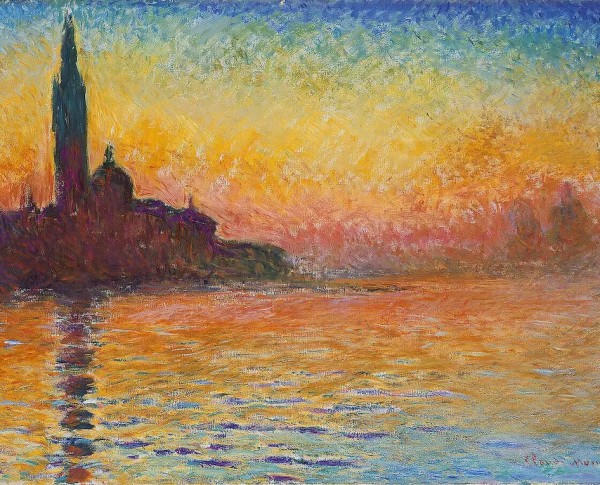
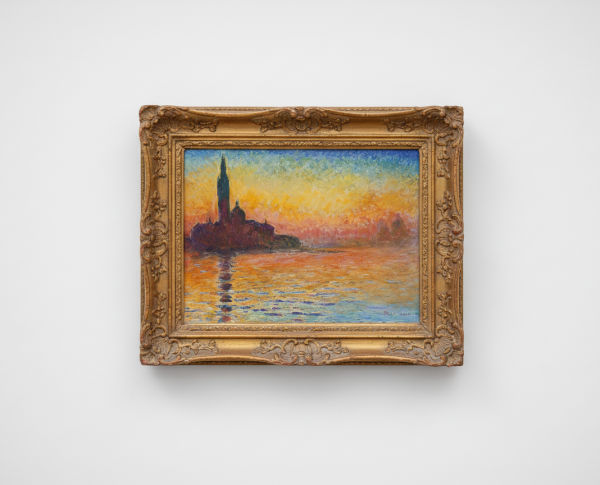
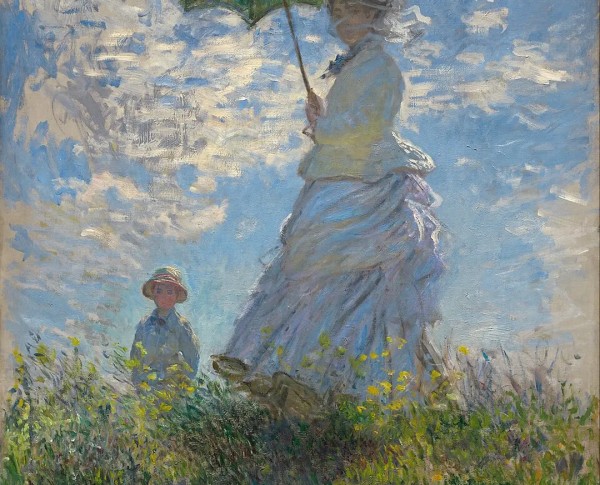
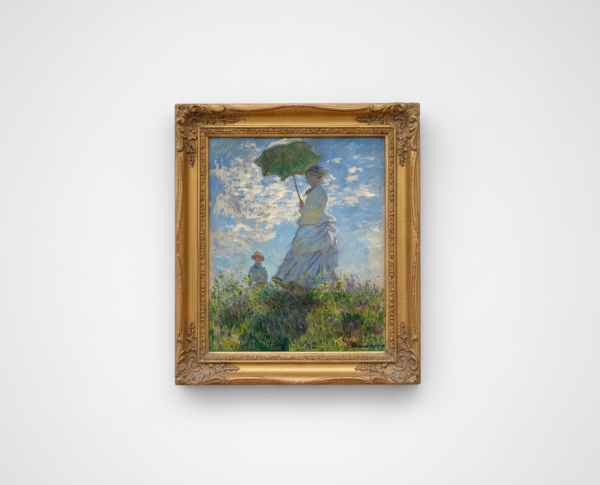
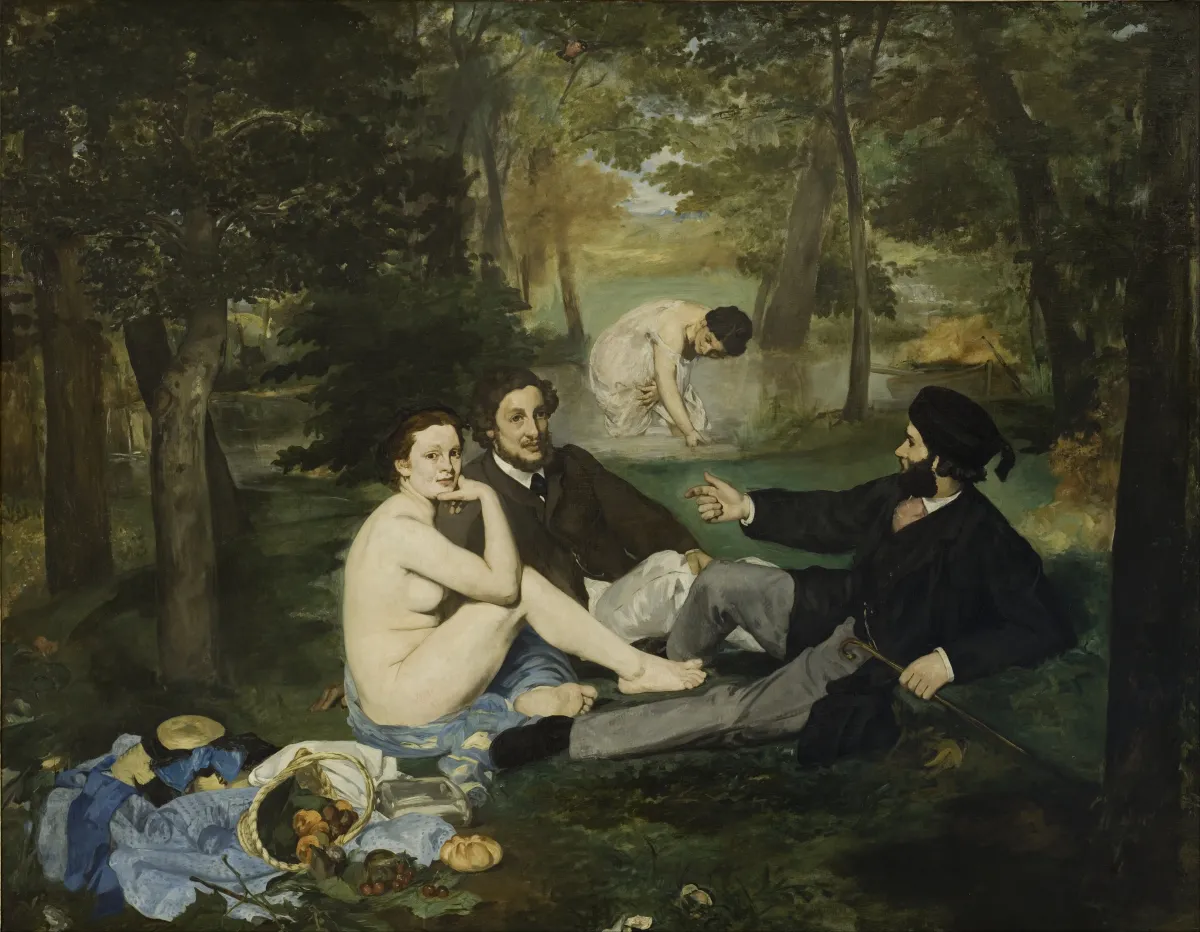
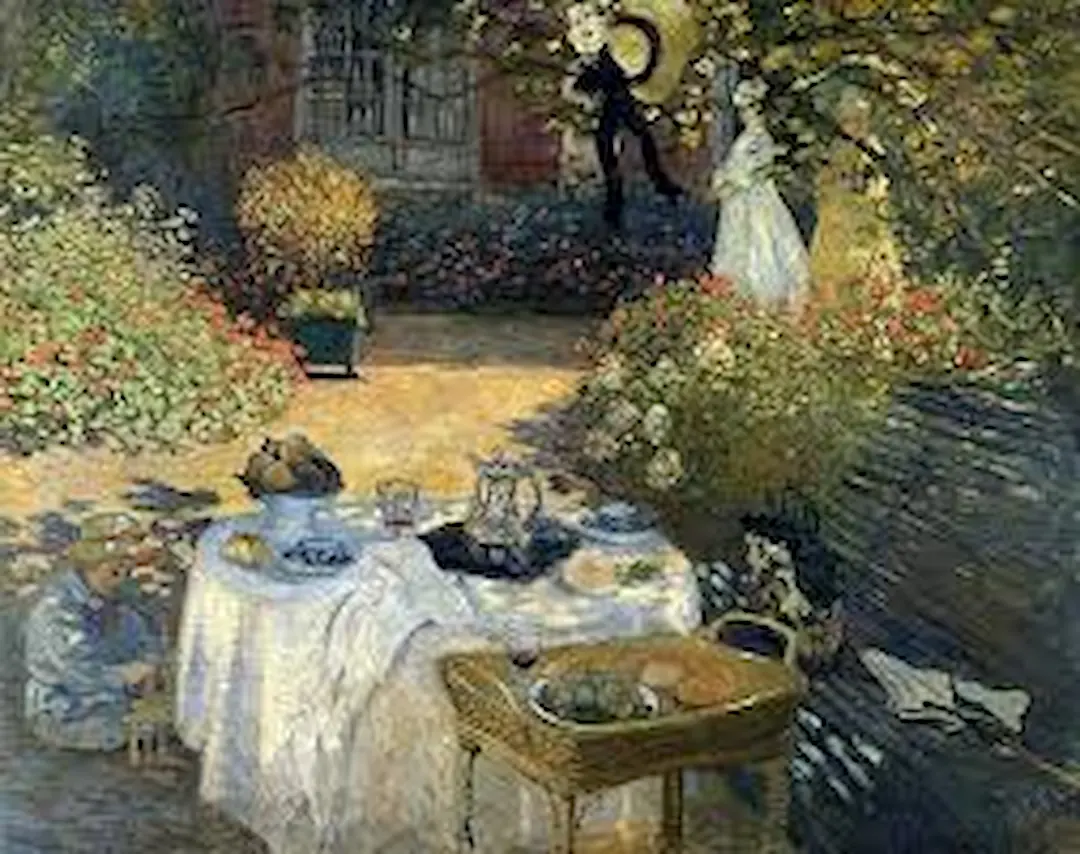
Claude Monet’s remarkable technique is evident in "Le Déjeuner sur l'herbe," where he masterfully employs oil on canvas to capture fleeting moments and natural light. The Impressionism movement is celebrated for such innovative artistry, and Monet’s brushwork in this piece is truly exemplary. Those drawn to his style often explore related works like the "Houses of Parliament series" and "Camille" to witness the evolution of his oil painting techniques across various subjects.
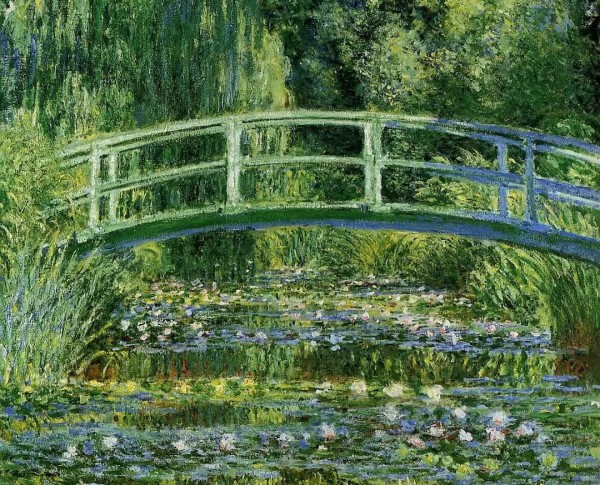
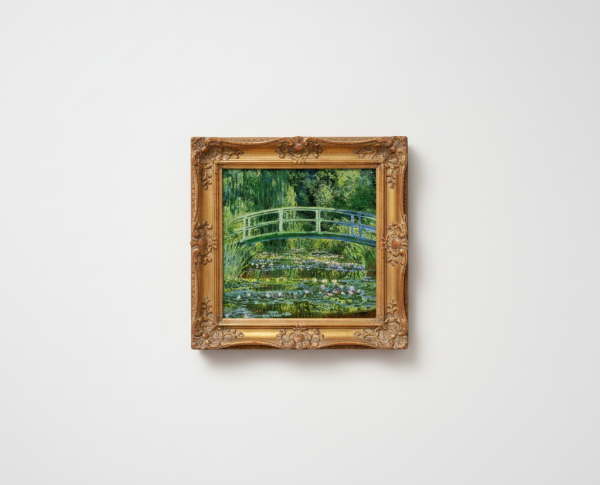
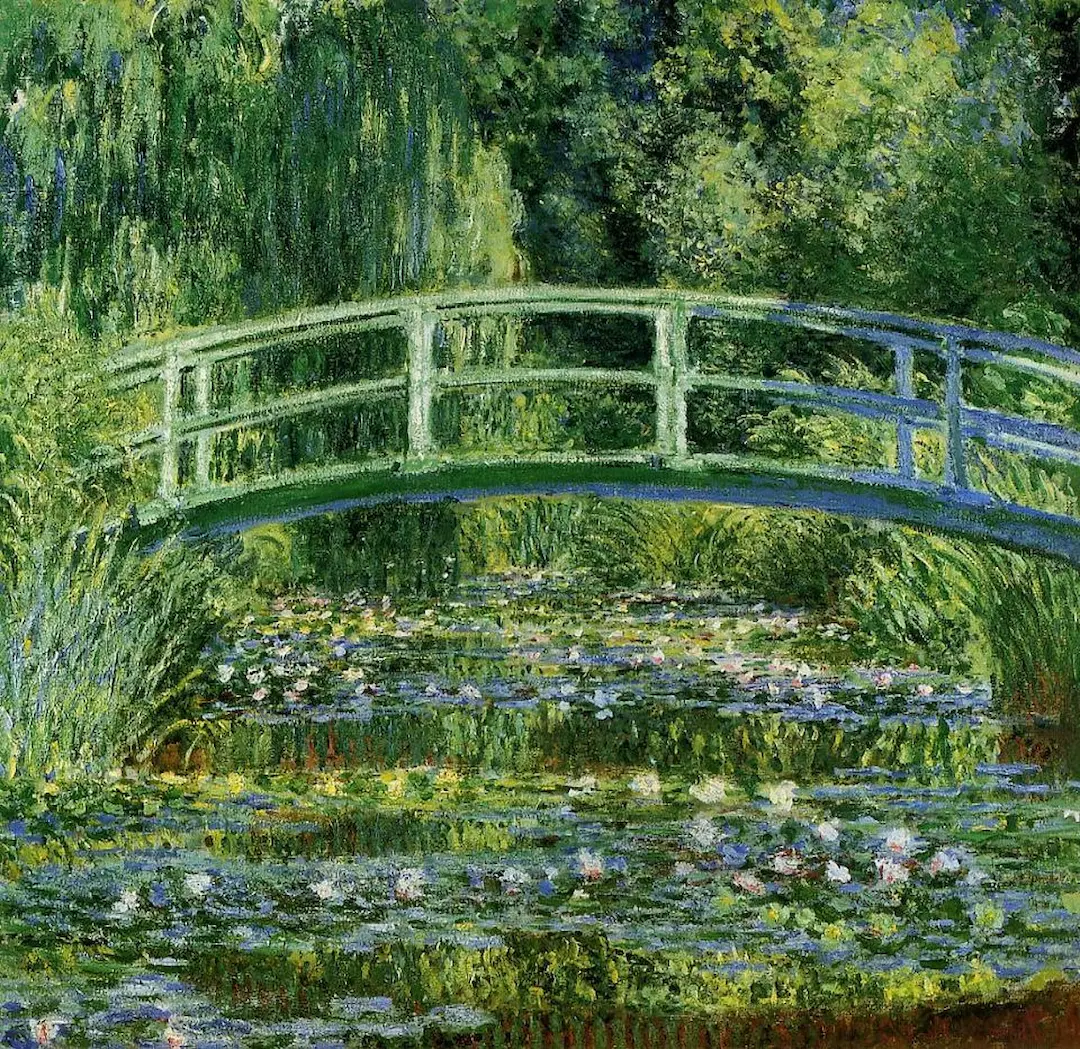
Within "Le Déjeuner sur l'herbe," Monet weaves stories and symbols that speak to the social and artistic changes of his era. This fine art painting for sale not only depicts a tranquil outdoor meal but also symbolizes Impressionism’s break from tradition. Collectors frequently pair this piece with related products such as "Terrace at the Seaside, Sainte-Adresse" and "The Water Lily Pond Aka Japanese Bridge" to enrich their understanding of Monet’s narrative depth.
Owning "Le Déjeuner sur l'herbe" by Claude Monet is a true privilege for admirers of the Impressionism movement. This hand-painted oil painting embodies both historical significance and artistic brilliance, making it a prized addition to any collection. Art lovers seeking to expand their collection may also consider Monet’s related works, including "Garden at Sainte-Adresse" and "The Water Lily Pond Aka Japanese Bridge," for a well-rounded showcase of Impressionist masterpieces.
When Art Meets History
"Le Déjeuner sur l'herbe" by Claude Monet stands as a hallmark of the Impressionism movement, blending historical context with vibrant creativity. This hand-painted oil painting captures a pivotal moment in art history, echoing the revolutionary spirit of the era. Alongside related masterpieces such as "Ballet Rehearsal, 1873" and "The Bellelli Family," Monet’s work reflects a new approach to capturing daily life, forever changing how audiences perceive both nature and modernity in fine art.
Techniques That Speak
Claude Monet’s "Le Déjeuner sur l'herbe" showcases the artist’s mastery of oil on canvas, a signature technique of the Impressionism movement. Monet’s loose brushwork and subtle color transitions bring sunlight and shadow to life, immersing viewers in the tranquil outdoor scene. This technique can be seen in related paintings like "Les orangers" and "Young Spartans Exercising," where dynamic compositions and lively palettes redefine the boundaries of traditional fine art painting.
Emotions on Display
In "Le Déjeuner sur l'herbe," Claude Monet conveys a sense of leisure and intimacy, inviting viewers to experience the gentle emotions that characterize Impressionist works. The fine art painting for sale elicits a peaceful, communal atmosphere, much like "A Girl with a Watering Can," another celebrated piece from the same movement. Through subtle expressions and harmonious settings, Monet’s art continues to evoke timeless feelings of joy, serenity, and connection with nature.
Coveted by Collectors
As a defining work of the Impressionism movement, "Le Déjeuner sur l'herbe" by Claude Monet remains highly sought after by collectors worldwide. The painting’s historical significance and innovative style elevate its desirability, much like other masterpieces such as "The Bellelli Family" and "Les orangers." Collectors value the uniqueness of this hand-painted oil painting, recognizing its enduring influence and its prominent place in the evolution of modern fine art.
Related Impressionism Hand-Painted Oil Paintings by Other Artists
Other Famous Impressionism Artists:
Frequently Asked Questions About Le Déjeuner sur l'herbe
What is the historical context of Le Déjeuner sur l'herbe?
Le Déjeuner sur l'herbe was painted in 1863, a time marked by significant changes in French society and art. The painting was created during the rise of Impressionism, a movement that sought to capture the effects of light and color in a more naturalistic manner, challenging the traditional academic standards of the time.
What artistic techniques did Claude Monet use in this painting?
Monet employed loose brushwork and a vibrant color palette to convey the play of light on the figures and landscape. His innovative use of color and light was pivotal in the development of Impressionism, moving away from the detailed realism of earlier art forms.
What is the significance of the title, Le Déjeuner sur l'herbe?
The title translates to "Luncheon on the Grass," which reflects the subject matter of the painting—a picnic scene set in a natural environment. This title evokes themes of leisure and the enjoyment of nature, contrasting with the more formal and restrained settings of traditional art.
How does Le Déjeuner sur l'herbe reflect the values of Impressionism?
This painting exemplifies Impressionist values by focusing on everyday life and the beauty of the natural world. Monet's emphasis on capturing transient moments and the effects of light showcases the movement's departure from historical or mythological subjects.
What are the symbolic elements present in the painting?
The figures in the painting symbolize a carefree lifestyle and the joys of leisure. The juxtaposition of the clothed man and the nude woman challenges societal norms of the time, inviting viewers to question the boundaries of propriety and artistic representation.
How did the public and critics initially react to Le Déjeuner sur l'herbe?
Upon its exhibition, the painting received mixed reviews, with some critics praising its innovation while others condemned it for its unconventional subject matter and style. This controversy contributed to the dialogue surrounding Impressionism and its acceptance in the art world.
What influences can be seen in Monet's Le Déjeuner sur l'herbe?
Monet was influenced by earlier artists such as Édouard Manet, whose own work titled "Le Déjeuner sur l'herbe" challenged traditional artistic conventions. Monet's interpretation reflects a blend of inspiration from both classical and contemporary sources, showcasing his unique vision.
What role does light play in Le Déjeuner sur l'herbe?
Light is a central theme in Monet's work, and in Le Déjeuner sur l'herbe, it creates a sense of atmosphere and depth. The way light interacts with the figures and the surrounding nature enhances the painting's overall mood and invites viewers to experience the scene as if they were present.
How does Le Déjeuner sur l'herbe compare to other works by Monet?
Compared to other works by Monet, Le Déjeuner sur l'herbe showcases a more relaxed and informal setting, contrasting with his later pieces that often focus on landscapes and water scenes. This painting marks an important step in his exploration of light and color in everyday life.
What legacy did Le Déjeuner sur l'herbe leave on the art world?
Le Déjeuner sur l'herbe has left a lasting legacy by challenging artistic conventions and paving the way for future movements that embrace modernity and abstraction. It remains a significant work in the study of Impressionism and continues to inspire artists and art enthusiasts alike.























_GFM_Painting_(1).webp)


 100% Hand-Painted: Finished in 3-6 Weeks

.png)















_(1).webp)