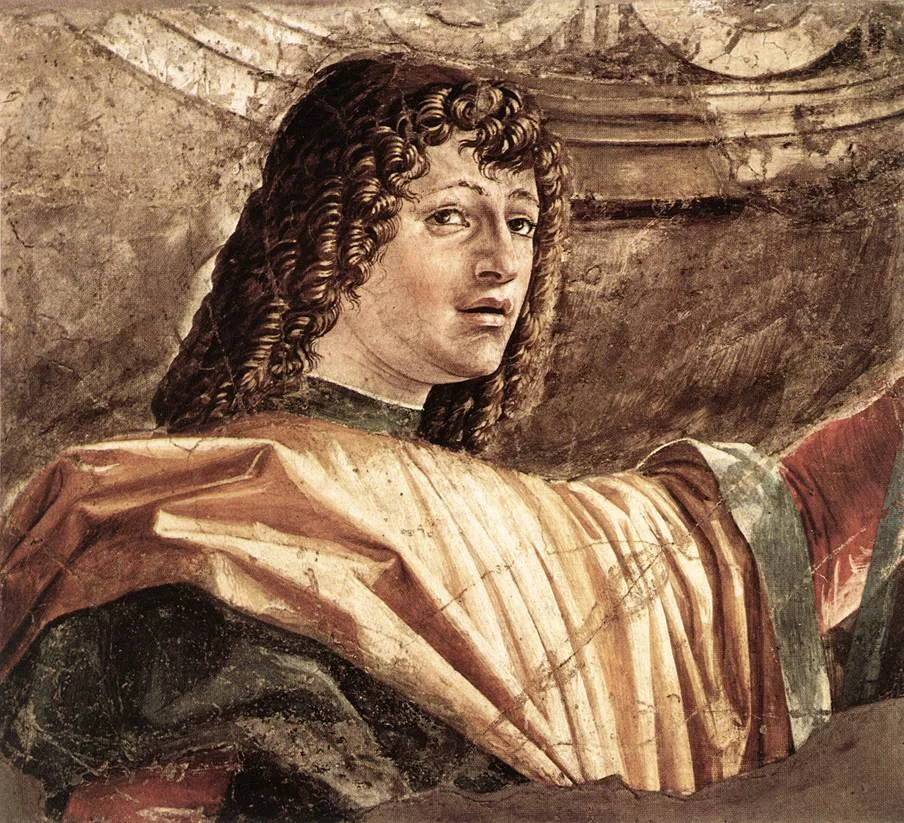
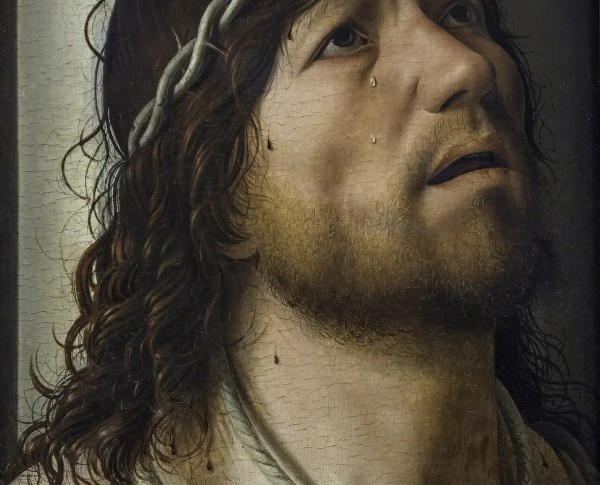
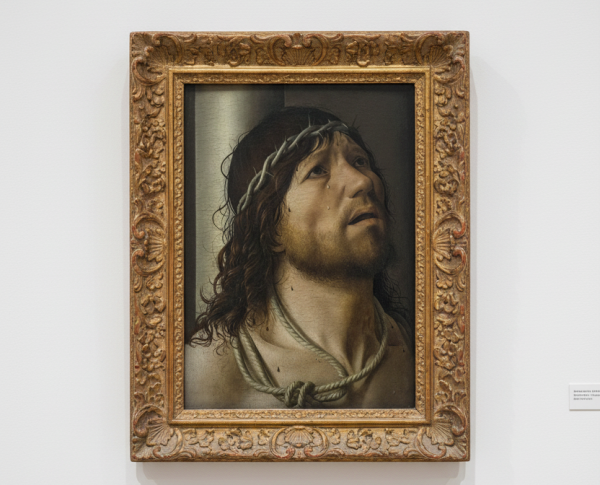
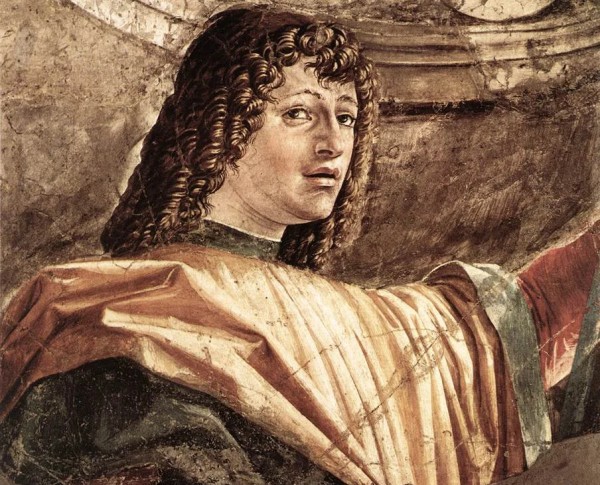
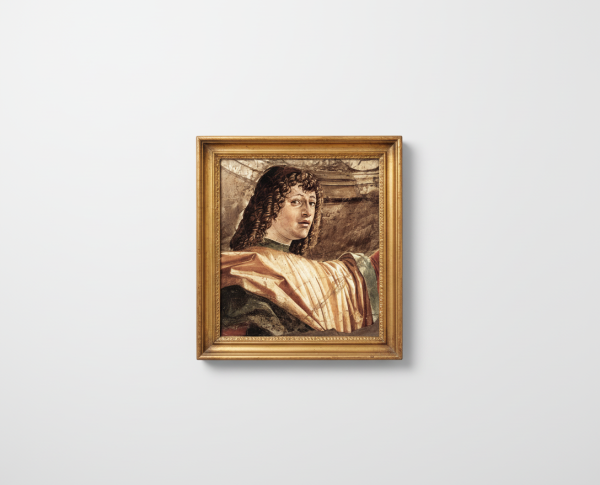
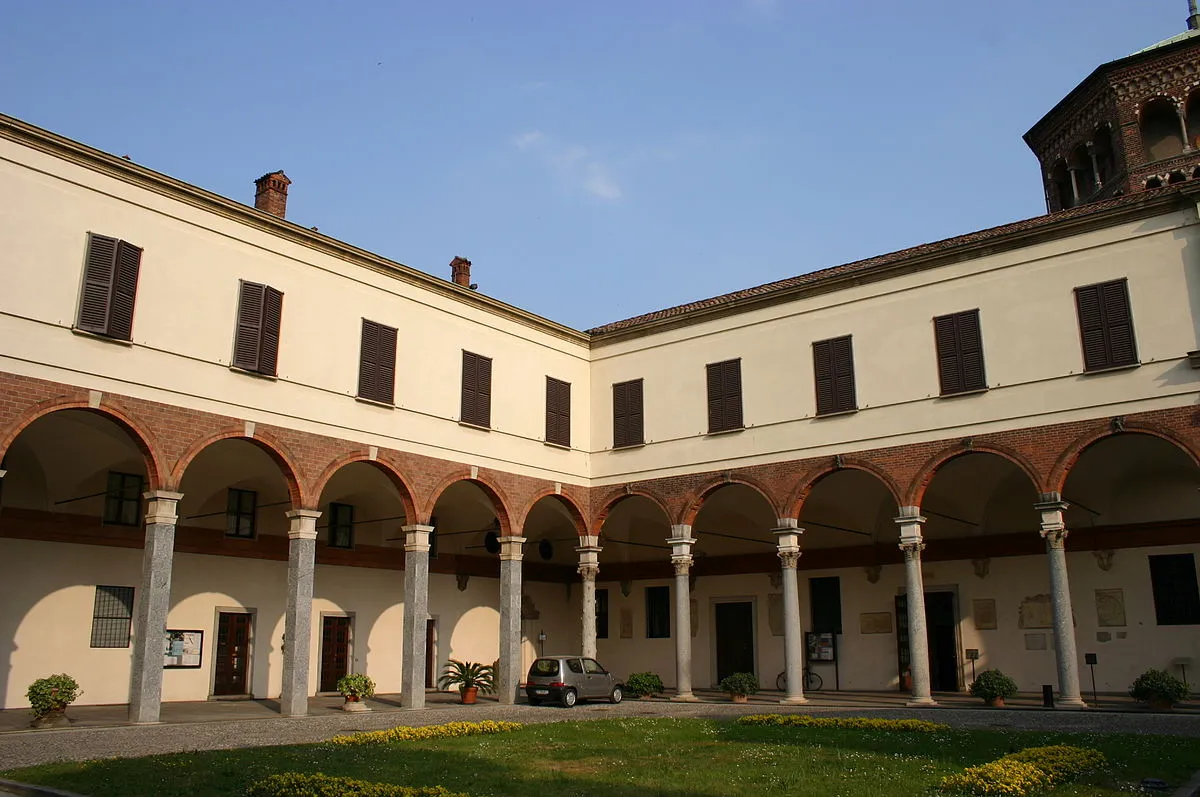
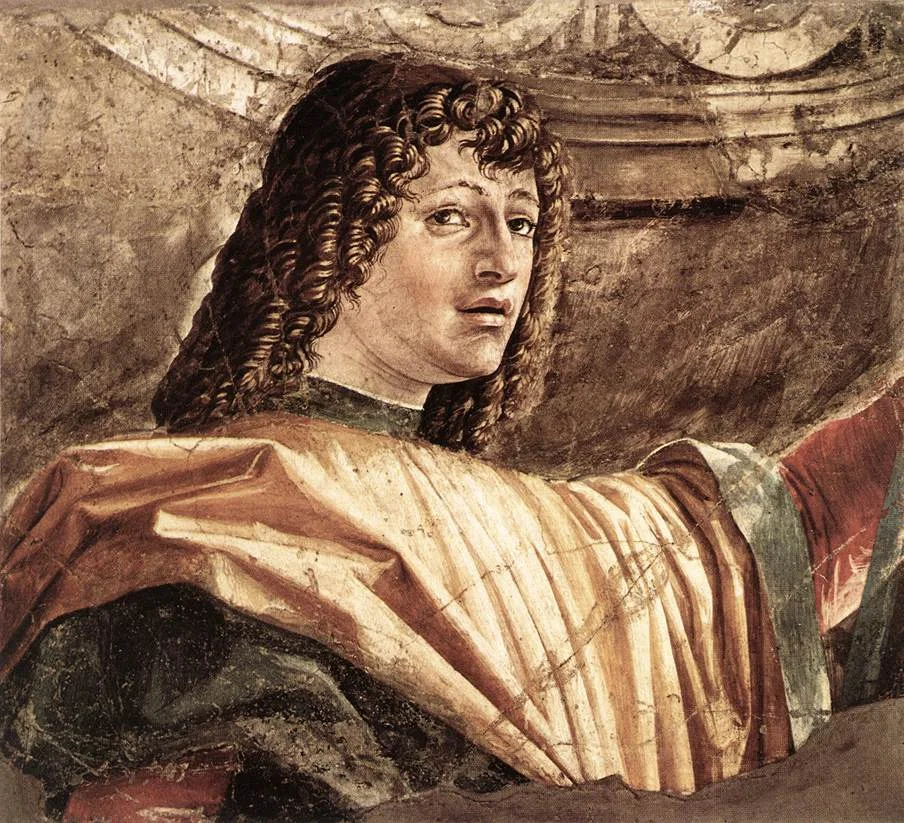
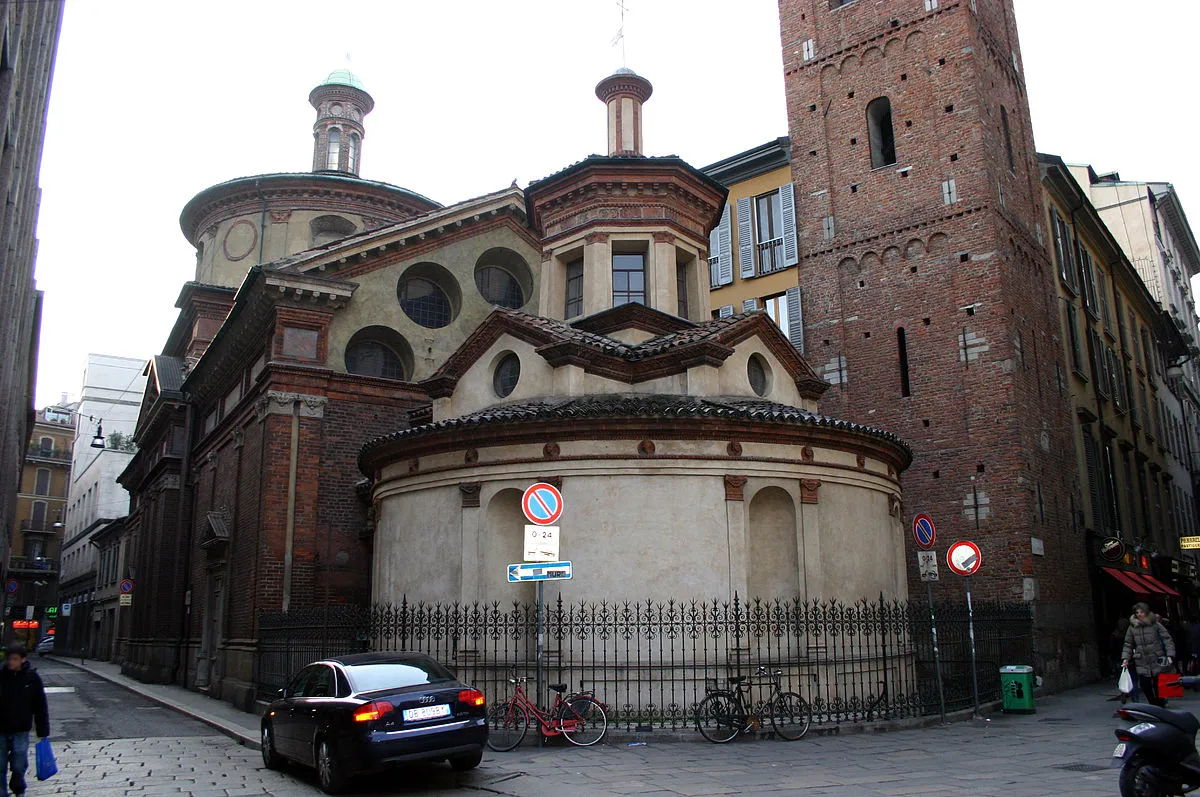
In "Basilica of Sant'Ambrogio - Bramante's arcades," every detail is carefully rendered using oil on canvas, showcasing Bramante’s technical prowess and refined aesthetic. The artist’s mastery shines through in the harmonious interplay of light and shadow, characteristic of the High Renaissance movement. This oil on canvas masterpiece is complemented by related works such as "Pavia Cathedral - general design" and "Man at Arms," all exemplifying the era’s pursuit of perfection in form and perspective.
Donato Bramante’s "Basilica of Sant'Ambrogio - Bramante's arcades" invites viewers to explore stories and symbols woven into its architectural precision. The fine art painting for sale captures the spirit of Renaissance humanism while reflecting on the sacred and civic roles of the basilica. Collectors intrigued by symbolic depth may also appreciate related products like "Aramato" and "Man with a Mace," each offering unique narratives within the High Renaissance context.
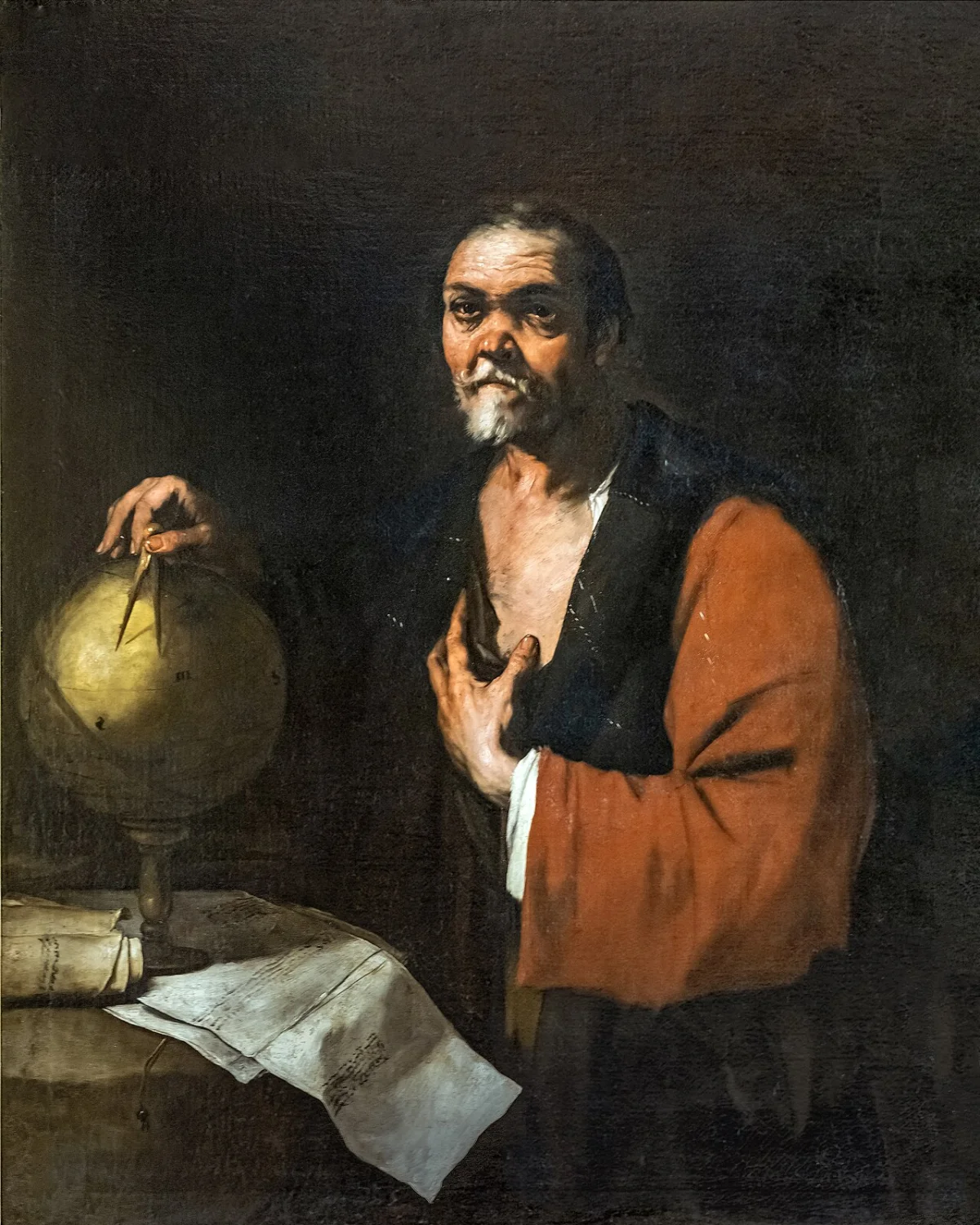
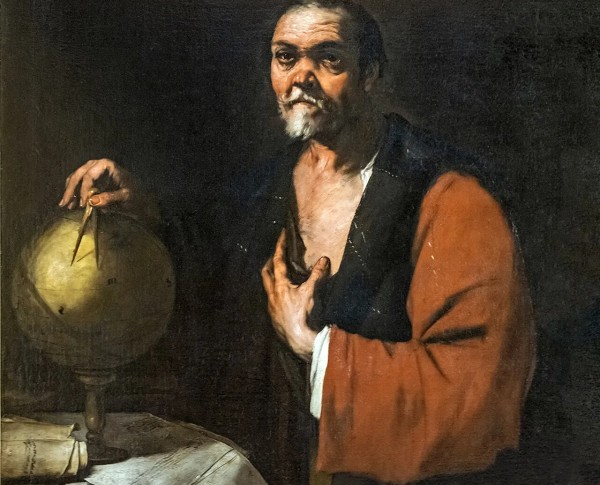
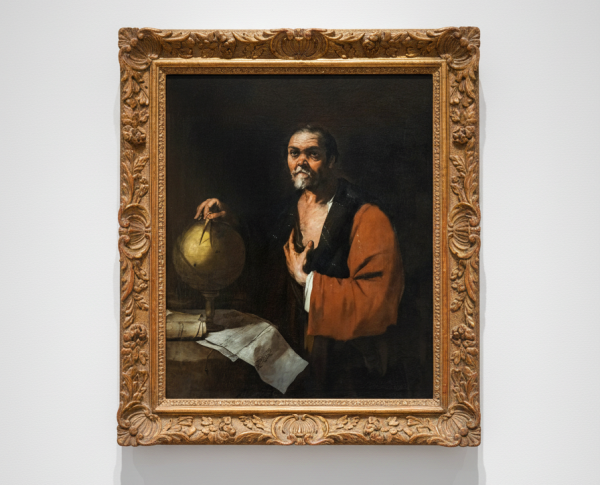
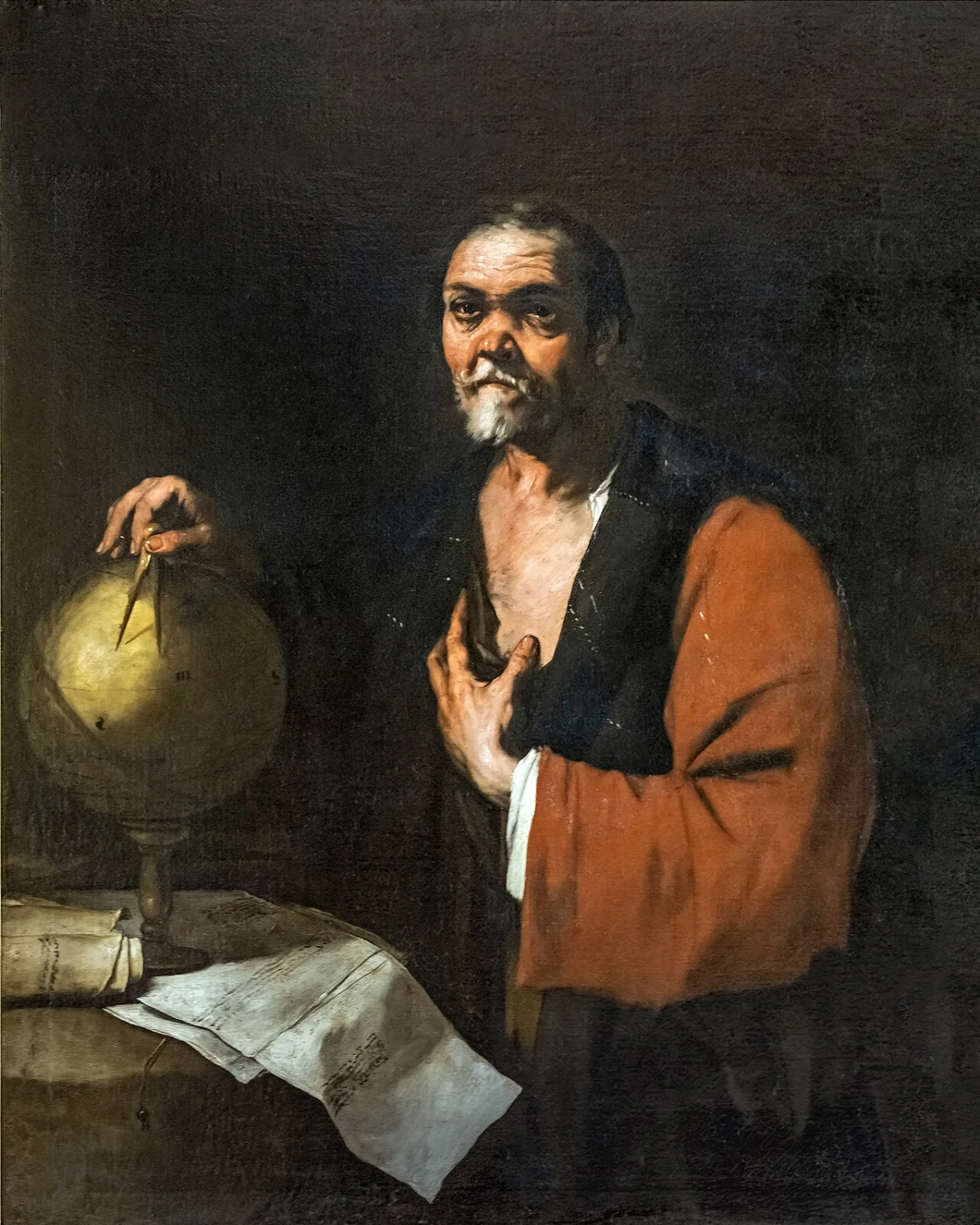
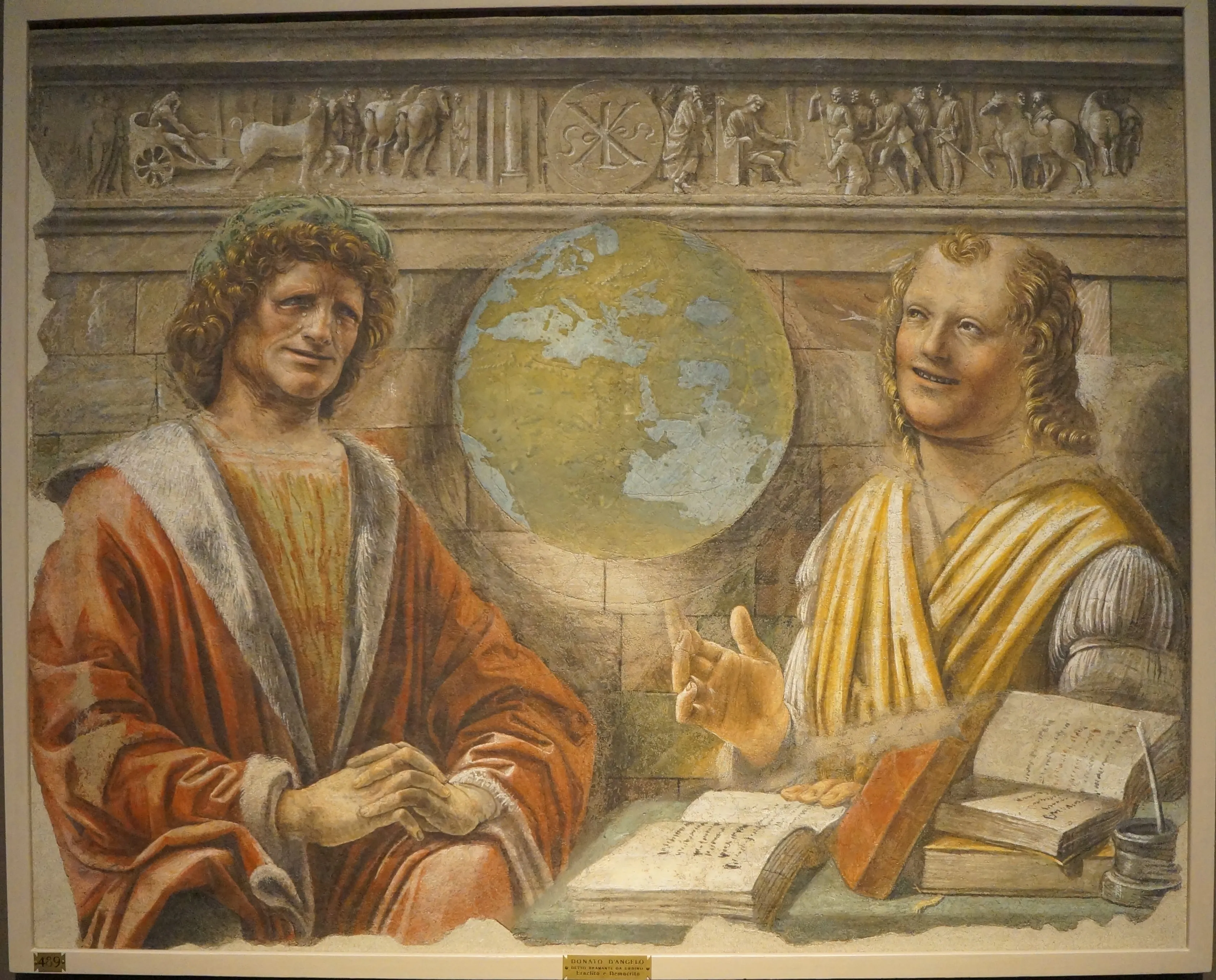
This fine art painting for sale, "Basilica of Sant'Ambrogio - Bramante's arcades" by Donato Bramante, is a rare opportunity for collectors to own a piece of High Renaissance history. Its enduring appeal lies in the artist’s ability to blend architectural grandeur with artistic finesse. Complement your collection with related masterpieces such as "Heraclitus and Democritus" or "Pavia Cathedral - general design," and experience the timeless elegance of Bramante’s vision.
When Art Meets History
"Basilica of Sant'Ambrogio - Bramante's arcades" by Donato Bramante is a remarkable hand-painted oil painting from the High Renaissance movement. This masterpiece captures the architectural grandeur of Milan’s iconic basilica, reflecting the era’s harmony between art and historic achievement. Bramante’s vision here resonates with the innovative spirit seen in related paintings like "The Last Supper 1498" and "Madonna of Belvedere," making it a pivotal work for admirers of Renaissance art.
Techniques That Speak
Donato Bramante’s "Basilica of Sant'Ambrogio - Bramante's arcades" is expertly rendered in oil on canvas, showcasing the artist’s mastery of perspective and light. The brushwork echoes the detailed studies found in "Sleeve Study for the Annunciation" and "Woman's Head," blending meticulous technique with expressive form. This painting exemplifies the technical brilliance of the High Renaissance, where each stroke and shadow contribute to a breathtaking sense of architectural depth and realism.
Emotions on Display
In this fine art painting for sale, Bramante’s depiction of the Basilica’s arcades evokes a profound sense of awe and tranquility. The interplay of light and shadow creates a contemplative atmosphere, inviting viewers to experience the spiritual grandeur of the space. As with his other works, such as "Cherubini," Bramante masterfully conveys both the physical and emotional essence of his subject, making this piece a timeless testament to the emotive power of High Renaissance art.
Coveted by Collectors
"Basilica of Sant'Ambrogio - Bramante's arcades" is highly sought after by collectors who appreciate hand-painted oil paintings from the High Renaissance. Its historical significance and artistic excellence place it alongside renowned works like "The Last Supper 1498" and "Madonna of Belvedere." Owning this masterpiece not only enriches any collection but also offers a unique connection to Bramante’s enduring legacy within the world of fine art.
Related High Renaissance Hand-Painted Oil Paintings by Other Artists
Other Famous High Renaissance Artists:
Frequently Asked Questions About Basilica of Sant'Ambrogio - Bramante's arcades
What is the historical significance of the Basilica of Sant'Ambrogio?
The Basilica of Sant'Ambrogio, located in Milan, is one of the most important religious buildings in the city, founded in the 4th century. It serves as a testament to the evolution of Christian architecture in Italy and reflects the transition from Early Christian to Romanesque styles.
Who was Donato Bramante and what was his role in the creation of the arcades?
Donato Bramante was an influential Italian architect of the High Renaissance. He played a crucial role in the design of the Basilica's arcades, which showcase his innovative approach to classical architecture and his mastery in integrating structural elements with aesthetic beauty.
What architectural style is represented in Bramante's arcades?
Bramante's arcades exemplify the Romanesque style, characterized by rounded arches, robust columns, and a sense of solidity. This style reflects the historical context of the time, emphasizing both functionality and grandeur in ecclesiastical architecture.
What symbolic meanings are associated with the arcades in the Basilica?
The arcades symbolize the connection between the earthly and the divine. They create a transitional space that invites worshippers to move from the secular world into a sacred environment, enhancing the spiritual experience within the Basilica.
How do the arcades contribute to the overall design of the Basilica?
The arcades serve as a structural and aesthetic framework that enhances the Basilica's grandeur. They provide rhythm and harmony to the façade, while also allowing natural light to filter through, creating an inviting atmosphere for visitors and worshippers alike.
What materials were used in the construction of the arcades?
The arcades were constructed using local materials such as brick and stone, which were commonly used in Romanesque architecture. These materials not only provide durability but also reflect the regional characteristics of Milanese architecture during Bramante's time.
In what ways did Bramante's work influence later architectural styles?
Bramante's innovative use of classical elements and his emphasis on symmetry and proportion influenced the development of Renaissance architecture. His approach laid the groundwork for future architects, including Michelangelo and Palladio, who further developed these principles in their own works.
What role did the Basilica play in the cultural life of Milan during Bramante's time?
The Basilica of Sant'Ambrogio served as a central hub for religious and cultural activities in Milan. It was a site for important liturgical events, attracting pilgrims and scholars, thus reinforcing the city's status as a significant center of Christianity and culture during the Renaissance.
How has the perception of Bramante's arcades changed over time?
Initially celebrated for their innovative design, Bramante's arcades have been re-evaluated over time as scholars and critics have explored their historical context and architectural significance. Today, they are recognized not only for their aesthetic qualities but also for their role in the evolution of architectural thought.
Are there any notable artworks or features associated with the Basilica of Sant'Ambrogio?
Yes, the Basilica houses several significant artworks, including the altar by Giovanni Battista Crespi and various mosaics that adorn its interior. These features complement Bramante's arcades and contribute to the overall artistic narrative of the Basilica, making it a rich site for both art and history.























_GFM_Painting_(1).webp)


 100% Hand-Painted: Finished in 3-6 Weeks

.png)















_(1).webp)