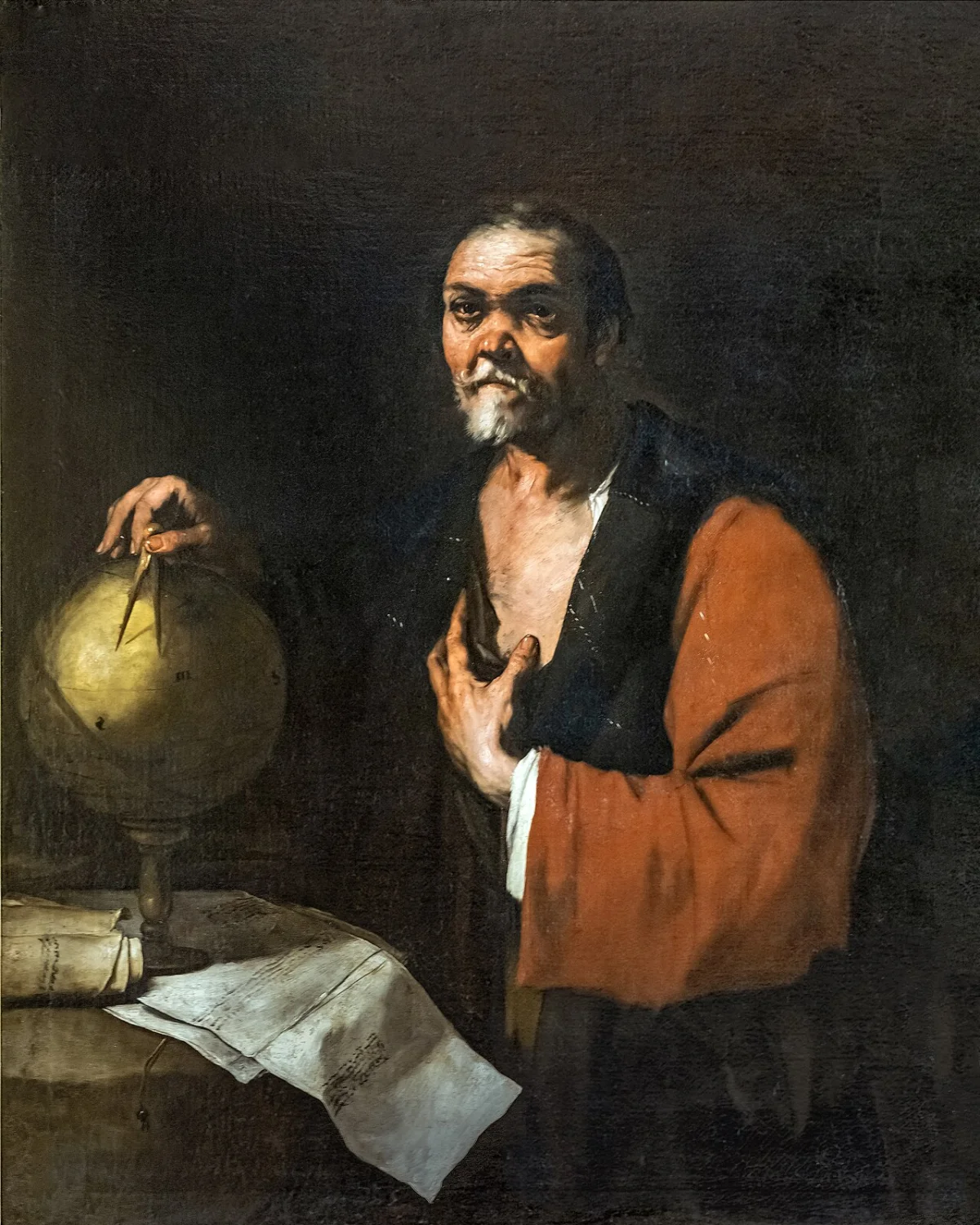
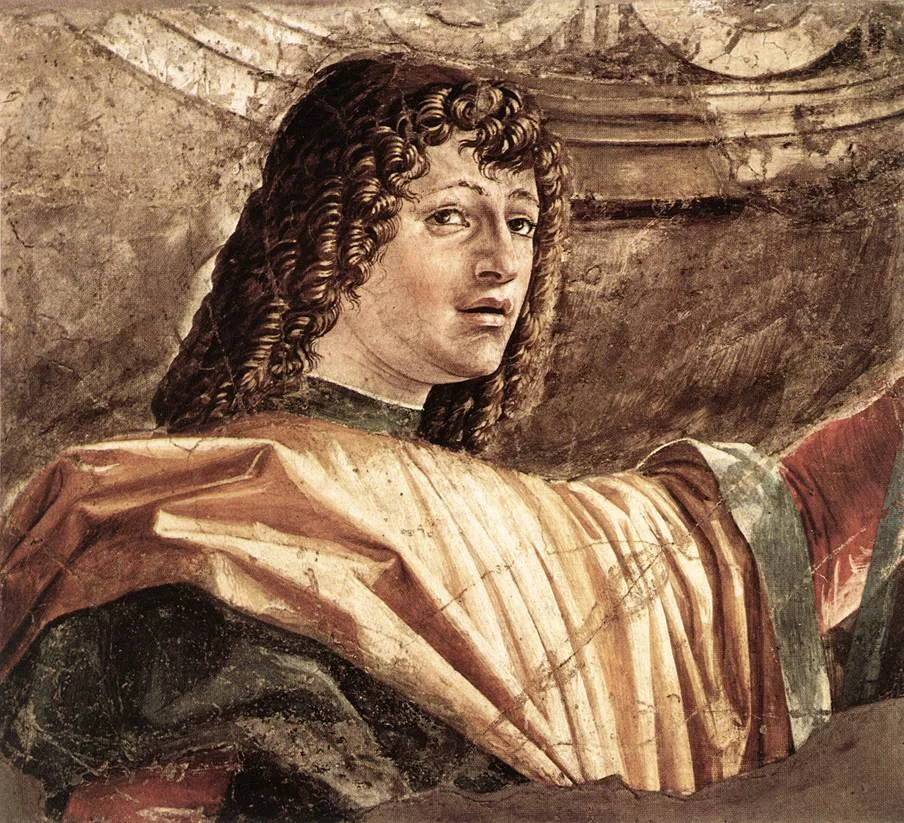
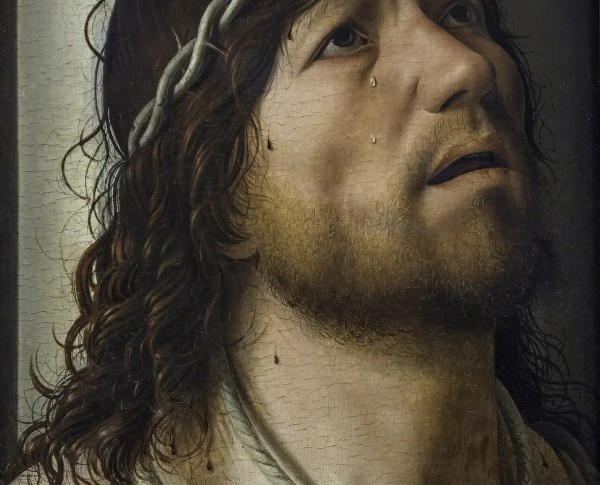
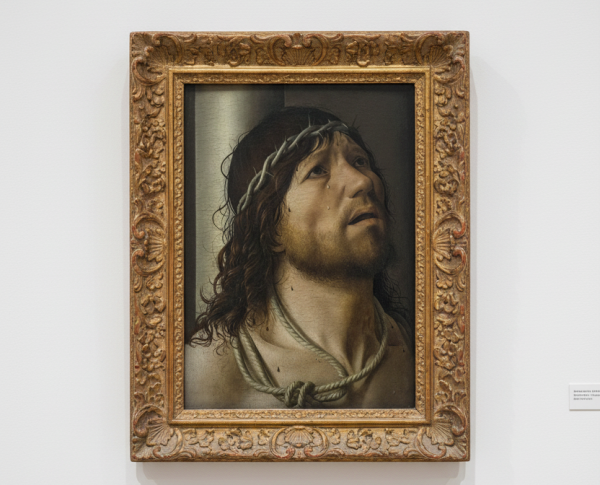
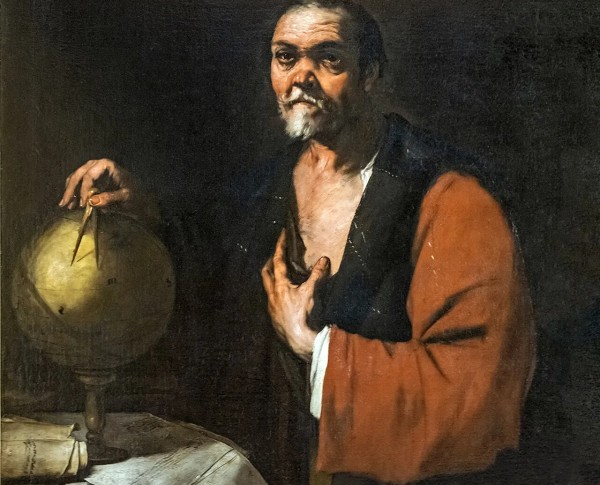
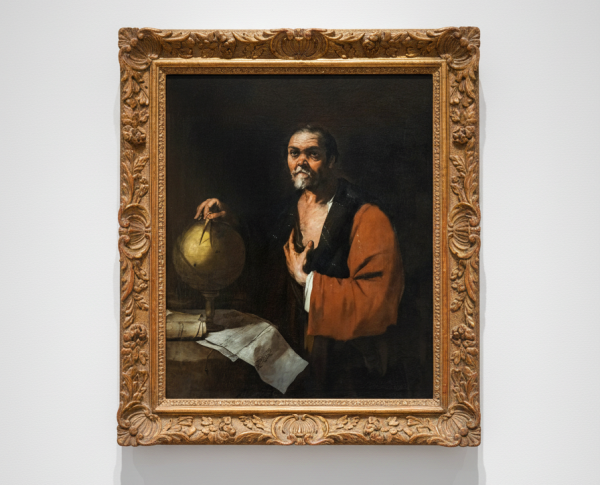
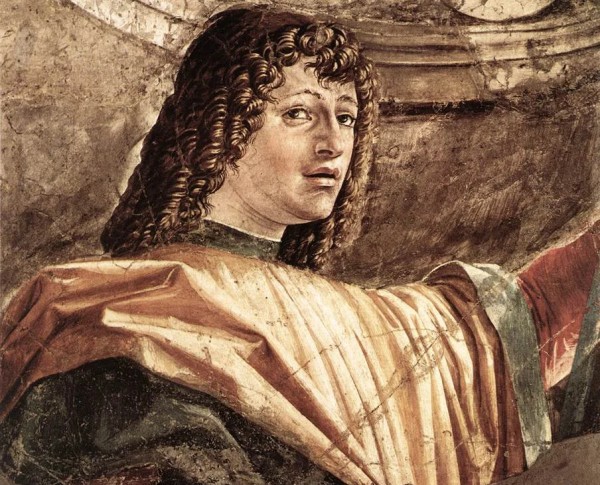
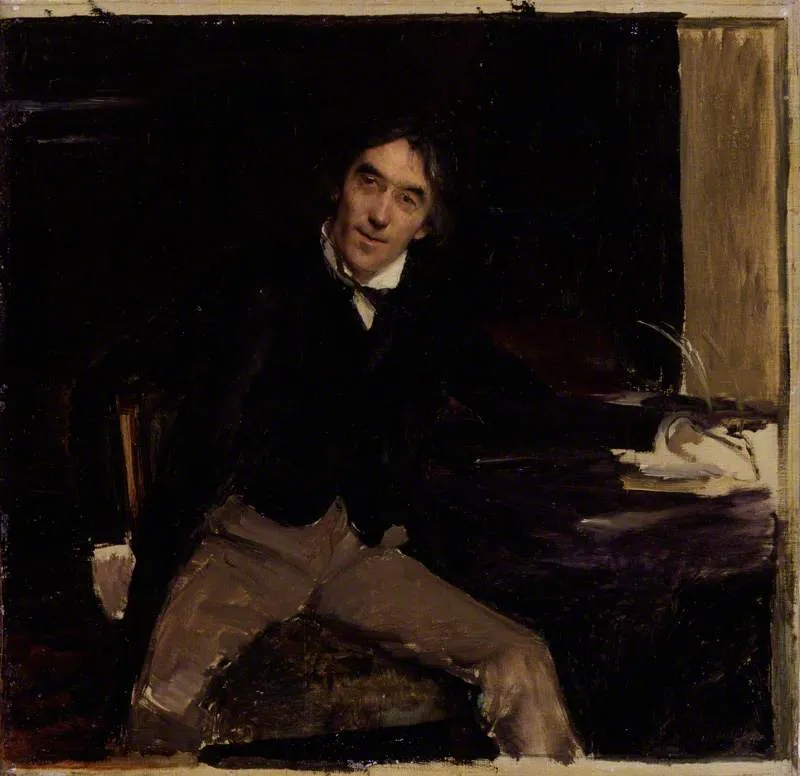
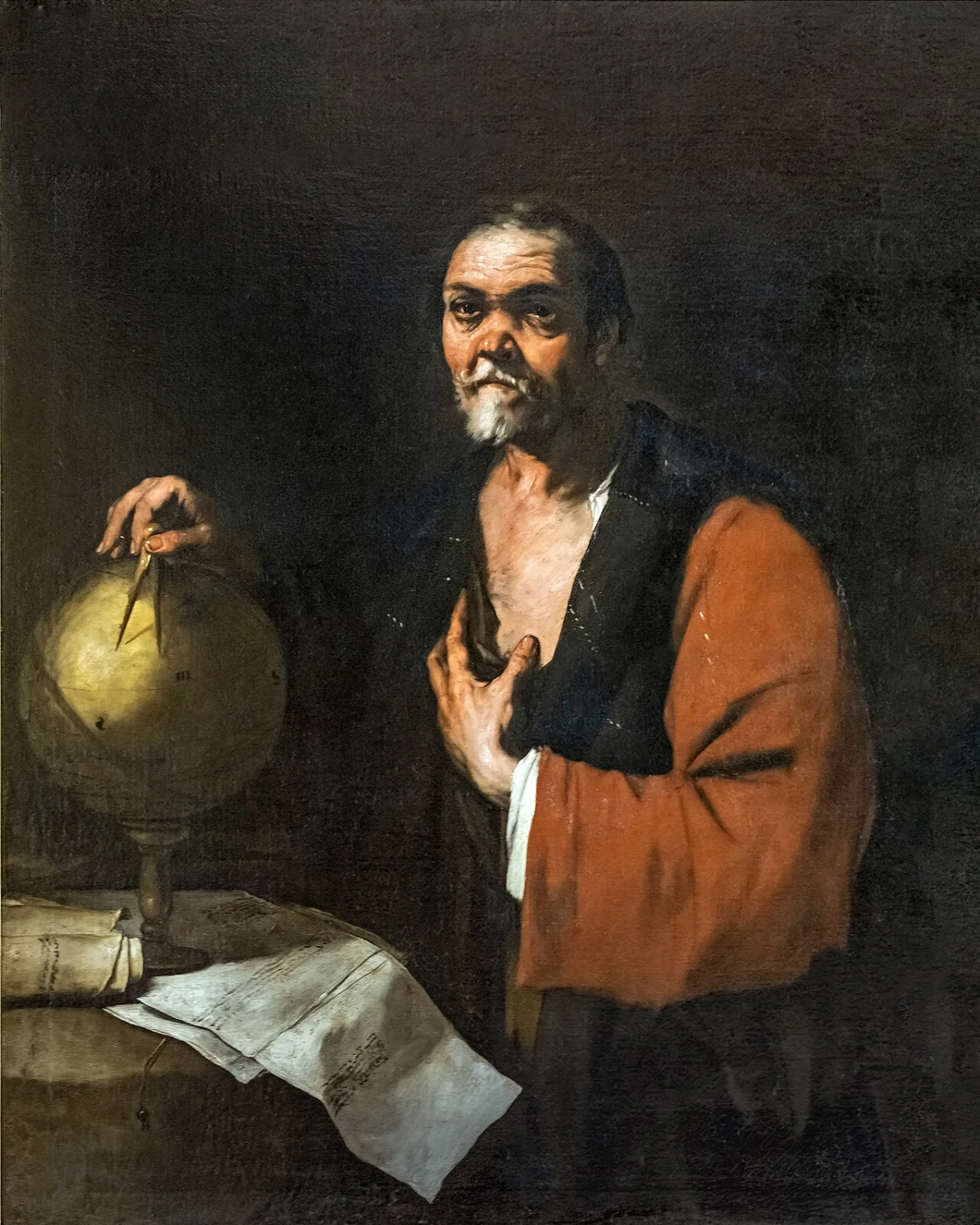
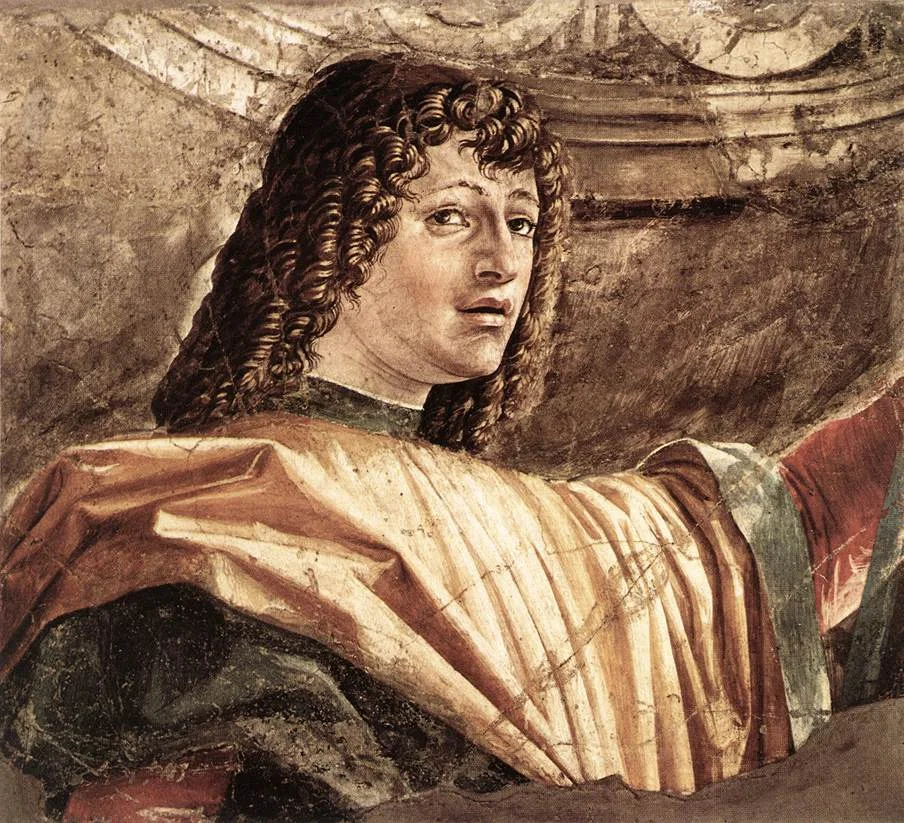
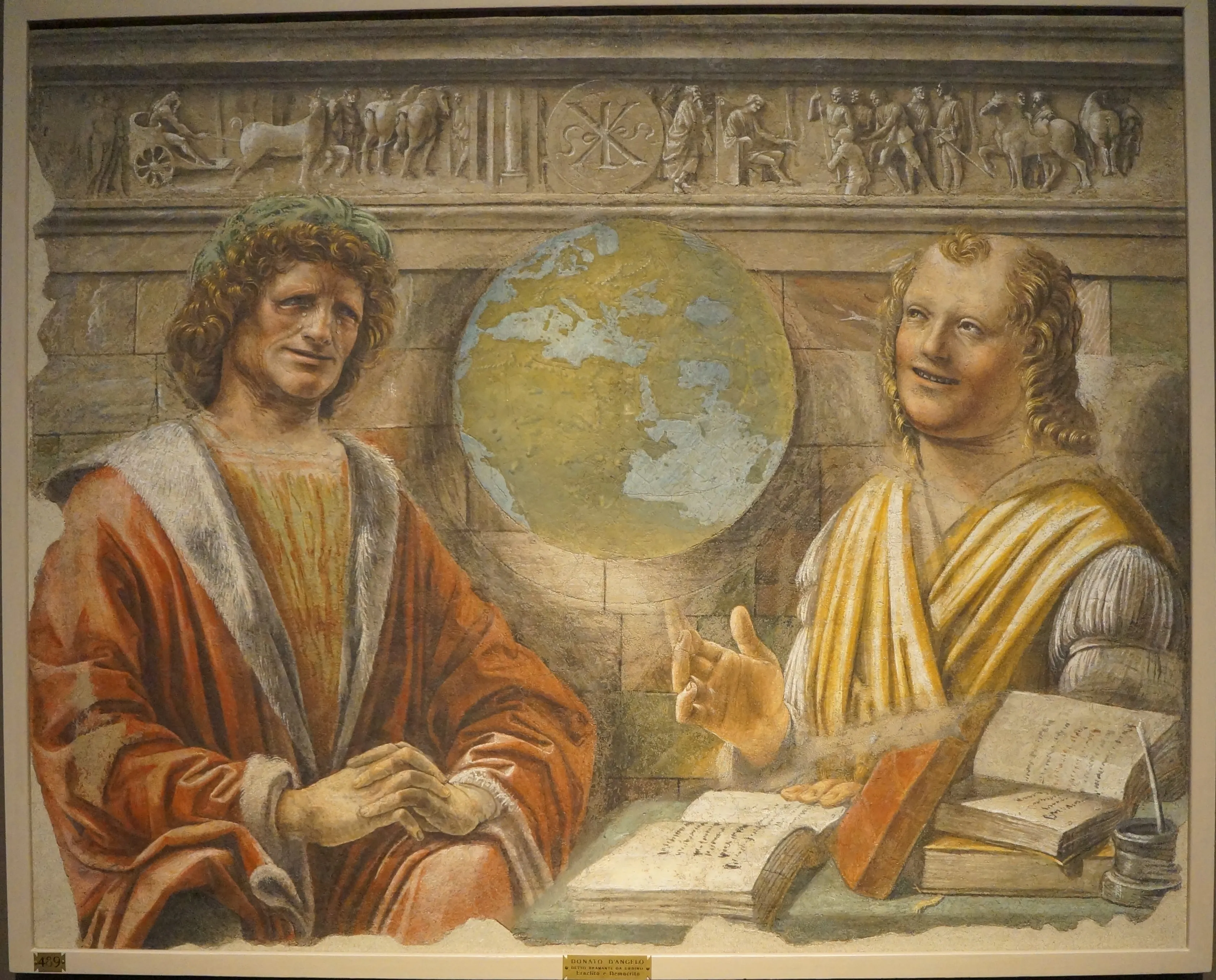
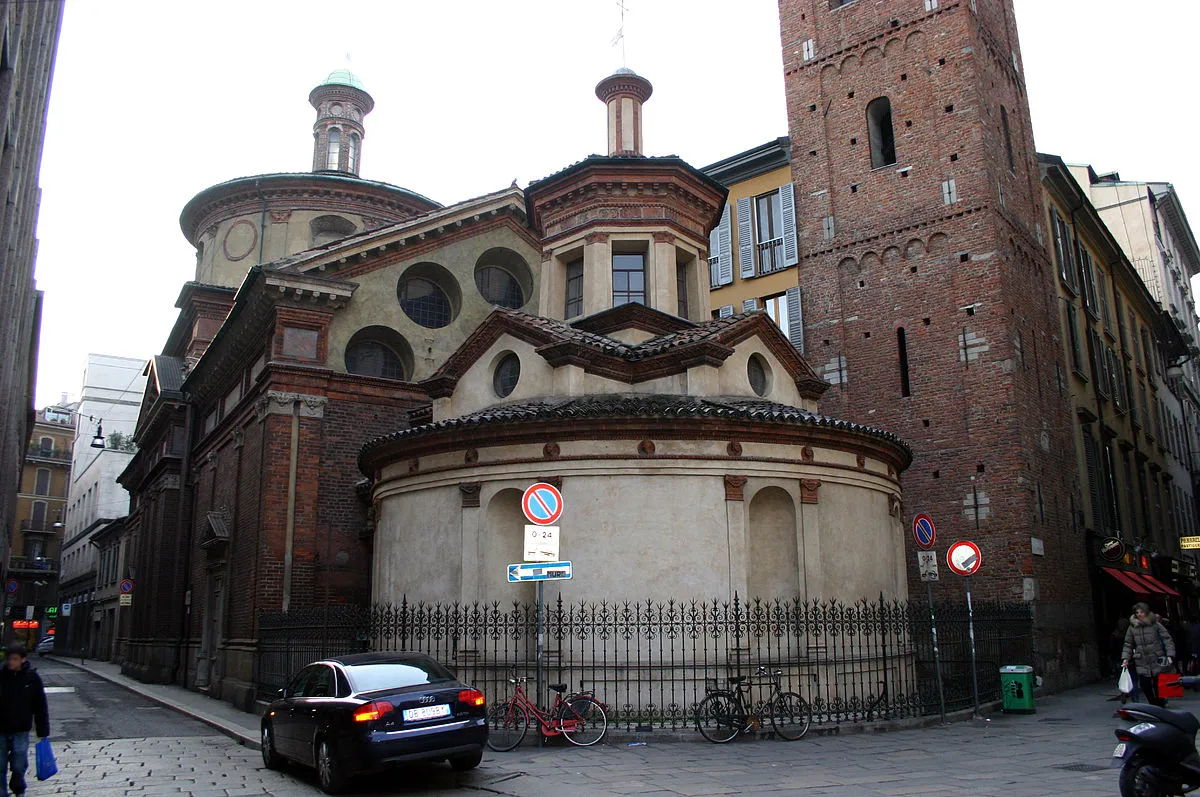
Donato Bramante’s "The Chanter" showcases his unparalleled skill with oil on canvas, reflecting the refined realism and balance that defined the High Renaissance movement. Each brushstroke breathes life into the subject, revealing Bramante’s acute understanding of human anatomy and emotion. This painting harmonizes with related works like "Crying Heraclitus and Laughing Democritus" and the innovative "Santa Maria presso San Satiro - Bramante false apse," highlighting the artist’s diverse genius.
Within "The Chanter," Bramante weaves subtle symbolism and narrative, inviting viewers to uncover the deeper meaning behind the figure’s expression and pose. As a hand-painted oil painting, it reflects the High Renaissance fascination with music, intellect, and human emotion. This fine art painting for sale resonates with the thematic richness of "Uomo dall'alabarda" and "Man with a Halbard," offering collectors a glimpse into the symbolic language of the period.
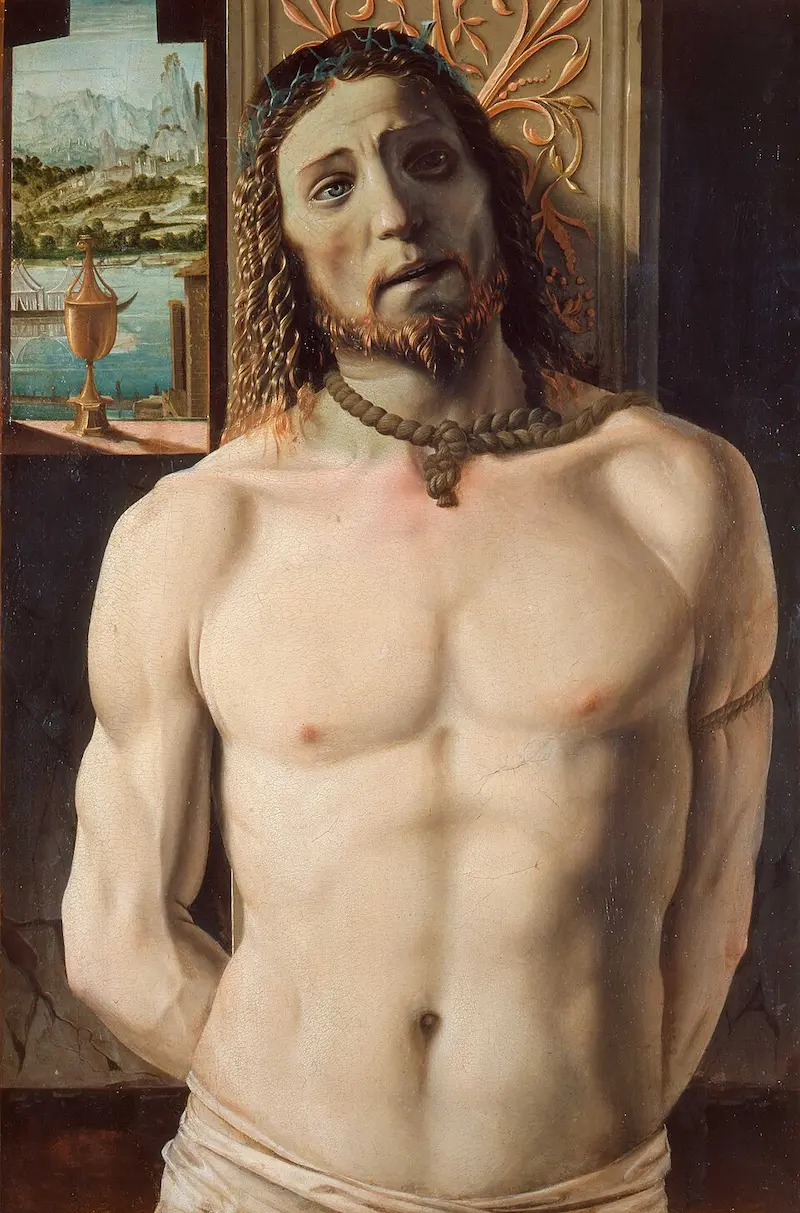
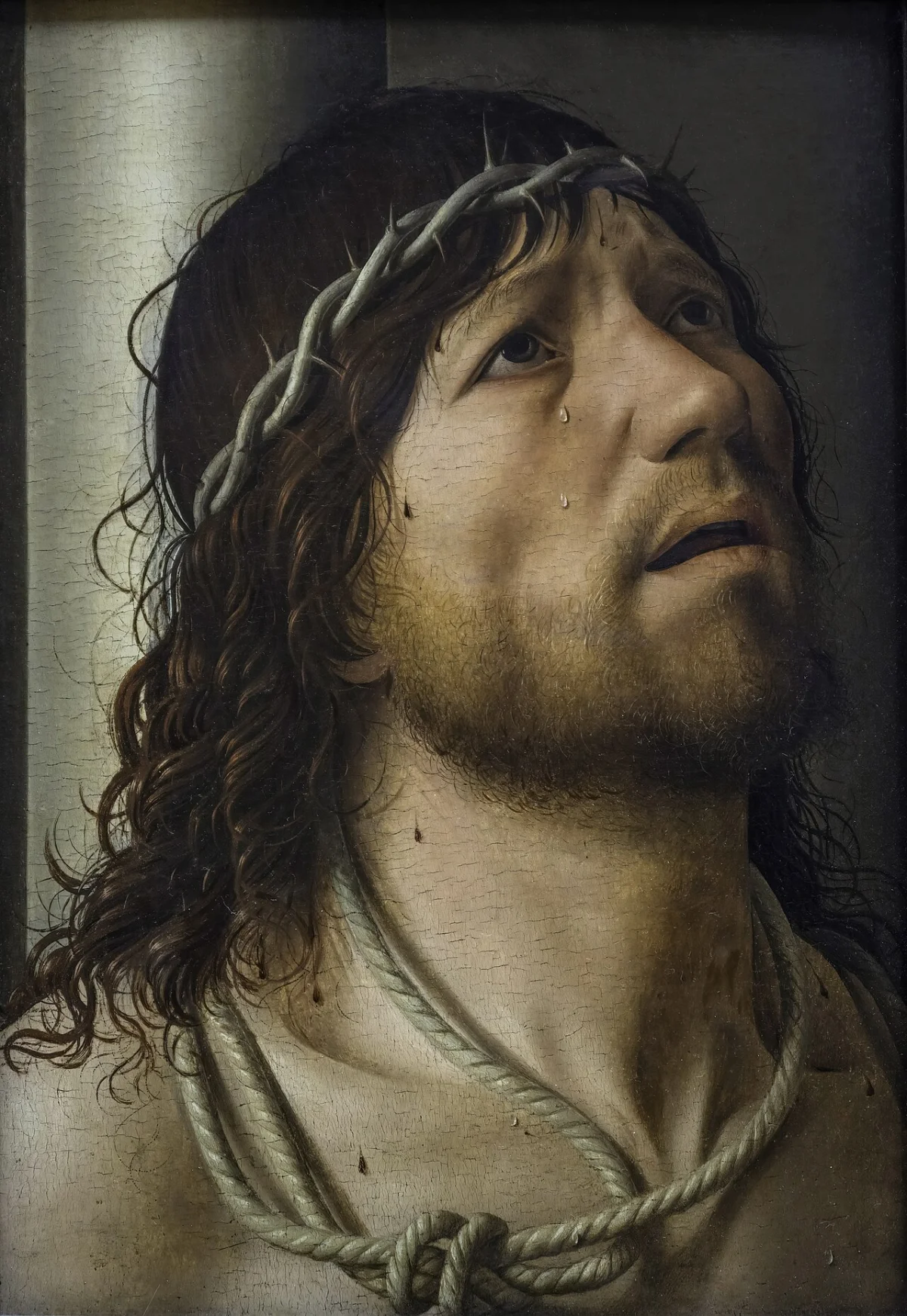
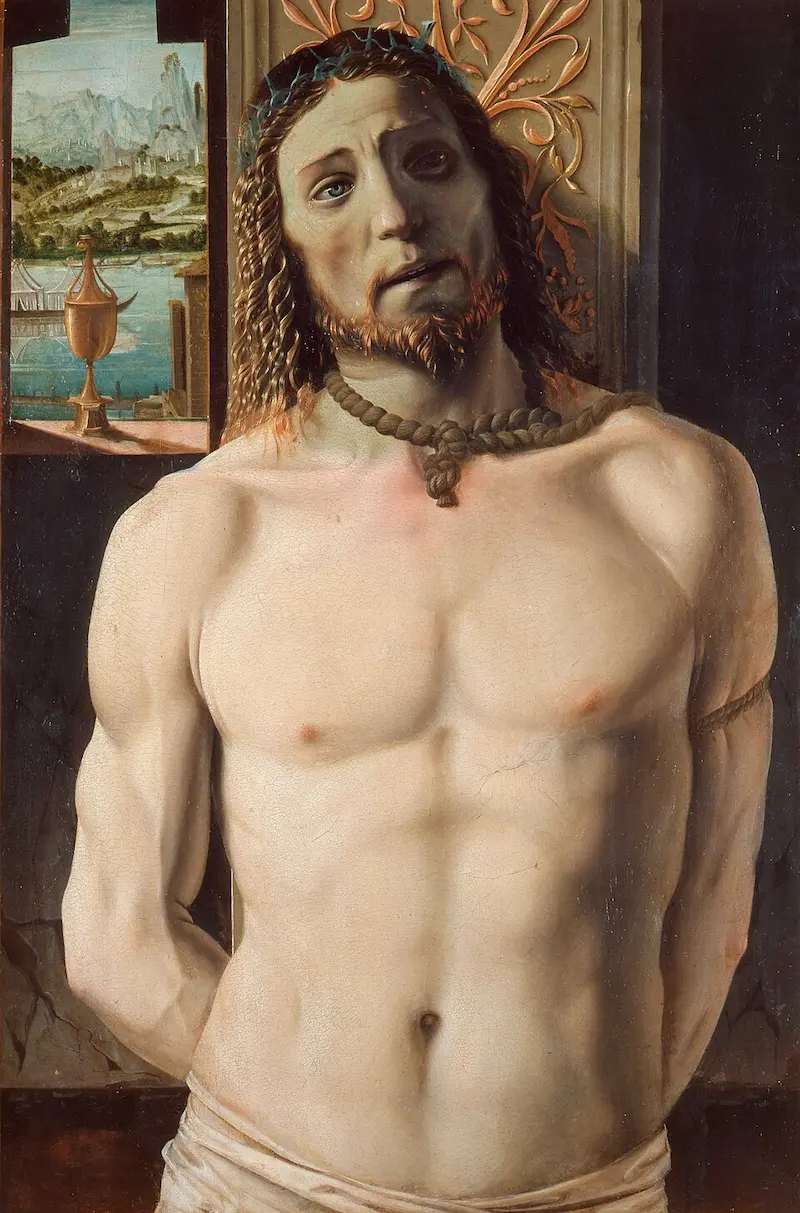
For collectors seeking a distinguished piece, "The Chanter" by Donato Bramante is an exceptional oil on canvas that embodies the sophistication of the High Renaissance. Its provenance and artistic mastery make it a coveted fine art painting for sale, complementing collections featuring works like "Christ at the Column" and "Santa Maria presso San Satiro - Bramante false apse." Owning this painting connects you to a legacy of Renaissance brilliance and timeless beauty.
When Art Meets History
"The Chanter" by Donato Bramante stands as a testament to the High Renaissance movement, capturing the era's devotion to harmony and realism. This hand-painted oil painting echoes the historical context of its time, reflecting both the cultural and artistic advancements of the period. Bramante, also known for works like "Study of hands" and "Aminadab," skillfully connects viewers to Renaissance ideals, making "The Chanter" a significant milestone in the evolution of Western art.
Techniques That Speak
Donato Bramante's mastery shines through in "The Chanter," utilizing oil on canvas to achieve depth and luminosity. The artist's attention to detail and expert layering techniques lend the painting a lifelike quality, reminiscent of other High Renaissance works such as "Portrait Of Bindo Altoviti" and "St George and the Dragon." The subtle play of light and shadow in this piece highlights Bramante's innovative approach, making it a remarkable example of Renaissance artistry.
Emotions on Display
"The Chanter" evokes a powerful emotional response, a hallmark of Bramante's genius during the High Renaissance. The subject's expressive features and dynamic posture invite viewers to connect on a personal level, similar to the emotional resonance in "The Punishment of Haman." This fine art painting for sale allows art lovers to experience the intensity and depth of feeling that defined Bramante's celebrated body of work.
Coveted by Collectors
Collectors worldwide seek "The Chanter" for its historical significance and artistic mastery. As a hand-painted oil painting by Donato Bramante, it holds tremendous value in the art market, alongside related works like "Study of hands" and "St George and the Dragon." The painting's High Renaissance origins and exquisite craftsmanship make it a prized fine art painting for sale, highly desired among connoisseurs and institutions alike.
Related High Renaissance Hand-Painted Oil Paintings by Other Artists
Other Famous High Renaissance Artists:
Frequently Asked Questions About The Chanter
What is the historical significance of "The Chanter"?
"The Chanter," created by Donato Bramante, is significant as it reflects the transition from the Gothic to the Renaissance style in art, showcasing the early developments in perspective and humanism during the late 15th century.
What artistic techniques did Bramante employ in "The Chanter"?
Bramante utilized chiaroscuro to create depth and volume, alongside linear perspective to guide the viewer's eye, which were revolutionary techniques that contributed to the evolution of Renaissance art.
Who is the central figure in "The Chanter" and what do they represent?
The central figure in "The Chanter" is often interpreted as a representation of the divine or spiritual guidance, symbolizing the connection between the earthly and the celestial through music and worship.
How does "The Chanter" reflect the cultural context of its time?
The painting reflects the cultural context of the Italian Renaissance, a period marked by a revival of classical learning and values, emphasizing the importance of art as a medium for expressing human emotion and spirituality.
What materials and methods did Bramante use for "The Chanter"?
Bramante likely used oil on canvas, a common medium of the time, allowing for rich color and detail, as well as layering techniques to achieve a luminous quality in the painting.
What themes are explored in "The Chanter"?
The themes of spirituality, devotion, and the power of music are central to "The Chanter," highlighting the role of art in religious expression and the elevation of the human experience through divine connection.
How does "The Chanter" compare to other works by Bramante?
Compared to other works by Bramante, "The Chanter" showcases his early exploration of human emotion and religious themes, laying the groundwork for his later architectural achievements and more complex compositions.
What influence did "The Chanter" have on subsequent artists?
"The Chanter" influenced subsequent artists by setting a precedent for the integration of music and spirituality in visual art, inspiring later Renaissance and Baroque artists to explore similar themes in their works.
What symbols are present in "The Chanter" and what do they signify?
The symbols in "The Chanter," such as musical instruments and religious iconography, signify harmony between the earthly realm and the divine, emphasizing the importance of music in worship and spiritual life.
In what ways does "The Chanter" embody Renaissance ideals?
"The Chanter" embodies Renaissance ideals through its focus on humanism, the celebration of individual expression, and the pursuit of beauty, reflecting the era's belief in the potential of humanity and the divine.























_GFM_Painting_(1).webp)


 100% Hand-Painted: Finished in 3-6 Weeks

.png)















_(1).webp)