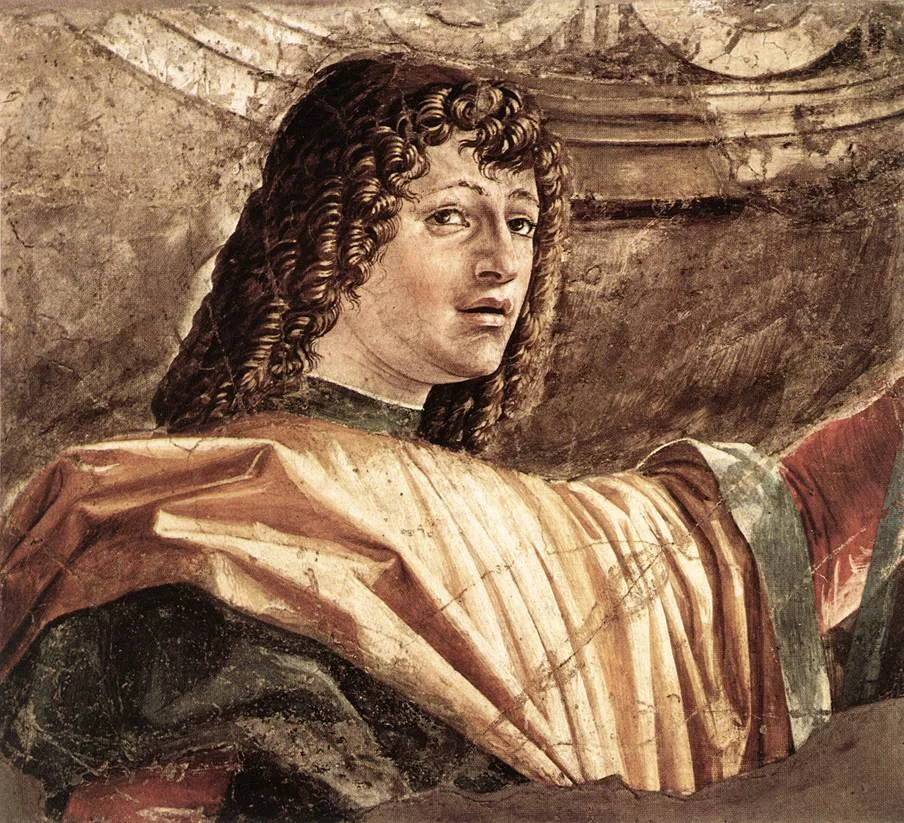
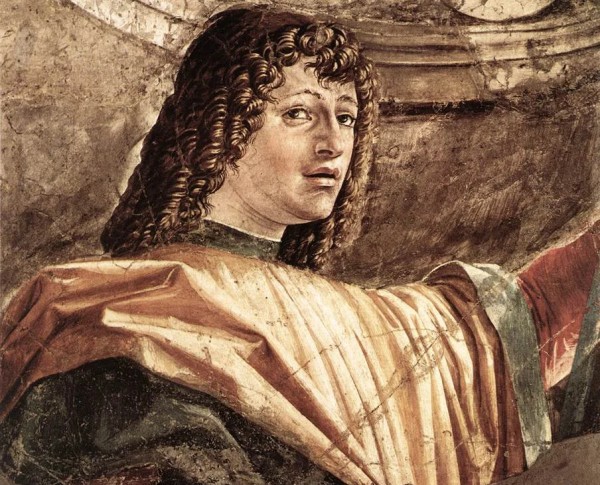
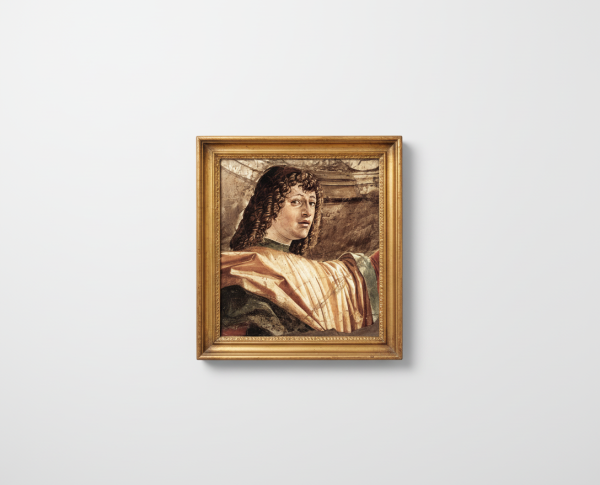
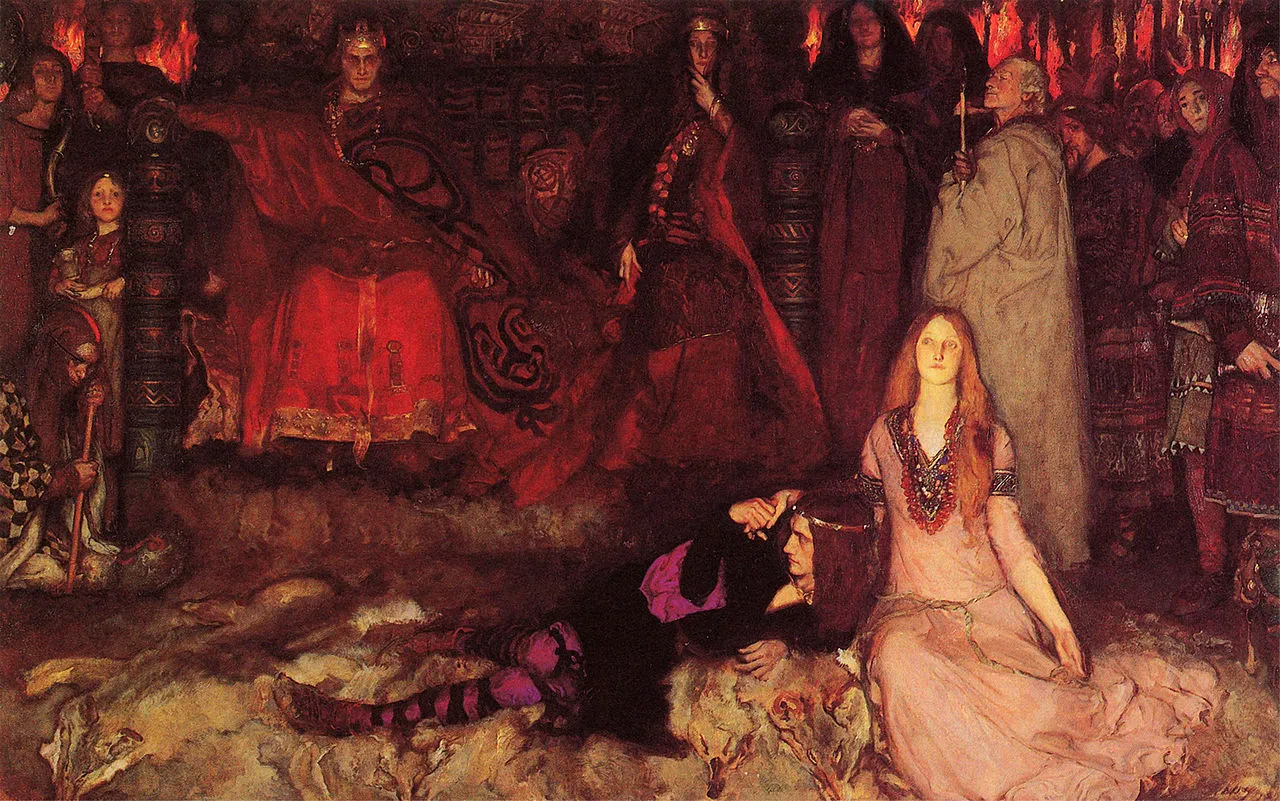
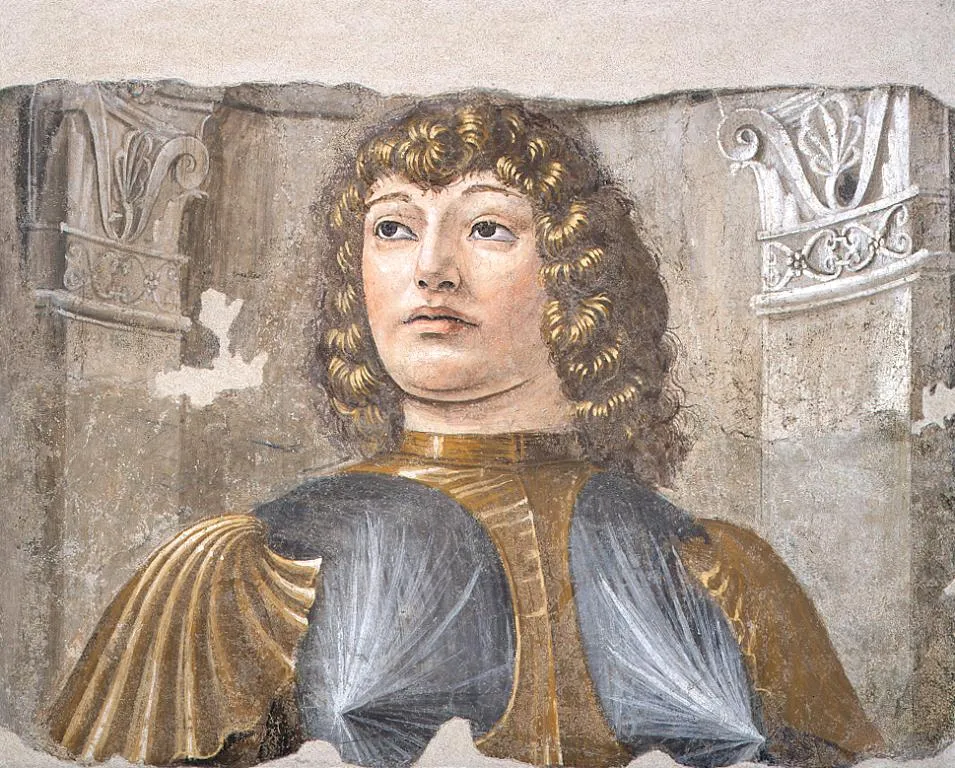
Donato Bramante’s "Man at Arms" demonstrates his unparalleled skills with oil on canvas, capturing the intricate textures of armor and the subtle nuances of human expression. This masterpiece, like "Aramato" and "Uomo dall'alabarda," exemplifies the technical brilliance characteristic of the High Renaissance. Through careful layering and blending, Bramante brings his subject to life, making "Man at Arms" a true testament to the enduring appeal of oil on canvas in classical art.
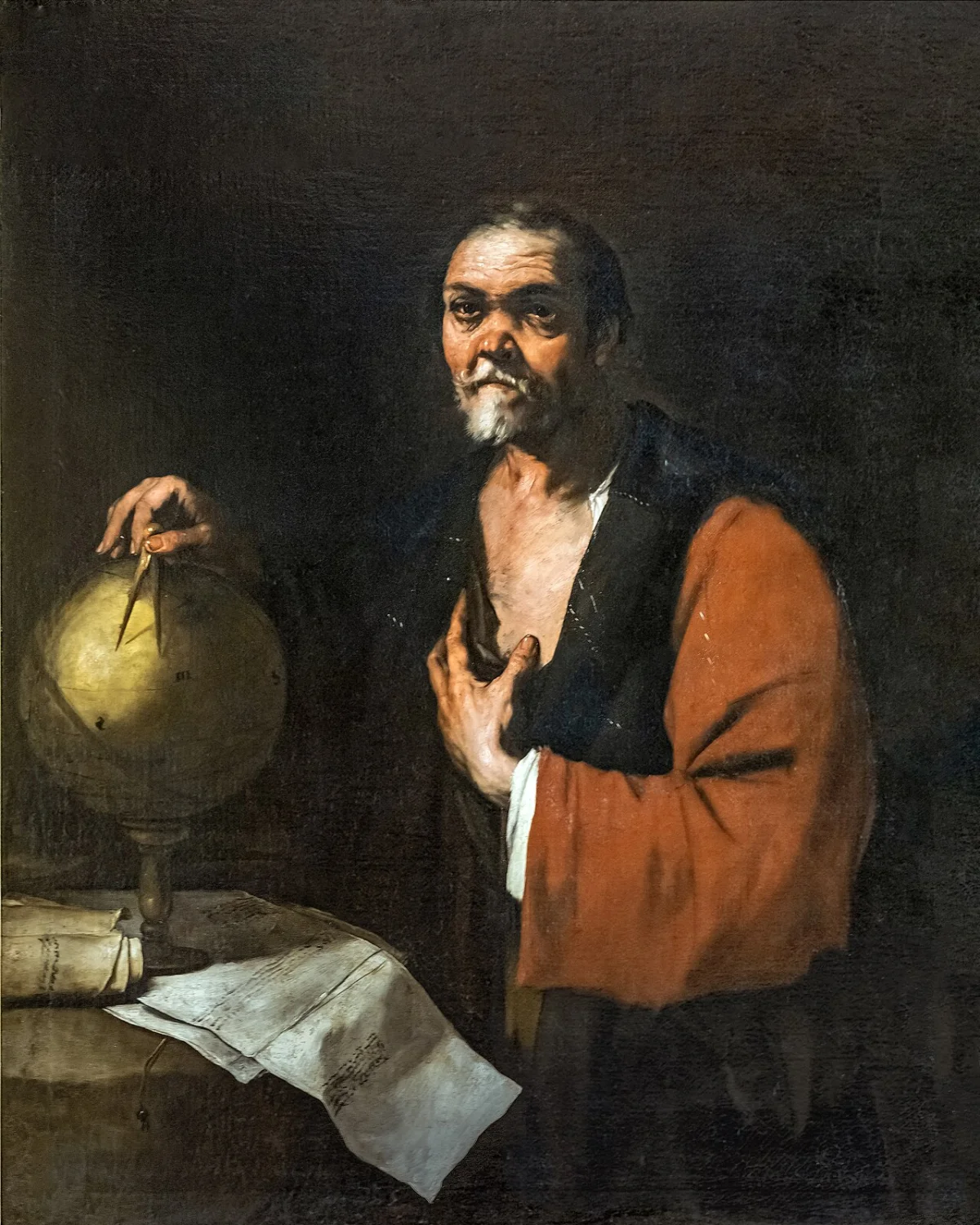
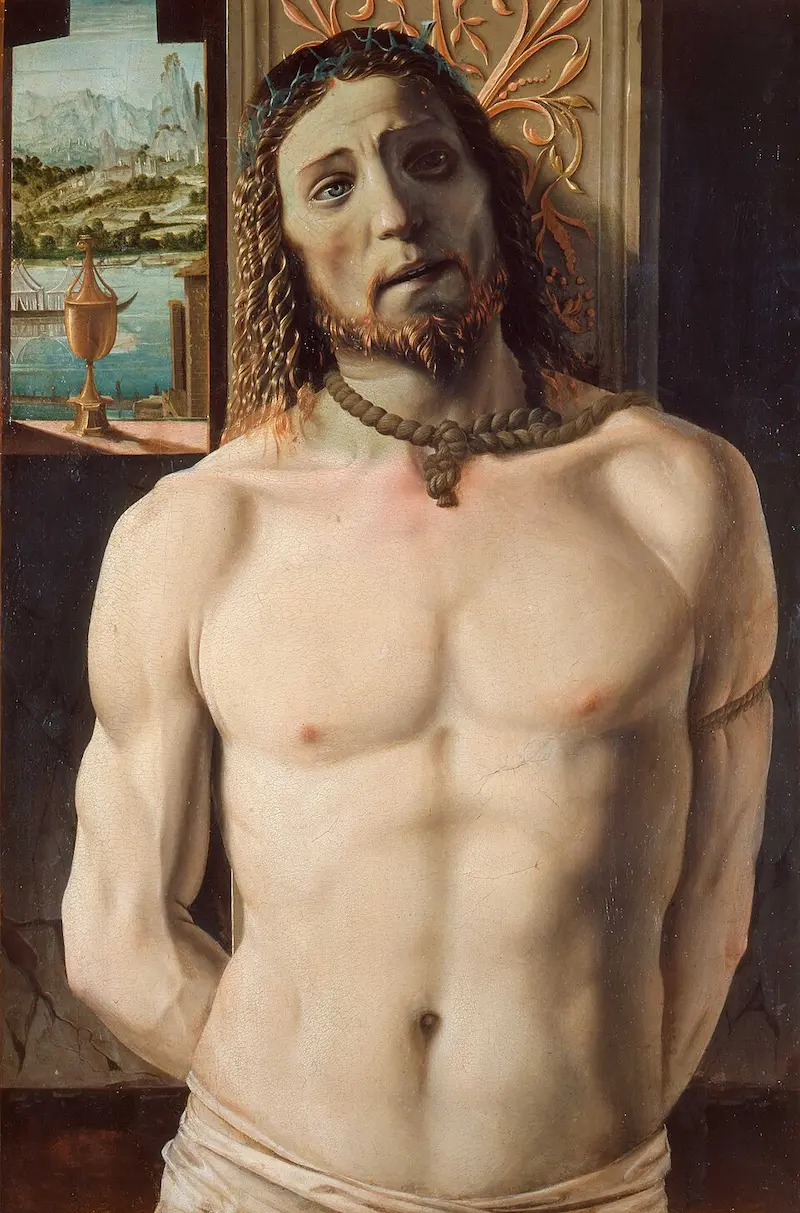
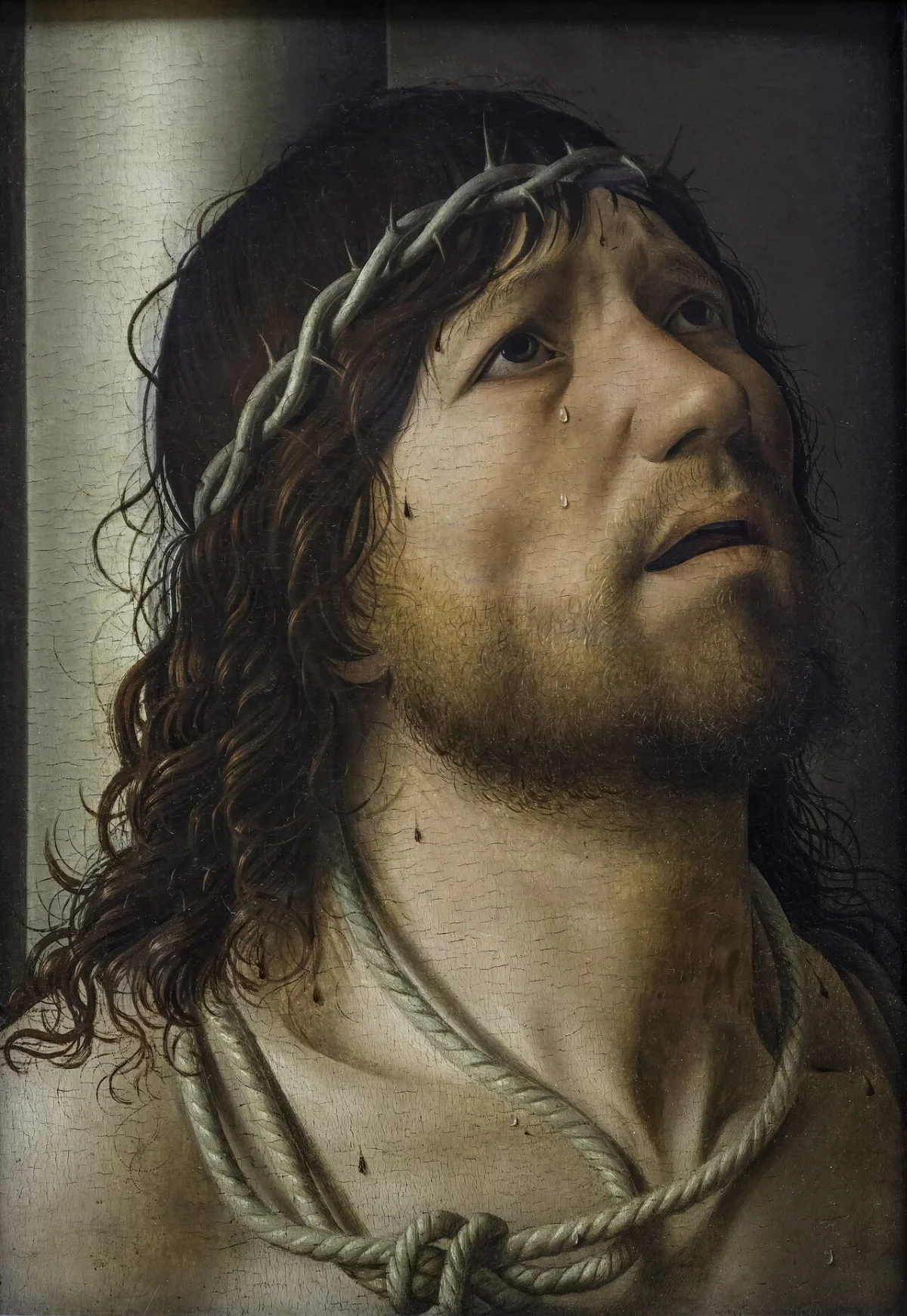
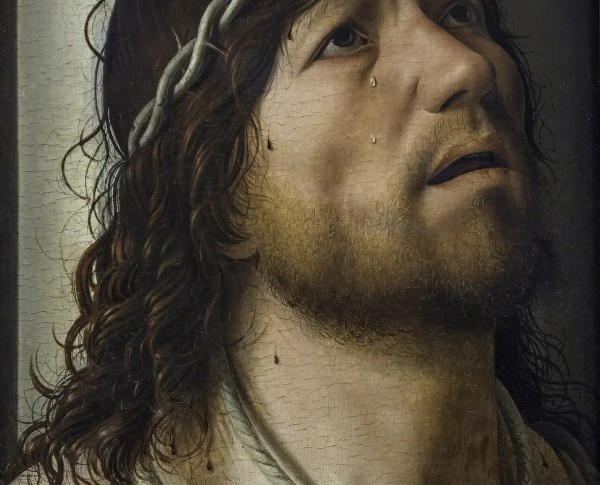
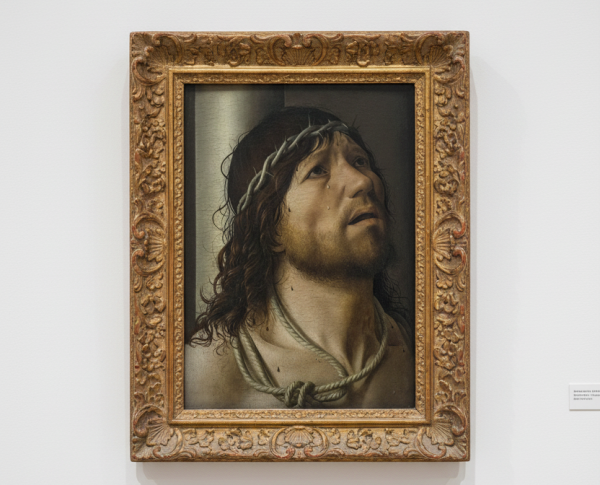
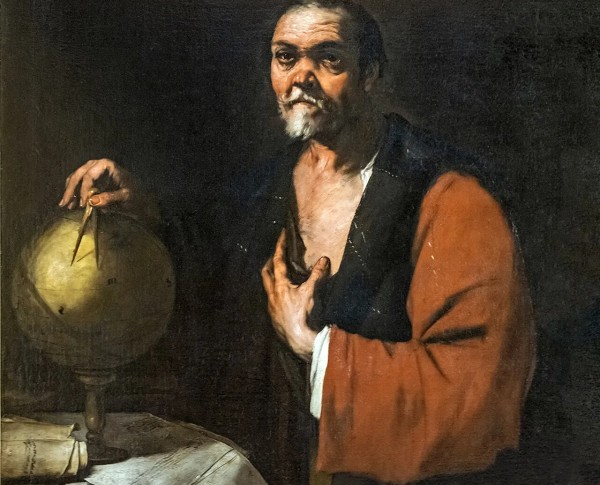
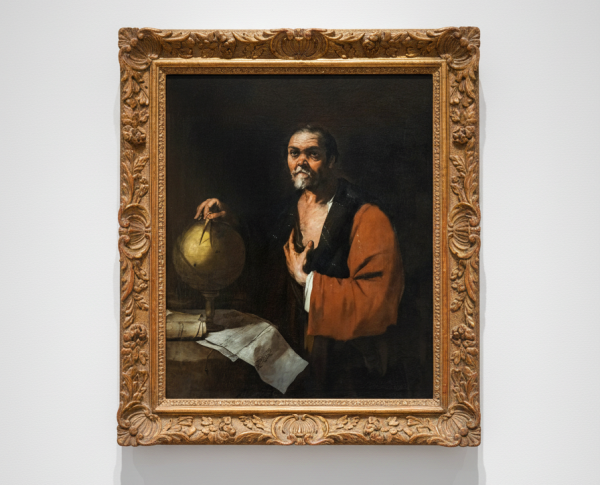
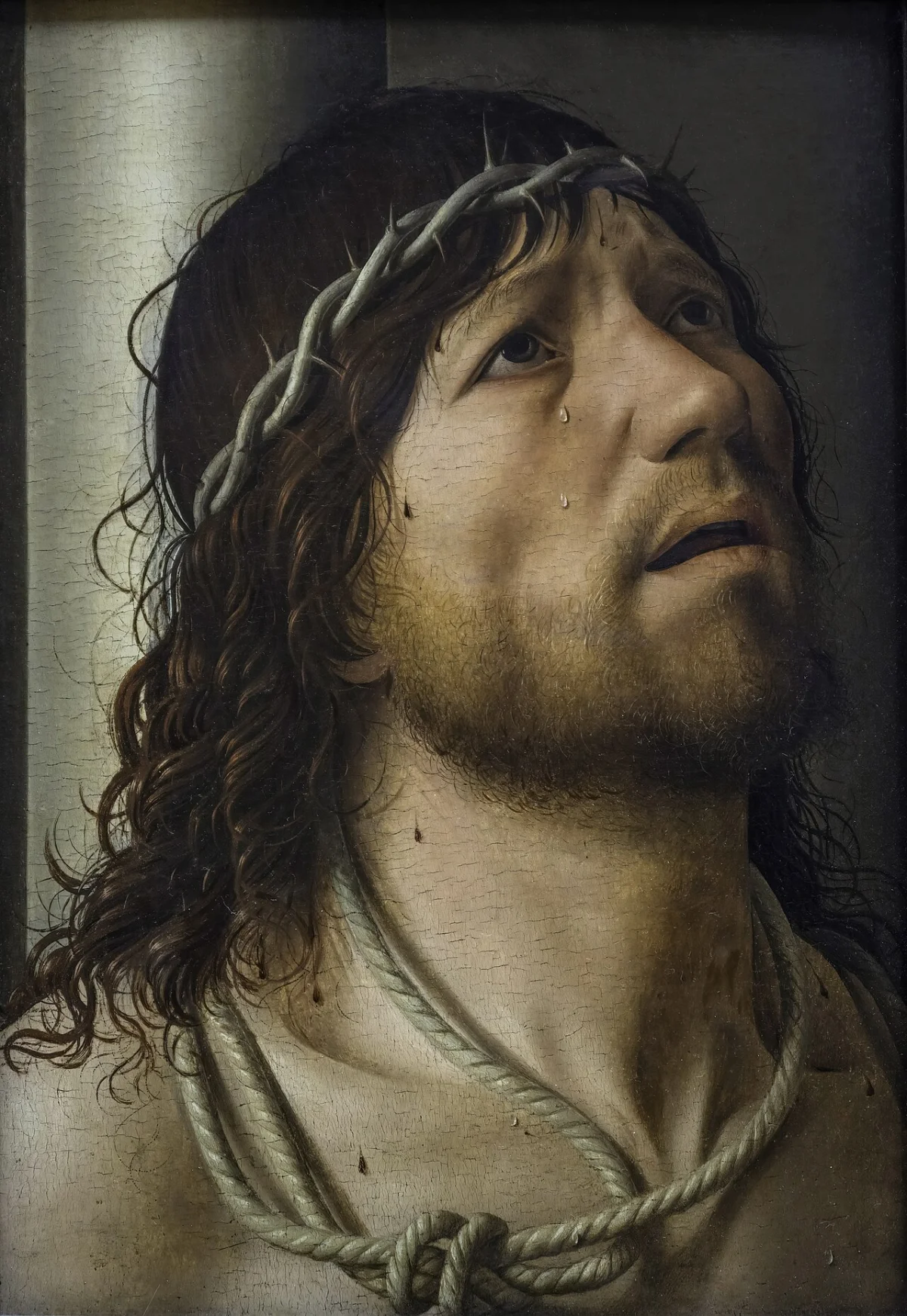
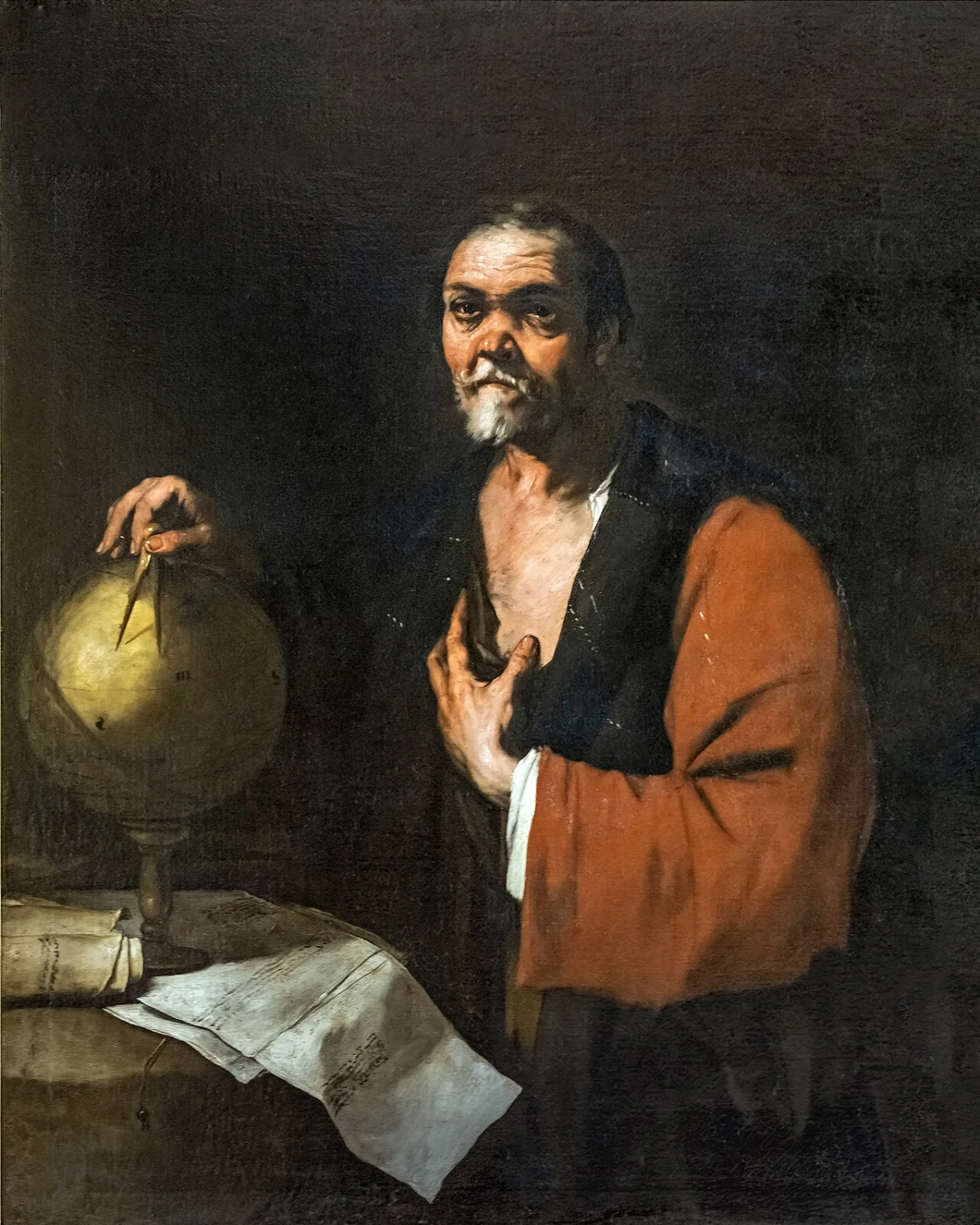
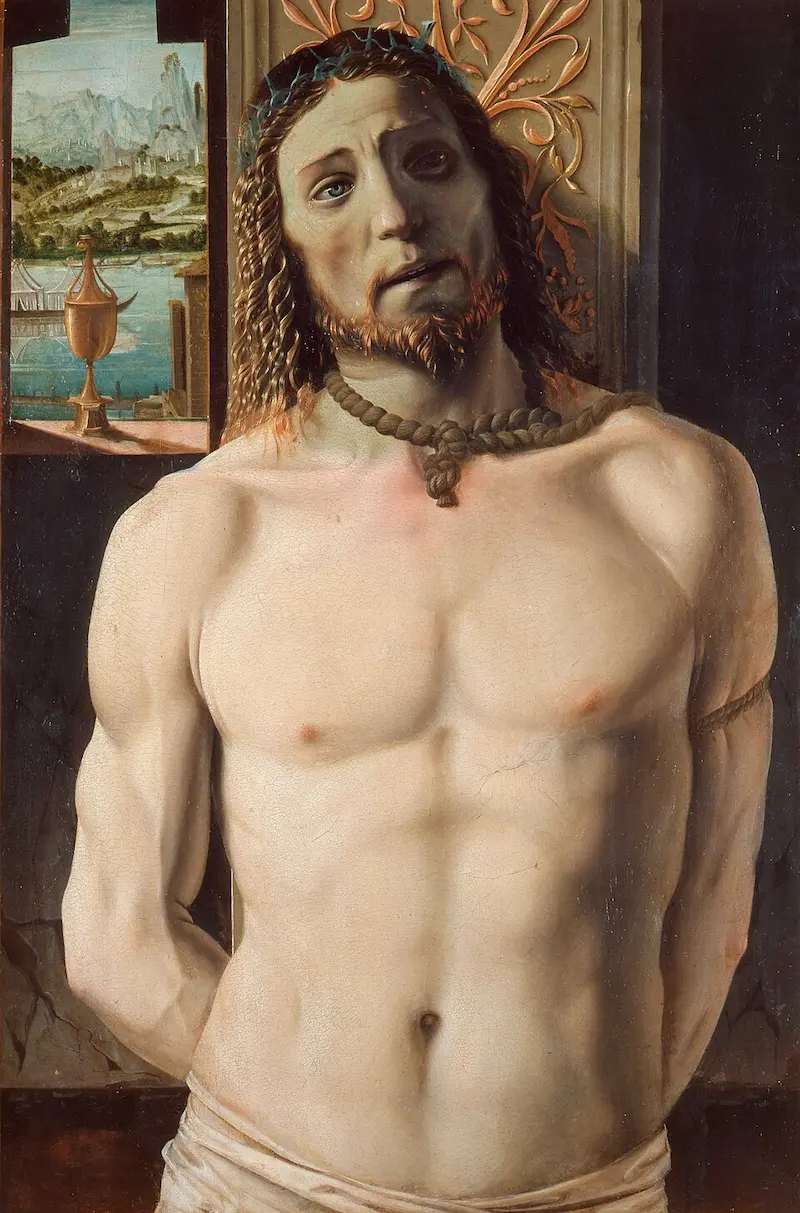
Every element in "Man at Arms" by Donato Bramante tells a story, weaving together themes of valor, duty, and introspection typical of the High Renaissance. The painting’s symbolism resonates with related works such as "Crying Heraclitus and Laughing Democritus" and "Christ at the Column." As a fine art painting for sale, it offers not just visual beauty but also a narrative depth that invites viewers to explore the historical and cultural context behind each brushstroke.
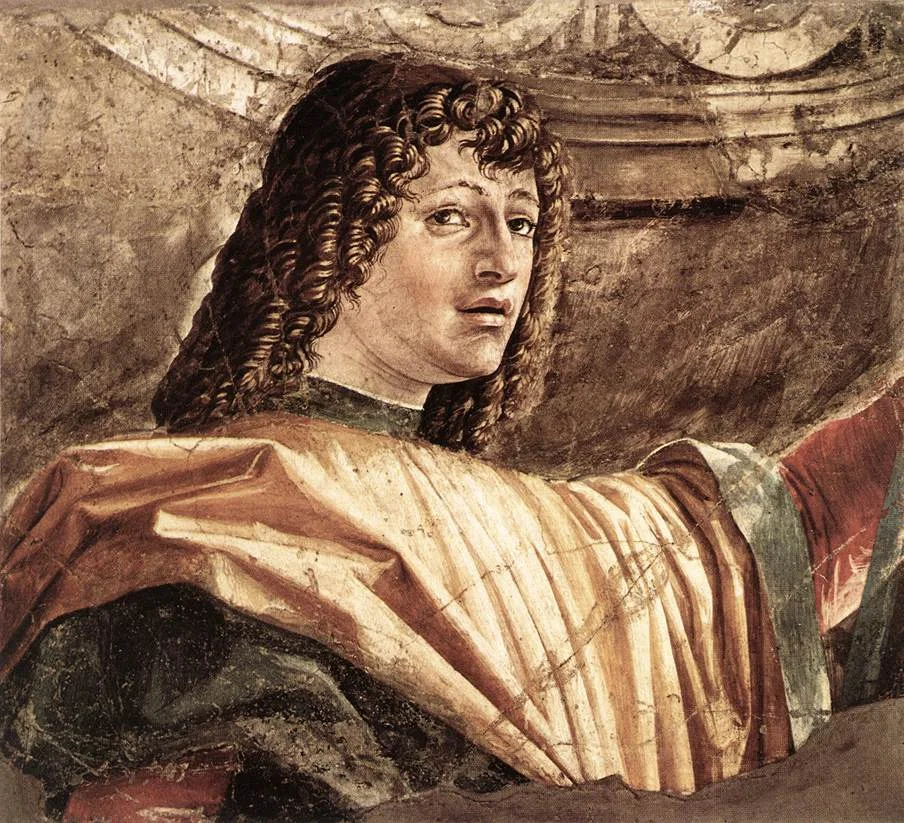
For art enthusiasts and collectors, "Man at Arms" by Donato Bramante is a coveted acquisition, representing the pinnacle of High Renaissance artistry. This hand-painted oil painting, along with pieces like "Man with a Mace," adds historical value and visual grandeur to any collection. Owning such a fine art painting for sale connects collectors to a rich artistic tradition, ensuring that Bramante’s genius continues to be celebrated and appreciated in the modern world.
When Art Meets History
"Man at Arms" by Donato Bramante stands as a remarkable example of the High Renaissance movement, a period known for its masterful blending of classical tradition and innovative artistry. This hand-painted oil painting not only showcases Bramante's unique vision but also echoes the era's fascination with heroic figures. Similar to works like "Cherubini" and "La Donna Velata," "Man at Arms" captures a moment where history and creativity converge on canvas, immortalizing the spirit of its time.
Techniques That Speak
Donato Bramante's "Man at Arms" exemplifies the refined techniques of the High Renaissance, utilizing oil on canvas to achieve depth and luminosity. Bramante’s attention to anatomical precision and his adept use of chiaroscuro set this piece apart, much like his contemporaries’ masterpieces such as "The Torment of Saint Anthony" and "Aminadab." The layering of oil paints brings the subject to life, highlighting the technical mastery that defines this celebrated period in art history.
Emotions on Display
In "Man at Arms," Bramante channels the emotional intensity characteristic of the High Renaissance, allowing viewers to connect with the subject’s inner world. The painting’s expressive features and dramatic lighting evoke a sense of strength and contemplation, reminiscent of "The Last Supper 1498." This fine art painting for sale captivates audiences not only with its visual appeal but also with the profound emotions it conveys through every brushstroke.
Coveted by Collectors
Collectors prize "Man at Arms" for its historical significance and artistic mastery, making it a sought-after hand-painted oil painting among enthusiasts of the High Renaissance. Works by Bramante, alongside related paintings like "Cherubini" and "La Donna Velata," remain in high demand for their timeless beauty and cultural importance. As a fine art painting for sale, "Man at Arms" continues to attract admiration from art lovers and collectors around the world.
Related High Renaissance Hand-Painted Oil Paintings by Other Artists
Other Famous High Renaissance Artists:
Frequently Asked Questions About Man at Arms
Who is the artist of "Man at Arms"?
The painting "Man at Arms" was created by the renowned Italian artist Donato Bramante, who is celebrated for his contributions to Renaissance architecture and painting.
What historical period does "Man at Arms" belong to?
"Man at Arms" is a product of the High Renaissance, a period characterized by a renewed interest in classical antiquity, humanism, and the exploration of perspective and anatomy in art.
What is the significance of the title "Man at Arms"?
The title "Man at Arms" refers to a soldier or warrior, symbolizing strength, valor, and the martial spirit prevalent during the Renaissance, reflecting the era's fascination with military prowess and chivalry.
What artistic techniques are employed in "Man at Arms"?
Bramante utilizes techniques such as chiaroscuro to create depth and volume, as well as a meticulous attention to detail in the depiction of armor and the human form, showcasing his mastery of Renaissance art.
What themes are explored in "Man at Arms"?
The painting explores themes of heroism, identity, and the duality of man as both a protector and a warrior, reflecting the societal values of the Renaissance period.
How does "Man at Arms" reflect Renaissance ideals?
"Man at Arms" embodies Renaissance ideals through its focus on the human figure, the celebration of individualism, and the representation of classical virtues such as bravery and honor.
What can be inferred about the subject's expression and posture?
The subject's expression and posture convey confidence and readiness, suggesting a narrative of impending action or defense, which is emblematic of the heroic ideals of the time.
What role did Donato Bramante play in the art world beyond painting?
Beyond painting, Donato Bramante was a pivotal figure in architecture, known for designing significant structures such as St. Peter's Basilica in Vatican City, influencing the course of Renaissance architecture.
What materials were likely used in the creation of "Man at Arms"?
It is likely that "Man at Arms" was created using oil paints on canvas or wood panel, common materials during the Renaissance that allowed for rich color and detail.
How has "Man at Arms" influenced modern interpretations of art?
"Man at Arms" has influenced modern interpretations by inspiring contemporary artists to explore themes of identity and the human condition, as well as the continued appreciation for classical techniques in art.























_GFM_Painting_(1).webp)

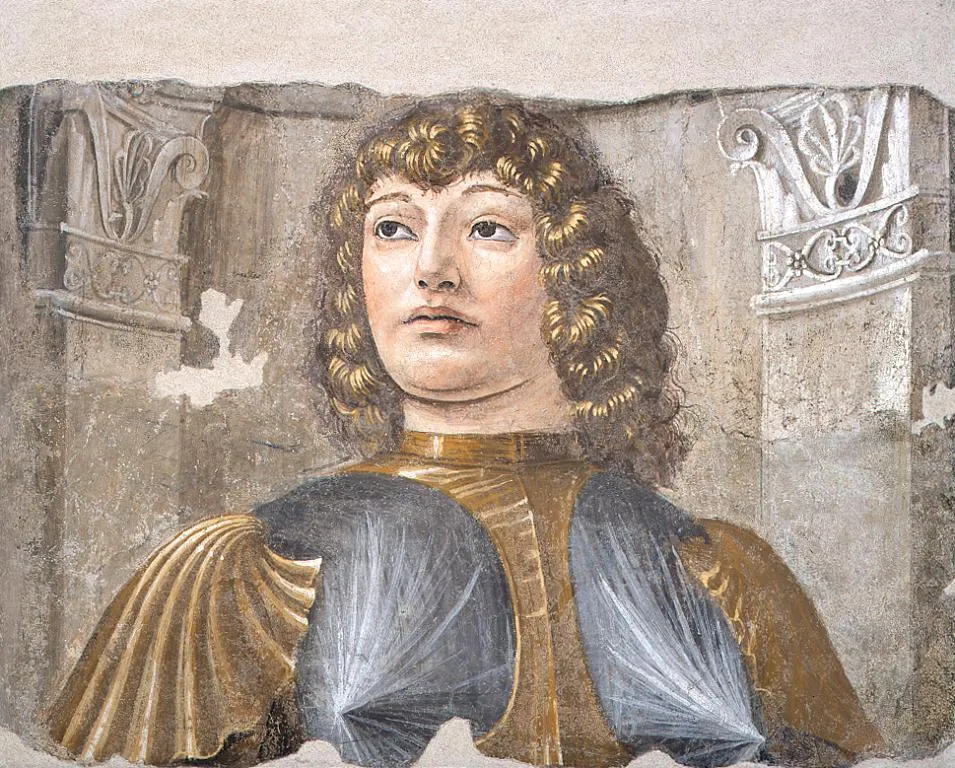

 100% Hand-Painted: Finished in 3-6 Weeks

.png)
















_(1).webp)