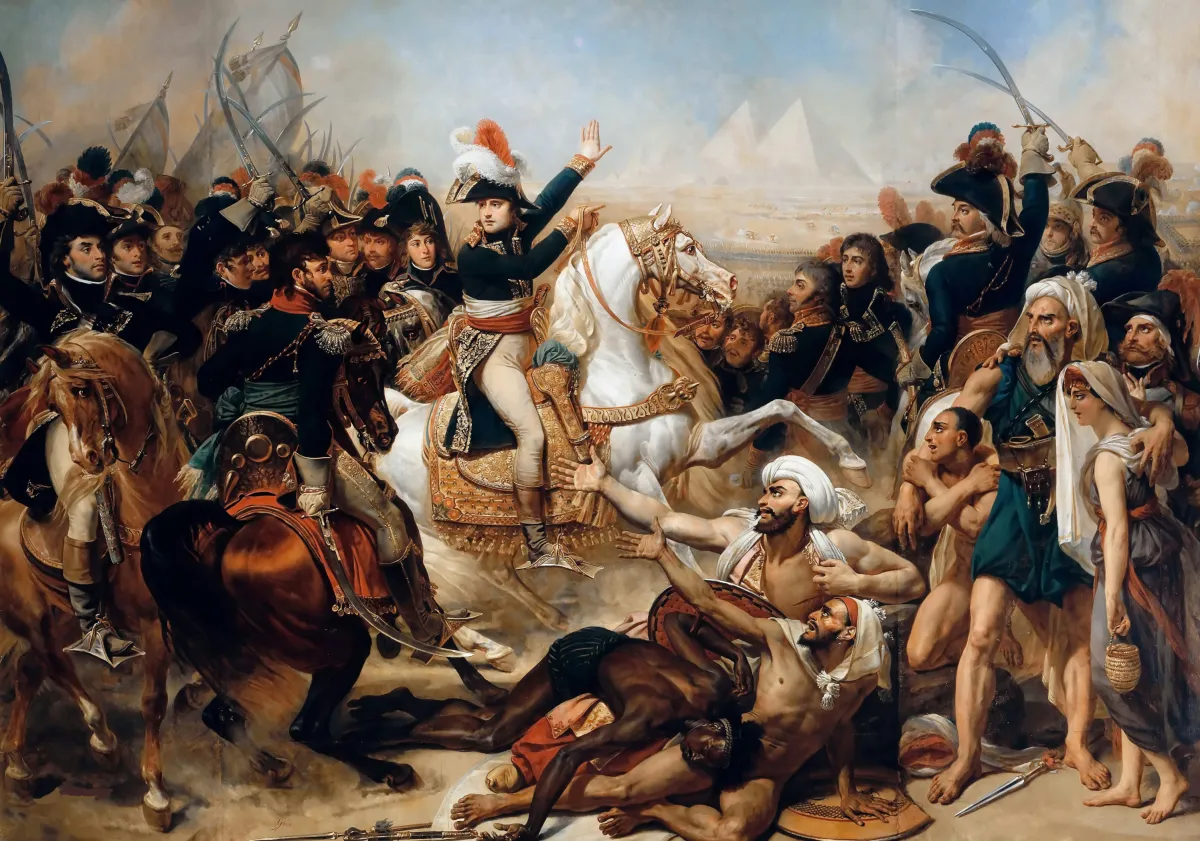
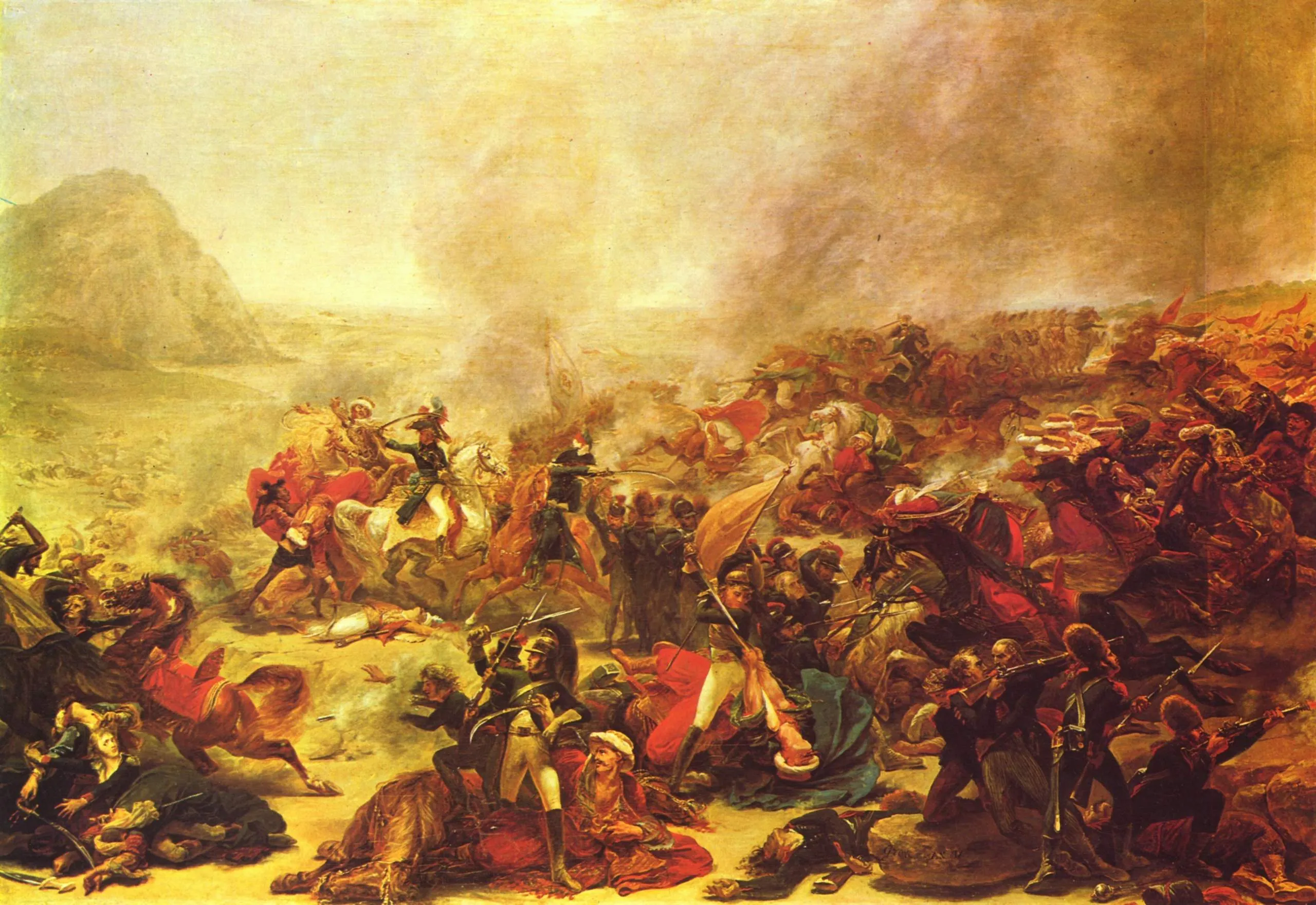
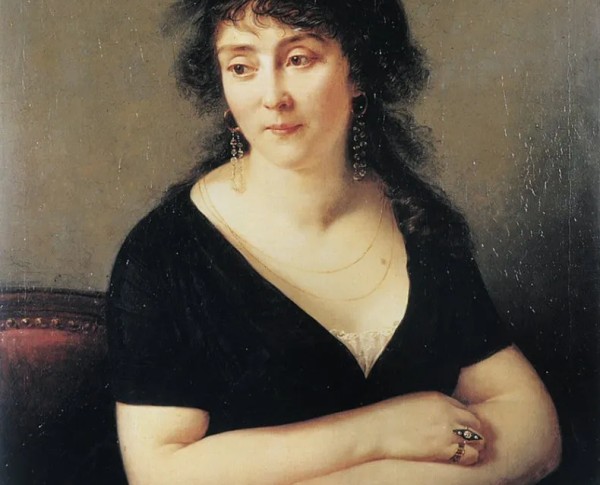
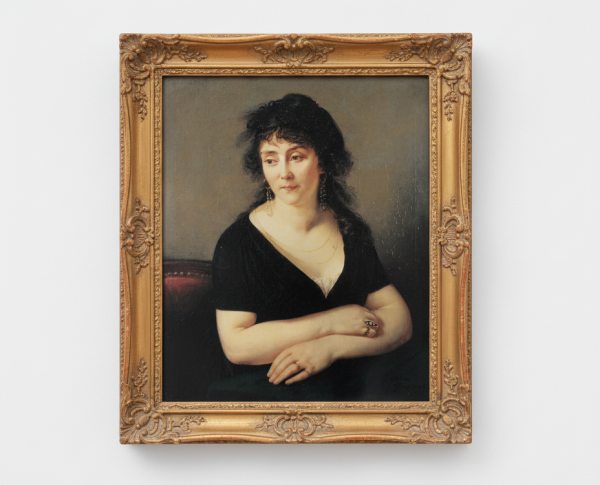
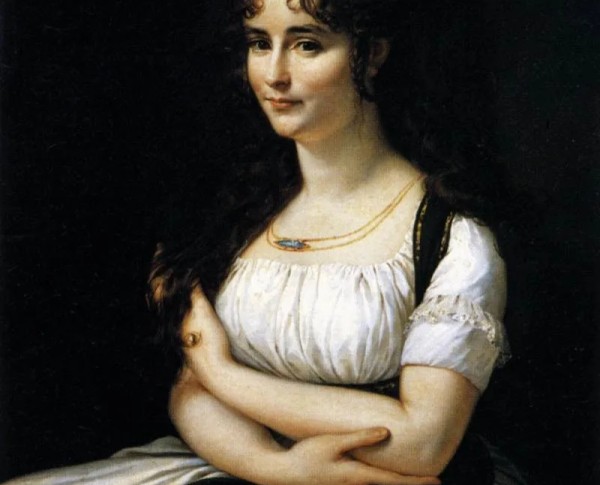
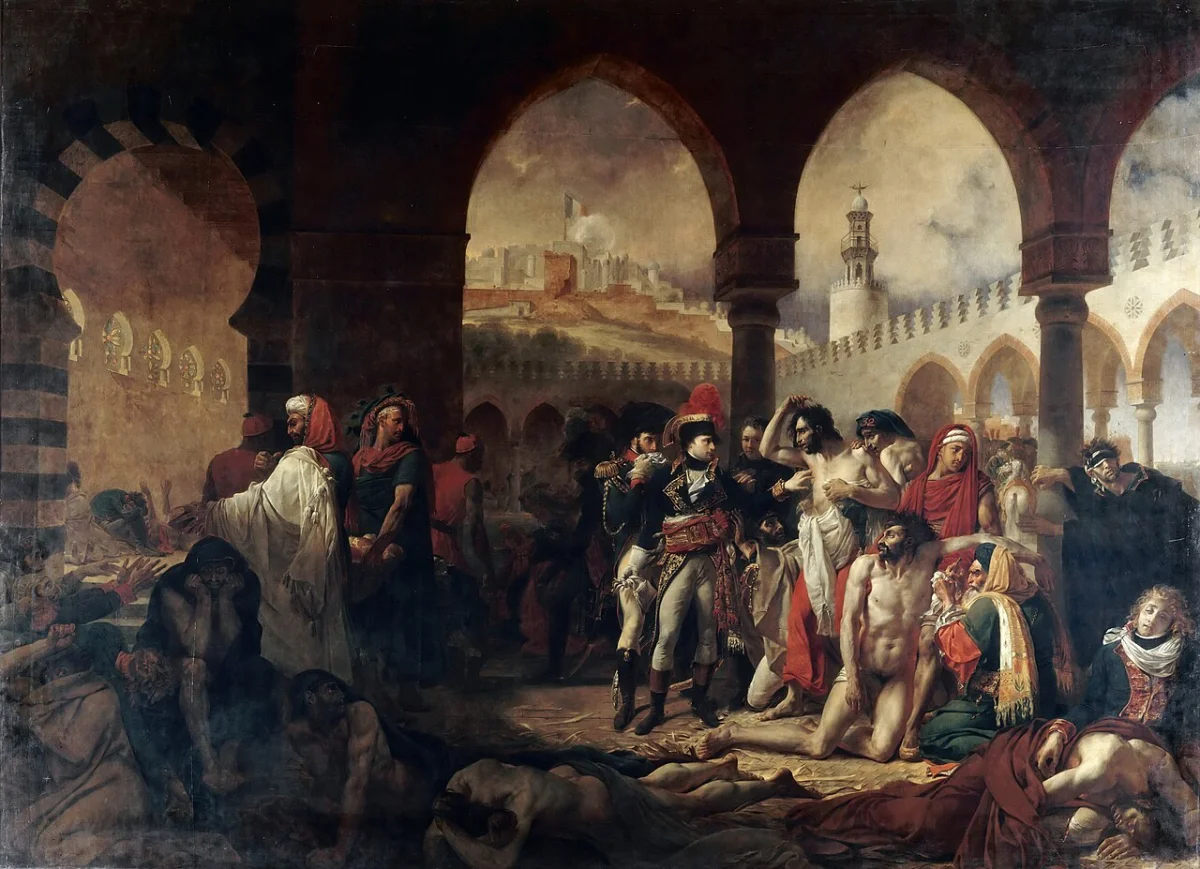
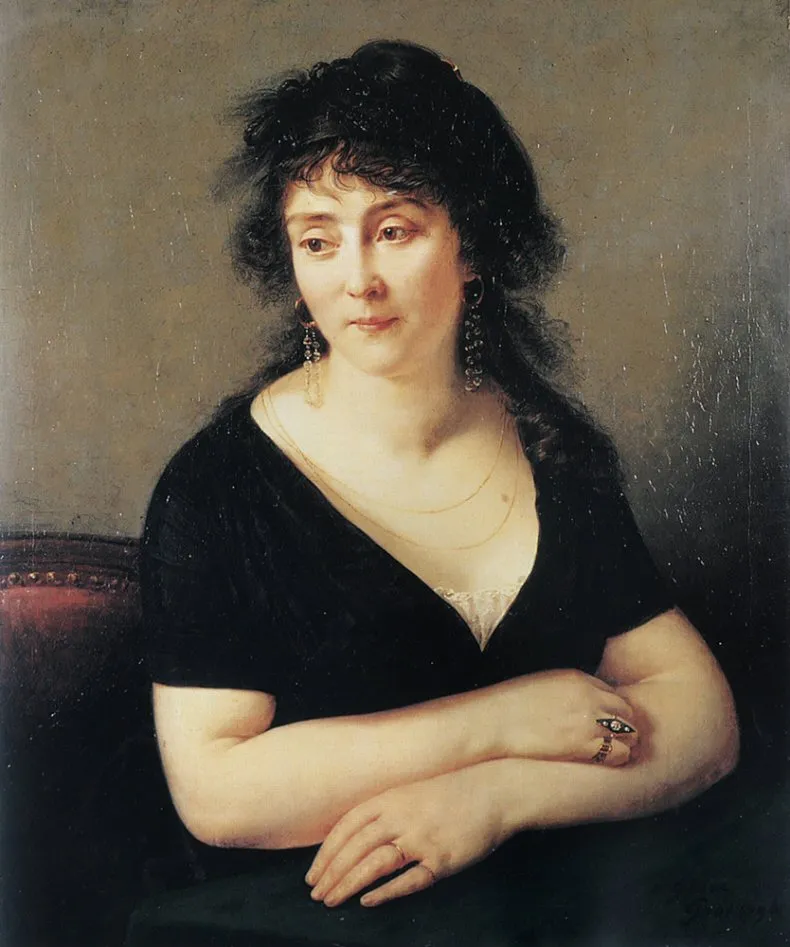
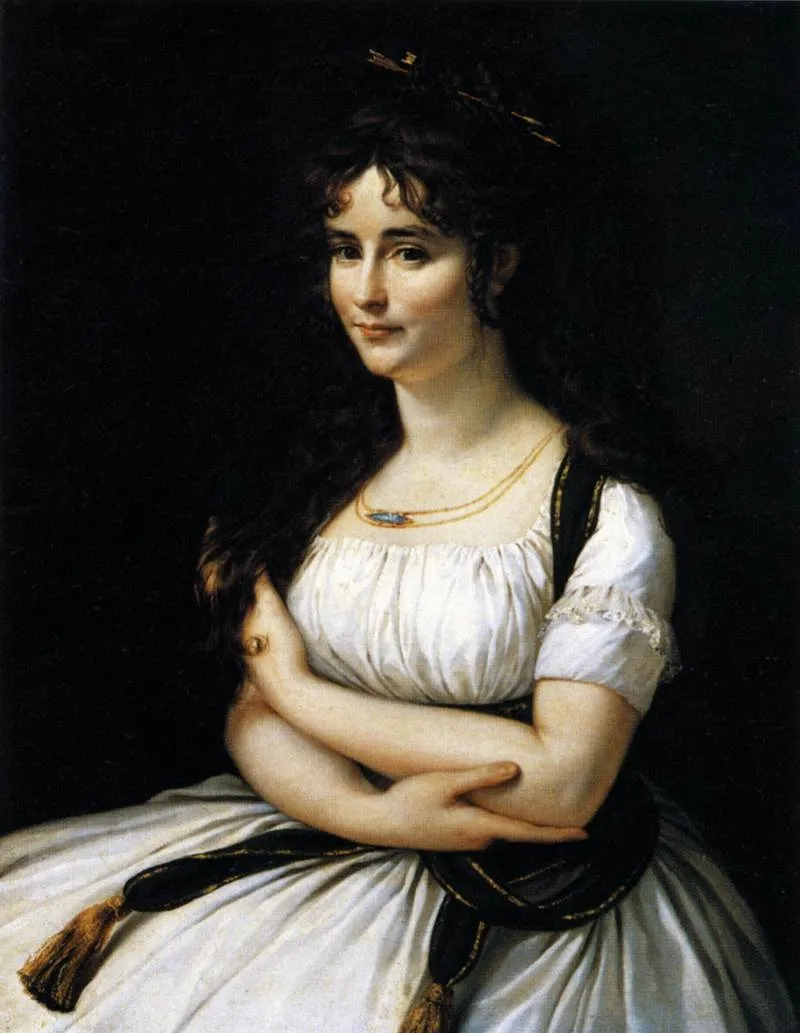
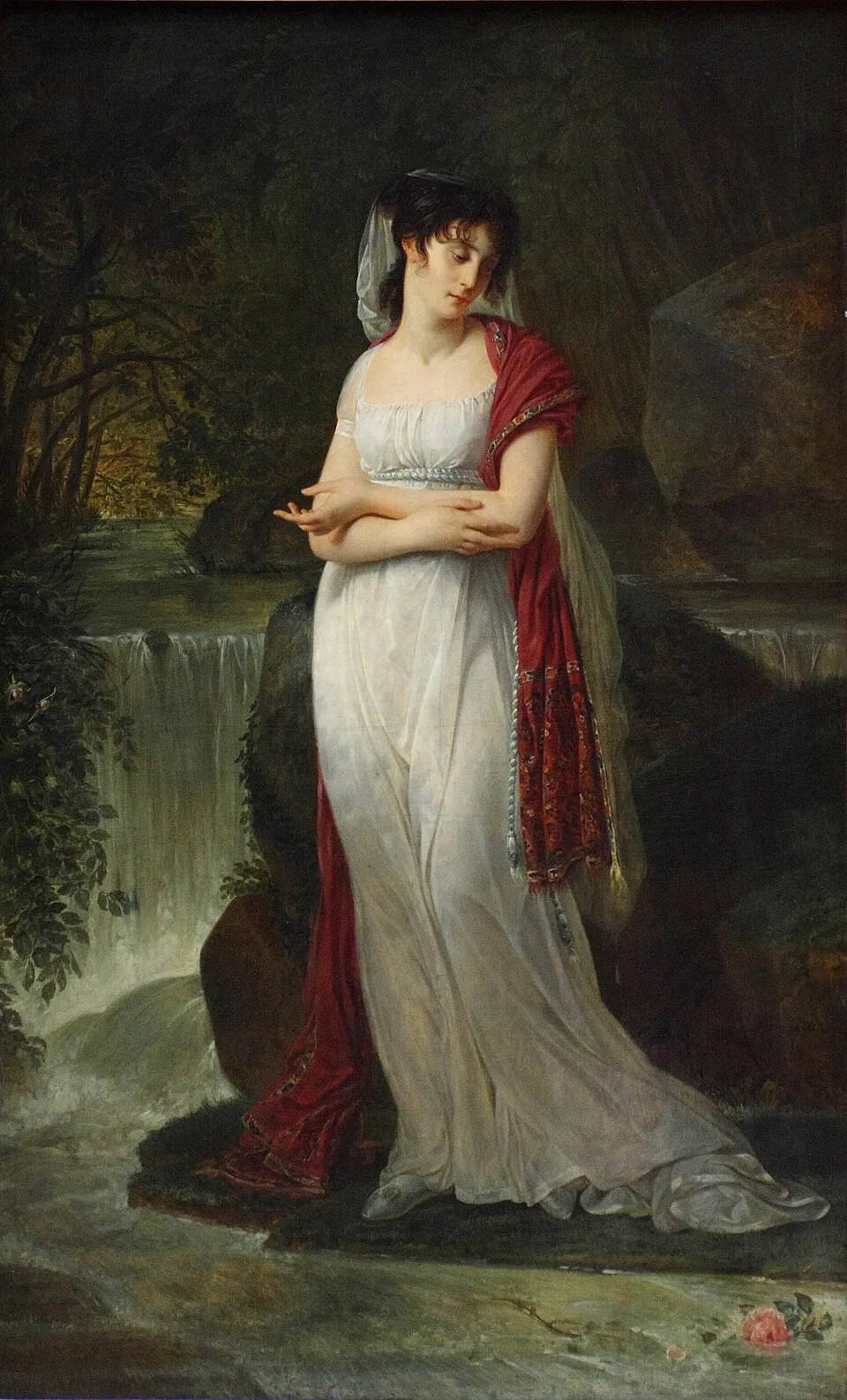
Antoine-Jean Gros demonstrates exceptional technique in this oil on canvas, seamlessly blending dramatic lighting and vivid colors. The painting’s dynamic composition and lifelike figures exemplify the emotional intensity characteristic of Romanticism. Each detail, from the architecture to Bonaparte’s gesture, reveals Gros’s mastery. Collectors and admirers of fine oil on canvas works may also be interested in related pieces like "Portrait of Christine Boyer" and "Portrait of Madame Bruyere."
This fine art painting for sale offers more than a historical scene; it is rich in symbolism and narrative. Gros depicts Napoleon as a compassionate leader, bravely visiting plague victims, challenging contemporary fears. The Romanticism movement’s emphasis on emotion and heroism is palpable. For those drawn to meaningful stories in art, related products such as "The Battle of Nazareth" and "Madame Pasteur" offer equally compelling narratives and visual storytelling.
Owning a hand-painted oil painting like "Bonaparte Visiting the Plague Victims of Jaffa" by Antoine-Jean Gros means possessing a piece of art history. This Romanticism masterpiece elevates any collection, offering timeless beauty and cultural significance. Collectors seeking a fine art painting for sale that blends history, emotion, and artistic skill will find this work invaluable. Complement your collection with related masterpieces such as "Portrait of Christine Boyer" or "The Battle of Nazareth."
When Art Meets History
Antoine-Jean Gros’s masterpiece, "Bonaparte Visiting the Plague Victims of Jaffa," stands as a powerful intersection of art and history within the Romanticism movement. This hand-painted oil painting immortalizes Napoleon’s compassionate gesture during the 1799 plague outbreak. Gros’s work invites comparison with related paintings like "Dawn at the Alamo" and "The Slave Ship," which also blend historical narrative with emotional depth. Collectors and historians alike cherish such evocative scenes for their unique storytelling power.
Techniques That Speak
Gros’s "Bonaparte Visiting the Plague Victims of Jaffa" utilizes masterful oil on canvas techniques, capturing the dramatic interplay of light and shadow characteristic of Romanticism. The artist’s bold brushwork and nuanced color palette bring the scene to life, much like in "File:George Washington Baines by" and "The Trapper." Such technical prowess enhances the emotional impact, making this painting a sought-after work for connoisseurs of historical and fine art.
Emotions on Display
The emotional intensity in "Bonaparte Visiting the Plague Victims of Jaffa" is palpable, as Antoine-Jean Gros conveys empathy, despair, and hope through expressive gestures and faces. This fine art painting for sale resonates with the evocative power found in "The Witches' Ride by" and "The Slave Ship." Gros’s Romanticism imbues the composition with a sense of heroism and vulnerability, making each viewing a moving experience for art lovers and collectors.
Coveted by Collectors
As a celebrated example of Romanticism, Antoine-Jean Gros’s "Bonaparte Visiting the Plague Victims of Jaffa" is highly coveted among collectors. The hand-painted oil painting’s historical significance and emotional resonance elevate its desirability, echoing the allure of works like "Dawn at the Alamo" and "The Trapper." Art enthusiasts seeking an impactful addition to their collection find this masterpiece a timeless investment in both artistic technique and historical narrative.
Related Romanticism Hand-Painted Oil Paintings by Other Artists
Other Famous Romanticism Artists:
Frequently Asked Questions About Bonaparte Visiting the Plague Victims of Jaffa
What historical event does this painting depict?
This painting illustrates a significant moment during Napoleon Bonaparte's campaign in Egypt, specifically his visit to the plague victims in Jaffa in 1799. It captures the humanitarian aspect of his leadership amidst the chaos of war.
Who is the artist of this painting and what is his significance?
The artist, Antoine-Jean Gros, was a prominent French painter known for his historical and military subjects. His works often glorified Napoleon and the French military, making him a key figure in the Neoclassical movement.
What artistic style is employed in this painting?
The painting is characterized by the Neoclassical style, which emphasizes clarity, order, and a sense of grandeur. Gros employs dramatic lighting and strong contrasts to enhance the emotional impact of the scene.
What symbolism is present in the painting?
The painting symbolizes the duality of power and compassion. Napoleon is depicted as a benevolent leader, showcasing his role as a protector of the people, even in dire circumstances, which contrasts with the brutality of war.
How does Gros portray Napoleon in this artwork?
Gros portrays Napoleon as a heroic and compassionate figure, standing confidently among the suffering victims. His posture and expression convey a sense of authority and empathy, reinforcing his image as a leader who cares for his troops and the local populace.
What techniques did Gros use to enhance the emotional impact of the painting?
Gros utilized dramatic lighting, expressive facial expressions, and dynamic compositions to evoke strong emotions. The contrast between the suffering victims and Napoleon's calm demeanor heightens the viewer's emotional response.
What is the significance of the setting in the painting?
The setting in Jaffa, a city in present-day Israel, is significant as it highlights the geographical and cultural context of Napoleon's campaign. It serves as a backdrop that emphasizes the humanitarian crisis caused by the plague during military conflicts.
How does this painting reflect the values of the Napoleonic era?
This painting reflects the values of the Napoleonic era by emphasizing themes of heroism, leadership, and the responsibility of a ruler to care for his people. It embodies the ideals of the French Revolution, including liberty and fraternity, albeit through the lens of military conquest.
What was the public reception of this painting at the time of its unveiling?
Upon its unveiling, the painting was well-received, as it aligned with the public's admiration for Napoleon and his military exploits. It was celebrated for its dramatic portrayal and emotional depth, contributing to Gros's reputation as a leading artist of the time.
How does "Bonaparte Visiting the Plague Victims of Jaffa" fit into Gros's body of work?
This painting is a pivotal work in Gros's oeuvre, exemplifying his ability to blend historical narrative with emotional resonance. It stands as a testament to his skill in portraying complex themes of power, compassion, and the human condition within the context of war.






















_GFM_Painting_(1).webp)


 100% Hand-Painted: Finished in 3-6 Weeks

.png)















_(1).webp)