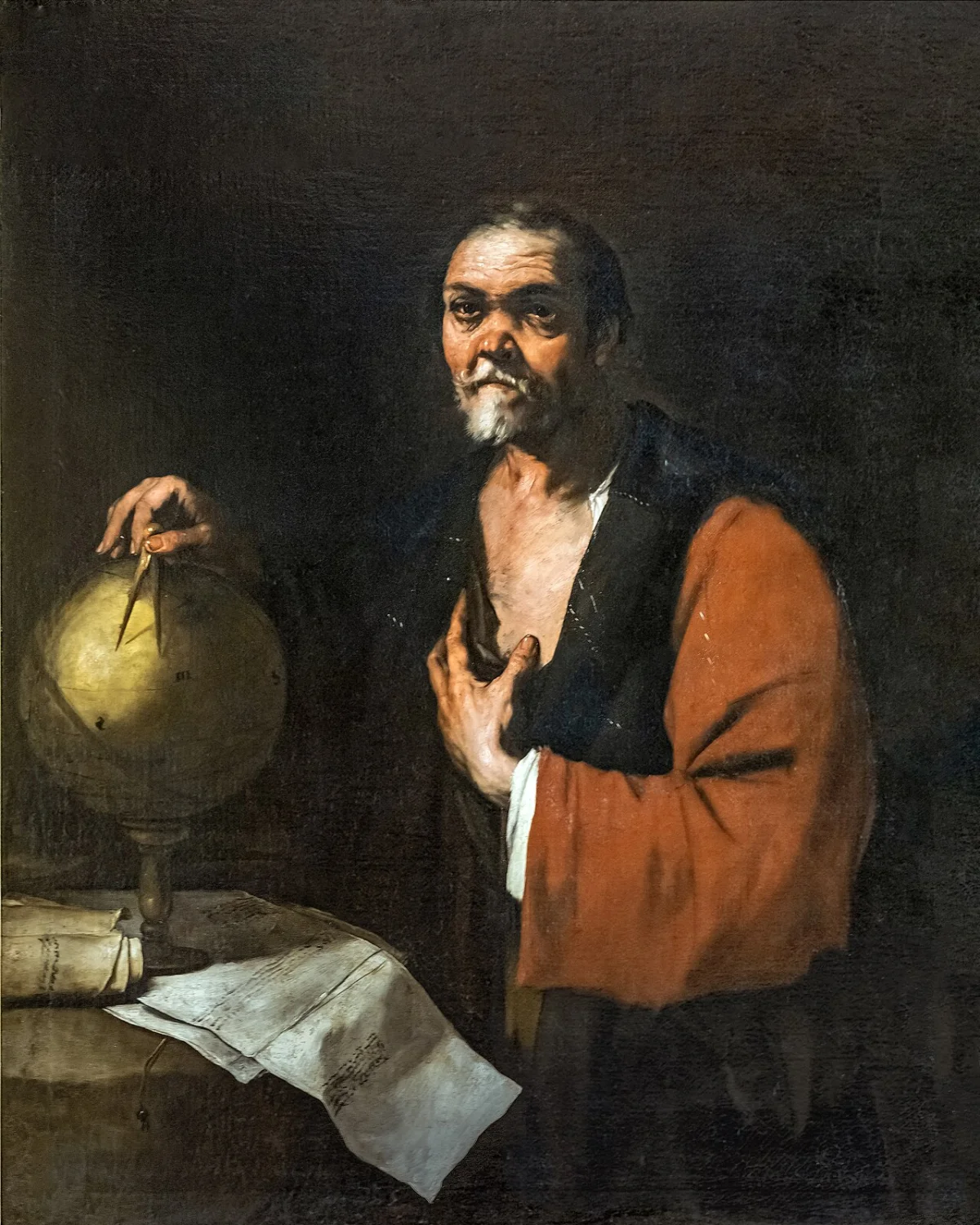
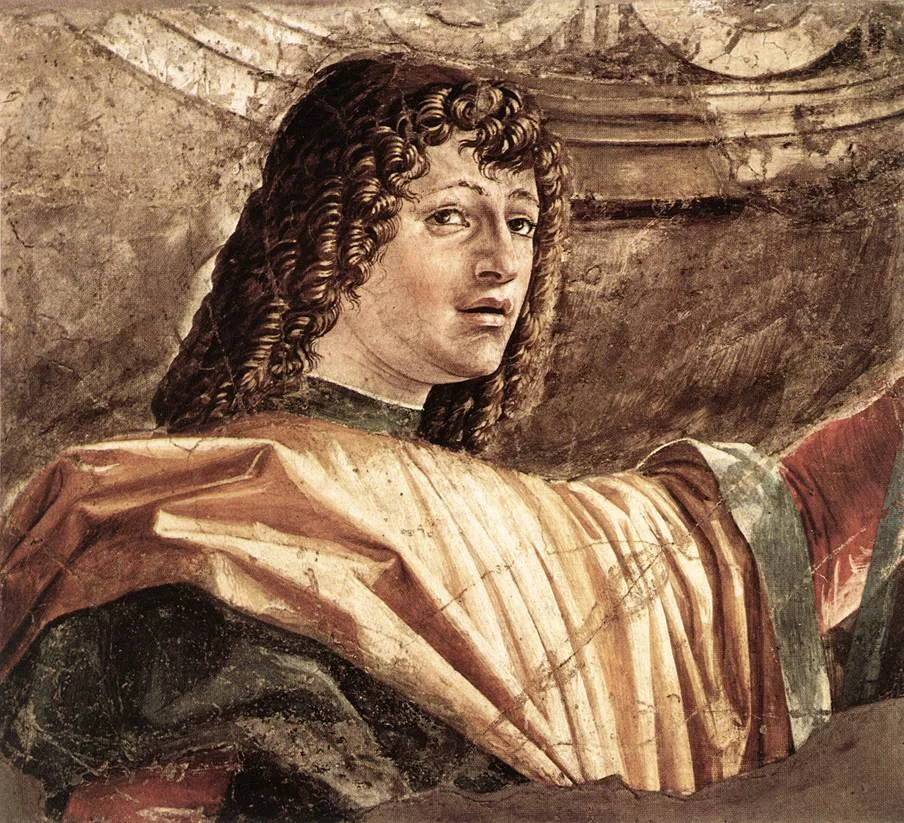
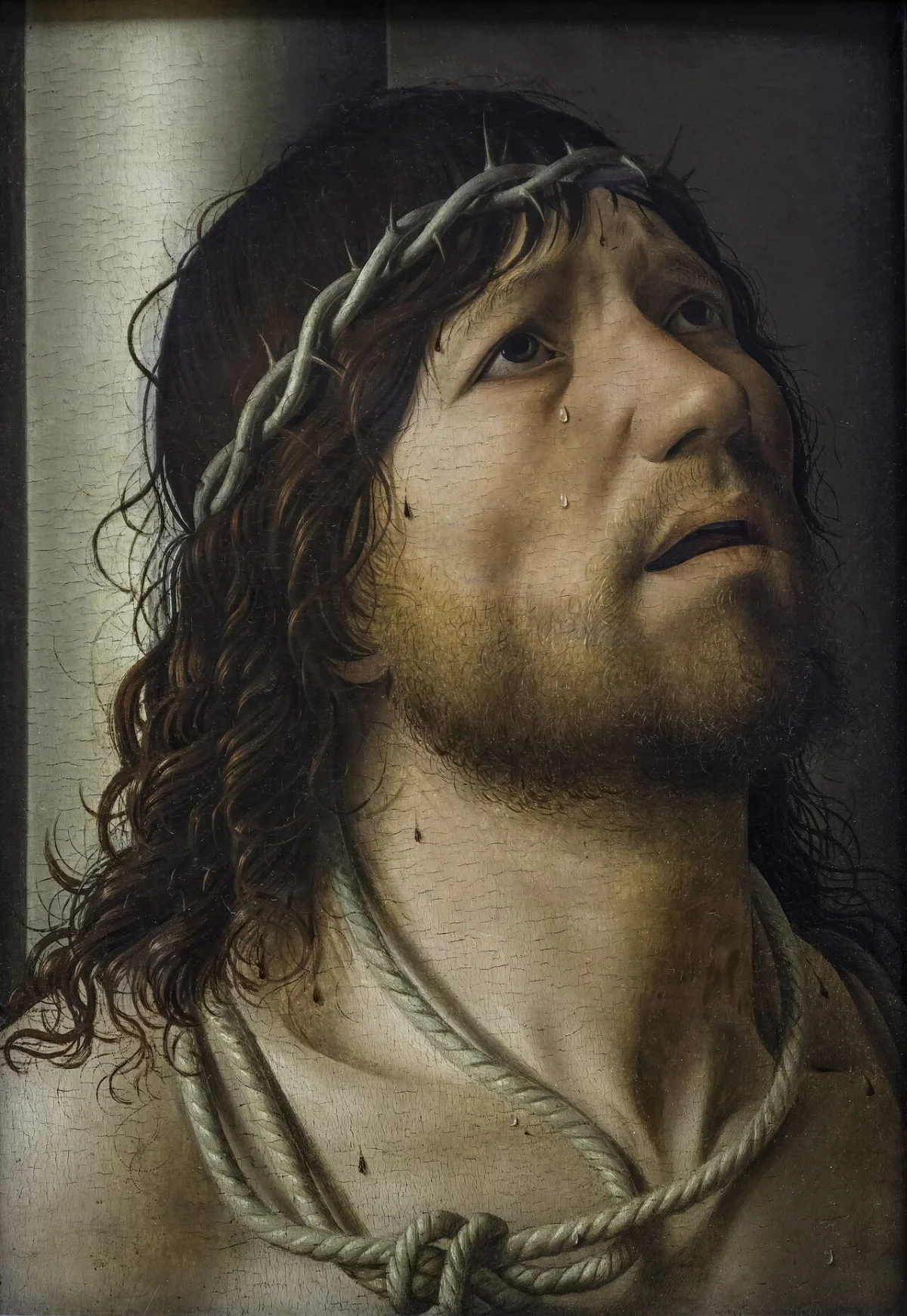
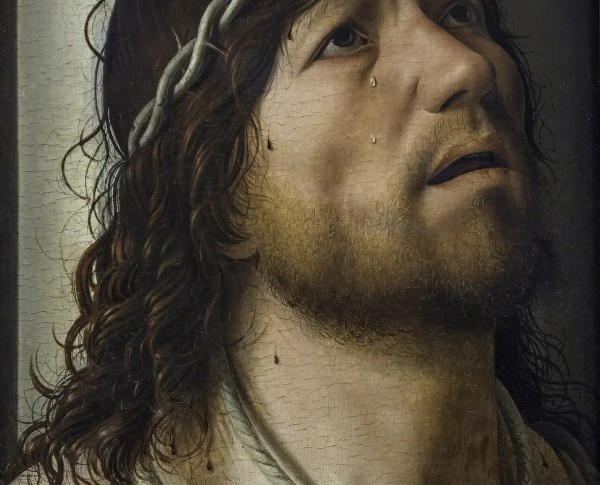
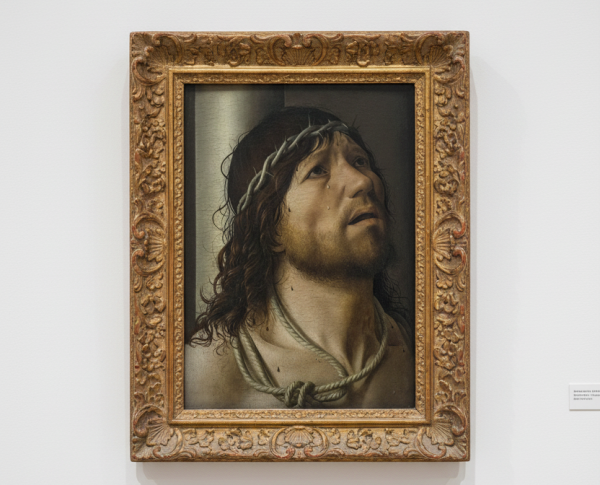
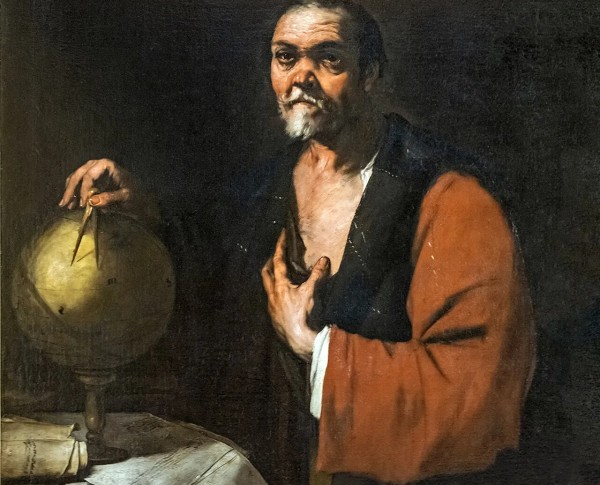
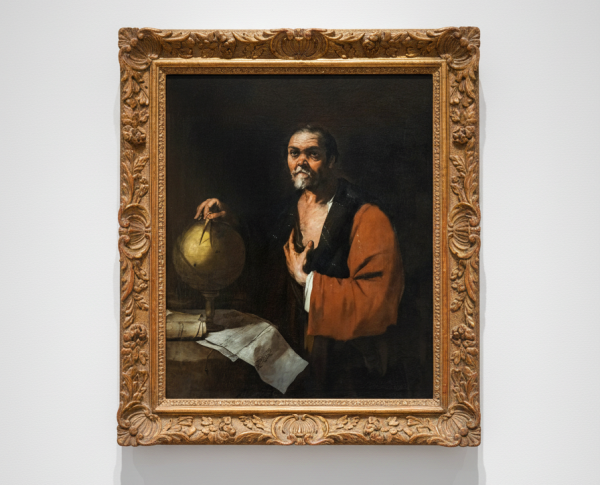
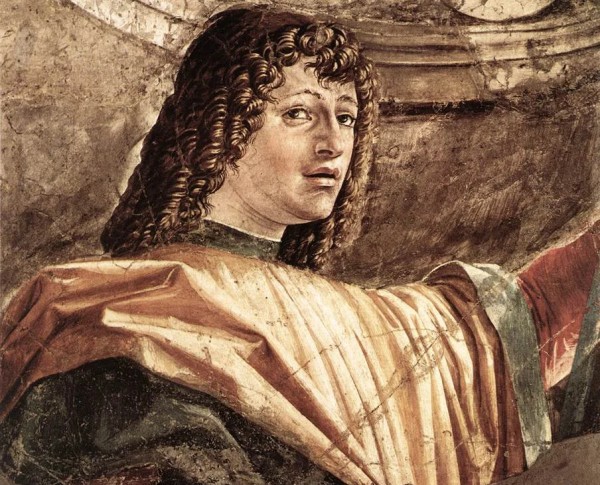
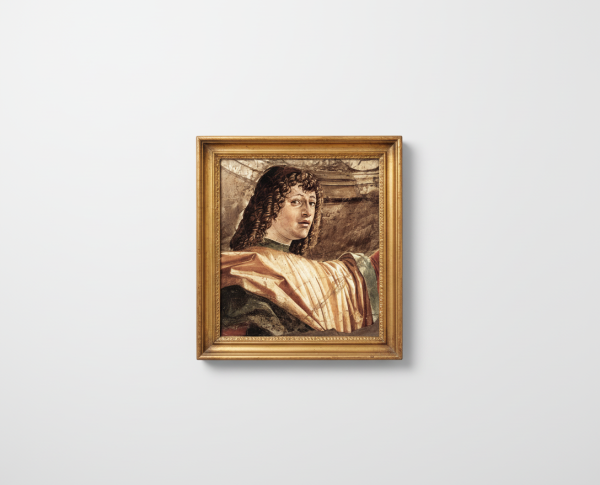
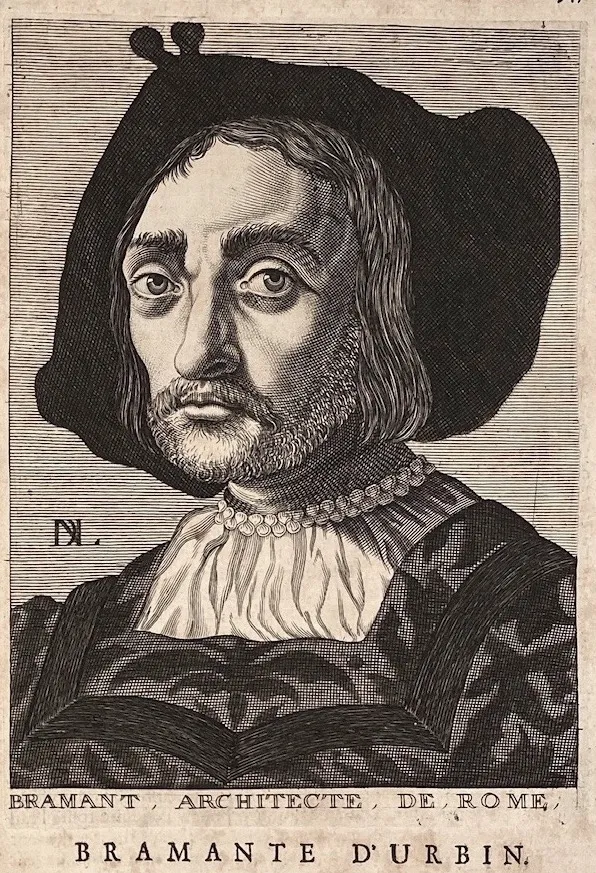
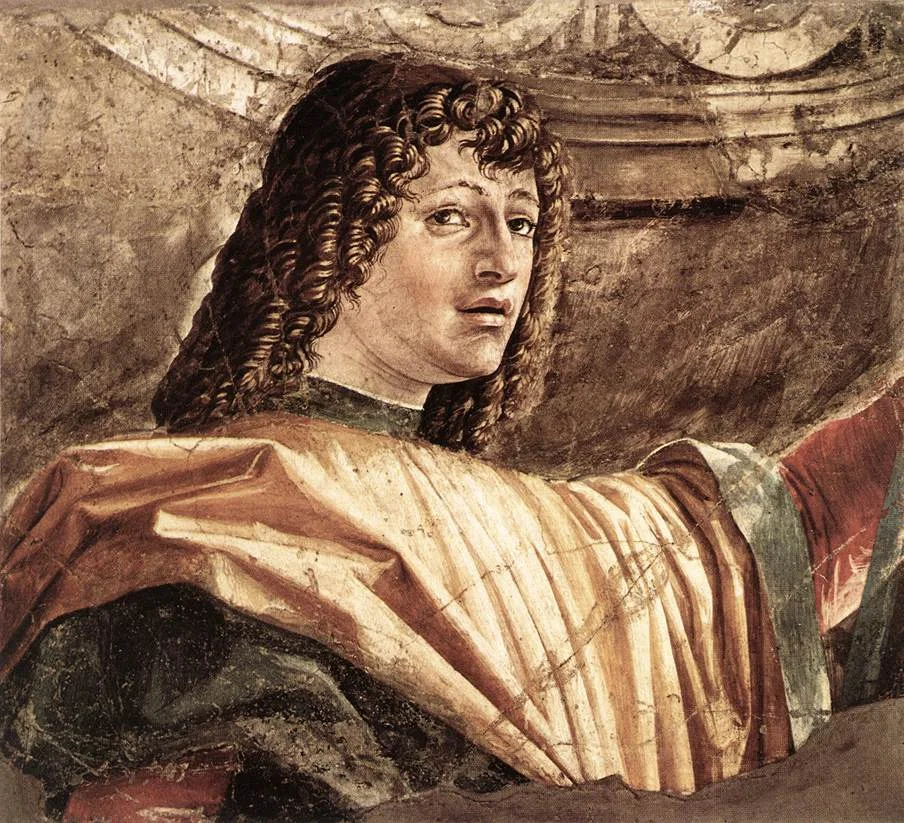
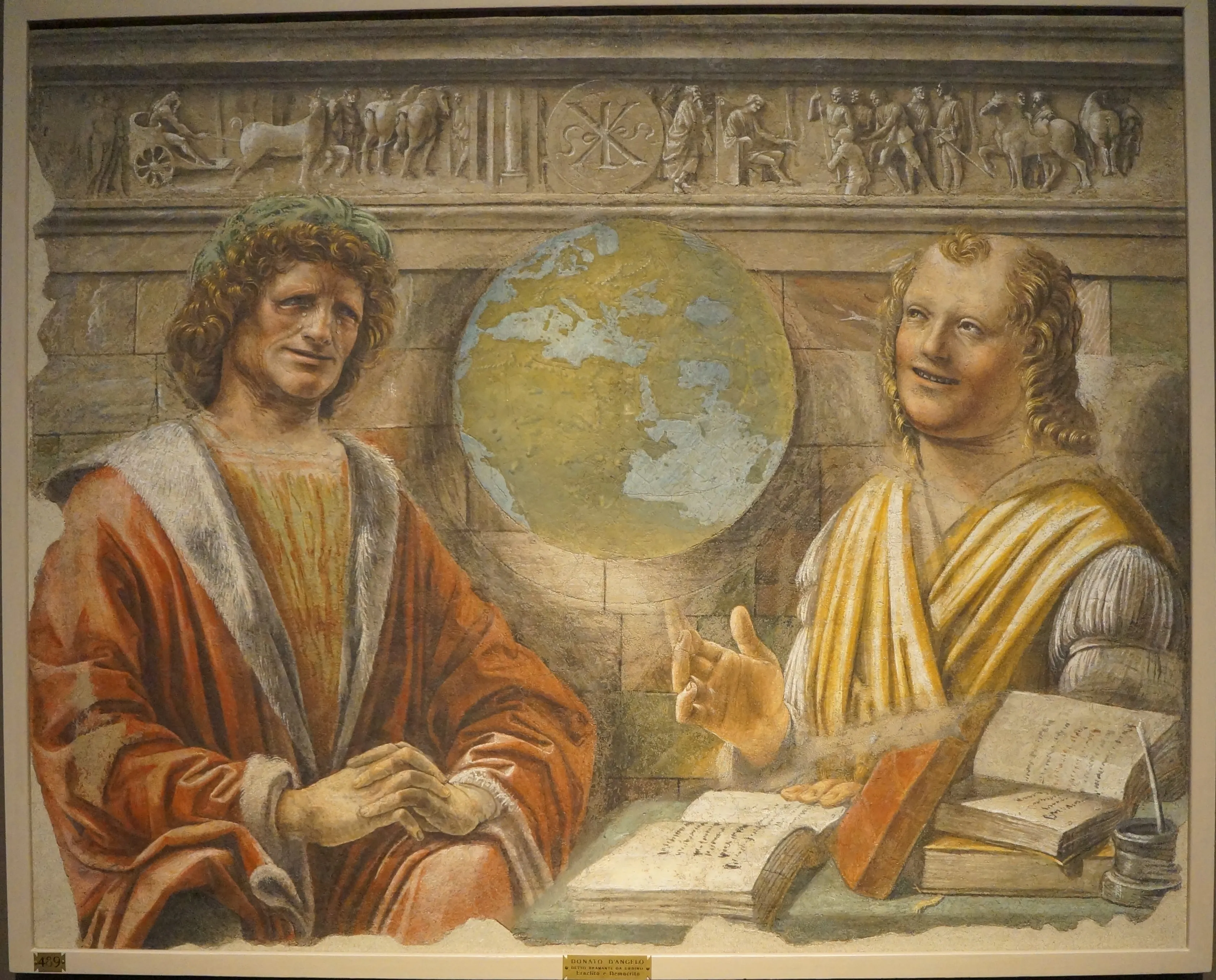
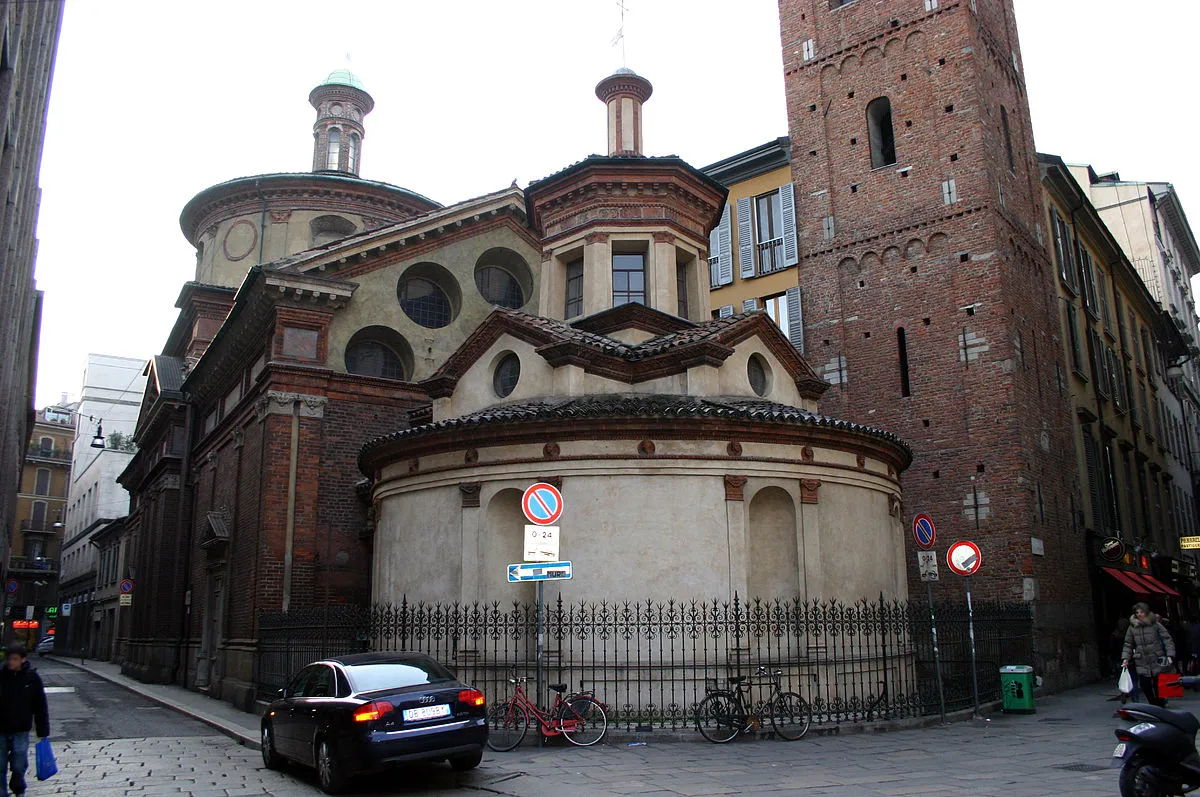
Donato Bramante’s "Bramante D'urbin" showcases the meticulous technique and expressive detail characteristic of oil on canvas during the High Renaissance. Each brushstroke reveals Bramante’s deep understanding of form and perspective, elevating the visual narrative. This oil on canvas masterpiece sits harmoniously with other works like "Santa Maria presso San Satiro - Bramante false apse" and "Man with a Mace," offering collectors a glimpse into Renaissance artistry at its finest.
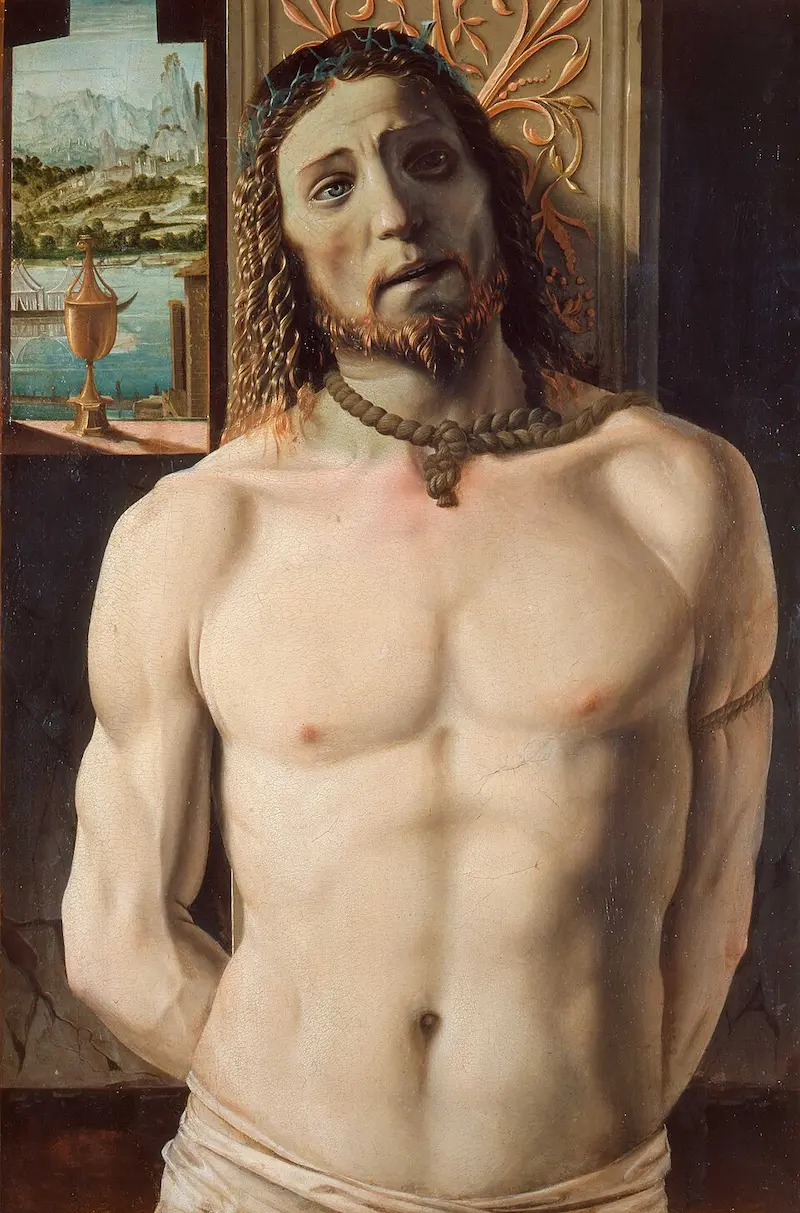
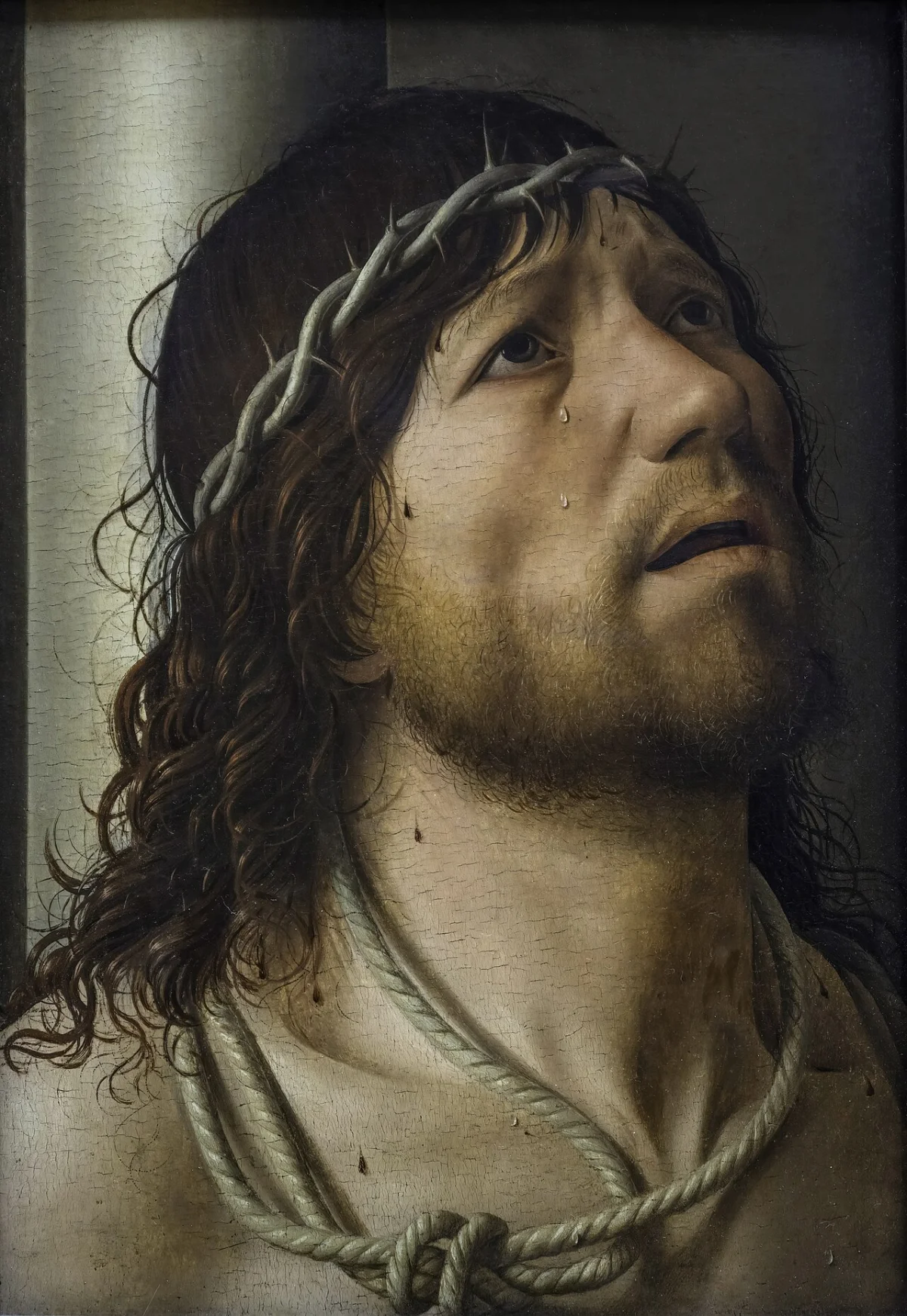
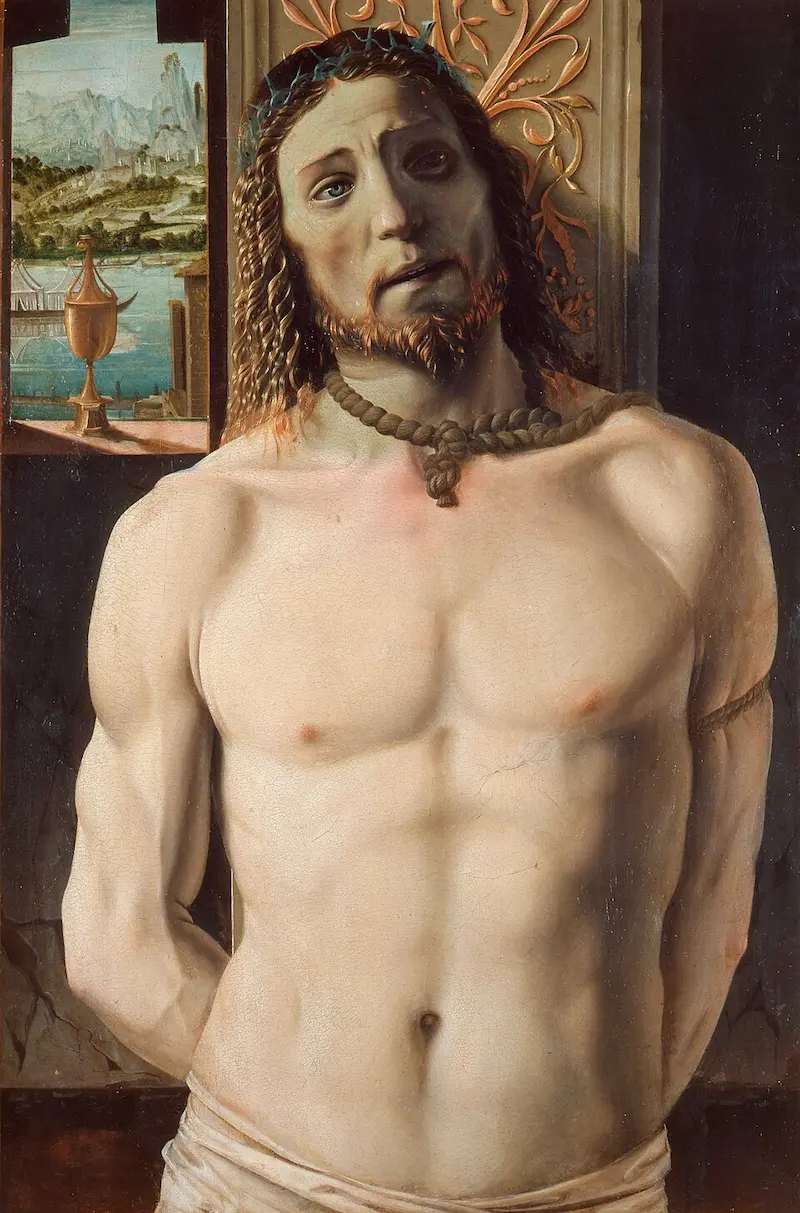
Within "Bramante D'urbin," layers of symbolism and historical context unfold, inviting viewers to uncover stories woven into the fine art painting for sale. Donato Bramante infuses his subject with subtle references to his architectural achievements and Renaissance ideals. This work resonates with the same depth found in "Pavia Cathedral - general design" and "Christ at the Column (Bramante)," making it a captivating addition for those who seek more than just visual beauty.
Owning "Bramante D'urbin" by Donato Bramante is an opportunity to preserve a piece of High Renaissance heritage. This hand-painted oil painting offers unmatched elegance and historical value, making it a prized acquisition for any collection. Enhance your space by pairing it with related products such as "Man at Arms" or "Santa Maria presso San Satiro - Bramante false apse," and celebrate the enduring influence of Bramante’s genius in fine art painting for sale.
When Art Meets History
"Bramante D'urbin" by Donato Bramante stands as a testament to the High Renaissance, a period celebrated for its harmony and innovation. This hand-painted oil painting captures the spirit of an era when artists like Bramante, renowned for architectural genius, pushed boundaries in visual art. Echoing the grandeur found in related works such as "The Punishment of Haman" and "Annunciation," "Bramante D'urbin" bridges historical significance with artistic mastery, making it a pivotal piece in Renaissance collections.
Techniques That Speak
Donato Bramante’s "Bramante D'urbin" exemplifies the refined techniques of oil on canvas that defined the High Renaissance movement. His meticulous brushwork and skillful use of light and shadow echo the sophistication seen in "Madonna of the Stairs" and "The Virgin and Child with Saint John and Angels." Bramante’s mastery of perspective and depth brings his subjects to life, making this painting a striking example of the technical prowess celebrated during his era.
Emotions on Display
The "Bramante D'urbin" painting channels profound emotion through its evocative composition and expressive figures, hallmarks of the High Renaissance. Donato Bramante’s ability to convey mood is akin to that found in "Saint Michael Trampling the Dragon," where inner turmoil and serenity coexist. Collectors and art lovers are drawn to this fine art painting for sale not only for its historical value but also for the emotional resonance that continues to captivate audiences centuries later.
Coveted by Collectors
As a masterpiece of the High Renaissance, "Bramante D'urbin" by Donato Bramante is highly sought after among collectors worldwide. Its historical context and technical brilliance, shared with works like "Annunciation" and "Madonna of the Stairs," add to its allure. Owning this hand-painted oil painting not only signifies a deep appreciation for Renaissance art but also represents a valuable investment in a legacy celebrated by generations of art enthusiasts.
Related High Renaissance Hand-Painted Oil Paintings by Other Artists
Other Famous High Renaissance Artists:
Frequently Asked Questions About Bramante D'urbin
What is the historical significance of "Bramante D'urbin"?
"Bramante D'urbin" is significant as it represents the early Renaissance period's shift towards humanism and naturalism in art, showcasing the evolution of portraiture during this time.
Who was Donato Bramante and what was his influence on art?
Donato Bramante was an Italian architect and painter, known for his role in the High Renaissance. His innovative designs and use of perspective greatly influenced the development of architecture and art in Europe.
What artistic techniques are employed in "Bramante D'urbin"?
The painting employs techniques such as chiaroscuro to create depth, as well as sfumato to soften transitions between colors, enhancing the lifelike quality of the subject.
What symbolism can be found in "Bramante D'urbin"?
The painting symbolizes the ideals of the Renaissance, particularly the emphasis on individualism and the human experience, reflecting the intellectual climate of the time.
How does "Bramante D'urbin" reflect the characteristics of Renaissance portraiture?
This work exemplifies Renaissance portraiture through its focus on realism, detailed facial expressions, and the use of rich colors to convey the subject's status and personality.
What was the cultural context during the creation of "Bramante D'urbin"?
The painting was created during a time of cultural rebirth in Italy, marked by advancements in art, science, and philosophy, which influenced artists to explore new themes and techniques.
What materials were used in the creation of "Bramante D'urbin"?
The painting is believed to have been created using oil on canvas, a medium that allowed for greater detail and vibrancy compared to earlier tempera techniques.
How does "Bramante D'urbin" compare to other works of the same period?
Compared to other works of the period, "Bramante D'urbin" stands out for its intricate detail and the psychological depth of the subject, aligning with the innovative spirit of the High Renaissance.
What themes are prevalent in "Bramante D'urbin"?
The prevalent themes include the exploration of identity, the human condition, and the celebration of individual achievement, all central to Renaissance thought and artistic expression.
How has "Bramante D'urbin" influenced modern art?
The painting has influenced modern art by setting a standard for portraiture that emphasizes realism and emotional expression, inspiring countless artists in subsequent generations.























_GFM_Painting_(1).webp)


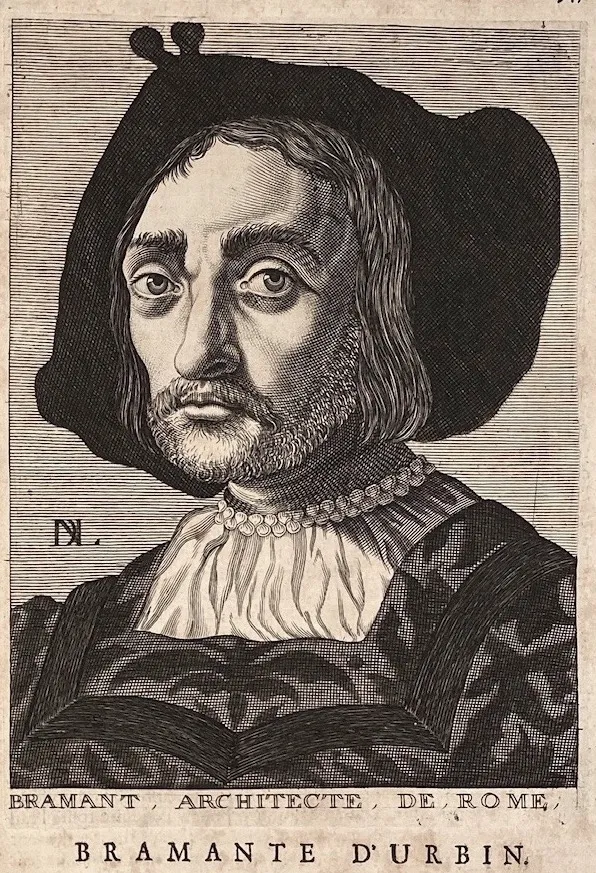
 100% Hand-Painted: Finished in 3-6 Weeks

.png)















_(1).webp)