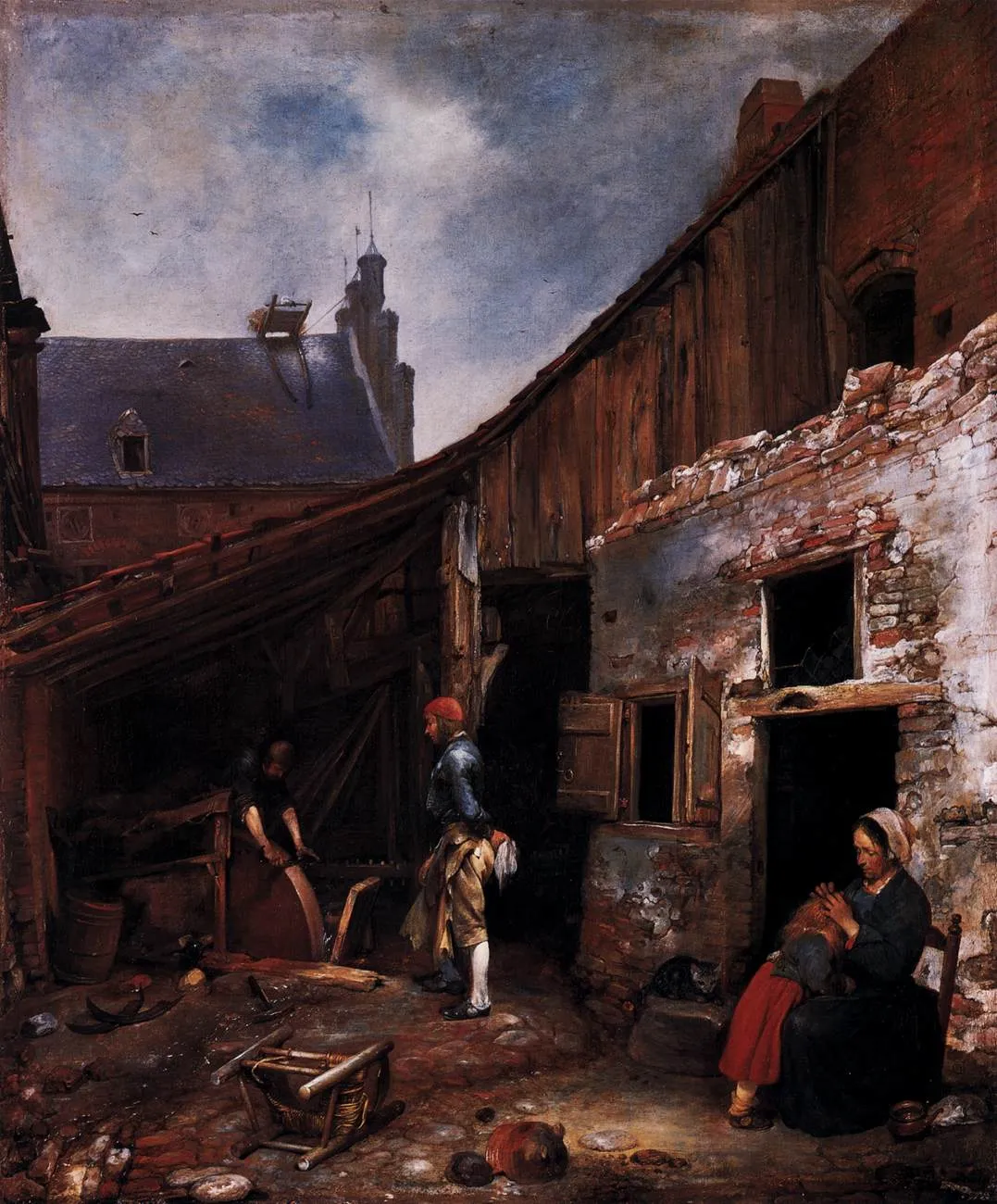
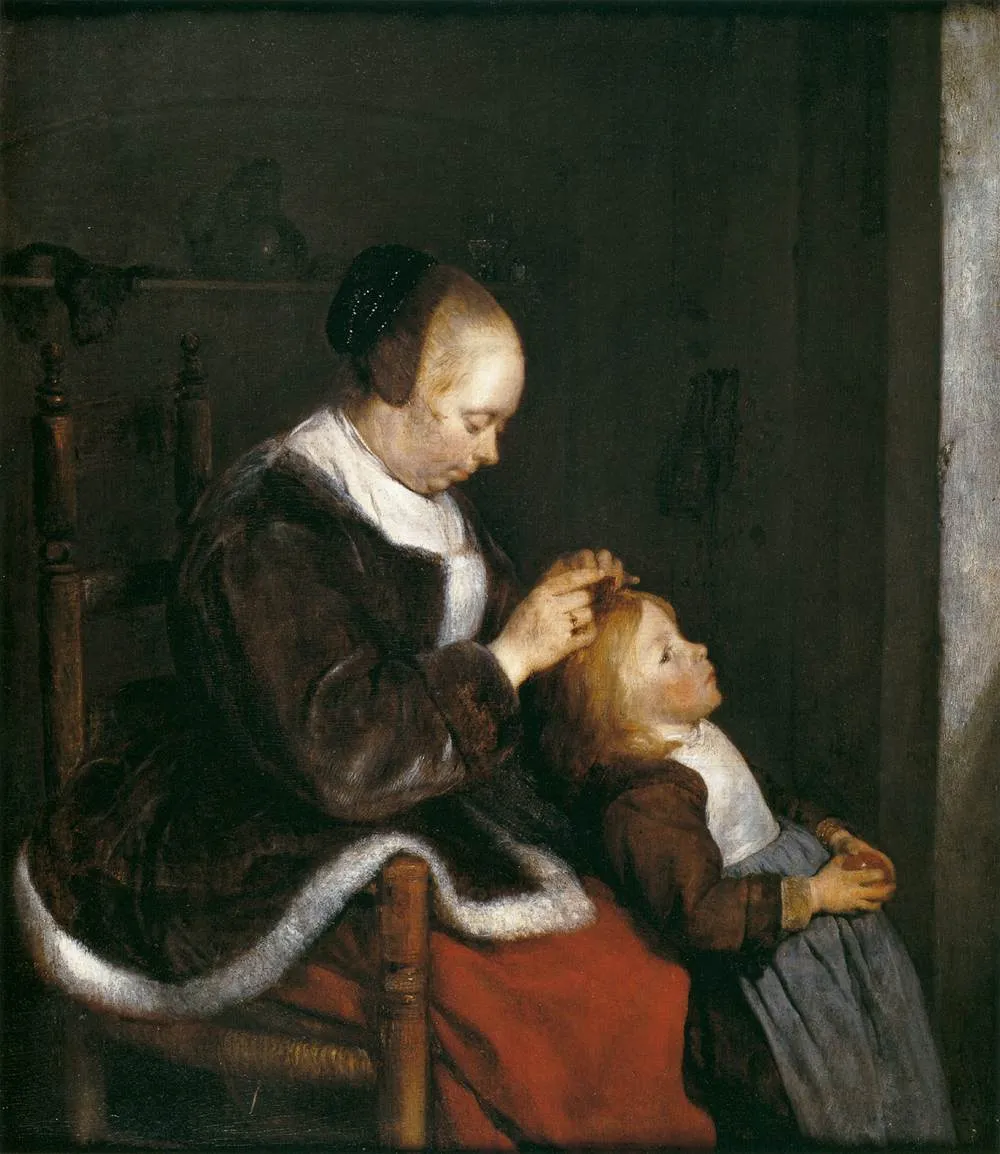
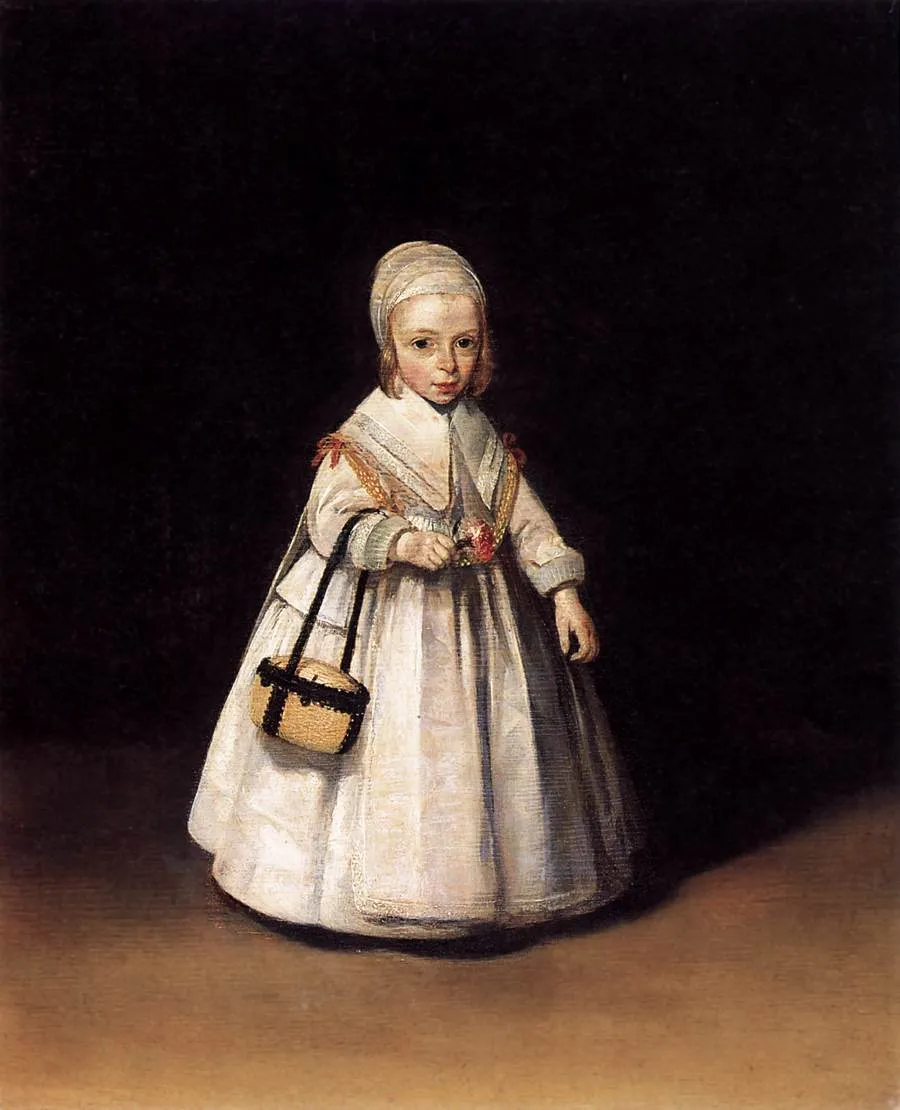
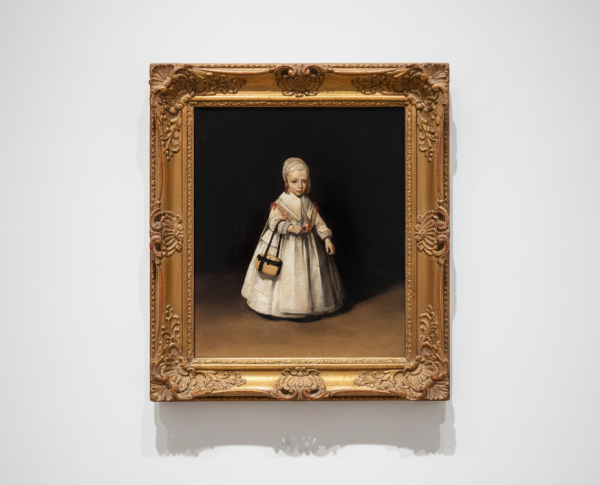
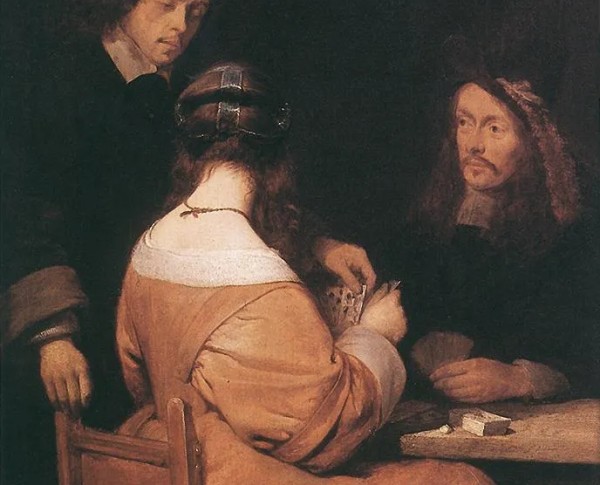
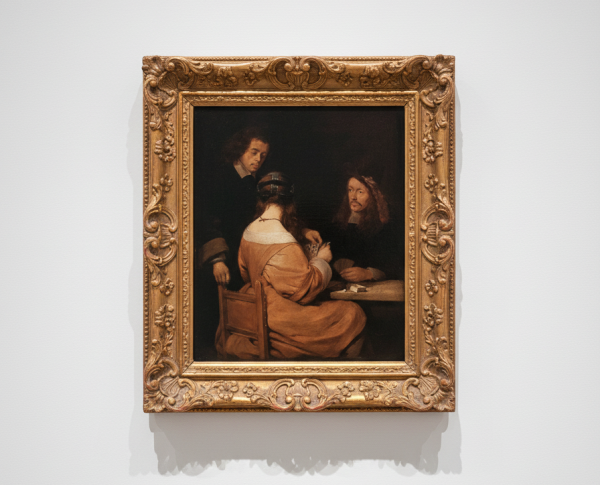
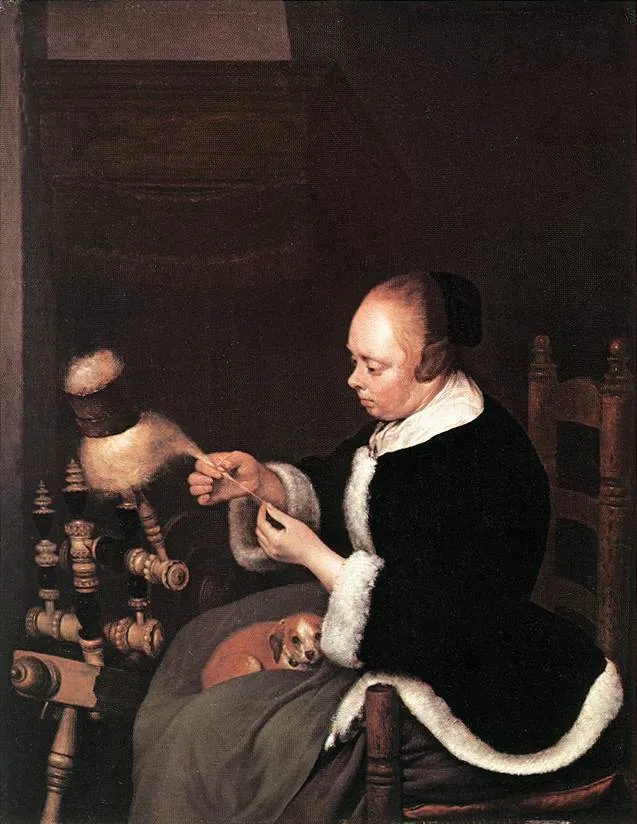
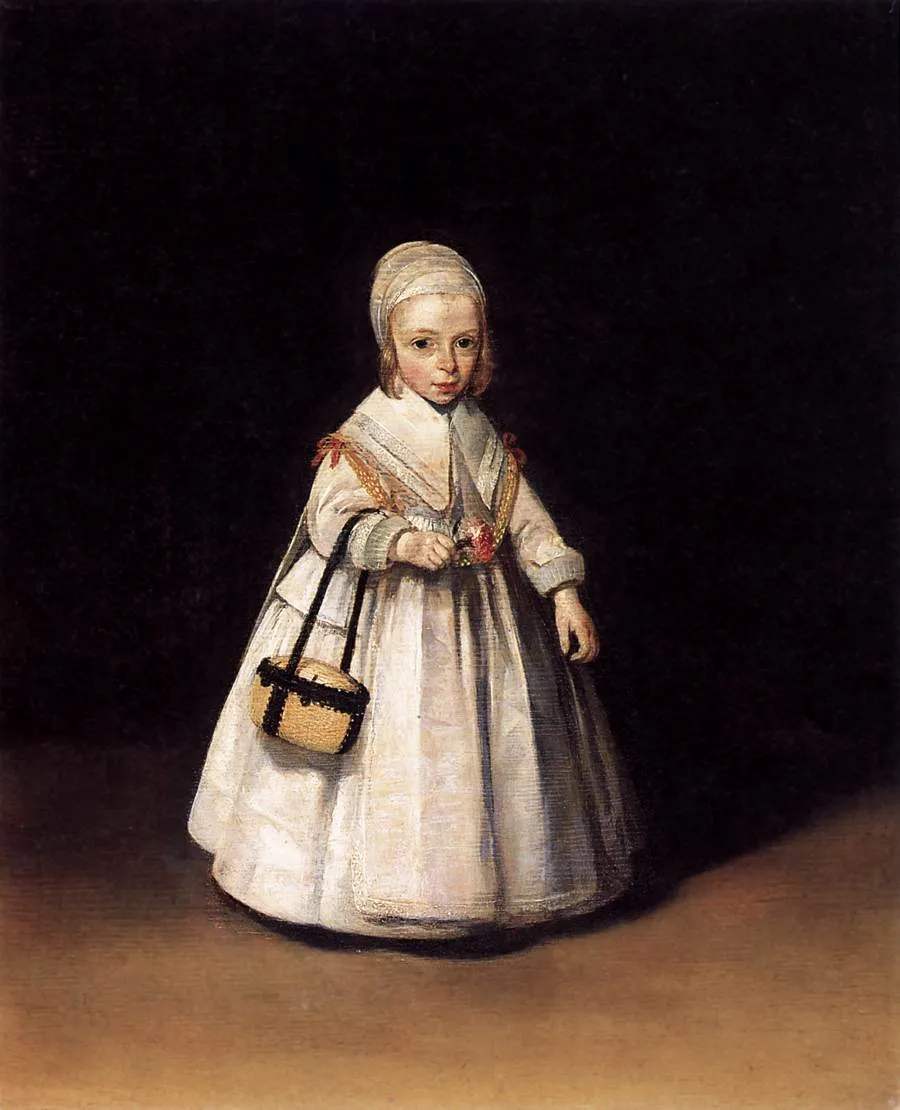
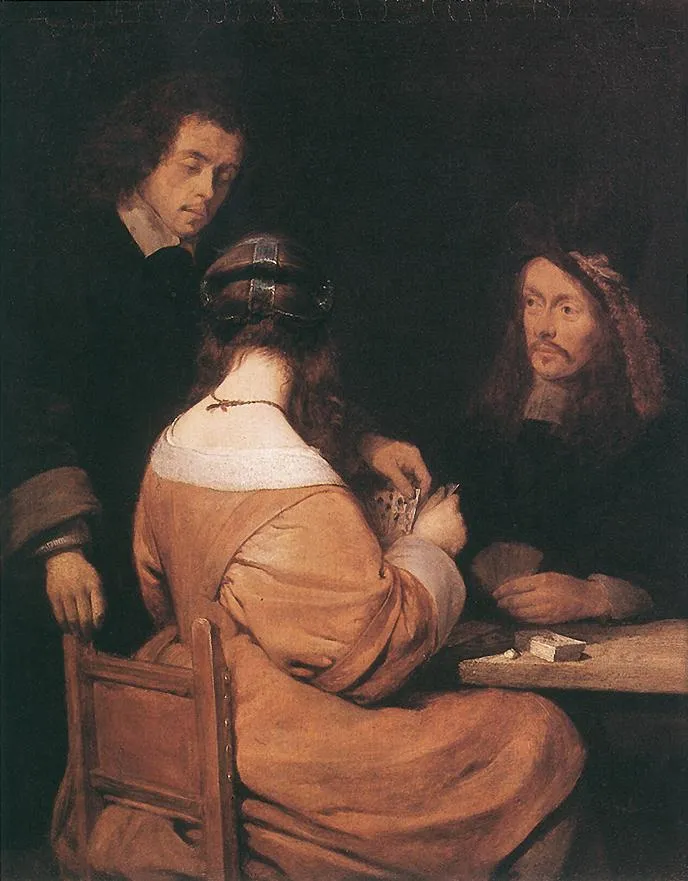
The exquisite oil on canvas technique in “A Woman Spinning” highlights Gerard Terborch’s meticulous attention to detail and subtle use of light. As a leading figure in the Baroque era, Terborch’s brushwork brings texture and realism to every fold and surface. This painting, along with works such as “Helena van der Schalcke as a Child” and “Card Players,” showcases his technical brilliance and mastery of oil on canvas, making his art highly sought after by connoisseurs.
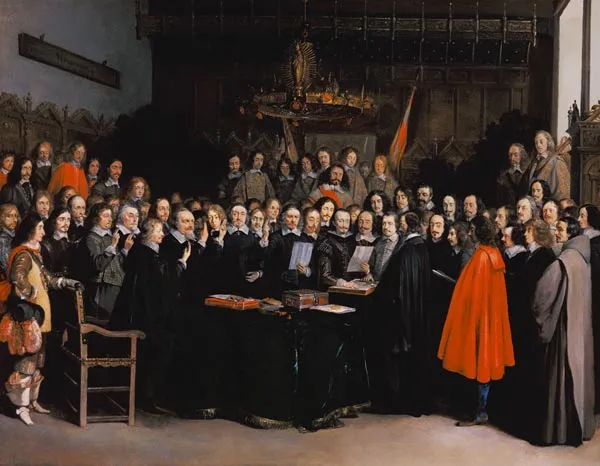
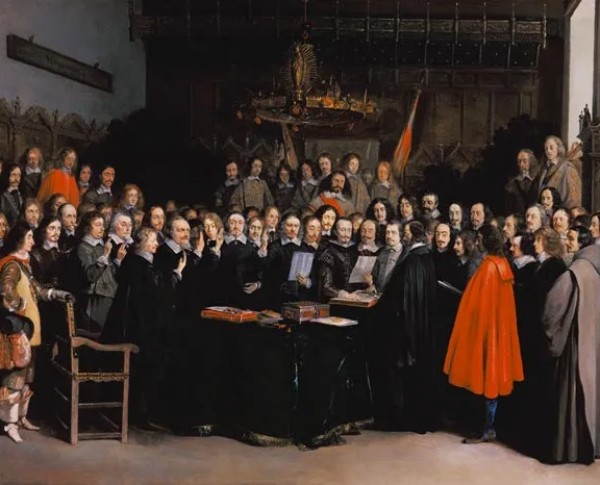
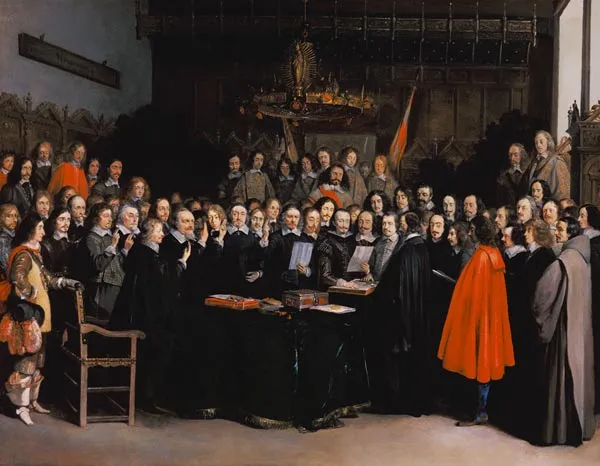
In “A Woman Spinning,” Terborch weaves a narrative of quiet industry and domestic virtue, hallmarks of Baroque symbolism. The spinning woman becomes a symbol of diligence and femininity, themes echoed in other hand-painted oil paintings by the artist. Collectors of Baroque art can discover similar storytelling in “The Swearing of the Oath of Ratification of the Treaty of Munster” and “A Guard Room Interior With A Soldier Blowing Smoke In The Face Of His Sleeping Companion.”
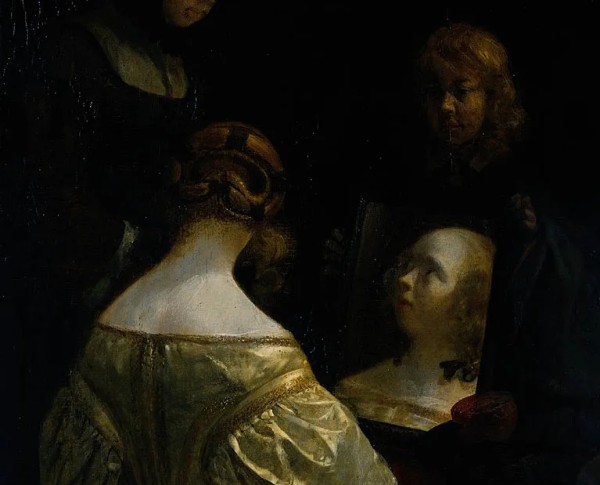
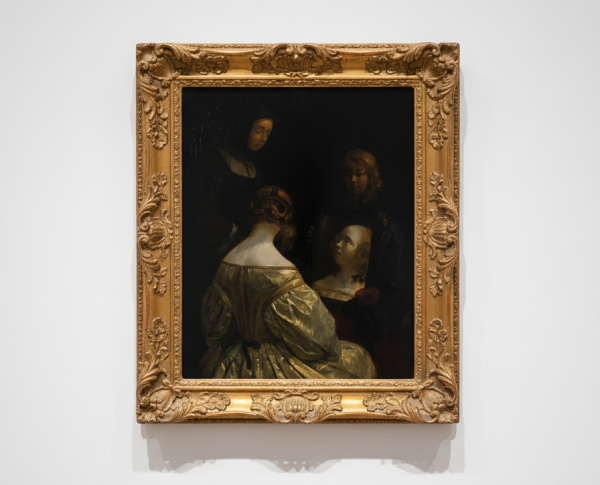
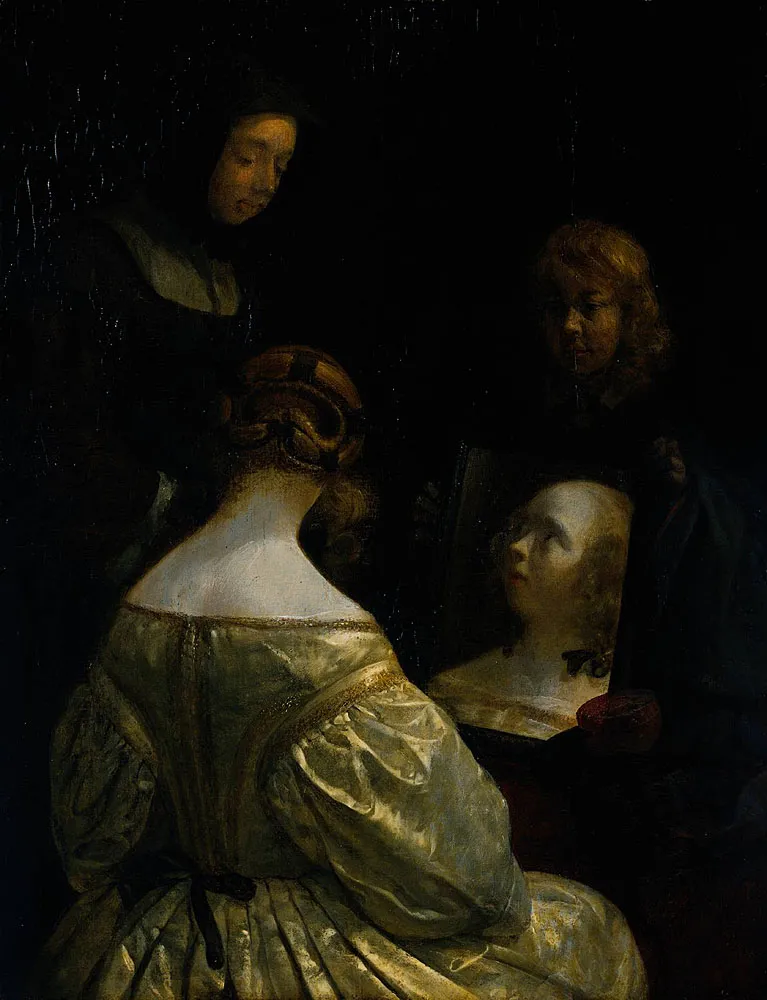
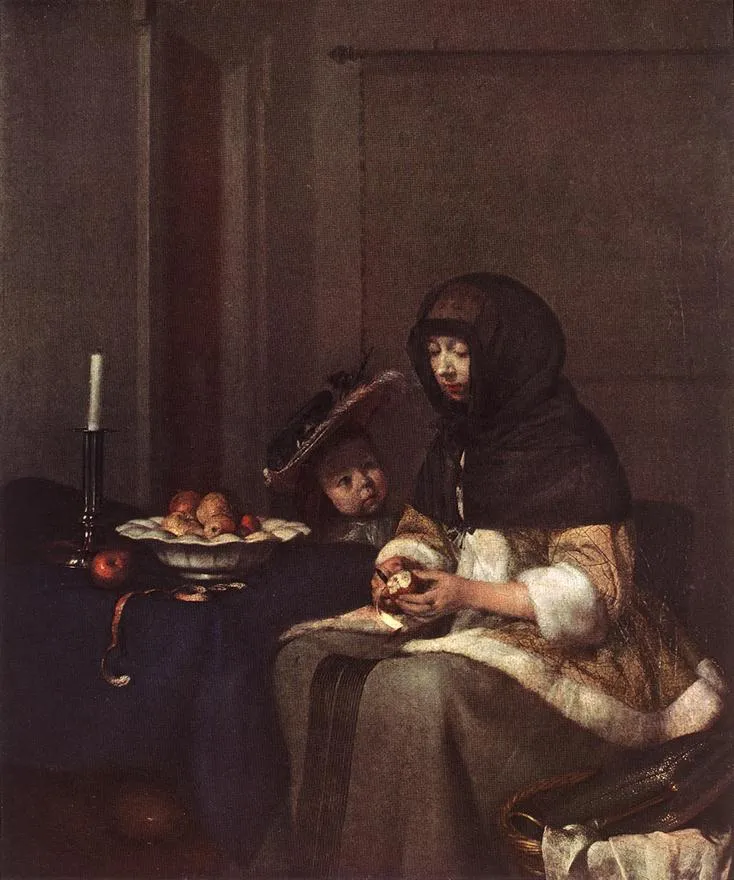
Owning “A Woman Spinning” by Gerard Terborch means acquiring a fine art painting for sale that embodies the best of the Baroque movement. Its timeless subject matter and technical finesse make it a prized possession for any art collection. Consider pairing this masterpiece with related works such as “Woman Peeling Apple” or “Woman at a Mirror” to create a stunning display of Baroque artistry and Terborch’s signature style.
When Art Meets History
"A Woman Spinning" by Gerard Terborch stands as a remarkable example of the Baroque movement. This hand-painted oil painting captures the essence of 17th-century Dutch life, reflecting both the social customs and artistic innovations of its time. Terborch, renowned for his genre scenes, also created masterpieces like "Cup of Water and a Rose on a Silver Plate" and "Repentant Mary Magdalene," each contributing to the rich tapestry of Baroque fine art.
Techniques That Speak
Gerard Terborch’s "A Woman Spinning" showcases his exceptional mastery of oil on canvas, a hallmark of the Baroque era. His meticulous brushwork and use of light create a lifelike texture in the woman's clothing and surroundings. Terborch’s technique can also be seen in works such as "Portrait of Fra Zumel Francisco," making his art highly sought after by those appreciating the nuances of realistic depiction in paintings.
Emotions on Display
In "A Woman Spinning," Terborch conveys a quiet sense of dignity and introspection, hallmarks of Baroque art. The subject’s focused expression invites viewers to contemplate her inner world, a theme echoed in related paintings like "Apparition of Jesus Child to St Anthony of Padua." This fine art painting for sale stands out for its emotional depth, making it a coveted piece for those who value expressive storytelling in visual art.
Coveted by Collectors
Collectors prize "A Woman Spinning" for its exquisite detail and historical significance within the Baroque movement. As with Terborch’s other masterpieces, such as "Medusa," this hand-painted oil painting offers both artistic and investment value. Its authenticity, coupled with the enduring appeal of oil on canvas works from this era, ensures that it remains a top choice for those seeking a distinguished addition to their fine art collection.
Related Baroque Hand-Painted Oil Paintings by Other Artists
Other Famous Baroque Artists:
Frequently Asked Questions About A Woman Spinning
What is the historical context of "A Woman Spinning"?
"A Woman Spinning" was painted in the mid-17th century, a time when the Dutch Golden Age was flourishing. This period was characterized by significant developments in art, science, and trade, and Terborch's work reflects the domestic and intimate scenes that were popular among Dutch painters of the time.
Who is the artist behind "A Woman Spinning"?
The painting was created by Gerard Terborch, a notable Dutch genre painter known for his depictions of domestic life and the subtle interplay of light and texture in his works.
What artistic techniques are employed in "A Woman Spinning"?
Terborch utilized techniques such as chiaroscuro to create depth and volume, as well as meticulous attention to detail in the textures of fabrics and the play of light, which are hallmarks of his style.
What is the significance of the spinning wheel in the painting?
The spinning wheel symbolizes domesticity and the role of women in the household during the 17th century. It reflects the importance of textile production in Dutch society and the value placed on women's contributions to family and economy.
How does "A Woman Spinning" reflect the themes of Dutch genre painting?
The painting exemplifies the themes of everyday life and domestic tranquility that are central to Dutch genre painting. It captures a moment of quiet activity, emphasizing the beauty of ordinary tasks and the intimate nature of home life.
What emotions does "A Woman Spinning" evoke?
The painting evokes a sense of serenity and focus, highlighting the peacefulness of domestic labor. The woman's concentration on her task suggests a deeper connection to her role within the home and society.
What materials were used in the creation of "A Woman Spinning"?
Gerard Terborch typically used oil paints on canvas, a medium that allowed for rich color and fine detail, enabling him to achieve the lifelike qualities seen in this painting.
How does "A Woman Spinning" compare to other works by Terborch?
This painting shares similarities with other works by Terborch in its focus on domestic scenes and the portrayal of women engaged in daily activities. However, it stands out for its exquisite rendering of textures and the intimate atmosphere it creates.
What role does light play in "A Woman Spinning"?
Light plays a crucial role in "A Woman Spinning," enhancing the three-dimensionality of the figures and objects. The careful manipulation of light and shadow adds to the overall realism and emotional depth of the scene.
What cultural values are reflected in "A Woman Spinning"?
The painting reflects the cultural values of the Dutch Golden Age, particularly the appreciation for domestic life, craftsmanship, and the moral virtues associated with women’s roles in society, such as diligence and modesty.






















_GFM_Painting_(1).webp)


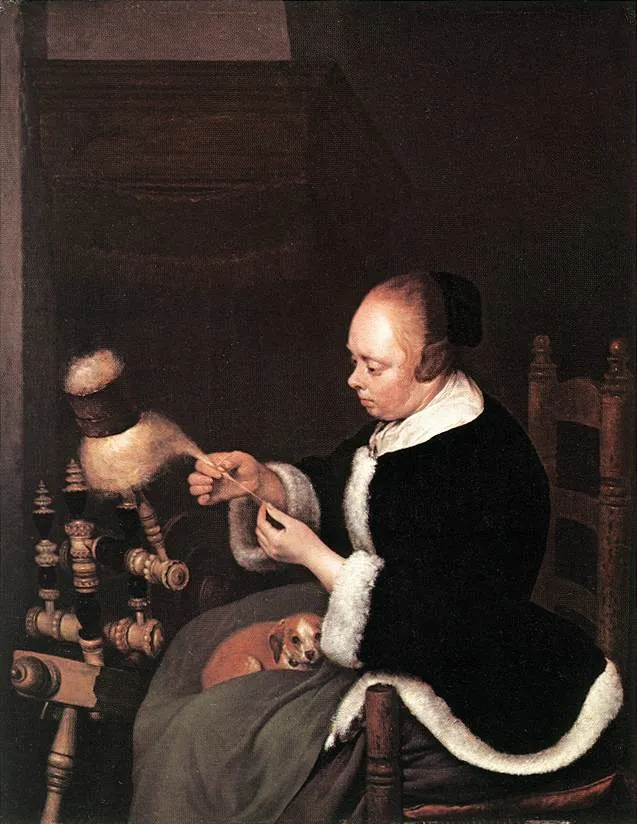
 100% Hand-Painted: Finished in 3-6 Weeks

.png)















_(1).webp)