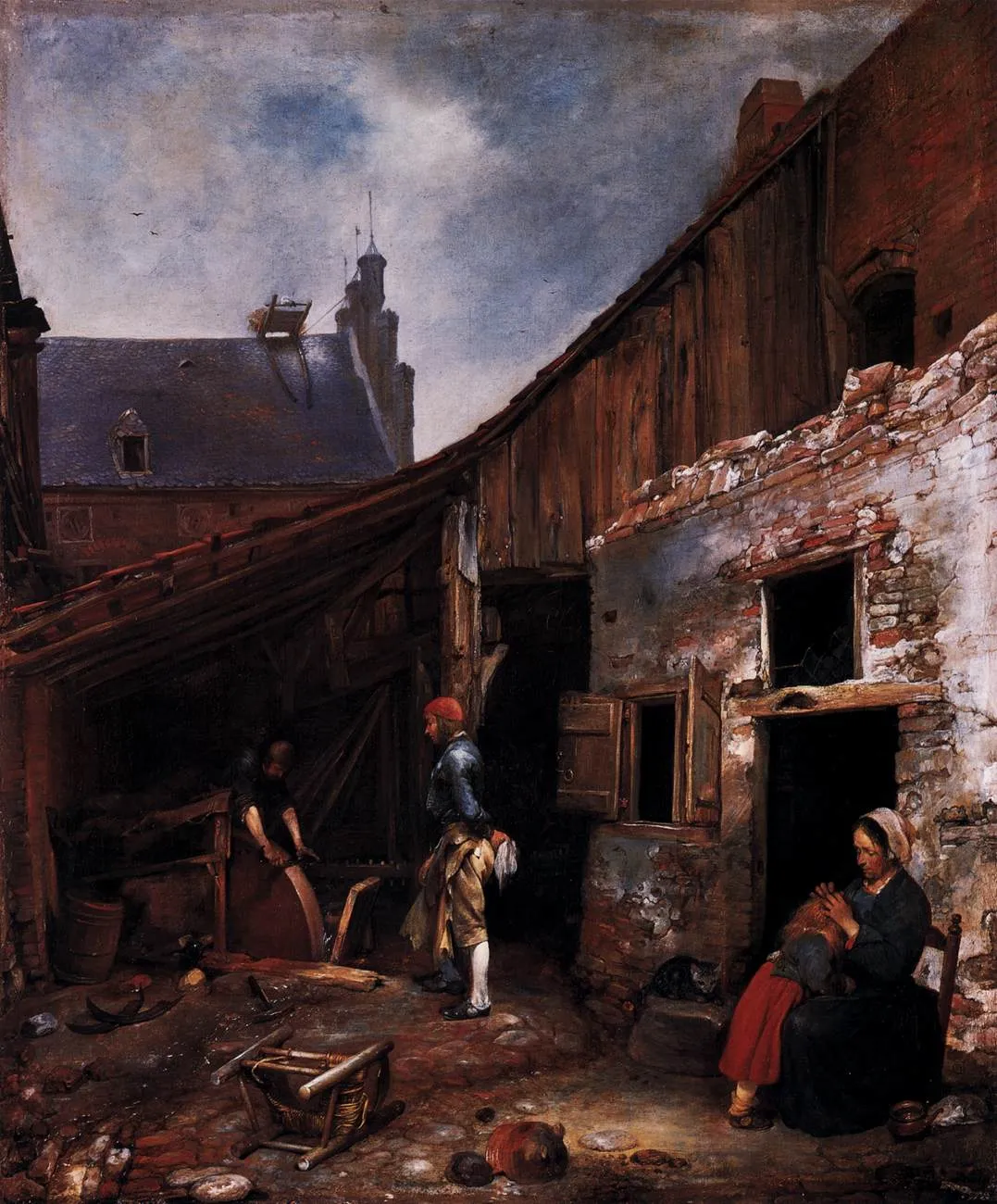
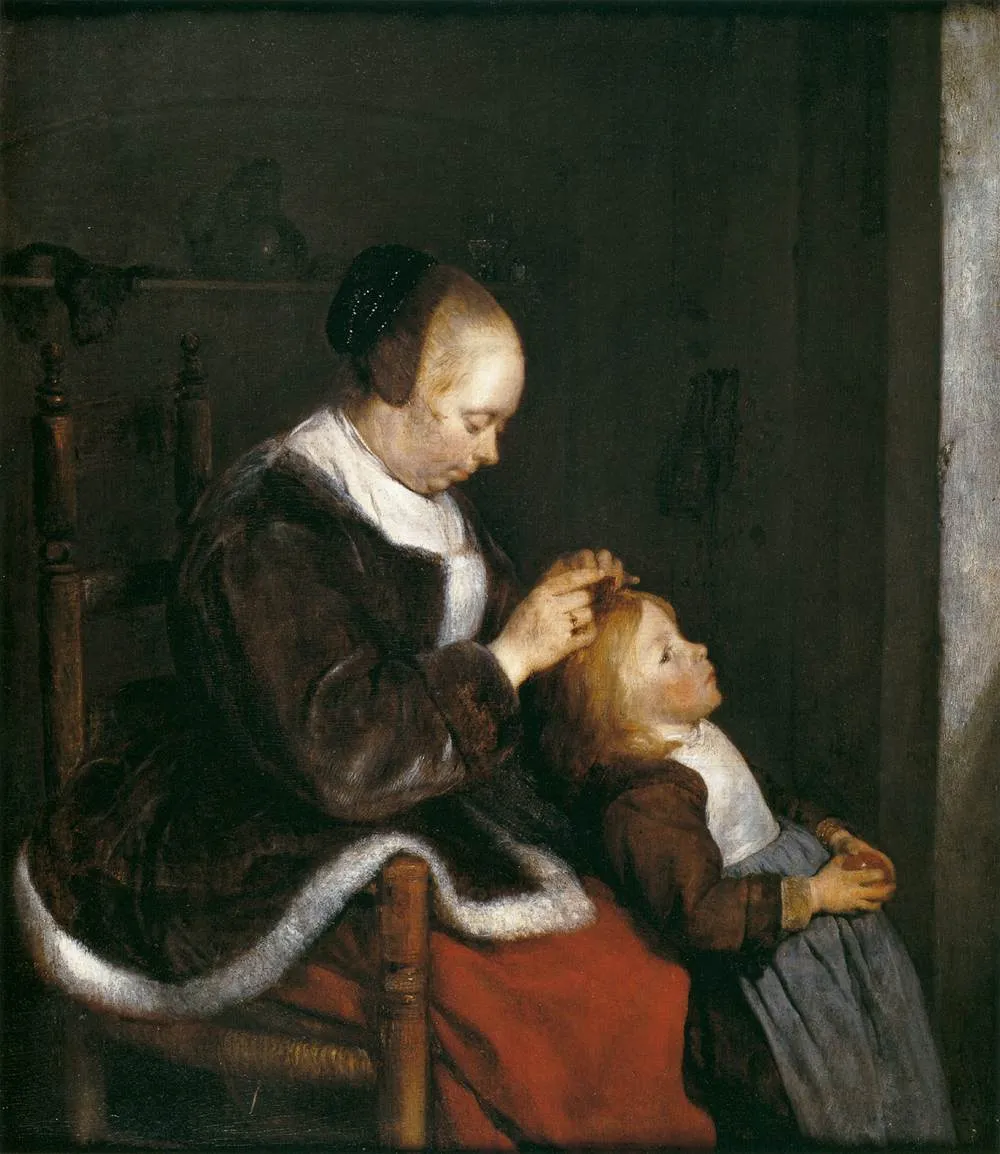
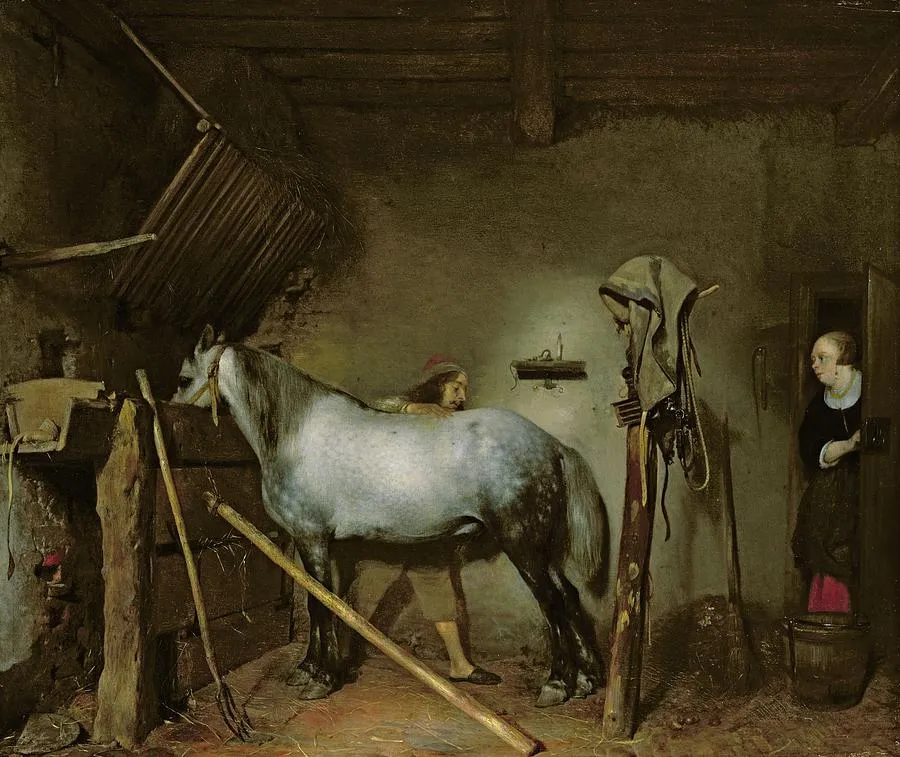
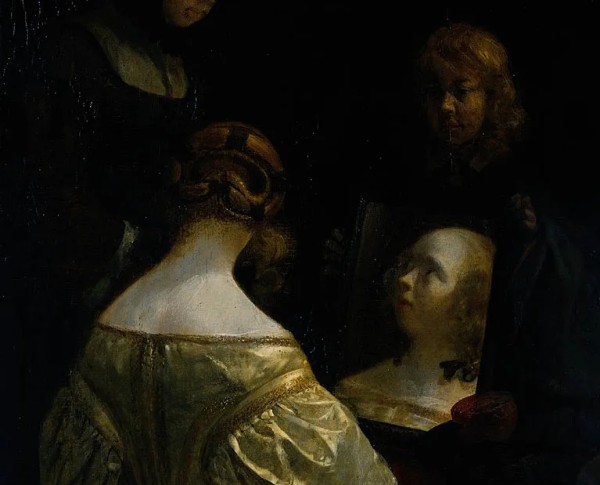
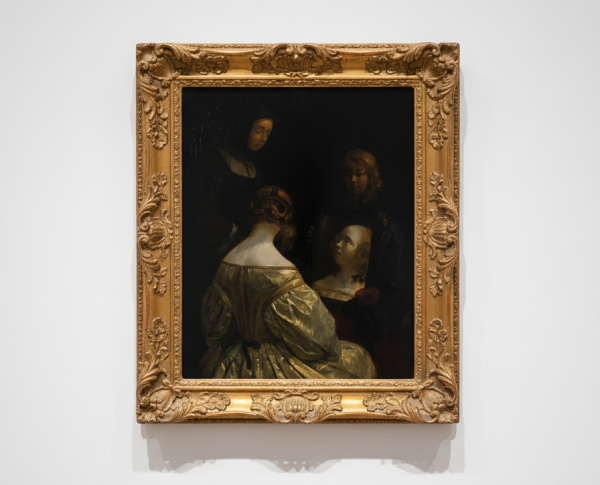
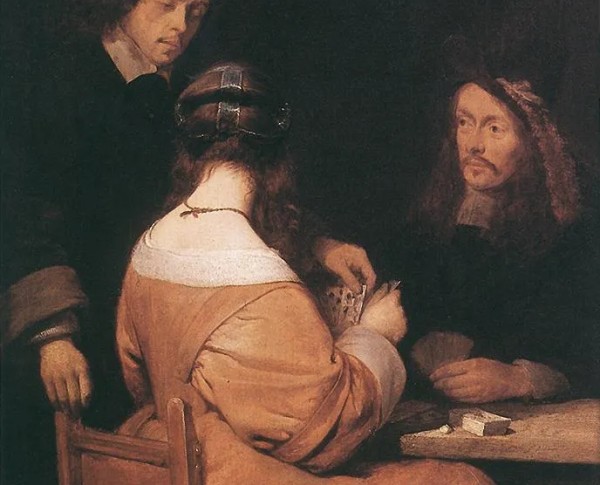
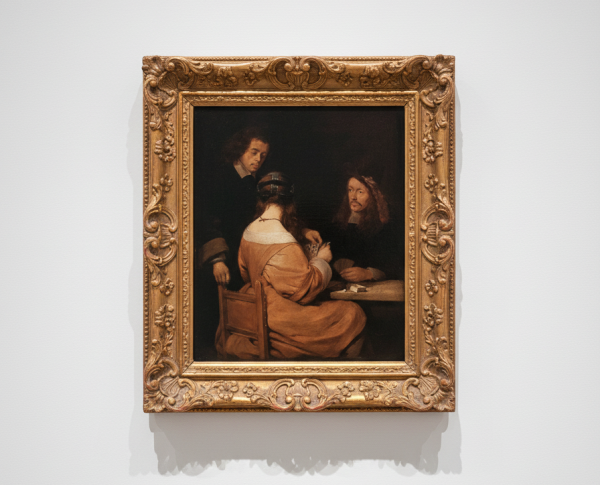
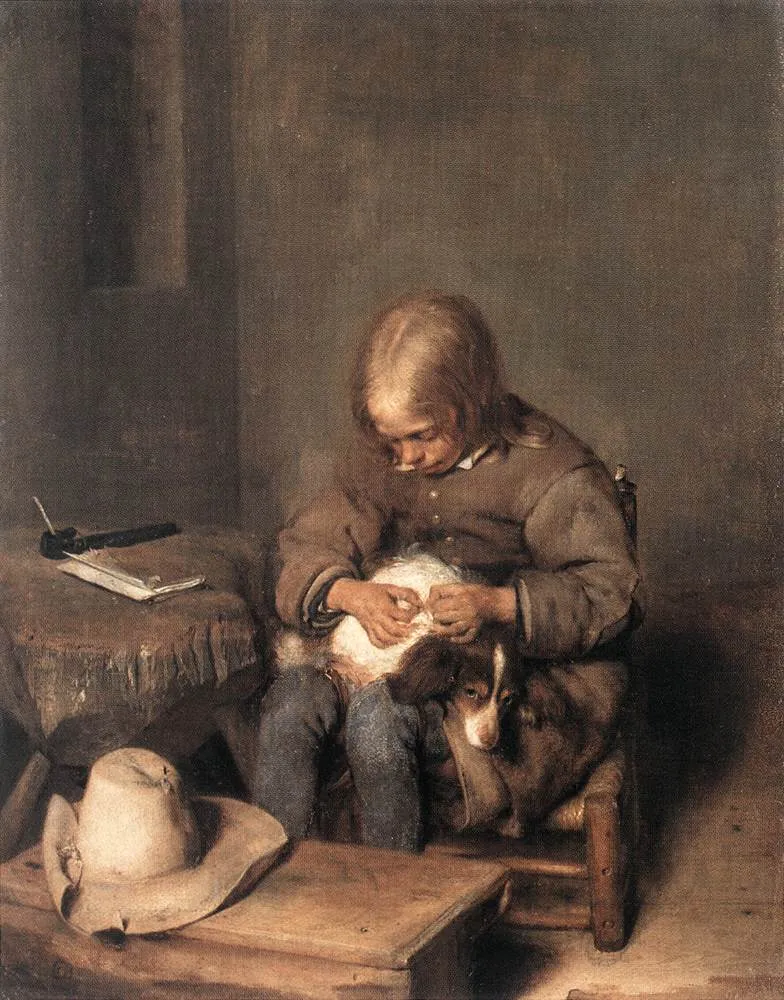
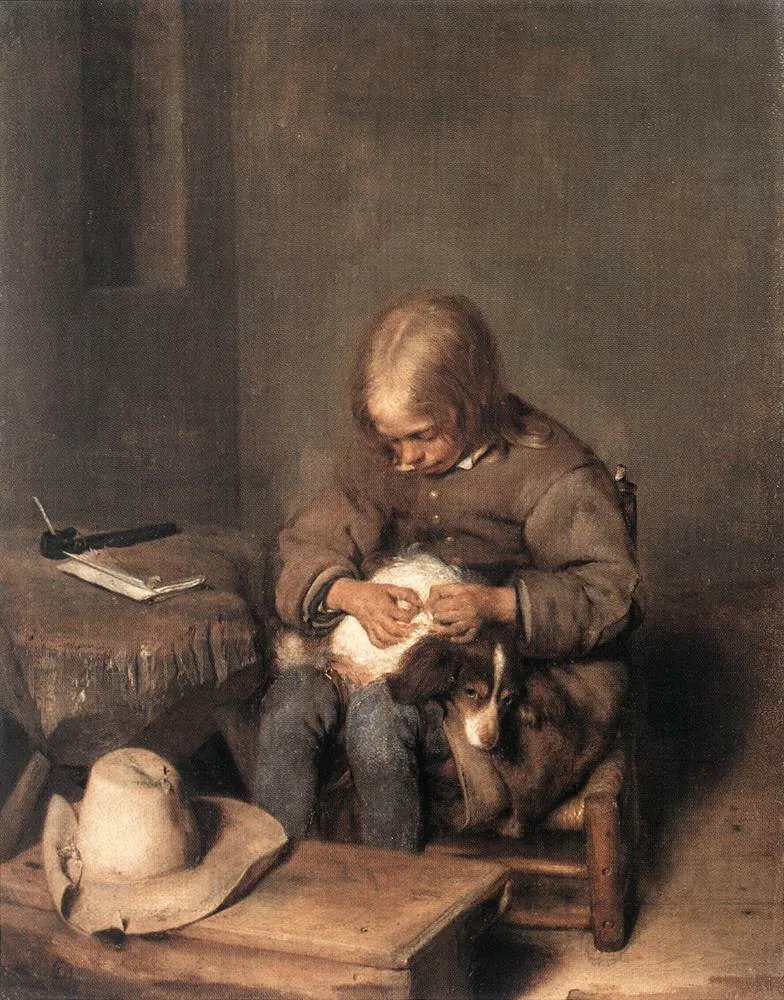
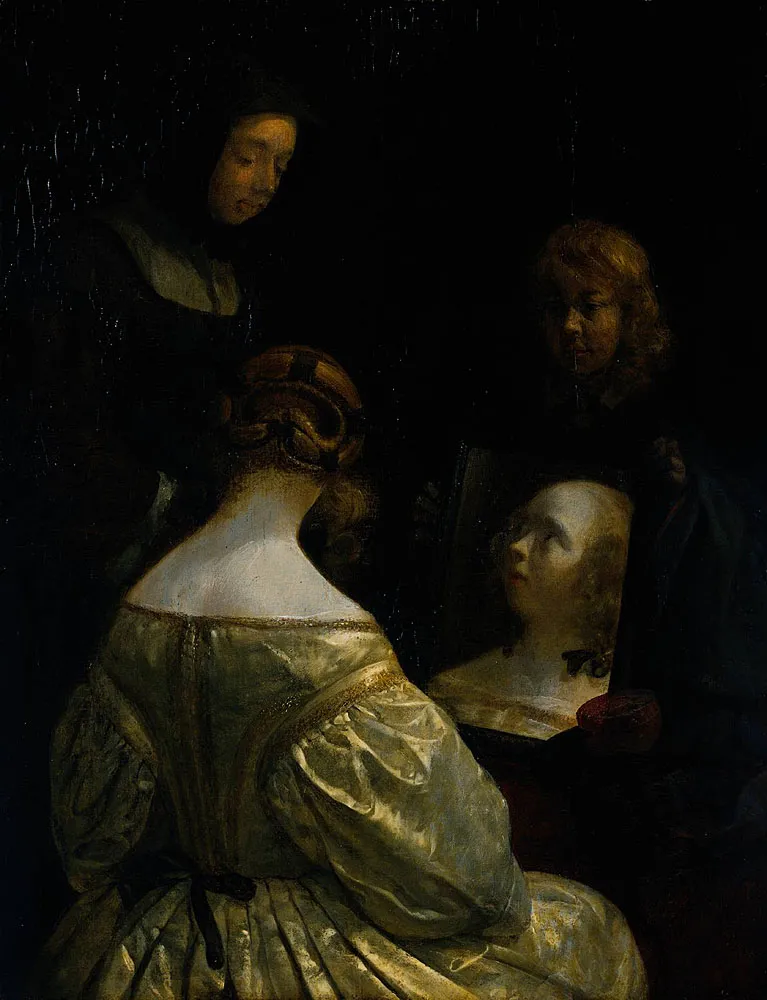
Gerard Terborch’s "The Flea-Catcher" exemplifies the meticulous technique characteristic of Baroque artists, rendered beautifully in oil on canvas. The artist’s delicate brushwork and nuanced depiction of textures set this painting apart, making it a prized piece among collectors. For those interested in expanding their collection, related works like "Horse in a Stable" and "Woman at a Mirror" offer further insights into Terborch’s remarkable skill and the richness of Baroque artistry.
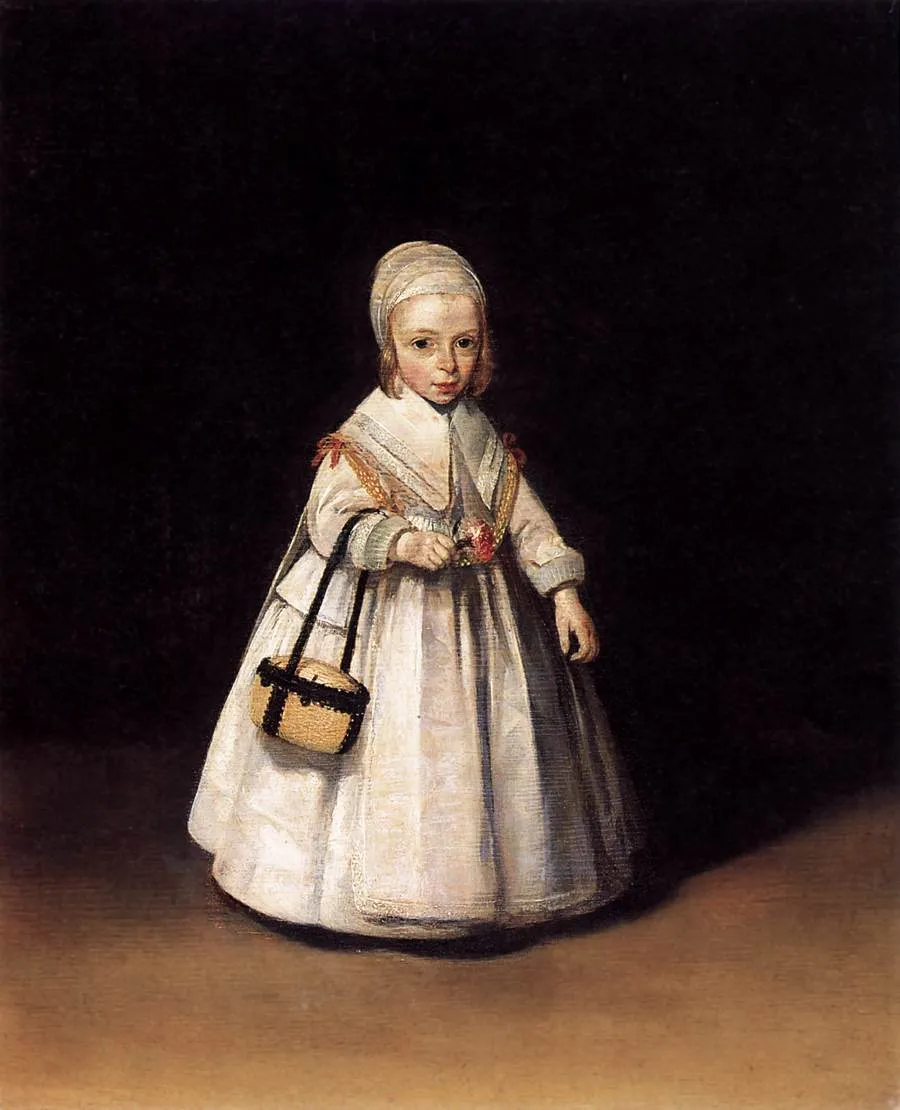
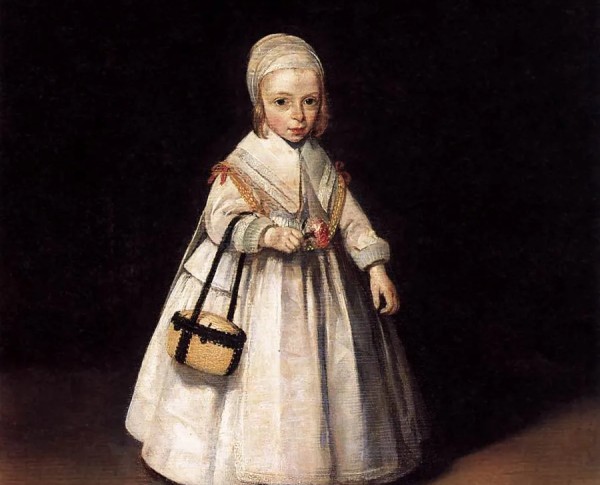
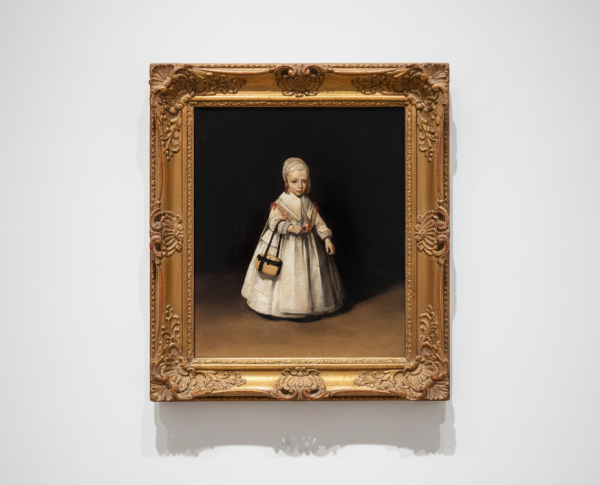
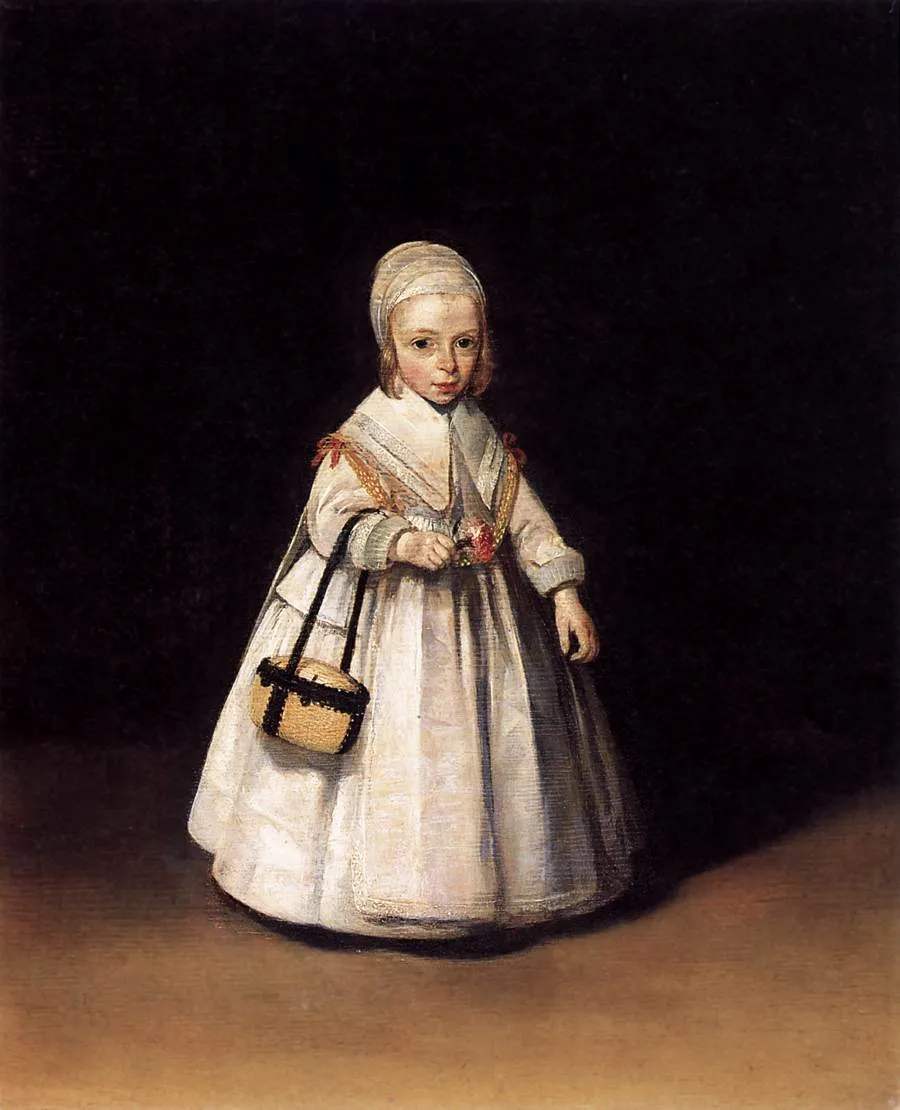
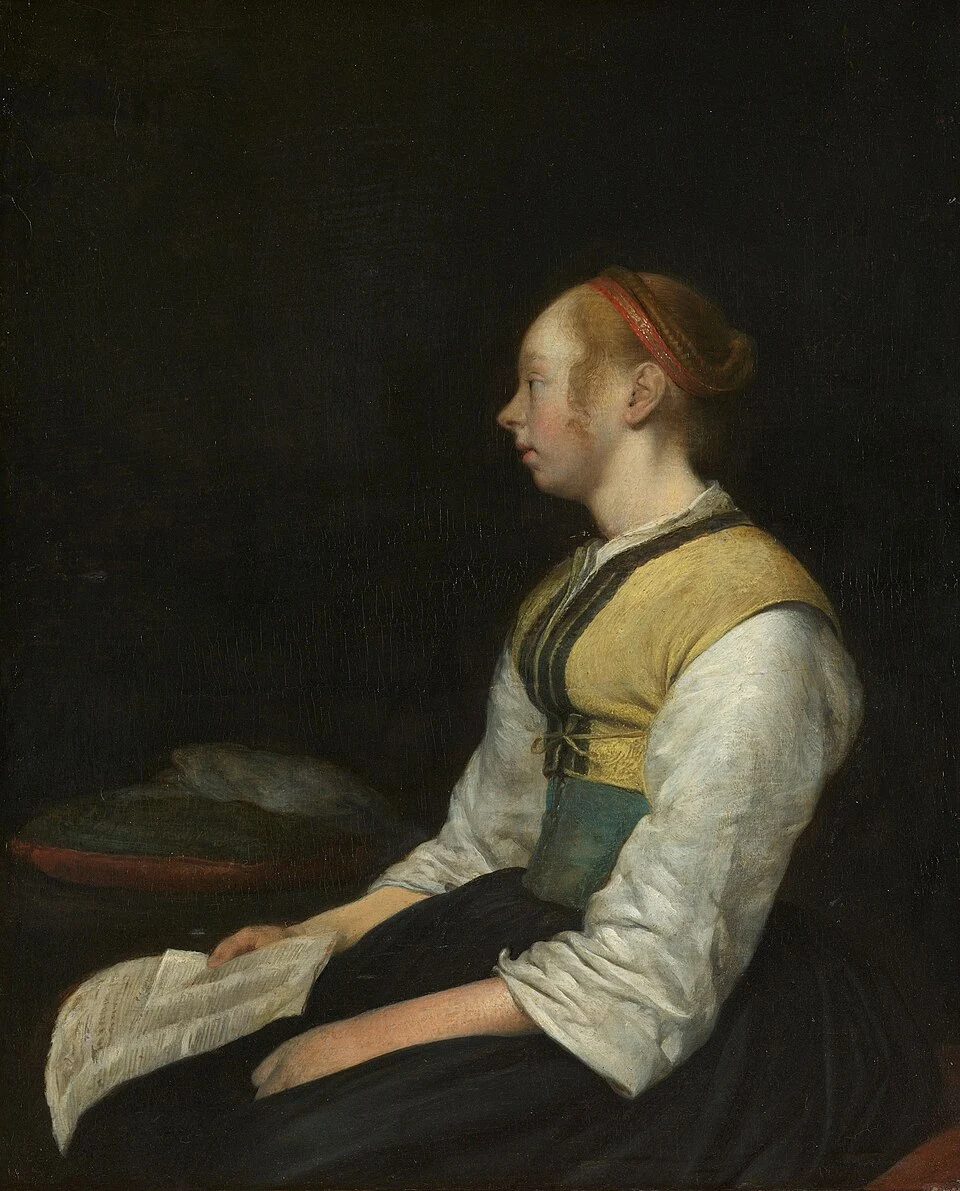
Every detail in "The Flea-Catcher" tells a story, from the subject’s absorbed expression to the subtle play of light. As a prime example of a fine art painting for sale, this Baroque masterpiece invites viewers to decode its symbolic layers, much like Terborch’s "Girl in Peasant Costume Probably Gesina the Painter's Half Sister" and "Helena van der Schalcke as a Child." Each painting weaves everyday moments into profound narratives, making them cherished additions to any collection.
Owning "The Flea-Catcher" by Gerard Terborch means possessing a hand-painted oil painting that captures the true spirit of the Baroque movement. Art enthusiasts and collectors alike value such works for their historical and artistic significance. Complement your collection with related masterpieces like "Curiosity" or "Woman at a Mirror," and experience the timeless allure of Terborch’s fine art, celebrated for its beauty, craftsmanship, and enduring appeal in the world of classic oil paintings.
When Art Meets History
Gerard Terborch’s "The Flea-Catcher" stands as a testament to the Baroque movement’s fascination with daily life and subtle storytelling. This hand-painted oil painting, created in the 17th century, captures a quiet domestic scene that speaks volumes about the era’s social fabric. Like his contemporaries who painted "Saint Margaret, dressed as a shepherdess" and "Judith Beheading Holofernes", Terborch blends narrative with realism, making his work a significant marker in the evolution of European art.
Techniques That Speak
The masterful use of oil on canvas in "The Flea-Catcher" demonstrates Terborch’s meticulous technique and attention to detail, hallmarks of Baroque artistry. His delicate brushwork and nuanced handling of light bring the subject to life, reminiscent of the techniques found in "Amor Vincit Omnia" and "Young Sick Bacchus". Each stroke in this painting reveals the artist’s dedication to portraying texture and atmosphere, elevating the piece to a remarkable example of the period’s technical achievements.
Emotions on Display
In "The Flea-Catcher", Gerard Terborch captures a moment of quiet introspection, using subtle gestures and expressions to convey emotion. This fine art painting for sale offers viewers a glimpse into the private world of its subject, much like "Basket of Fruit" evokes sensory responses through still life. The painting’s subdued palette and gentle light invite contemplation, reflecting the Baroque movement’s emphasis on drama and intimate human experience without overt theatricality.
Coveted by Collectors
Collectors and art lovers alike seek out "The Flea-Catcher" for its historical significance and artistic mastery. As a hand-painted oil painting by Gerard Terborch, it embodies the sophistication and depth characteristic of the Baroque era. Alongside related works such as "Saint Margaret, dressed as a shepherdess" and "Judith Beheading Holofernes", this piece remains a prized acquisition, underscoring its enduring appeal in the world of fine art painting for sale and museum collections.
Related Baroque Hand-Painted Oil Paintings by Other Artists
Other Famous Baroque Artists:
Frequently Asked Questions About The Flea-Catcher
What is the historical context of "The Flea-Catcher"?
"The Flea-Catcher" was painted by Gerard Terborch in the mid-17th century, a period marked by the Dutch Golden Age, characterized by flourishing arts and commerce in the Netherlands.
What themes are explored in "The Flea-Catcher"?
The painting explores themes of domesticity, intimacy, and the human condition, reflecting the everyday life of the 17th-century Dutch bourgeoisie.
What artistic techniques did Terborch employ in this painting?
Terborch utilized meticulous brushwork and a refined color palette to create a sense of realism and depth, highlighting the textures of fabrics and the play of light.
What is the significance of the subject matter in "The Flea-Catcher"?
The subject matter, depicting a woman engaged in the act of catching fleas, serves as a commentary on the mundane aspects of life and the social dynamics within domestic spaces.
How does "The Flea-Catcher" reflect the values of Dutch society during Terborch's time?
The painting reflects the values of cleanliness, order, and the importance of domestic life, which were highly regarded in Dutch society during the 17th century.
What role does light play in "The Flea-Catcher"?
Light in "The Flea-Catcher" is used to enhance the three-dimensionality of the figures and to draw attention to the intricate details of the subjects' clothing and expressions.
In what ways does Terborch's style differ from other artists of his time?
Terborch's style is characterized by a focus on intimate, domestic scenes and a unique ability to capture the subtleties of human emotion, setting him apart from contemporaries who often favored grand historical or mythological themes.
What symbolism can be found in "The Flea-Catcher"?
The act of flea-catching can symbolize the pursuit of cleanliness and order, as well as the often-overlooked labor involved in maintaining domestic life.
How has "The Flea-Catcher" influenced modern interpretations of art?
The painting has influenced modern interpretations by encouraging a focus on everyday life and the exploration of domestic themes, paving the way for later movements that celebrate the ordinary.
What is the significance of the figures' expressions in "The Flea-Catcher"?
The expressions of the figures convey a sense of concentration and intimacy, inviting viewers to reflect on the personal and often private moments that define human relationships.






















_GFM_Painting_(1).webp)


 100% Hand-Painted: Finished in 3-6 Weeks

.png)
















_(1).webp)