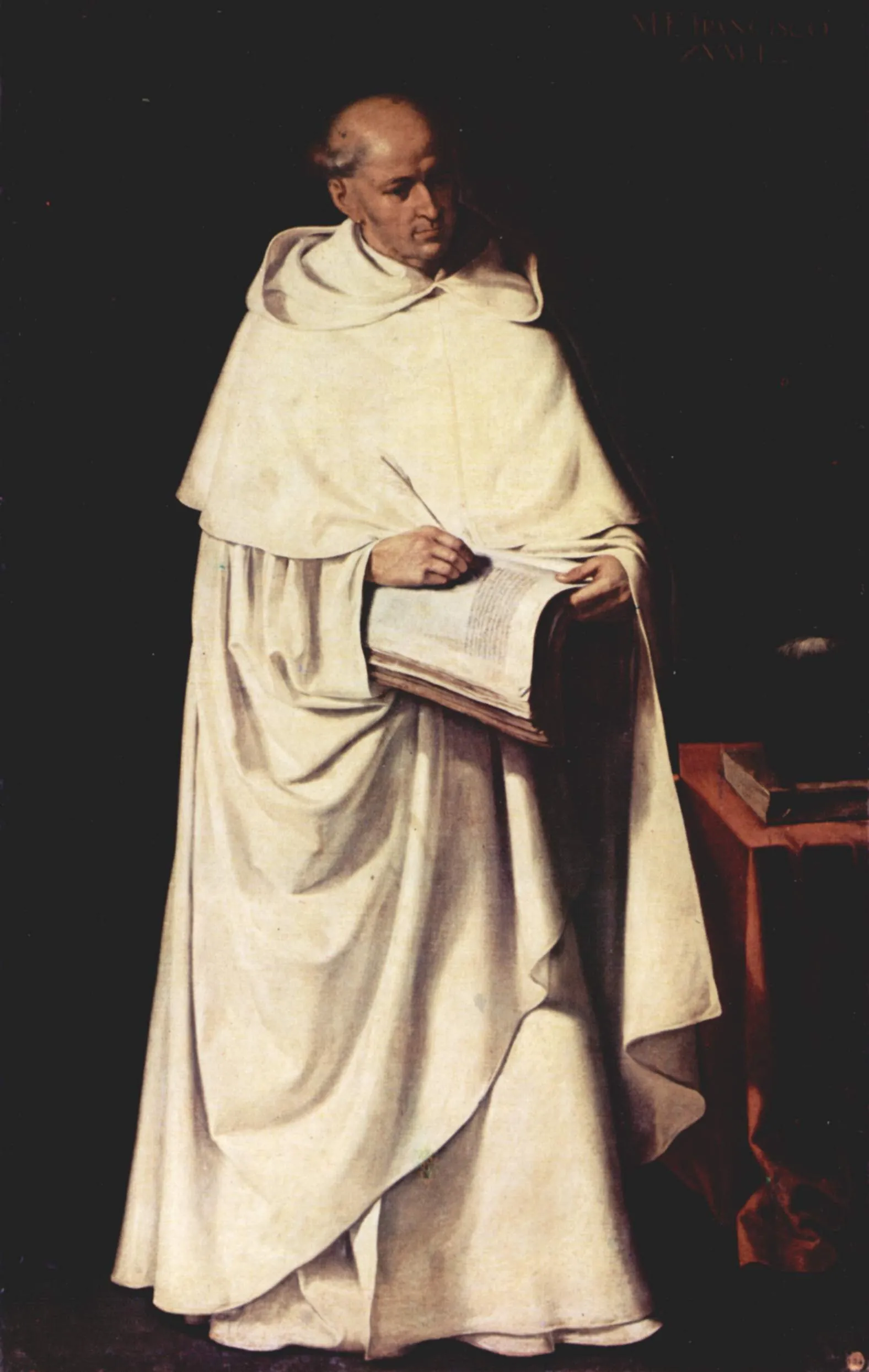
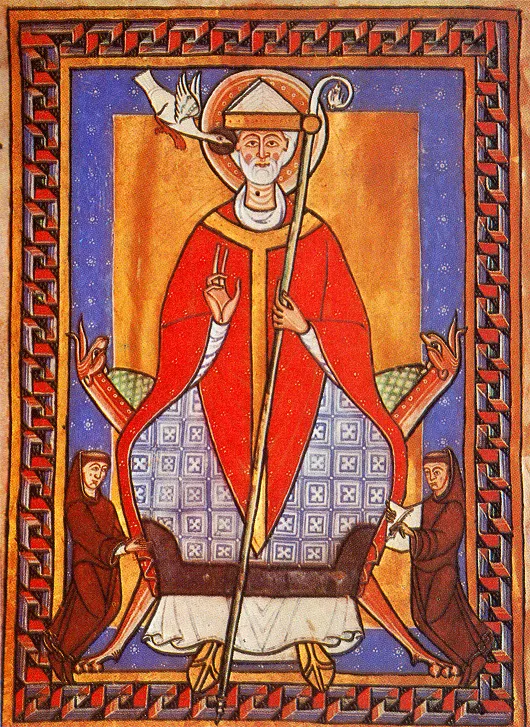
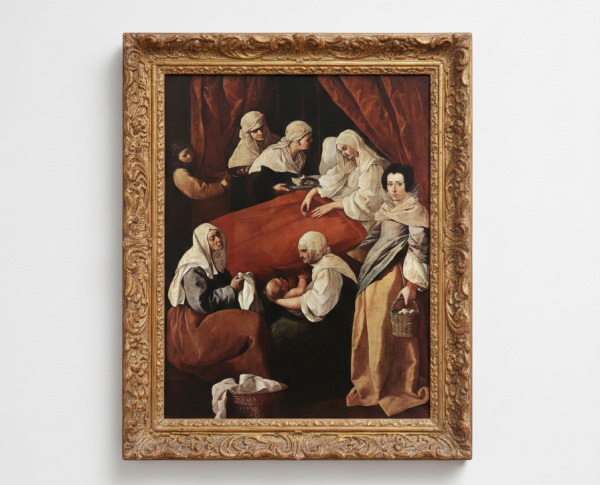
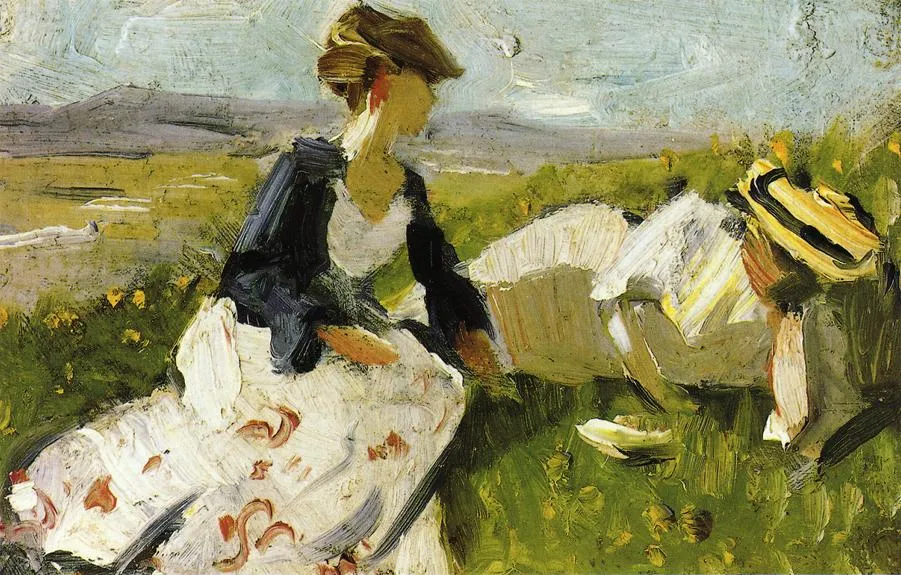
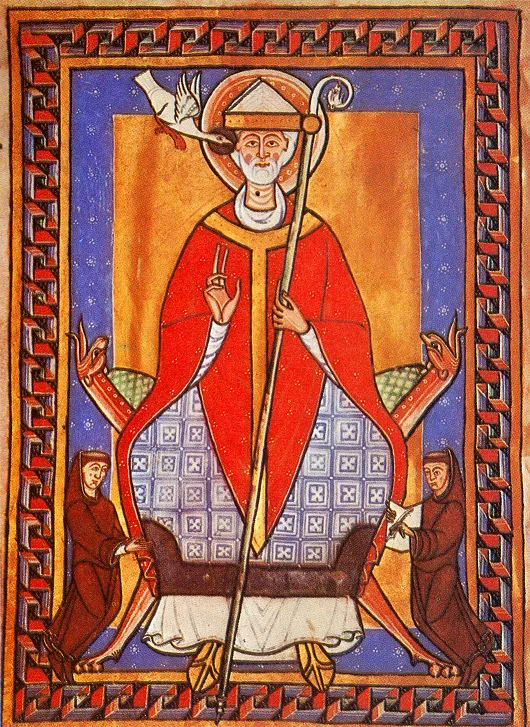
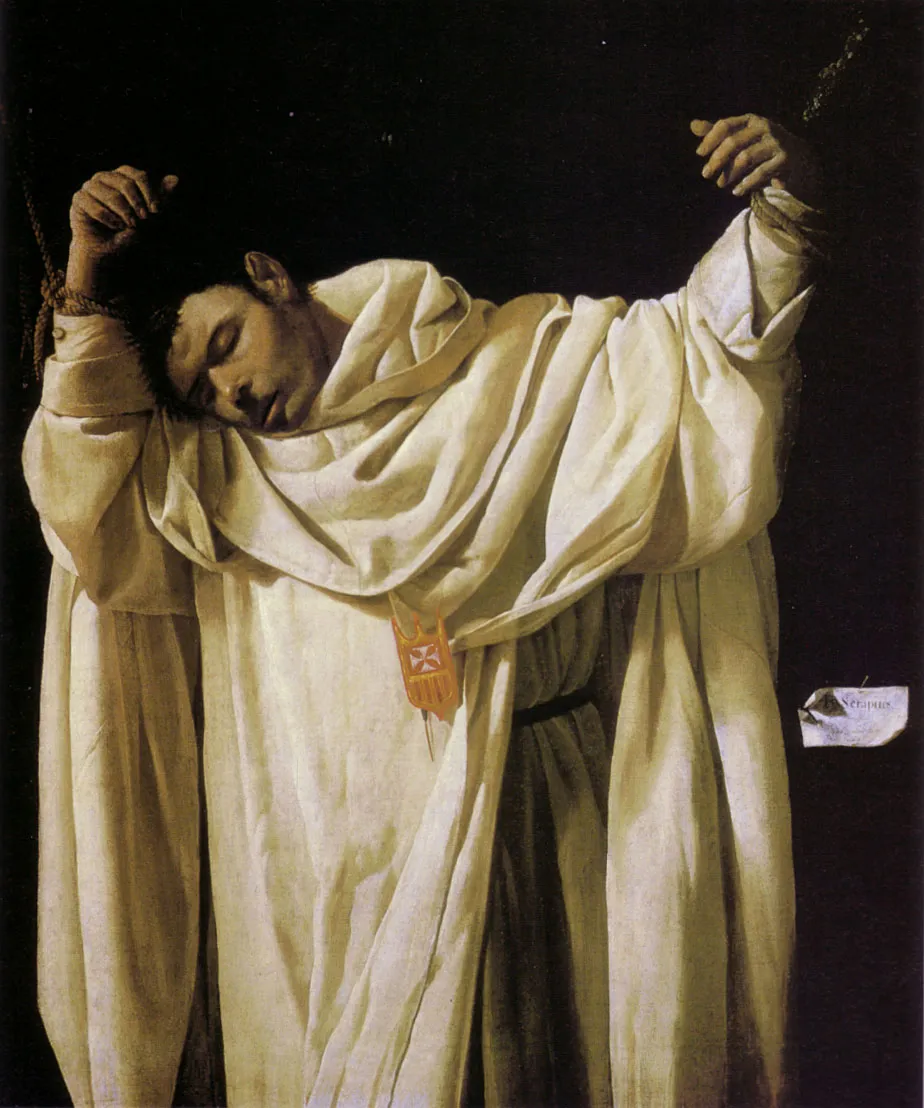
Francisco de Zurbarán’s "Apotheosis of St Thomas Aquinas" stands as a testament to the Baroque movement’s spiritual intensity. This hand-painted oil painting captures the veneration of St Thomas Aquinas, immortalizing his theological contributions. Zurbarán’s mastery aligns him with other Baroque masterpieces like "Beato Serapio" and "St Gregory." Collectors and admirers of religious art will find this work essential, especially when seeking fine art painting for sale that embodies both history and devotion.
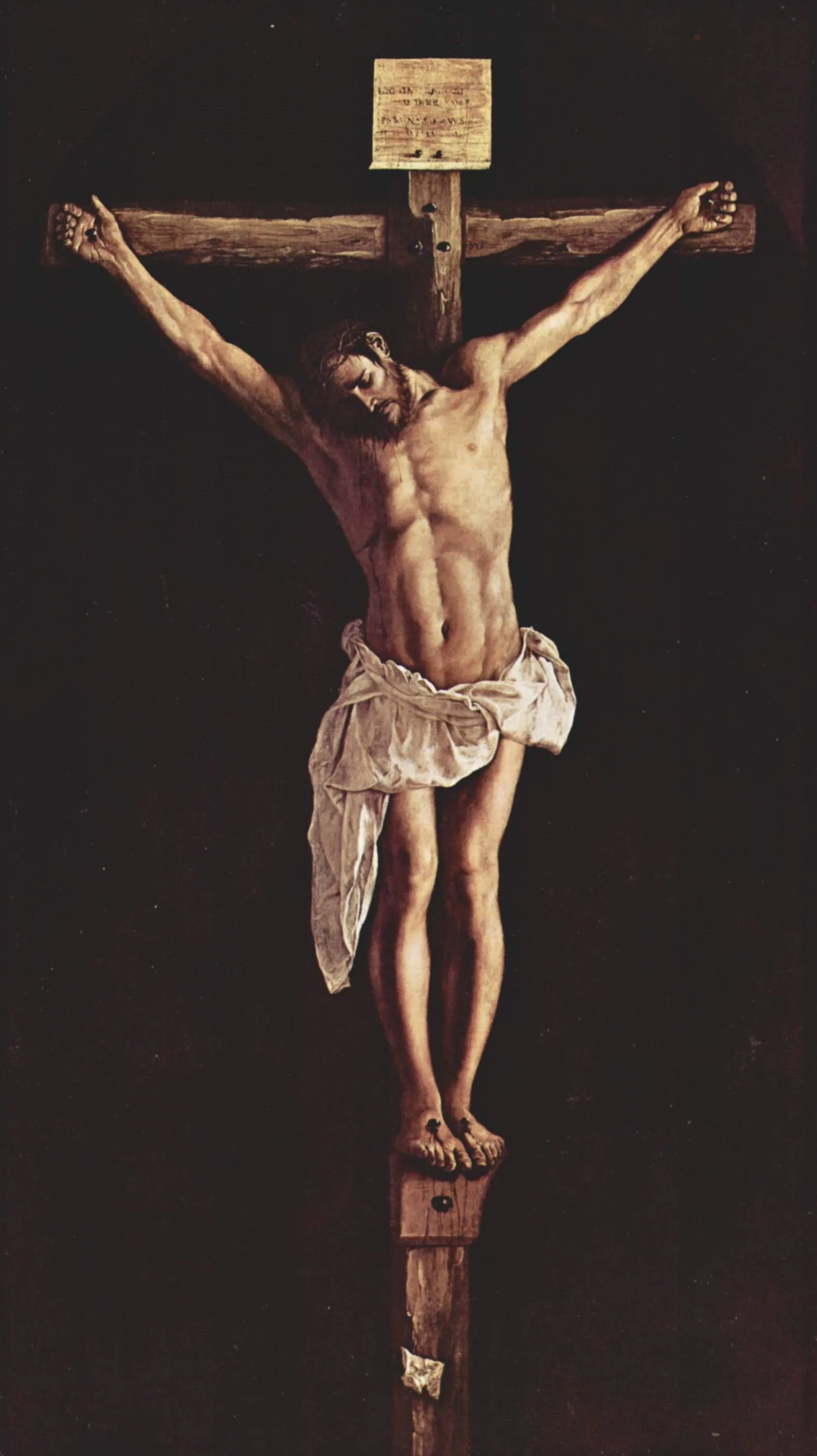
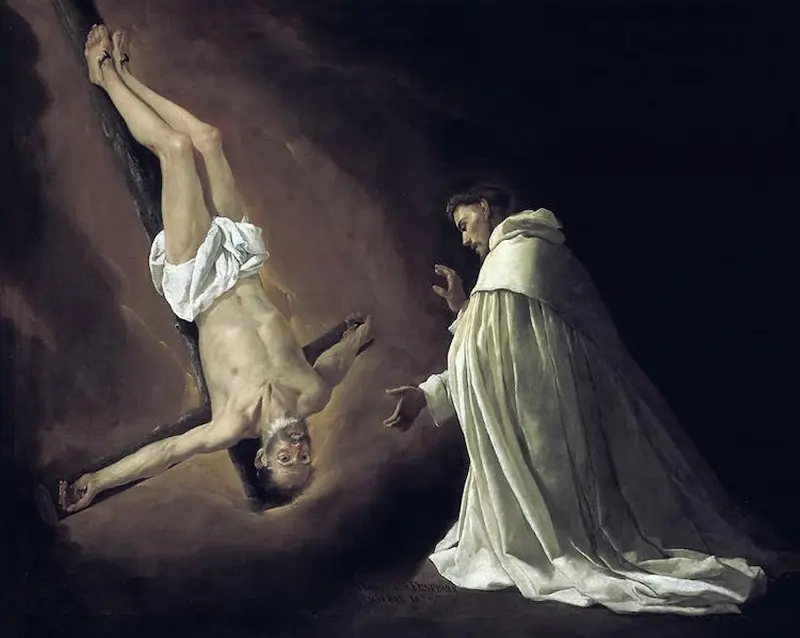
In "Apotheosis of St Thomas Aquinas," Francisco de Zurbarán’s exceptional technique is evident through his meticulous brushwork and dramatic use of light. The oil on canvas medium allows for rich textures and deep contrasts, hallmarks of Baroque artistry. This painting, like Zurbarán’s "Christ on the Cross" and "Apostle St Andrew," demonstrates his ability to evoke emotion and reverence, making it a sought-after piece for anyone interested in masterfully rendered oil on canvas works.
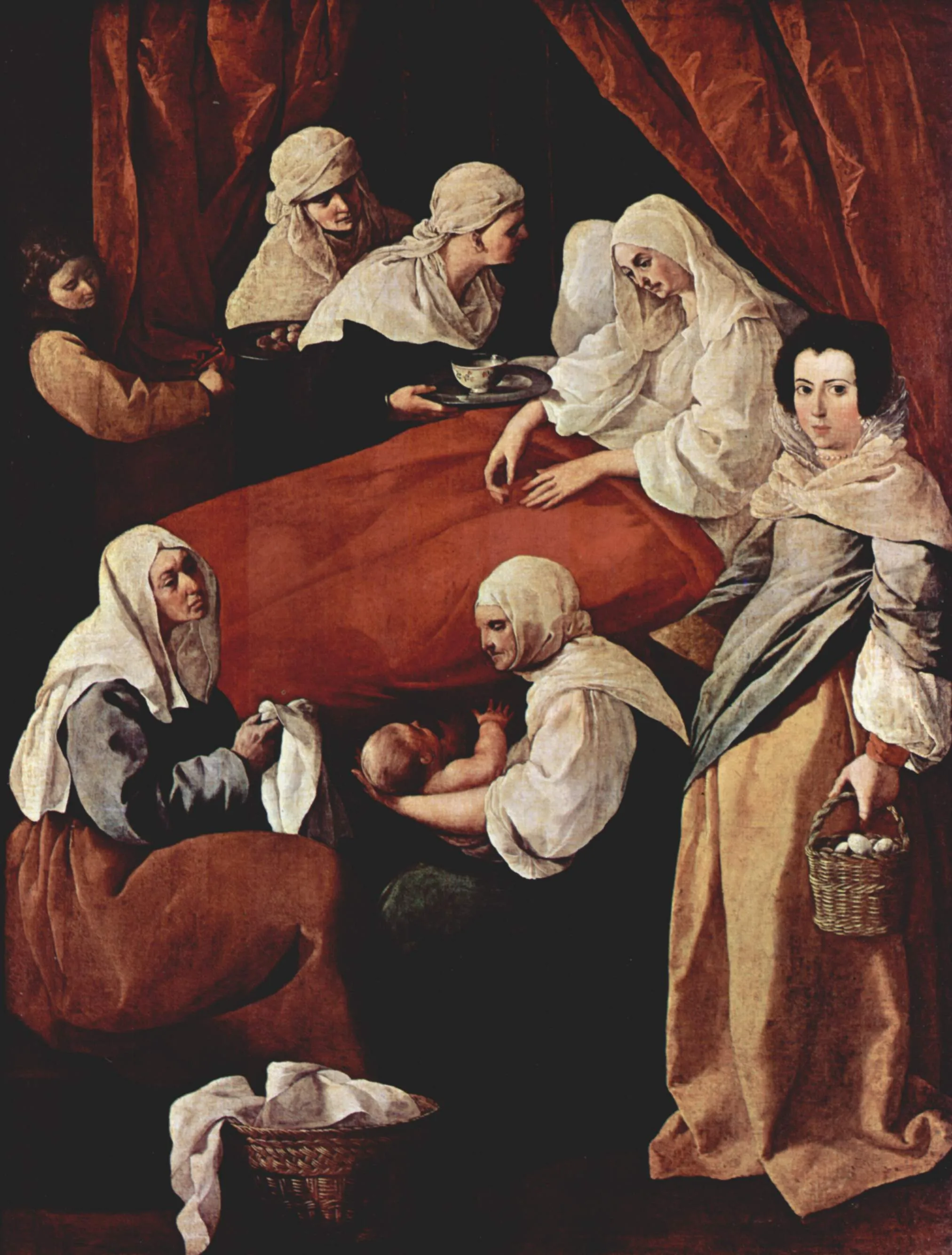
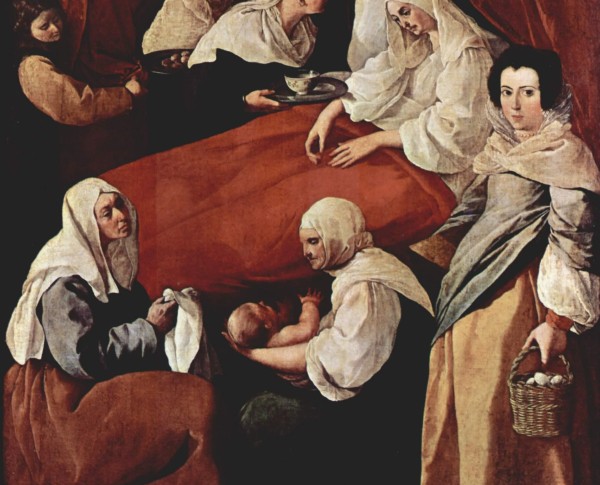
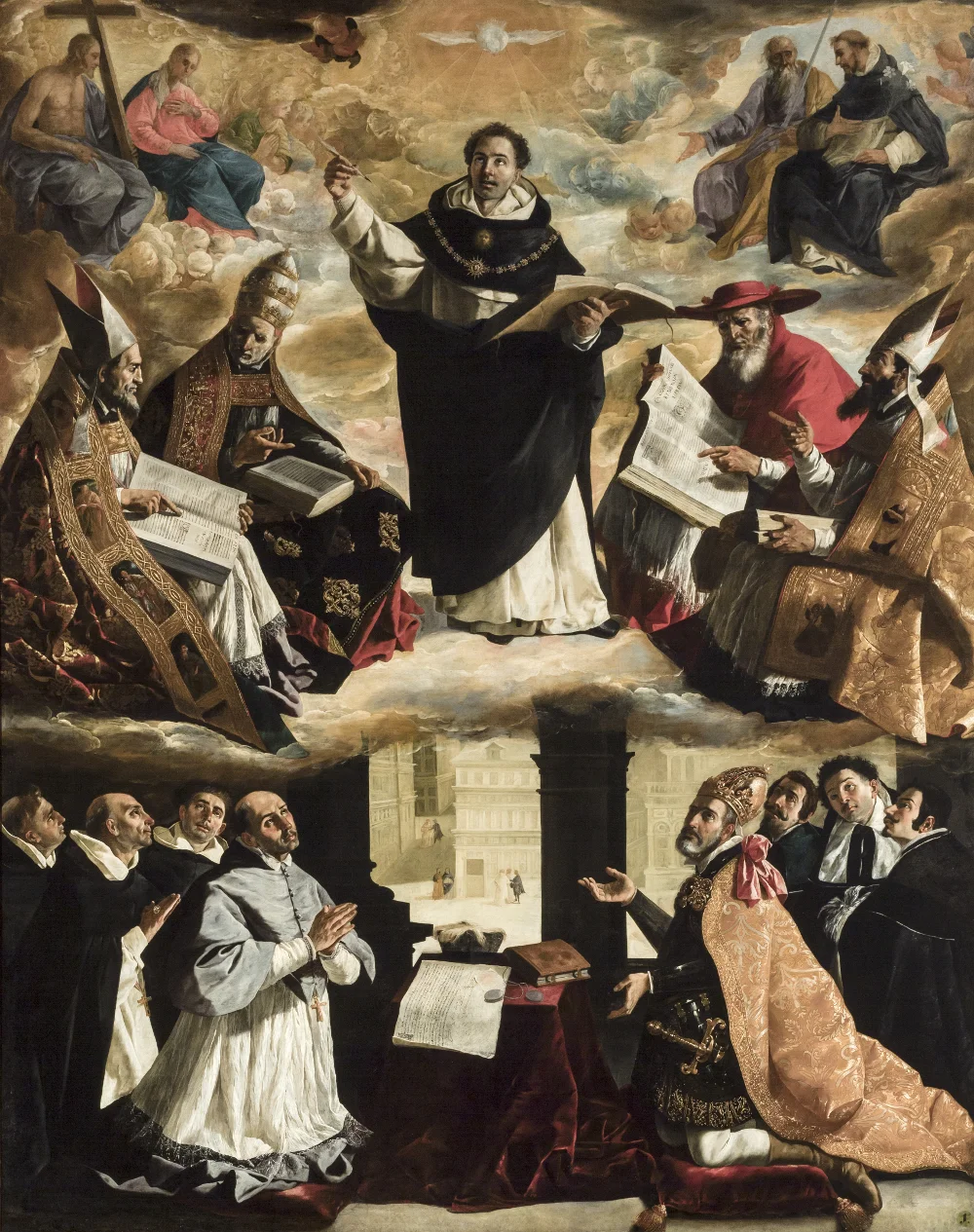
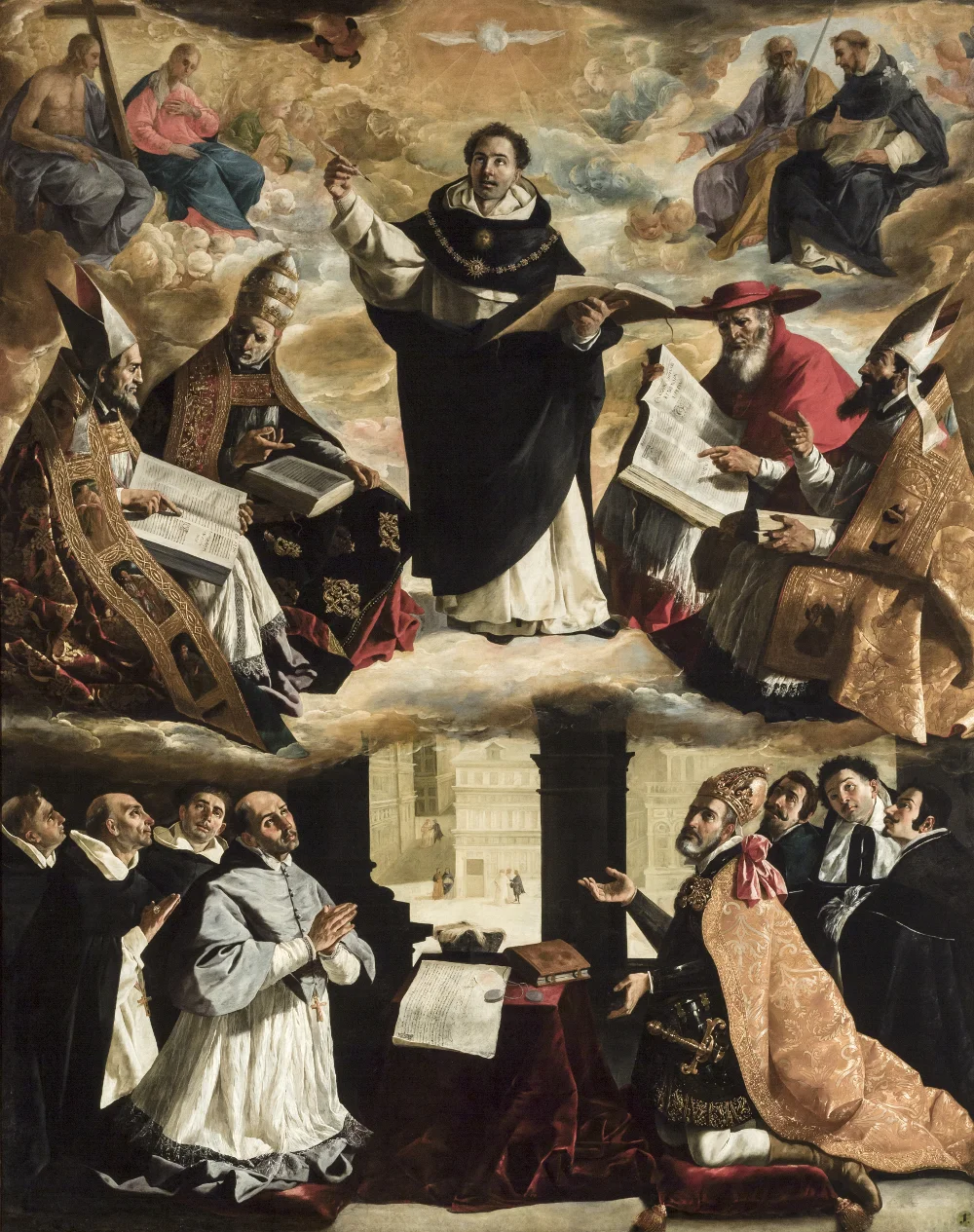
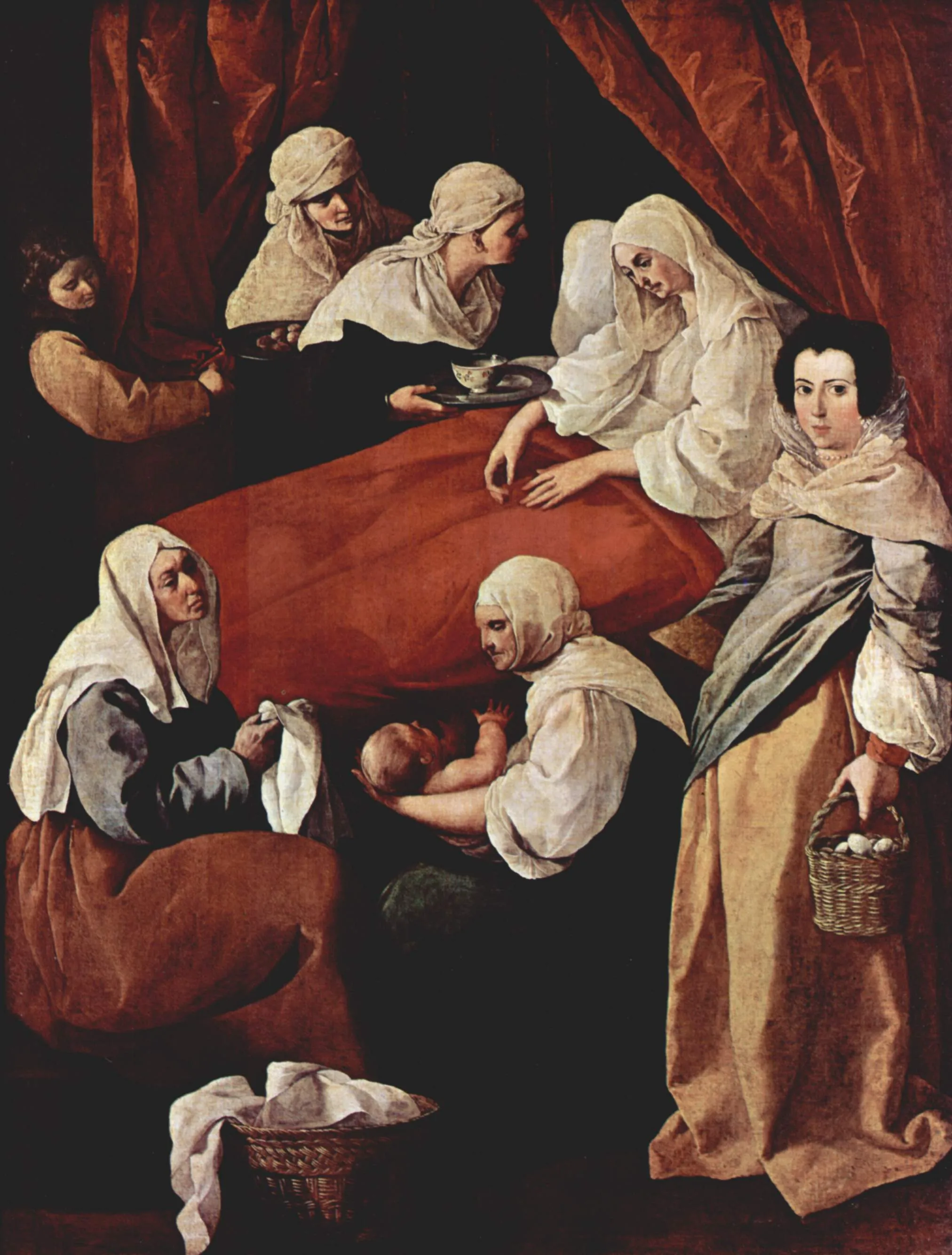
Zurbarán’s "Apotheosis of St Thomas Aquinas" is layered with symbolism, from the portrayal of angels to the depiction of divine wisdom. This hand-painted oil painting invites viewers to explore the saint’s journey to enlightenment, much like the narratives found in "The Young Virgin" and "Apparition of Jesus Child to St Anthony of Padua." Each element serves as a visual sermon, making this fine art painting for sale a profound addition to any collection focused on spiritual storytelling.
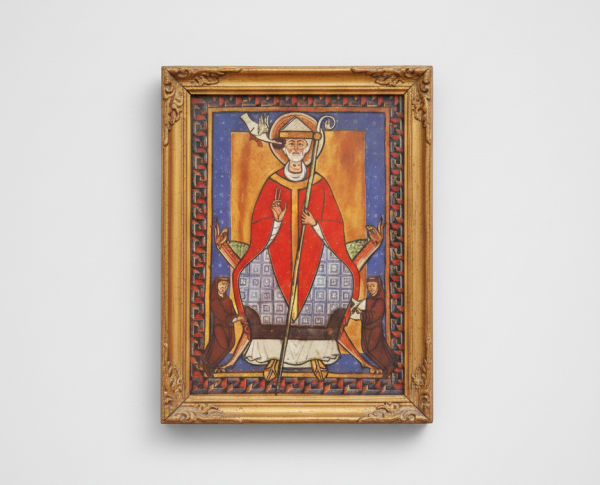
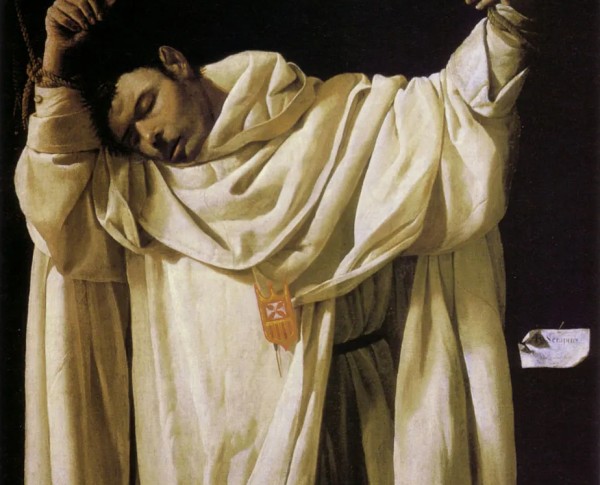
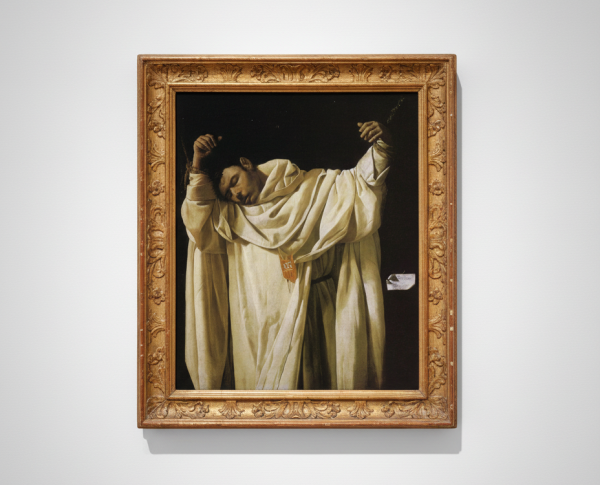
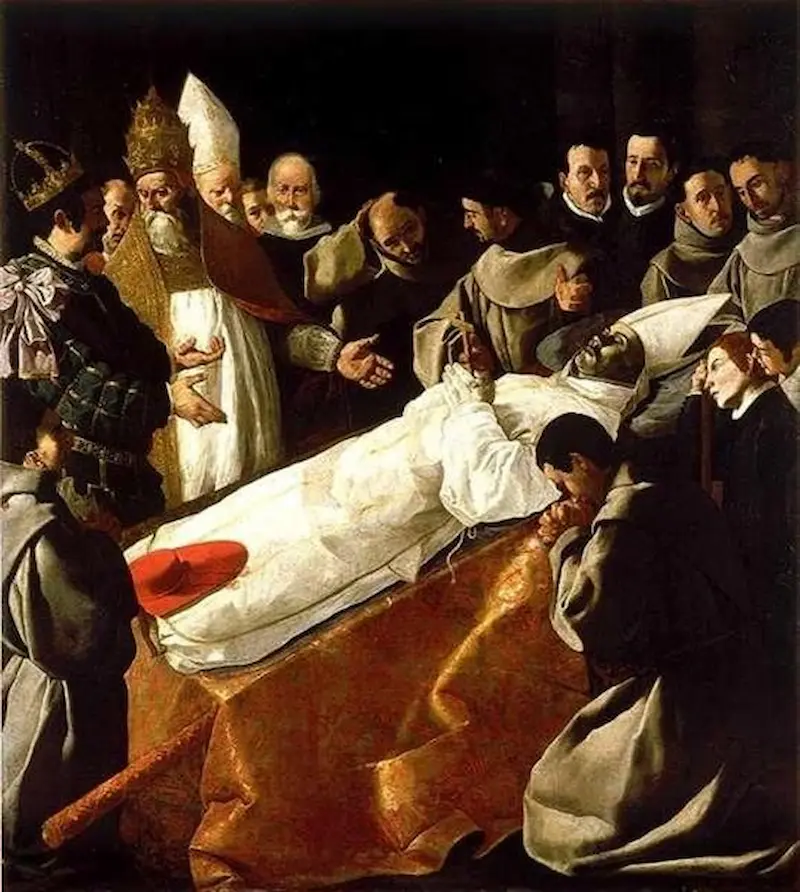
Owning Francisco de Zurbarán’s "Apotheosis of St Thomas Aquinas" means possessing a true Baroque masterpiece. This oil on canvas artwork not only showcases the artist’s technical prowess but also connects collectors with a legacy of faith and artistry. Those who appreciate related works, such as "Beato Serapio" or "St Gregory," will find this fine art painting for sale an invaluable acquisition, enriching any gallery or private collection with its historical and spiritual significance.
When Art Meets History
"Apotheosis of St Thomas Aquinas" by Francisco de Zurbaran stands as a remarkable example of the Baroque movement, reflecting the era’s deep spiritual and intellectual currents. This hand-painted oil painting immortalizes St Thomas Aquinas’s ascent to divine wisdom, capturing a pivotal moment in religious history. Zurbaran’s mastery in works like "A lute player" and "Holy Family" further cements his place among Baroque artists, and this piece continues to inspire those who appreciate art’s historical significance.
Techniques That Speak
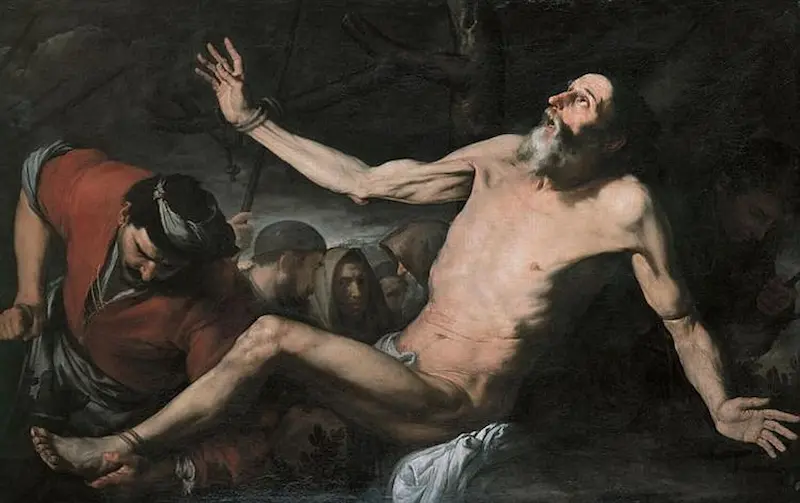
Francisco de Zurbaran’s "Apotheosis of St Thomas Aquinas" showcases his expert use of oil on canvas, a favored medium during the Baroque era. The artist’s dramatic contrasts of light and shadow bring the saint’s transcendence to life, echoing techniques seen in "Portrait of Maffeo Barberini" and "Judith Beheading Holofernes." The careful layering and luminous colors in this painting highlight Zurbaran’s technical prowess and his ability to evoke spiritual intensity through his brushwork.
Emotions on Display
The emotional depth in "Apotheosis of St Thomas Aquinas" is palpable, with Zurbaran’s brush capturing both reverence and ecstasy typical of Baroque fine art painting for sale. The figures’ expressive faces and dynamic poses draw viewers into the saint’s heavenly ascent, much like the stirring scenes in "Martha and Mary Magdalene." Through his emotive style, Zurbaran ensures that the viewer feels the spiritual triumph and profound devotion embodied in this masterpiece.
Coveted by Collectors
Collectors highly prize "Apotheosis of St Thomas Aquinas" for its historical significance and artistic mastery, making it a standout hand-painted oil painting from the Baroque period. Francisco de Zurbaran’s works, including related paintings like "A lute player" and "Holy Family," are sought after for their evocative storytelling and technical brilliance. This painting remains a fine art treasure, often featured in prominent collections and admired by enthusiasts of Baroque oil on canvas masterpieces.
Related Baroque Hand-Painted Oil Paintings by Other Artists
Other Famous Baroque Artists:
Frequently Asked Questions About Apotheosis of St Thomas Aquinas
What is the historical significance of "Apotheosis of St Thomas Aquinas"?
This painting, created by Francisco de Zurbarán in the 17th century, reflects the Counter-Reformation's emphasis on the Catholic Church's teachings and the veneration of saints, particularly St. Thomas Aquinas, who is a pivotal figure in Catholic philosophy and theology.
Who was Francisco de Zurbarán and what was his artistic style?
Francisco de Zurbarán was a Spanish Baroque painter known for his religious works characterized by dramatic lighting, rich textures, and a deep sense of spirituality. His style often emphasized the emotional and contemplative aspects of his subjects.
What are the key symbols present in "Apotheosis of St Thomas Aquinas"?
The painting features several symbols, including the book representing Aquinas's theological writings, the angels who signify divine approval, and the light emanating from above, symbolizing divine enlightenment and truth.
How does "Apotheosis of St Thomas Aquinas" reflect the themes of the Counter-Reformation?
The painting embodies the Counter-Reformation's focus on reaffirming Catholic doctrine through the glorification of saints and the promotion of their teachings, showcasing Aquinas as a model of faith and reason in the Catholic tradition.
What techniques did Zurbarán use to create a sense of depth and realism in the painting?
Zurbarán employed chiaroscuro, a technique that contrasts light and shadow, to create depth and volume. His meticulous attention to detail and use of rich colors also contribute to the painting's realism and emotional impact.
In what context was "Apotheosis of St Thomas Aquinas" created?
The painting was created during a time of religious turmoil in Spain, where the Catholic Church sought to reinforce its authority and counter the Protestant Reformation. It served both as a devotional piece and a visual representation of Catholic doctrine.
What is the composition of "Apotheosis of St Thomas Aquinas" and its significance?
The composition features St. Thomas Aquinas centrally positioned, surrounded by angels and illuminated by divine light. This arrangement emphasizes his importance and the heavenly endorsement of his teachings, reinforcing his role as a spiritual guide.
How does the portrayal of St Thomas Aquinas in this painting compare to other depictions of saints in Baroque art?
Unlike many Baroque depictions that emphasize dramatic action, Zurbarán's portrayal of Aquinas is serene and contemplative, focusing on inner spirituality and intellectual depth, which aligns with Aquinas's role as a philosopher and theologian.
What influence did "Apotheosis of St Thomas Aquinas" have on later artists?
The painting influenced subsequent artists by demonstrating how religious themes could be expressed through emotional depth and dramatic lighting, inspiring later Baroque and Neoclassical works that sought to convey similar spiritual narratives.
Where can "Apotheosis of St Thomas Aquinas" be viewed today?
The painting is housed in the collection of the Museo de Bellas Artes de Bilbao in Spain, where it continues to be a significant example of Baroque religious art and the legacy of Francisco de Zurbarán.























_GFM_Painting_(1).webp)


 100% Hand-Painted: Finished in 3-6 Weeks

.png)















_(1).webp)