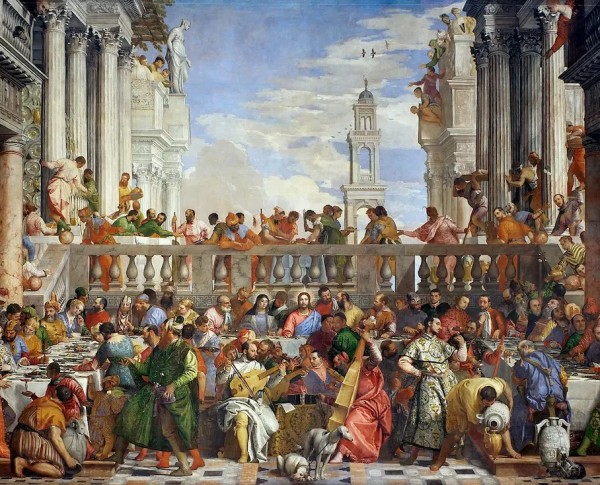
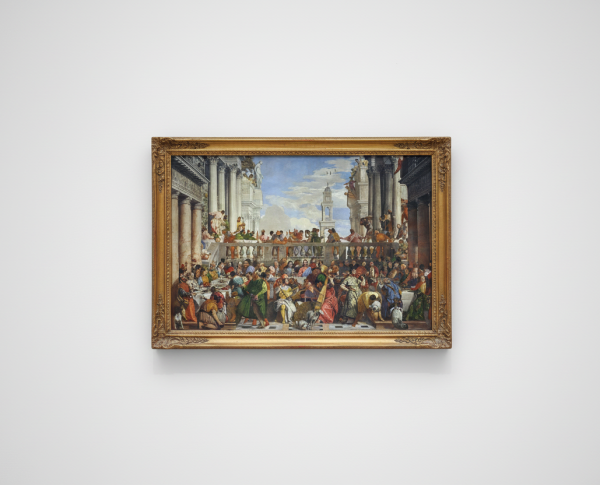
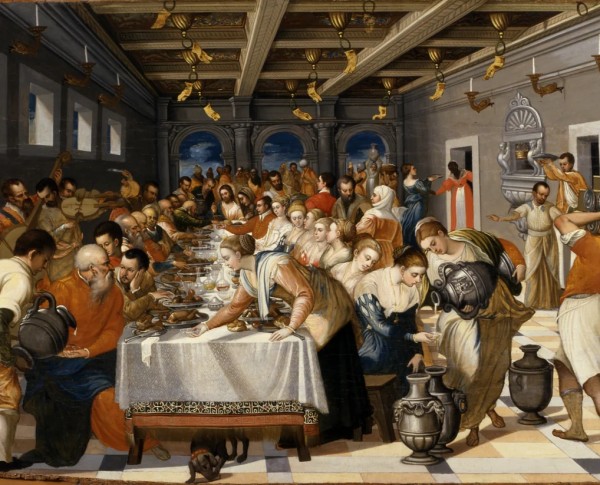
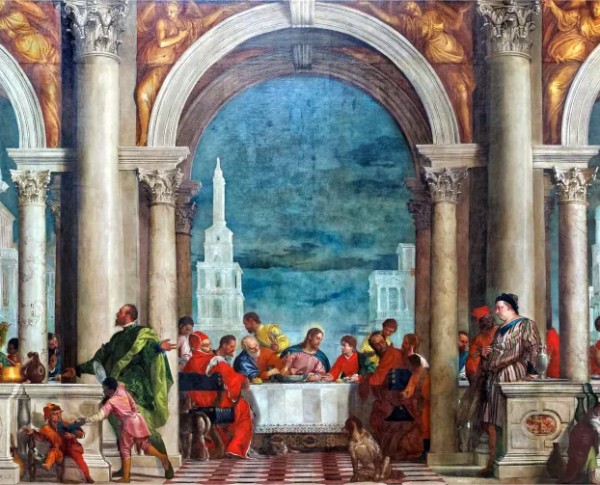
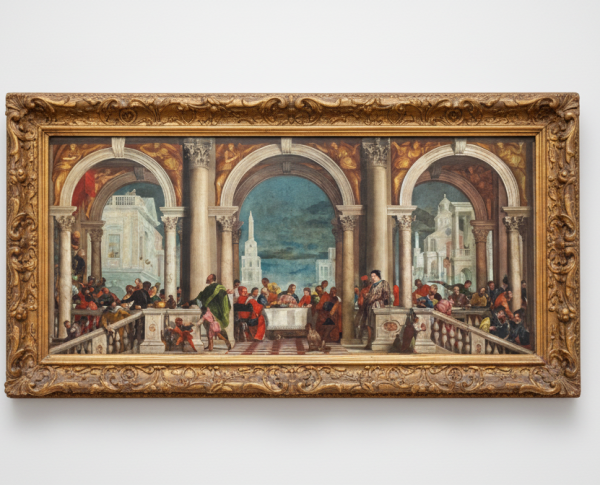
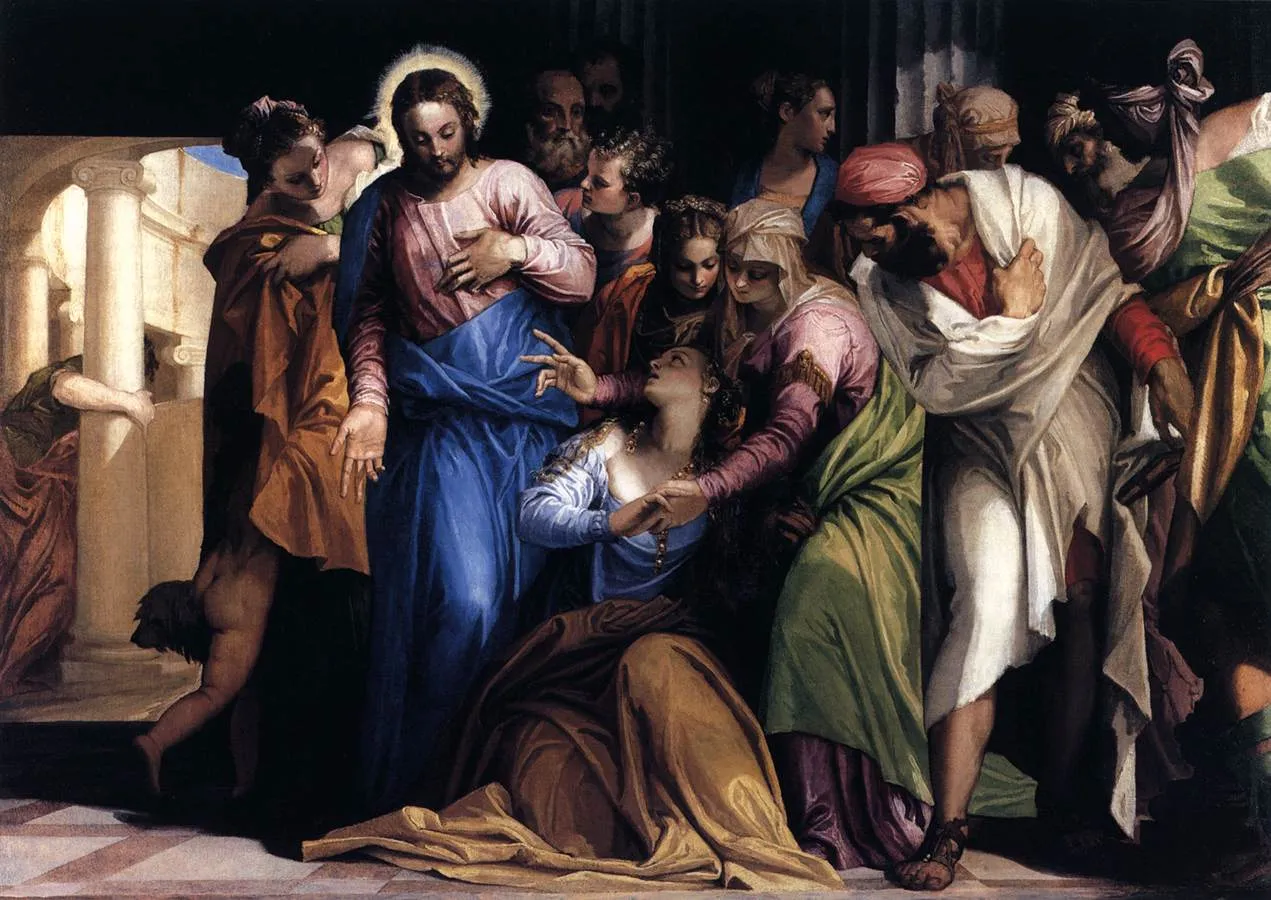
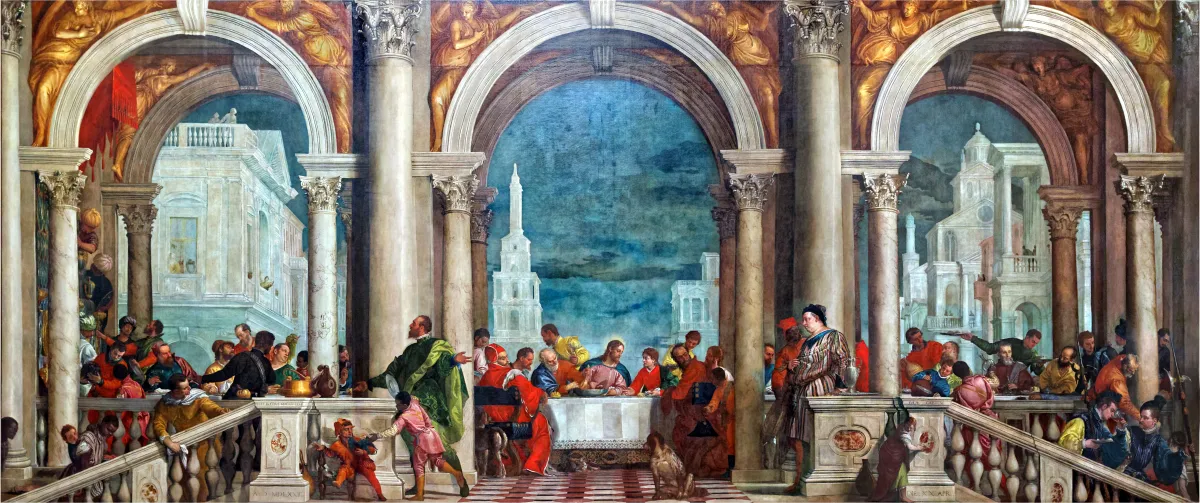
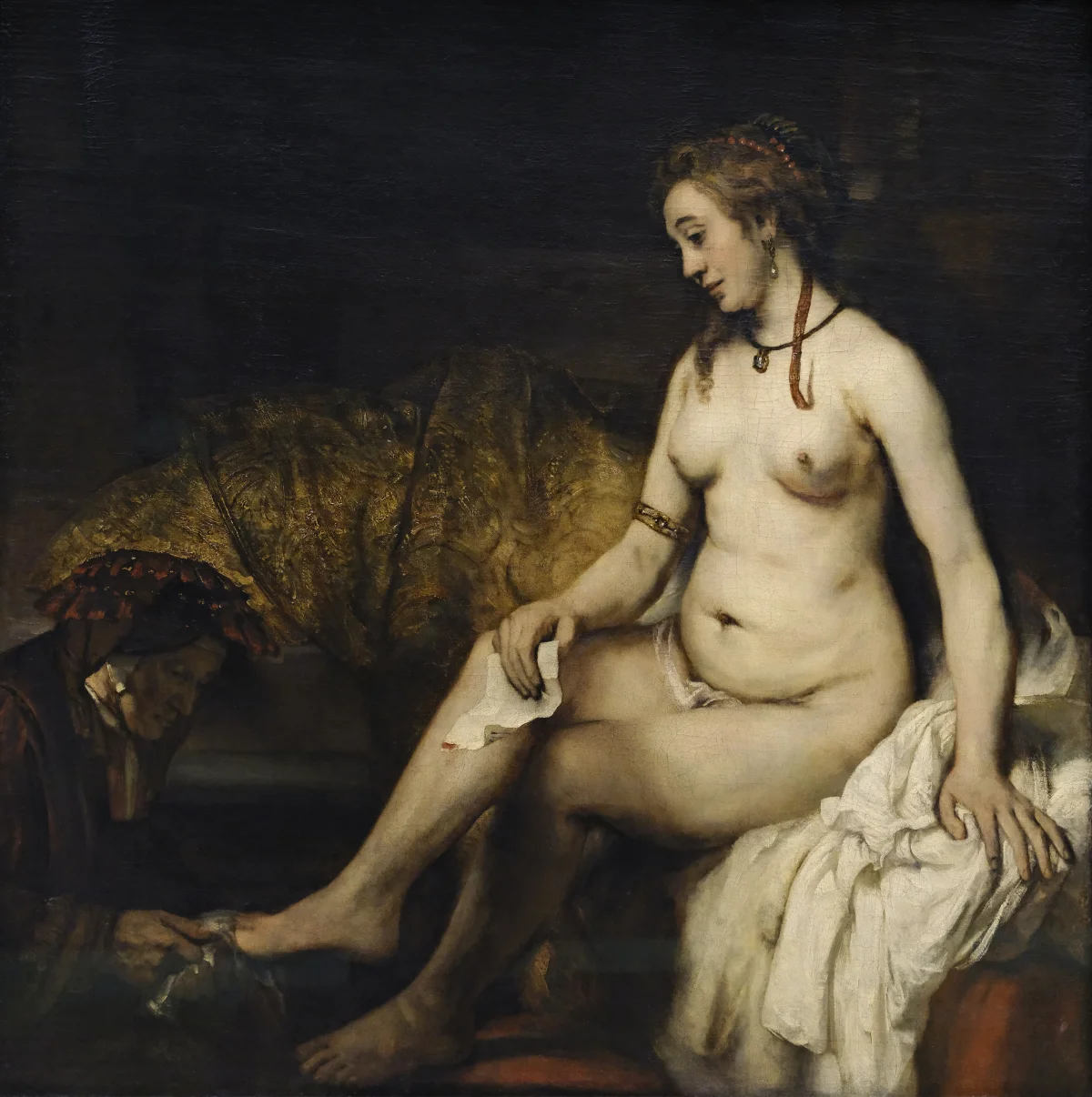
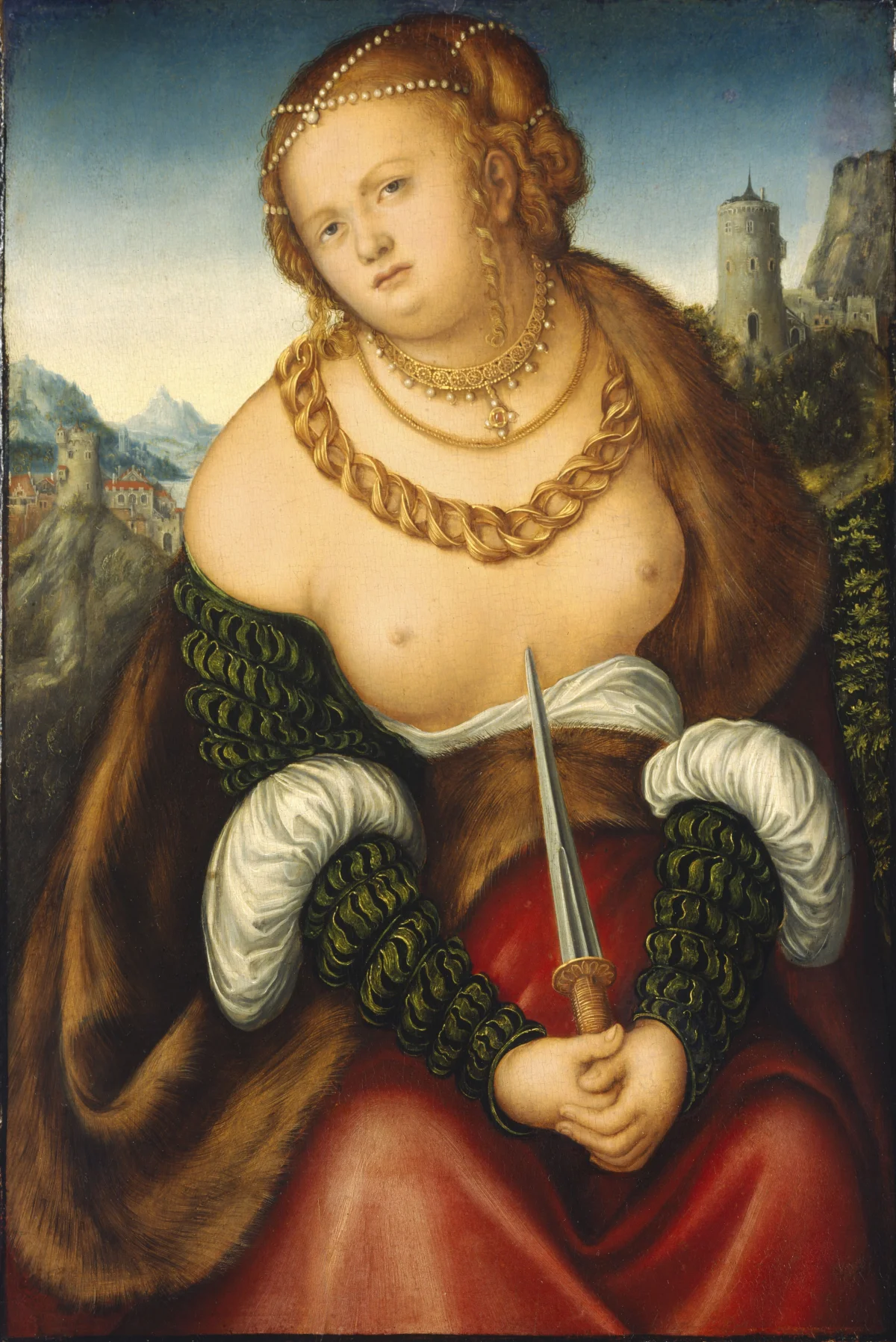
Veronese’s mastery is evident in every detail of this oil on canvas, where vibrant colors and dynamic composition bring the story of Mary Magdalene’s transformation to life. The Renaissance artist’s skilled brushwork and use of light create a sense of depth and movement, distinguishing this piece among fine art painting for sale. Collectors often seek similar works by Veronese, such as "Bathsheba at Her Bath" and "The Feast in the House of Levi," for their exceptional artistry.
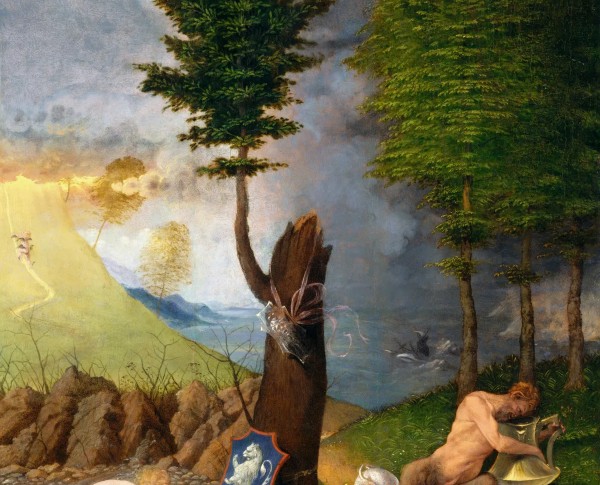
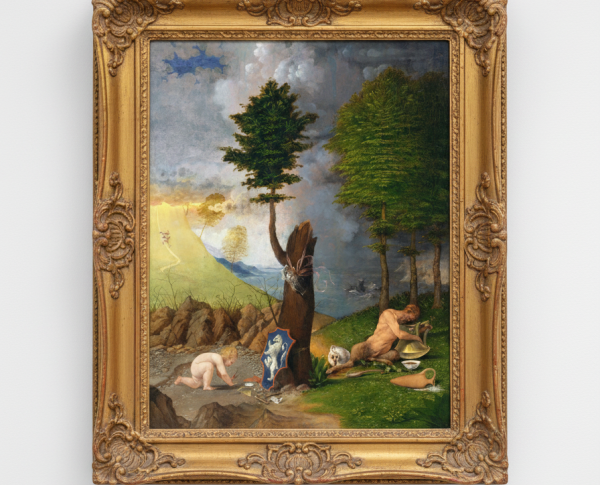
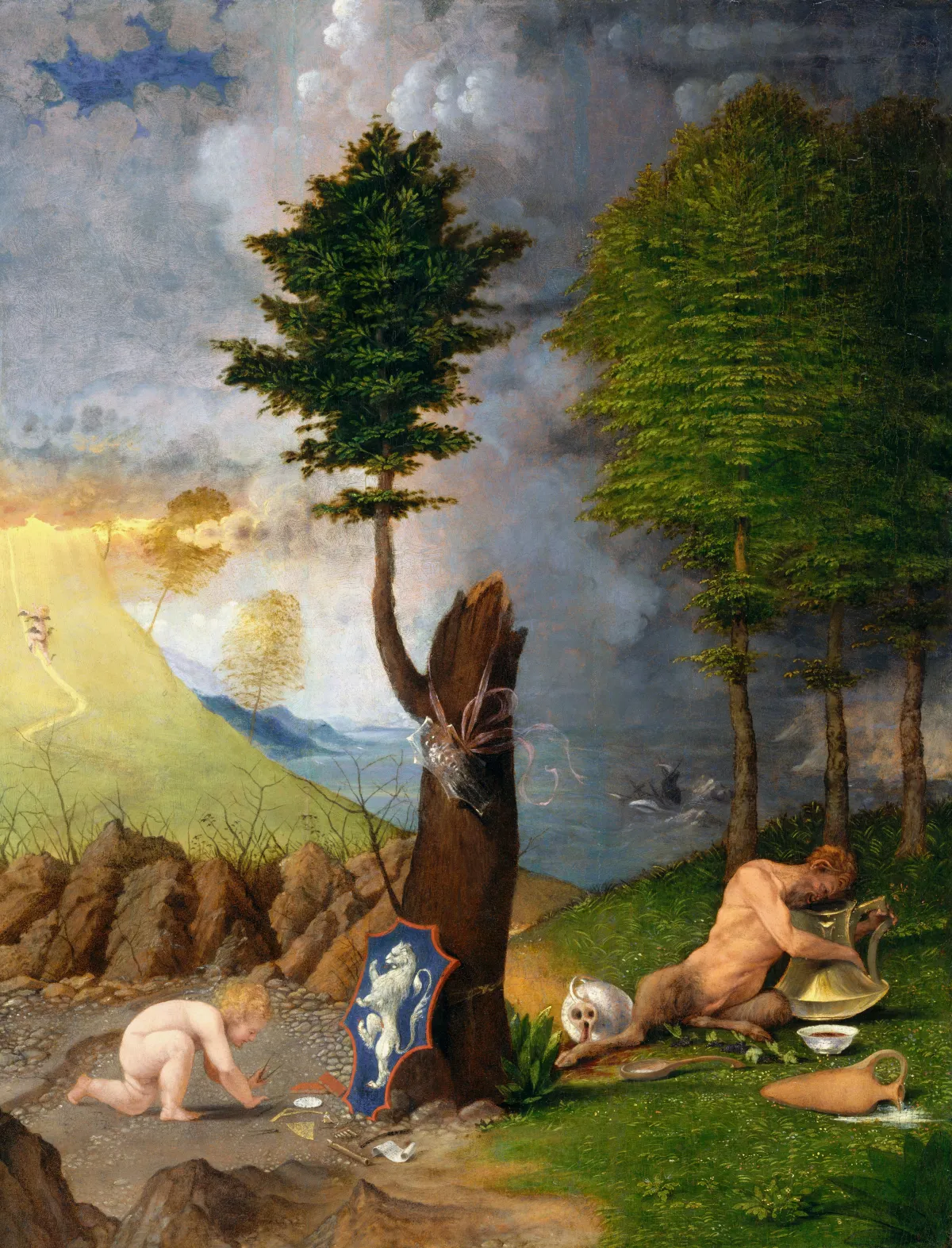
"Conversion of Mary Magdalene" is rich in symbolic meaning, characteristic of the Renaissance period. Veronese weaves intricate details into this hand-painted oil painting, illustrating themes of redemption and spiritual awakening. The artist’s narrative approach draws viewers into the emotional journey of his subject. Collectors interested in symbolic and narrative-driven works may also appreciate related paintings like "Allegory of Virtue and Vice" and "Raising of the Daughter of Jairus."
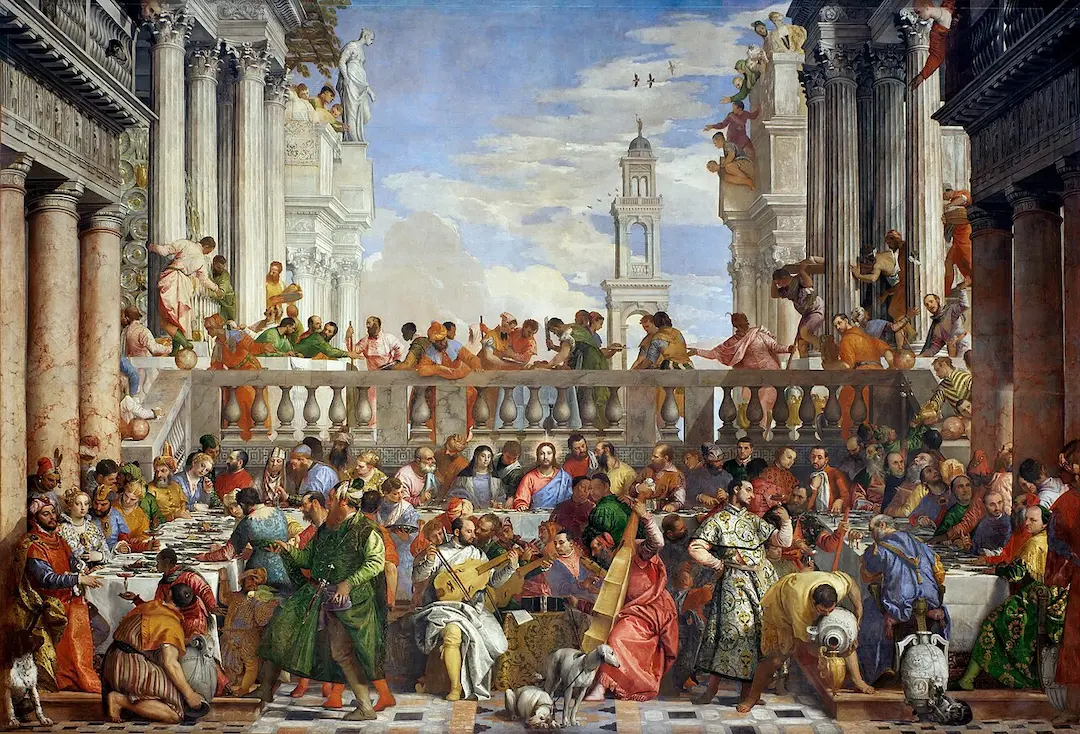
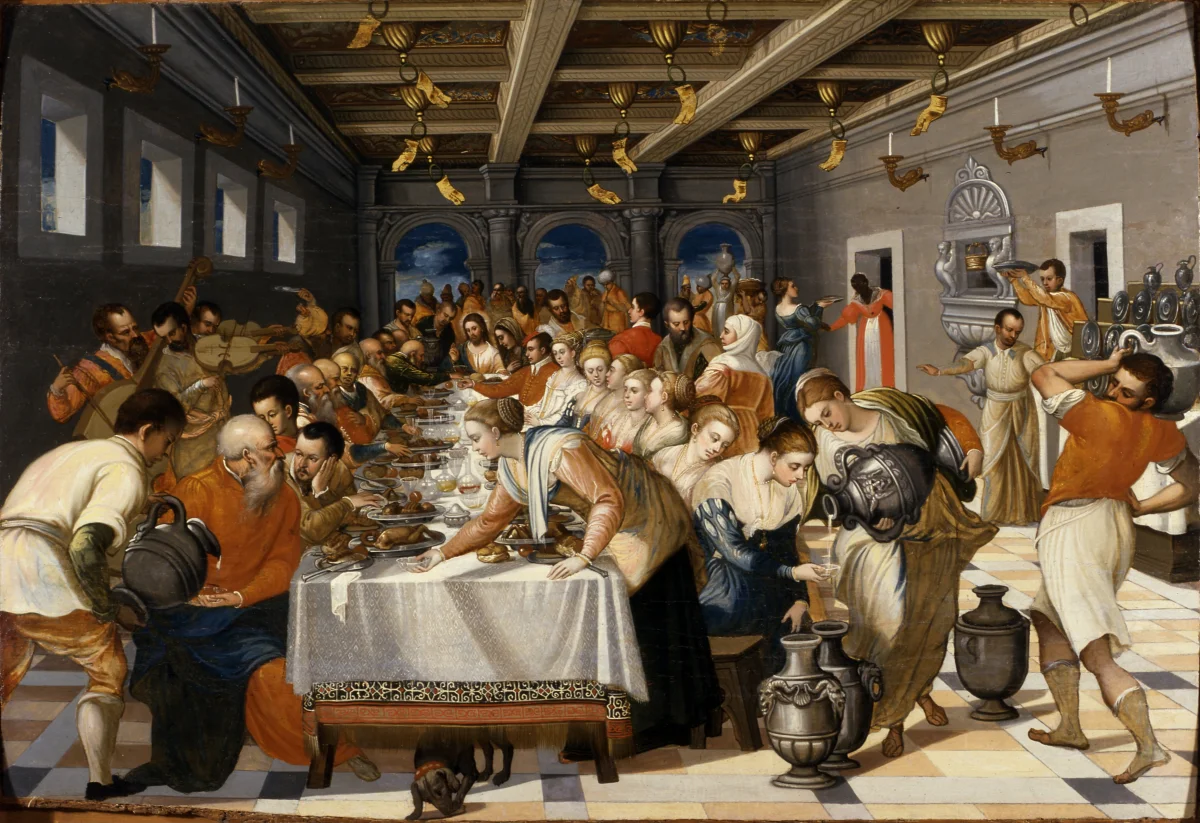
Owning a Veronese oil on canvas from the Renaissance era is a dream for many art collectors. "Conversion of Mary Magdalene" is not only a stunning example of the artist’s skill but also a fine art painting for sale that elevates any collection. Its connection to masterpieces like "The Wedding at Cana" and "The Feast in the House of Levi" makes it a coveted piece among those who value historical and artistic significance in their acquisitions.
When Art Meets History
"Conversion of Mary Magdalene" by Paolo Veronese stands as a testament to the Renaissance movement, capturing a pivotal biblical moment in Western art. This hand-painted oil painting not only highlights Veronese’s masterful storytelling but also connects to his other celebrated works such as "Christ and the Adulteress" and "Orpheus and Eurydice." The painting reflects the era’s fascination with religious transformation, making it a significant piece for those who appreciate the intertwining of art and history.
Techniques That Speak
Veronese’s "Conversion of Mary Magdalene" showcases his renowned skill in oil on canvas, a medium favored during the Renaissance. His use of vibrant colors and detailed brushwork is evident, much like in his other masterpieces including "Portrait of a Man" and "Concert Champetre." The artist’s command of light and shadow brings depth to the scene, emphasizing the spiritual awakening of Mary Magdalene and demonstrating why his oil on canvas technique is so revered.
Emotions on Display
In "Conversion of Mary Magdalene," Paolo Veronese masterfully captures the emotional intensity of spiritual transformation. The figures’ expressive gestures and faces evoke empathy, drawing viewers into the narrative. This fine art painting for sale appeals to collectors and admirers of Renaissance art, much like Veronese’s "Philip II of Spain." The emotional resonance in each brushstroke reveals the artist’s deep understanding of human nature and the drama inherent in biblical stories.
Coveted by Collectors
Veronese’s "Conversion of Mary Magdalene" remains a prized possession among art enthusiasts and collectors worldwide. As a hand-painted oil painting from the Renaissance, it exemplifies the era’s grandeur and thematic depth. Collectors who appreciate works like "Christ and the Adulteress" seek out this masterpiece for its historical significance and artistic excellence. Its enduring appeal ensures that it remains a highly sought-after fine art painting for sale in prestigious collections.
Related Renaissance Hand-Painted Oil Paintings by Other Artists
Other Famous Renaissance Artists:
Frequently Asked Questions About Conversion of Mary Magdalene
What is the historical context of "Conversion of Mary Magdalene"?
"Conversion of Mary Magdalene" was painted by Paolo Veronese during the late Renaissance period, a time characterized by a renewed interest in classical themes and humanism. The painting reflects the religious fervor of the era, particularly the Counter-Reformation, which sought to reaffirm Catholic doctrine through art.
Who was Mary Magdalene, and why is she significant in Christian art?
Mary Magdalene is a prominent figure in Christian theology, often associated with repentance and redemption. She is depicted in the New Testament as a devoted follower of Jesus Christ, making her a powerful symbol of transformation and grace, which is central to the themes explored in Veronese's painting.
What artistic techniques did Veronese employ in this painting?
Veronese utilized vibrant colors, dramatic lighting, and dynamic compositions typical of the Venetian school. His mastery of oil paint allowed for rich textures and a luminous quality that enhances the emotional impact of the scene.
What symbolism is present in "Conversion of Mary Magdalene"?
The painting is rich in symbolism, with elements such as the light illuminating Mary, representing divine grace and enlightenment. The presence of the crucifix and other religious iconography underscores her transformation and the theme of salvation.
How does Veronese portray the moment of conversion?
Veronese captures the moment of conversion with dramatic intensity, depicting Mary in a state of emotional upheaval. Her posture and facial expression convey a profound realization and acceptance of faith, emphasizing the transformative power of divine love.
What role does color play in the painting?
Color plays a crucial role in conveying mood and emotion. Veronese's use of warm tones for Mary contrasts with cooler hues in the background, highlighting her centrality in the narrative and evoking feelings of warmth and compassion associated with her conversion.
In what ways does this painting reflect Veronese's artistic style?
This work exemplifies Veronese's characteristic style, which includes grand compositions, intricate details, and a focus on human emotion. His ability to blend narrative with visual splendor makes "Conversion of Mary Magdalene" a quintessential example of his oeuvre.
What influence did "Conversion of Mary Magdalene" have on later artists?
The painting has influenced numerous artists in its portrayal of religious themes and emotional depth. Veronese's approach to narrative and color paved the way for future generations to explore similar subjects with a focus on human experience and spirituality.
Where can we see "Conversion of Mary Magdalene" today?
"Conversion of Mary Magdalene" is housed in a prominent museum, where it continues to be studied and appreciated for its artistic and historical significance. Its presence in a public collection allows for ongoing engagement with its themes and techniques.
What are the main themes explored in "Conversion of Mary Magdalene"?
The main themes of the painting include redemption, transformation, and the power of faith. Veronese explores the idea of personal change through divine intervention, inviting viewers to reflect on their own spiritual journeys.























_GFM_Painting_(1).webp)


 100% Hand-Painted: Finished in 3-6 Weeks

.png)















_(1).webp)