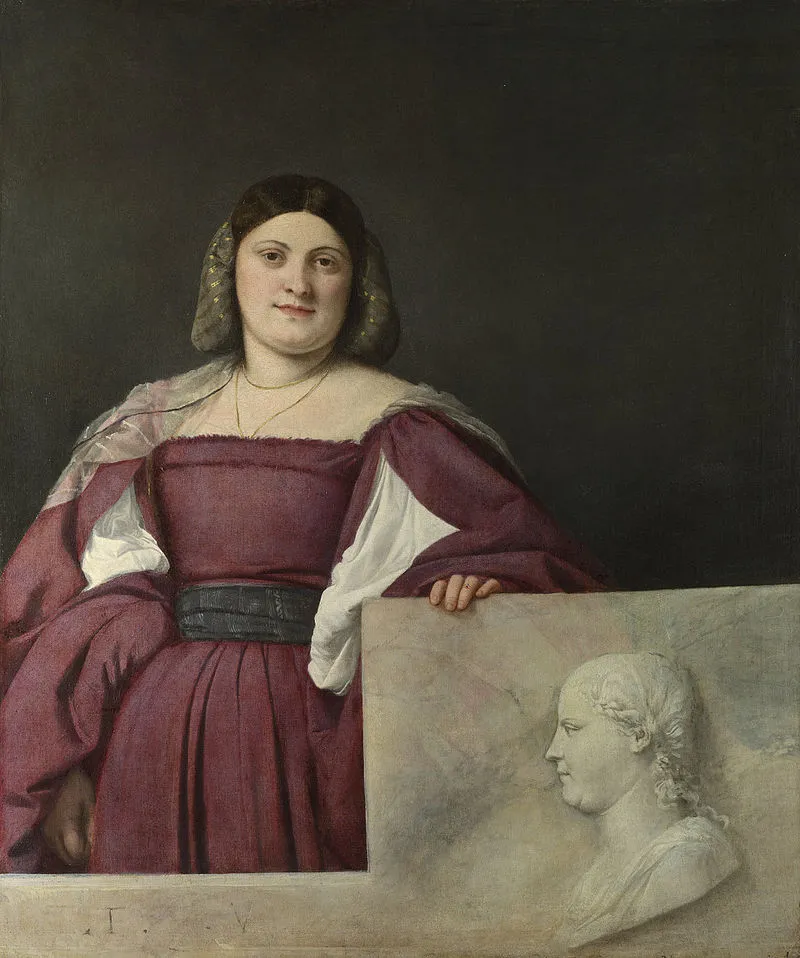
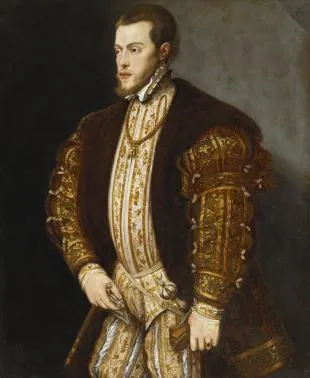
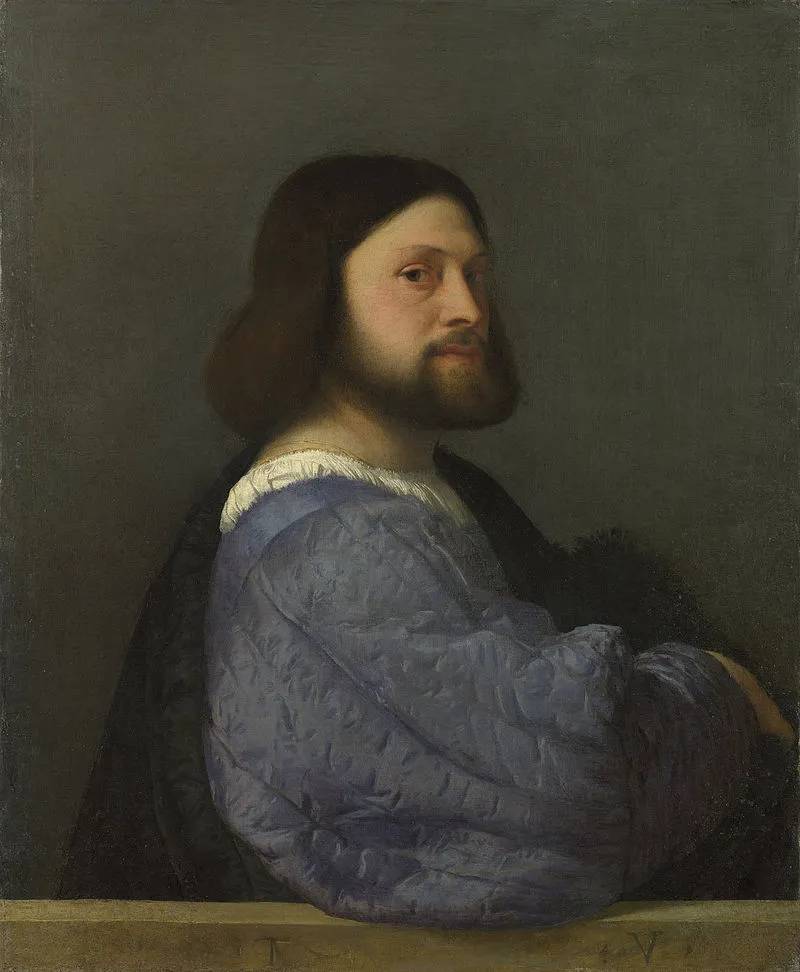
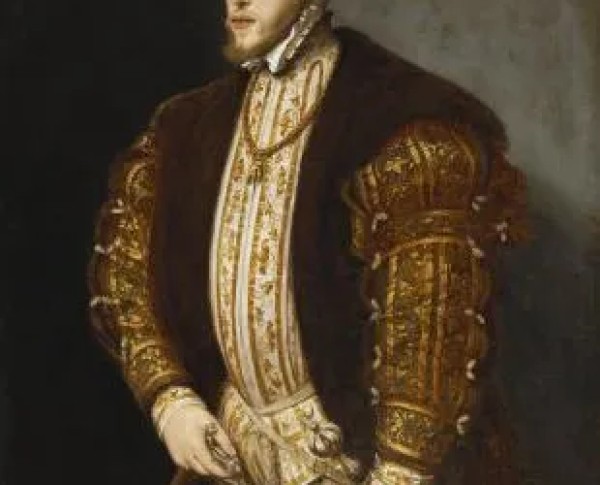
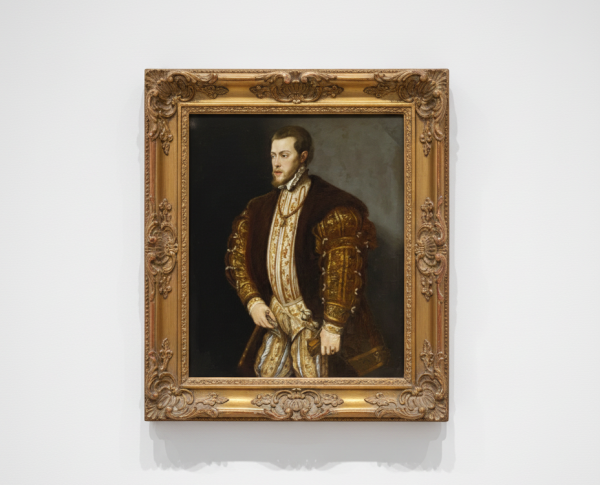
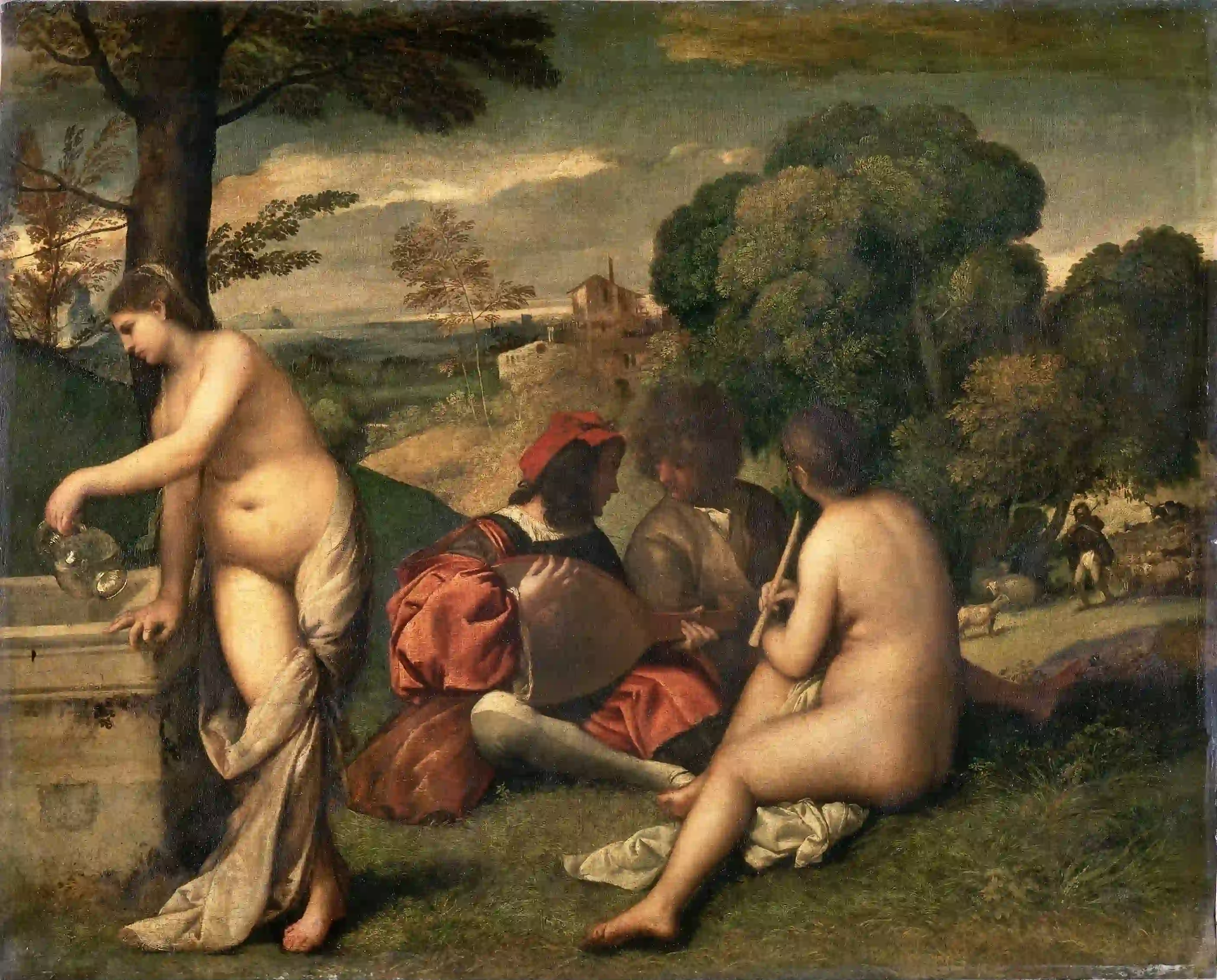
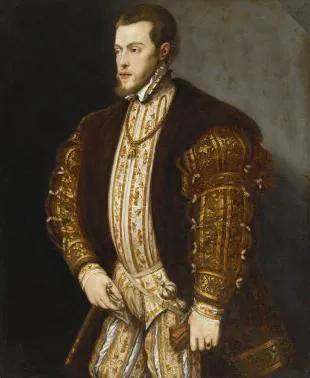
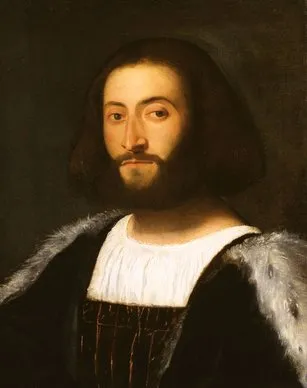
Tiziano Vecelli’s expert use of oil on canvas in “Concert Champetre” reveals his unparalleled technique and attention to detail. The luminous textures and harmonious composition are hallmarks of Renaissance artistry, inviting viewers to appreciate the painter’s refined skill. Collectors of fine art painting for sale will find this work, alongside “Portrait of a Man” and “Philip II of Spain,” to be exemplary representations of Vecelli’s enduring mastery.
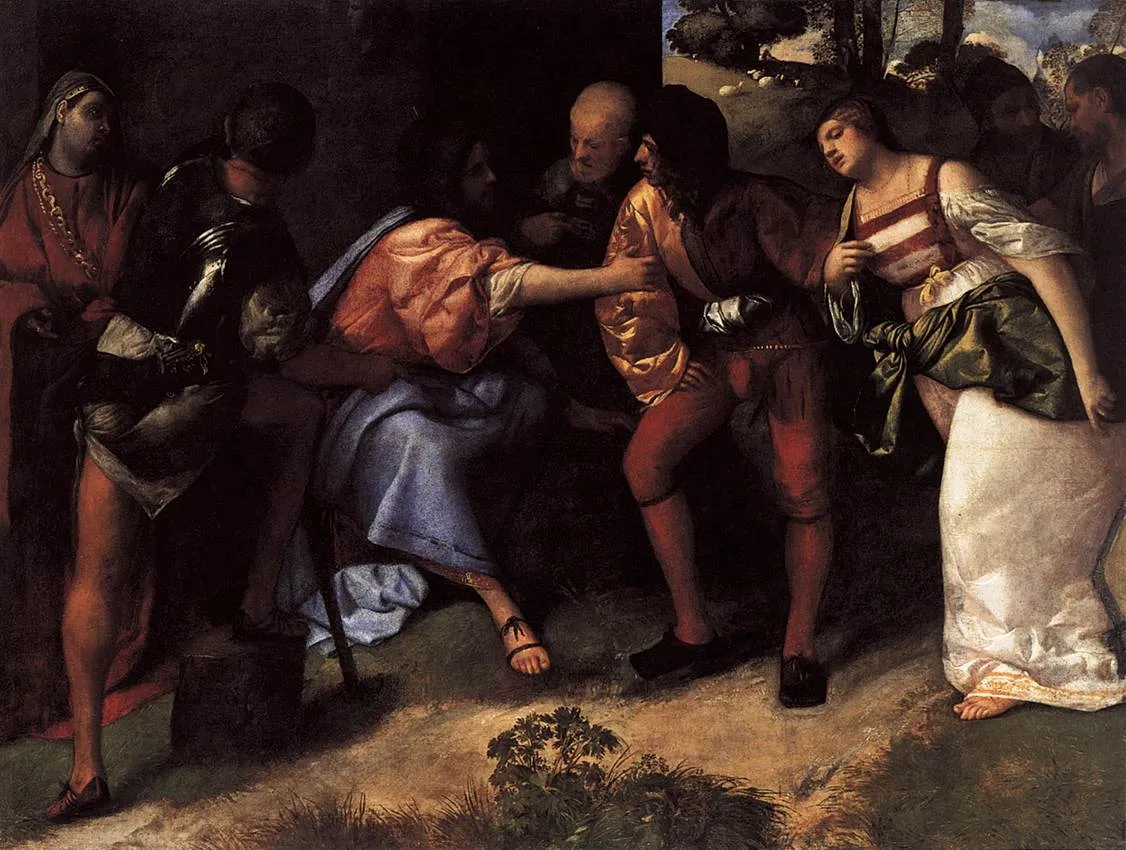
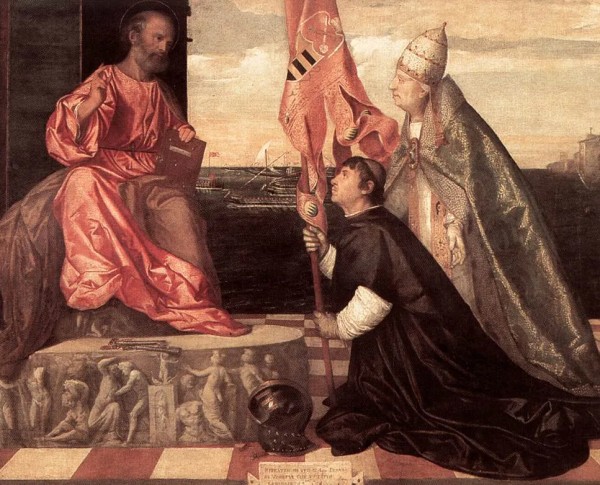
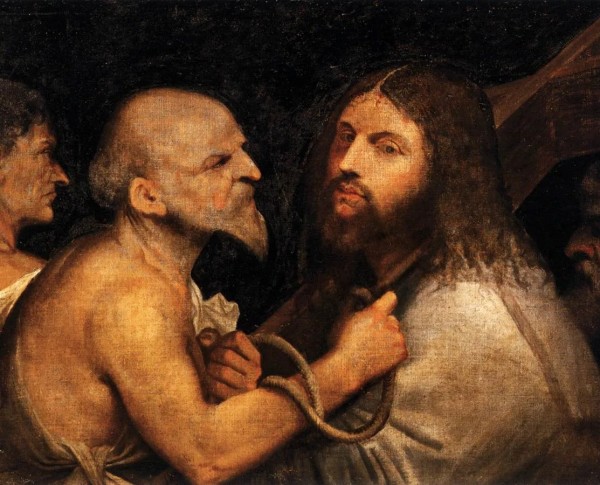
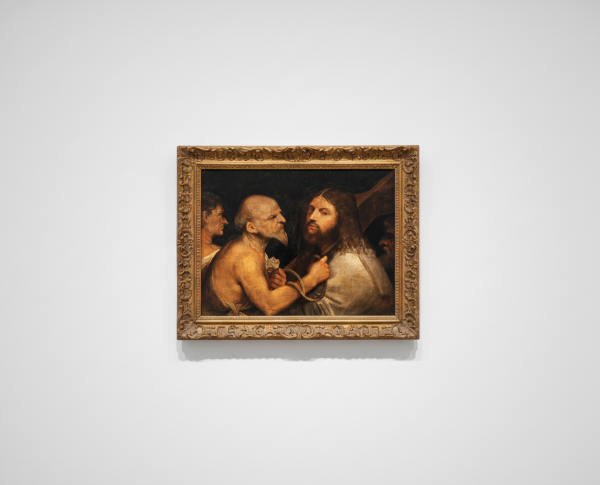
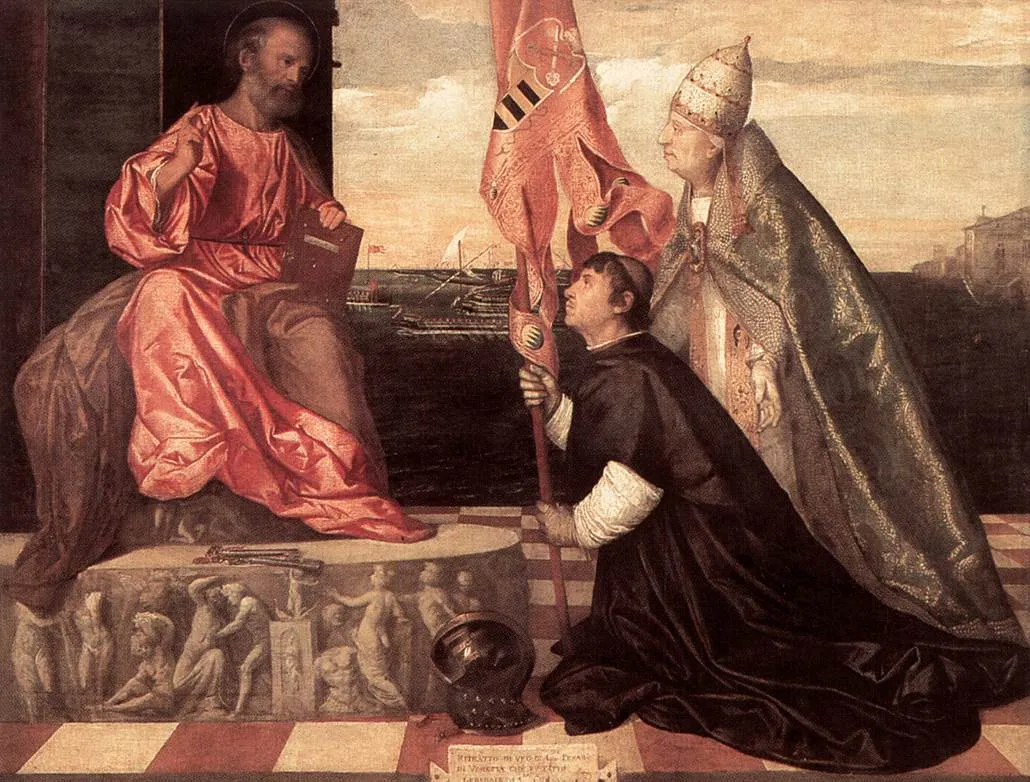
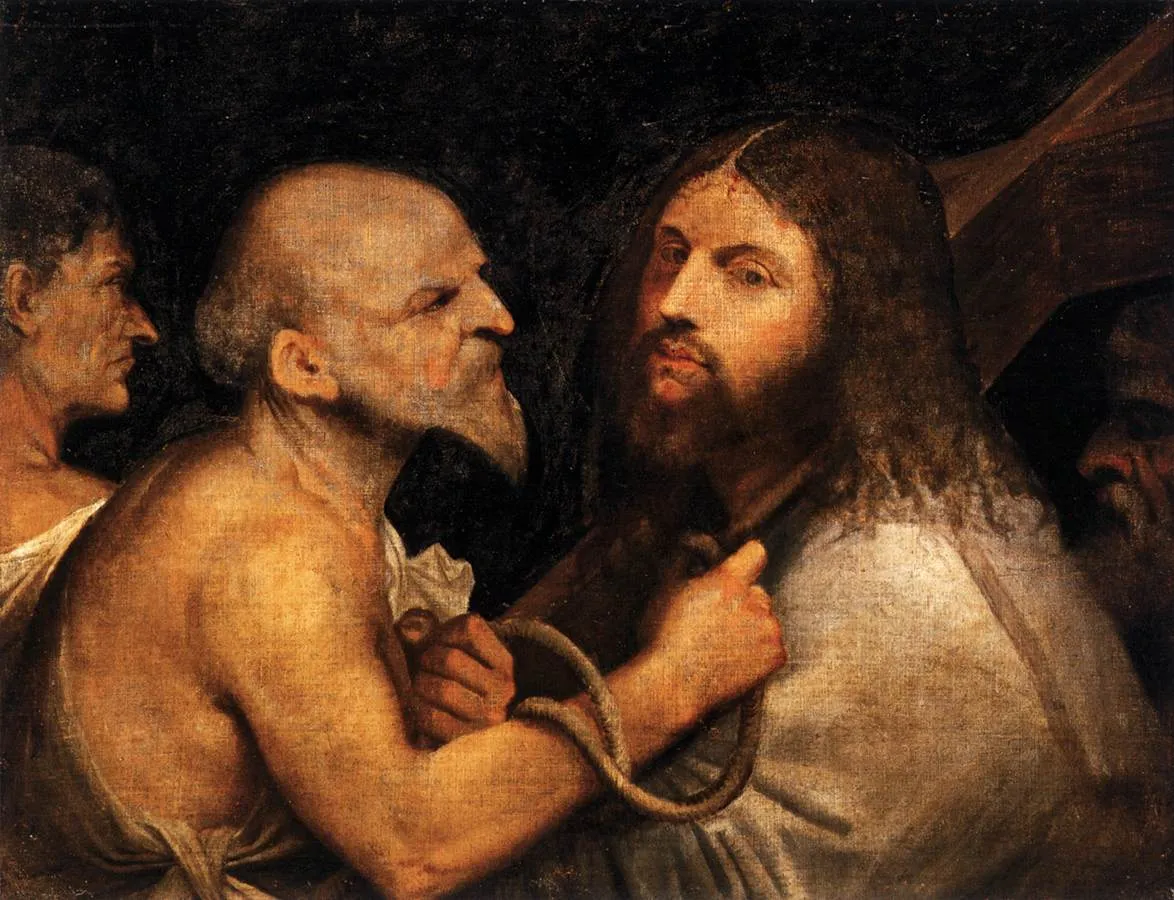
“Concert Champetre” is more than just a fine art painting for sale; it is a narrative woven with allegory and symbolism. Tiziano Vecelli integrates pastoral themes and enigmatic figures, inviting interpretation and reflection, much like his other Renaissance works “Pope Alexander IV Presenting Jacopo Pesaro to St Peter” and “Christ Carrying the Cross.” The painting’s layered meanings continue to intrigue art historians and collectors alike.
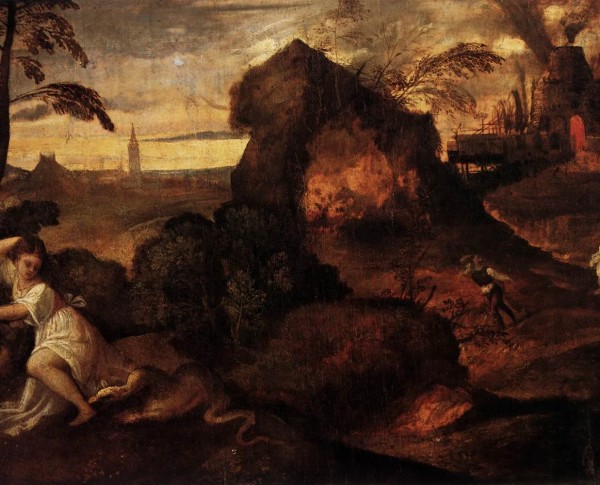
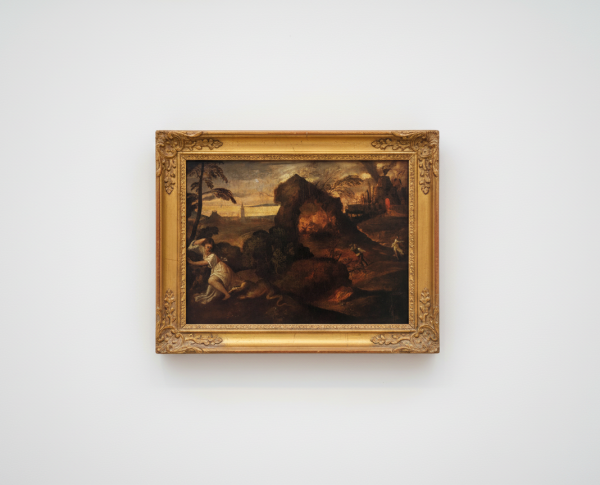
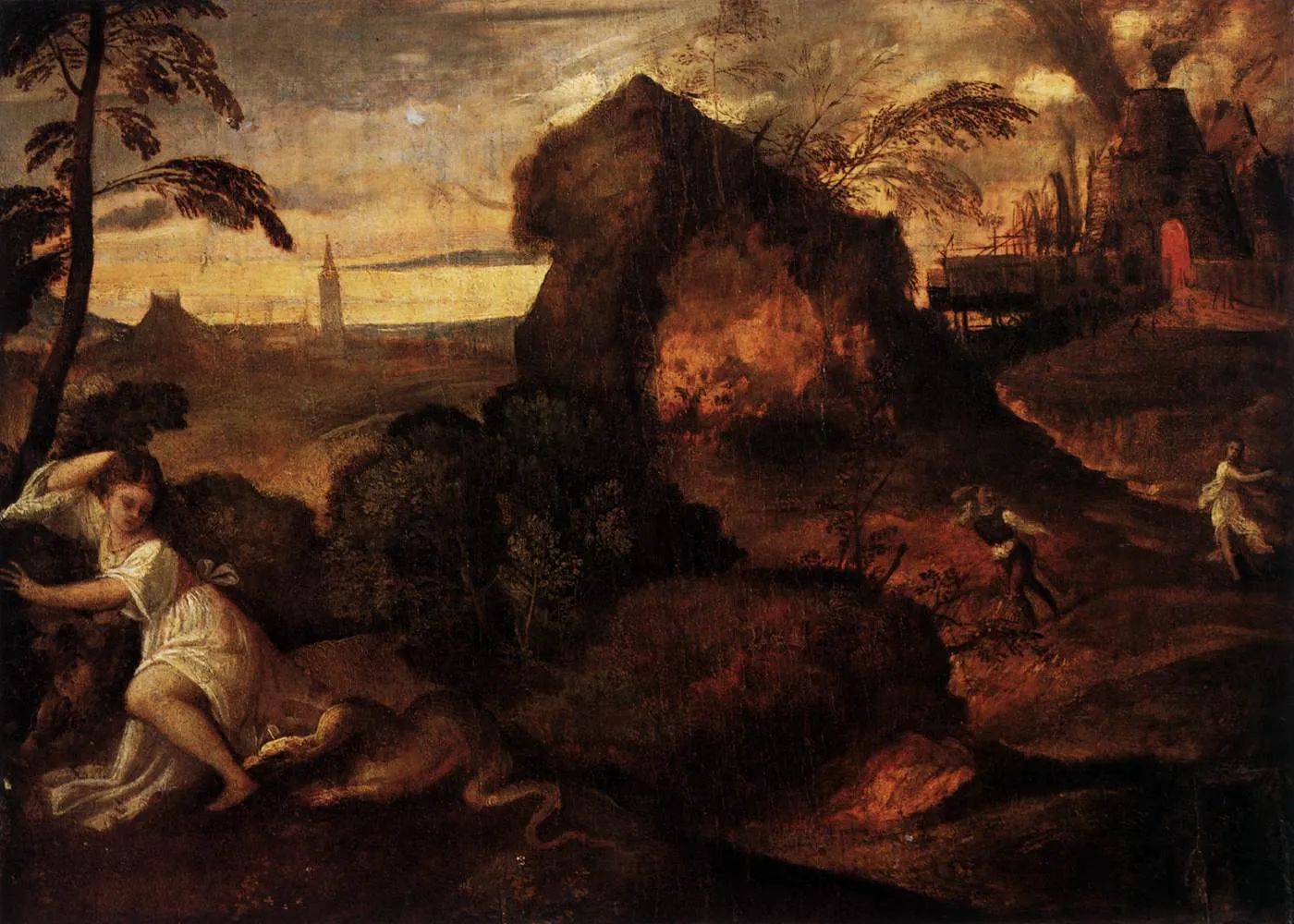
Owning a hand-painted oil painting such as “Concert Champetre” by Tiziano Vecelli grants collectors a piece of Renaissance history. This masterpiece, together with related products like “Orpheus and Eurydice” and “Philip II of Spain,” is highly sought after in the world of fine art painting for sale. Its timeless beauty and historical significance make it a prized addition to any distinguished art collection.
When Art Meets History
"Concert Champetre" by Tiziano Vecelli, a celebrated master of the Renaissance, stands as a testament to the era’s cultural and artistic transformation. Painted during a time of vibrant intellectual exchange, this hand-painted oil painting captures the spirit of Venetian art. Alongside related works like "The Wedding at Cana" and "The Feast in the House of Levi," Tiziano’s masterpiece reflects the profound influence of classical themes, making it a significant milestone in Renaissance art history.
Techniques That Speak
Tiziano Vecelli’s "Concert Champetre" showcases his innovative use of oil on canvas, a medium that allowed for rich color blending and subtle gradations. The artist’s mastery of light, texture, and perspective is evident, echoing techniques found in paintings such as "Lucretia" and "Allegory of Virtue and Vice." This Renaissance masterpiece demonstrates Tiziano’s ability to create lifelike figures and atmospheric landscapes, setting a standard for future generations of fine art painting for sale.
Emotions on Display
In "Concert Champetre," Tiziano Vecelli captures a serene yet enigmatic mood, inviting viewers to ponder the relationships between the figures. The artist’s nuanced composition evokes emotions that resonate with those found in his other works, like "The Marriage Feast at Cana." The painting’s harmonious setting and expressive faces make this hand-painted oil painting a timeless exploration of human connection, a hallmark of the Renaissance movement’s focus on depth and realism.
Coveted by Collectors
As a prime example of Renaissance artistry, "Concert Champetre" remains highly sought after by art enthusiasts and collectors. Its enduring appeal lies in Tiziano Vecelli’s masterful technique and the painting’s rich narrative. Like other iconic pieces such as "The Feast in the House of Levi," this oil on canvas stands as a fine art painting for sale that continues to captivate audiences, symbolizing the lasting value and prestige of Renaissance masterpieces in today’s art market.
Related Renaissance Hand-Painted Oil Paintings by Other Artists
Other Famous Renaissance Artists:
Frequently Asked Questions About Concert Champetre
What is the historical context of "Concert Champetre"?
"Concert Champetre," painted by Tiziano Vecelli in the early 16th century, reflects the Renaissance's celebration of nature, music, and humanism, capturing the spirit of the time when art began to emphasize individual experience and the beauty of the natural world.
Who are the figures depicted in "Concert Champetre"?
The painting features three figures, traditionally interpreted as two nude women and a clothed man, symbolizing the harmony between nature and humanity, as well as the interplay of sensuality and intellect in the Renaissance era.
What artistic techniques did Tiziano use in "Concert Champetre"?
Tiziano employed a rich color palette and masterful use of light and shadow, known as chiaroscuro, to create depth and realism, enhancing the three-dimensional quality of the figures and the lush landscape.
What is the significance of the setting in "Concert Champetre"?
The pastoral setting of "Concert Champetre" symbolizes an idealized nature, reflecting the Renaissance fascination with the natural world as a source of inspiration and tranquility, and serving as a backdrop for the themes of love and music.
How does "Concert Champetre" reflect the ideals of the Renaissance?
The painting embodies Renaissance ideals by merging classical themes with contemporary life, showcasing the importance of beauty, harmony, and the celebration of human experience, which were central to the cultural movement of the time.
What role does music play in "Concert Champetre"?
Music in "Concert Champetre" serves as a metaphor for harmony and connection, representing the unity of the figures and the natural world, and highlighting the Renaissance belief in the transformative power of art and music.
What symbolism can be found in the nudity of the figures?
The nudity of the figures in "Concert Champetre" symbolizes innocence, beauty, and the celebration of the human form, reflecting the Renaissance's revival of classical ideals and the exploration of human emotion and desire.
How has "Concert Champetre" influenced later artists?
"Concert Champetre" has influenced numerous artists by exemplifying the integration of landscape and figure, inspiring subsequent generations to explore themes of nature, music, and the human condition within their works.
What is the current location of "Concert Champetre"?
The painting is currently housed in the Musée du Louvre in Paris, where it continues to be a significant example of Tiziano's mastery and the enduring legacy of Renaissance art.
What are some common interpretations of "Concert Champetre"?
Common interpretations of "Concert Champetre" include readings of it as an allegory of love, a celebration of the arts, and a reflection on the relationship between humanity and nature, each contributing to its rich symbolic tapestry.






















_GFM_Painting_(1).webp)


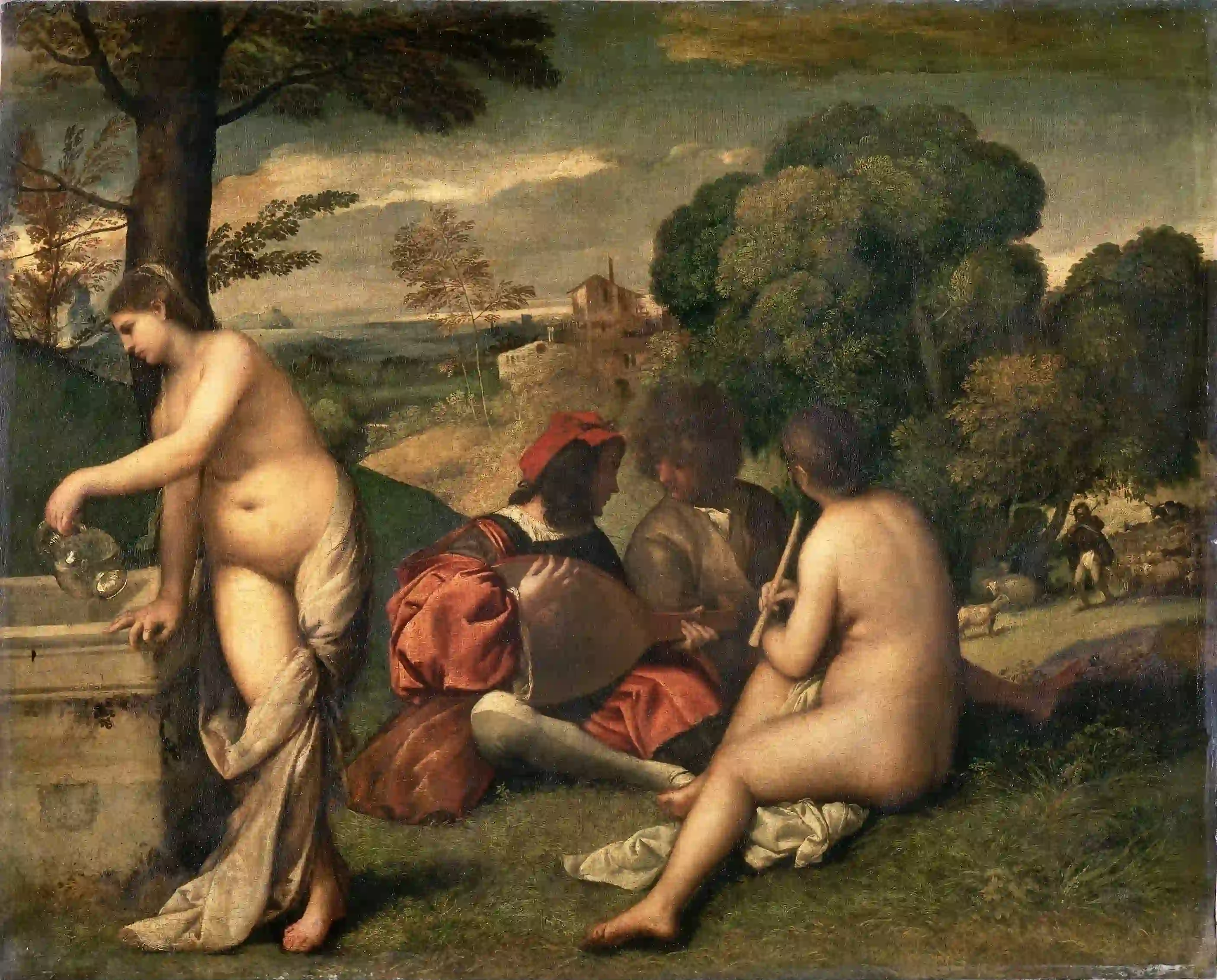
 100% Hand-Painted: Finished in 3-6 Weeks

.png)















_(1).webp)