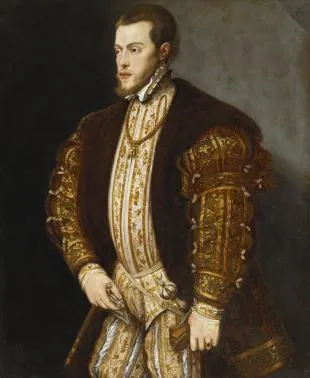
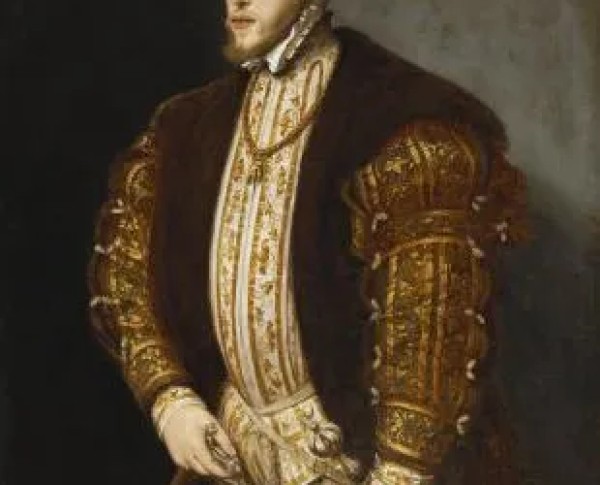
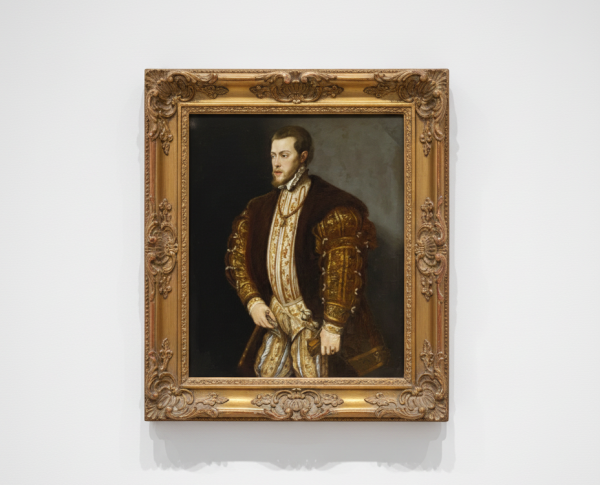
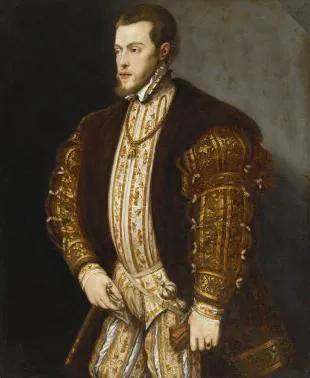
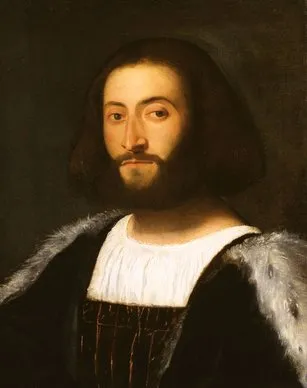
Tiziano Vecelli’s technique in creating “Philip II of Spain” showcases the artist’s extraordinary skill in oil on canvas. His nuanced use of color, texture, and light brings the sitter’s character to life, highlighting the meticulous craftsmanship of Renaissance portraiture. The oil on canvas medium allowed Tiziano to achieve rich depth and delicate transitions, making this painting a timeless example for collectors and admirers of Renaissance art and fine portraiture.
Every detail in “Philip II of Spain” tells a story, with symbolic elements woven throughout the fine art painting for sale. Tiziano Vecelli integrates regal attire and subtle gestures to communicate Philip II’s authority and piety, hallmarks of Renaissance portraiture. These symbols not only reveal the sitter’s status but also invite viewers to explore the deeper meanings behind the composition. This fine art painting for sale is a window into the world of a powerful king and his era.
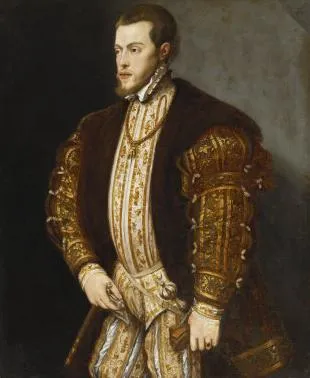
For collectors and art lovers, owning a reproduction of Tiziano Vecelli’s “Philip II of Spain” is an opportunity to possess a piece of Renaissance history. This hand-painted oil painting embodies the sophistication and grandeur of a bygone era, making it a prized addition to any collection. As a fine art painting for sale, it appeals to those who appreciate the legacy of Tiziano and the enduring influence of Renaissance masterpieces on today’s art market.
When Art Meets History
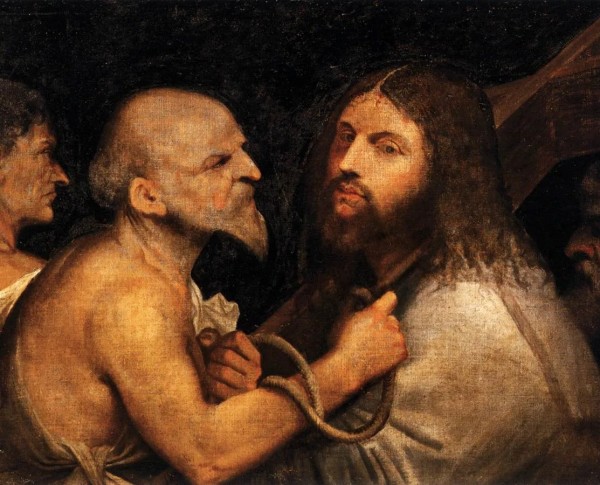
"Philip II of Spain" by Tiziano Vecelli stands as a remarkable testament to the Renaissance era, capturing the regal presence of one of Europe’s most influential monarchs. This hand-painted oil painting reflects not only the grandeur of Philip II but also the political power and sophistication of 16th-century Spain. Tiziano, also known as Titian, masterfully immortalized his subjects, as seen in related works like "Bathsheba at Her Bath" and "The Marriage Feast at Cana".
Techniques That Speak
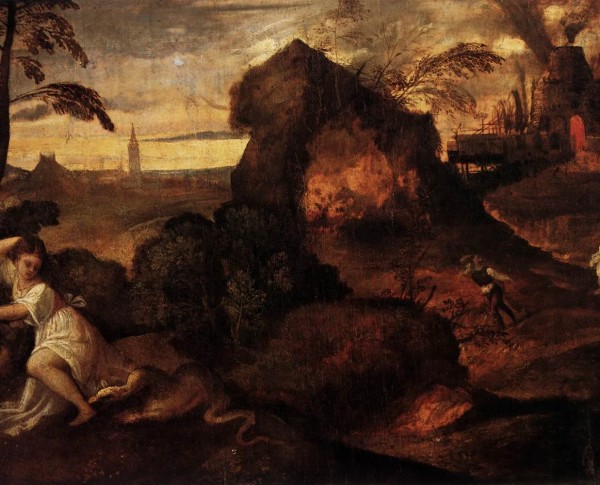
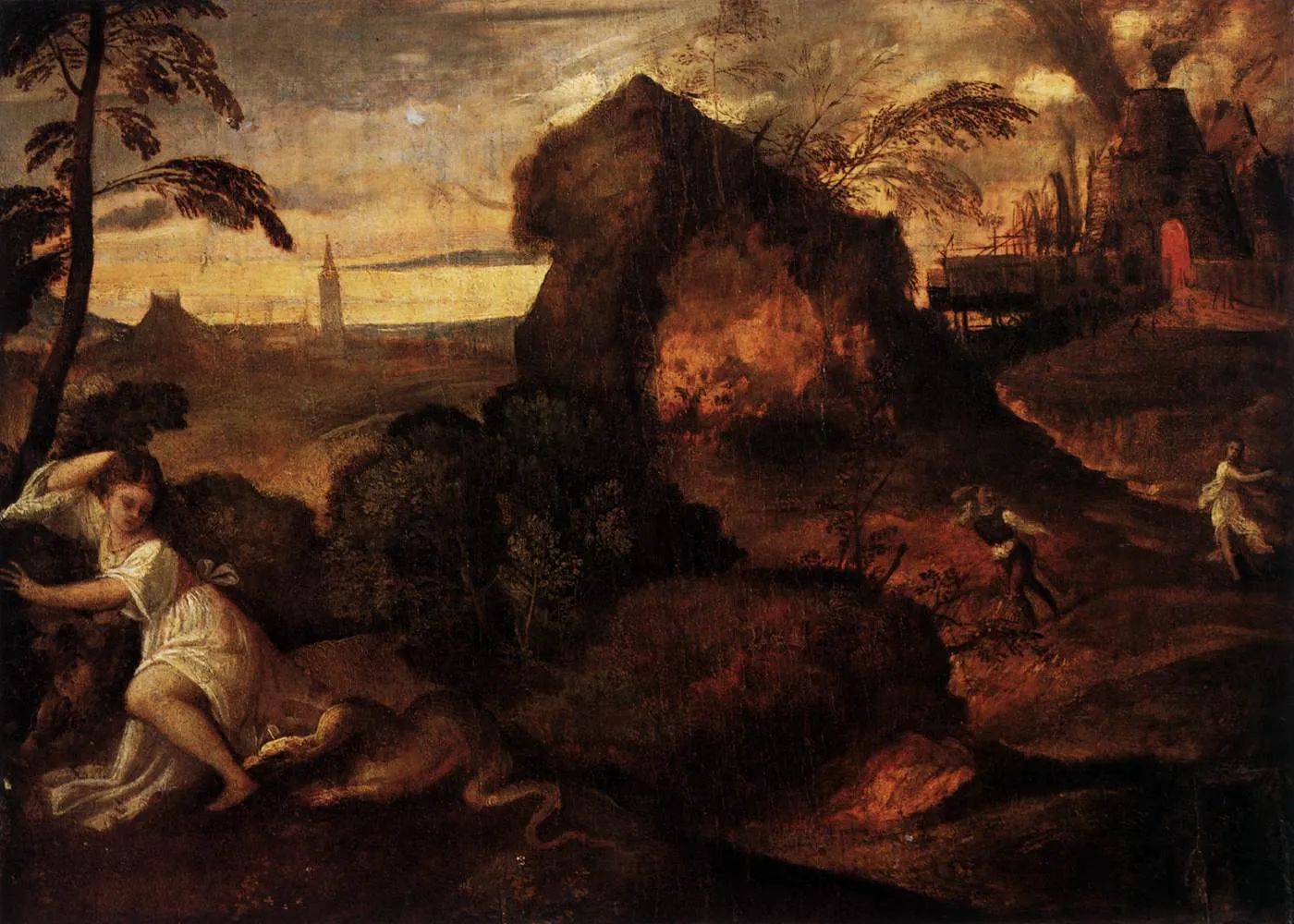
Tiziano Vecelli’s "Philip II of Spain" showcases the artist’s signature use of oil on canvas, a hallmark of the Renaissance movement. His technique involves intricate layering and blending, creating vivid textures and lifelike depth. The same refined style can be observed in his other masterpieces, such as "Allegory of Virtue and Vice" and "The Feast in the House of Levi". These works highlight Titian’s mastery over color and composition, making each portrait a visual marvel.
Emotions on Display
The expressive qualities in "Philip II of Spain" reveal Tiziano Vecelli’s ability to convey both dignity and introspection, hallmarks of Renaissance portraiture. Through subtle facial expressions and posture, the painting communicates the complexities of royal responsibility. This fine art painting for sale is reminiscent of Titian’s emotional depth, also evident in "The Wedding at Cana" and his other acclaimed portraits, which continue to captivate art lovers and historians alike.
Coveted by Collectors
As a prized example of Renaissance art, "Philip II of Spain" by Tiziano Vecelli remains highly sought after by collectors worldwide. The painting’s historical significance and masterful execution ensure its enduring appeal. Alongside related works like "Bathsheba at Her Bath" and "Allegory of Virtue and Vice", this oil on canvas stands as a centerpiece in numerous collections, celebrated for its artistic innovation and cultural legacy within the world of fine art.
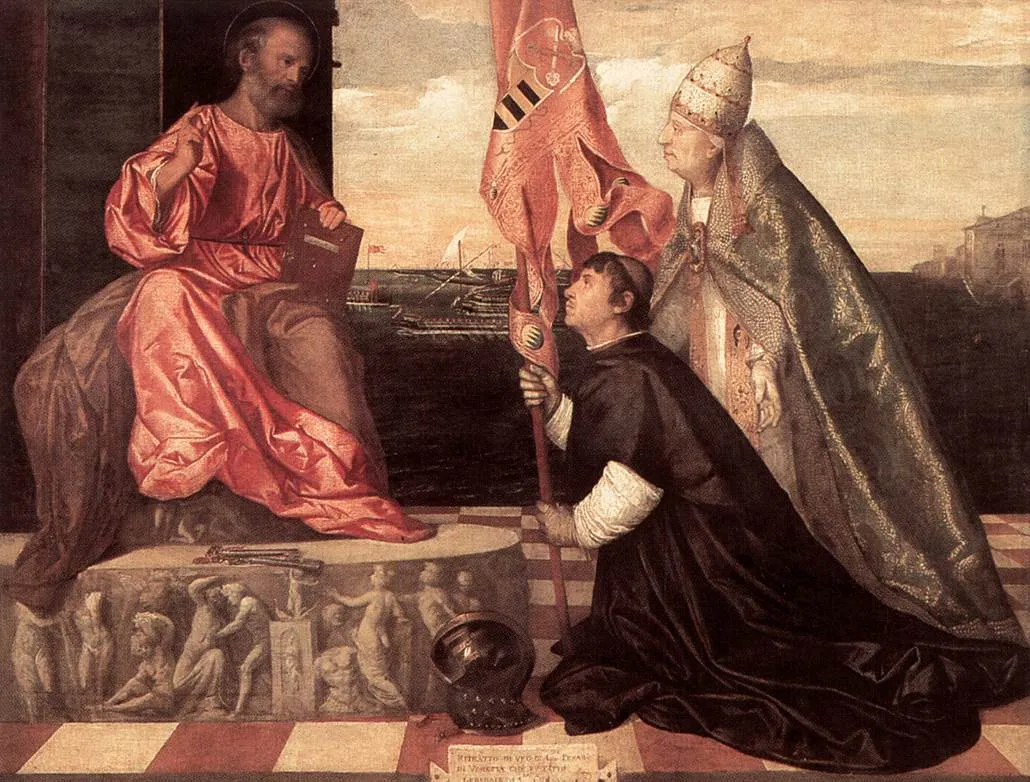
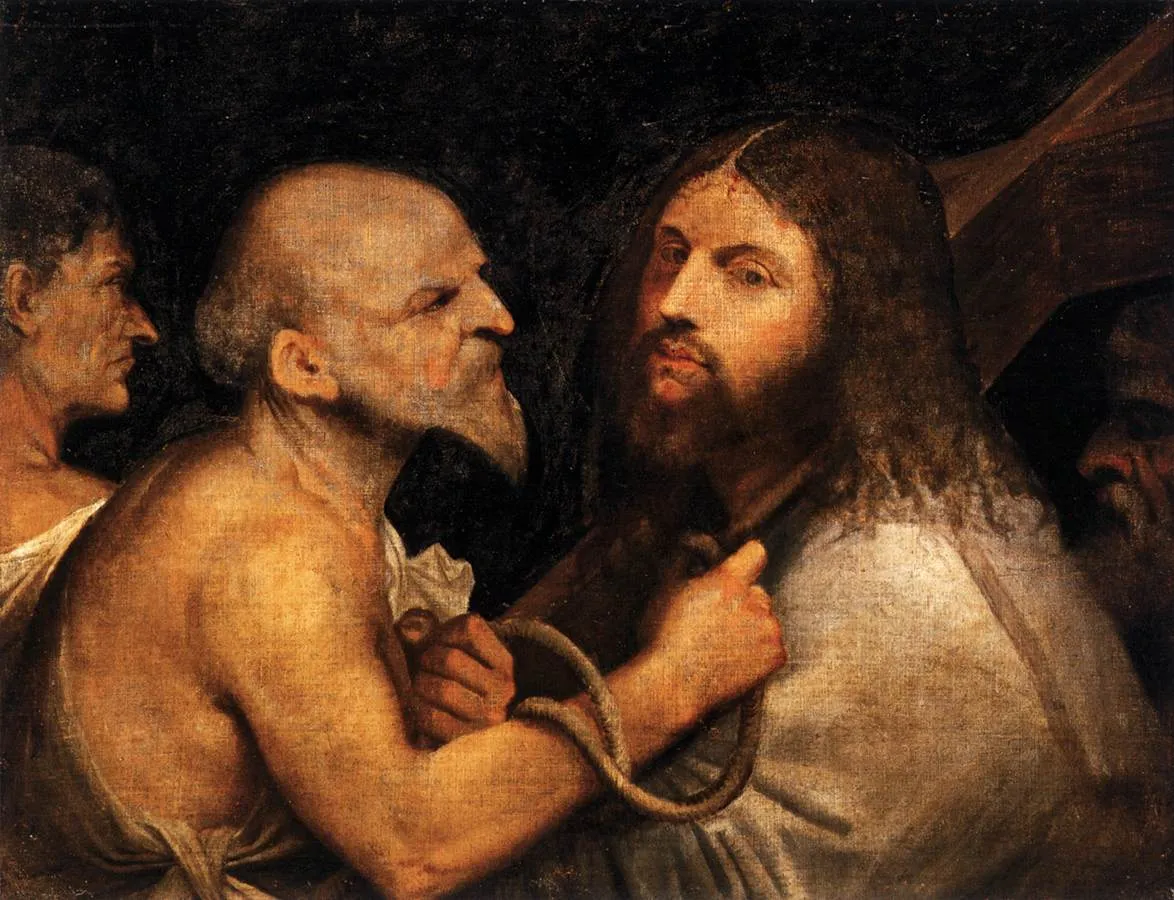
Related Renaissance Hand-Painted Oil Paintings by Other Artists
Other Famous Renaissance Artists:
Frequently Asked Questions About Philip II of Spain
Who is the artist of "Philip II of Spain"?
The painting "Philip II of Spain" was created by the renowned Italian artist Tiziano Vecelli, commonly known as Titian.
What is the historical significance of Philip II of Spain?
Philip II was a prominent monarch of the 16th century, known for his role in the Spanish Empire's expansion and his staunch defense of Catholicism during the Protestant Reformation.
When was "Philip II of Spain" painted?
The painting was completed in 1555, during a period when Titian was at the height of his artistic career.
What artistic techniques did Titian use in this painting?
Titian employed oil on canvas, utilizing rich colors, dynamic brushwork, and a masterful use of light and shadow to create depth and realism.
What does the attire of Philip II signify in the painting?
Philip II is depicted in elaborate royal attire, symbolizing his power and authority as the King of Spain, as well as the wealth of the Spanish Empire during his reign.
How does the composition of the painting reflect Philip II's character?
The formal pose and direct gaze of Philip II convey a sense of strength and determination, reflecting his serious and contemplative nature as a ruler.
What is the significance of the background in "Philip II of Spain"?
The background features a dark, muted landscape that emphasizes the figure of Philip II, suggesting the weight of his responsibilities and the somber nature of his reign.
How does this painting compare to other portraits of monarchs from the same period?
Unlike many contemporary portraits that emphasize grandeur, Titian's portrayal of Philip II captures a more introspective and humanized aspect of the monarch, setting it apart from typical royal depictions.
What role did Titian play in the development of portrait painting?
Titian is credited with elevating portrait painting to an art form that conveys not only likeness but also character and emotion, influencing generations of artists that followed.
Where is "Philip II of Spain" currently housed?
The painting is part of the collection at the Museo del Prado in Madrid, Spain, where it is preserved as a significant work of both art and history.






















_GFM_Painting_(1).webp)


 100% Hand-Painted: Finished in 3-6 Weeks

.png)















_(1).webp)