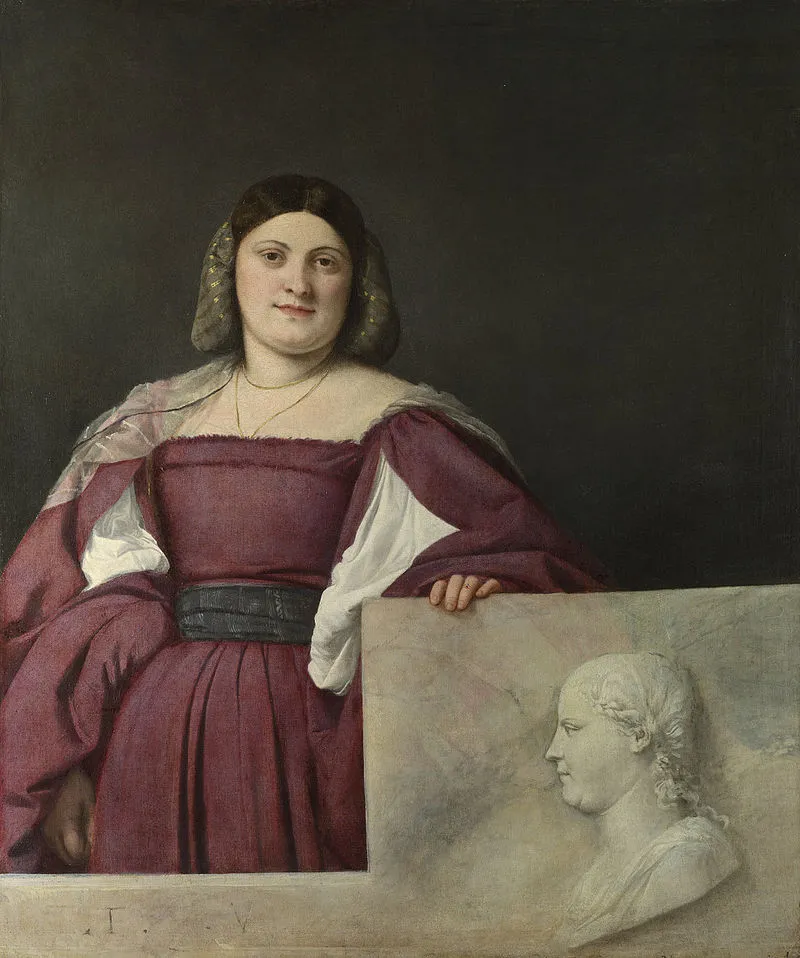
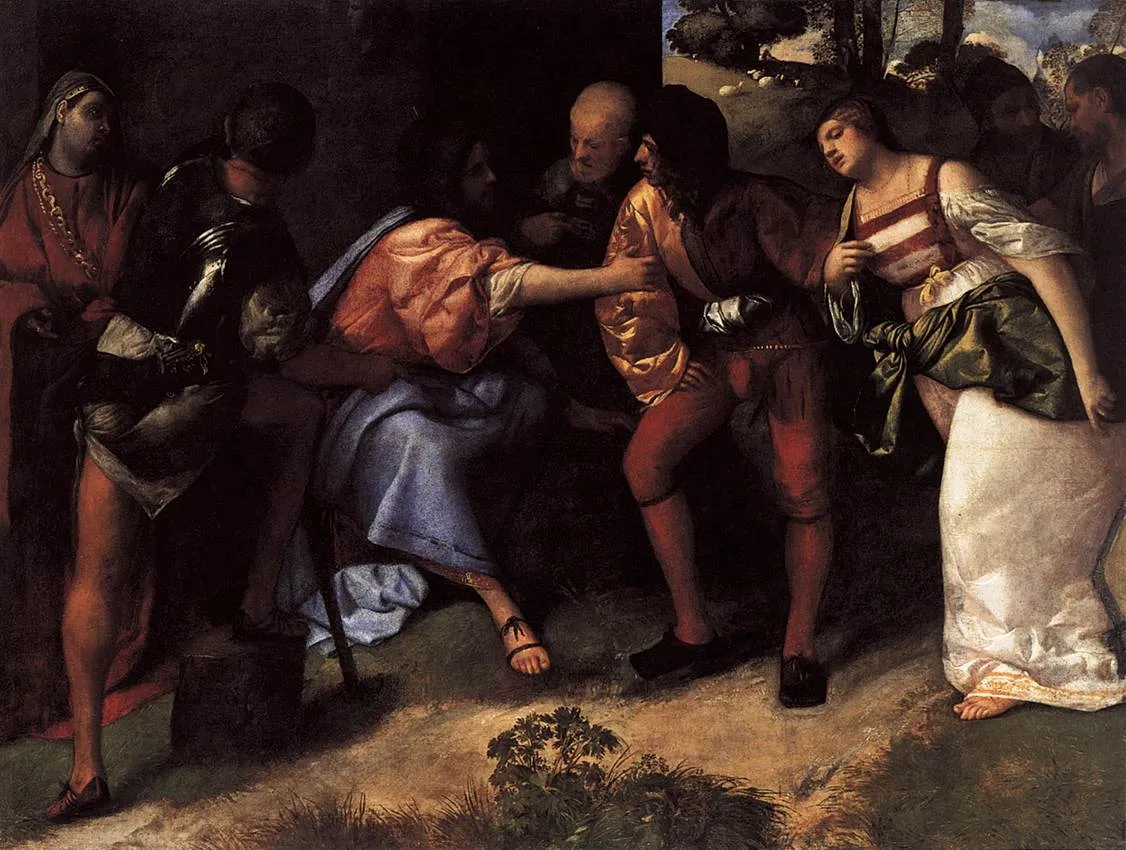
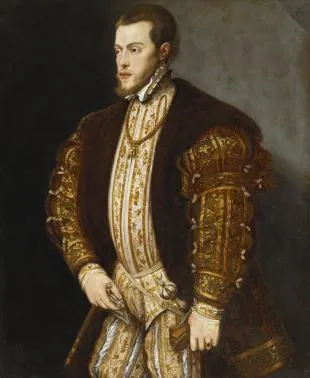
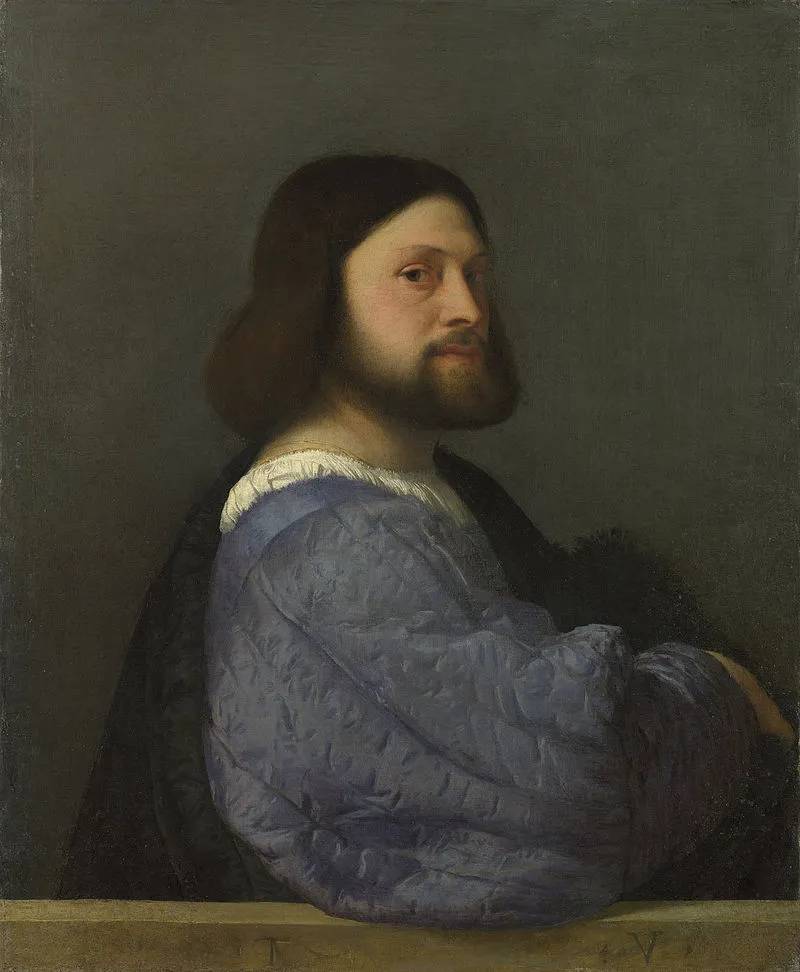
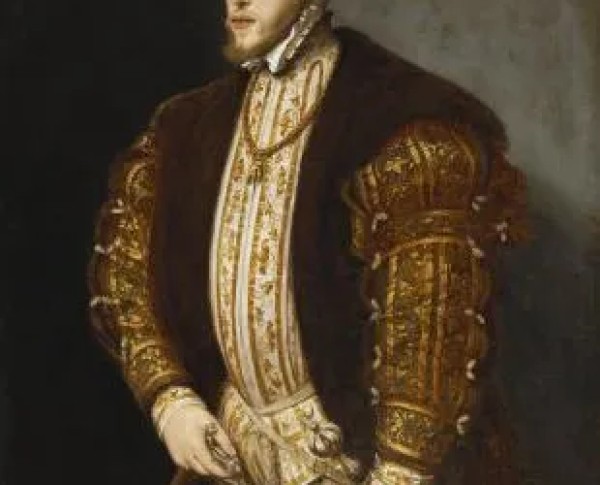
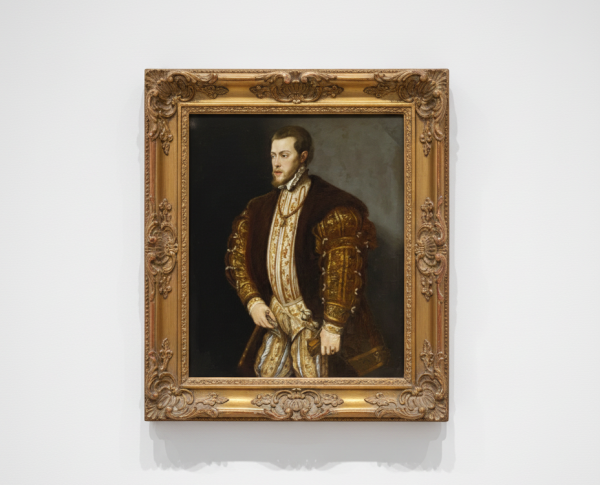
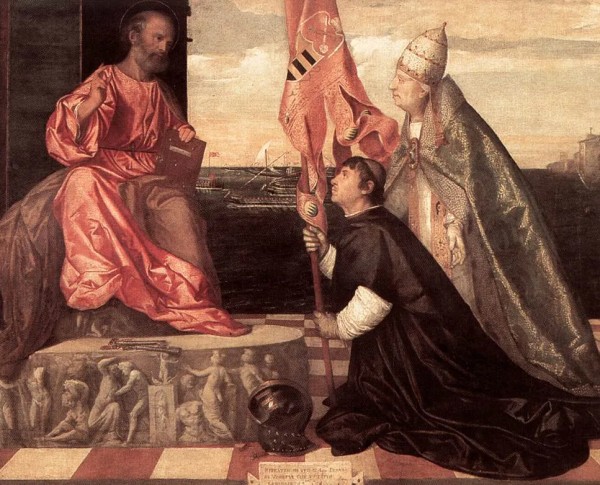
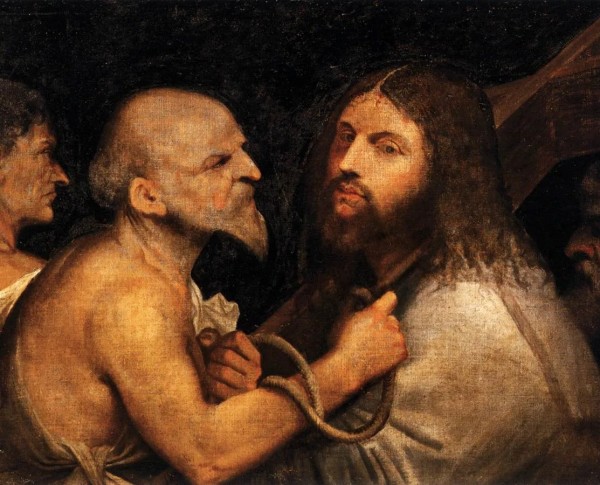
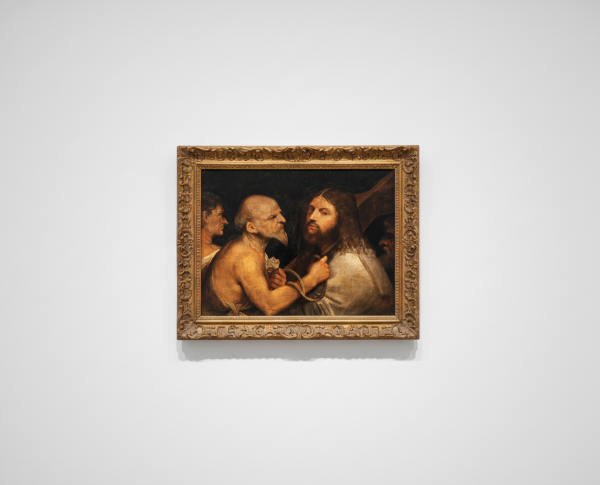
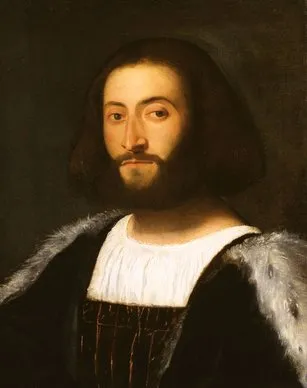
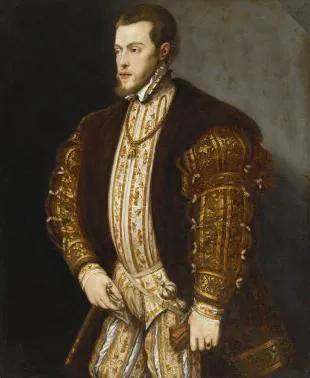
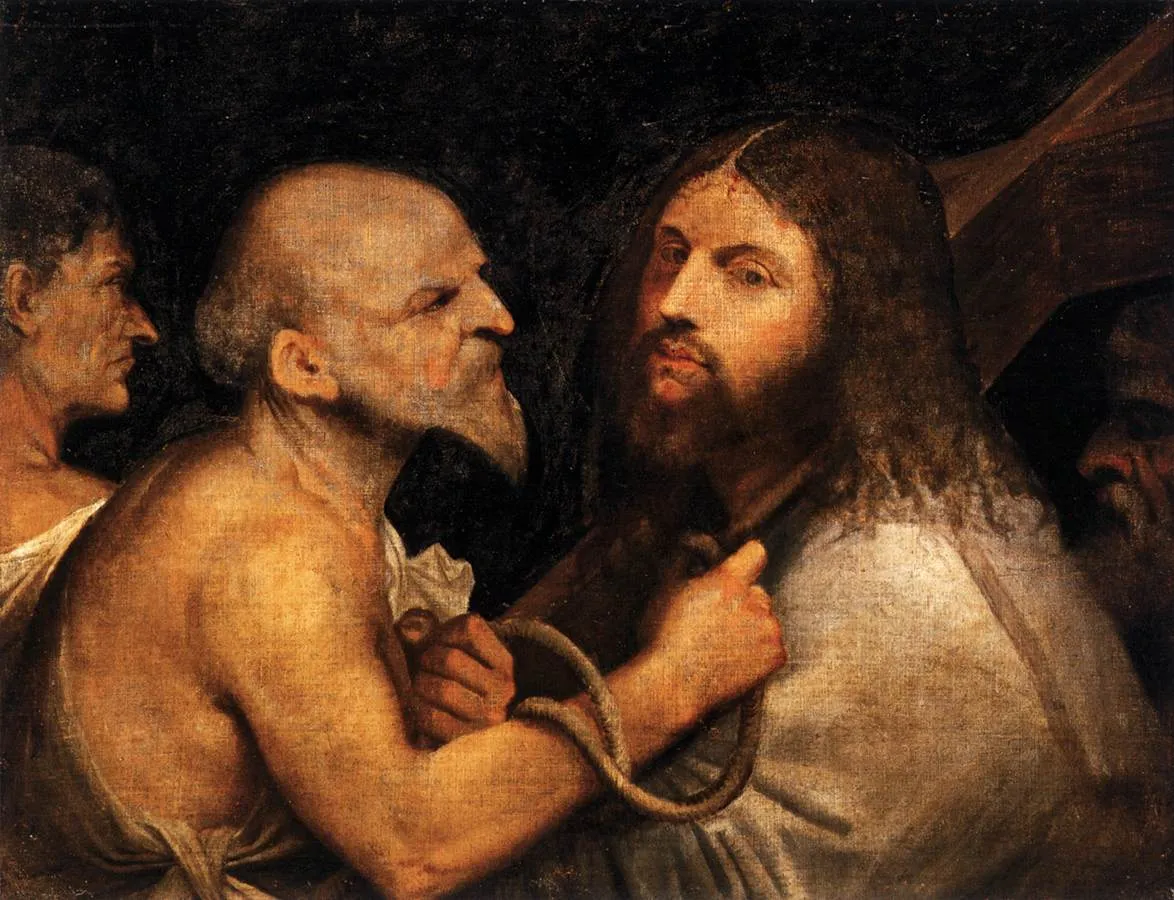
With "Portrait of a Man," Tiziano Vecelli demonstrates his unparalleled command of oil on canvas, a hallmark of the Renaissance movement. Each brushstroke brings to life the sitter’s presence, showcasing the artist’s ability to convey personality and depth. The painting’s subtle play of light and shadow is an exquisite example of period technique. Art enthusiasts seeking similar masterpieces might also consider "Philip II of Spain" and "Christ Carrying the Cross" for their collections.
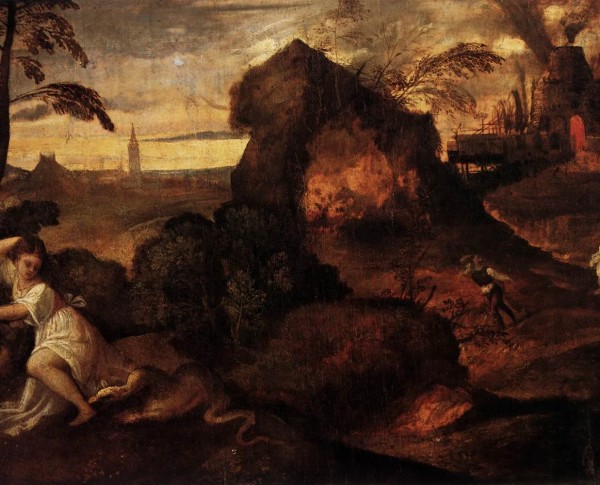
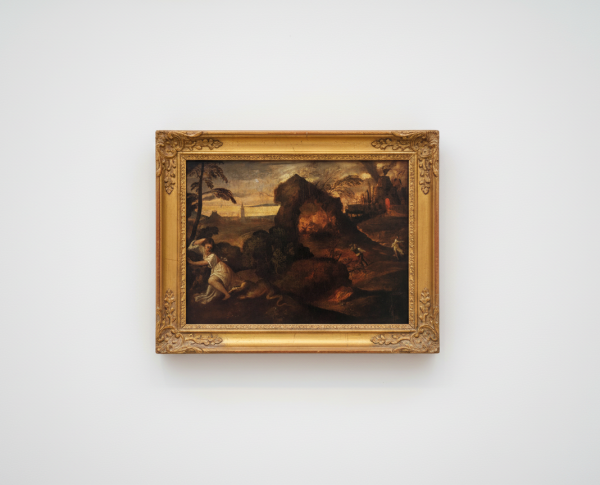
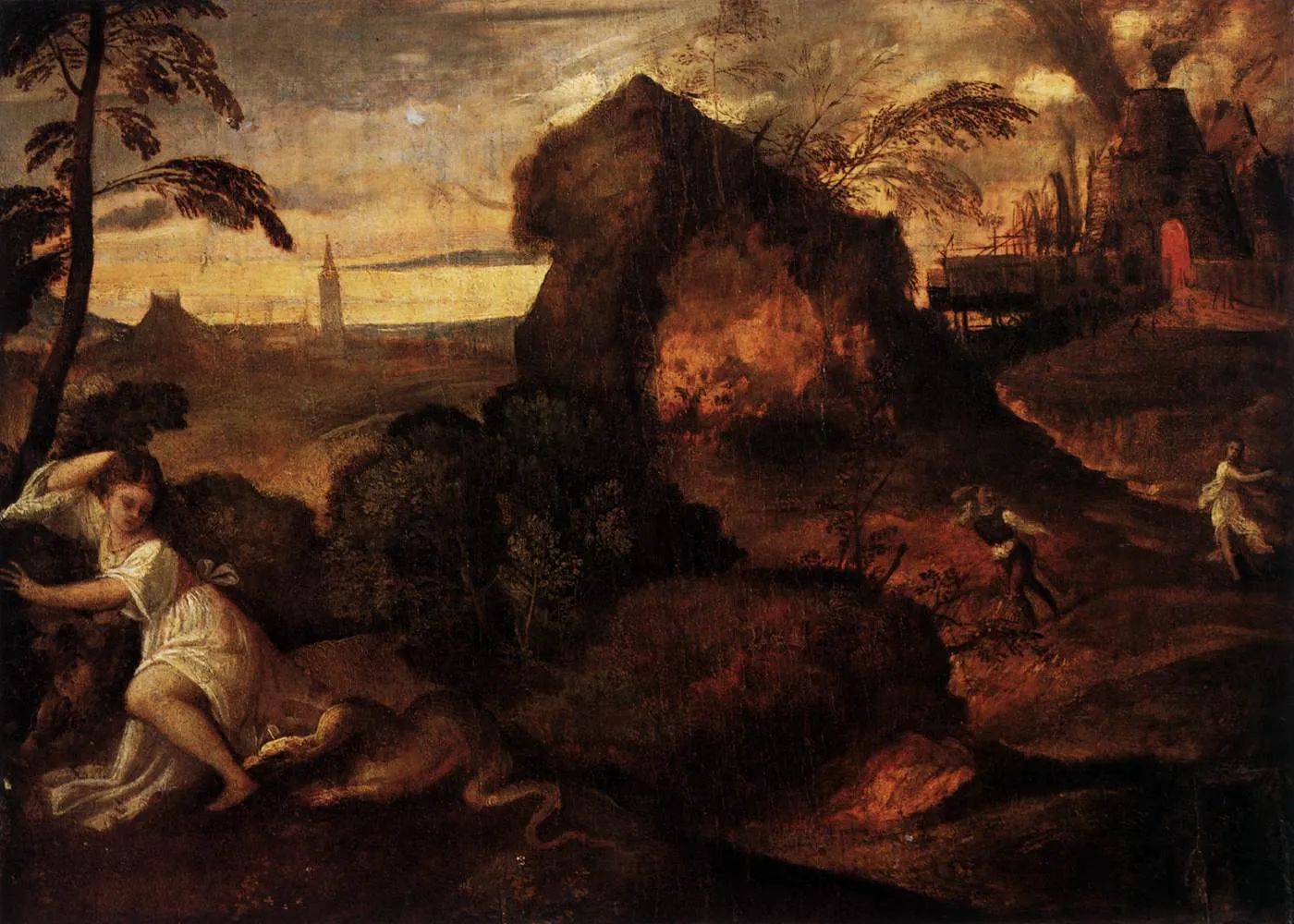
"Portrait of a Man" by Tiziano Vecelli is more than a fine art painting for sale; it is a window into Renaissance society and symbolism. The sitter’s attire, posture, and expression allude to the status and inner life of the subject, reflecting broader themes of identity and power. This masterwork, along with related pieces like "Orpheus and Eurydice," offers insight into the symbolic language of the era, making it a compelling addition to any art lover’s study.
For collectors, acquiring a hand-painted oil painting such as Tiziano Vecelli’s "Portrait of a Man" is both a privilege and an investment. This Renaissance masterpiece stands alongside celebrated works like "Philip II of Spain" and "Christ Carrying the Cross" as a testament to timeless artistry. The enduring appeal of Tiziano’s creations ensures that each piece remains a valued asset, admired for its historical significance and the exquisite craftsmanship of its oil on canvas composition.
When Art Meets History
"Portrait of a Man" by Tiziano Vecelli, a master of the Renaissance movement, stands as a testament to the era’s fascination with individuality and realism. This hand-painted oil painting captures not only the sitter’s likeness but also the historical context of 16th-century Venice. Tiziano’s works, including "Bathsheba at Her Bath" and "The Wedding at Cana," similarly reflect the period’s blend of personal narrative and broader societal themes, making them pivotal pieces in art history.
Techniques That Speak
Tiziano Vecelli’s mastery of oil on canvas is evident in "Portrait of a Man," where subtle brushwork and rich color create lifelike textures and depth. The Renaissance movement emphasized innovation, and Tiziano’s technique shines through his nuanced handling of light and shadow. Comparable to his other masterpieces such as "Lucretia" and "Allegory of Virtue and Vice," this painting exemplifies the evolution of oil painting methods that continue to inspire artists today.
Emotions on Display
In "Portrait of a Man," Tiziano Vecelli conveys a spectrum of emotions through a single gaze, demonstrating the Renaissance’s focus on human experience. The sitter’s expression, rendered with delicate layers of paint, invites viewers to ponder his story. This fine art painting for sale can evoke similar introspection as seen in Tiziano’s "The Marriage Feast at Cana, c.1562," where emotional depth is achieved through both composition and color, making each work profoundly human.
Coveted by Collectors
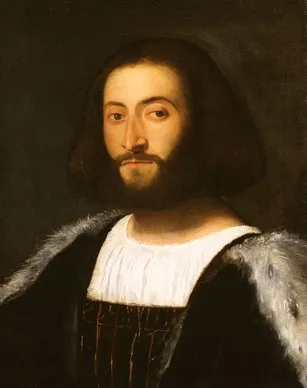
"Portrait of a Man" remains highly sought after by collectors who appreciate the enduring value of Renaissance masterpieces. As a hand-painted oil painting, its provenance and craftsmanship echo the significance of Tiziano Vecelli’s broader oeuvre, including notable works like "Bathsheba at Her Bath" and "Allegory of Virtue and Vice." Owning such a piece not only enriches a collection but also preserves the legacy of fine art painting for sale from this influential period.
Related Renaissance Hand-Painted Oil Paintings by Other Artists
Other Famous Renaissance Artists:
Frequently Asked Questions About Portrait of a Man
Who is the artist of "Portrait of a Man"?
The painting "Portrait of a Man" was created by the renowned Venetian artist Tiziano Vecelli, commonly known as Titian.
What is the historical context of "Portrait of a Man"?
This painting was produced during the Italian Renaissance, a period marked by a revival of interest in classical art and humanism, which significantly influenced Titian's work.
What artistic techniques did Titian employ in this painting?
Titian is known for his innovative use of color and brushwork. In "Portrait of a Man," he utilized rich, vibrant colors and a loose brush technique to create depth and texture.
What are the key themes represented in "Portrait of a Man"?
The painting explores themes of identity, status, and the human condition, reflecting the importance of portraiture in Renaissance society as a means of self-representation.
What symbolism can be found in "Portrait of a Man"?
The attire and expression of the subject may symbolize wealth and power, while the direct gaze engages viewers, inviting them to consider the subject's character and status.
How does "Portrait of a Man" compare to other works by Titian?
This work exemplifies Titian's mastery in portraiture, showcasing his ability to convey personality and emotion, similar to his other notable portraits like "Portrait of a Man with a Glove."
What influence did Titian have on future generations of artists?
Titian's innovative approaches to color, composition, and emotional expression greatly influenced Baroque artists and later portrait painters, establishing a benchmark for portraiture.
What materials were used in the creation of "Portrait of a Man"?
Titian typically used oil on canvas for his paintings, allowing for greater flexibility in blending colors and achieving lifelike textures, as seen in this work.
What is the significance of the subject's pose in "Portrait of a Man"?
The subject's pose, often depicted in a three-quarter view, conveys a sense of confidence and engagement, a common convention in Renaissance portraiture that emphasizes the individual's presence.
Where can I view "Portrait of a Man" today?
"Portrait of a Man" is part of various collections, and its current location may vary. Please check with the specific art gallery or museum for its exhibition status.






















_GFM_Painting_(1).webp)


 100% Hand-Painted: Finished in 3-6 Weeks

.png)















_(1).webp)