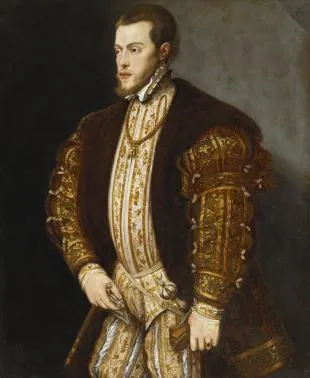
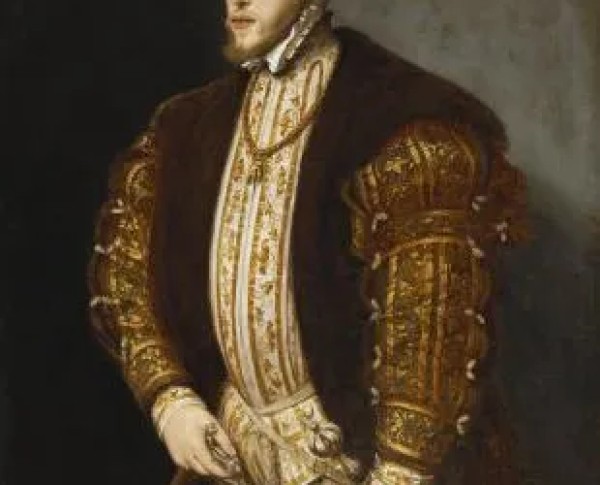
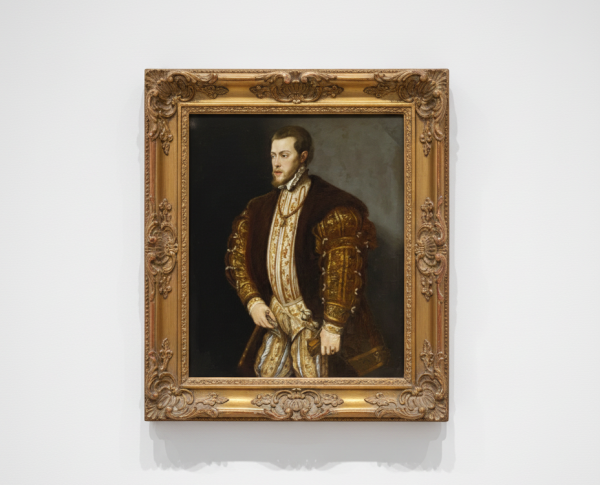
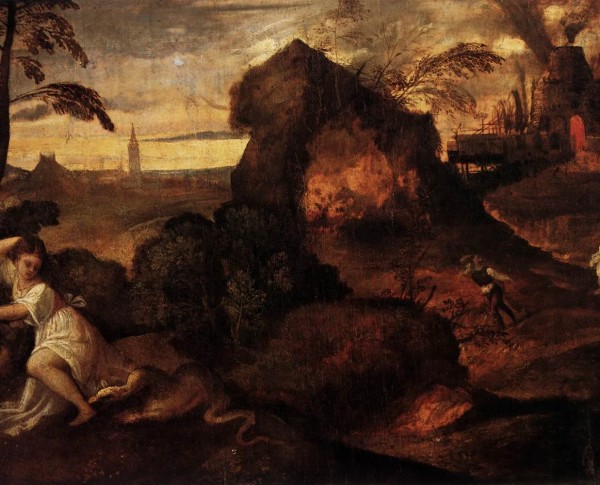
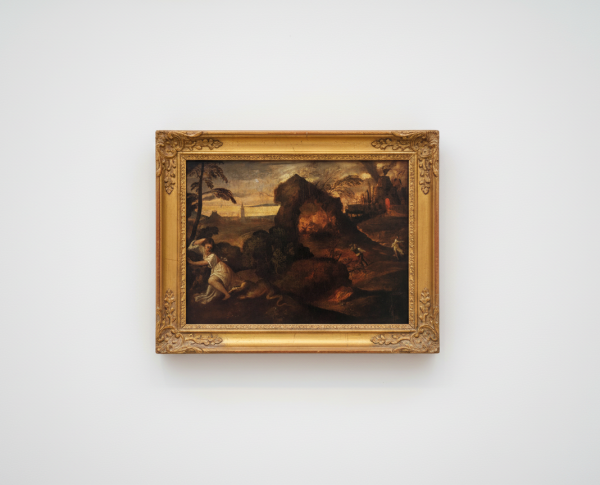
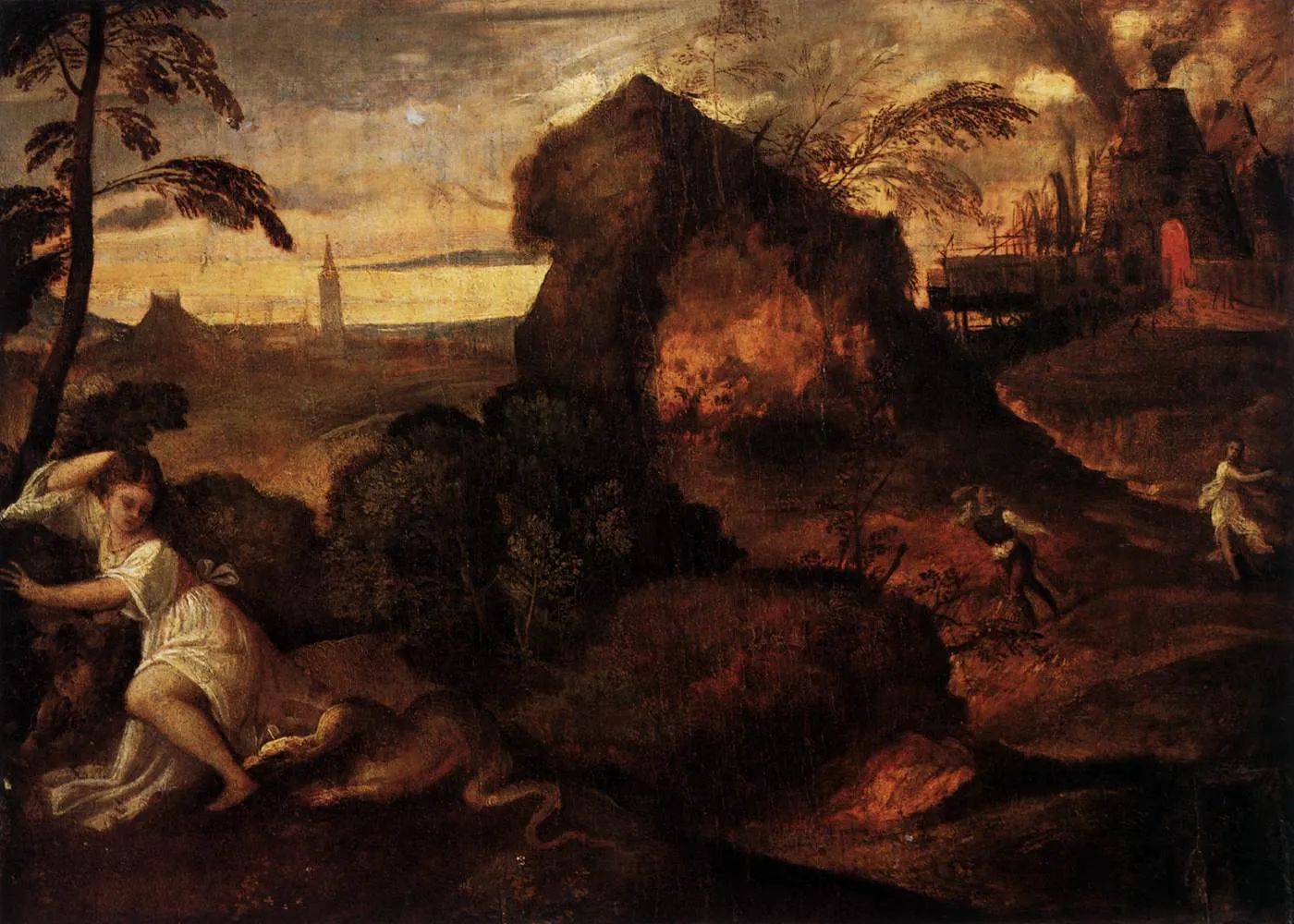
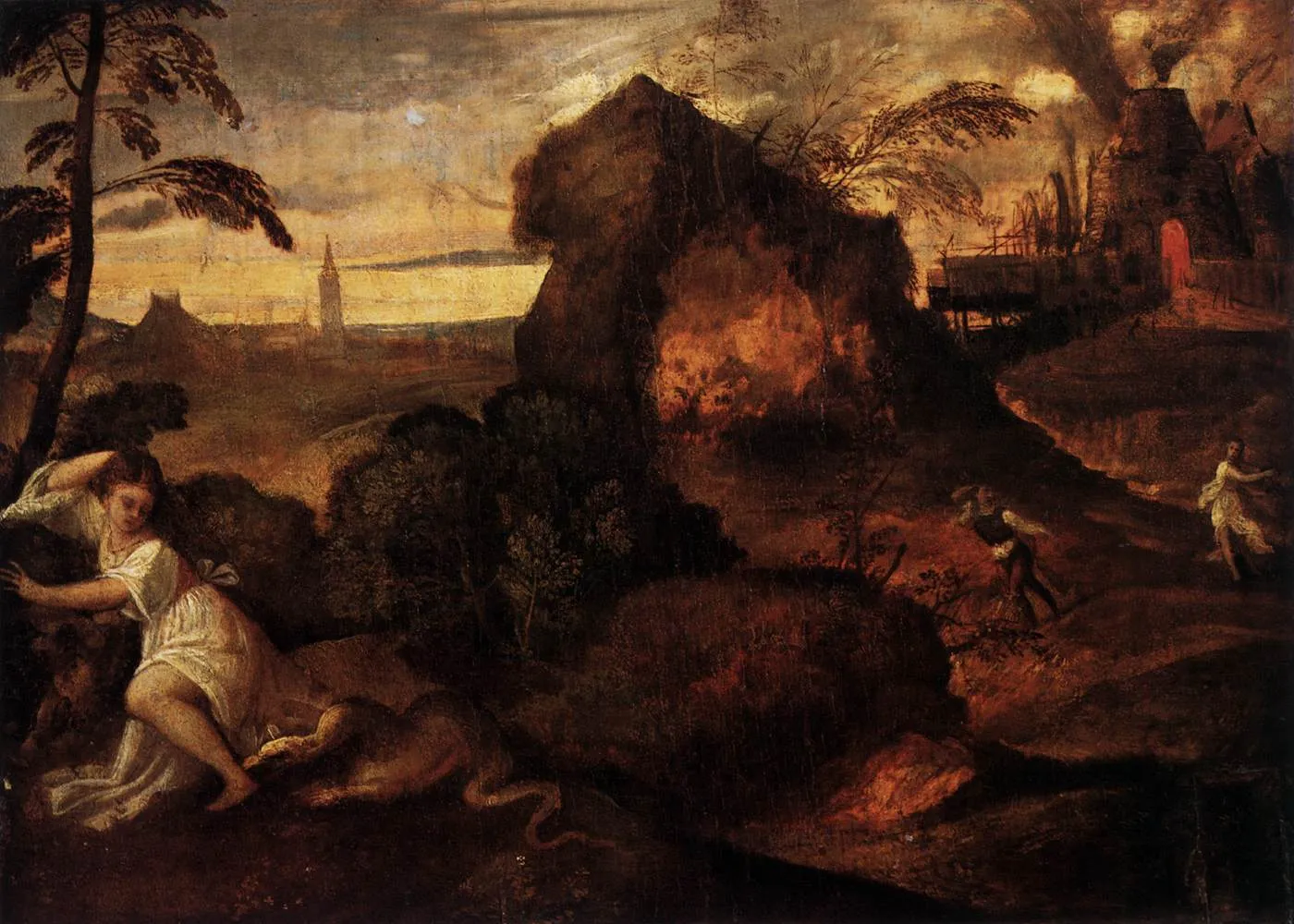
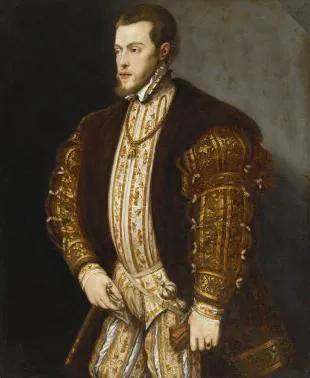
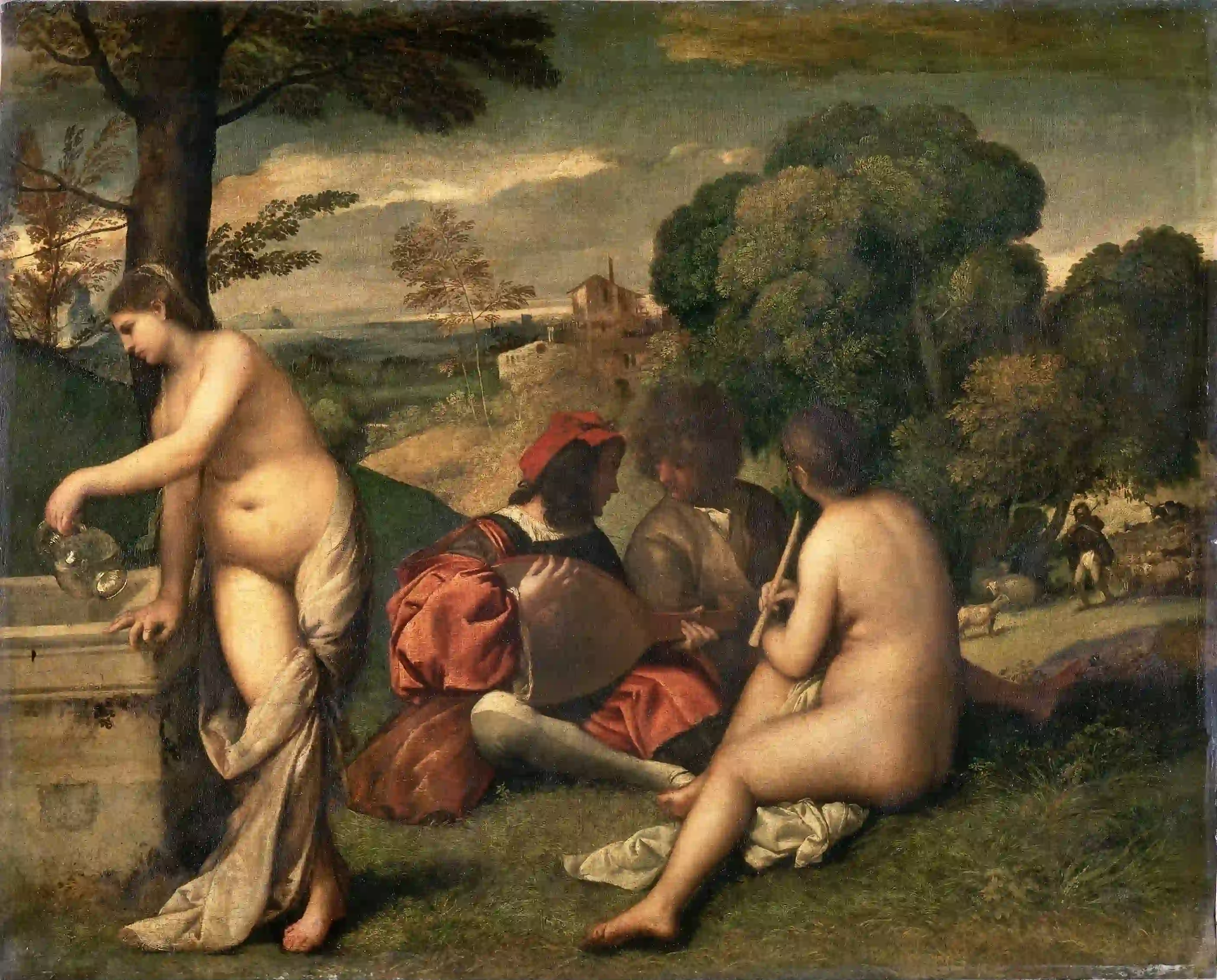
Tiziano Vecelli’s expertise shines through in "Orpheus and Eurydice," where every detail is rendered with remarkable precision. The artist’s use of oil on canvas allows for deep, luminous colors and intricate textures, hallmarks of the Renaissance style. This painting exemplifies Tiziano’s ability to evoke emotion and movement, making it a true highlight among fine art painting for sale, alongside works like "Philip II of Spain" and other celebrated pieces.
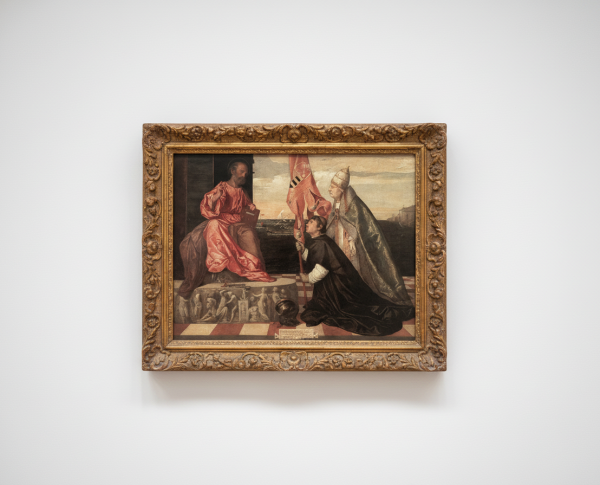
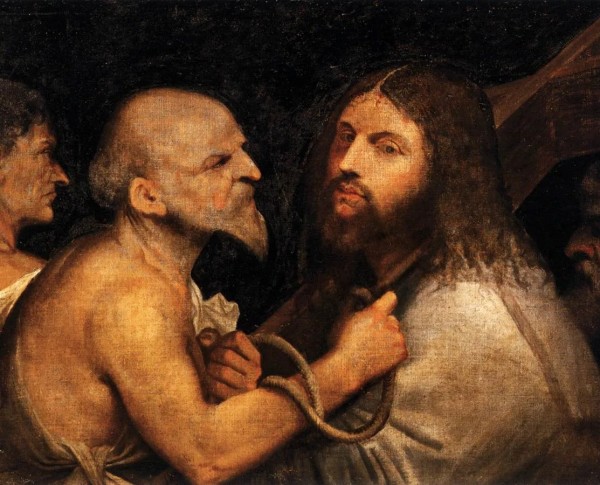
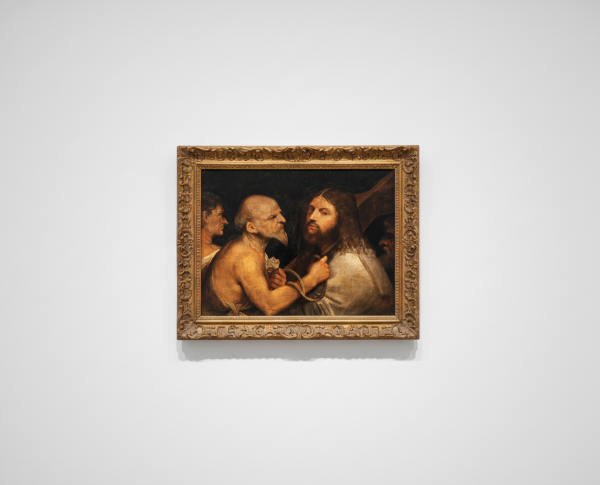
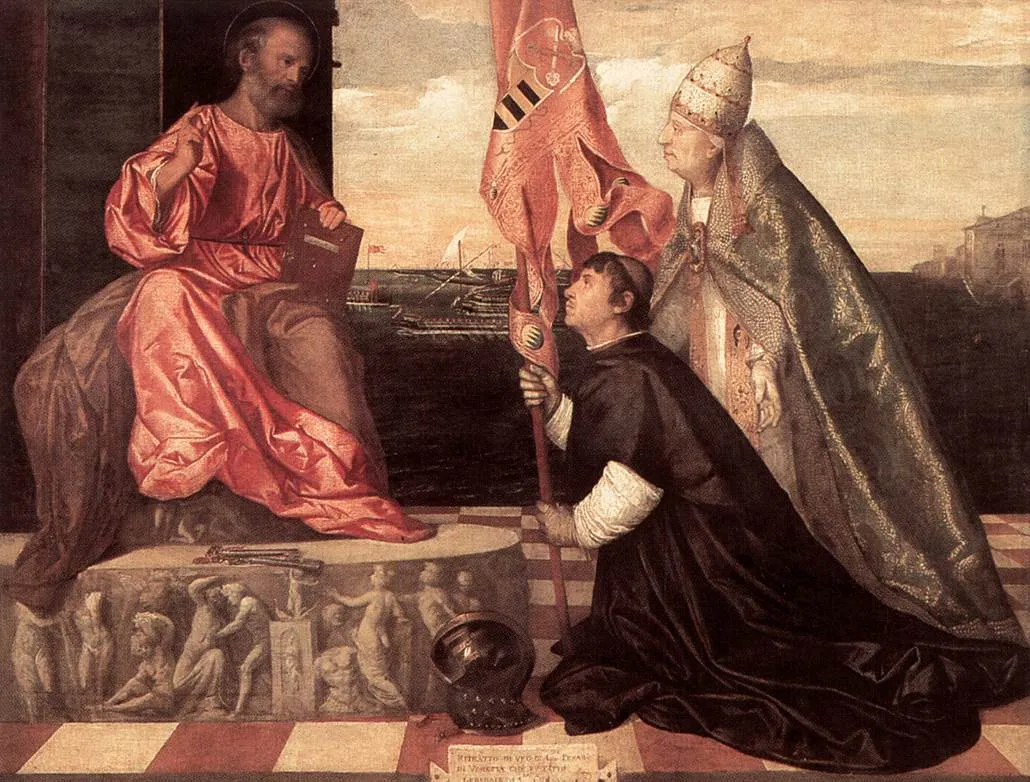
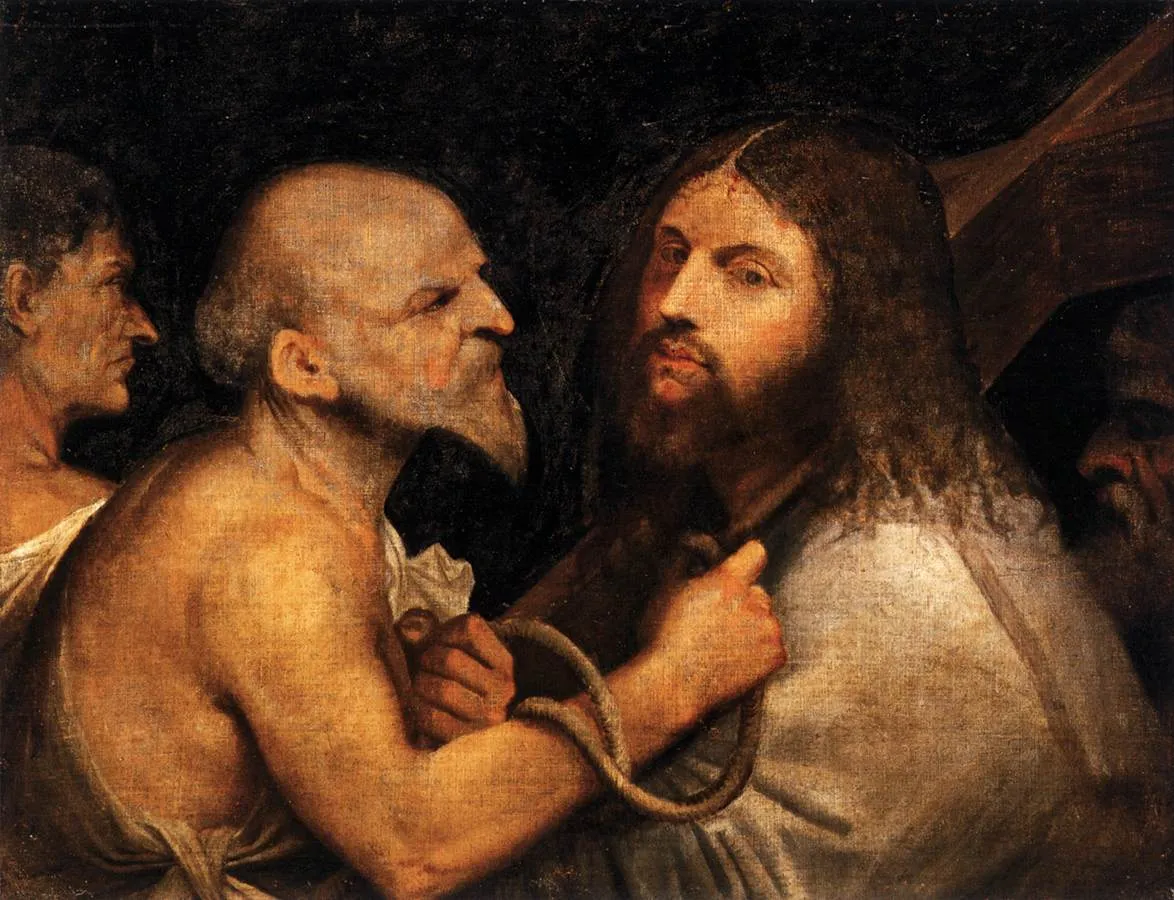
"Orpheus and Eurydice" is rich in allegorical meaning, showcasing Tiziano Vecelli’s talent for embedding layers of narrative within his hand-painted oil painting. Drawing from classical mythology, the artist weaves themes of love, loss, and fate, which were central to the Renaissance era. Collectors interested in symbolic storytelling often explore related products, such as "Christ Carrying the Cross" and "Pope Alexander IV Presenting Jacopo Pesaro to St Peter," to deepen their appreciation.
For discerning art lovers, "Orpheus and Eurydice" by Tiziano Vecelli represents the pinnacle of Renaissance achievement. This oil on canvas is not only a visual delight but also a prized fine art painting for sale. Its historical significance and exquisite craftsmanship make it a sought-after addition to any collection, whether displayed alongside "Philip II of Spain" or other masterpieces from the same illustrious period.
When Art Meets History
"Orpheus and Eurydice" by Tiziano Vecelli, also known as Titian, stands as a remarkable example of Renaissance artistry. This hand-painted oil painting transports viewers to the mythological love story of Orpheus and Eurydice, blending historical narrative with visual grandeur. Tiziano Vecelli’s mastery can also be seen in related paintings such as "Bathsheba at Her Bath" and "The Wedding at Cana," which further exemplify the Renaissance movement’s focus on human experience and classical themes.
Techniques That Speak
In "Orpheus and Eurydice," Tiziano Vecelli utilizes oil on canvas to achieve luminous effects and rich textures, hallmarks of the Renaissance period. His innovative brushwork and subtle use of color create depth and emotion, connecting this masterpiece with other works like "Lucretia" and "The Marriage Feast at Cana, c.1562." The painting’s technique highlights Titian’s ability to capture both the physical and emotional dimensions of his subjects, reinforcing his legacy in fine art history.
Emotions on Display
This fine art painting for sale captures the intense emotions of loss and longing through Tiziano Vecelli’s sensitive portrayal of Orpheus and Eurydice. The Renaissance movement’s fascination with human emotion is evident, as Titian skillfully conveys the tragic moment of separation. Similar emotive storytelling can be found in his other works, such as "The Feast in the House of Levi." Each brushstroke in this painting narrates the timeless sorrow and hope of its mythological characters.
Coveted by Collectors
"Orpheus and Eurydice" continues to be highly sought after by art collectors who value hand-painted oil paintings from the Renaissance era. Tiziano Vecelli’s works, including this piece and related paintings like "Lucretia" and "Bathsheba at Her Bath," are prized for their historical significance and exquisite technique. As a fine art painting for sale, this masterpiece offers collectors a chance to own a tangible connection to the rich legacy of Renaissance artistry and mythological storytelling.
Related Renaissance Hand-Painted Oil Paintings by Other Artists
Other Famous Renaissance Artists:
Frequently Asked Questions About Orpheus and Eurydice
What is the historical context of "Orpheus and Eurydice"?
"Orpheus and Eurydice" was painted by Tiziano Vecelli, commonly known as Titian, during the late Renaissance period in the 16th century. This era was characterized by a renewed interest in classical mythology and humanism, which is reflected in the themes of the painting.
What mythological story does the painting depict?
The painting illustrates the tragic love story of Orpheus and Eurydice from Greek mythology. Orpheus, a gifted musician, descends into the Underworld to retrieve his beloved Eurydice, who has died. The moment captured in the painting is often interpreted as Orpheus's moment of doubt as he looks back at Eurydice, leading to her permanent loss.
What artistic techniques did Titian use in this painting?
Titian employed a dynamic composition and vibrant color palette to convey emotion and movement. His use of chiaroscuro, the contrast between light and dark, enhances the dramatic effect of the scene, while his brushwork captures the texture of the figures and the surrounding environment.
What is the significance of the figures' expressions in the painting?
The expressions of Orpheus and Eurydice are pivotal to the emotional impact of the artwork. Orpheus's gaze is filled with longing and despair, while Eurydice's expression reflects both hope and sorrow, symbolizing the tension between love and loss inherent in their story.
How does Titian's portrayal of Orpheus differ from other artists?
Titian's portrayal of Orpheus is notable for its emotional depth and realism. Unlike other artists who may depict Orpheus as a heroic figure, Titian emphasizes his vulnerability and the tragic consequences of his actions, providing a more nuanced interpretation of the myth.
What role does color play in "Orpheus and Eurydice"?
The color scheme in "Orpheus and Eurydice" serves to heighten the emotional resonance of the scene. Warm tones dominate the figures, suggesting passion and love, while cooler tones in the background evoke the somber atmosphere of the Underworld, creating a stark contrast that underscores the narrative tension.
What symbolic elements are present in the painting?
Symbolism in "Orpheus and Eurydice" is rich and multifaceted. The act of Orpheus looking back at Eurydice symbolizes doubt and the fragility of love, while the presence of nature in the painting represents life and rebirth, contrasting with the theme of death that pervades their story.
How does this painting reflect the ideals of the Renaissance?
This painting reflects Renaissance ideals through its focus on human emotion, individual experience, and classical themes. Titian's ability to convey complex feelings and the beauty of the human form exemplifies the period's celebration of humanity and the natural world.
Where is "Orpheus and Eurydice" currently housed?
"Orpheus and Eurydice" is part of the collection at the Museo del Prado in Madrid, Spain. The museum is renowned for its extensive collection of European art, including several works by Titian.
What influence did "Orpheus and Eurydice" have on later artists?
The emotional intensity and masterful technique displayed in "Orpheus and Eurydice" have influenced numerous artists throughout history. Titian's approach to mythological subjects paved the way for future interpretations of classical themes, inspiring both Romantic and Symbolist artists in their explorations of love and loss.






















_GFM_Painting_(1).webp)


 100% Hand-Painted: Finished in 3-6 Weeks

.png)















_(1).webp)