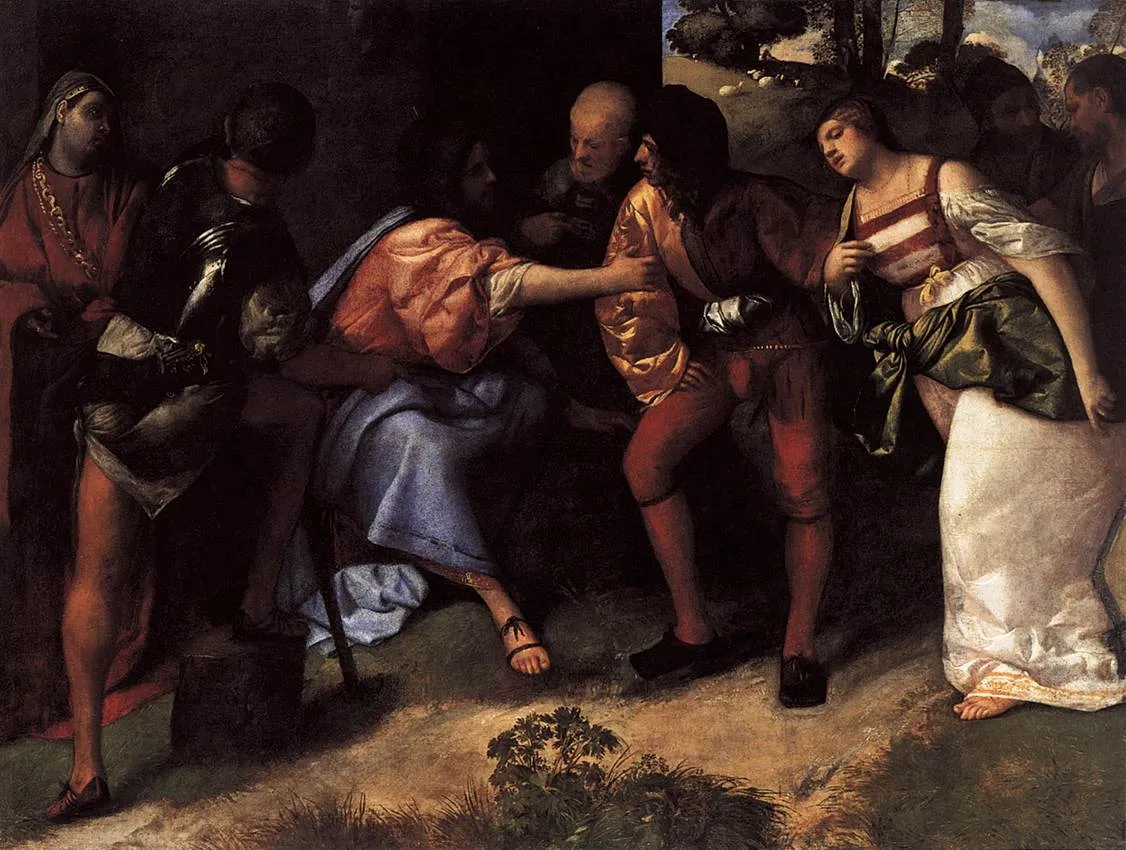
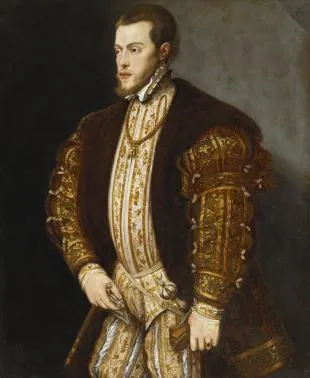
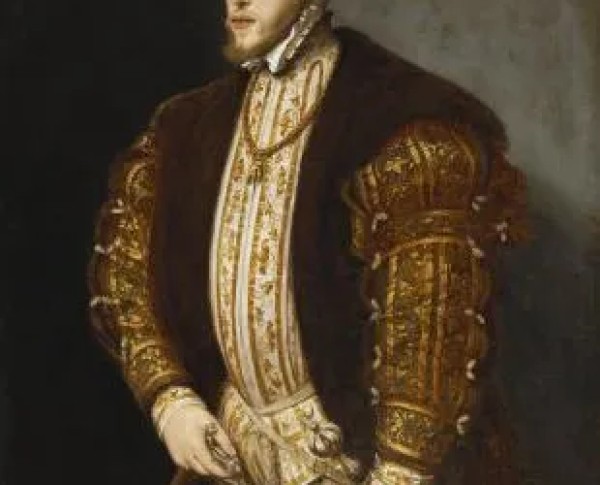
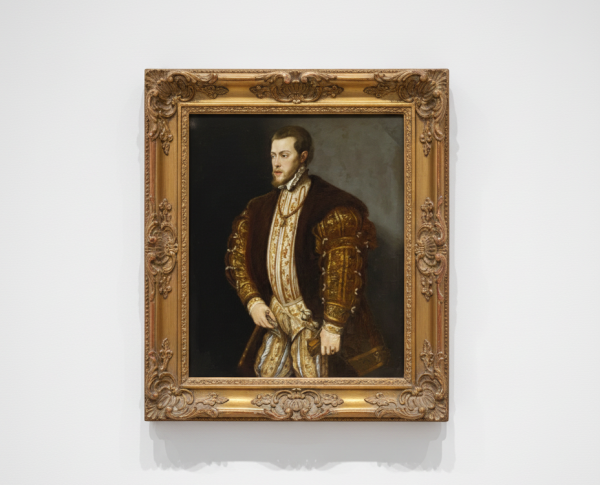
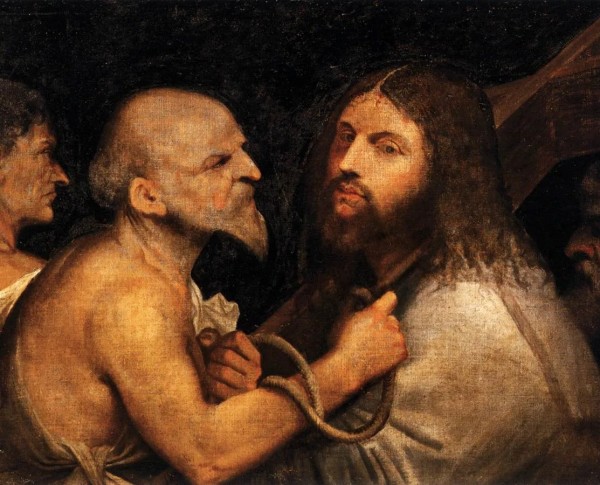
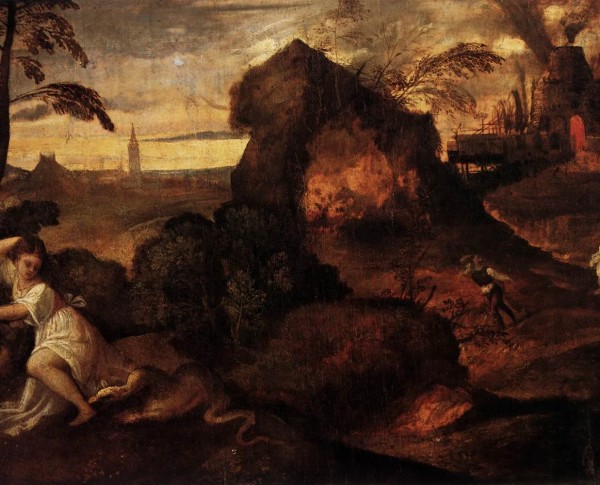
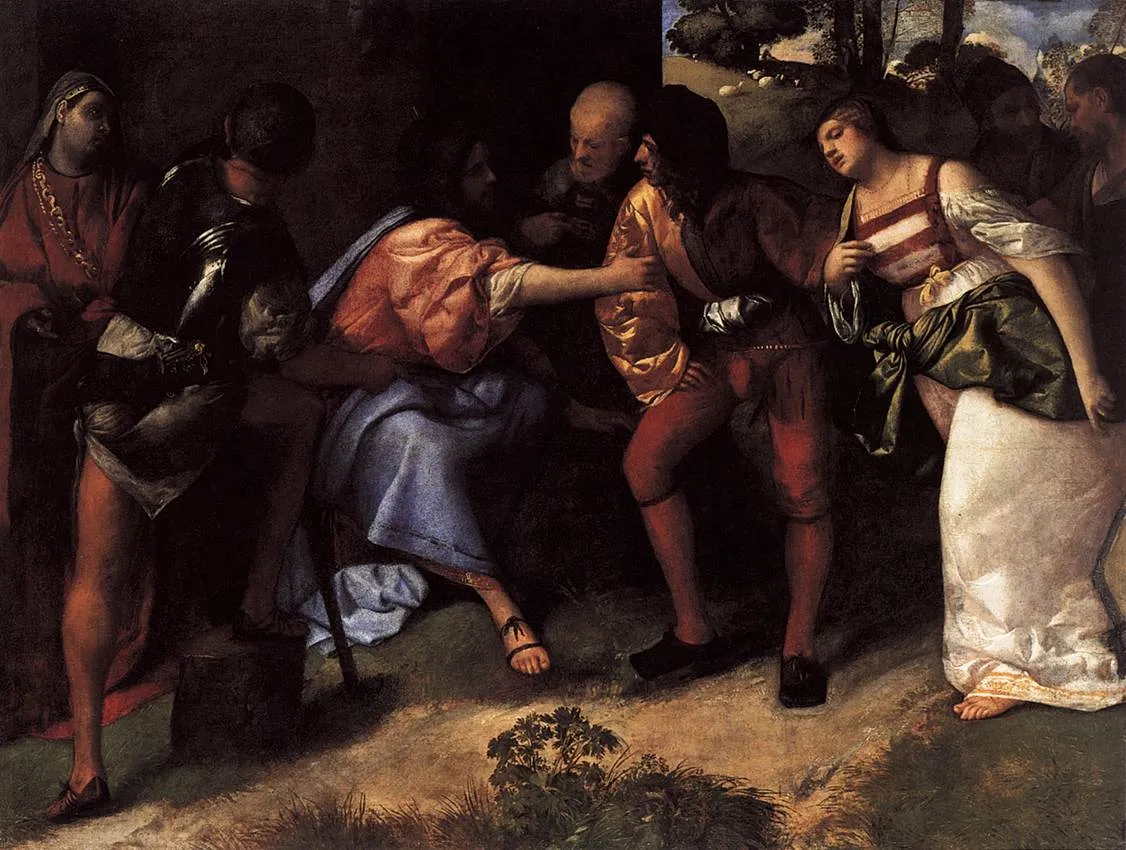
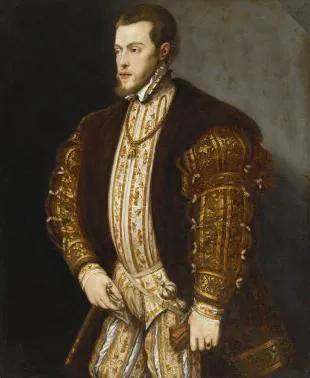
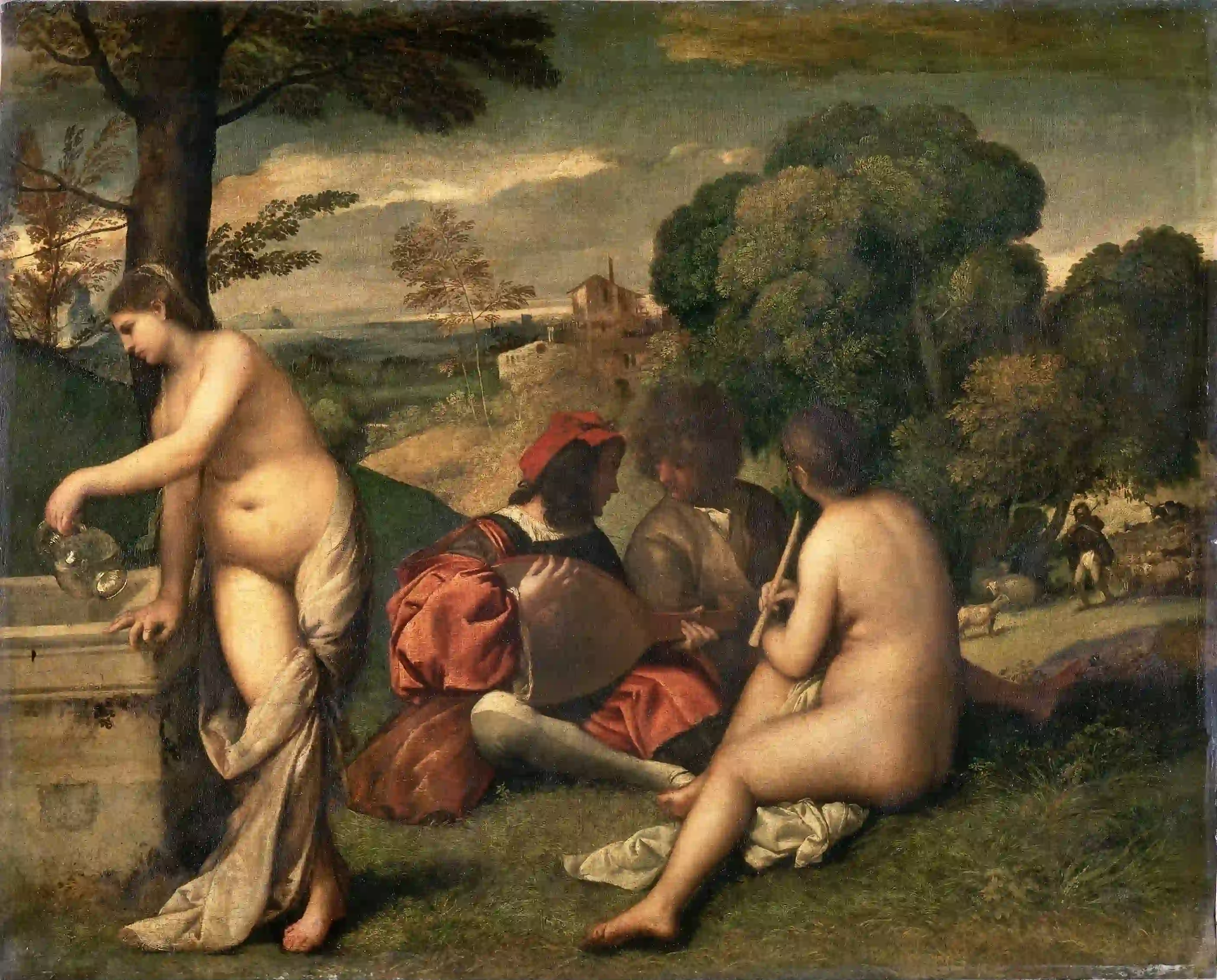
Tiziano Vecelli’s "Christ and the Adulteress" exemplifies the artist’s unparalleled skill with oil on canvas. Each brushstroke conveys dramatic tension, highlighting Vecelli's command of light and shadow, hallmarks of Renaissance art. This masterpiece is often compared to related products like "Concert Champetre" and "Philip II of Spain," which also demonstrate Vecelli’s technical prowess and his ability to bring complex narratives to life with vibrant realism.
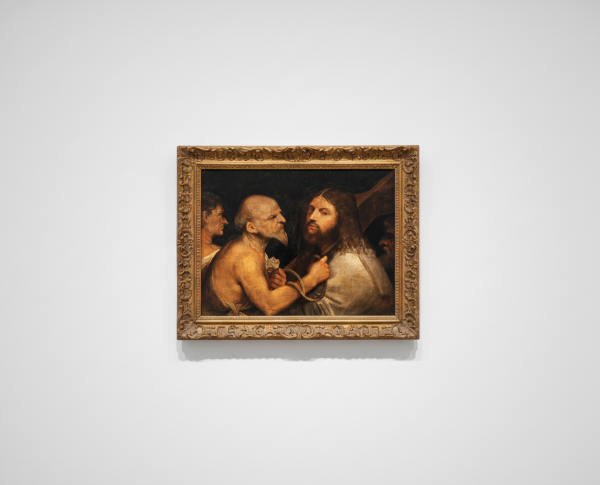
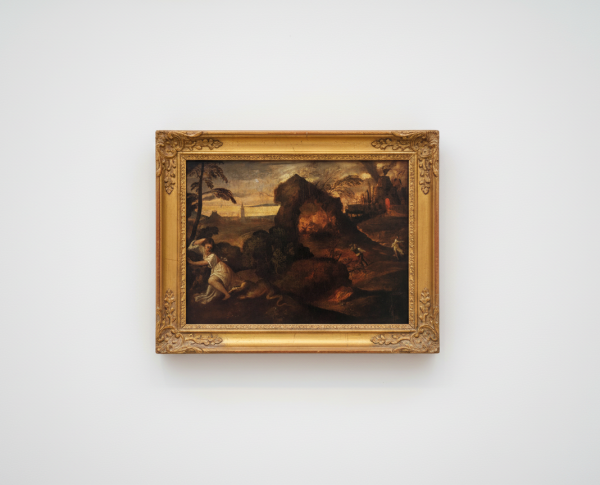
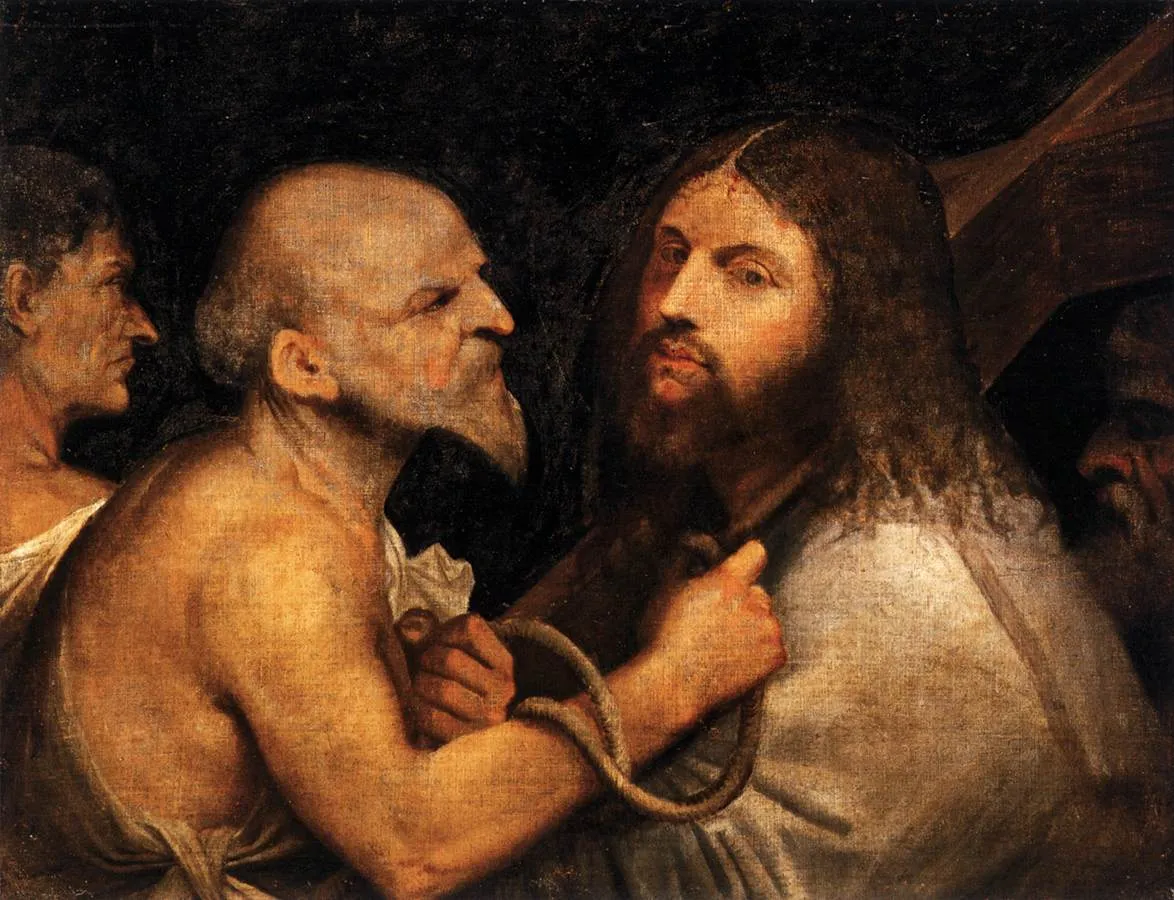
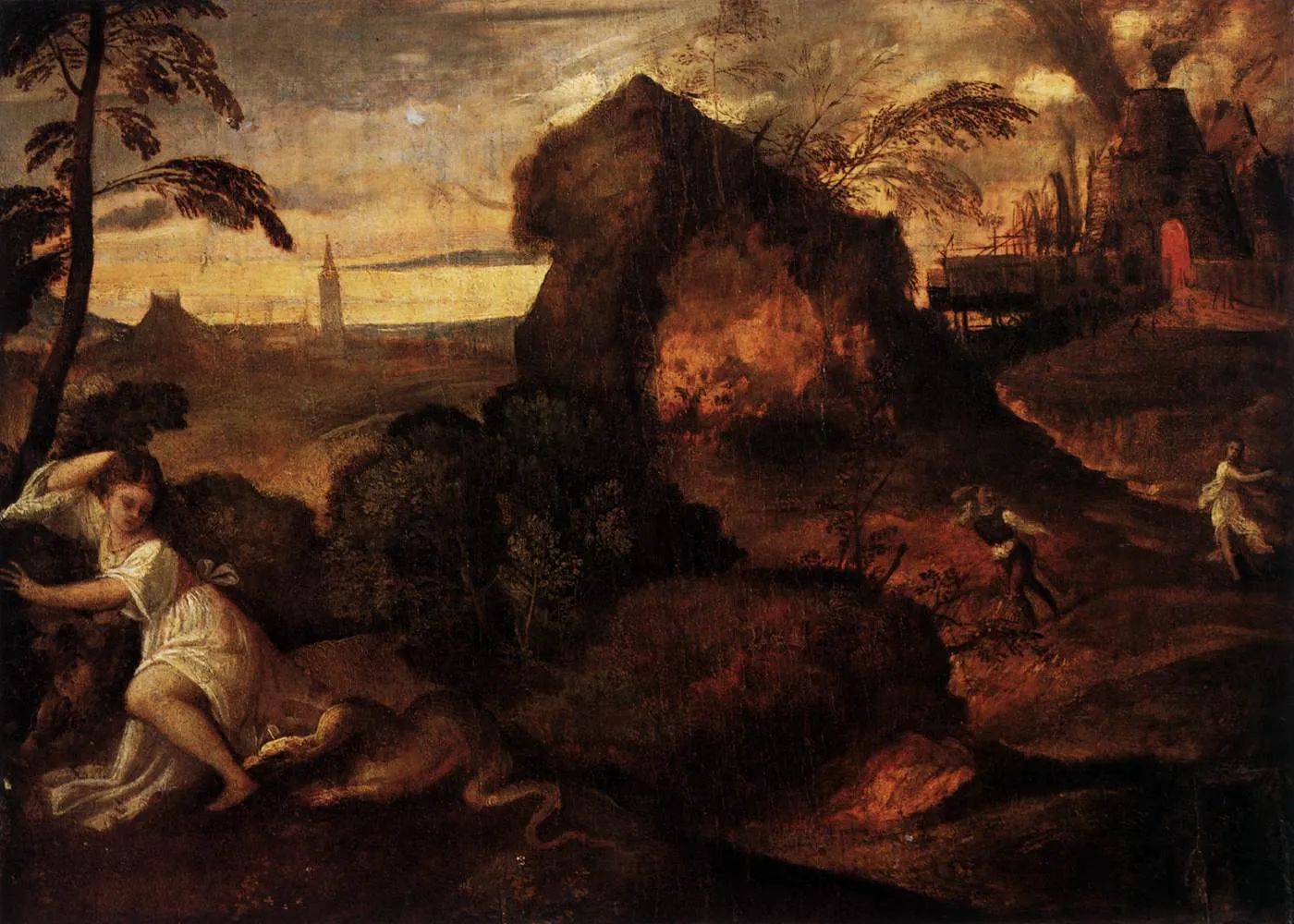
Within "Christ and the Adulteress," Tiziano Vecelli weaves a rich tapestry of symbolism characteristic of the Renaissance movement. The scene’s emotional depth and subtle gestures speak volumes about forgiveness and judgment. Collectors of hand-painted oil paintings often seek similar narrative power in works such as "Orpheus and Eurydice" and "Christ Carrying the Cross," both of which echo the storytelling excellence found in Vecelli’s celebrated portfolio.
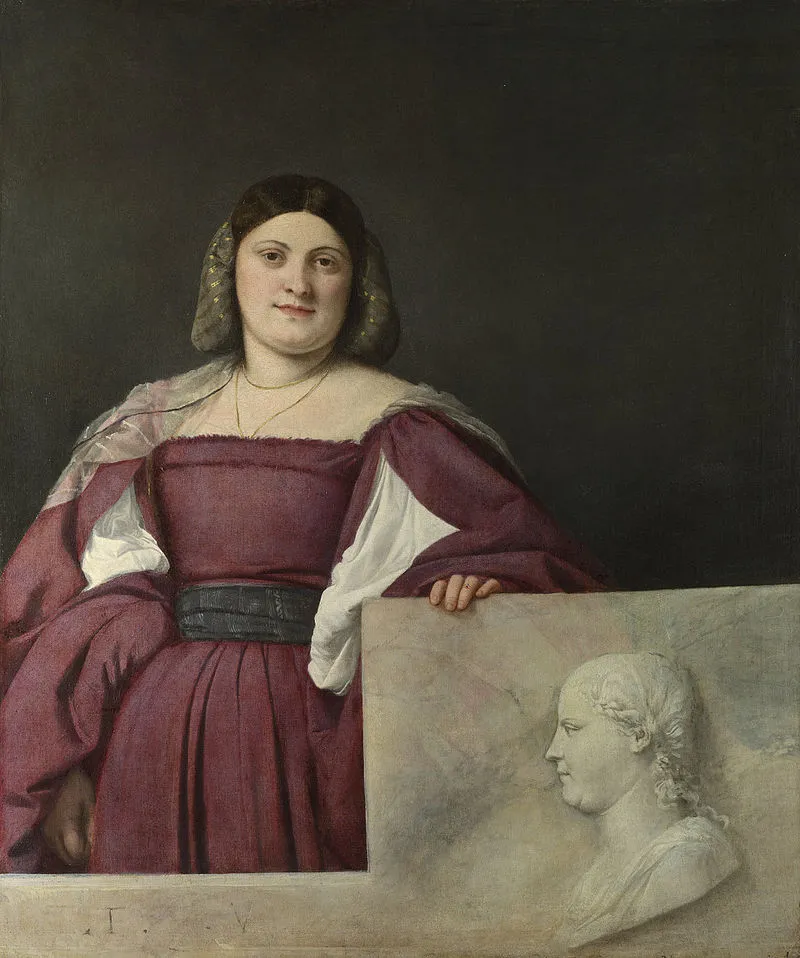
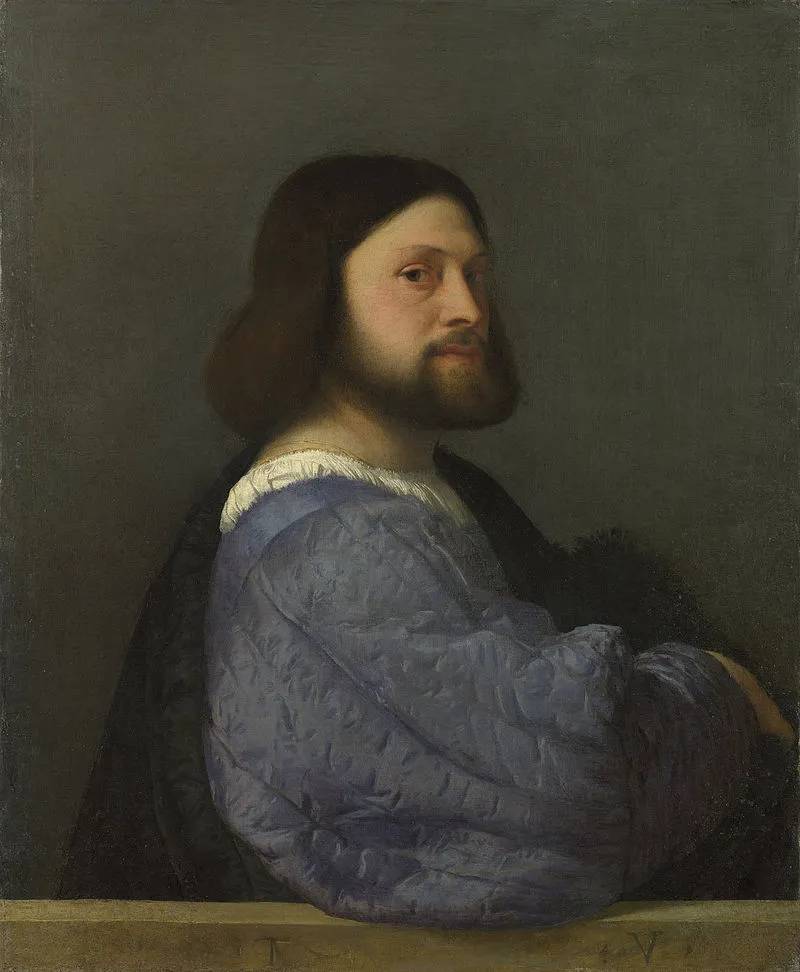
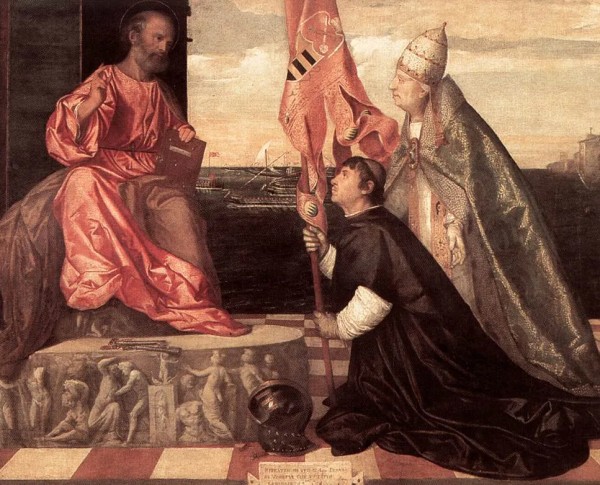
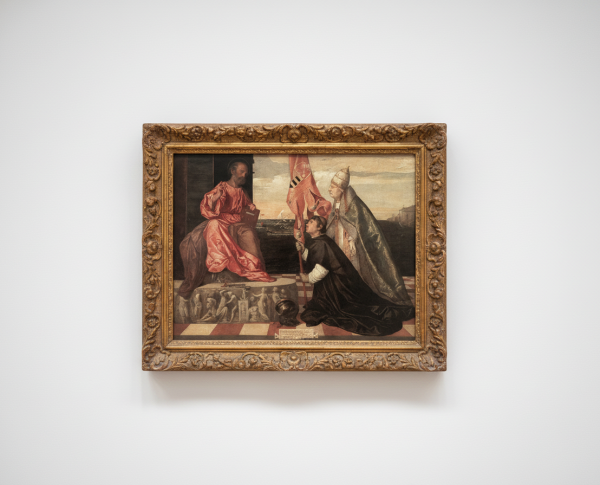
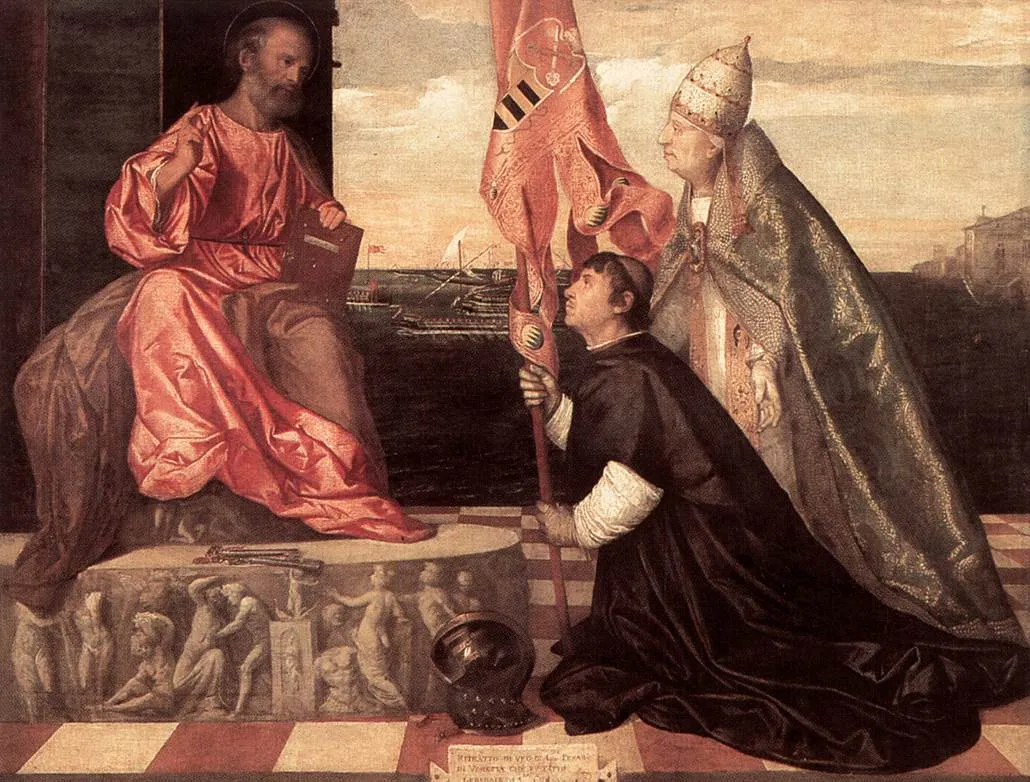
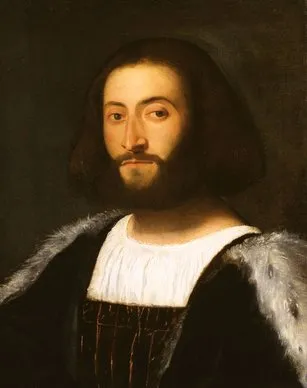
Owning "Christ and the Adulteress" by Tiziano Vecelli means possessing a true fine art painting for sale from the Renaissance era. Its historical significance and masterful execution make it a coveted piece among art enthusiasts. Collectors often pair it with related masterpieces like "Portrait of a Man" or "Pope Alexander IV Presenting Jacopo Pesaro to St Peter" to create a distinguished display of Vecelli’s most influential oil on canvas works.
When Art Meets History
"Christ and the Adulteress" by Tiziano Vecelli, a master of the Renaissance movement, is a remarkable hand-painted oil painting that captures a defining biblical moment. Created during a time of great artistic innovation, this work stands alongside masterpieces like "The Wedding at Cana" and "The Feast in the House of Levi." Through his brushwork, Vecelli brings to life the tension and drama of the scene, offering viewers a glimpse into the complexities of faith and forgiveness in Renaissance art.
Techniques That Speak
Tiziano Vecelli’s use of oil on canvas in "Christ and the Adulteress" showcases his mastery of color, light, and composition. The artist skillfully employs chiaroscuro to highlight the central figures, creating a dramatic contrast that draws the viewer’s attention. This technique, shared with works like "Bathsheba at Her Bath" and "Allegory of Virtue and Vice," reflects the innovative spirit of the Renaissance movement and solidifies Vecelli’s influence on generations of painters.
Emotions on Display
In "Christ and the Adulteress," Tiziano Vecelli expertly conveys a spectrum of emotions, from compassion to judgment, through nuanced facial expressions and body language. The fine art painting for sale invites viewers to empathize with the figures, feeling the tension and humanity of the moment. Comparable to emotional scenes in "The Marriage Feast at Cana, c.1562," Vecelli’s work demonstrates the Renaissance focus on realism and psychological depth, making each character’s inner world palpable.
Coveted by Collectors
"Christ and the Adulteress" remains highly sought after among collectors of Renaissance art, celebrated for its historical importance and artistic brilliance. As with other masterpieces by Tiziano Vecelli, this painting’s presence in prestigious collections elevates its status. Collectors prize such oil on canvas works, recognizing their enduring value and connection to related paintings like "The Feast in the House of Levi" and "Allegory of Virtue and Vice," making it a cornerstone of any esteemed art collection.
Related Renaissance Hand-Painted Oil Paintings by Other Artists
Other Famous Renaissance Artists:
Frequently Asked Questions About Christ and the Adulteress
What is the historical context of "Christ and the Adulteress"?
"Christ and the Adulteress" was painted during the Renaissance period, a time marked by a renewed interest in classical antiquity and humanism. This work reflects the societal and religious tensions of the 16th century, particularly regarding morality and forgiveness.
What is the primary theme of the painting?
The primary theme of the painting is the concept of mercy and forgiveness. It depicts the biblical story of Jesus intervening on behalf of a woman accused of adultery, emphasizing the importance of compassion over judgment.
Who are the key figures depicted in the painting?
The key figures in the painting are Jesus Christ and the adulteress, surrounded by a group of accusers. Each character plays a crucial role in conveying the narrative of judgment and redemption.
What artistic techniques did Tiziano Vecelli use in this painting?
Tiziano Vecelli employed techniques such as chiaroscuro to create depth and drama, as well as a rich color palette that enhances the emotional intensity of the scene. His mastery of light and shadow draws the viewer's eye to the central figures.
How does the composition of the painting contribute to its message?
The composition is dynamic, with Jesus positioned centrally, symbolizing his role as a mediator. The arrangement of figures creates a sense of tension and movement, reinforcing the theme of confrontation between sin and redemption.
What symbolism is present in "Christ and the Adulteress"?
The painting is rich in symbolism; for instance, the presence of the accusers represents societal judgment, while the posture of the adulteress suggests vulnerability and the need for mercy. Jesus' calm demeanor symbolizes divine forgiveness.
What influence did "Christ and the Adulteress" have on later artists?
This painting influenced numerous artists in the Baroque period and beyond, inspiring them to explore themes of morality, redemption, and the human condition. Its emotional depth and dramatic composition set a precedent for narrative art.
What is the significance of the setting in the painting?
The setting is intentionally ambiguous, allowing the focus to remain on the figures and their interactions. This choice emphasizes the universal nature of the themes of judgment and forgiveness, transcending specific cultural contexts.
How does this painting reflect Tiziano Vecelli's artistic style?
Tiziano's style is characterized by vibrant colors, expressive figures, and a strong emotional narrative. "Christ and the Adulteress" exemplifies these traits, showcasing his ability to convey complex human emotions through art.
Where can I view "Christ and the Adulteress" today?
"Christ and the Adulteress" is housed in a prominent museum collection, where it can be appreciated for its historical and artistic significance. Please check the gallery's current exhibitions for viewing details.






















_GFM_Painting_(1).webp)


 100% Hand-Painted: Finished in 3-6 Weeks

.png)















_(1).webp)