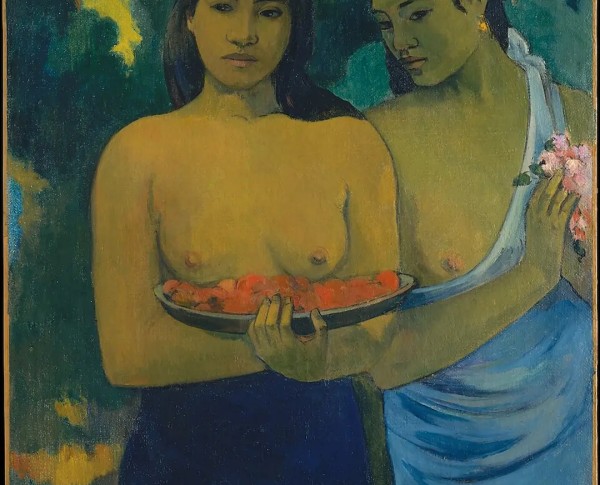
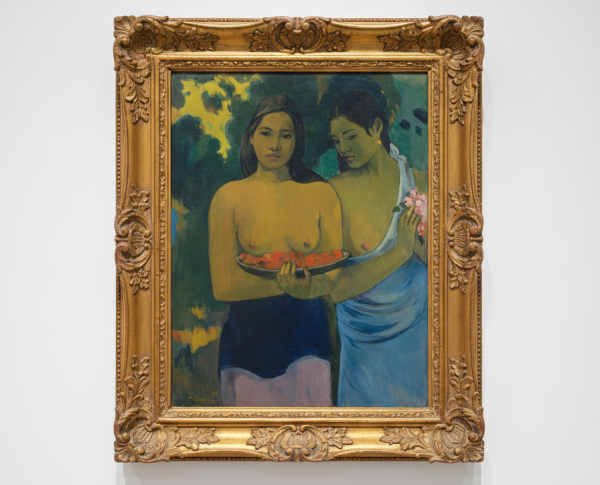
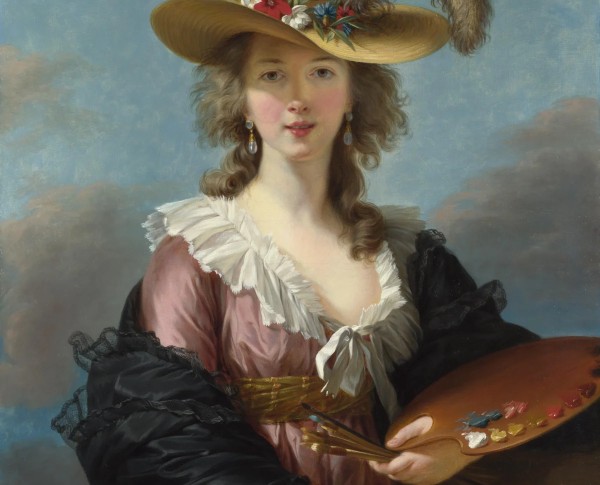
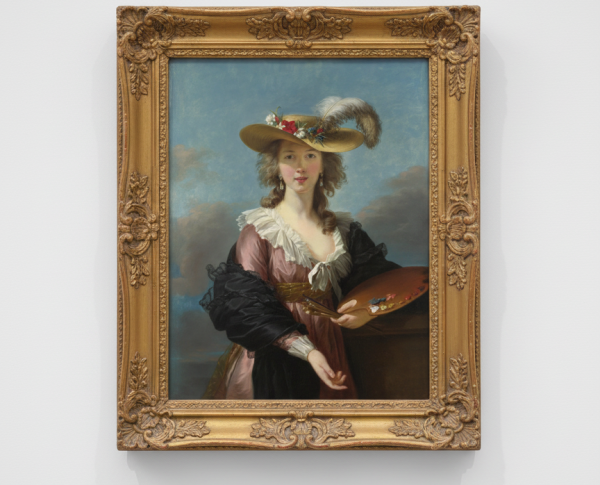
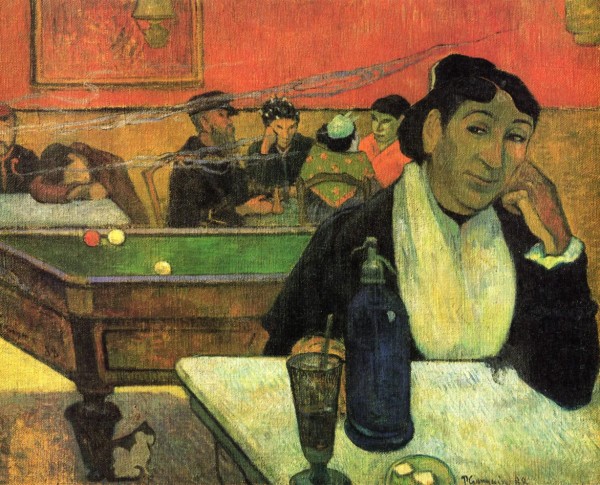
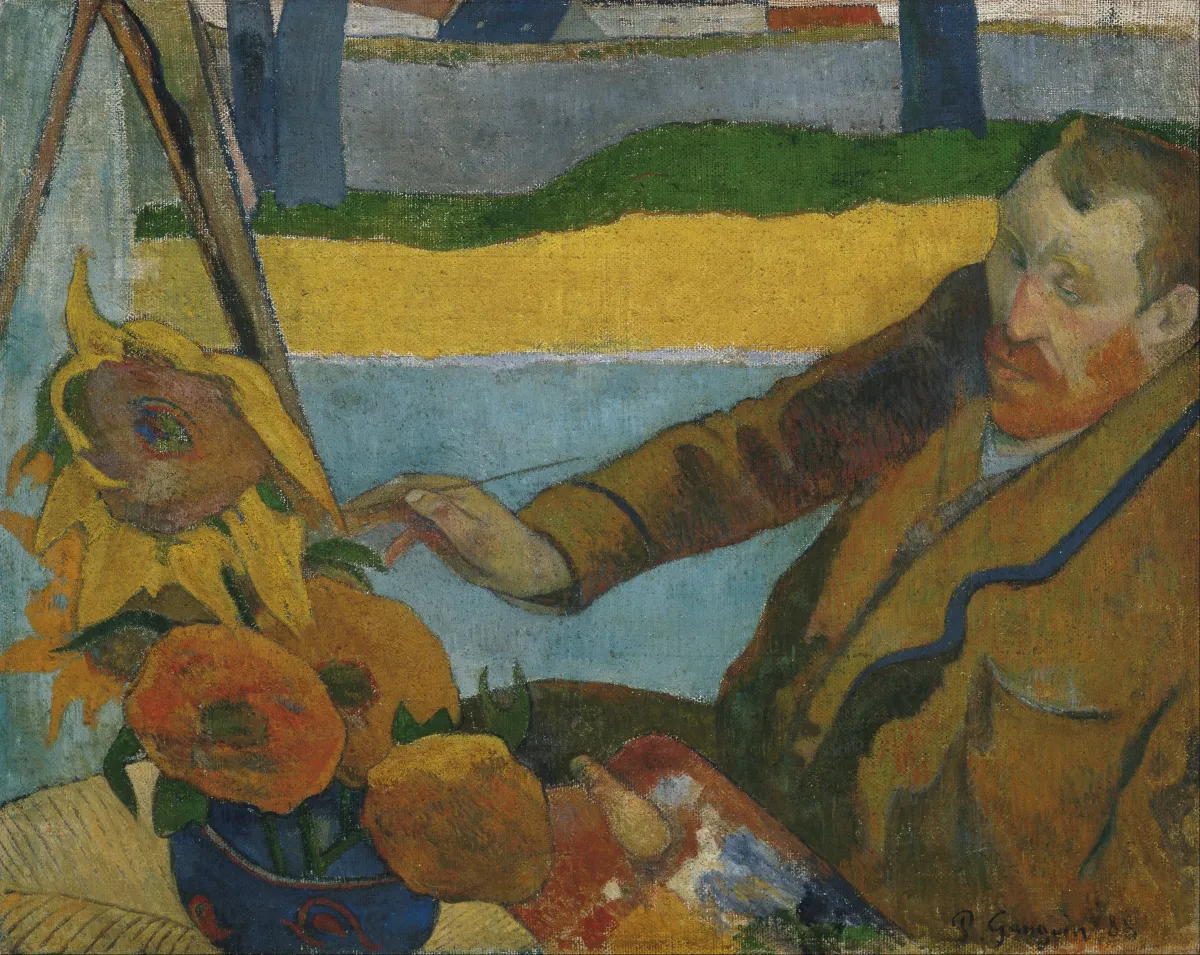
Paul Gauguin's "The Painter of Sunflowers" demonstrates his exceptional command of oil on canvas, utilizing bold colors and dynamic brushwork typical of Post-Impressionism. Each stroke conveys emotion and movement, showcasing Gauguin's unique style. Collectors interested in similar works may also appreciate "Aha Oe Feii?" and "Love Each Other," both highlighting Gauguin's mastery and his influence on the evolution of modern art through oil on canvas.
In "The Painter of Sunflowers," Paul Gauguin weaves stories and symbols that speak to the heart of the Post-Impressionism movement. This fine art painting for sale is rich in meaning, hinting at Gauguin's interactions with Van Gogh and the broader artistic community. Collectors often pair it with pieces like "Q17495755" or "Vairumati" to explore the narrative depth and symbolic resonance found throughout Gauguin's oeuvre.
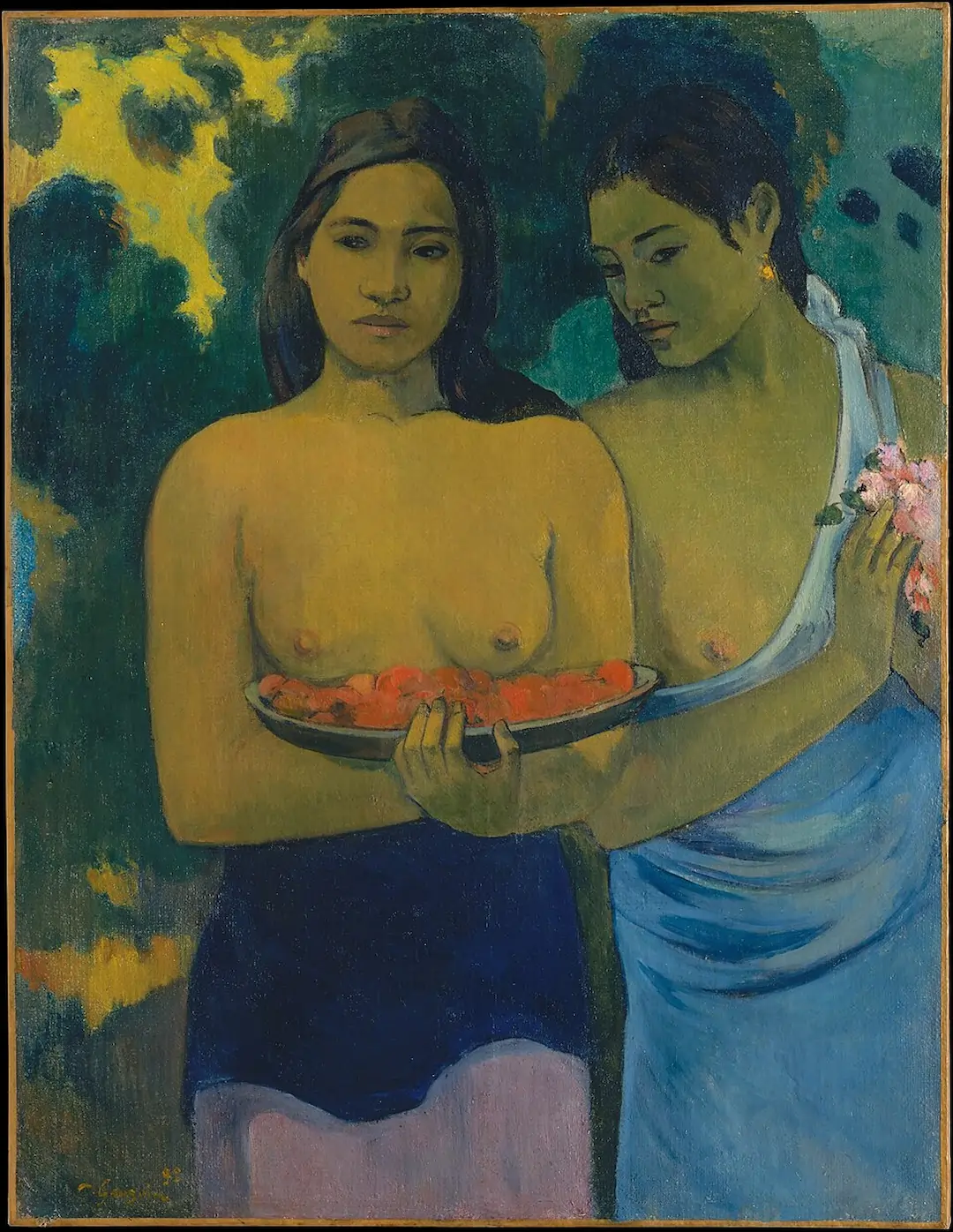
For art lovers, "The Painter of Sunflowers" by Paul Gauguin is a fine art painting for sale that represents a prized addition to any collection. As a key piece within the Post-Impressionism movement, it complements related works such as "Two Tahitian Women" and "Where Do We Come From? What Are We? Where Are We Going?". Gauguin’s legacy continues to inspire, making this oil on canvas a true collector’s treasure.
When Art Meets History
Paul Gauguin’s "The Painter of Sunflowers" stands as a vivid testament to the Post-Impressionism movement. Painted during a period of intense creativity, this hand-painted oil painting captures the vibrant spirit of late 19th-century art. Gauguin’s connection to Vincent van Gogh and their time in Arles influenced both artists, as seen in this work and related paintings like "The White Orchard" and "Wheatfield with Crows." The painting bridges history and artistry, reflecting an era’s bold experimentation.
Techniques That Speak
Utilizing oil on canvas, Paul Gauguin’s technique in "The Painter of Sunflowers" exemplifies the dynamic brushwork and rich color palette characteristic of Post-Impressionism. Gauguin’s layering and textural contrasts breathe life into his subject, echoing stylistic elements found in related works such as "Church Pew with Worshippers" and "An English Traveling Circus." This approach to oil on canvas not only highlights Gauguin’s mastery but also advances the expressive capabilities of painting beyond Impressionism.
Emotions on Display
"The Painter of Sunflowers" by Paul Gauguin radiates emotional intensity, a hallmark of the Post-Impressionism movement. The composition’s bold colors and sweeping forms evoke both admiration and introspection, inviting viewers to connect deeply with the artist’s vision. This fine art painting for sale resonates with the same emotional depth found in works like "Wheat Field With Crows," revealing Gauguin’s fascination with the inner worlds of artists and the beauty of everyday life.
Coveted by Collectors
Collectors highly prize "The Painter of Sunflowers" by Paul Gauguin, recognizing its significance within both his oeuvre and the broader Post-Impressionism movement. This hand-painted oil painting, alongside masterpieces like "The White Orchard" and "Wheatfield with Crows," remains in demand for its unique perspective and historical value. As a fine art painting for sale, it continues to captivate audiences, reflecting Gauguin’s enduring influence and the timeless appeal of Post-Impressionist creativity.
Related Post-Impressionism Hand-Painted Oil Paintings by Other Artists
Other Famous Post-Impressionism Artists:
Frequently Asked Questions About The Painter of Sunflowers
What is the historical context of "The Painter of Sunflowers"?
"The Painter of Sunflowers" was created during Paul Gauguin's time in Tahiti, a period marked by his exploration of color and form, as well as his desire to escape European civilization and its conventions.
What artistic techniques did Gauguin use in this painting?
Gauguin employed bold colors, simplified forms, and a flat perspective, which were characteristic of his post-impressionist style. He often used color to convey emotion rather than to represent reality.
What is the significance of sunflowers in this artwork?
Sunflowers symbolize warmth, positivity, and vitality. In this painting, they may also represent Gauguin's fascination with nature and the vibrant life of Tahiti, contrasting with the darker themes of his earlier works.
How does "The Painter of Sunflowers" reflect Gauguin's artistic philosophy?
The painting embodies Gauguin's belief in the importance of personal expression and the emotional impact of color. It reflects his departure from traditional representation and his quest for a more spiritual and symbolic art.
What influences can be seen in "The Painter of Sunflowers"?
Gauguin was influenced by various cultures, including Japanese art and the symbolism movement. This painting showcases the integration of these influences, particularly in its composition and use of color.
What themes are explored in "The Painter of Sunflowers"?
The painting explores themes of nature, beauty, and the artist's relationship with his environment. It also touches on the idea of artistic creation as a form of spiritual expression.
How does this painting fit into Gauguin's overall body of work?
"The Painter of Sunflowers" is a pivotal work that illustrates Gauguin's evolution as an artist. It marks a shift towards a more vibrant and expressive style, setting the stage for his later masterpieces.
What role does color play in "The Painter of Sunflowers"?
Color plays a crucial role in conveying emotion and mood in this painting. Gauguin's use of bright yellows and contrasting hues creates a sense of vibrancy and life, inviting viewers to experience the joy of nature.
What impact did "The Painter of Sunflowers" have on future artists?
This painting influenced many modern artists who sought to break away from traditional techniques and explore color and form in new ways. Gauguin's innovative approach paved the way for movements such as Fauvism and Expressionism.
Where can I view "The Painter of Sunflowers" today?
The painting is part of a private collection and may not be on public display. However, it is often featured in exhibitions focusing on Gauguin's work and the post-impressionist movement.






















_GFM_Painting_(1).webp)


 100% Hand-Painted: Finished in 3-6 Weeks

.png)















_(1).webp)