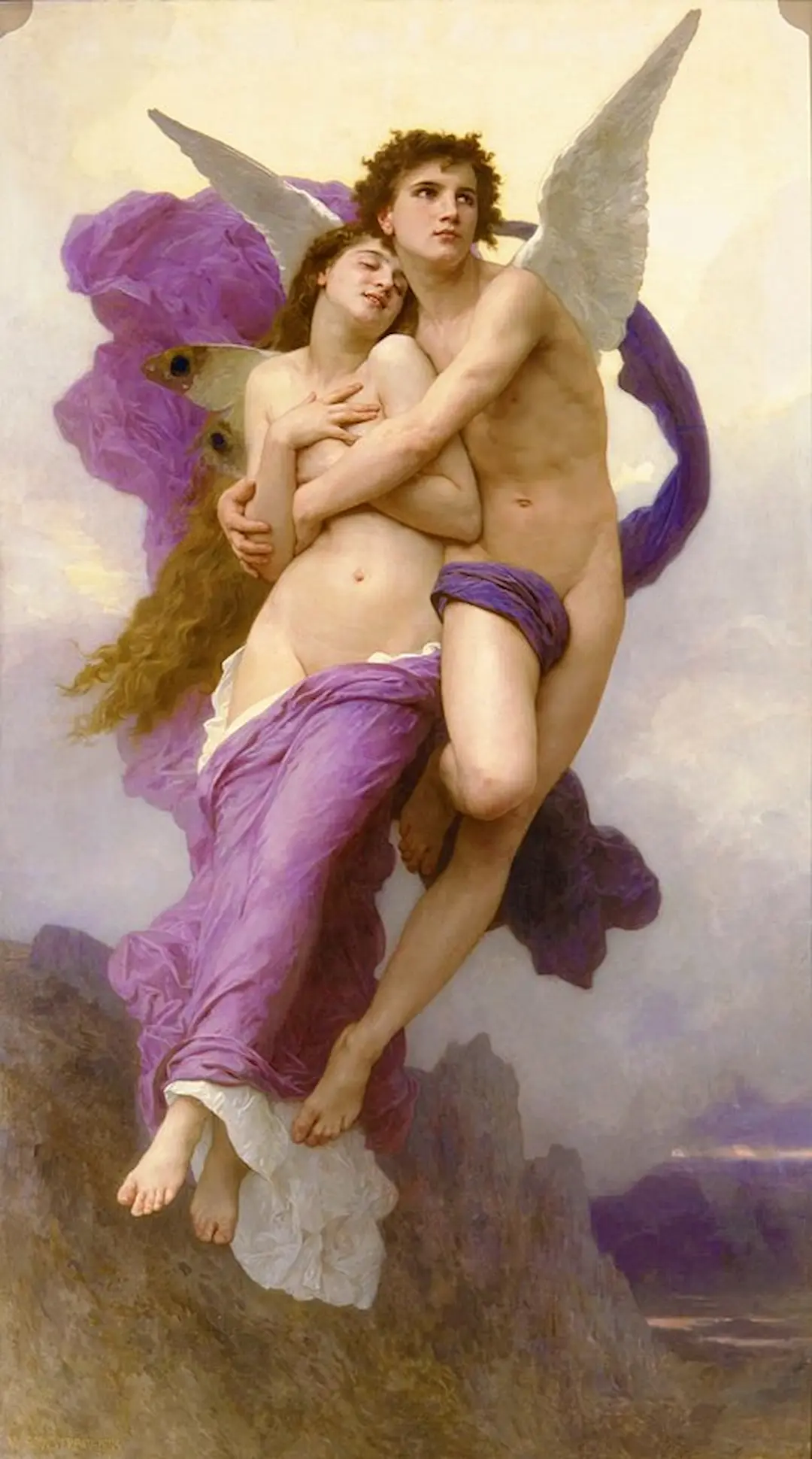
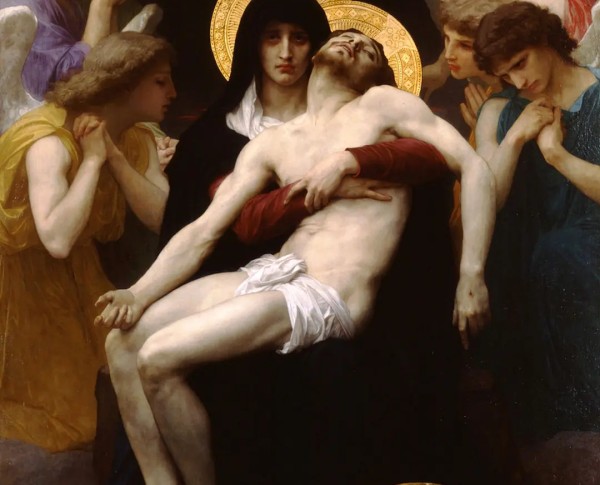
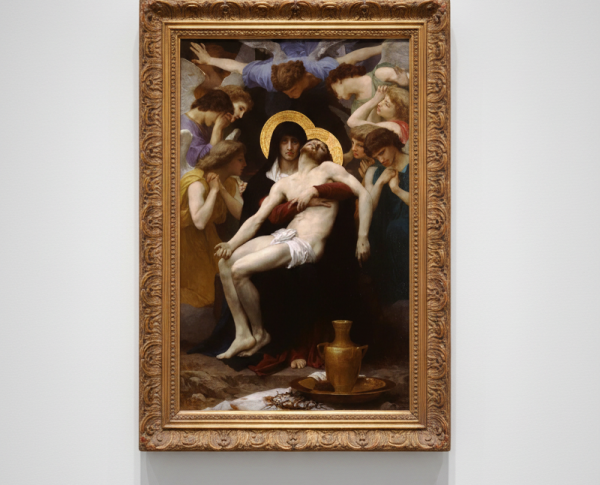
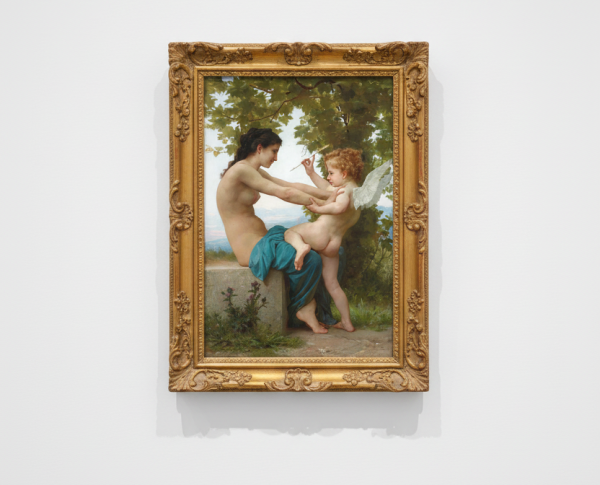
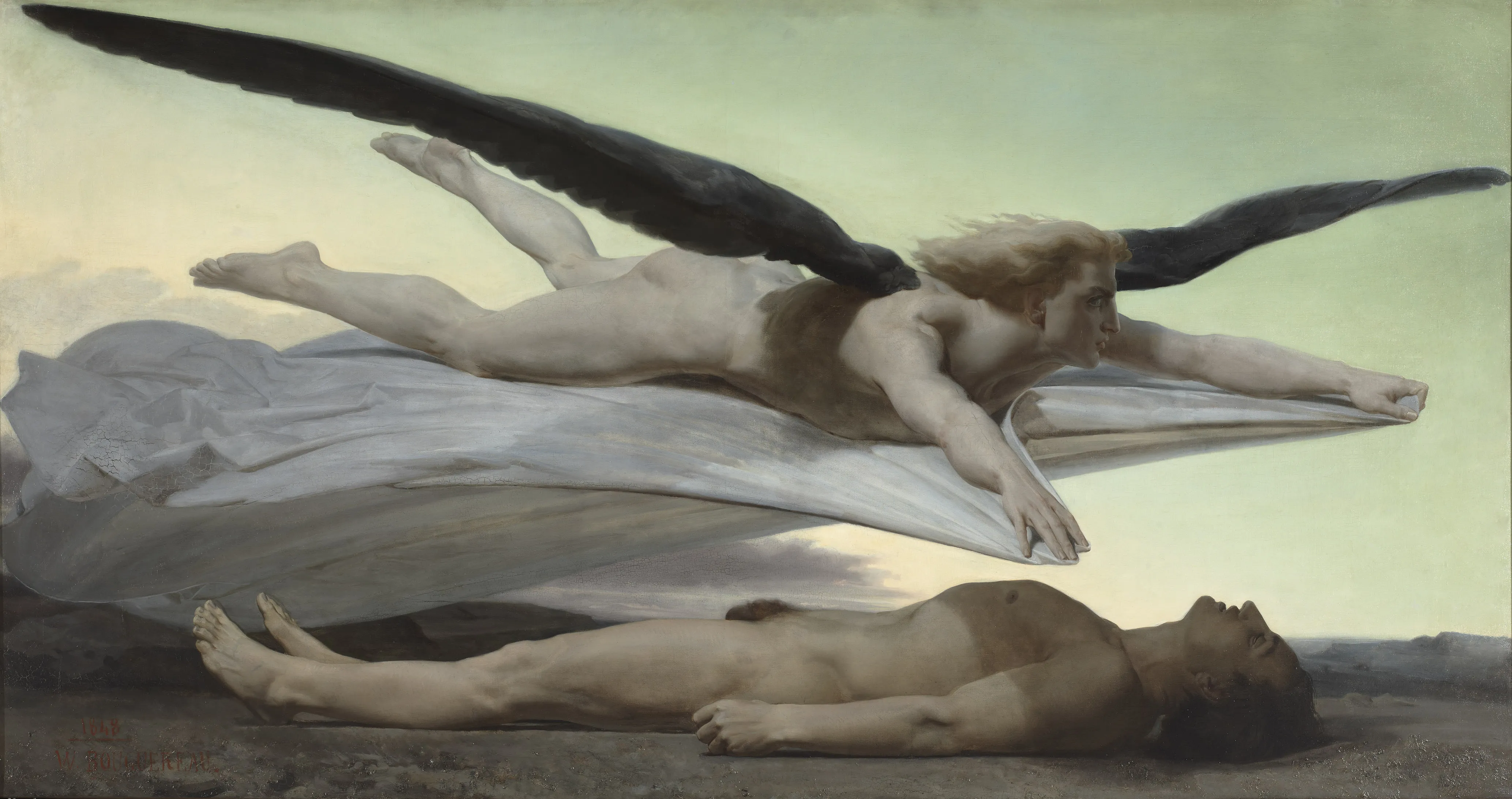
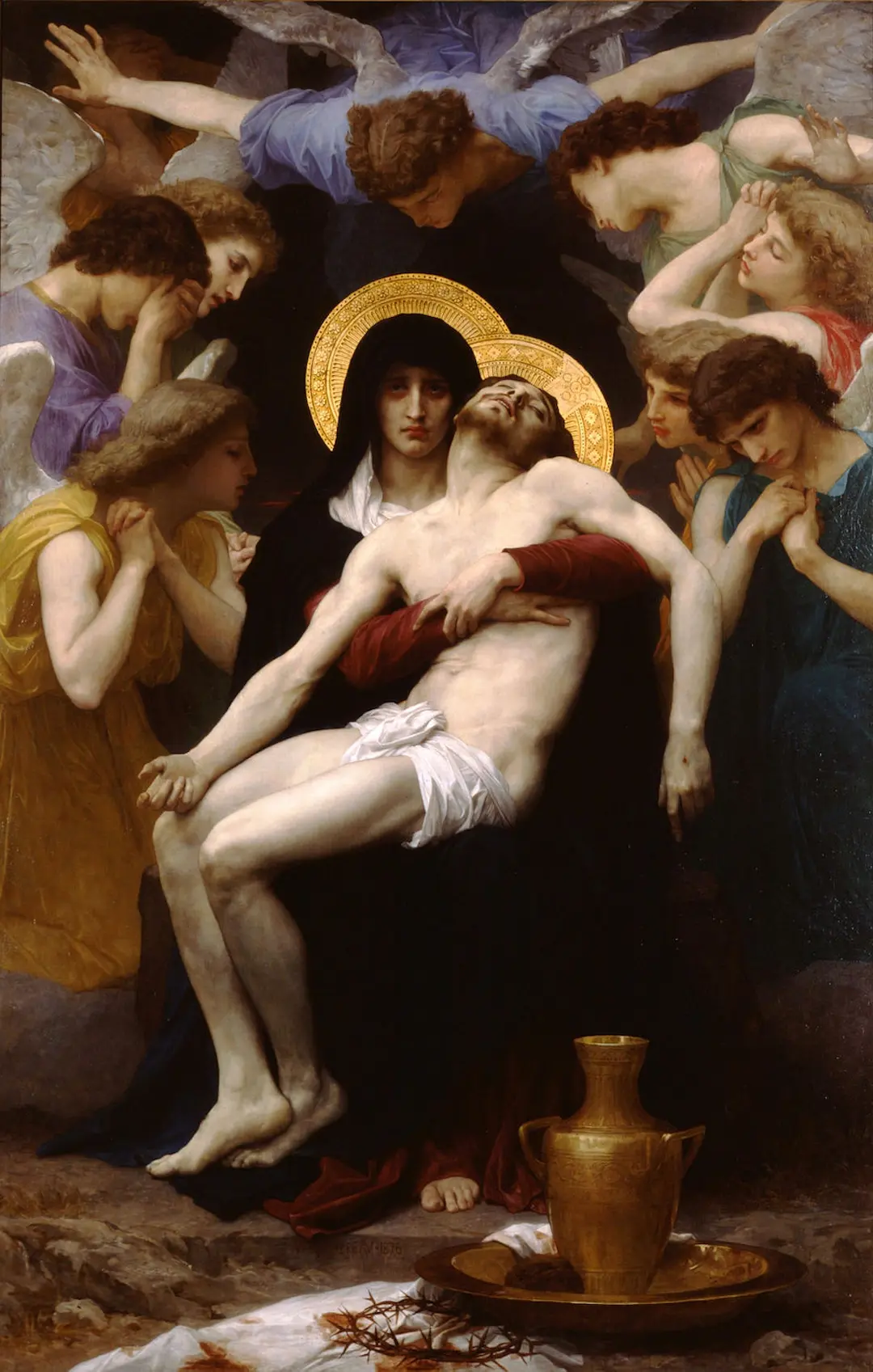
Bouguereau’s remarkable skill is evident in every detail of "Equality before Death," where the oil on canvas medium allows for exquisite realism and emotional depth. As a leading figure in Academic Classicism, Bouguereau’s technique shines through delicate brushwork and masterful composition. This painting, alongside works like "L'innocence (Innocence)" and "The Abduction of Psyche 1895," exemplifies the artist’s unrivaled ability to elevate traditional subjects using oil on canvas.
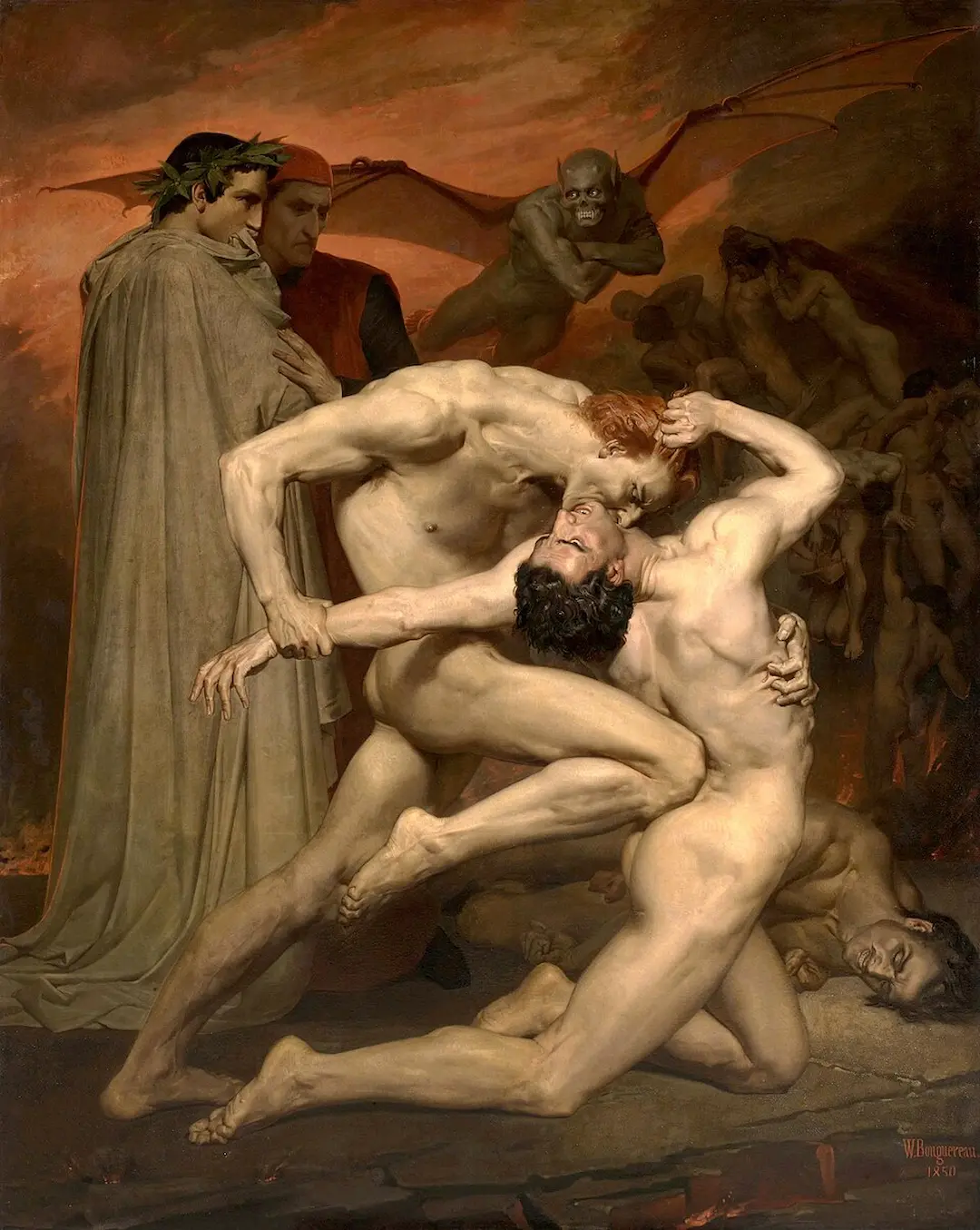
"Equality before Death" is more than just a fine art painting for sale—it is a narrative woven with symbolism and human emotion. Bouguereau’s portrayal invites viewers to reflect on the inevitability of death and the shared fate that unites all humanity. As with "Dante et Virgile au Enfers (Dante and Virgil in Hell)" and his other works, Bouguereau’s art balances beauty with profound philosophical themes, making each piece a meaningful addition to any collection.
For collectors and enthusiasts, owning "Equality before Death" represents a unique opportunity to acquire a hand-painted oil painting from one of Academic Classicism’s greatest masters. Bouguereau’s pieces, including related products like "Nymphes et Satyre" and "L'innocence (Innocence)," are highly sought after for their beauty and historical significance. This fine art painting for sale offers a timeless investment and a stunning centerpiece for any sophisticated space.
When Art Meets History
William-Adolphe Bouguereau’s “Equality before Death” stands as a poignant testament to the ideals of the Academic Classicism movement. This hand-painted oil painting, created in the 19th century, reflects the era’s fascination with mortality and social justice. Bouguereau, renowned for works like “Springtime” and “Portrait of a Young Woman,” masterfully blends historical context with artistic finesse, much like contemporaries who painted “Bonaparte Before the Sphinx” and “Slave Market in Rome.”
Techniques That Speak
Bouguereau’s meticulous technique in “Equality before Death” exemplifies the mastery of oil on canvas characteristic of Academic Classicism. The artist’s use of subtle gradations and lifelike textures echoes in related fine art painting for sale, such as Léon Gérôme’s celebrated works. Attention to anatomical accuracy and delicate brushwork creates a compelling visual narrative, connecting this piece to the broader tradition of 19th-century academic painting and elevating its status among collectors and art historians alike.
Emotions on Display
“Equality before Death” evokes profound introspection, inviting viewers to contemplate themes of mortality and human dignity. Bouguereau’s sensitive rendering of the subject’s expression and posture in this hand-painted oil painting elicits empathy and reverence. The emotional depth resonates with audiences much like the artist’s “Portrait of a Young Woman” or the evocative “Springtime,” establishing a powerful emotional connection that is a hallmark of the Academic Classicism movement.
Coveted by Collectors
As a fine art painting for sale, “Equality before Death” is highly sought after by collectors who appreciate Bouguereau’s influence on Academic Classicism. Its exquisite oil on canvas technique and historical significance place it alongside masterpieces like “Bonaparte Before the Sphinx” and “Slave Market in Rome.” Collectors value not only the painting’s aesthetic beauty but also its embodiment of 19th-century ideals, ensuring its enduring appeal in prestigious collections worldwide.
Related Academic Classicism Hand-Painted Oil Paintings by Other Artists
Other Famous Academic Classicism Artists:
Frequently Asked Questions About Equality before Death
What is the historical context of "Equality before Death"?
"Equality before Death" was created in 1848, a period marked by political upheaval and social change in France. The painting reflects the growing sentiments of equality and human rights that emerged during the French Revolution and continued to influence society in the 19th century.
What artistic style is represented in "Equality before Death"?
The painting exemplifies the Academic style, characterized by its adherence to classical techniques, realistic representation, and idealized forms. Bouguereau's meticulous attention to detail and masterful use of light and shadow are hallmarks of this approach.
What themes are explored in "Equality before Death"?
The painting explores themes of mortality, the universality of death, and the idea that all individuals, regardless of social status or wealth, ultimately face the same fate. This theme resonates with the notion of equality in the face of life's ultimate truth.
How does Bouguereau convey emotion in "Equality before Death"?
Bouguereau employs expressive facial features and body language to convey a deep sense of sorrow and contemplation. The figures in the painting are depicted with a poignant realism that evokes empathy and reflection on the human condition.
What symbolic elements are present in "Equality before Death"?
The painting features symbolic elements such as the figures of Death and the grieving individuals, which represent the inevitability of mortality. The use of light and shadow further emphasizes the contrast between life and death, reinforcing the painting's central message.
Who are the figures depicted in "Equality before Death"?
The figures in the painting represent a diverse array of individuals, symbolizing humanity as a whole. Their varied expressions and postures suggest a collective response to the presence of Death, highlighting the shared experience of loss.
What techniques did Bouguereau use in "Equality before Death"?
Bouguereau utilized techniques such as chiaroscuro to create depth and volume, as well as a smooth application of paint to achieve a lifelike texture. His mastery of anatomy and drapery also contributes to the realistic portrayal of the figures.
How does "Equality before Death" reflect Bouguereau's artistic philosophy?
Bouguereau believed in the power of art to convey moral and philosophical messages. "Equality before Death" embodies his conviction that art should not only be aesthetically pleasing but also provoke thought and evoke emotional responses regarding fundamental human experiences.
What impact did "Equality before Death" have on contemporary audiences?
The painting resonated with contemporary audiences by addressing universal themes of mortality and equality. It prompted discussions about social justice and the human experience, making it a significant work in the context of 19th-century art and society.
How is "Equality before Death" viewed in the context of Bouguereau's body of work?






















_GFM_Painting_(1).webp)


 100% Hand-Painted: Finished in 3-6 Weeks

.png)












.webp)
.webp)
.webp)



_(1).webp)