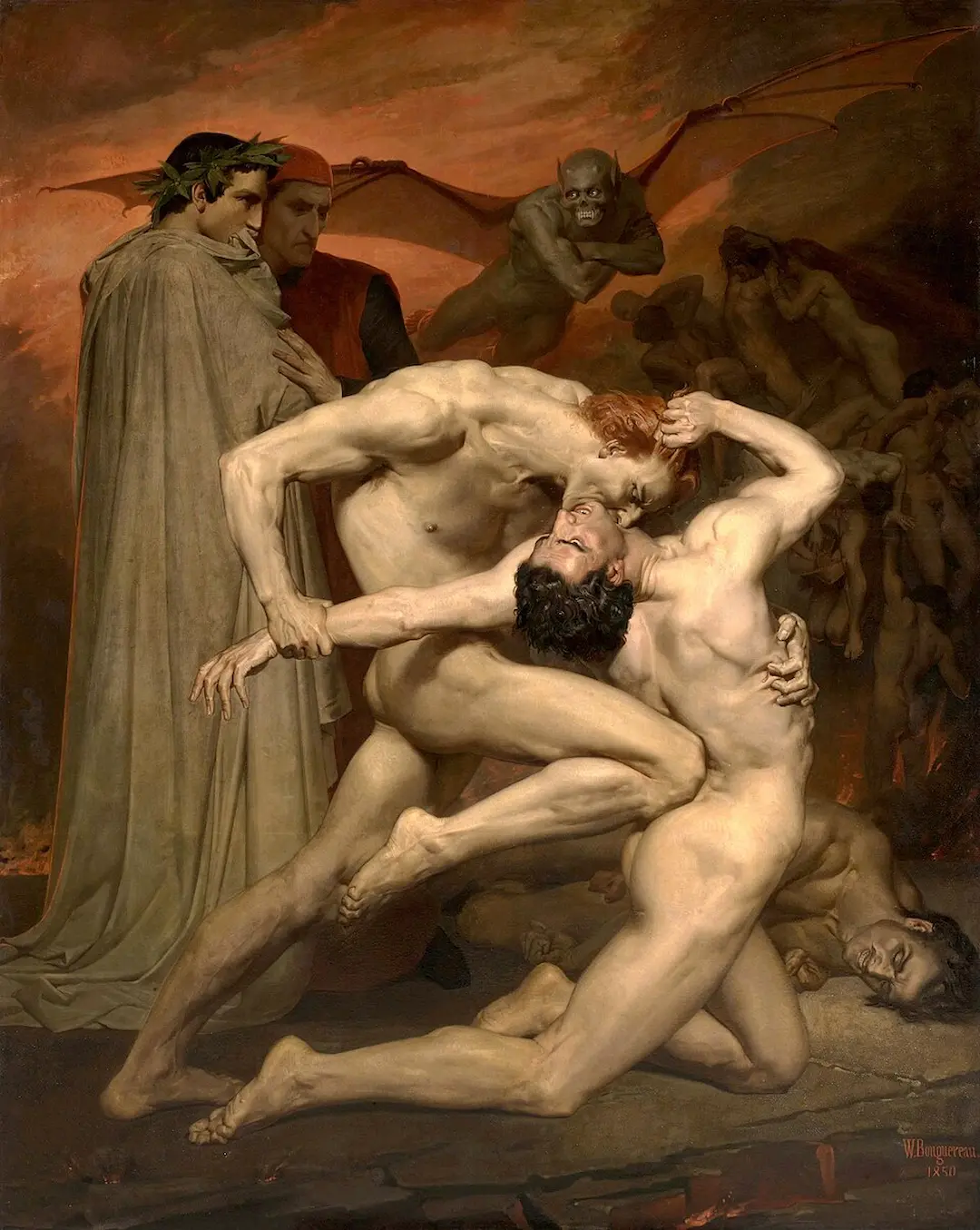
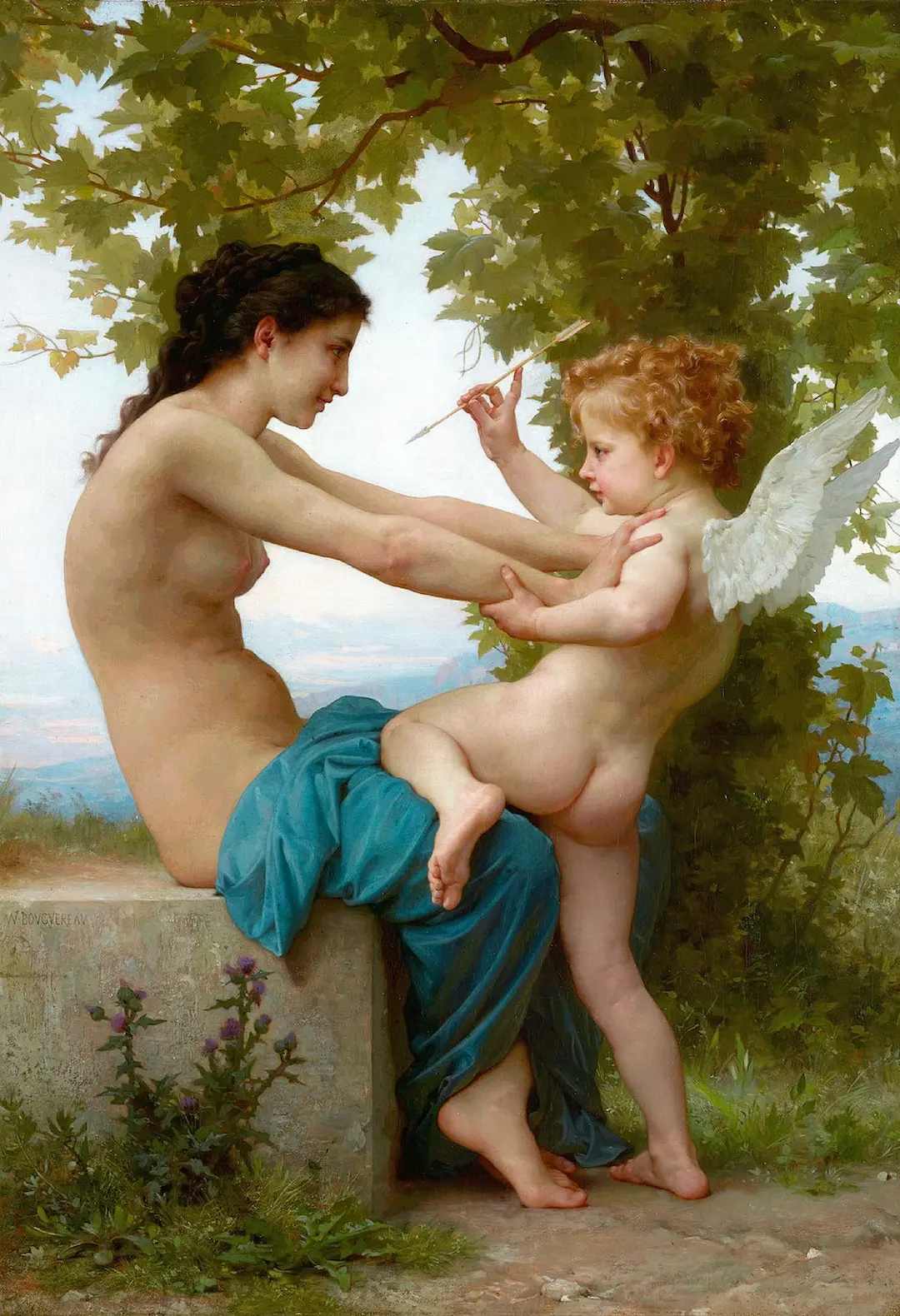
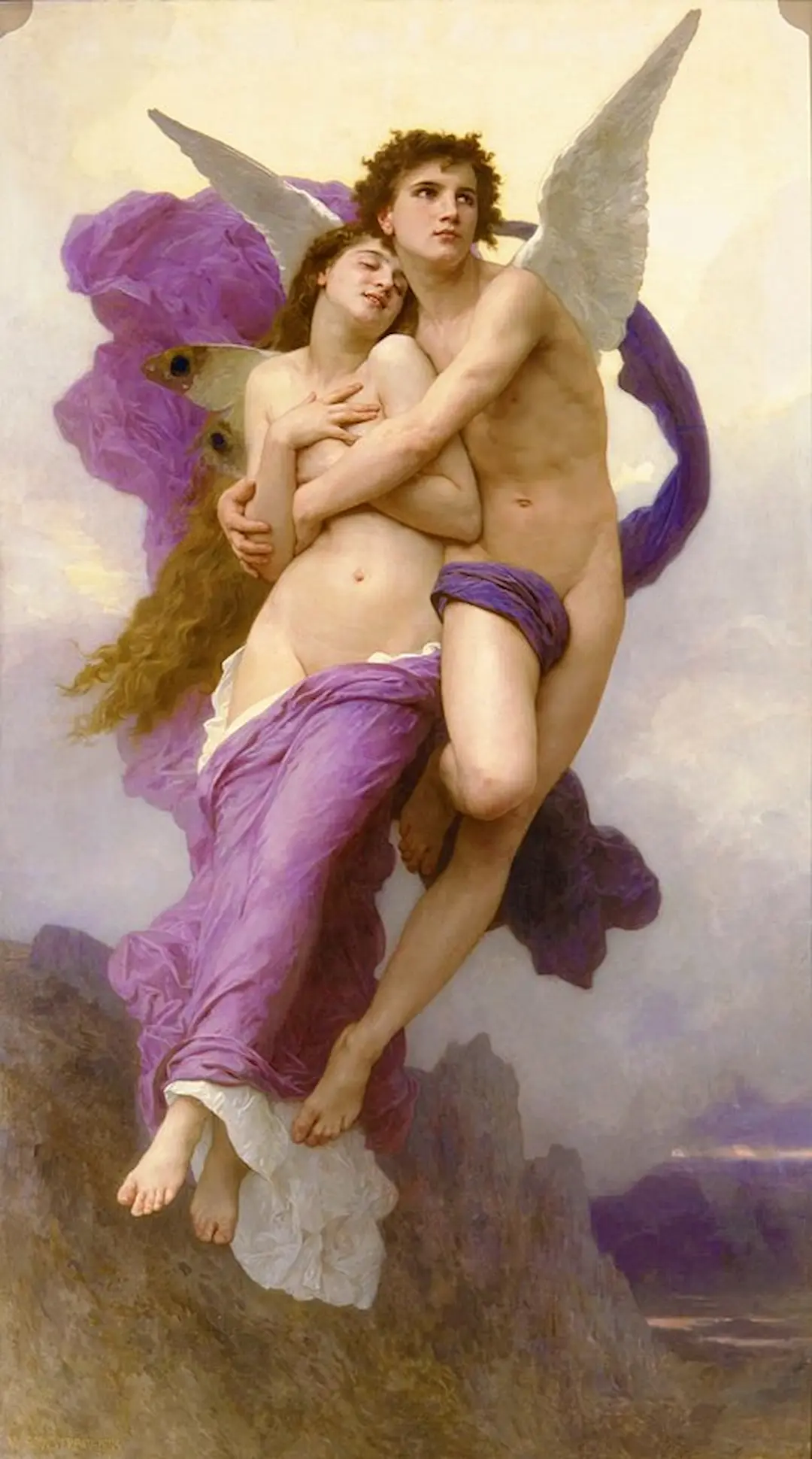
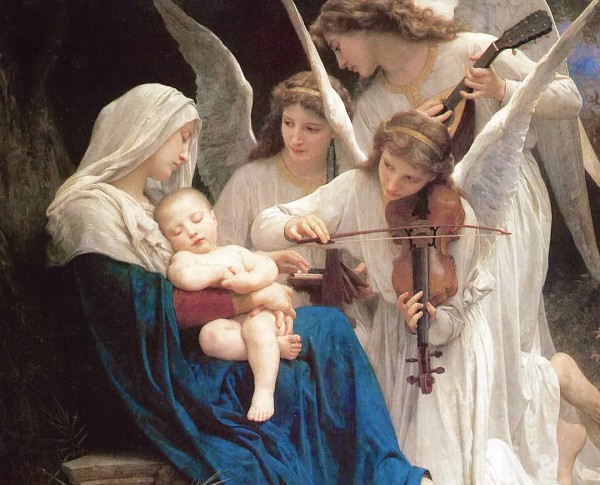
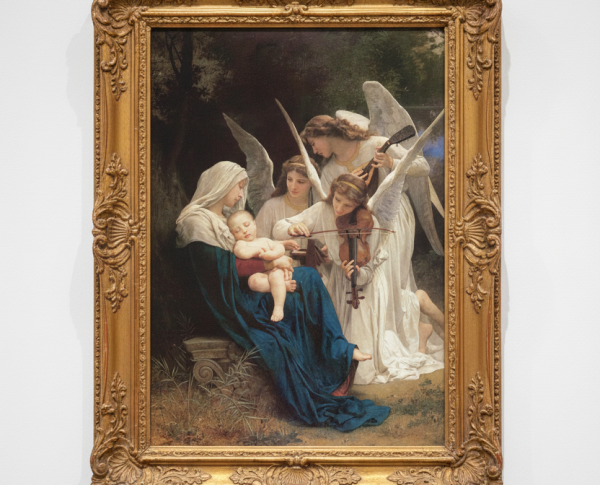
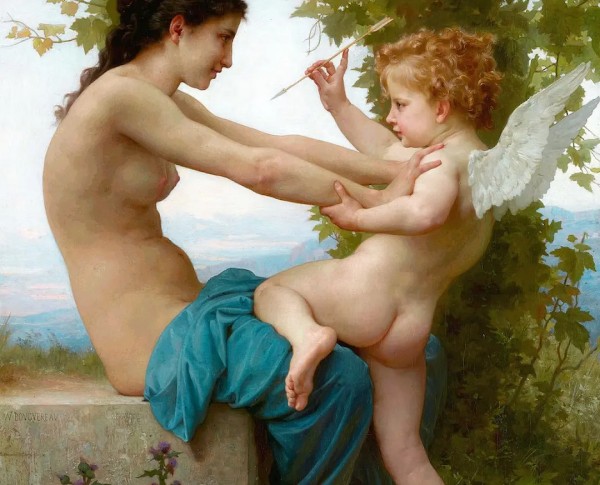
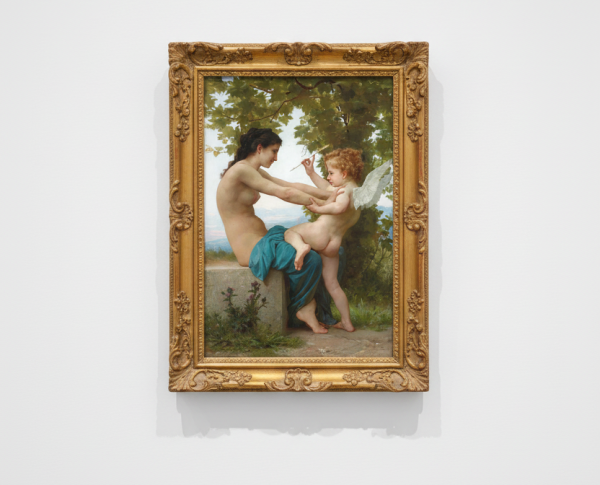
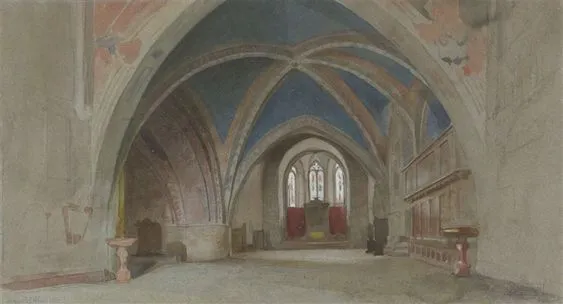
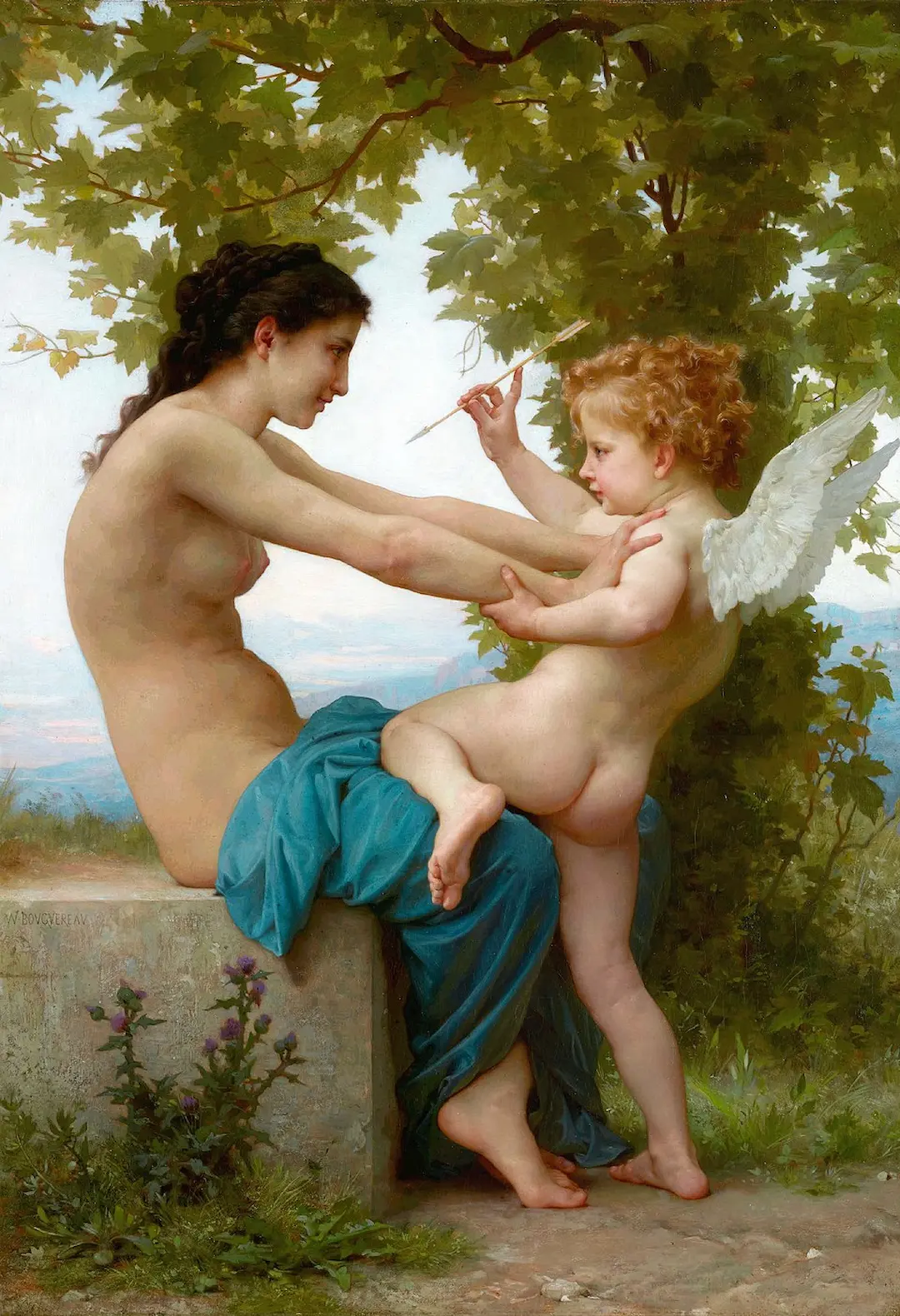
Bouguereau’s exceptional technique is evident in the intricate details and lifelike forms that define "Church Interior." The oil on canvas medium allows for a luminous depth, characteristic of the Academic Classicism style he championed. This painting, alongside related works like "Young Girl Defending Herself against Eros 1880" and "Nymphes et Satyre (Nymphs and Satyr)," showcases his commitment to technical excellence and emotional resonance, making each piece a remarkable example of fine craftsmanship.
Every element in "Church Interior" tells a story, weaving together religious symbolism and the quiet reverence of sacred spaces. Bouguereau’s mastery in Academic Classicism is reflected in the careful composition and subtle use of light. Art lovers seeking a fine art painting for sale will find this piece, and others like "Calinerie (A Little Coaxing)" and "Le Ravissement de Psyche (The Rapture of Psyche)," to be profound additions that speak to deeper human experiences.
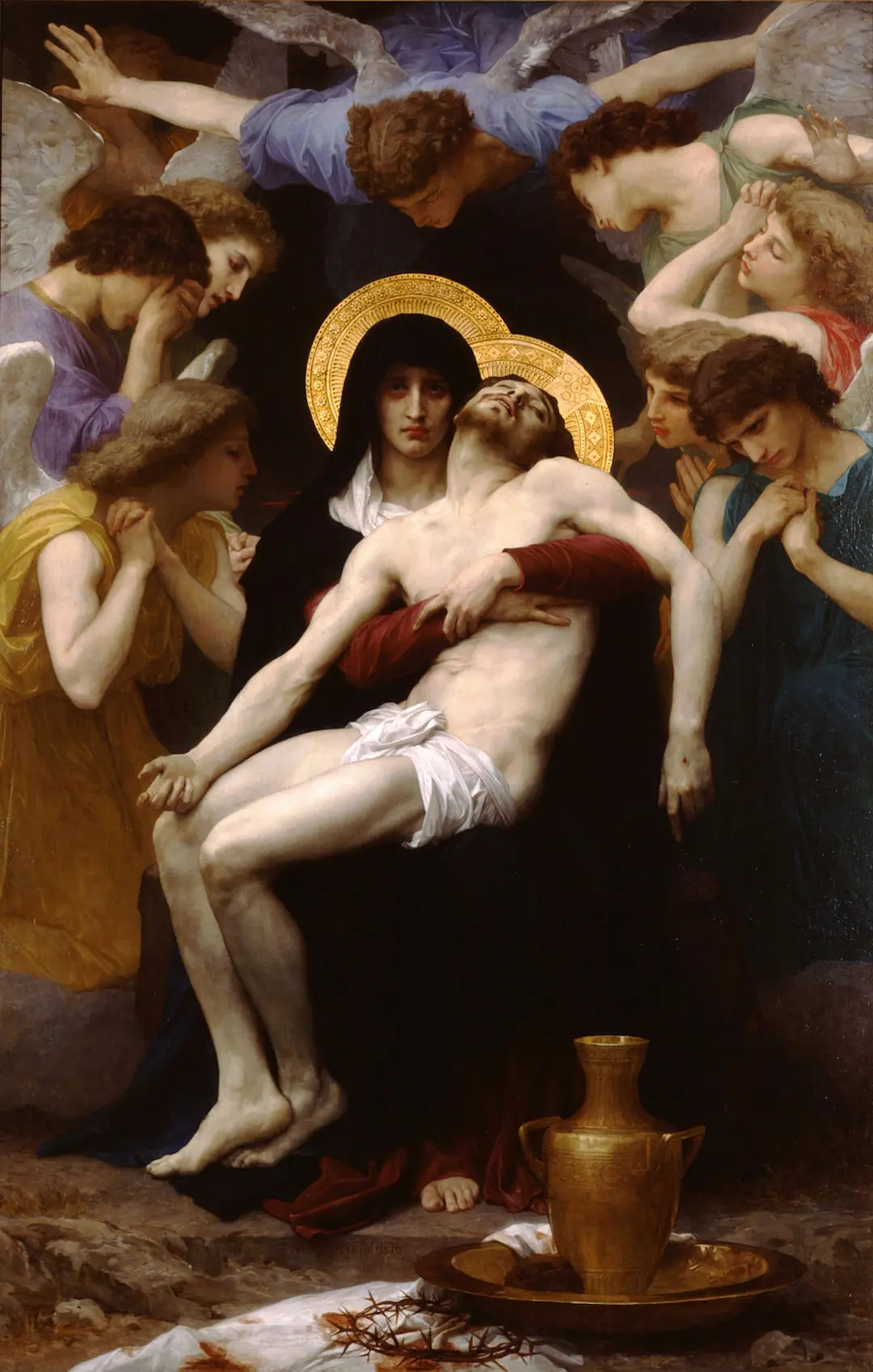
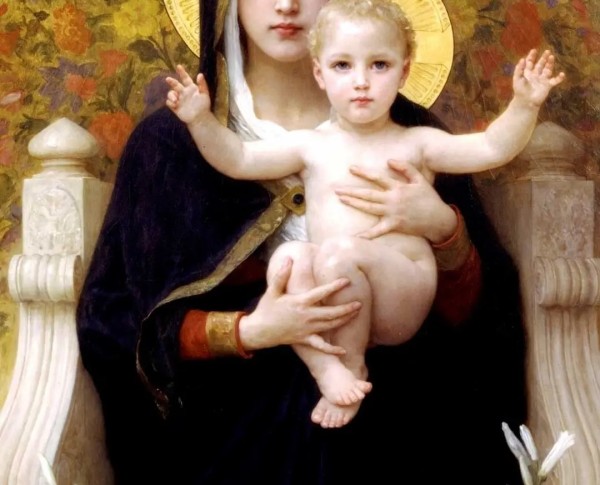
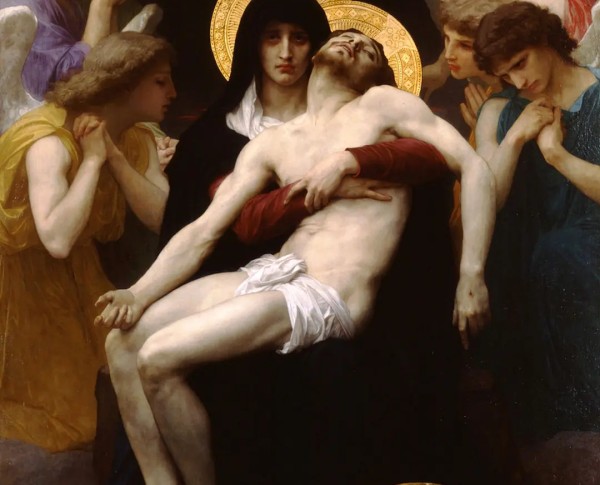
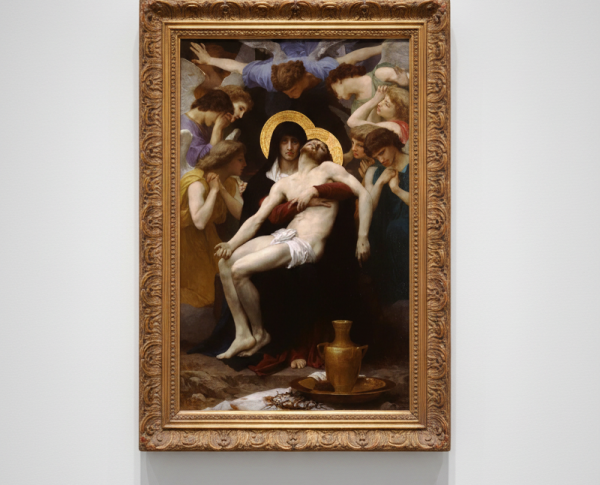
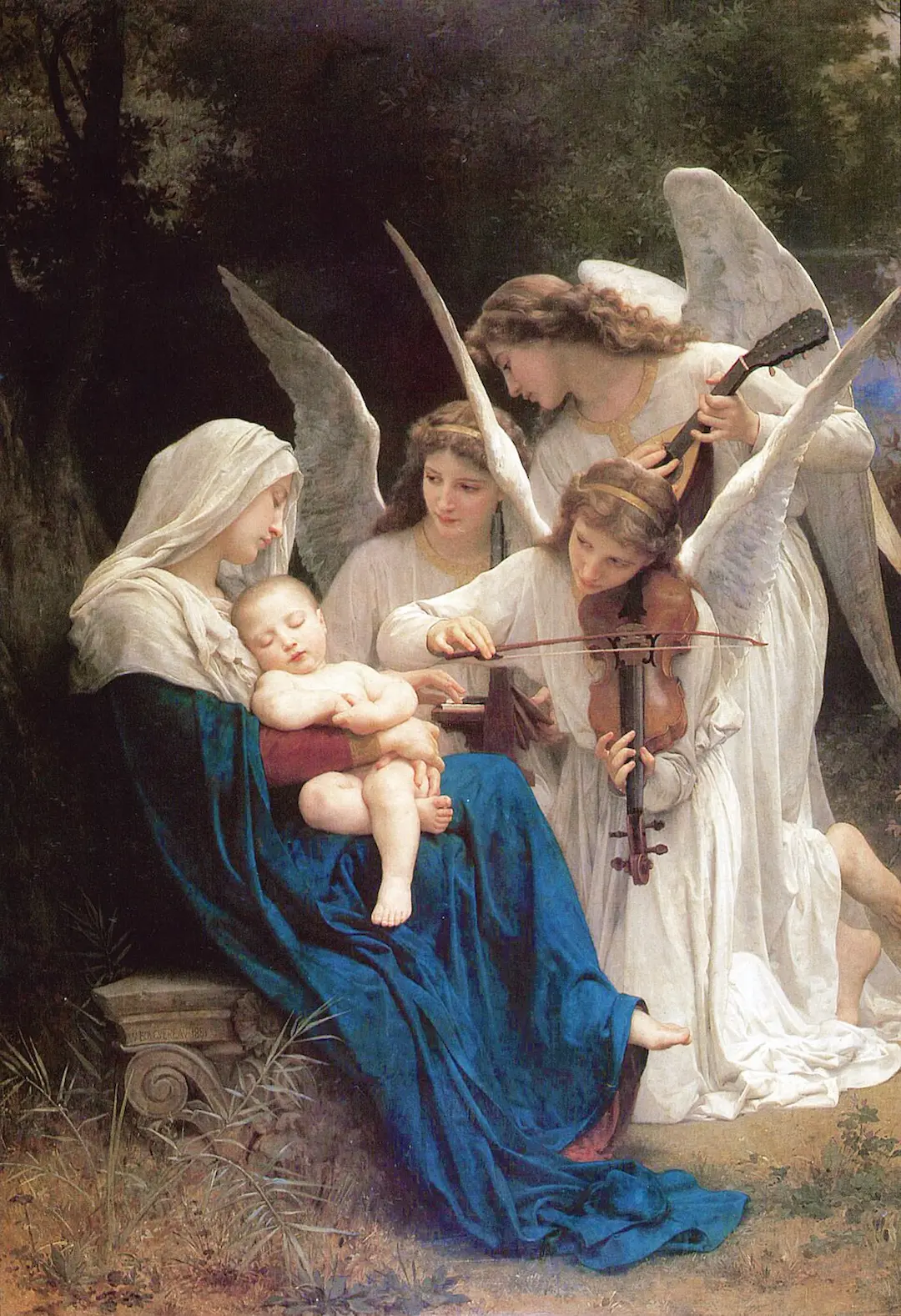
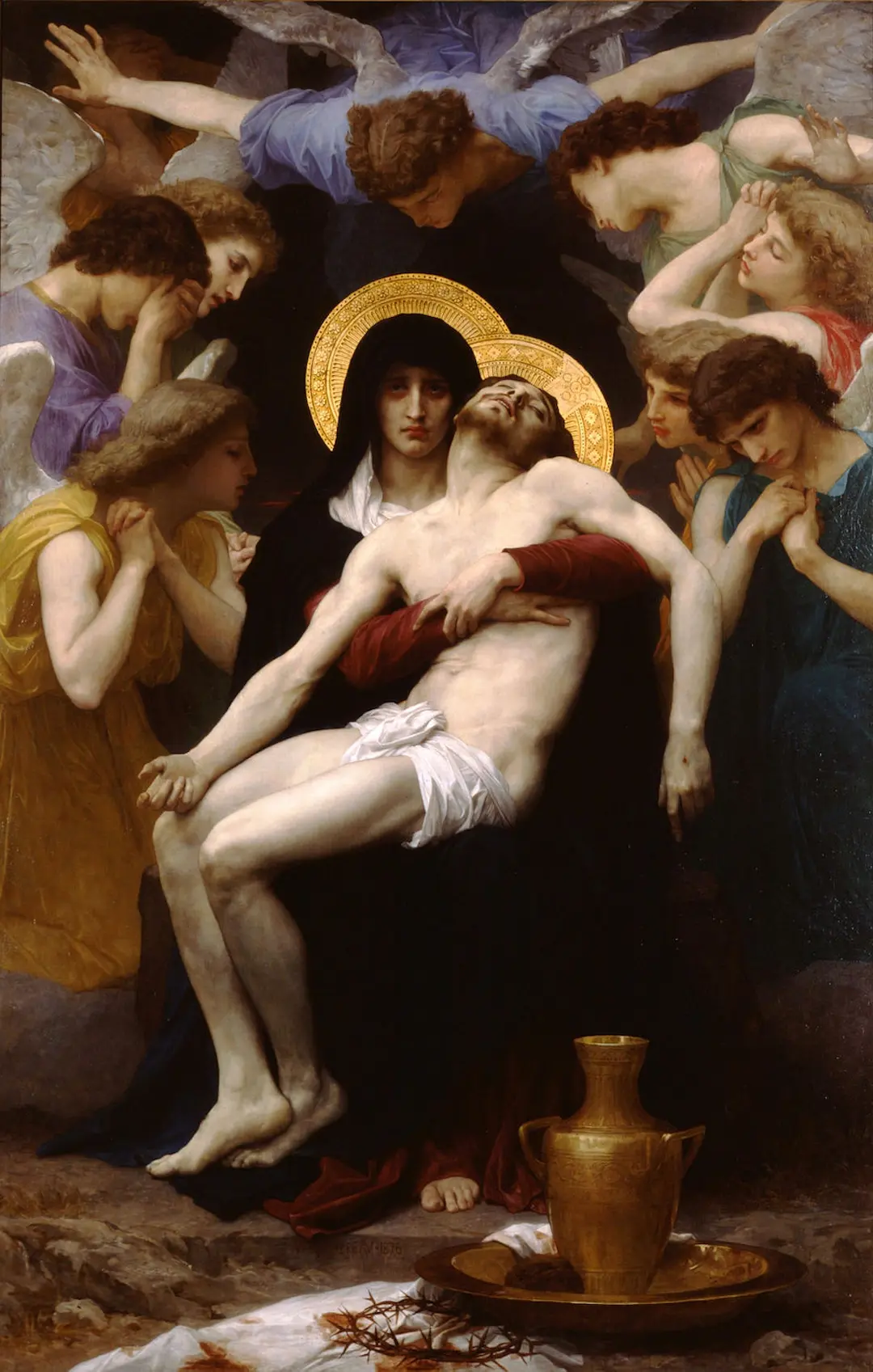
For discerning collectors, "Church Interior" by William-Adolphe Bouguereau represents more than just an artwork; it is a timeless investment. This hand-painted oil painting exemplifies the grace and tradition of Academic Classicism, making it highly desirable. Pairing it with related masterpieces such as "Pieta" or "Nymphes et Satyre (Nymphs and Satyr)" can elevate any collection, offering a glimpse into the golden age of fine art and the artist’s unparalleled genius.
When Art Meets History
"Church interior" by William-Adolphe Bouguereau stands as a testament to the grandeur of the Academic Classicism movement. Painted with meticulous attention to detail, this hand-painted oil painting immerses viewers in the sacred ambiance of a historic church. Bouguereau, renowned for masterpieces like "Bonaparte Before the Sphinx" and "Portrait of a Young Woman," captures the reverence and tranquility of religious spaces, echoing the traditions of his era and the refined artistry that defines Academic Classicism.
Techniques That Speak
Bouguereau's remarkable skill is evident in every brushstroke of this oil on canvas. The artist’s mastery of light and shadow, combined with his delicate rendering of architectural features, creates a breathtaking sense of depth. Like his peers who created works such as "Dionysia" and "Flaming June," Bouguereau elevates realism to new heights, making "Church interior" a shining example of the Academic Classicism movement’s dedication to technical excellence in fine art painting.
Emotions on Display
In "Church interior," William-Adolphe Bouguereau’s sensitive approach evokes a profound sense of peace and spiritual reflection. The serene figures and luminous surroundings invite viewers to experience the calm and reverence found within sacred spaces. This fine art painting for sale, akin to evocative works like "Slave Market in Rome," captures the emotional depth and timeless beauty that make Bouguereau’s paintings so treasured by art lovers and collectors alike.
Coveted by Collectors
"Church interior" continues to captivate collectors searching for exceptional hand-painted oil paintings. Bouguereau’s celebrated artistry and the painting’s connection to Academic Classicism make it highly desirable, much like related works such as "Bonaparte Before the Sphinx" and "Flaming June." Its harmonious composition and historical significance ensure that "Church interior" remains a prized addition for those seeking a distinguished fine art painting for sale in today’s art market.
Related Academic Classicism Hand-Painted Oil Paintings by Other Artists
Other Famous Academic Classicism Artists:
Frequently Asked Questions About Church interior
What is the historical context of "Church interior"?
"Church interior" was painted by William-Adolphe Bouguereau during the late 19th century, a period characterized by the rise of realism and a focus on everyday subjects in art. This painting reflects the artist's commitment to capturing the beauty of human experience within sacred spaces.
What artistic techniques did Bouguereau employ in "Church interior"?
Bouguereau is known for his meticulous attention to detail and mastery of light and shadow. In "Church interior," he employs a realistic style with soft brushwork and a harmonious color palette that enhances the serene atmosphere of the church setting.
What themes are explored in "Church interior"?
The painting explores themes of spirituality, community, and the sanctity of religious spaces. It invites viewers to reflect on the role of faith in everyday life and the importance of communal worship.
How does "Church interior" reflect Bouguereau's artistic philosophy?
Bouguereau believed in the power of art to elevate the human spirit. "Church interior" exemplifies his philosophy by portraying a tranquil moment of worship, emphasizing the beauty of human connection to the divine.
What symbols are present in "Church interior"?
The painting features various symbols of faith, such as the altar and religious iconography, which serve to remind viewers of the sacredness of the church environment and the spiritual significance of the gathering depicted.
Who are the figures depicted in "Church interior"?
The figures in "Church interior" represent a diverse congregation, illustrating the inclusivity of the church community. Their expressions and postures convey a sense of reverence and devotion, enhancing the painting's emotional impact.
What influence did Bouguereau have on later artists?
Bouguereau's emphasis on realism and technical skill influenced many artists in the late 19th and early 20th centuries. His ability to convey emotion through lifelike representations set a standard for narrative painting that resonated with subsequent generations.
How does "Church interior" compare to Bouguereau's other works?
What role does light play in "Church interior"?
Light in "Church interior" serves to create a sense of warmth and tranquility. Bouguereau skillfully uses natural light to illuminate the figures and architectural details, enhancing the spiritual ambiance of the scene.
What is the significance of the setting in "Church interior"?
The setting of "Church interior" is significant as it represents a space of refuge and contemplation. It underscores the importance of religious institutions in providing community support and fostering spiritual growth.






















_GFM_Painting_(1).webp)


 100% Hand-Painted: Finished in 3-6 Weeks

.png)












.webp)
.webp)
.webp)



_(1).webp)