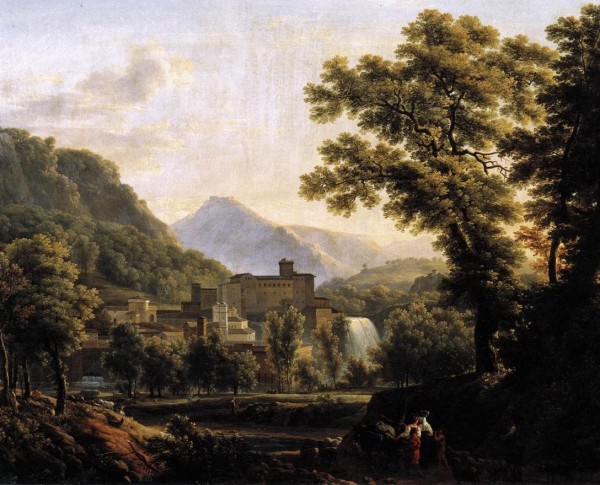
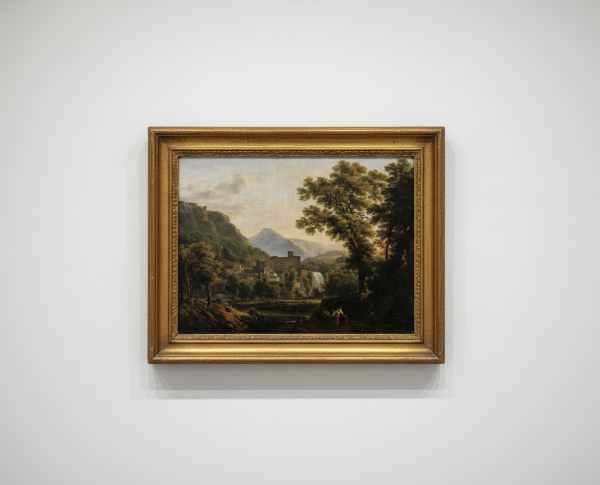
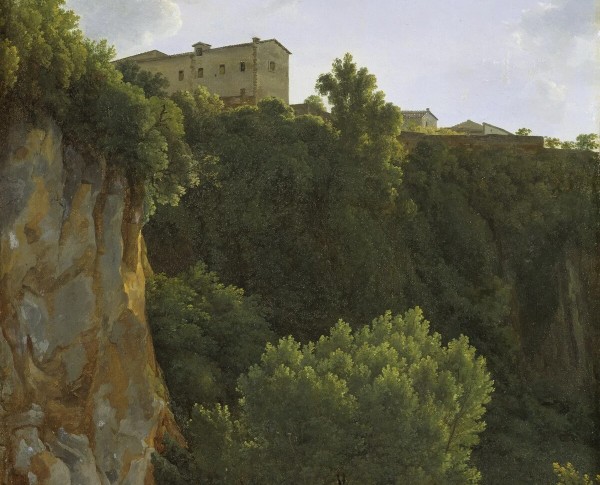
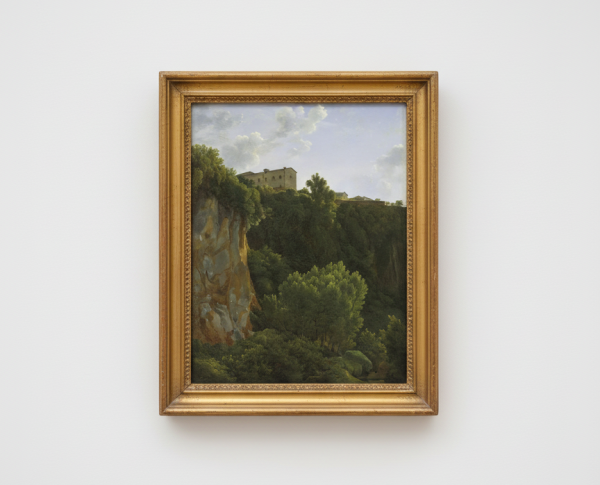
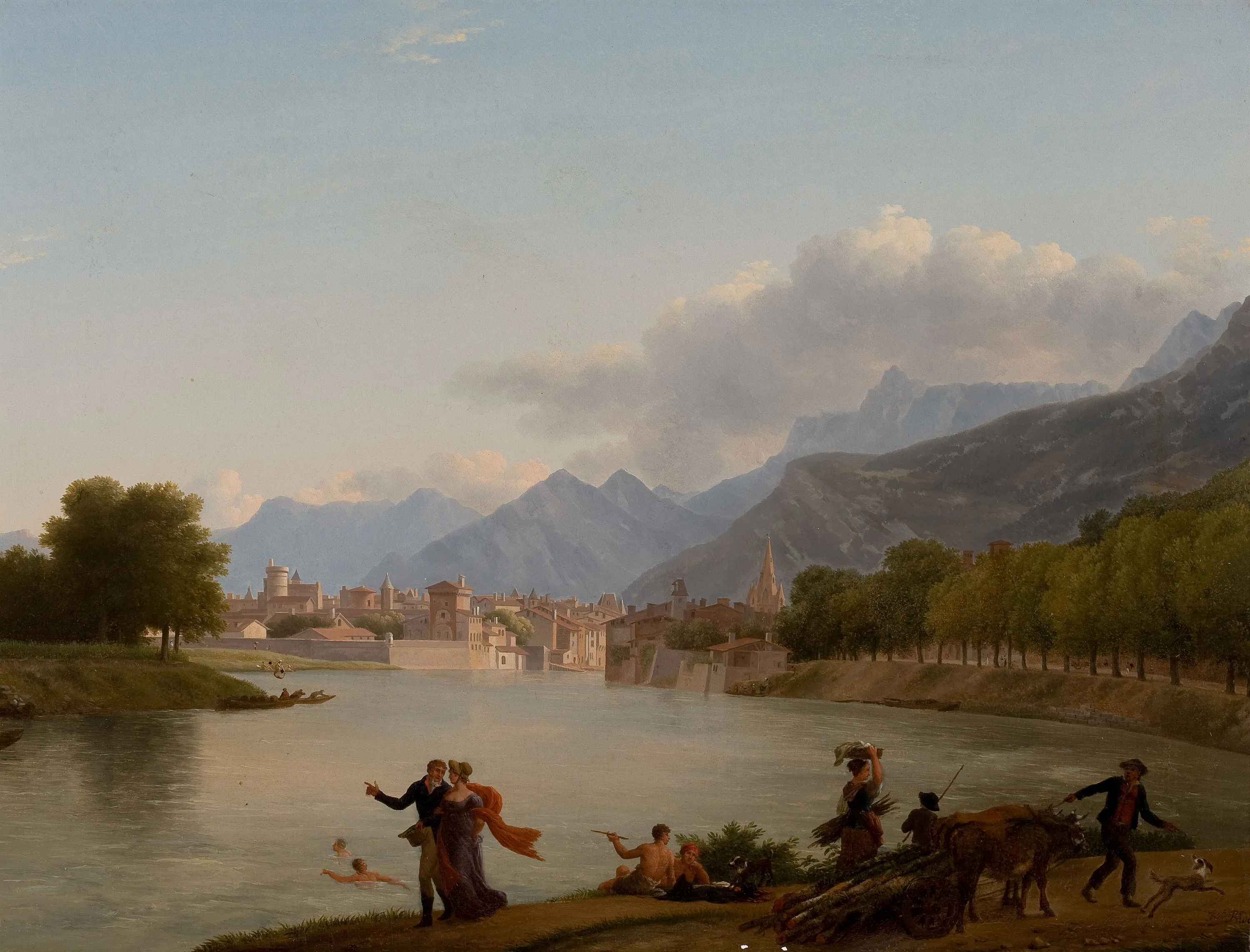
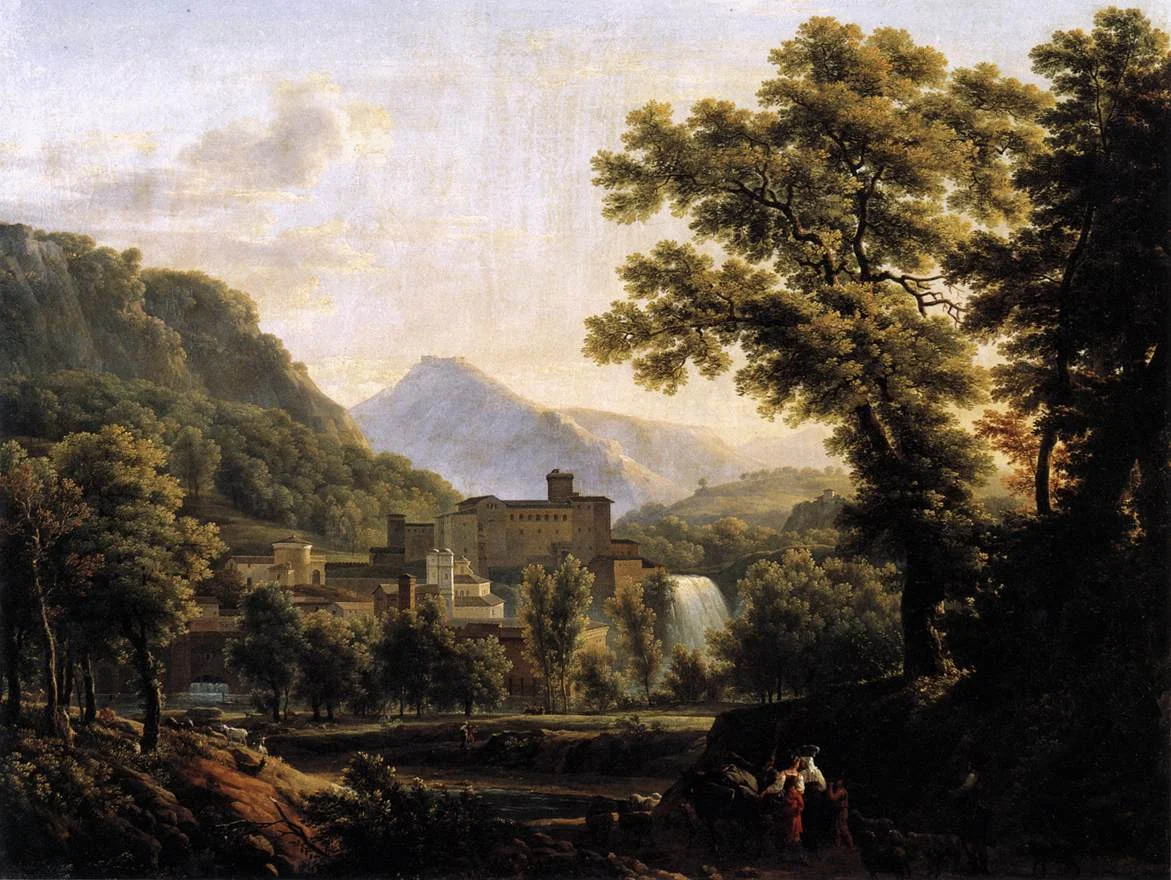
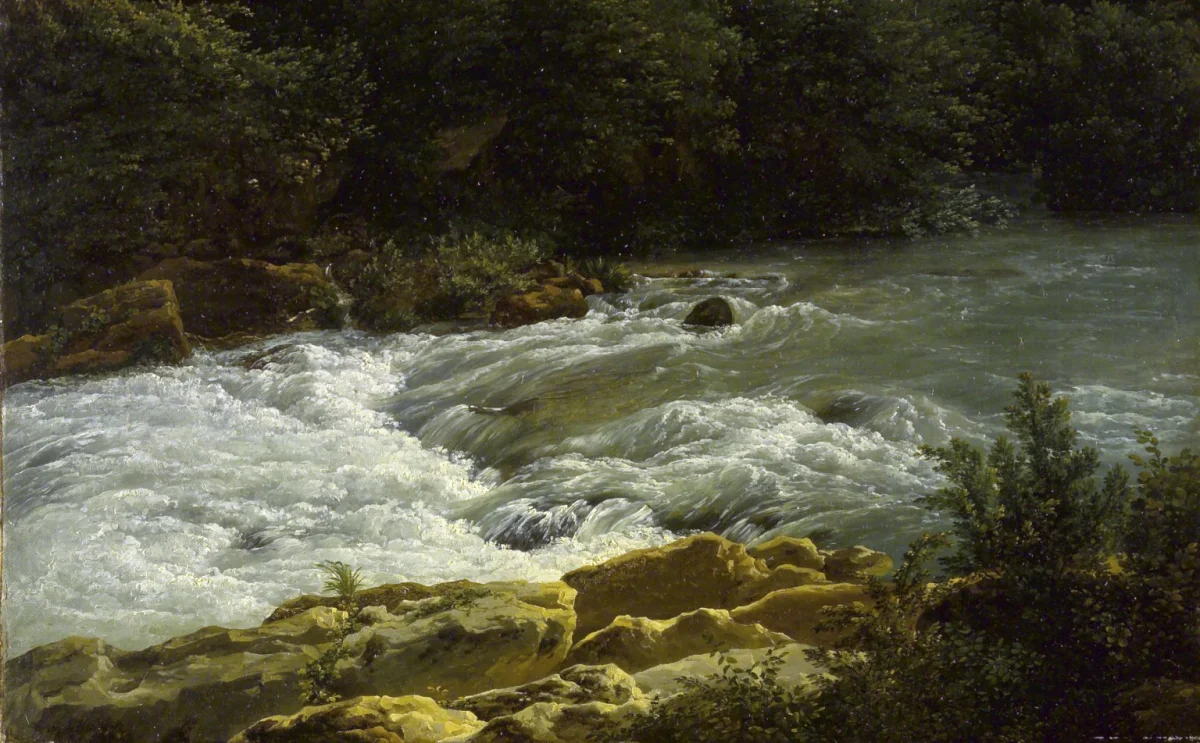
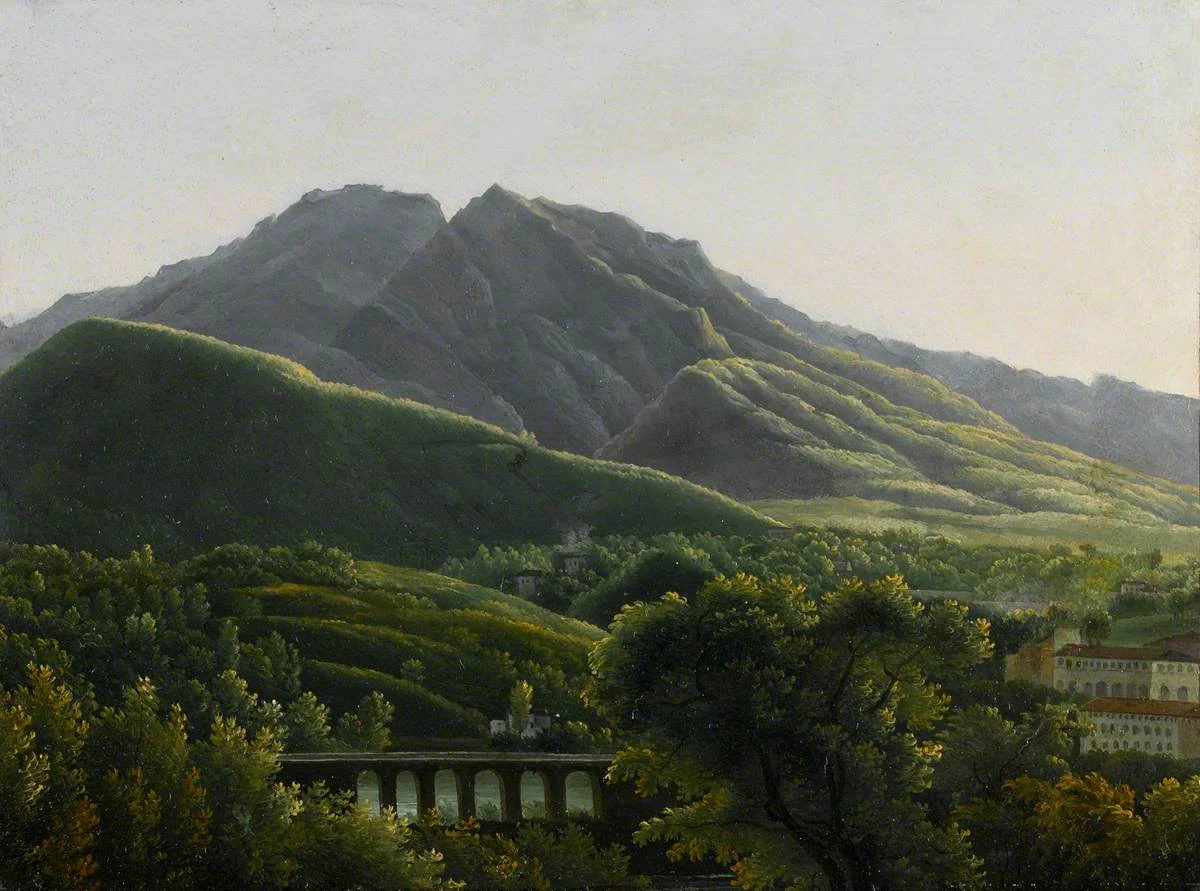
Bidauld’s "Grenoble" demonstrates remarkable technique, with each brushstroke revealing his commitment to the Neo-Classical style. Executed in oil on canvas, the painting’s meticulous details and harmonious composition evoke a sense of timeless elegance. The landscape’s tranquil atmosphere invites viewers to appreciate Bidauld’s skilled interpretation of nature. For those seeking similar works, consider "Running Stream at San Cosimato" or "Still-Life 1810," both showcasing the artist’s mastery in oil on canvas.
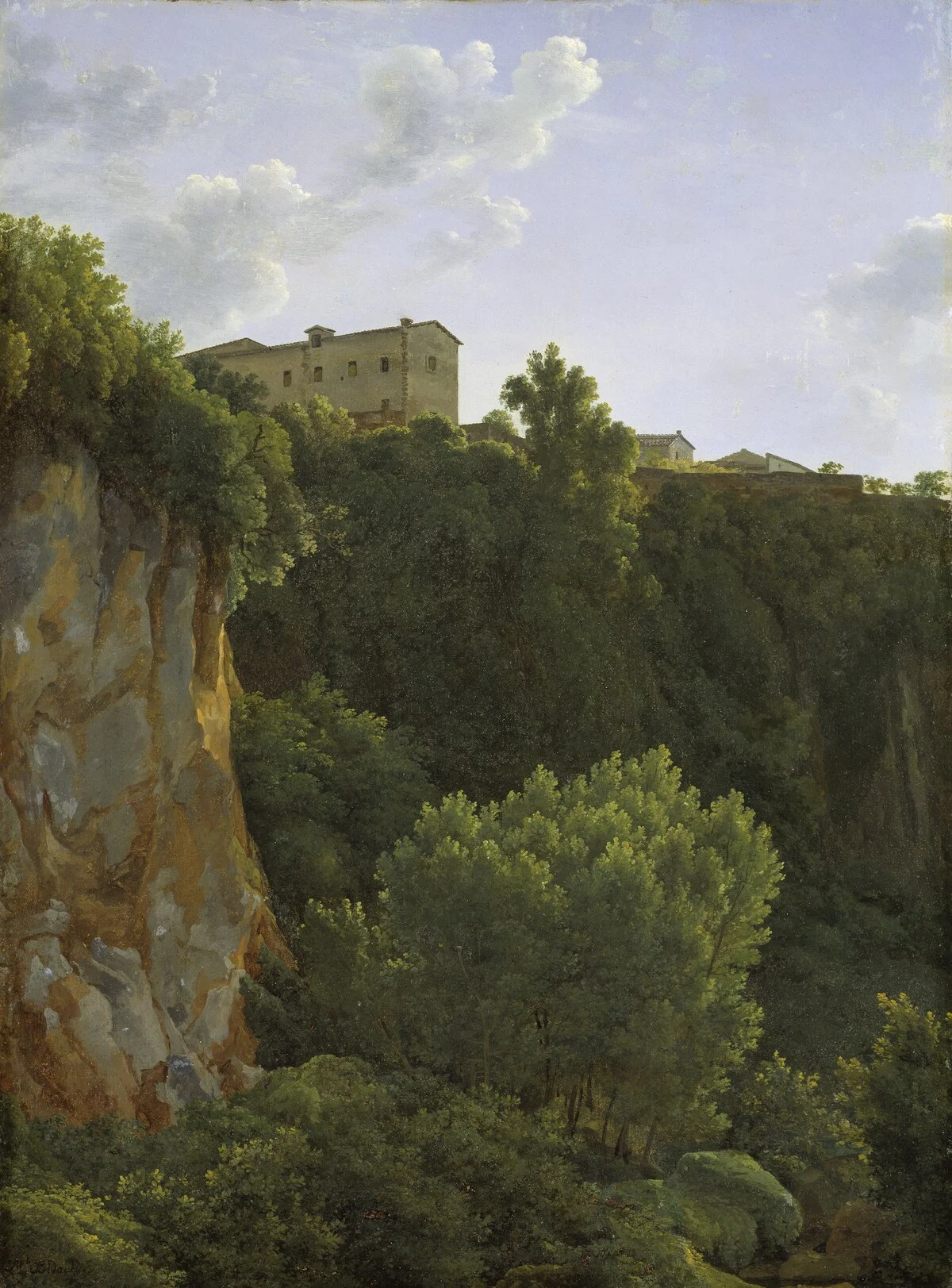
Within "Grenoble," Jean-Joseph-Xavier Bidauld weaves subtle stories and symbols into the landscape, reflecting the ideals of the Neo-Classical movement. The hand-painted oil painting captures not just the scenery but also the spirit of an era that valued order, clarity, and harmony. Collectors of fine art painting for sale will appreciate how "Grenoble" and related works like "Gorge at Cività Castellana" inspire reflection on history, culture, and the enduring power of art.
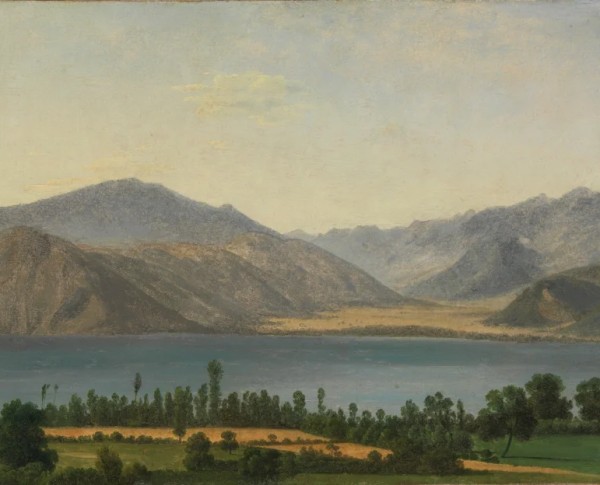
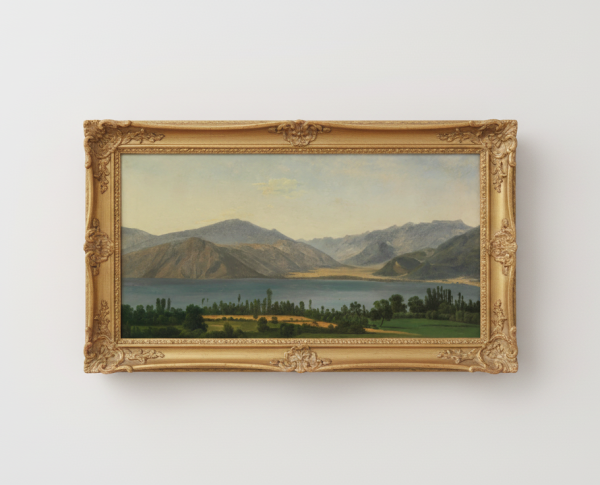
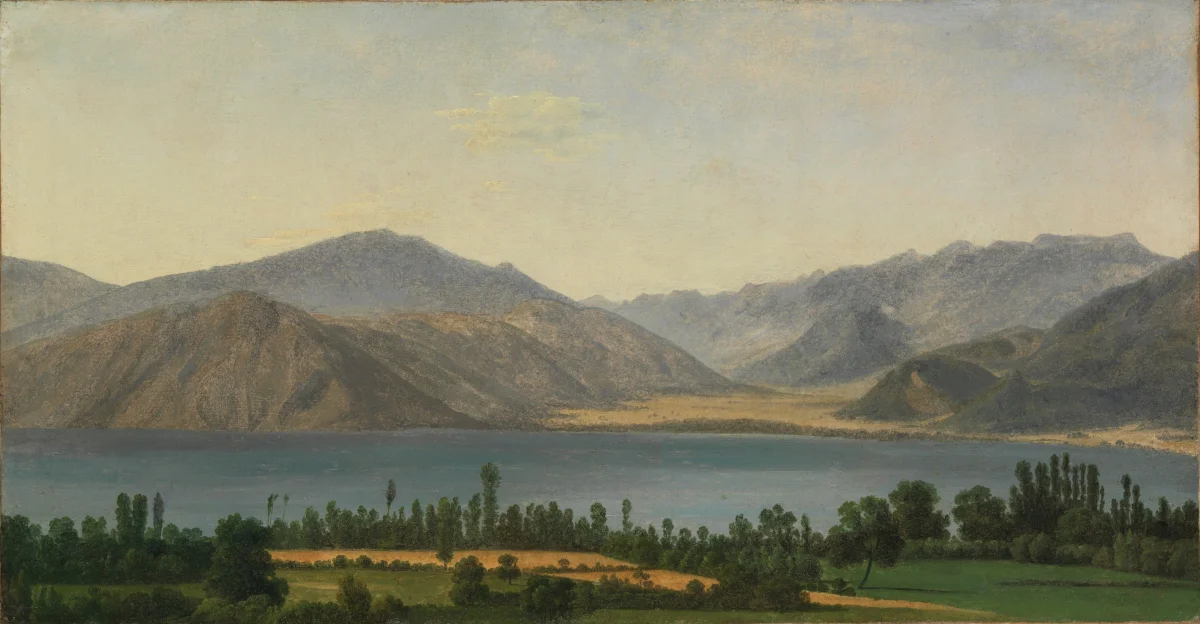
Owning "Grenoble" by Jean-Joseph-Xavier Bidauld means acquiring a genuine piece of the Neo-Classical tradition. This fine art painting for sale is a testament to Bidauld’s artistic vision and the enduring appeal of oil on canvas landscapes. Collectors looking to enrich their collections may also appreciate "Lake Fucino and the Abruzzi Mountains" or "Still-Life 1810," each offering a unique glimpse into the world of Neo-Classical fine art.
When Art Meets History
"Grenoble" by Jean-Joseph-Xavier Bidauld stands as a testament to the Neo-Classical movement, capturing the spirit of its era through meticulous detail. This hand-painted oil painting draws viewers into the historic French landscape, where every brushstroke reflects the artist’s reverence for classical tradition. Bidauld’s mastery is evident, paralleling his other works like "Aeneïs" and "Calypso's Isle." Collectors and enthusiasts alike treasure such historical pieces, recognizing their significant place in art’s grand narrative.
Techniques That Speak
Bidauld’s "Grenoble" showcases refined techniques characteristic of Neo-Classical masters, utilizing oil on canvas to achieve stunning clarity and depth. His smooth gradations and precise lines mirror those in "Portrait of Prince Albert of Saxony as a boy" and "The Sea Maiden," highlighting his technical prowess. The careful attention to composition and lighting imbues the scene with both realism and idealization, making this oil on canvas a remarkable example of Neo-Classical artistry that continues to inspire admiration.
Emotions on Display
In "Grenoble," Jean-Joseph-Xavier Bidauld conveys a serene yet majestic atmosphere, inviting viewers to immerse themselves in the tranquil landscape. The emotional resonance found in this fine art painting for sale is akin to that experienced in "Divina Commedia, Purgatorio, Canto Xxx." Through carefully balanced color and composition, Bidauld evokes a sense of harmony and timelessness, allowing the observer to connect deeply with the scene’s quiet beauty and reflective mood.
Coveted by Collectors
As a distinguished example of Neo-Classical landscape, "Grenoble" is highly sought after by collectors who appreciate both its historical value and artistic excellence. Jean-Joseph-Xavier Bidauld’s expertise, seen also in works such as "The Sea Maiden" and "Aeneïs," makes this hand-painted oil painting a prized addition to any collection. The enduring appeal of such masterpieces ensures that "Grenoble" remains a cherished fine art painting for sale among discerning art lovers worldwide.
Related Neo-Classical Hand-Painted Oil Paintings by Other Artists
Other Famous Neo-Classical Artists:
Frequently Asked Questions About Grenoble
What is the historical context of the painting "Grenoble"?
"Grenoble" was painted by Jean-Joseph-Xavier Bidauld in the late 18th century, a period marked by significant political and social changes in France, including the lead-up to the French Revolution. The painting reflects the Romantic movement's growing interest in nature and the sublime.
What artistic style does Bidauld employ in "Grenoble"?
Bidauld's "Grenoble" is characterized by its Romantic style, which emphasizes emotion and the beauty of nature. The use of light and shadow, along with the detailed depiction of the landscape, showcases the artist's mastery of landscape painting.
What are the key themes represented in "Grenoble"?
The painting explores themes of nature, tranquility, and the relationship between humanity and the environment. It captures the serene beauty of the Alpine landscape, inviting viewers to reflect on the sublime qualities of nature.
How does "Grenoble" reflect the characteristics of Romanticism?
What techniques did Bidauld use in "Grenoble" to create depth?
Bidauld employed techniques such as atmospheric perspective, where distant objects appear lighter and less detailed, and careful layering of colors to create a sense of depth and realism in the landscape.
What is the significance of the location depicted in "Grenoble"?
The city of Grenoble, located at the foot of the French Alps, is significant for its stunning natural scenery and historical importance. The painting captures the essence of this region, highlighting its geographical beauty and cultural heritage.
What role did Bidauld play in the art community of his time?
Jean-Joseph-Xavier Bidauld was a prominent figure in the French art community, known for his landscapes and contributions to the Romantic movement. He influenced future generations of artists with his innovative techniques and appreciation for nature.
How does "Grenoble" compare to other works by Bidauld?
What materials and mediums did Bidauld use for "Grenoble"?
Bidauld typically used oil paints on canvas for his works, allowing for rich color saturation and texture. The choice of medium in "Grenoble" contributes to the vivid representation of the landscape and atmospheric effects.
What impact did "Grenoble" have on the perception of landscape painting?
"Grenoble" contributed to the evolving perception of landscape painting in the 18th century, elevating it from mere representation to an expression of emotional and philosophical ideas, thus paving the way for future landscape artists in the Romantic tradition.























_GFM_Painting_(1).webp)


 100% Hand-Painted: Finished in 3-6 Weeks

.png)















_(1).webp)