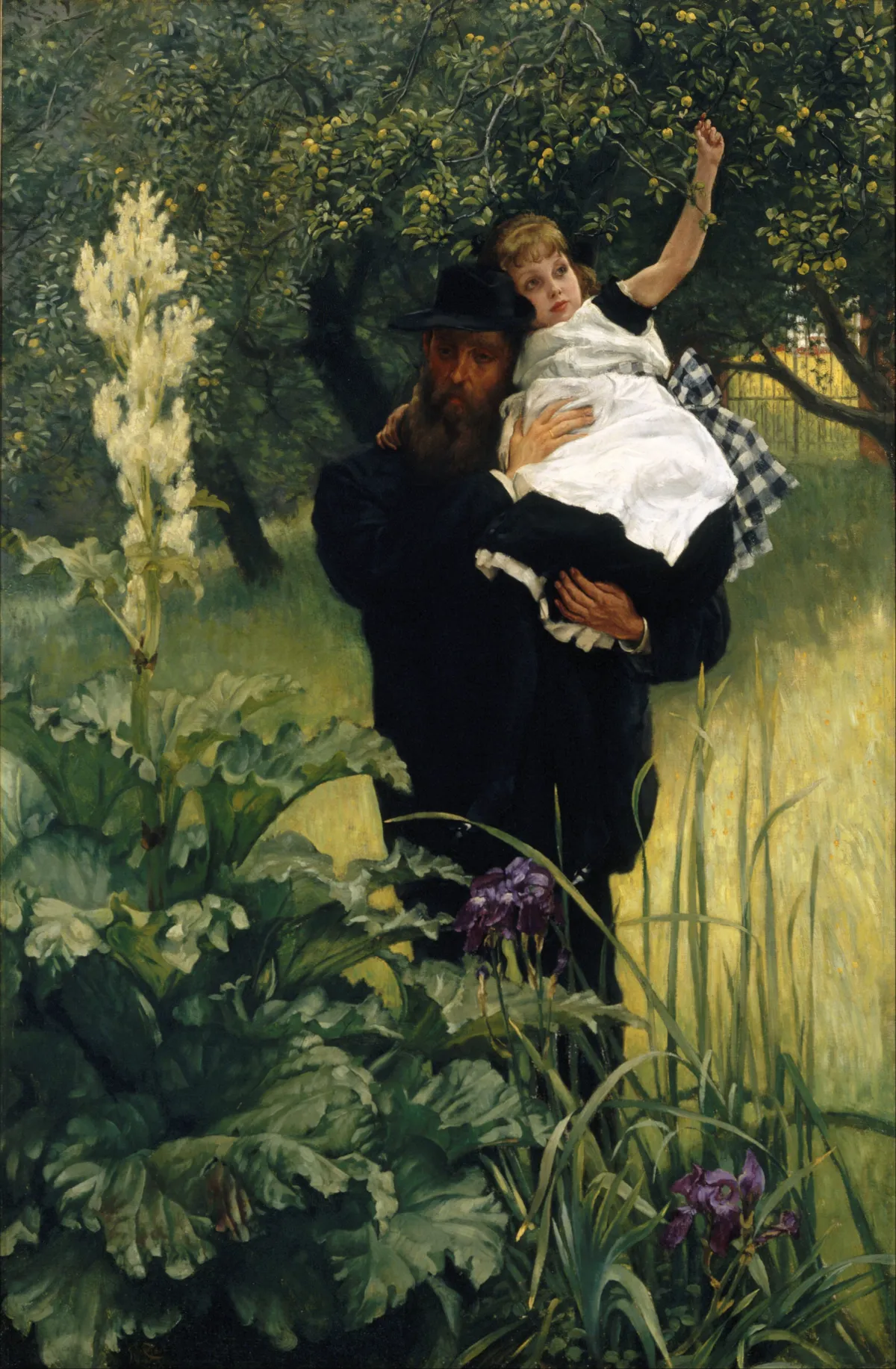
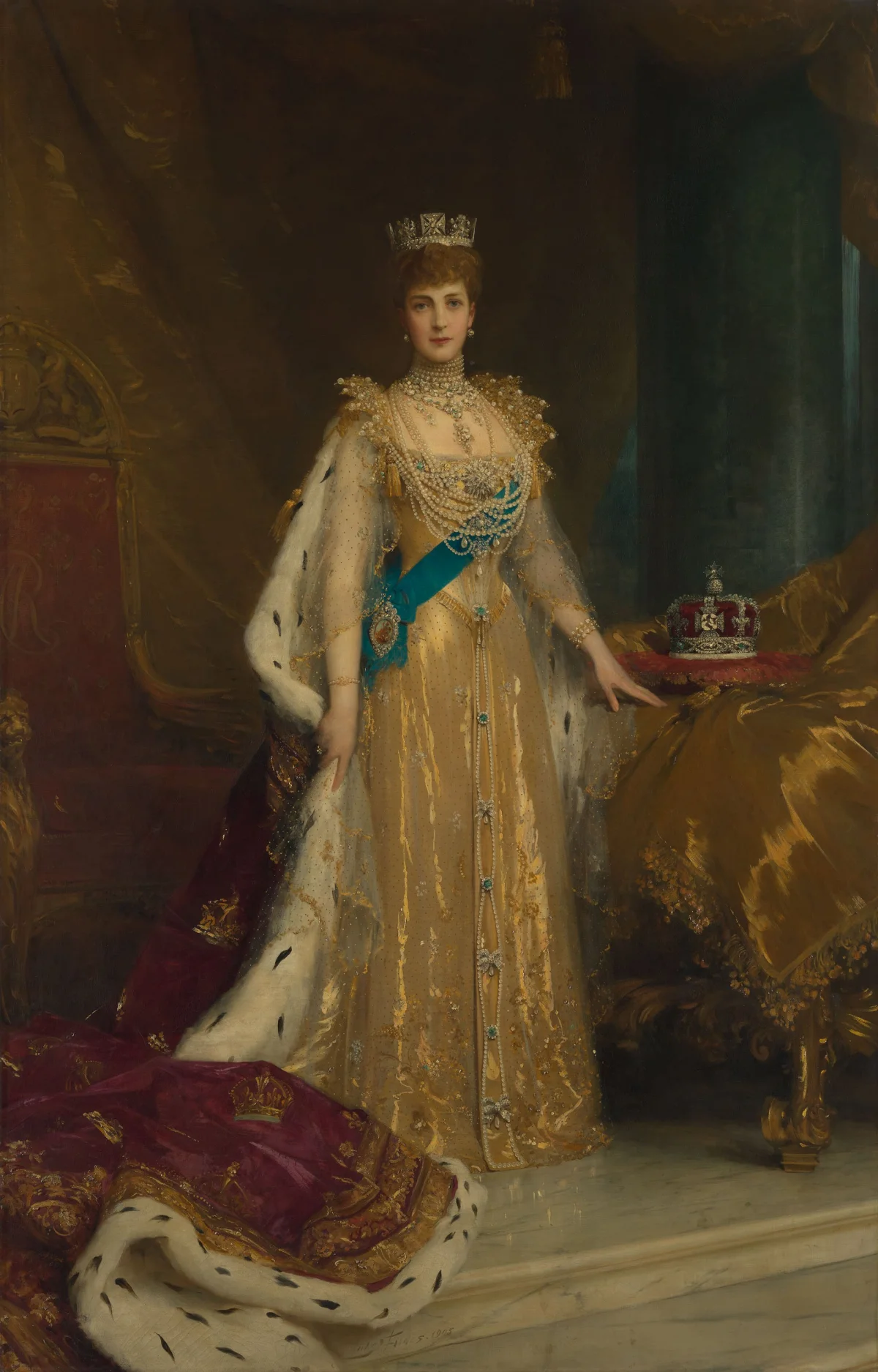
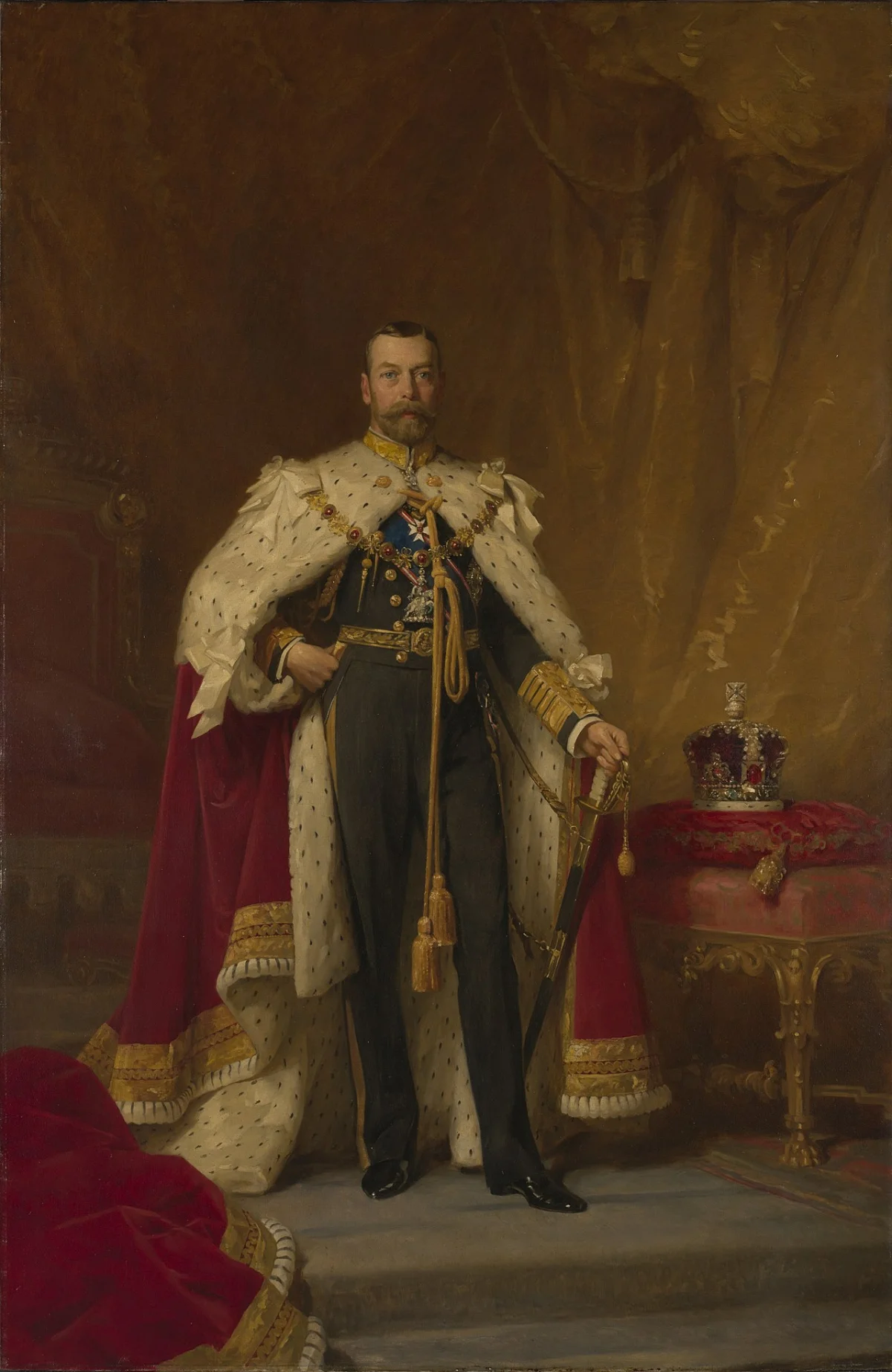
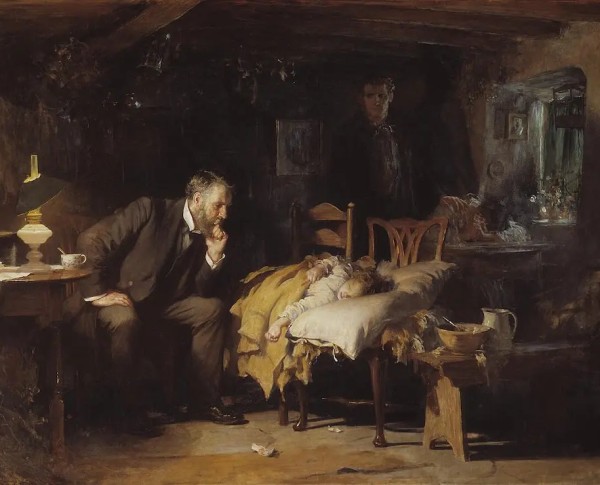
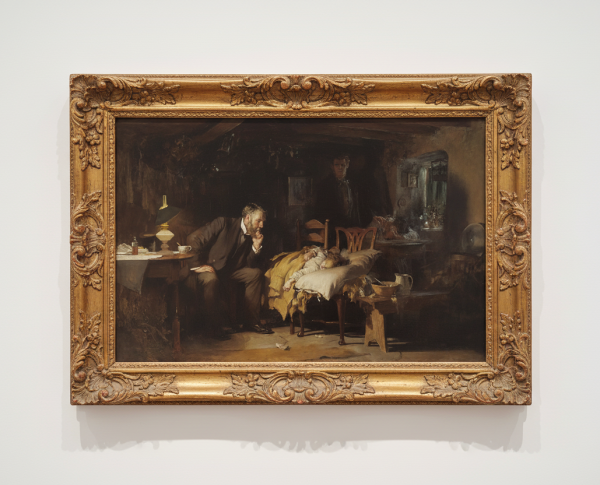
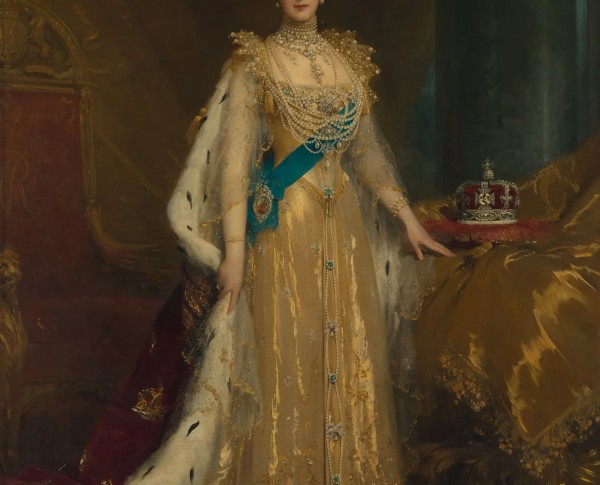
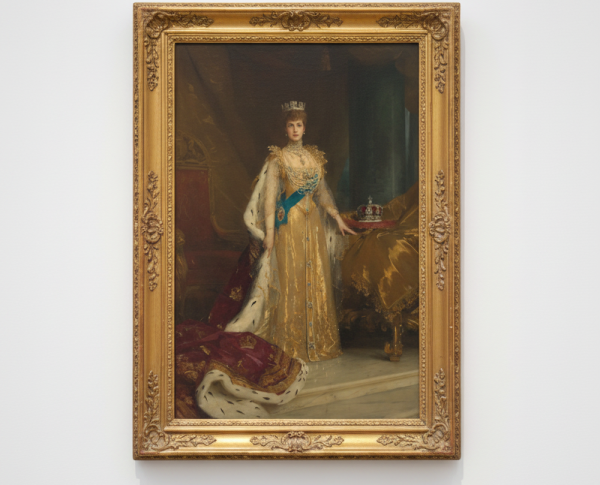
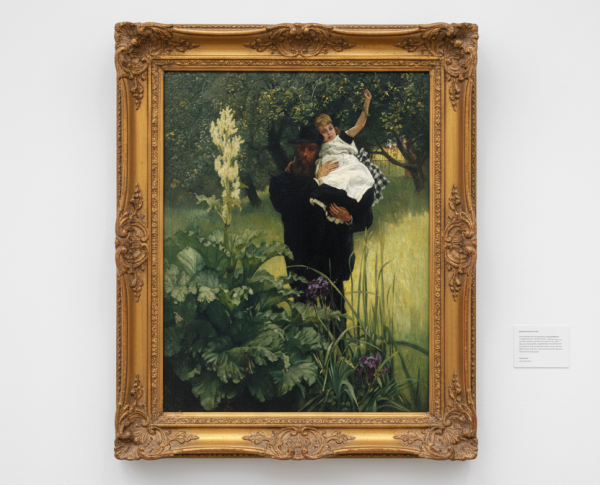
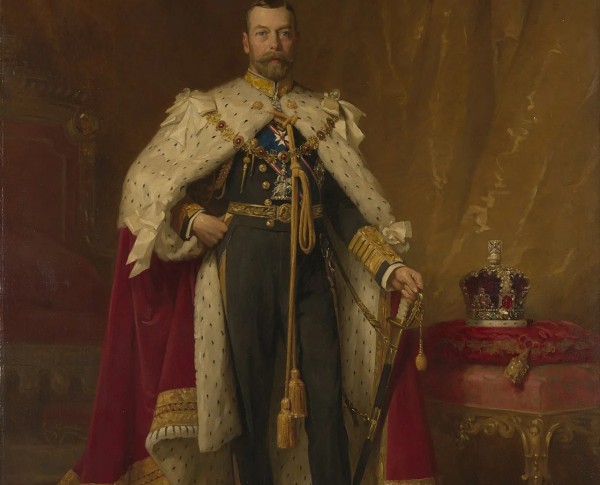
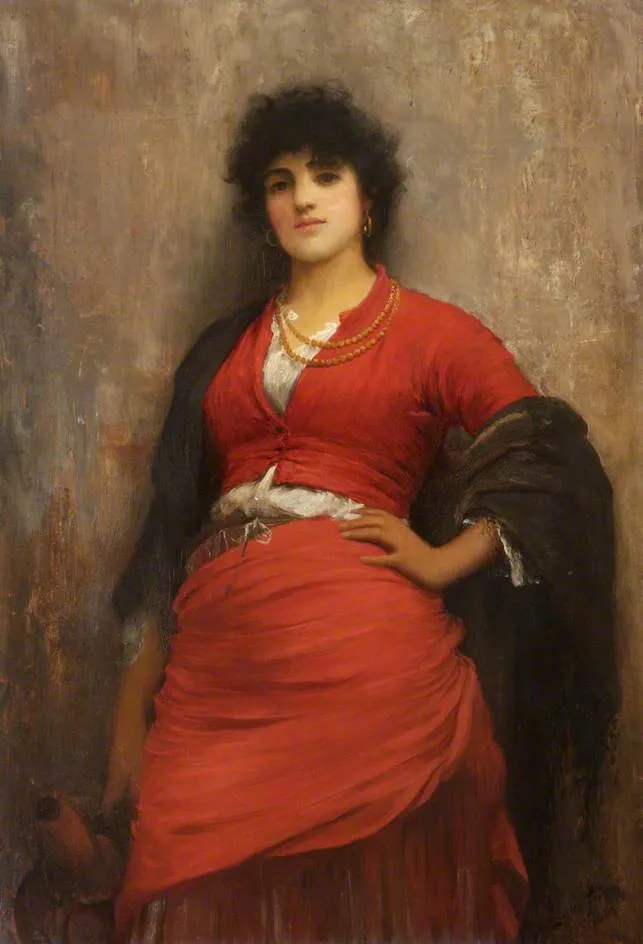
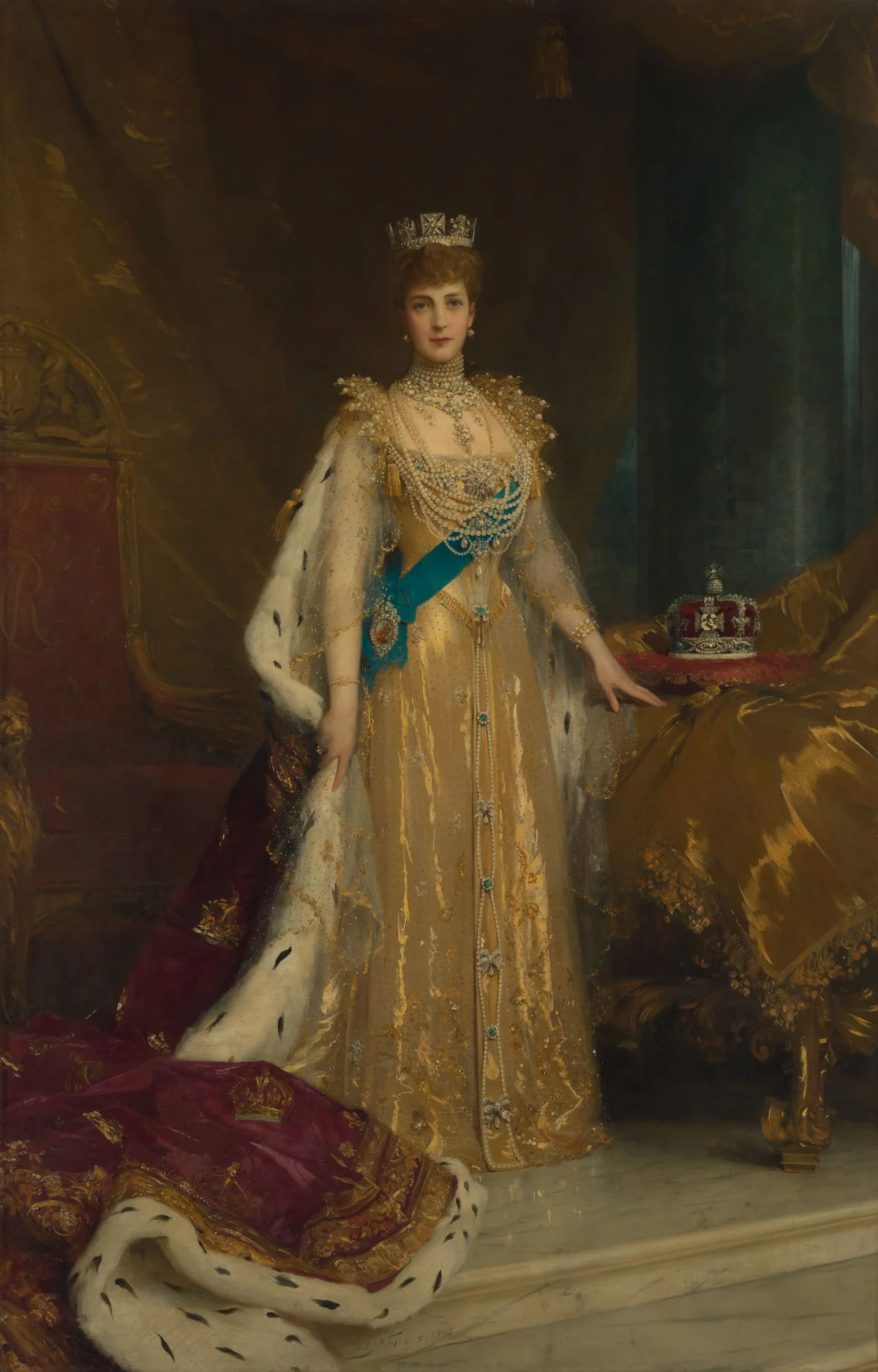
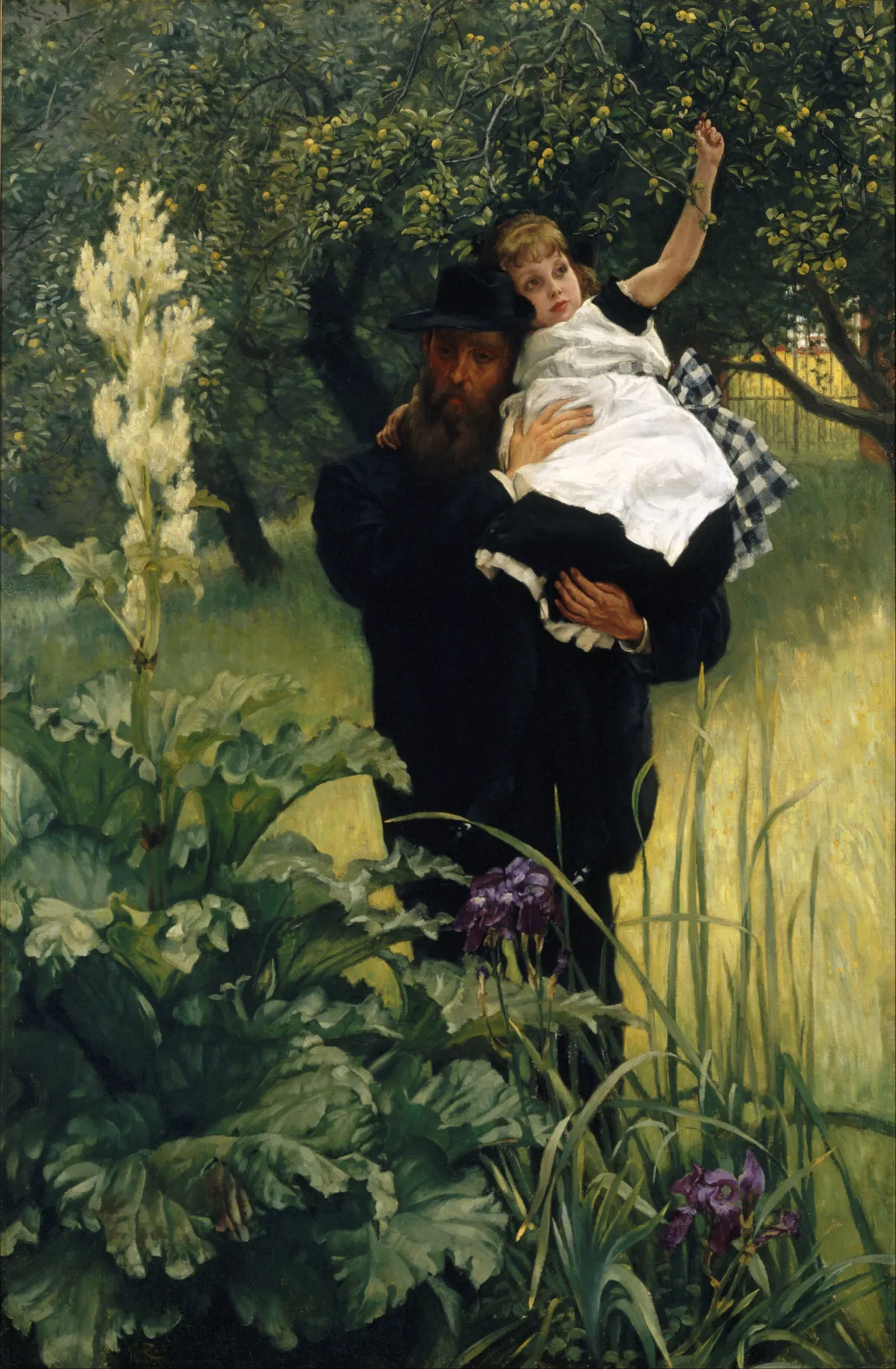
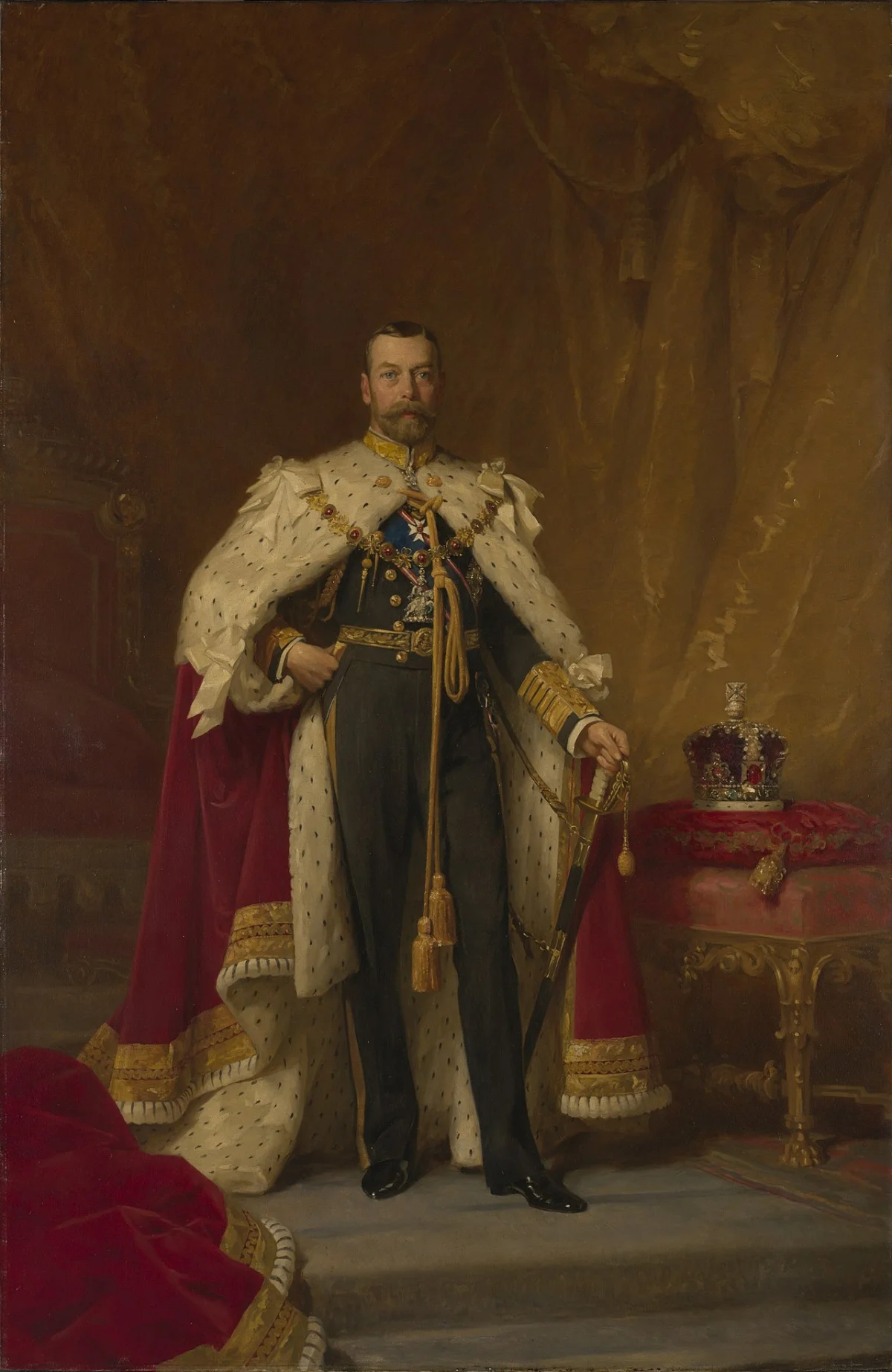
Samuel Luke Fildes' expert use of oil on canvas in "Italiienne" demonstrates his technical prowess and attention to detail. Each brushstroke conveys emotion and realism, hallmarks of the Social Realism movement. The texture and color palette bring the subject vividly to life, inviting viewers to appreciate the artist's skill. Collectors seeking exceptional works will find Fildes’ paintings, as well as "Portrait of Queen Alexandra" and "Prince George of Wales," true highlights in any collection.
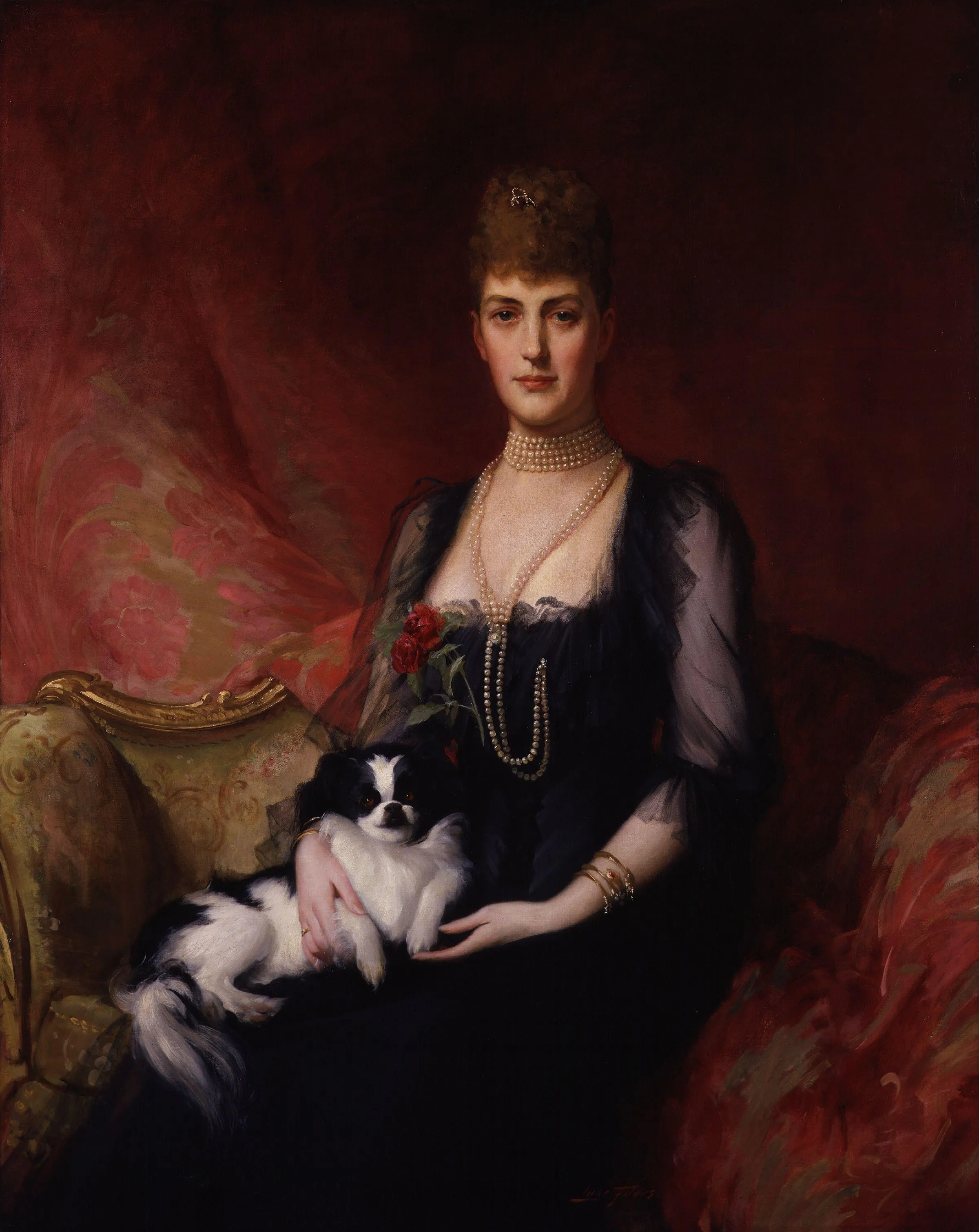
"Italiienne" is more than a fine art painting for sale; it’s a window into the daily life and struggles of its time. Samuel Luke Fildes infused meaning into every detail, employing the Social Realism ethos to highlight the humanity of his subjects. The painting’s symbolism resonates with those who value narrative depth in art. Art enthusiasts may also enjoy works like "When Princess of Wales, with Facey" and "Portrait of Alexandra of Denmark the Dog is Thought to Be a Japanese Chin Called Punch."
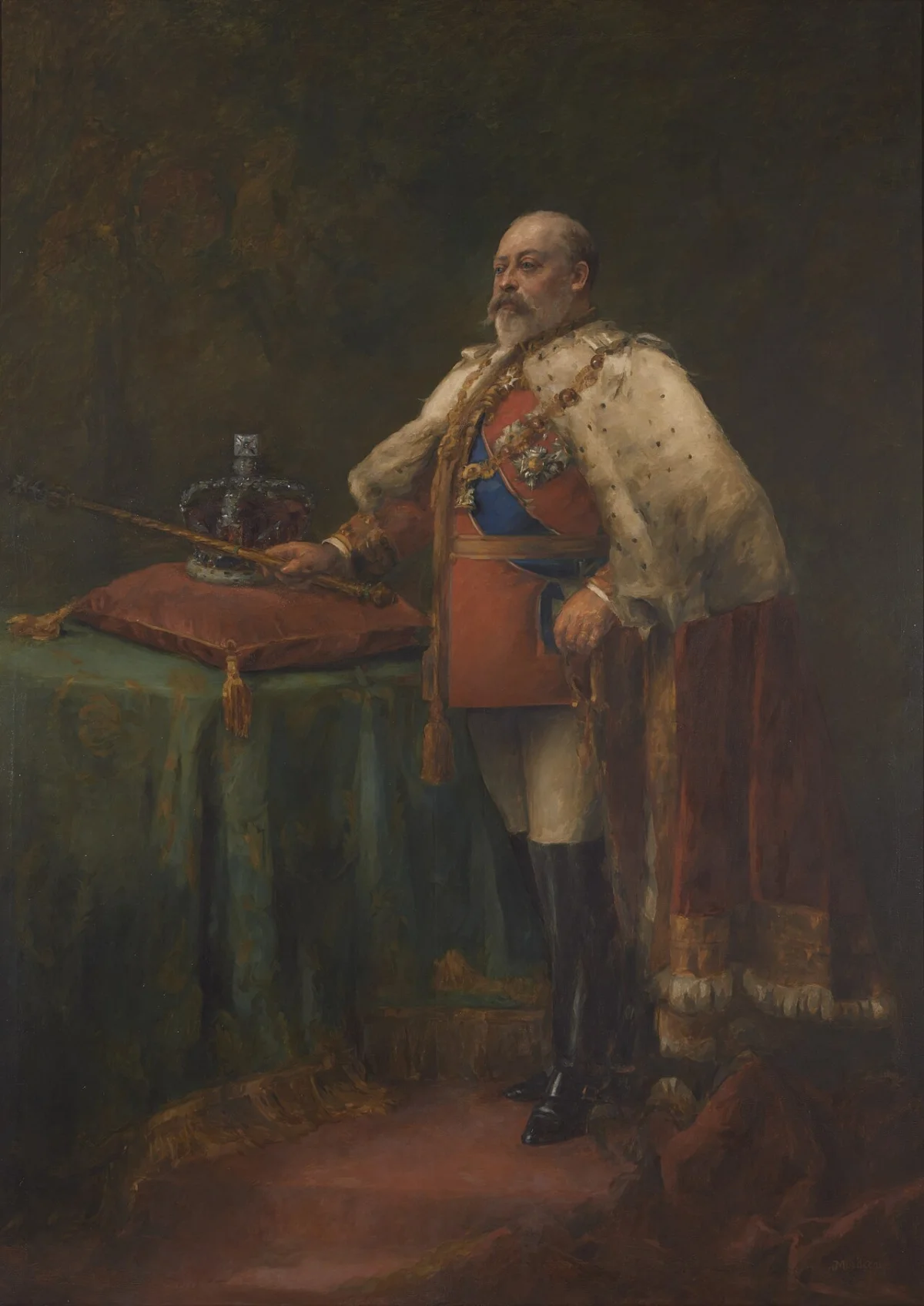
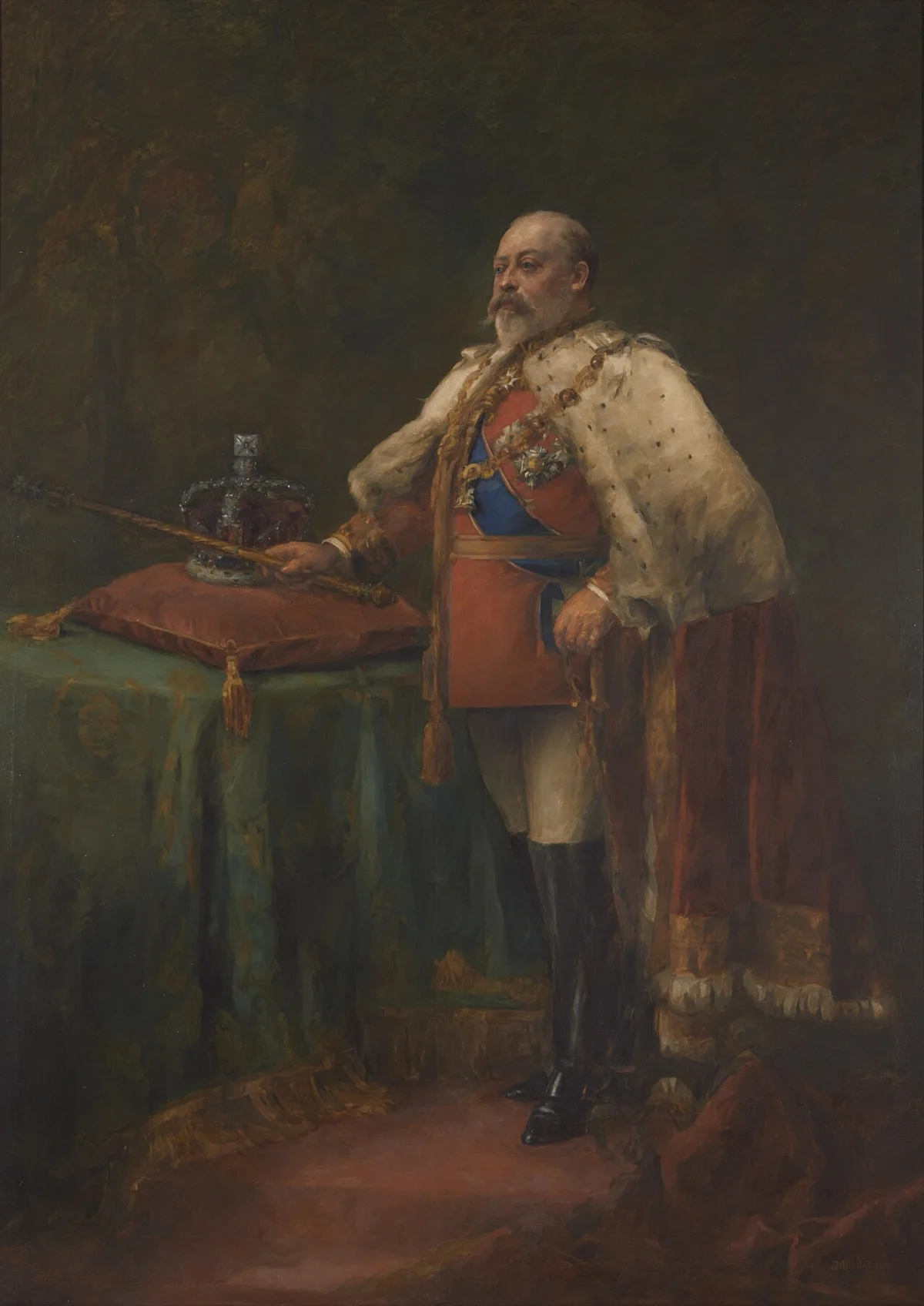
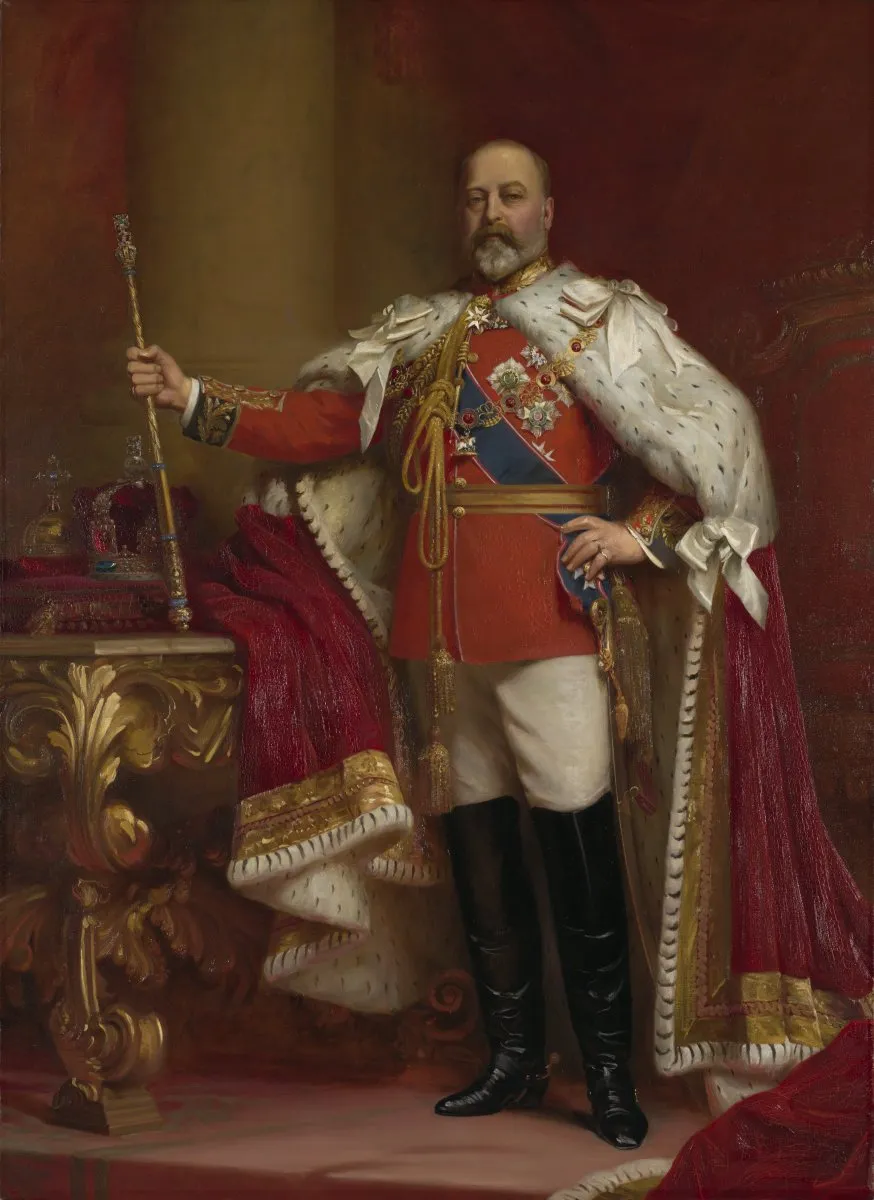
For collectors, "Italiienne" by Samuel Luke Fildes represents the pinnacle of hand-painted oil painting within the Social Realism movement. Its enduring appeal makes it a sought-after piece among connoisseurs of historical art. Whether displayed alongside "King Edward VII (1841-1910)" or "Prince George of Wales, later King George V," this painting enhances any collection. Its legacy and craftsmanship ensure it remains a fine art painting for sale that captivates new generations of admirers.
When Art Meets History
Samuel Luke Fildes, a prominent figure in the Social Realism movement, created "Italiienne" during a period when artists sought to depict the real lives of ordinary people. This hand-painted oil painting captures the essence of 19th-century Europe, reflecting the struggles and dignity of its subjects. Fildes’ work stands alongside other fine art painting for sale from the era, offering a glimpse into the societal narratives that shaped both art and history.
Techniques That Speak
"Italiienne" showcases Fildes’ mastery of oil on canvas, a medium favored by Social Realism artists for its depth and texture. His brushwork brings out subtle details in the subject’s expression and attire, emphasizing realism and emotion. This approach aligns with other hand-painted oil paintings from the movement, where meticulous technique was used to highlight the everyday beauty and hardships of life, making each piece both visually striking and deeply meaningful.
Emotions on Display
In "Italiienne," Samuel Luke Fildes conveys a profound sense of empathy, inviting viewers to connect emotionally with the subject. The painting’s subdued tones and realistic portrayal evoke feelings of resilience and quiet strength, hallmarks of Social Realism. This oil on canvas not only showcases Fildes’ technical prowess but also his ability to communicate universal human experiences, as seen in other hand-painted oil paintings by the artist and his contemporaries.
Coveted by Collectors
Collectors prize "Italiienne" for its historical significance and authentic representation of Social Realism. Samuel Luke Fildes’ fine art painting for sale stands out for its craftsmanship and emotional depth, making it a sought-after piece among art enthusiasts. Its presence in galleries and collections highlights the enduring appeal of oil on canvas works from this influential period, alongside other masterpieces by Fildes and his peers in the movement.
Frequently Asked Questions About Italiienne
What is the historical context of "Italiienne"?
"Italiienne" was painted by Samuel Luke Fildes during the late 19th century, a period marked by significant social and artistic changes in Europe. This era saw the rise of realism in art, which aimed to depict everyday life and ordinary people, moving away from romanticism and idealized subjects.
What artistic techniques did Fildes employ in "Italiienne"?
Fildes utilized a combination of naturalistic detail and dramatic lighting in "Italiienne." His use of chiaroscuro enhances the three-dimensionality of the figures, while the careful rendering of textures showcases his skill in oil painting.
What themes are explored in "Italiienne"?
The painting explores themes of identity, culture, and the human experience. It reflects the artist's interest in the lives of ordinary people, particularly the emotional depth and complexity of their experiences.
What is the significance of the title "Italiienne"?
The title "Italiienne," which translates to "Italian woman," indicates the subject's cultural background. This choice highlights Fildes's fascination with different cultures and his ability to convey the unique characteristics of his subjects.
How does "Italiienne" reflect the Realism movement?
"Italiienne" embodies the Realism movement through its focus on authentic representation and the portrayal of everyday life. Fildes captures the essence of his subject without embellishment, emphasizing the beauty found in reality.
What can be inferred about the subject's expression in "Italiienne"?
The subject's expression in "Italiienne" conveys a sense of introspection and emotional depth. This portrayal invites viewers to connect with her on a personal level, reflecting the artist's intent to evoke empathy and understanding.
What role does color play in "Italiienne"?
Color in "Italiienne" is used strategically to enhance mood and focus. The warm tones create an inviting atmosphere, while the subtle contrasts draw attention to the subject, reinforcing her significance within the composition.
How does "Italiienne" compare to other works by Samuel Luke Fildes?
What influence did "Italiienne" have on contemporary artists?
"Italiienne" has influenced contemporary artists by demonstrating the power of realism in capturing the human experience. Its focus on cultural identity and emotional depth continues to resonate with artists exploring similar themes today.
Where can I view "Italiienne" today?
"Italiienne" is part of the collection at [Gallery Name]. Visitors can experience the painting in person and appreciate its historical and artistic significance within the context of Fildes's body of work.























_GFM_Painting_(1).webp)


 100% Hand-Painted: Finished in 3-6 Weeks

.png)















_(1).webp)