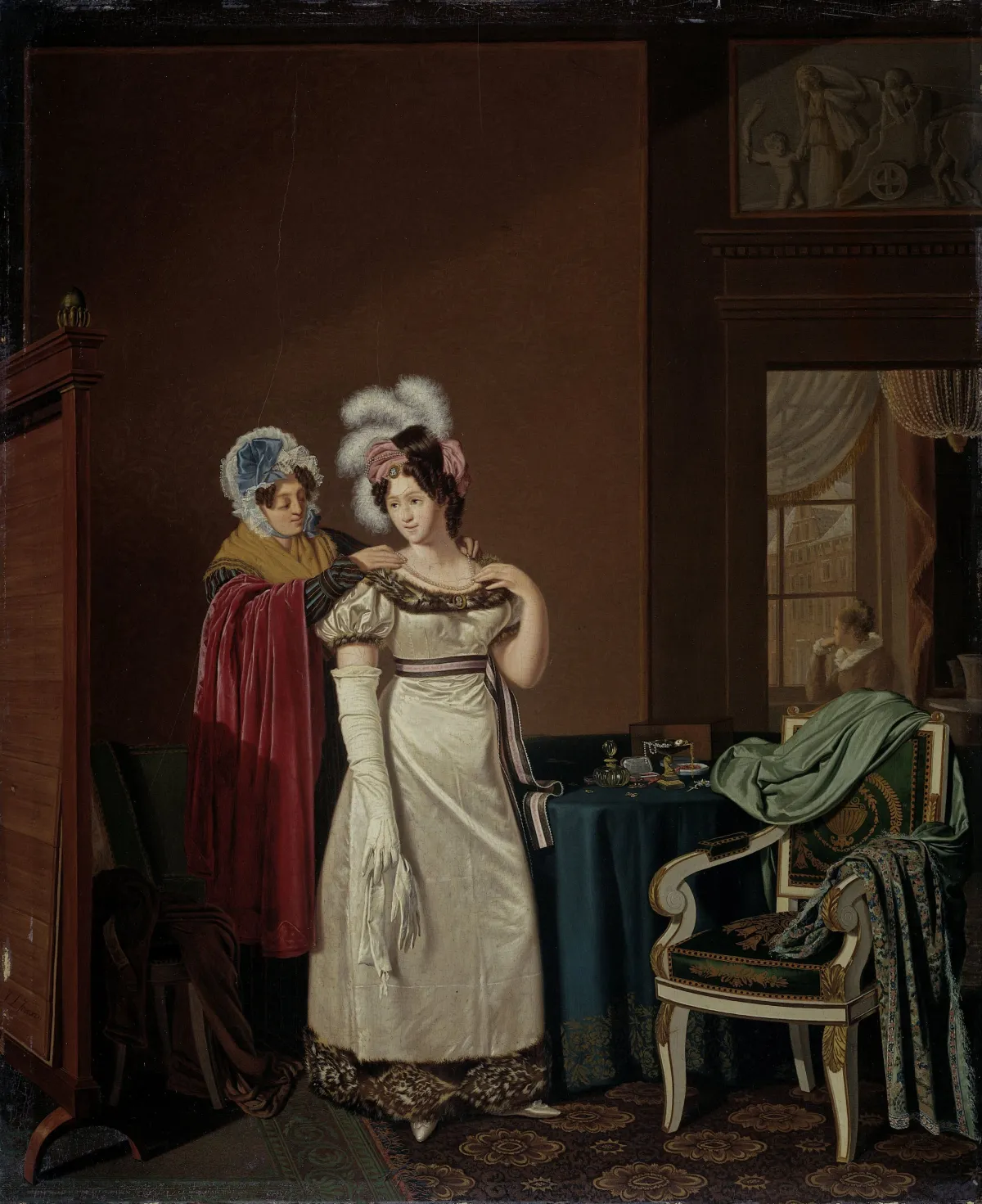
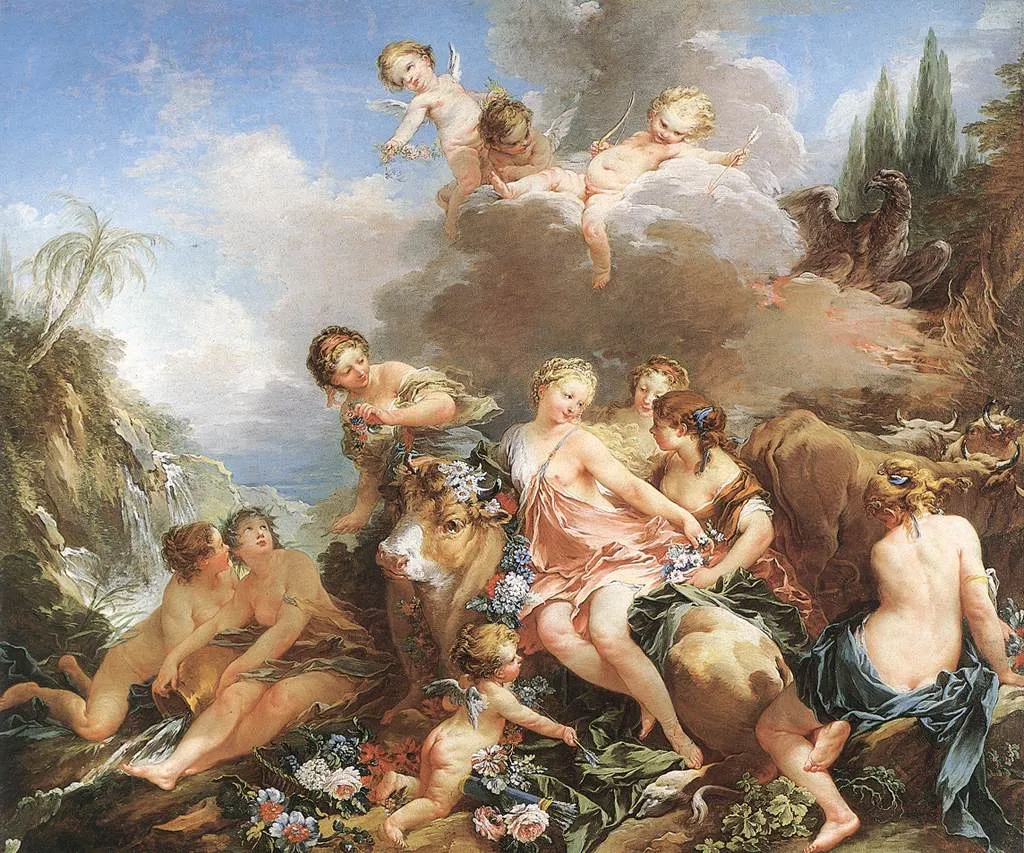
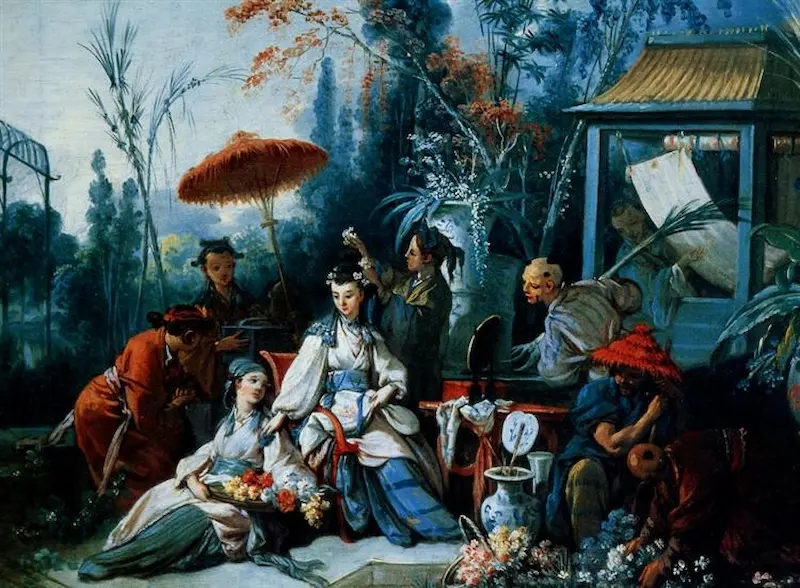
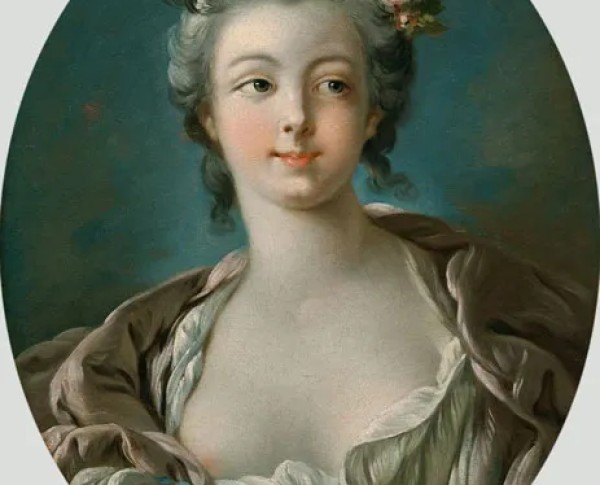
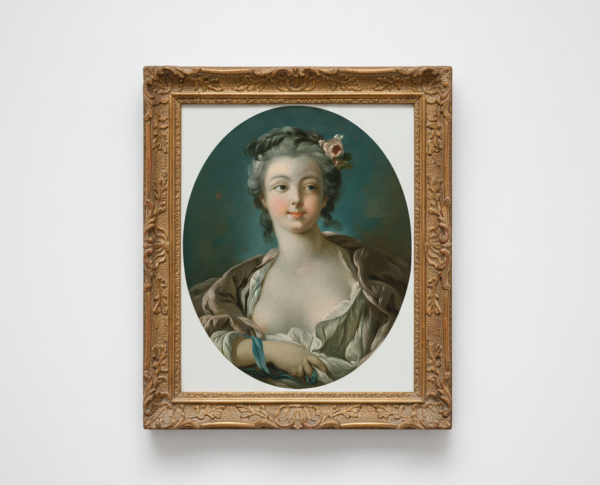
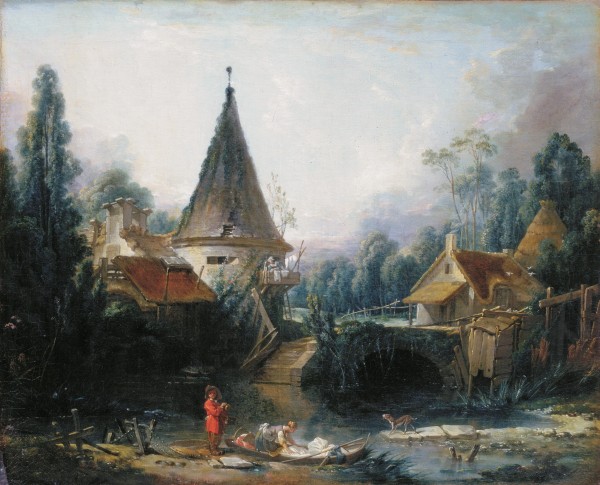
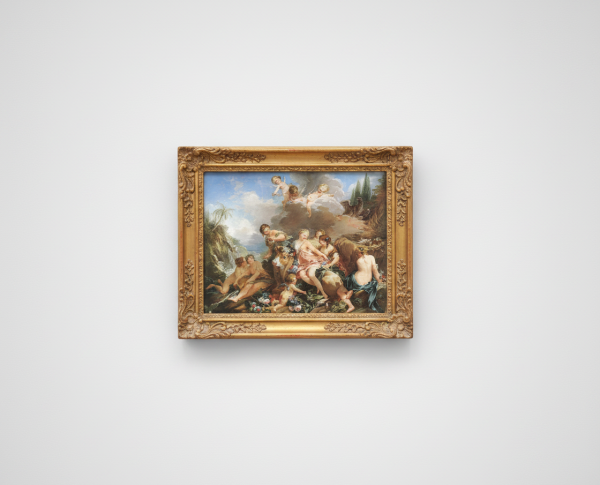
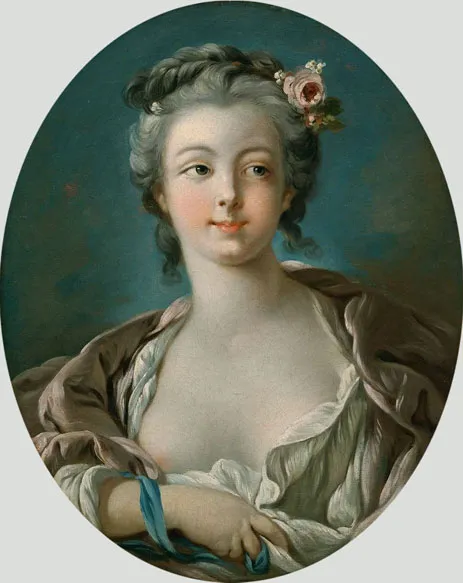
Boucher’s technique in "The Toilet" exemplifies the delicate skill required for oil on canvas works. The artist’s mastery is evident in the soft textures, lush colors, and intricate details that define Rococo artistry. Each brushstroke brings to life the lavish atmosphere of the period. Alongside other iconic pieces like "Young Woman with Flowers in Her Hair" and "The Chinese Garden," this painting highlights Boucher’s exceptional command of the medium, making it a must-see for lovers of classical oil paintings.
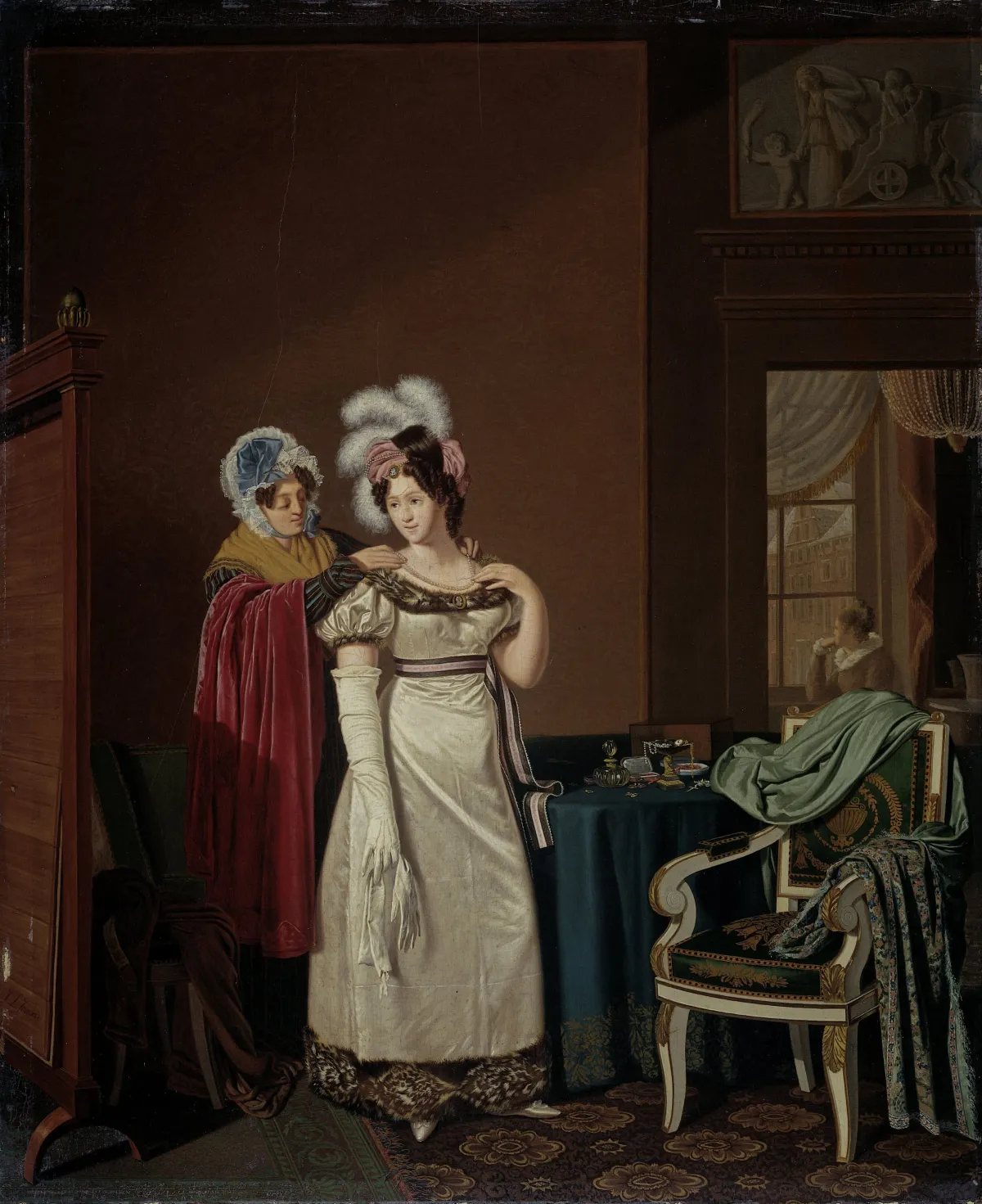
"The Toilet" by Francois Boucher is more than a fine art painting for sale; it’s a window into the intimate rituals and symbolism of Rococo society. The work’s graceful figures and ornate surroundings reflect themes of beauty, sensuality, and refinement. Boucher’s narrative style, also seen in "Hercules and Omfala" and "The Rest on the Flight into Egypt," invites viewers to explore deeper meanings behind everyday scenes, elevating ordinary moments into extraordinary visual stories.
Owning "The Toilet" as a hand-painted oil painting is a testament to an art collector’s appreciation for Rococo elegance and Francois Boucher’s genius. This masterpiece, along with related works like "The Birth and Triumph of Venus" and "The Chinese Garden," offers a unique glimpse into the ornate world of 18th-century France. For those seeking a fine art painting for sale, Boucher’s creations are invaluable additions, enriching any collection with historical depth and decorative allure.
When Art Meets History
Francois Boucher’s "The Toilet" stands as a quintessential example of the Rococo movement, reflecting 18th-century French elegance and charm. This hand-painted oil painting beautifully captures the leisurely lifestyle of its era, much like related works such as "The Piazza San Marco in Venice" and "Venice: A Regatta on the Grand Canal." Boucher’s artistry in "The Toilet" demonstrates how fine art mirrors the historical context, making it an essential piece for enthusiasts of period art.
Techniques That Speak
Boucher’s mastery shines through in "The Toilet" with his delicate application of oil on canvas, creating luminous skin tones and intricate fabrics. The artist’s brushwork, reminiscent of masterpieces like "The Stonemason's Yard" and "Ducal Palace, Venice, c.1755," exemplifies the Rococo movement’s focus on lightness and fluidity. Through his remarkable technique, Boucher invites viewers to appreciate the refined details that make this painting a remarkable study in artistic skill.
Emotions on Display
In "The Toilet," Francois Boucher infuses his subject with a sense of intimacy and playful elegance, hallmarks of the Rococo era. The painting’s gentle composition and soft palette evoke a serene atmosphere, similar to the emotional resonance found in "The Entrance to the Grand Canal, Venice, c.1730." This fine art painting for sale allows collectors to experience the emotional depth and subtle storytelling that defined both Boucher’s work and the wider Rococo movement.
Coveted by Collectors
"The Toilet" by Francois Boucher remains highly sought after among art collectors and enthusiasts of Rococo masterpieces. Its status as a hand-painted oil painting, alongside related works like "Venice: A Regatta on the Grand Canal" and "Ducal Palace, Venice, c.1755," underscores its enduring appeal. For those seeking a fine art painting for sale, "The Toilet" represents a significant addition, embodying both historical value and exquisite artistic technique.
Related Rococo Hand-Painted Oil Paintings by Other Artists
Other Famous Rococo Artists:
Frequently Asked Questions About The Toilet
What is the historical context of "The Toilet" by Francois Boucher?
"The Toilet," painted in the 18th century, reflects the Rococo style that was prevalent in France during this period. This era was characterized by a focus on themes of leisure, love, and sensuality, often depicted in intimate and domestic settings.
What artistic techniques did Boucher employ in "The Toilet"?
Boucher utilized soft colors, delicate brushwork, and a focus on light to create a sense of intimacy and warmth. His use of chiaroscuro enhances the three-dimensionality of the figures, while the intricate details of the fabrics and textures showcase his skill in rendering luxurious materials.
What themes are explored in "The Toilet"?
The painting explores themes of femininity, beauty, and the private rituals of women. It captures a moment of personal grooming, symbolizing self-care and the societal expectations of women during the Rococo period.
How does "The Toilet" reflect the ideals of the Rococo movement?
The Rococo movement emphasized elegance, charm, and playful themes. "The Toilet" exemplifies these ideals through its depiction of leisure and beauty, showcasing the enjoyment of life and the celebration of feminine grace.
What symbolic meanings can be derived from the objects depicted in "The Toilet"?
The objects in the painting, such as the mirror and cosmetics, symbolize vanity and the importance of appearance in society. They reflect the cultural values of the time, where beauty was closely linked to social status and personal identity.
Who were the primary patrons of Boucher's work during his lifetime?
Boucher's work was primarily commissioned by the French aristocracy, including Madame de Pompadour, the mistress of King Louis XV. His paintings were highly sought after for their representation of luxury and refined taste.
In what ways does "The Toilet" showcase Boucher's influence on later artists?
Boucher's emphasis on sensuality and decorative elements influenced later artists in the Romantic and Impressionist movements. His ability to blend realism with fantasy paved the way for future explorations of personal and emotional themes in art.
What role does color play in "The Toilet"?
The color palette in "The Toilet" is soft and pastel, creating a dreamlike quality that enhances the intimate atmosphere. The use of light pinks, blues, and creams contributes to the overall sense of delicacy and femininity in the composition.
How does "The Toilet" compare to other works by Boucher?
What is the significance of the setting in "The Toilet"?
The setting of "The Toilet" is a private boudoir, which serves to emphasize the personal nature of the scene. This intimate environment allows viewers to engage with the subject on a more personal level, reflecting the importance of privacy and self-expression in women's lives during the 18th century.























_GFM_Painting_(1).webp)


 100% Hand-Painted: Finished in 3-6 Weeks

.png)















_(1).webp)