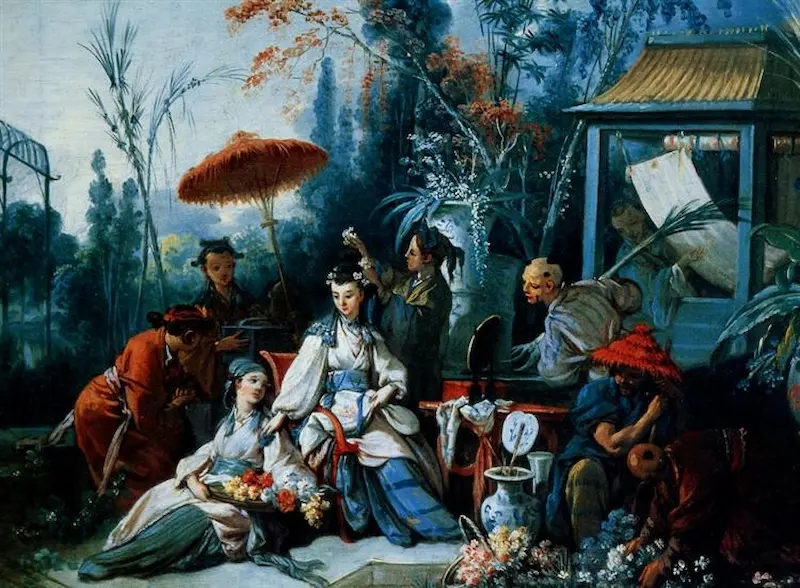
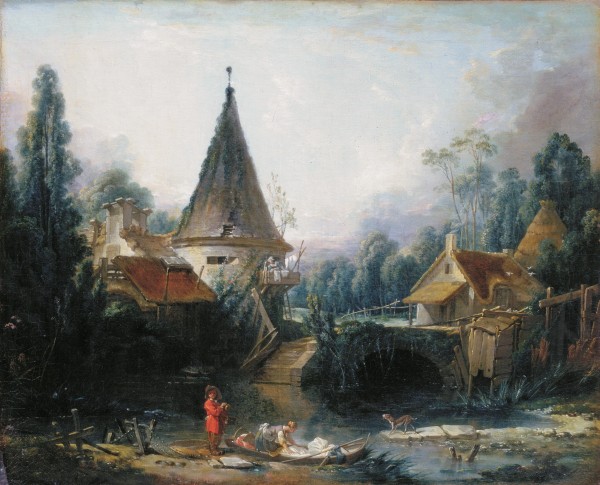
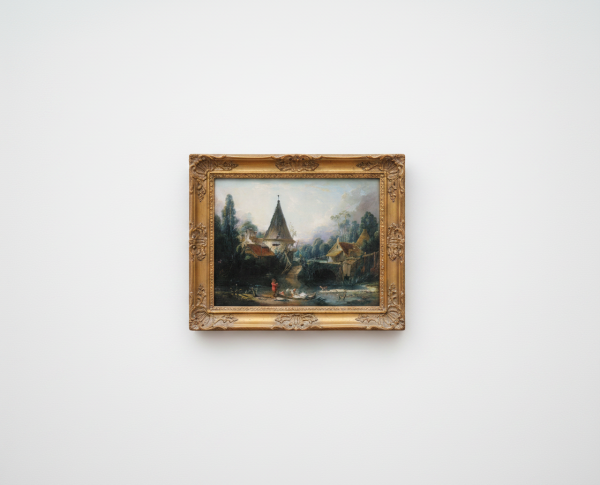
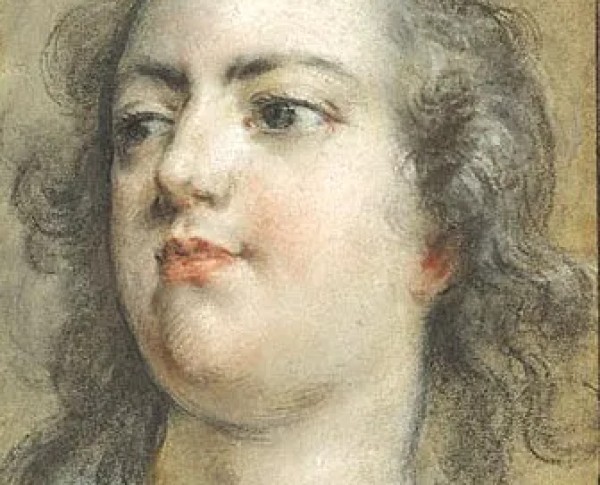
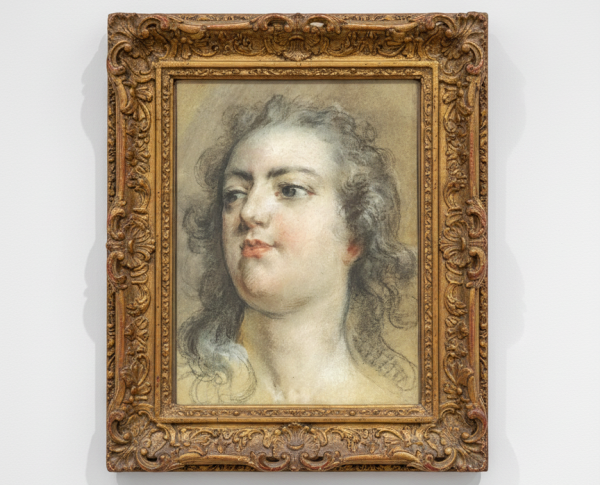
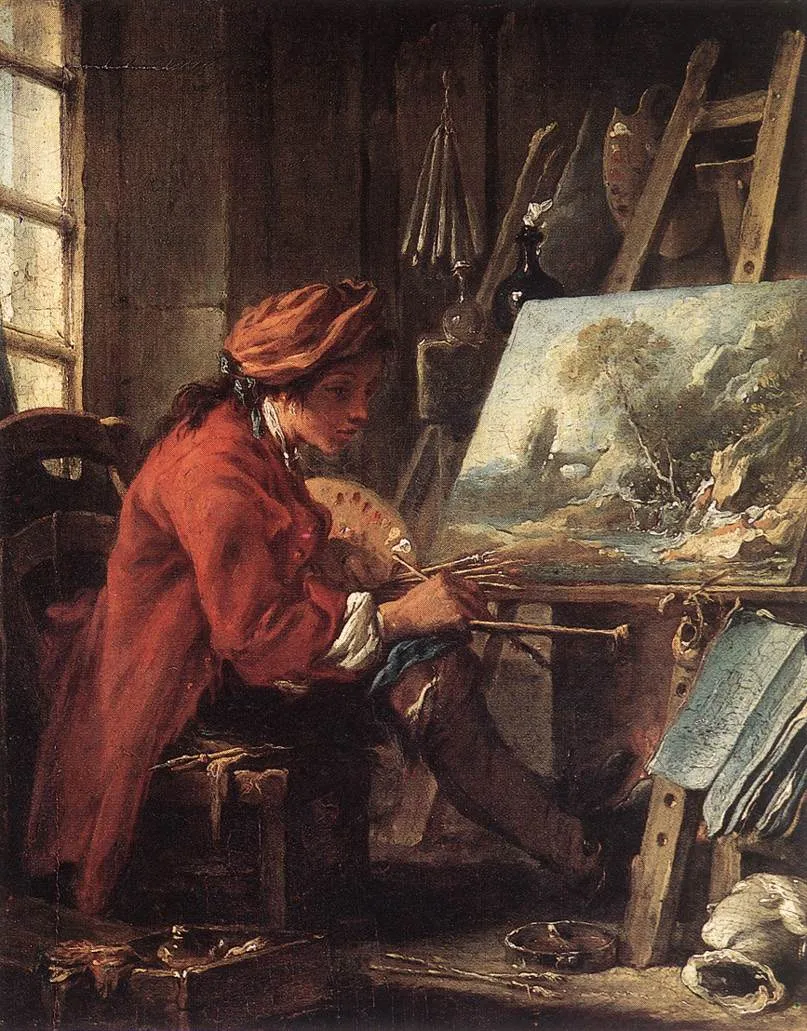
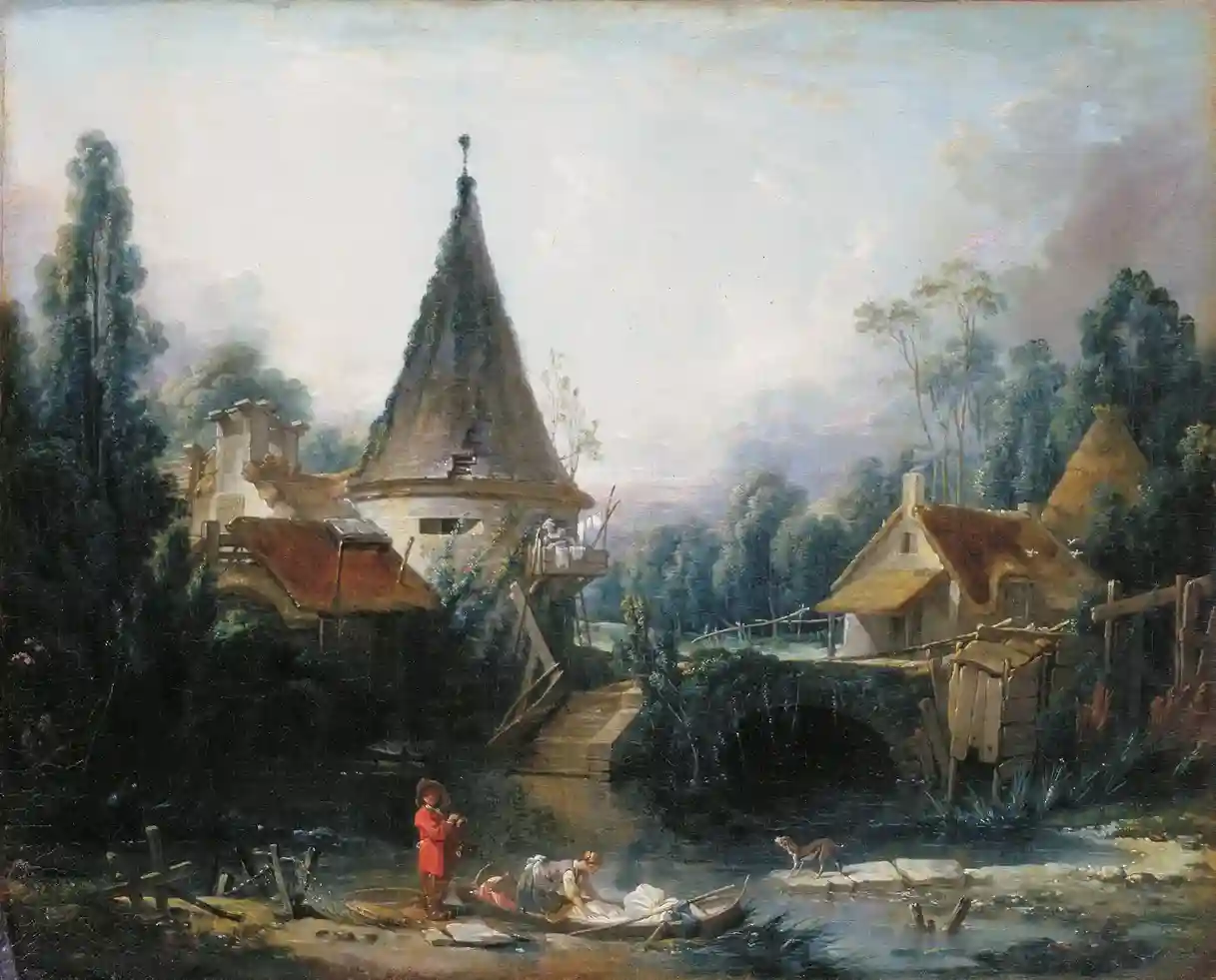
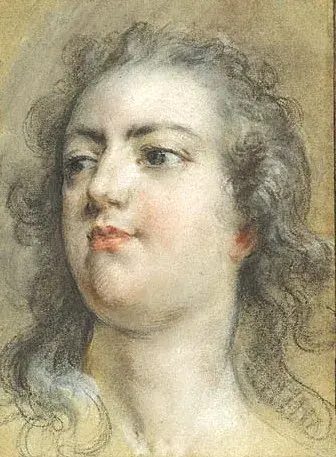
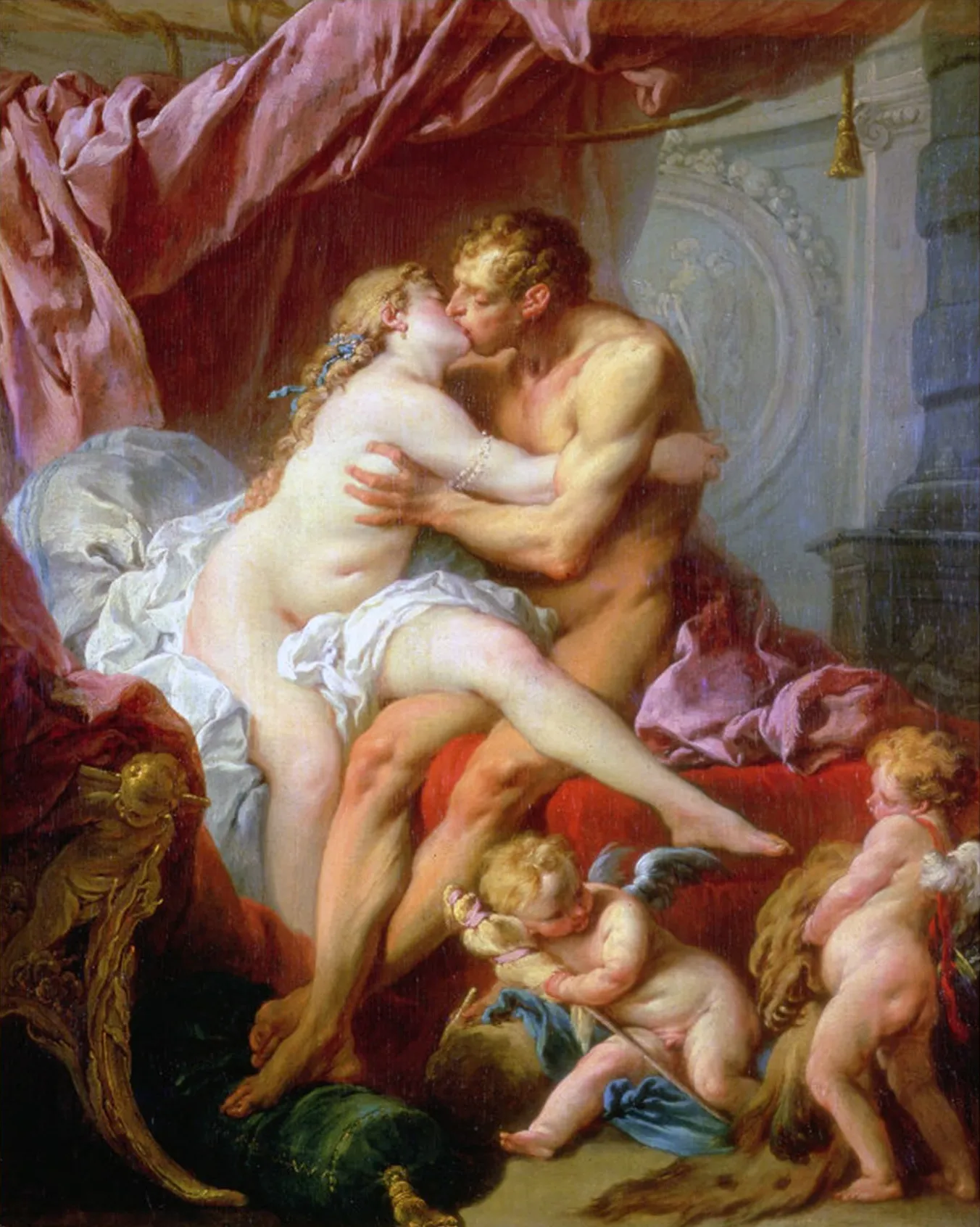
"The Painter in his Studio" exemplifies Boucher’s mastery with oil on canvas, showcasing his signature soft color palette and fluid brushwork. This fine art painting for sale not only highlights the technical brilliance of Francois Boucher but also immerses viewers in the whimsical charm of the Rococo era. For those seeking to enrich their collection, related paintings like "Landscape near Beauvais early" and "Head of King Louis XV" offer further glimpses into Boucher’s genius.
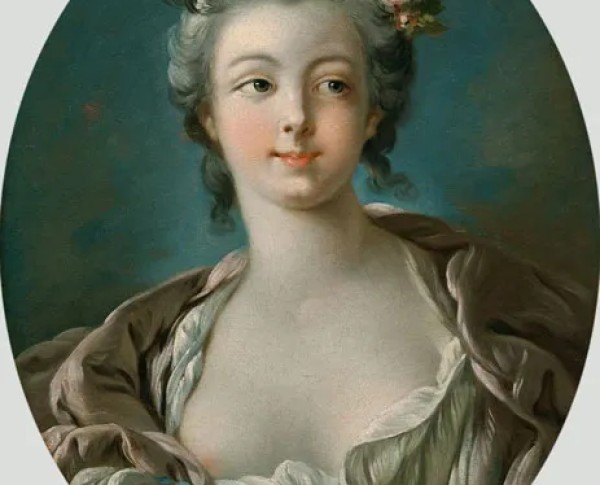
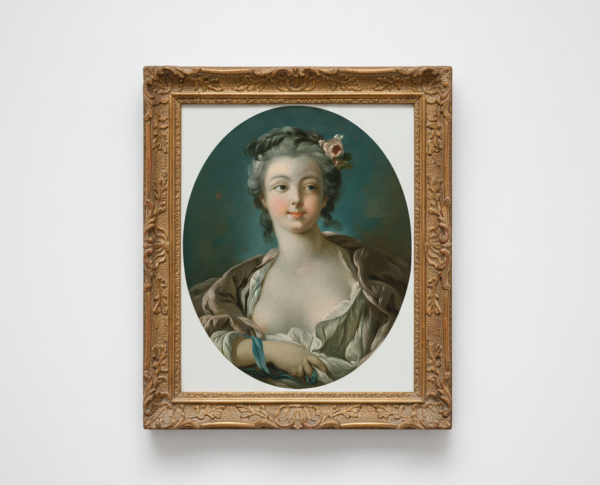
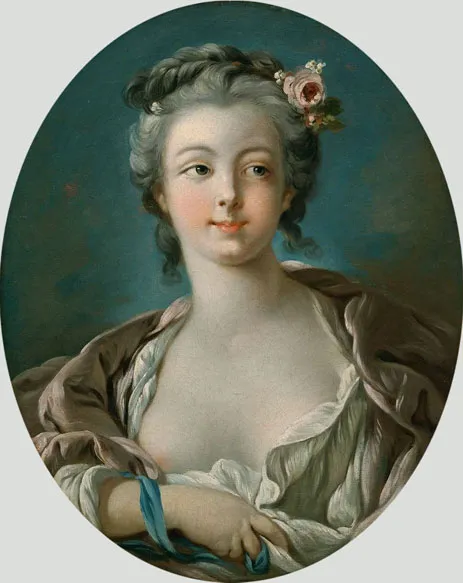
Boucher’s "The Painter in his Studio" is more than a hand-painted oil painting; it’s a narrative woven with symbols of creativity and artistic ambition, central themes in the Rococo movement. The artwork invites viewers to ponder the artist’s world, much like "Young Woman with Flowers in Her Hair wrongly called Portrait of Madame Boucher" does. Each element in the studio tells a story, making this painting a captivating addition to any fine art collection.
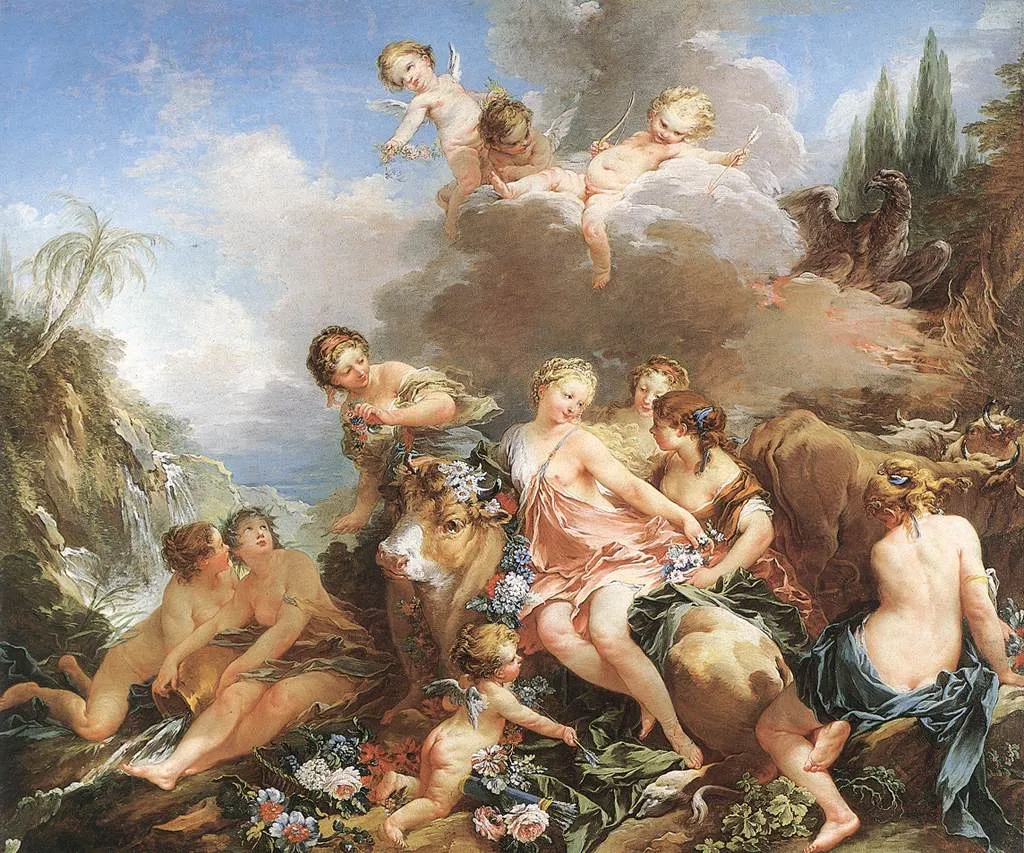
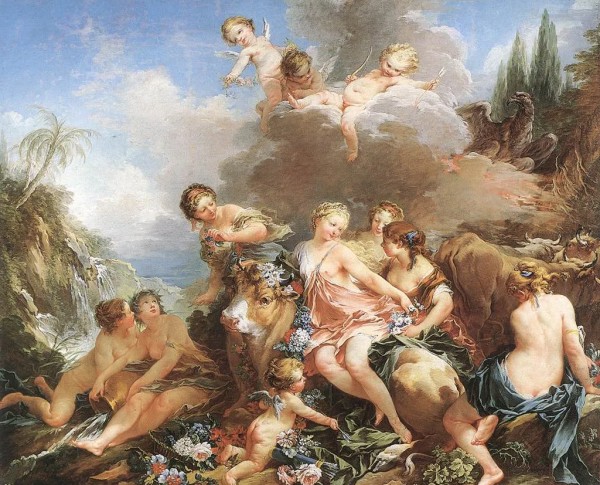
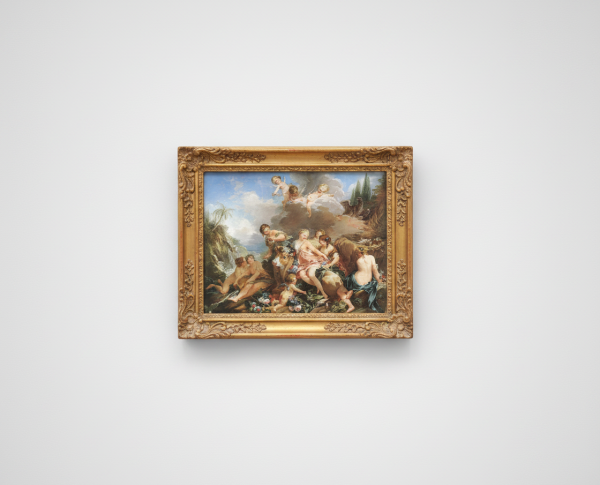
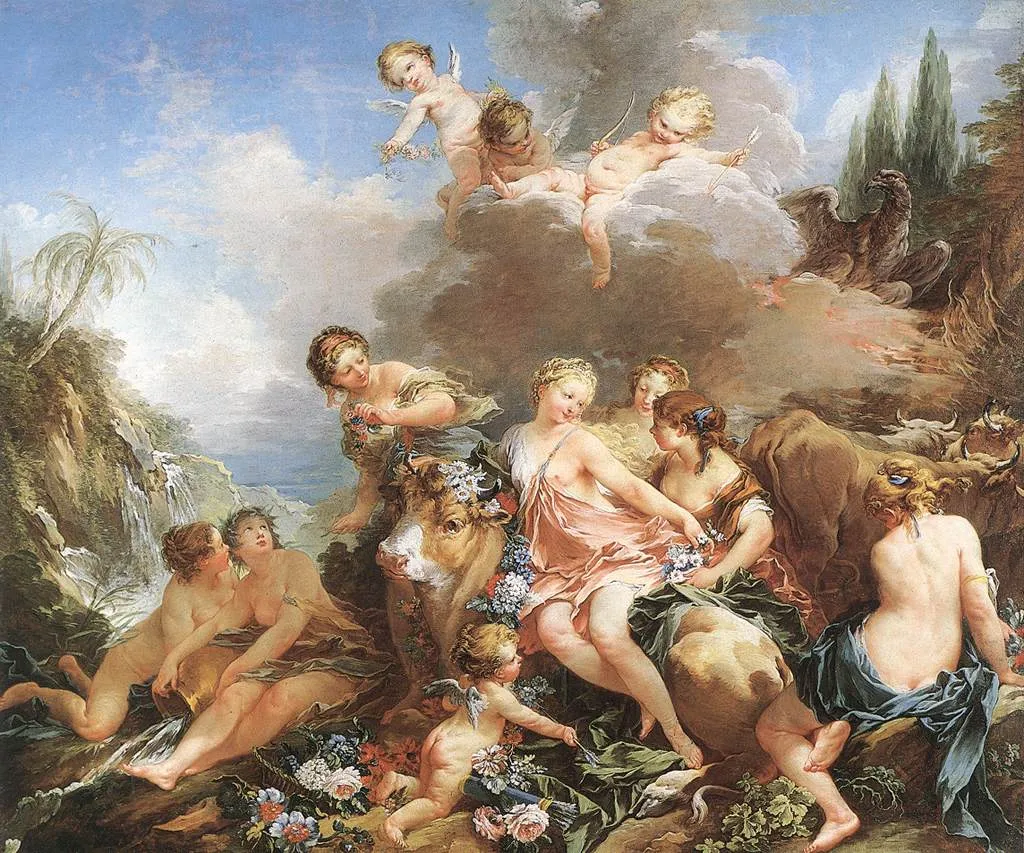
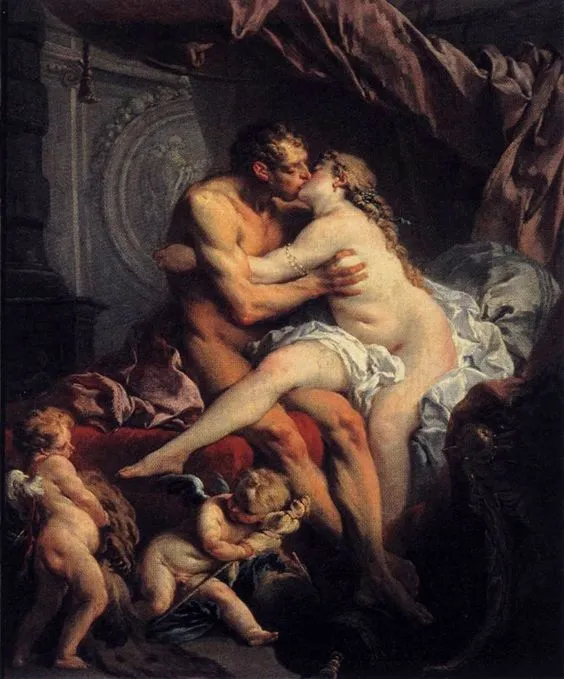
For art lovers and collectors, "The Painter in his Studio" stands out as a fine art painting for sale that embodies the elegance and sophistication of 18th-century Rococo. Francois Boucher’s attention to detail ensures this oil on canvas piece remains a sought-after treasure. Pairing it with related masterpieces such as "Hercules and Omfala" or "The Rape of Europa" enhances any collection, showcasing the enduring allure of Boucher’s celebrated artistry.
When Art Meets History
"The Painter in his Studio" by Francois Boucher stands as a remarkable example of the Rococo movement. Created during an era of elegance and ornate style, this hand-painted oil painting reflects the cultural vibrancy of 18th-century France. Boucher, renowned for his lush compositions, also produced masterpieces such as "The Piazza San Marco in Venice" and "Ducal Palace, Venice, c.1755." This artwork captures not just a moment in time but the very spirit of its historical context.
Techniques That Speak
Boucher’s mastery is evident in every brushstroke of this oil on canvas. The delicate interplay of light and color brings the studio scene to life, showcasing the artist’s refined Rococo technique. Much like his celebrated works "The Stonemason's Yard" and "The Bucintoro, Venice: A Regatta on the Grand Canal," Boucher’s use of texture and composition in this painting highlights the versatility and depth achievable with oil on canvas, inviting viewers to appreciate the technical prowess behind the beauty.
Emotions on Display
Francois Boucher’s "The Painter in his Studio" is more than a fine art painting for sale; it is a window into the artist’s world. The intimate setting and expressive gestures evoke a sense of creativity and passion, hallmark traits of the Rococo movement. Like his other works, such as "The Piazza San Marco in Venice," Boucher’s attention to detail and emotional resonance makes this painting a timeless favorite among art lovers seeking depth in visual storytelling.
Coveted by Collectors
Collectors worldwide prize "The Painter in his Studio" not only for its aesthetic charm but also as a hand-painted oil painting that exemplifies Rococo elegance. Francois Boucher’s works, including "Ducal Palace, Venice, c.1755" and "The Bucintoro, Venice: A Regatta on the Grand Canal," are highly sought after, making this piece a valuable addition to any fine art collection. Its historical significance and artistic mastery continue to captivate discerning collectors and enthusiasts alike.
Related Rococo Hand-Painted Oil Paintings by Other Artists
Other Famous Rococo Artists:
Frequently Asked Questions About "The Painter in his Studio"
What is the historical context of "The Painter in his Studio"?
"The Painter in his Studio" was created during the Rococo period in the 18th century, a time characterized by ornate detail and light-hearted themes in art. Francois Boucher, a leading figure of this movement, reflects the cultural shift towards a more personal and intimate portrayal of artistic life.
What artistic techniques did Boucher employ in this painting?
Boucher utilized techniques such as soft brushwork, vibrant color palettes, and chiaroscuro to create depth and dimension. His mastery of light and shadow enhances the three-dimensionality of the figures and objects within the studio.
What themes are explored in "The Painter in his Studio"?
The painting explores themes of creativity, inspiration, and the artist's relationship with his environment. It captures the intimate setting of an artist's studio, emphasizing the personal nature of artistic creation.
Who are the figures depicted in the painting?
The painting features Boucher himself alongside a model, representing the dynamic between the artist and his muse. This relationship is central to the creative process, highlighting the collaboration between artist and subject.
What symbolism can be found in "The Painter in his Studio"?
The various objects within the studio, such as brushes, canvases, and drapery, symbolize the tools of artistic creation. The presence of the model signifies inspiration and the fleeting nature of beauty, which artists strive to capture.
How does Boucher's style reflect the Rococo movement?
Boucher's style is emblematic of the Rococo movement, characterized by its playful themes, intricate details, and a focus on sensuality and beauty. His use of pastel colors and elaborate compositions aligns with the movement's aesthetic values.
What role does light play in this painting?
Light plays a crucial role in "The Painter in his Studio," as it creates a warm and inviting atmosphere. Boucher's strategic use of light highlights the figures and objects, drawing the viewer's eye to the central themes of creativity and inspiration.
How does this painting compare to Boucher's other works?
This painting shares similarities with Boucher's other works in its focus on the human figure and the use of vibrant colors. However, it stands out due to its autobiographical elements, providing a glimpse into the artist's own life and creative process.
What influence did "The Painter in his Studio" have on later artists?
The painting influenced later artists by emphasizing the importance of the artist's personal experience and environment in the creative process. It paved the way for Romantic and Impressionist artists who similarly sought to capture the essence of artistic life.
Why is "The Painter in his Studio" significant in art history?
The painting is significant in art history as it encapsulates the spirit of the Rococo movement while also offering a personal narrative about the artist. It serves as a testament to the evolving role of the artist in society and the intimate connection between art and life.























_GFM_Painting_(1).webp)


 100% Hand-Painted: Finished in 3-6 Weeks

.png)















_(1).webp)