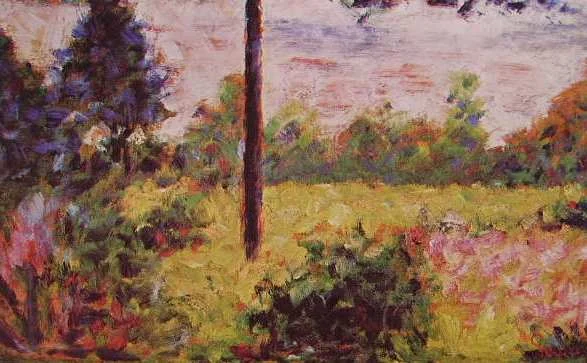
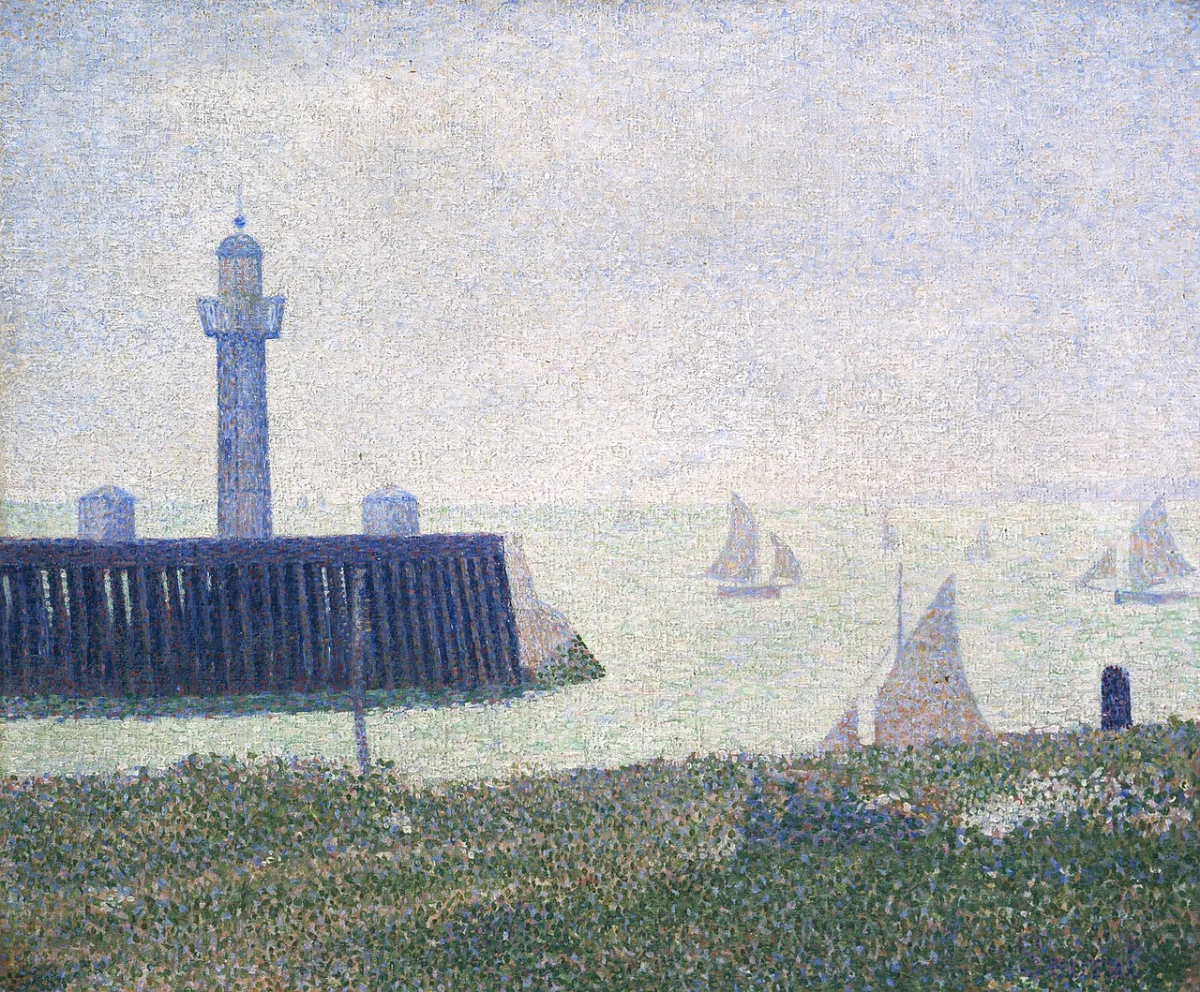
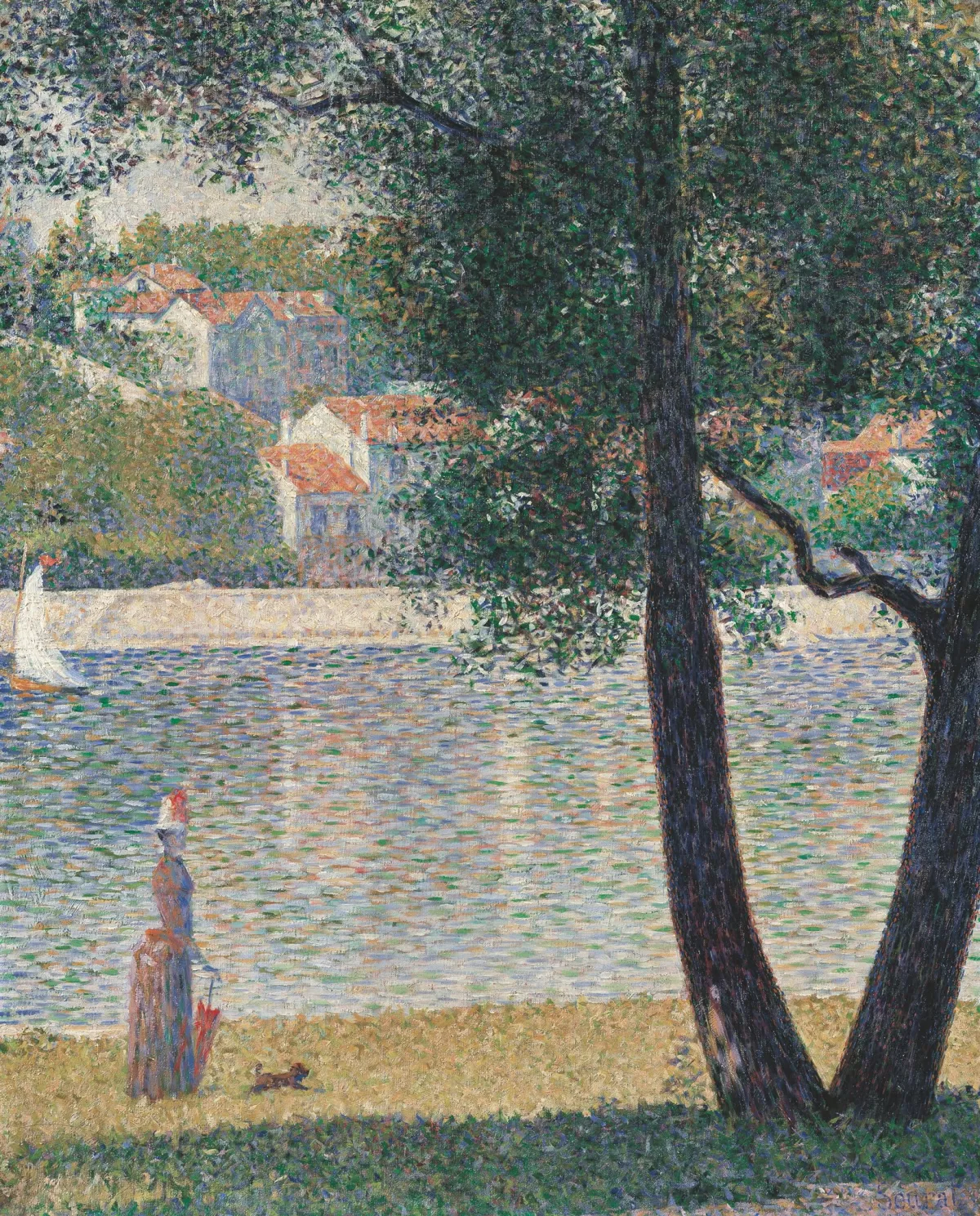
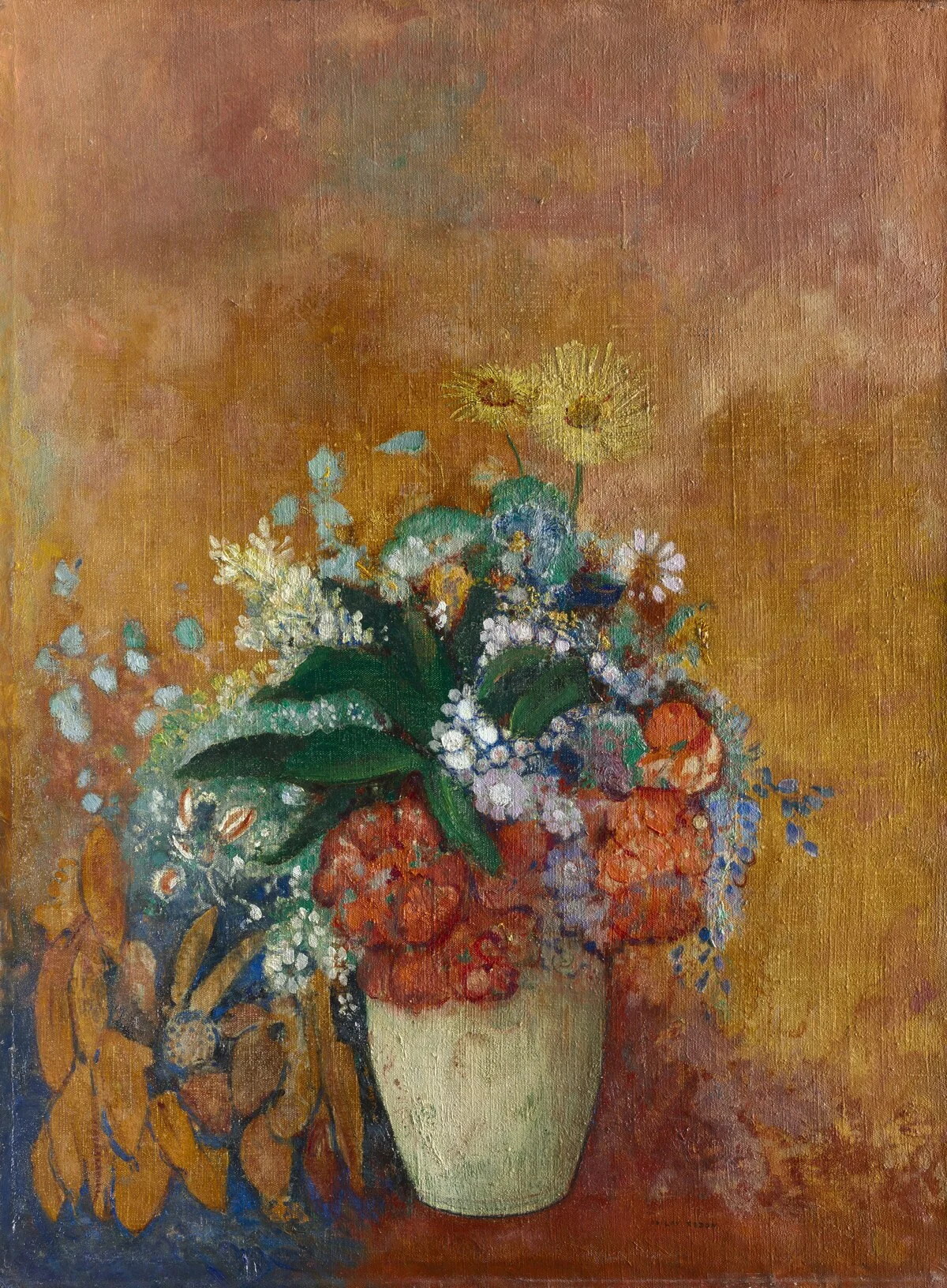
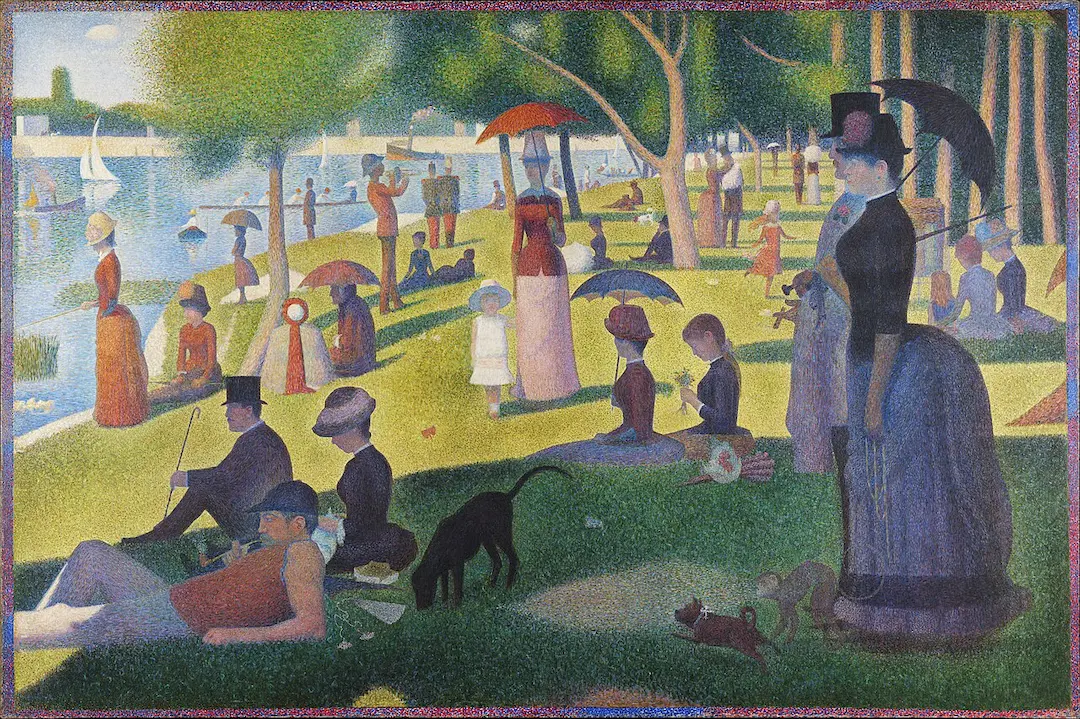
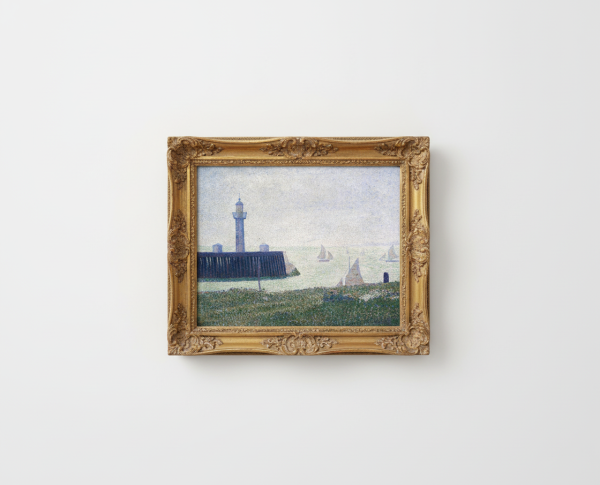
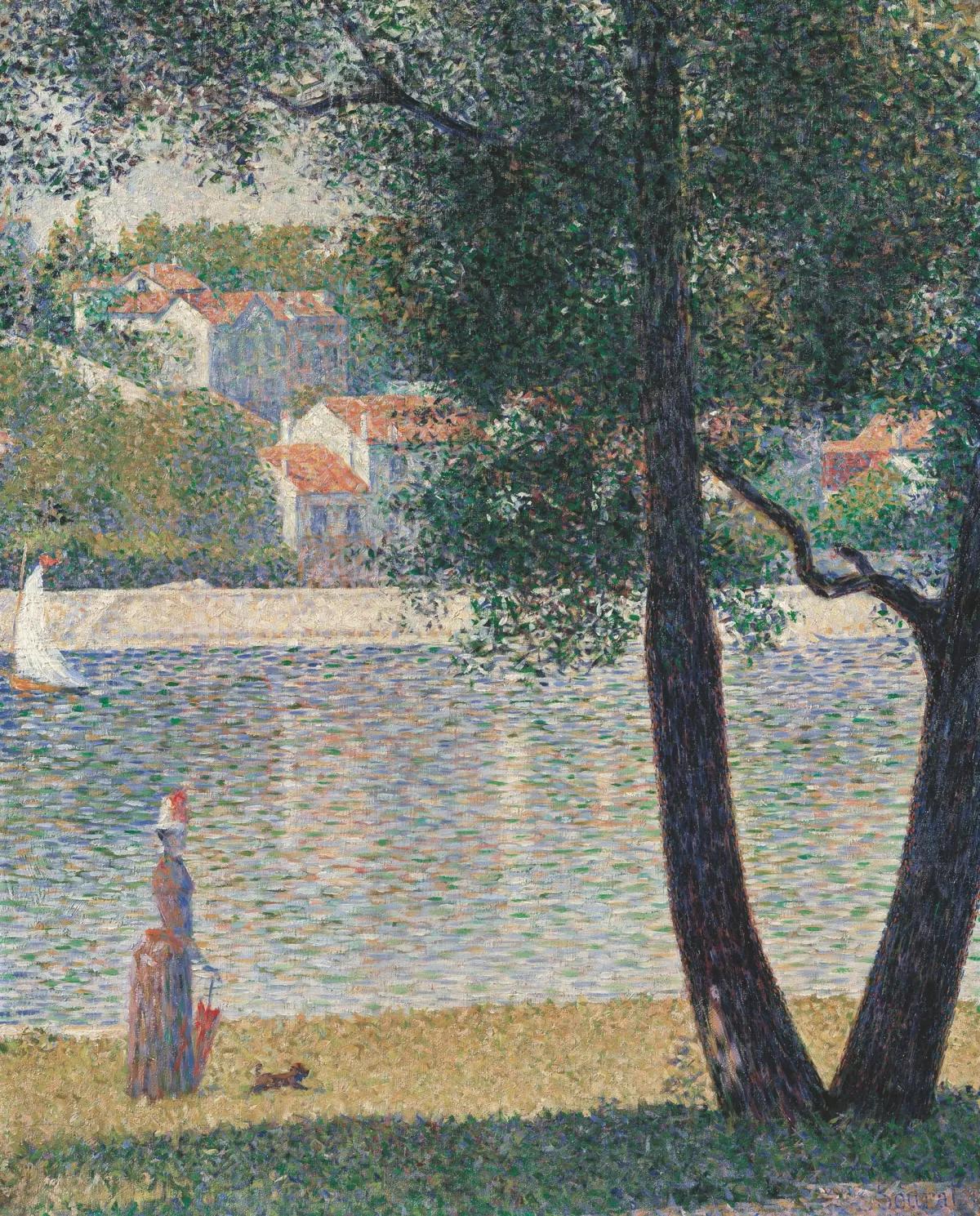
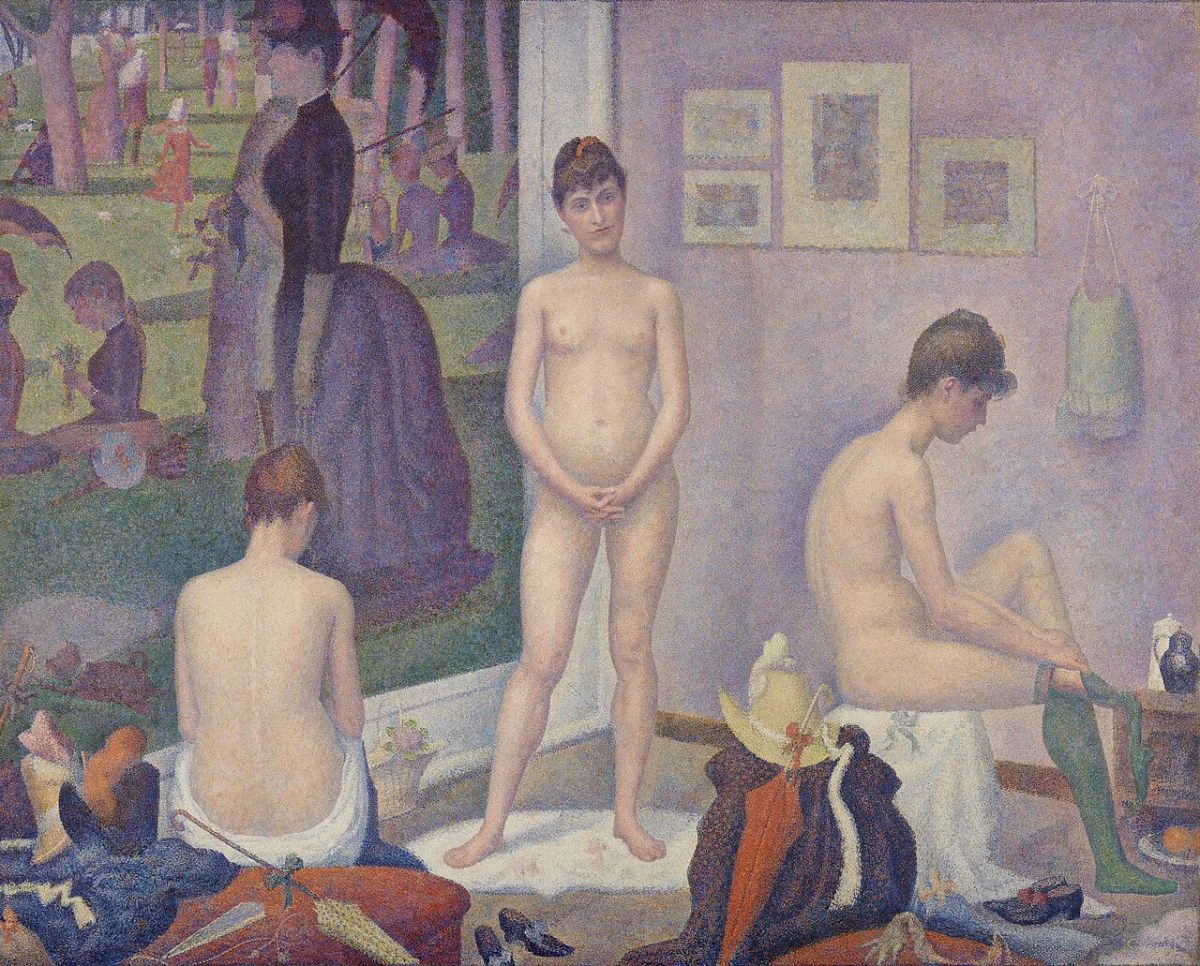
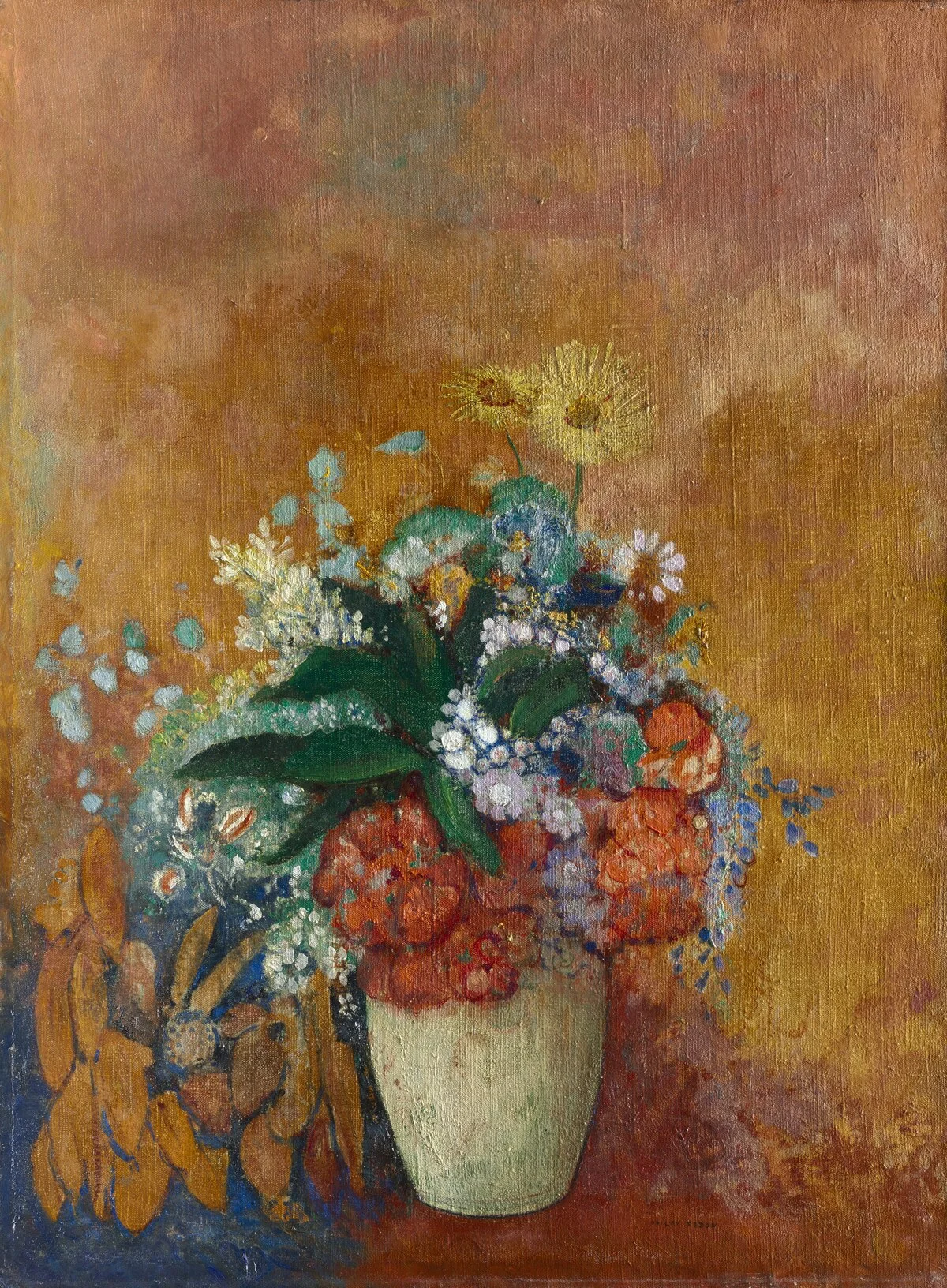
Seurat’s "Le Chahut" is renowned for its pointillist technique, a method he mastered using oil on canvas to create luminous scenes from countless dots of color. Each stroke reveals his dedication to detail and innovative artistry, embodying the essence of Post-Impressionism. Art lovers searching for a fine art painting for sale will appreciate how Seurat’s style bridges traditional and modern art. Related works include "Winter" and "Vase of Flowers," further showcasing his mastery.
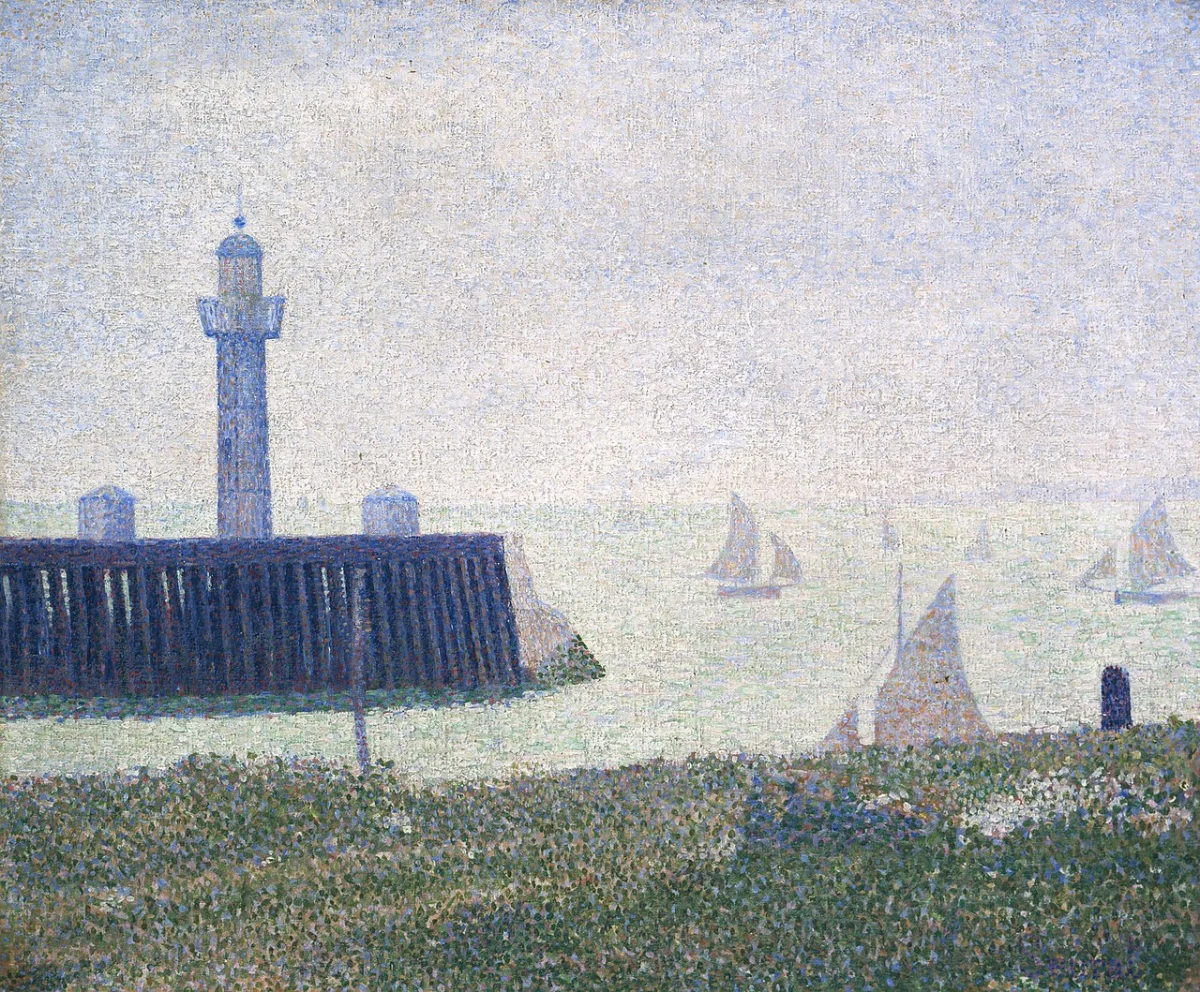
Within "Le Chahut," Seurat weaves stories and symbols of Parisian cabaret life, using his unique approach to highlight both movement and mood. This hand-painted oil painting subtly explores the interplay between performers and audience, hinting at deeper social themes. As part of the Post-Impressionism movement, Seurat’s work invites viewers to find meaning in the details. For enthusiasts, "The Circus Parade" and "The beach Le Bas Butin, Honfleur" offer similar narrative depth.
For collectors, "Le Chahut" by Georges Seurat represents a rare opportunity to own a masterpiece from the Post-Impressionism era. Its vibrant colors and innovative technique make it a standout oil on canvas. Whether displayed in a gallery or a private collection, this fine art painting for sale is a testament to Seurat’s enduring legacy. Consider adding related products like "Vase of Flowers" or "A Sunday Afternoon on the Island of La Grande Jatte" to your collection.
When Art Meets History
"Le Chahut" by Georges Seurat stands as a quintessential work of the Post-Impressionism movement, capturing the vibrant spirit of late 19th-century Parisian nightlife. This fine art painting for sale exemplifies Seurat’s fascination with modern life, much like related works such as "Day of the God" and "Vision After the Sermon." Through "Le Chahut," Seurat immortalizes a pivotal era, blending historical context with innovative artistry that continues to captivate collectors and art lovers today.
Techniques That Speak
Georges Seurat’s "Le Chahut" showcases his signature technique of pointillism, a hallmark of Post-Impressionism. The meticulous application of color dots in oil on canvas creates a luminous and dynamic surface. This approach, seen also in works like "Branches with Almond Blossom," revolutionized how artists depicted light and movement. Seurat’s technical mastery in "Le Chahut" demonstrates the power of detail, inviting viewers to engage deeply with the painting’s visual rhythm and energy.
Emotions on Display
In "Le Chahut," Seurat channels exuberance and joy through rhythmic lines and vibrant hues, evoking the lively atmosphere of a Parisian cabaret. This hand-painted oil painting captures the collective emotion of performers and audience alike, reminiscent of the emotional resonance found in "Breton Landscape" and "A Flood Tide at Cley next the Sea, Norfolk." Through expressive composition, Seurat transforms a moment of entertainment into a profound commentary on the human experience.
Coveted by Collectors
"Le Chahut" remains a highly sought-after masterpiece among art enthusiasts and collectors, celebrated for its historical significance and innovative technique. As a fine art painting for sale, it shares enduring appeal with related works such as "Vision After the Sermon." Collectors prize Seurat’s ability to blend scientific precision with emotional depth, making "Le Chahut" a cornerstone of any collection dedicated to the Post-Impressionism movement and its revolutionary spirit.
Related Post-Impressionism Hand-Painted Oil Paintings by Other Artists
Other Famous Post-Impressionism Artists:
Frequently Asked Questions About Le Chahut
What is the historical context of Le Chahut?
Le Chahut was created in 1884-1886 during the post-Impressionist movement, a period characterized by a focus on color and form, as well as the exploration of new artistic techniques. This painting reflects the vibrant Parisian nightlife and the cultural milieu of the time, particularly the popularity of cabarets and dance halls.
Who was Georges Seurat and what was his contribution to art?
Georges Seurat was a French painter and draftsman known for developing the technique of pointillism, where small dots of color are applied to the canvas to create an optical blending effect. His innovative approach significantly influenced modern art and paved the way for future movements, including Fauvism and Abstract art.
What artistic techniques are employed in Le Chahut?
In Le Chahut, Seurat employs pointillism, utilizing small, distinct dots of color that blend visually when viewed from a distance. This technique enhances the vibrancy of the scene and captures the dynamic movement of the dancers, creating a lively atmosphere that reflects the energy of the performance.
What themes are explored in Le Chahut?
The painting explores themes of leisure, entertainment, and the social dynamics of Parisian nightlife. It captures the joy and exuberance of dance, while also hinting at the underlying social interactions and relationships that occur in such vibrant settings.
How does Le Chahut reflect the social dynamics of its time?
Le Chahut reflects the social dynamics of late 19th-century Paris, a time when the working and middle classes began to enjoy leisure activities such as dancing and entertainment. The painting showcases a diverse group of people engaged in a communal experience, highlighting the democratization of leisure and the blending of social classes in public spaces.
What symbolism can be found in Le Chahut?
The painting symbolizes the joy of life and the celebration of movement and rhythm. The dancers, with their exaggerated poses and vibrant colors, represent the liberation and exuberance of the human spirit, while the surrounding audience reflects the collective experience of art and entertainment.
What is the significance of color in Le Chahut?
Color plays a crucial role in Le Chahut, as Seurat uses a vibrant palette to evoke emotion and energy. The juxtaposition of warm and cool colors not only adds depth to the composition but also enhances the sense of movement and excitement within the scene, drawing the viewer into the lively atmosphere of the dance hall.
How does Le Chahut compare to Seurat's other works?
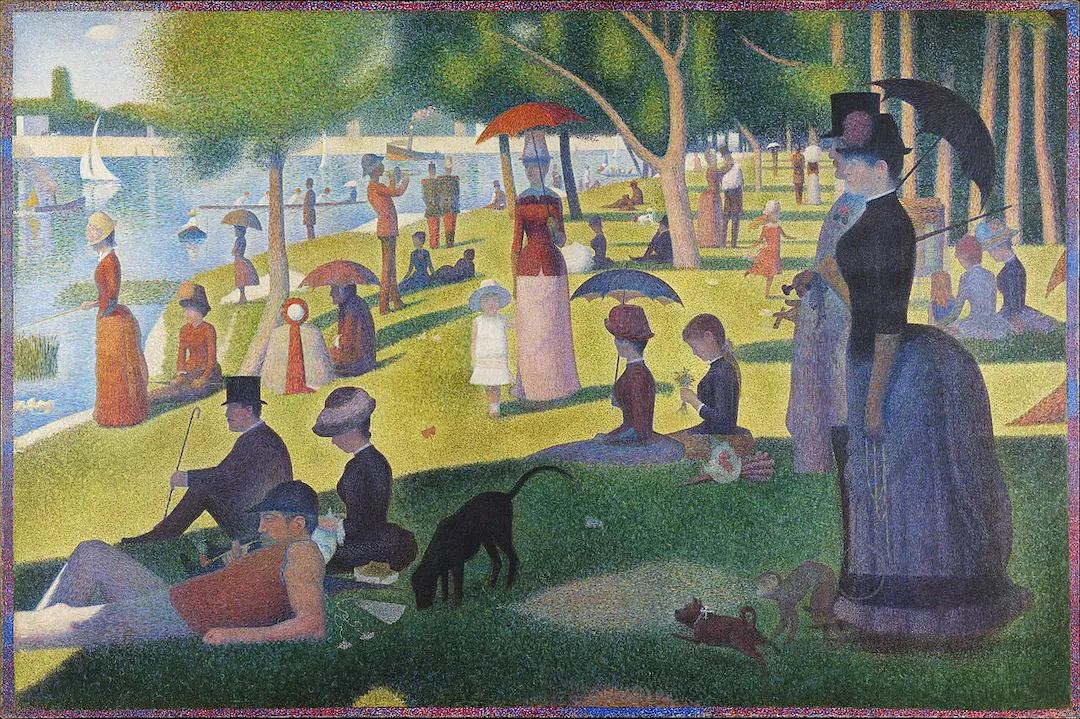
Le Chahut differs from Seurat's more famous work, A Sunday Afternoon on the Island of La Grande Jatte, in its focus on movement and the immediacy of the scene. While both works employ pointillism, Le Chahut captures a fleeting moment of performance, emphasizing the vibrancy of life, whereas the latter presents a more static and contemplative view of leisure.
What impact did Le Chahut have on subsequent art movements?
Le Chahut had a significant impact on subsequent art movements by influencing the development of modernist techniques. Its emphasis on color theory and the exploration of form and movement laid the groundwork for later artists, particularly those in the Fauvist and Expressionist movements, who sought to convey emotion through color and abstraction.
Where can Le Chahut be viewed today?
Le Chahut is part of the permanent collection at the Musée d'Orsay in Paris, France. The museum is renowned for its extensive collection of Impressionist and post-Impressionist masterpieces, providing a fitting context for Seurat's innovative work.























_GFM_Painting_(1).webp)

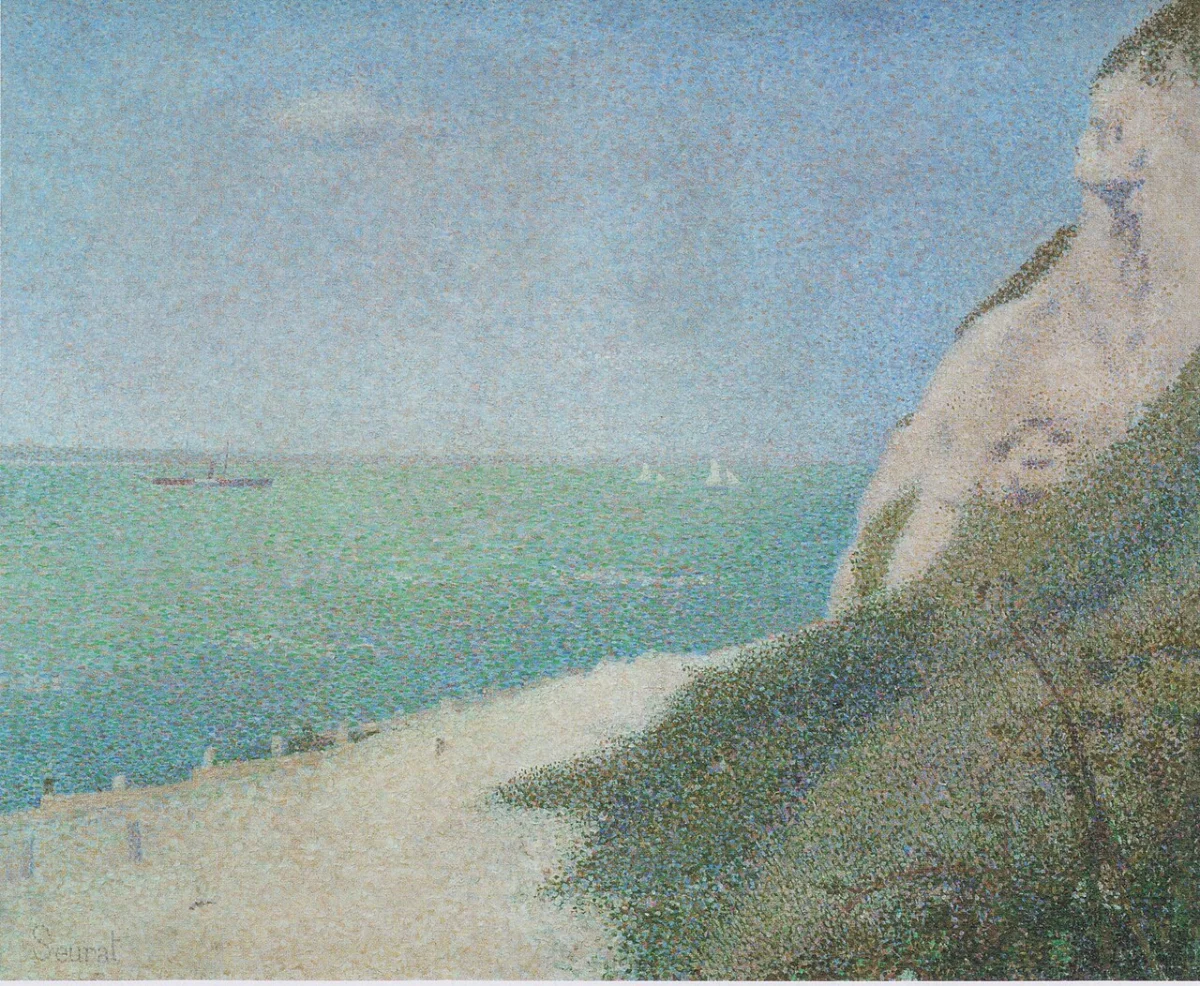

 100% Hand-Painted: Finished in 3-6 Weeks

.png)















_(1).webp)