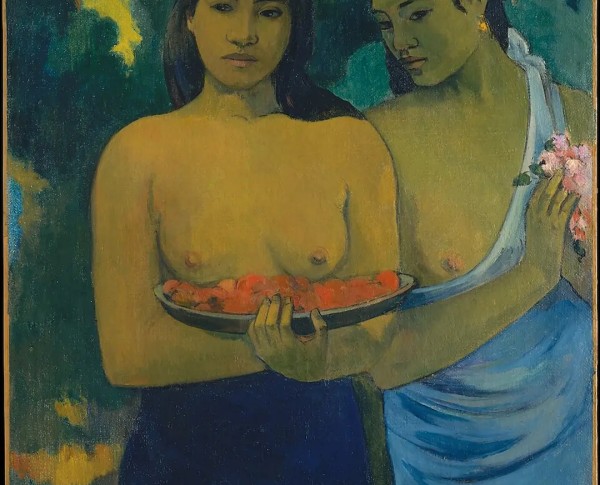
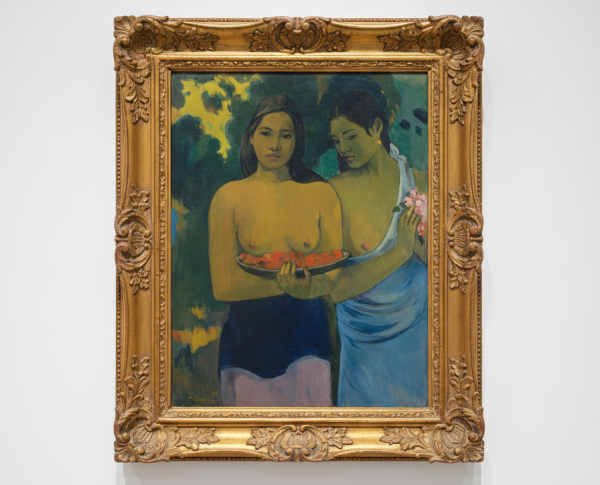
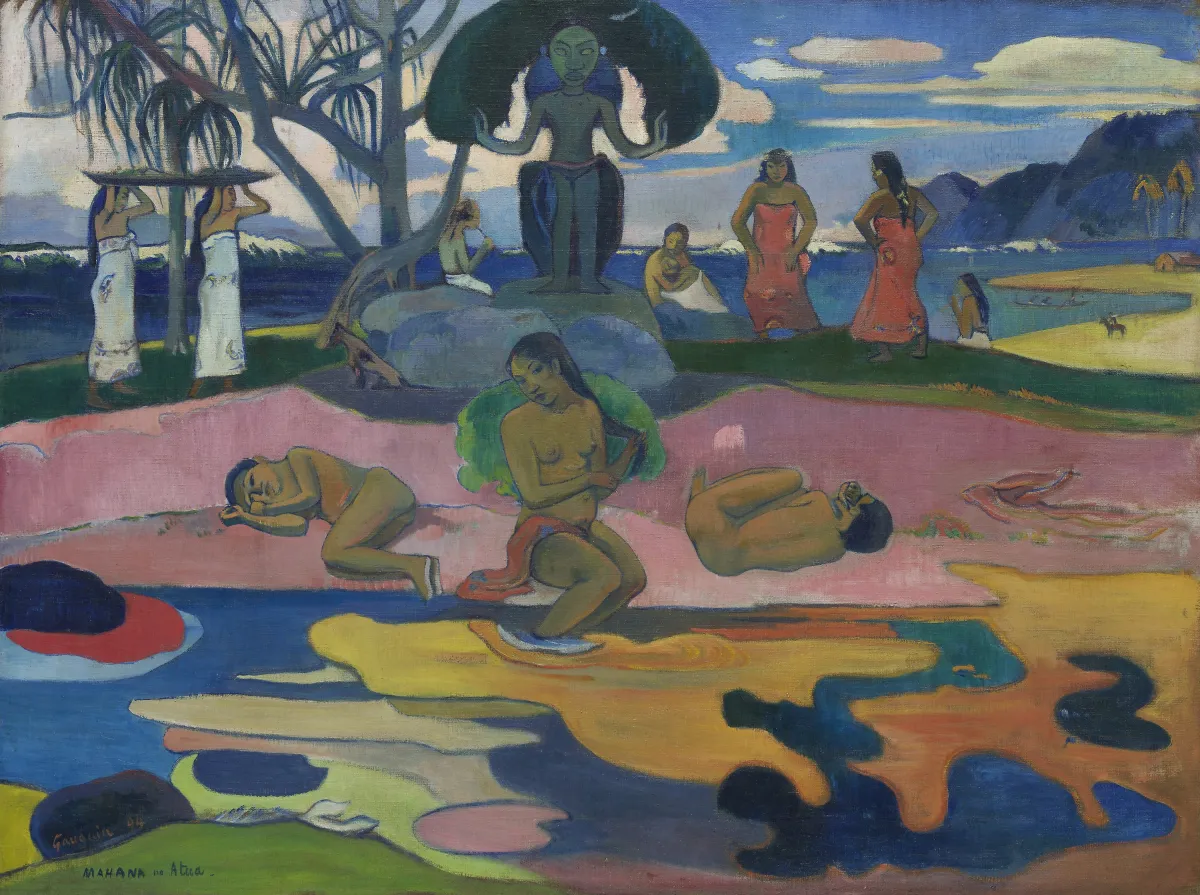
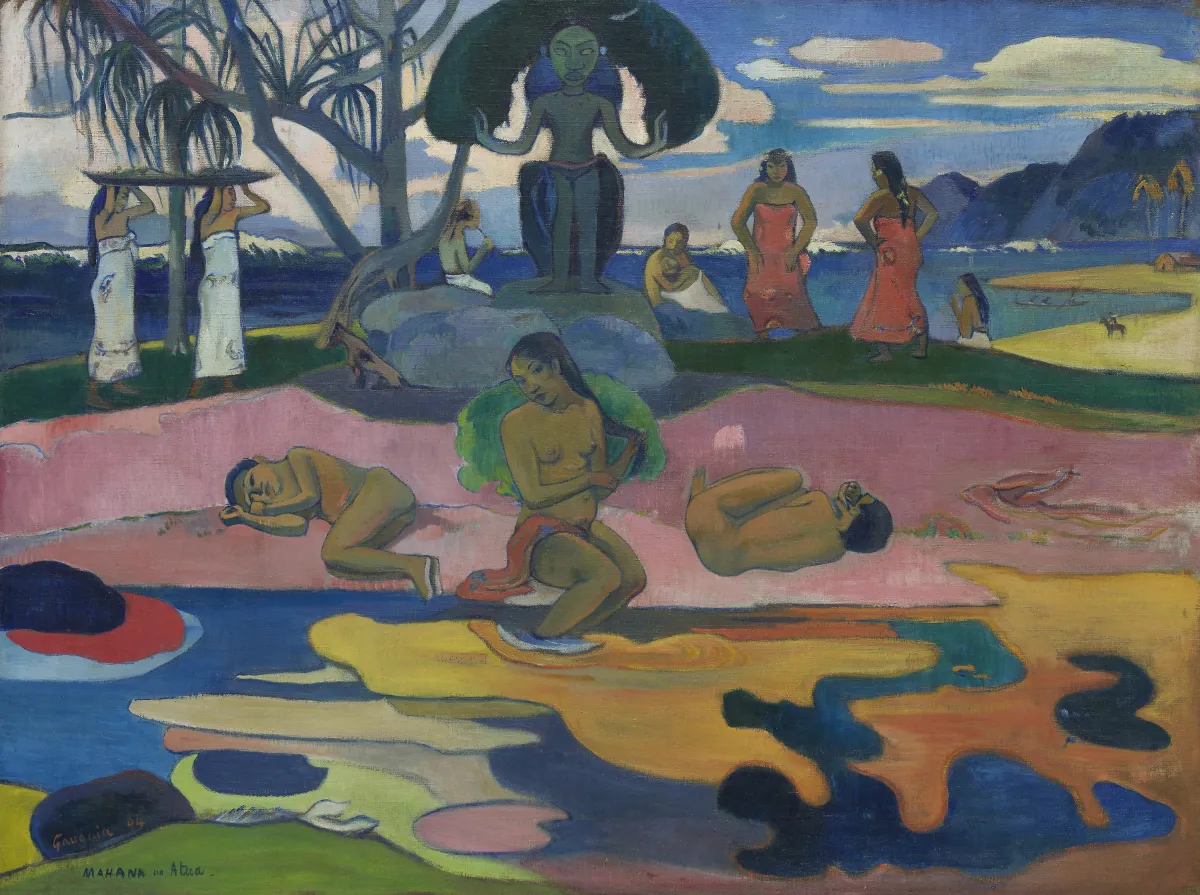
"Day of the God" reflects Gauguin’s mastery with oil on canvas, a medium he used to explore vivid palettes and expressive forms. Each brushstroke reveals his commitment to detail and emotion, a hallmark of Post-Impressionism. The painting’s lush textures and colors echo those found in "Tahitian Women on the Beach" and "Vairumati," highlighting Gauguin’s signature style. Collectors seeking authentic oil on canvas works often find themselves drawn to the unique energy of Gauguin’s art.
This fine art painting for sale, "Day of the God," is rich with stories and symbols deeply rooted in Tahitian mythology. Gauguin weaves narratives of spirituality and ritual, much like in his celebrated works "Manaò tupapaú" and "Te Poipoi." Through bold imagery and symbolic figures, he invites viewers to interpret the mysteries of life and faith. For admirers of Post-Impressionism, each element of this painting offers a window into Gauguin’s imaginative world.
Owning "Day of the God" is a rare opportunity for art enthusiasts to possess a piece of Post-Impressionist history. This hand-painted oil painting, along with related products like "Exotic Eve" and "Vairumati," makes a distinguished addition to any collection. Gauguin’s works remain highly sought-after, celebrated for their cultural richness and visual impact. For collectors, the allure of authentic fine art painting for sale is unmatched, especially when crafted by a master like Paul Gauguin.
When Art Meets History
"Day of the God" by Paul Gauguin stands as a remarkable example of the Post-Impressionism movement, capturing the spiritual essence of Tahitian culture through vivid imagery. Created in 1894, this hand-painted oil painting reflects Gauguin’s fascination with the mystical and the exotic. Alongside related paintings like "Peasant Woman Against a Background of Wheat" and "Wheat Field With Crows," "Day of the God" represents a pivotal moment where art and history intertwine, leaving a lasting impression on the world of fine art.
Techniques That Speak
Paul Gauguin’s mastery of oil on canvas is evident in "Day of the God," where bold colors and flattened forms evoke a dreamlike quality. As with his contemporaries in the Post-Impressionism movement, Gauguin broke free from traditional techniques, blending symbolic content with vibrant hues. This approach is also seen in related works such as "Woman on Her Deathbed" and "The Drinkers," where the artist’s brushwork and color choices create a distinctive, emotive style that defines his celebrated paintings.
Emotions on Display
"Day of the God" is a fine art painting for sale that radiates emotion through its serene figures and lush landscape. Paul Gauguin’s use of color and composition invites viewers to experience a sense of tranquility and spiritual reflection, hallmarks of the Post-Impressionism movement. This emotional depth connects the painting to works like "Wheat Field with a Lark," where the interplay of light and form conveys profound human feelings, making Gauguin’s art timeless and evocative.
Coveted by Collectors
Collectors are continually drawn to "Day of the God" for its unique blend of cultural symbolism and artistic innovation. As a hand-painted oil painting by Paul Gauguin, it represents the pinnacle of Post-Impressionism, making it highly sought after in the art market. Alongside masterpieces like "Wheat Field With Crows" and "The Drinkers," this work’s rarity and historical significance ensure its place among the most coveted fine art painting for sale worldwide.
Related Post-Impressionism Hand-Painted Oil Paintings by Other Artists
Other Famous Post-Impressionism Artists:
Frequently Asked Questions About Day of the God
What is the historical context of "Day of the God"?
"Day of the God," painted by Paul Gauguin in 1894, reflects the artist's fascination with the culture and spirituality of Tahiti, where he sought refuge from European civilization. This period was marked by a growing interest in primitivism and the exploration of non-Western cultures.
What artistic techniques did Gauguin employ in "Day of the God"?
Gauguin utilized bold colors, flattened forms, and symbolic imagery in "Day of the God." His use of vibrant hues and strong contrasts creates a sense of emotional intensity, while the composition reflects a departure from traditional perspective, emphasizing the two-dimensionality of the canvas.
What symbols are present in "Day of the God"?
The painting features various symbols, including the figure of the god, which represents the spiritual beliefs of the Tahitian people. The juxtaposition of figures and the landscape serves to highlight the connection between humanity and the divine, as well as the cultural significance of nature in Tahitian life.
How does "Day of the God" reflect Gauguin's views on civilization?
Gauguin's "Day of the God" critiques Western civilization by contrasting it with the perceived purity and spirituality of Tahitian life. The painting embodies his belief that modern society had lost its connection to nature and spirituality, which he sought to reclaim through his art.
What influence did "Day of the God" have on modern art?
The painting is considered a pivotal work in the development of modern art, particularly in its exploration of color and form. Gauguin's approach influenced later movements such as Fauvism and Expressionism, encouraging artists to prioritize emotional expression over realistic representation.
What is the significance of the color palette in "Day of the God"?
The color palette of "Day of the God" is characterized by vibrant, non-naturalistic colors that convey emotional depth and symbolic meaning. Gauguin's use of color serves to enhance the spiritual themes of the painting, inviting viewers to engage with the work on a more visceral level.
How does "Day of the God" reflect Gauguin's personal beliefs?
Gauguin's personal beliefs regarding spirituality and the search for meaning are deeply embedded in "Day of the God." The painting reflects his quest for a deeper understanding of life and his admiration for the simplicity and authenticity he perceived in Tahitian culture.
What role does mythology play in "Day of the God"?
Mythology plays a central role in "Day of the God," as the painting incorporates elements of Tahitian mythology and spirituality. The representation of deities and the sacred landscape emphasizes the importance of myth in understanding the cultural identity and beliefs of the Tahitian people.
What was Gauguin's intention behind creating "Day of the God"?
Gauguin intended "Day of the God" to serve as a commentary on the spiritual and cultural richness of Tahiti, contrasting it with the materialism of the West. His goal was to evoke a sense of wonder and contemplation, inviting viewers to reflect on the deeper meanings of existence.
How does "Day of the God" fit into Gauguin's overall body of work?
"Day of the God" is a significant work within Gauguin's oeuvre, exemplifying his distinctive style and thematic preoccupations. It encapsulates his exploration of color, form, and spirituality, marking a critical point in his artistic evolution and his commitment to expressing the essence of non-Western cultures.






















_GFM_Painting_(1).webp)


 100% Hand-Painted: Finished in 3-6 Weeks

.png)















_(1).webp)