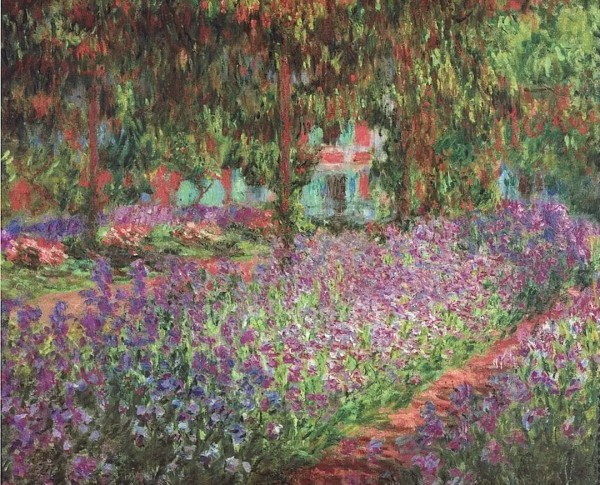
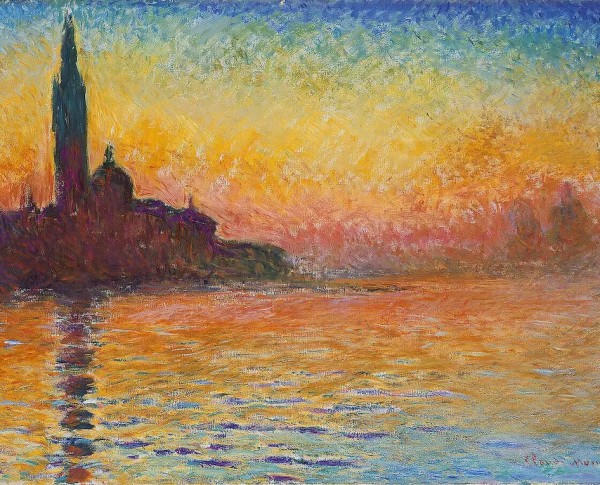
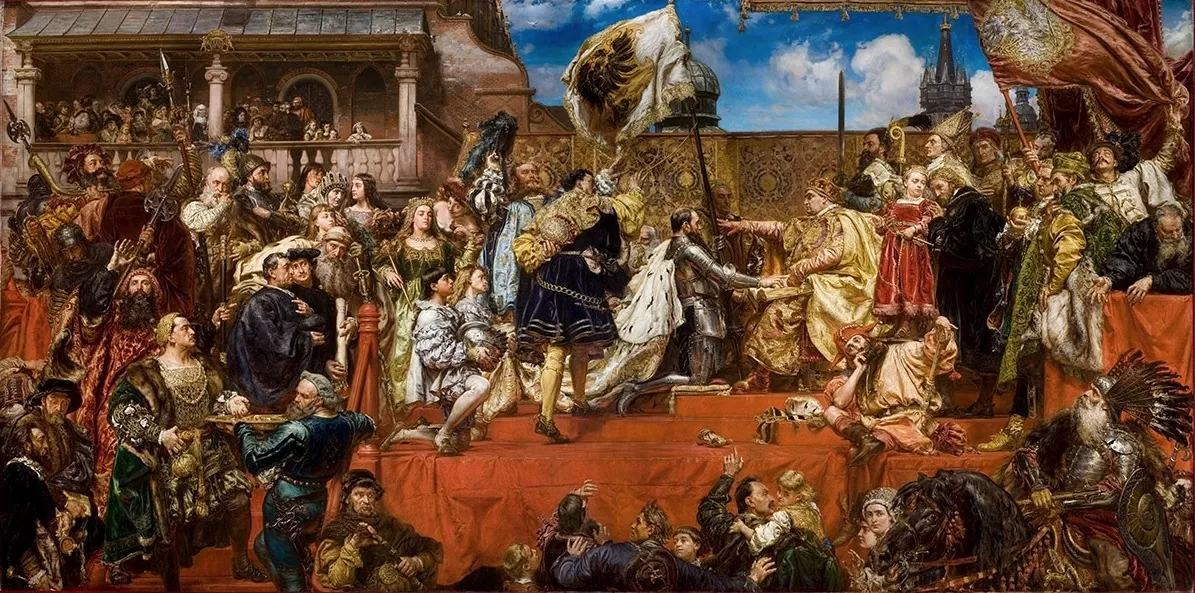
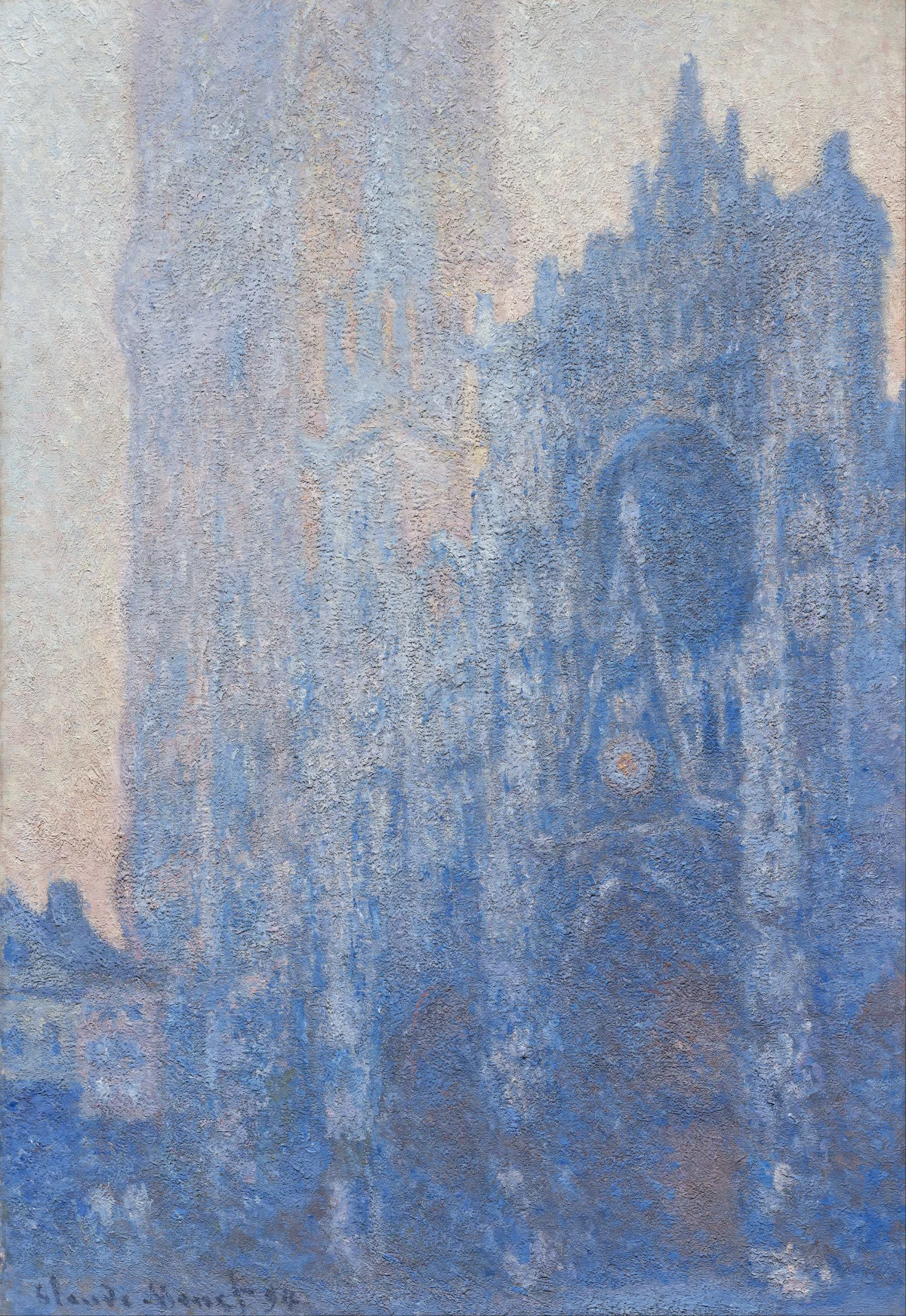
Monet’s "Rouen Cathedral Series" exemplifies his mastery of oil on canvas, with each variation depicting subtle shifts in light, color, and mood. This fine art painting for sale reveals Monet’s innovative brushwork, layering vibrant hues to evoke the cathedral’s ethereal presence. For collectors and enthusiasts of Impressionism, works like Les barques. Régates à Argenteuil and Les Tilleuls à Poissy complement the series, showcasing Monet’s genius in capturing transient beauty.
The "Rouen Cathedral Series" by Claude Monet is more than just a fine art painting for sale—it is a visual narrative of time, light, and perception. Monet’s repeated study of the cathedral symbolizes the Impressionist quest to depict the intangible. Each canvas tells a different story, shaped by shifting weather and sunlight. Collectors may also appreciate narrative-rich works like The Poppy Field near Argenteuil and La Grenouillère, which similarly explore the poetry of everyday scenes.
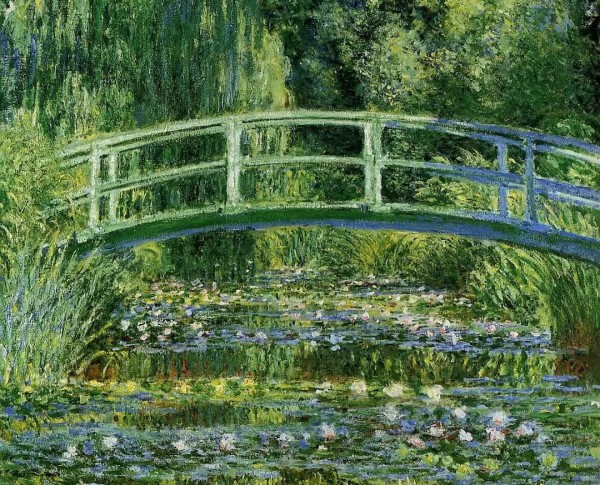
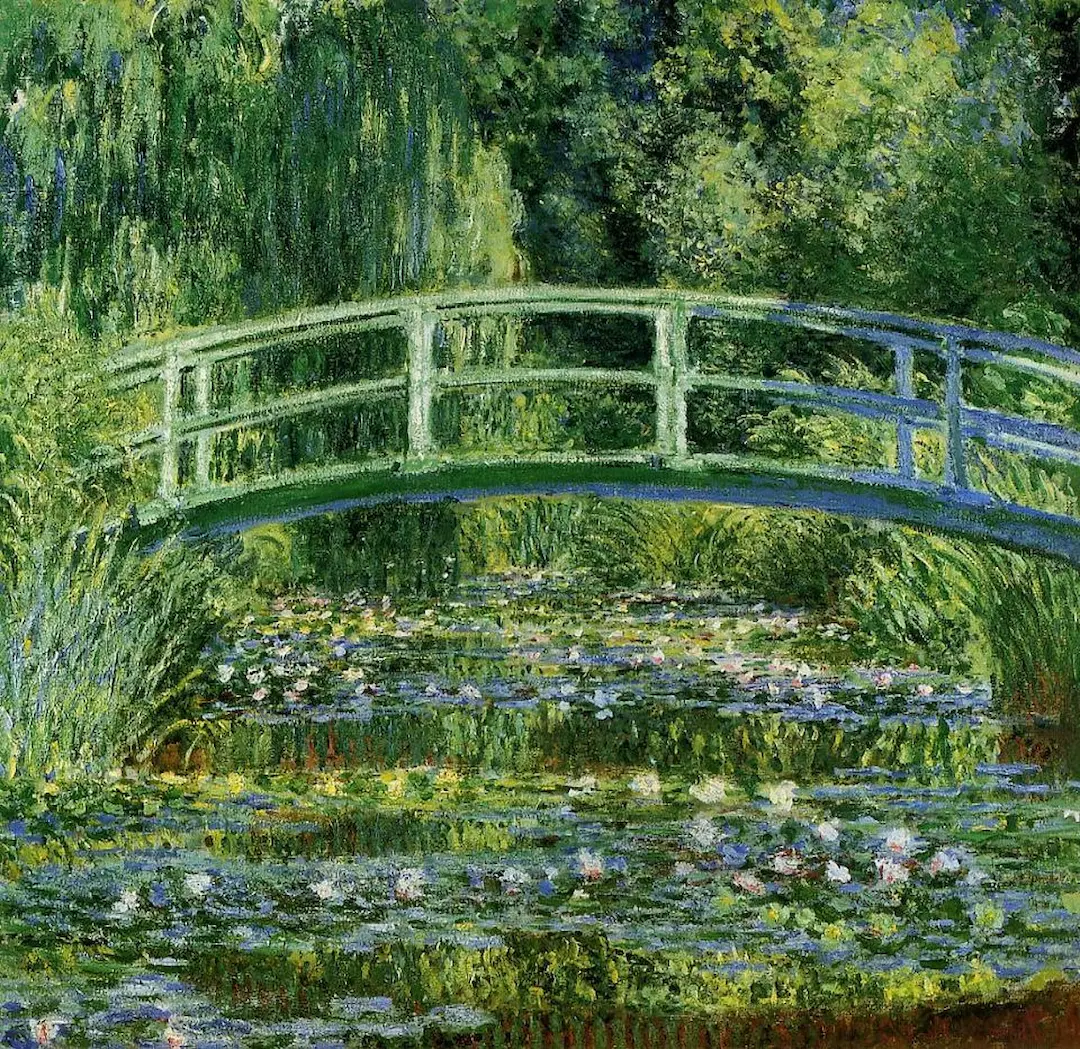
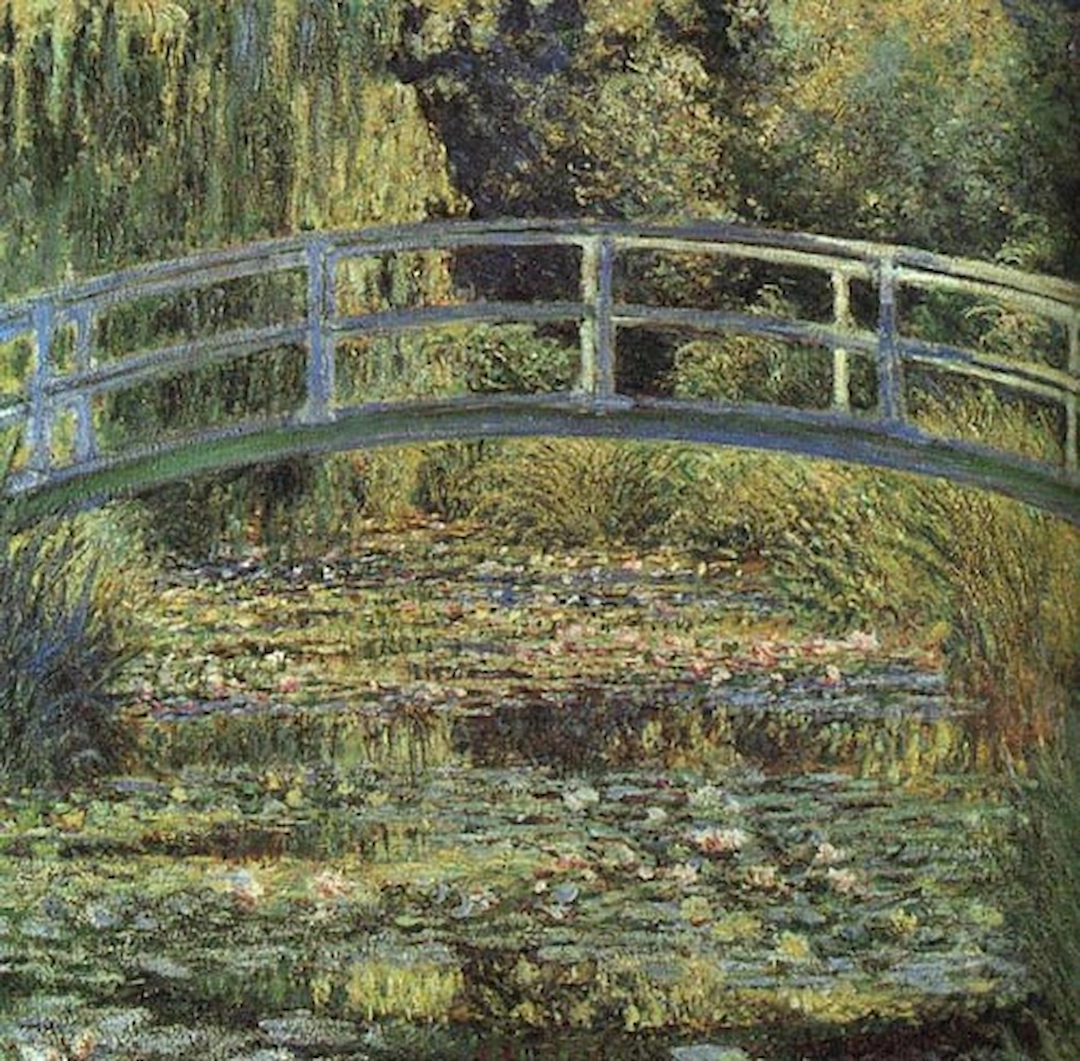
Owning a hand-painted oil painting like Monet’s "Rouen Cathedral Series" is a privilege for any collector passionate about Impressionism. This series embodies the movement’s spirit, making it a sought-after masterpiece. Collectors often seek complementary works such as Impression, Sunrise or The Water Lily Pond Aka Japanese Bridge to enrich their portfolios. Monet’s influence endures, ensuring each oil on canvas remains a timeless investment in the world of fine art.
When Art Meets History
Claude Monet’s "Rouen Cathedral Series" stands as a testament to the Impressionism movement’s fascination with light and time. Painted in the 1890s, this hand-painted oil painting captures the majestic facade of Rouen Cathedral at different times of day. Monet’s focus on fleeting moments connects this masterpiece to related works like "Dance At Bougival" and "At the Races in the Countryside," solidifying his role as a leading Impressionist who transformed the way we view historical architecture through art.
Techniques That Speak
Monet’s "Rouen Cathedral Series" showcases his mastery of oil on canvas, where rapid brushstrokes and vibrant color palettes create a shimmering effect. By layering paint, Monet achieves a sense of atmosphere that defines Impressionism. The technique used in this painting closely relates to his approach in "Children in the Sea, 1909" and "Dance At The Moulin De La Galette," emphasizing the movement’s dedication to capturing the ephemeral qualities of light and texture in every scene.
Emotions on Display
The "Rouen Cathedral Series" evokes a powerful emotional response, as Monet’s impressionistic style transforms the cathedral into a living, breathing subject. The interplay of shadow and illumination in this fine art painting for sale mirrors the artist’s own fascination with mood and perception. Similar emotional depth can be found in Monet’s "Woman wiping her left foot," where subtle shifts in color and light invite viewers to connect personally with the artwork’s dynamic energy.
Coveted by Collectors
Collectors and art enthusiasts prize Monet’s "Rouen Cathedral Series" for its historical significance and innovative style. As a celebrated example of Impressionism, this hand-painted oil painting remains highly sought after. The series’ popularity rivals that of Monet’s other masterpieces, including "Dance At Bougival" and "Children in the Sea, 1909." Owning a piece from this collection means possessing an iconic work that continues to influence the world of fine art painting for sale today.
Related Impressionism Hand-Painted Oil Paintings by Other Artists
Other Famous Impressionism Artists:
Frequently Asked Questions About Rouen Cathedral Series
What inspired Claude Monet to create the Rouen Cathedral Series?
Claude Monet was inspired by the architectural grandeur of the Rouen Cathedral and the interplay of light on its façade at different times of the day. He sought to capture the changing effects of light and atmosphere, which were central themes in his work.
How many paintings are in the Rouen Cathedral Series?
The Rouen Cathedral Series consists of approximately 30 paintings, each depicting the cathedral from various angles and under different lighting conditions, showcasing Monet's fascination with color and light.
What artistic techniques did Monet employ in the Rouen Cathedral Series?
Monet utilized loose brushwork and a vibrant palette to convey the effects of light and atmosphere. His technique involved layering colors to create depth and movement, allowing viewers to experience the transient qualities of light.
What is the significance of the Rouen Cathedral in Monet's work?
The Rouen Cathedral serves as a symbol of the relationship between nature and architecture. Monet's exploration of the cathedral's façade reflects his interest in capturing the ephemeral qualities of light, making it a pivotal subject in his oeuvre.
How does the Rouen Cathedral Series relate to Impressionism?
The Rouen Cathedral Series is a quintessential example of Impressionism, emphasizing the effects of light and color over precise detail. Monet's focus on capturing a moment in time aligns with the movement's core principles of spontaneity and sensory experience.
What was the public's reaction to the Rouen Cathedral Series when it was first exhibited?
When first exhibited, the Rouen Cathedral Series received mixed reactions. Some viewers were captivated by Monet's innovative approach to color and light, while others were puzzled by the lack of traditional detail, reflecting the transitional nature of art during that period.
What role did the location of Rouen play in Monet's artistic journey?
Rouen, with its rich history and stunning Gothic architecture, provided Monet with a profound source of inspiration. The city’s varied lighting conditions allowed him to experiment with his techniques and further develop his artistic vision.
How did Monet's health influence the creation of the Rouen Cathedral Series?
Monet's declining eyesight later in life influenced his approach to painting, particularly in the Rouen Cathedral Series. He began to rely more on color and light rather than detail, which ultimately enriched the emotional impact of his work.
What themes are prevalent in the Rouen Cathedral Series?
The prevalent themes in the Rouen Cathedral Series include the passage of time, the transient nature of light, and the relationship between man-made structures and the natural world. These themes reflect Monet's broader exploration of perception and experience.
How has the Rouen Cathedral Series influenced modern art?
The Rouen Cathedral Series has had a lasting impact on modern art, particularly in its exploration of light and color. Monet's innovative techniques paved the way for future movements, including Abstract Expressionism and Color Field painting, emphasizing emotional resonance over realism.






















_GFM_Painting_(1).webp)


 100% Hand-Painted: Finished in 3-6 Weeks

.png)















_(1).webp)