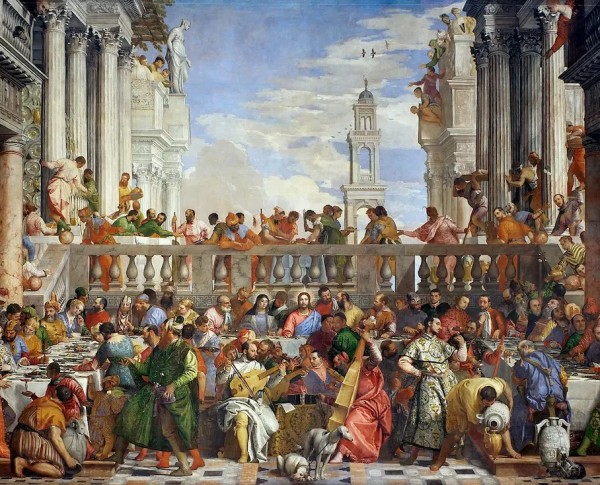
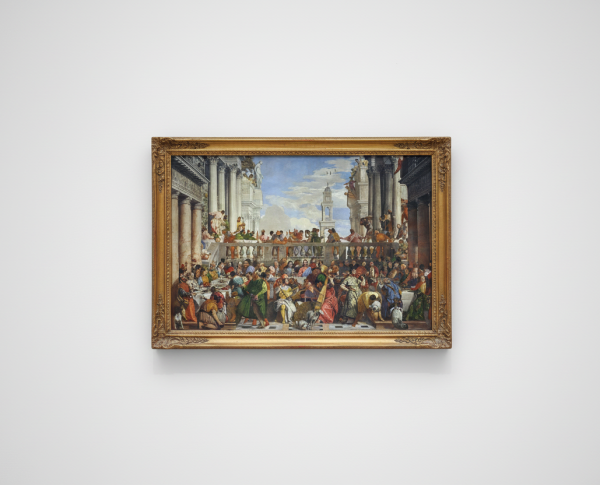
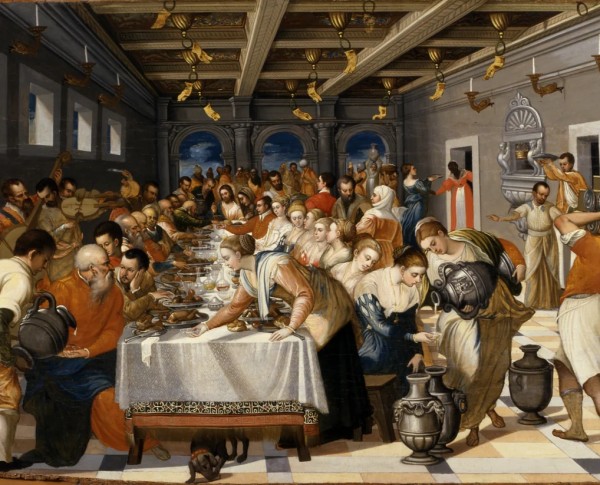
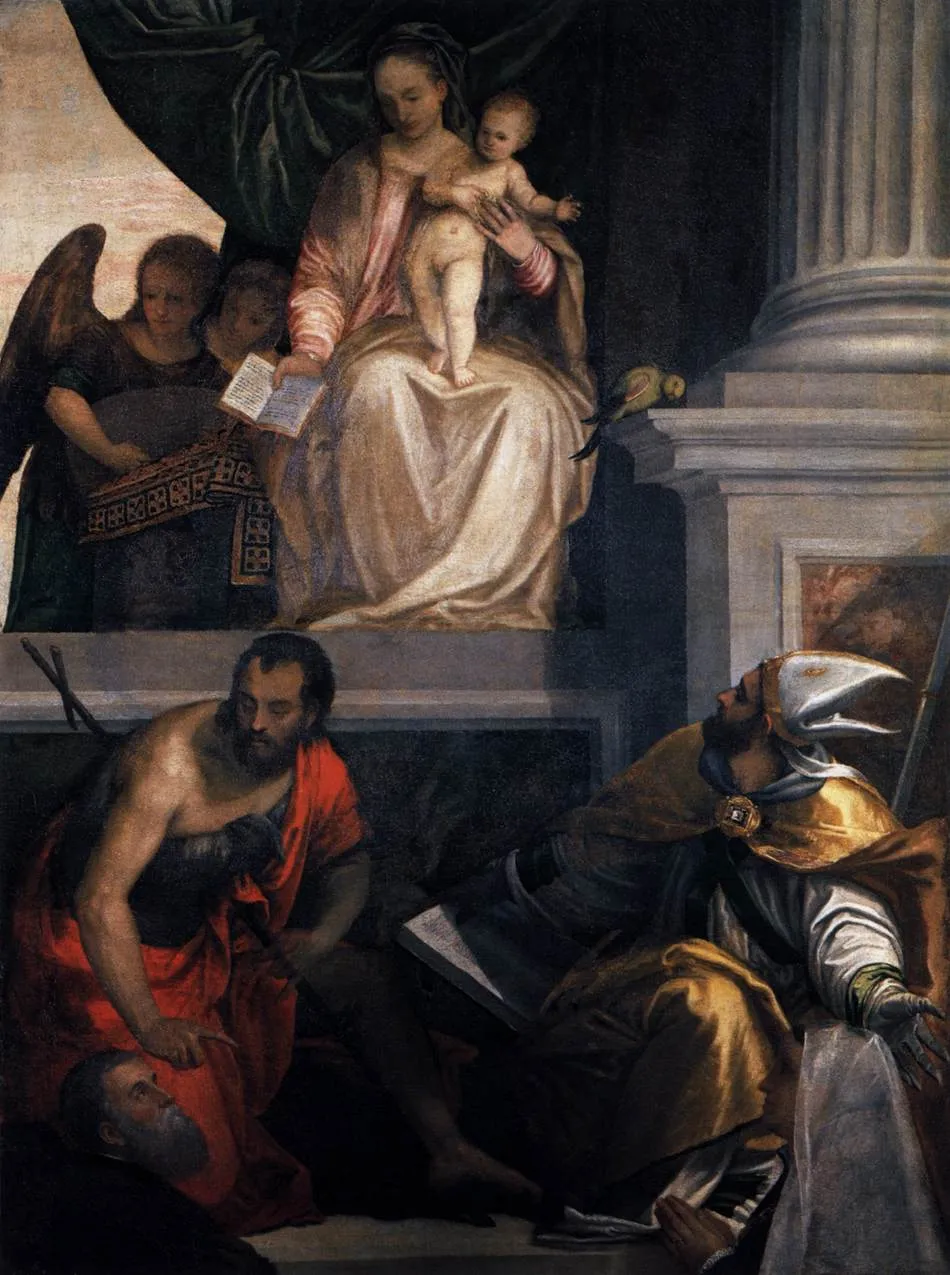
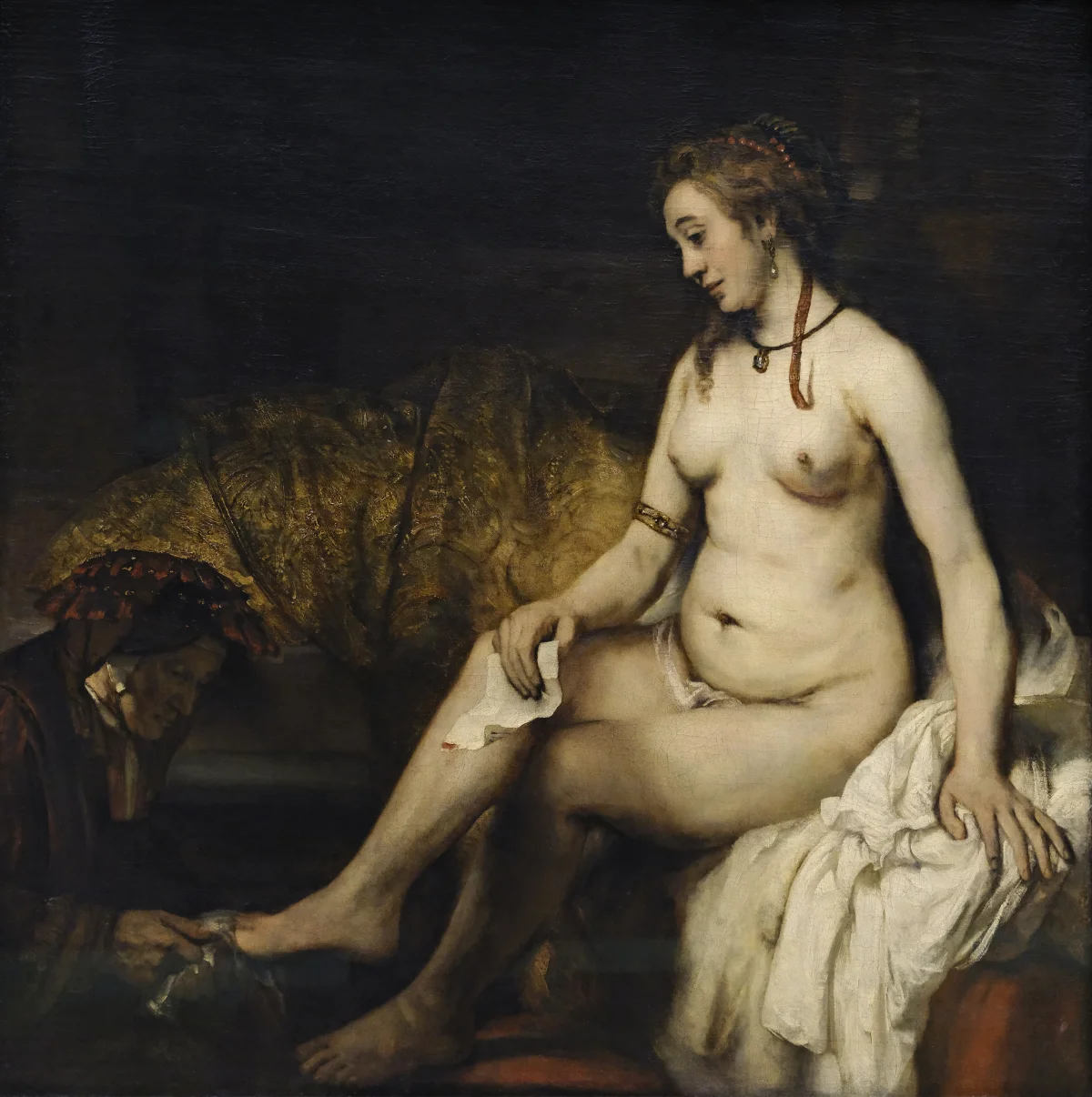
Veronese’s use of oil on canvas in this remarkable piece exemplifies the technical excellence of the Renaissance movement. Each brushstroke reveals his skilled manipulation of color, light, and composition, harmoniously uniting sacred figures and devoted donors. Collectors of oil on canvas works often pair this painting with related products such as “Bathsheba at Her Bath” and “Mystic Marriage of St Catherine” to appreciate the artist’s mastery and thematic range.
In “Madonna Enthroned with Child, St John the Baptist, St Louis of Toulouse and Donors,” Veronese weaves complex narratives and religious symbolism, a hallmark of his fine art painting for sale. The figures are not merely decorative; each tells a story, reflecting themes of faith, charity, and devotion. Collectors and enthusiasts often explore related works like “Raising of the Daughter of Jairus” to further immerse themselves in Veronese’s symbolic world.
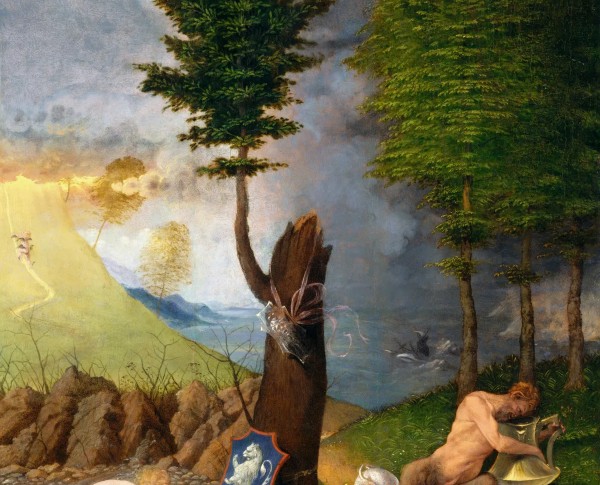
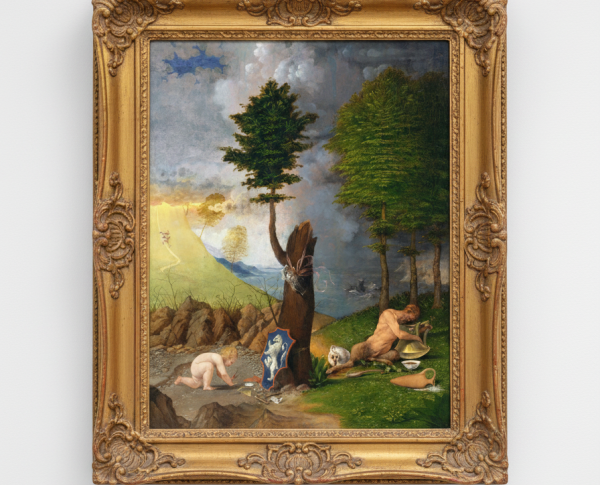
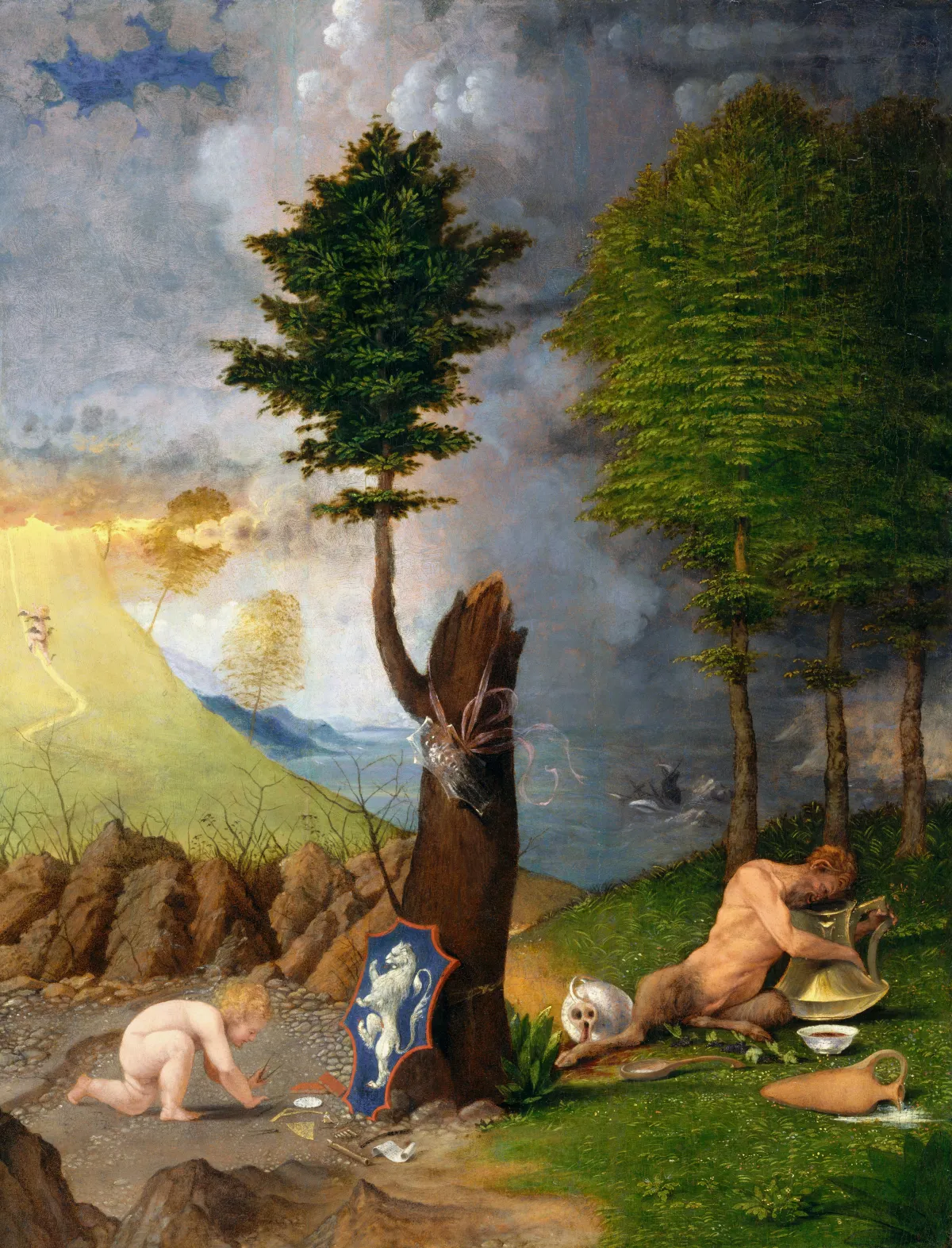
Owning a hand-painted oil painting by Paolo Veronese, especially from the Renaissance movement, is a true privilege for art collectors. “Madonna Enthroned with Child, St John the Baptist, St Louis of Toulouse and Donors” offers enduring appeal alongside masterpieces such as “Allegory of Virtue and Vice.” Such works not only enhance private collections but also serve as a lasting connection to the grandeur of Renaissance fine art painting for sale.
When Art Meets History
"Madonna Enthroned with Child, St John the Baptist, St Louis of Toulouse and Donors" by Paolo Veronese stands as a testament to the grandeur of the Renaissance movement. This masterful hand-painted oil painting captures a pivotal moment in art history, reflecting Veronese's sophisticated approach. Like his related works "Orpheus and Eurydice" and "Portrait of a Woman," this piece showcases the artist's ability to blend religious themes with contemporary figures, creating a narrative that bridges past and present.
Techniques That Speak
Paolo Veronese’s "Madonna Enthroned with Child, St John the Baptist, St Louis of Toulouse and Donors" demonstrates his expertise with oil on canvas, a hallmark of Renaissance artistry. The artist’s use of vibrant color palettes and intricate detailing brings the sacred figures to life, much like in his "Mary with the Child and Saints." The composition’s balance and depth reflect Veronese’s commitment to innovation, setting this painting apart as a true masterpiece among Renaissance works.
Emotions on Display
This fine art painting for sale reveals a deep emotional resonance, as Paolo Veronese masterfully portrays the Madonna and Child surrounded by saints and donors. The expressions and gestures evoke reverence and devotion, inviting viewers into a spiritual dialogue. Similar emotional depth can be found in his "Concert Champetre" and "Portrait of Ariosto." The painting’s serene atmosphere and lifelike characters are a testament to Veronese’s skill in capturing the human spirit during the Renaissance.
Coveted by Collectors
Collectors of Renaissance art highly prize "Madonna Enthroned with Child, St John the Baptist, St Louis of Toulouse and Donors" by Paolo Veronese. This hand-painted oil painting is renowned for its artistry and historical significance, making it a sought-after piece. Alongside related works like "Orpheus and Eurydice" and "Portrait of a Woman," it remains a highlight in fine art collections worldwide, exemplifying the enduring appeal and value of Veronese’s masterpieces.
Related Renaissance Hand-Painted Oil Paintings by Other Artists
Other Famous Renaissance Artists:
Frequently Asked Questions About Madonna Enthroned with Child, St John the Baptist, St Louis of Toulouse and Donors
What is the historical context of "Madonna Enthroned with Child, St John the Baptist, St Louis of Toulouse and Donors"?
This painting was created during the late Renaissance period, a time characterized by a renewed interest in classical antiquity and humanism. Paolo Veronese, an influential Venetian painter, produced this work in the 16th century, reflecting the artistic trends and religious fervor of the era.
Who are the figures depicted in the painting?
The painting features the Madonna and Child at the center, flanked by St John the Baptist and St Louis of Toulouse. The donors, who commissioned the work, are also included, emphasizing the personal devotion and connection to the divine.
What artistic techniques did Veronese employ in this painting?
Veronese utilized vibrant colors, dramatic lighting, and intricate details to create a sense of depth and realism. His mastery of composition is evident in the arrangement of figures and the use of perspective, drawing the viewer's eye toward the central figures of the Madonna and Child.
What is the significance of the Madonna and Child in the painting?
The Madonna and Child are central figures in Christian iconography, symbolizing maternal love and divine grace. Their positioning on the throne signifies their importance and authority in the heavenly hierarchy, reinforcing the theme of intercession between the divine and humanity.
How does the inclusion of St John the Baptist and St Louis of Toulouse enhance the painting's meaning?
St John the Baptist, a precursor to Christ, represents the call to repentance and the transition from the Old to the New Testament. St Louis of Toulouse, a canonized king, embodies piety and service. Their presence underscores the painting's themes of faith, devotion, and the connection between earthly and heavenly realms.
What role do the donors play in the artwork?
The donors, depicted in a humble yet respectful manner, signify the patronage system prevalent during the Renaissance. Their inclusion serves to personalize the artwork, illustrating their devotion and desire for spiritual intercession through the figures of the Madonna and saints.
What symbols are present in the painting, and what do they represent?
Various symbols are present, such as the throne, which represents the heavenly authority of the Madonna, and the garments worn by the saints, which often symbolize their virtues. The use of light and shadow also symbolizes the divine presence and the contrast between earthly and spiritual realms.
How does Veronese's style reflect the characteristics of the Venetian Renaissance?
Veronese's style is marked by rich color palettes, elaborate compositions, and a focus on grandeur and theatricality, all hallmarks of the Venetian Renaissance. His ability to blend religious themes with a sense of opulence is a defining feature of this artistic movement.
What impact did "Madonna Enthroned with Child" have on subsequent art?
This painting influenced later artists by demonstrating the power of composition and color in conveying religious themes. Veronese's work inspired future generations to explore the emotional and spiritual connections within their own religious artworks.
Where can this painting be viewed today?
The painting is housed in a prominent art collection, allowing visitors to appreciate Veronese's craftsmanship and the rich history behind the work. It serves as a significant example of Renaissance art and its enduring legacy.























_GFM_Painting_(1).webp)


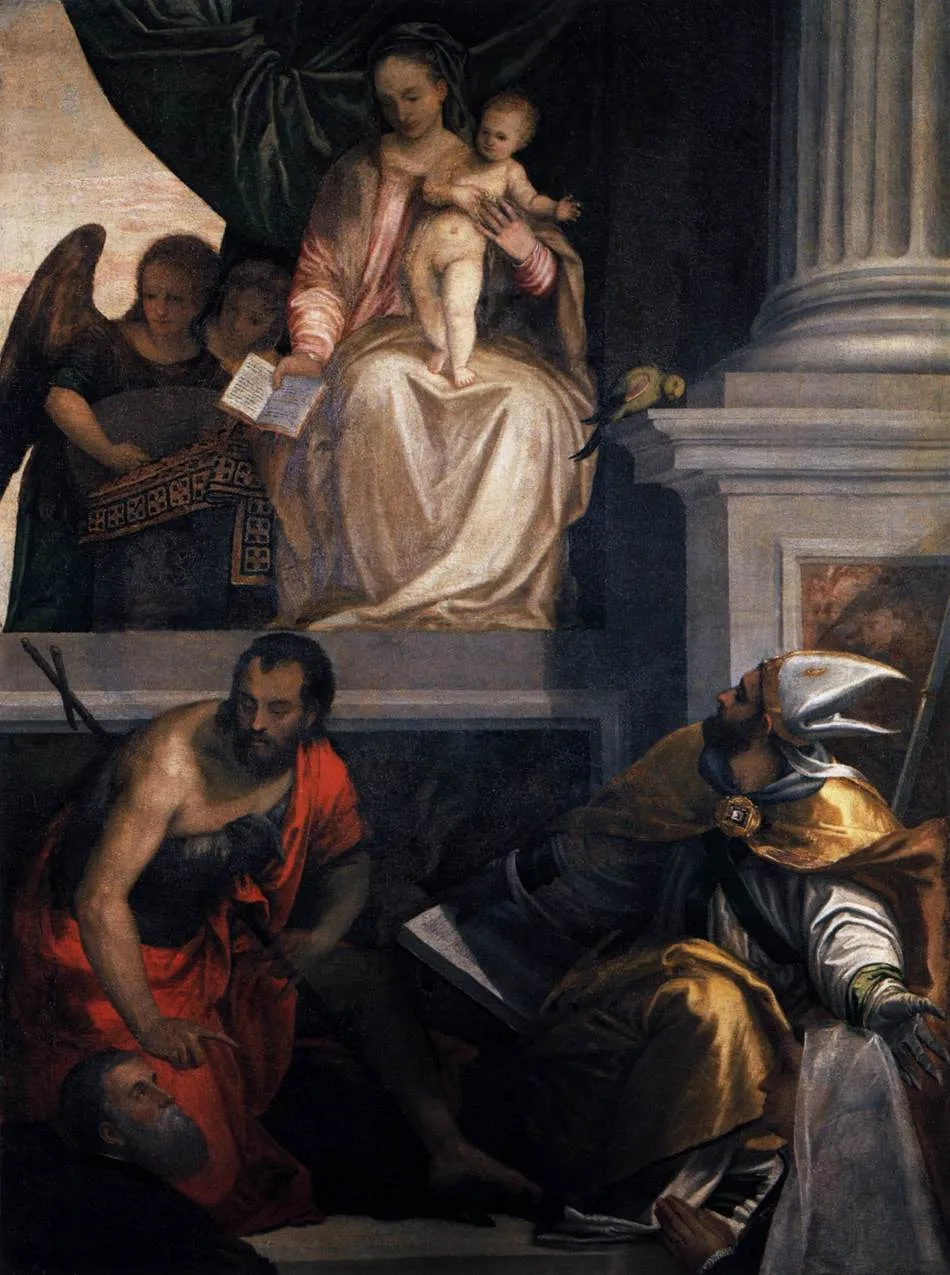
 100% Hand-Painted: Finished in 3-6 Weeks

.png)















_(1).webp)