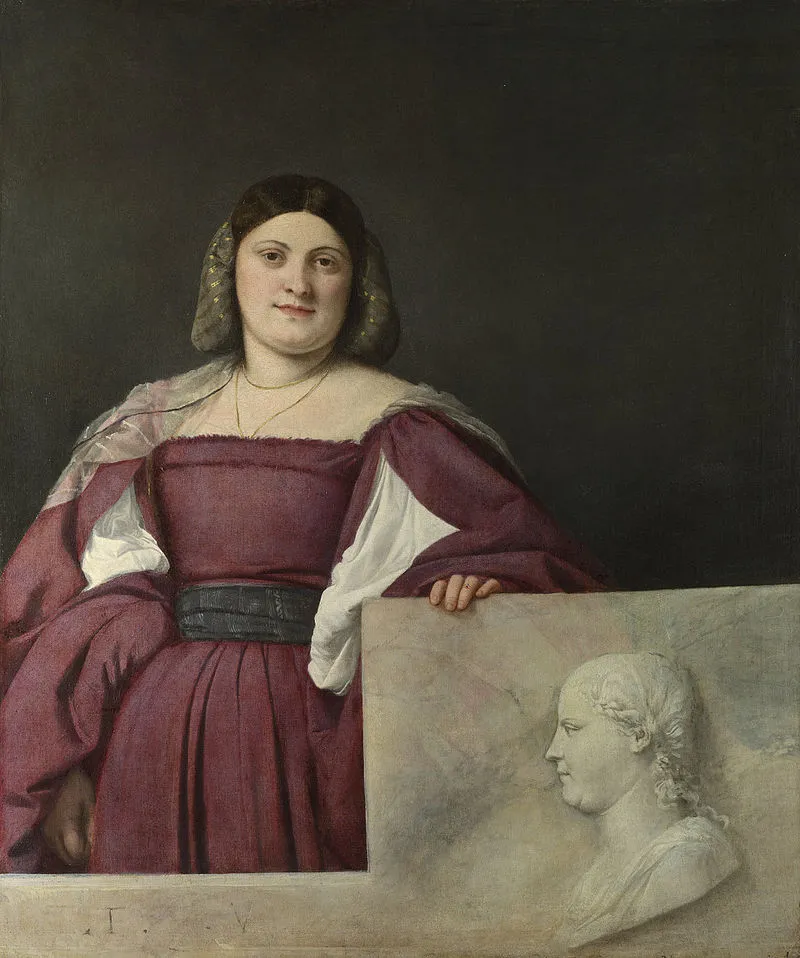
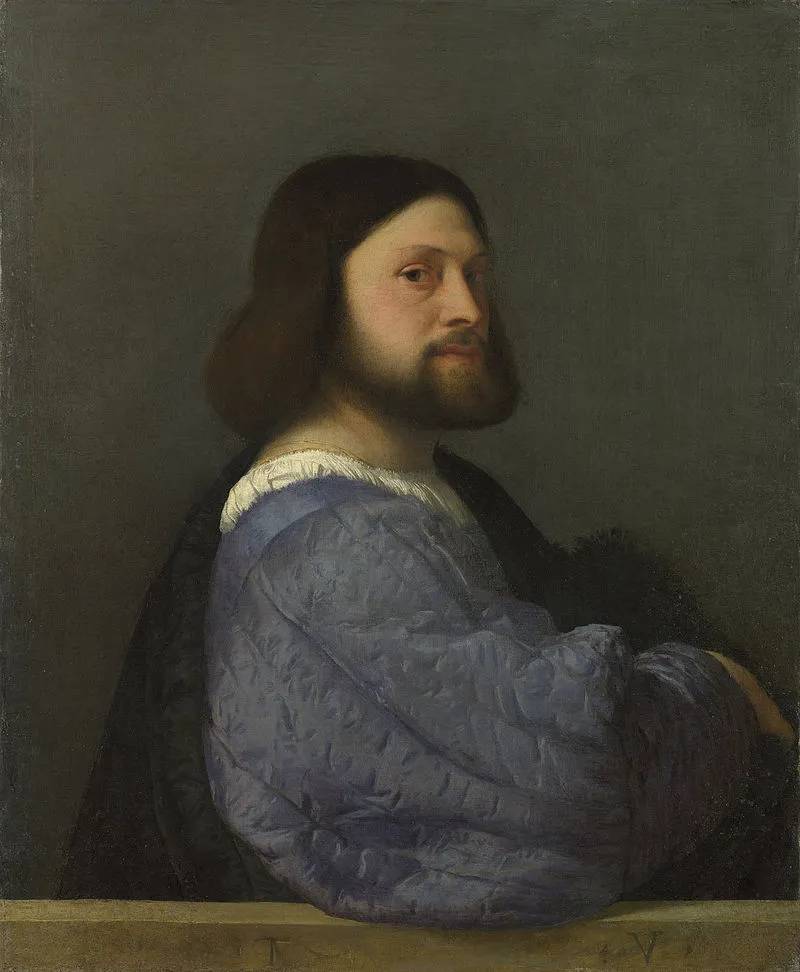
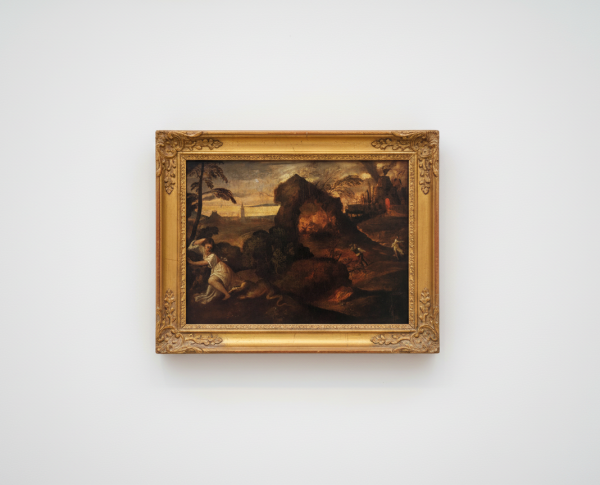
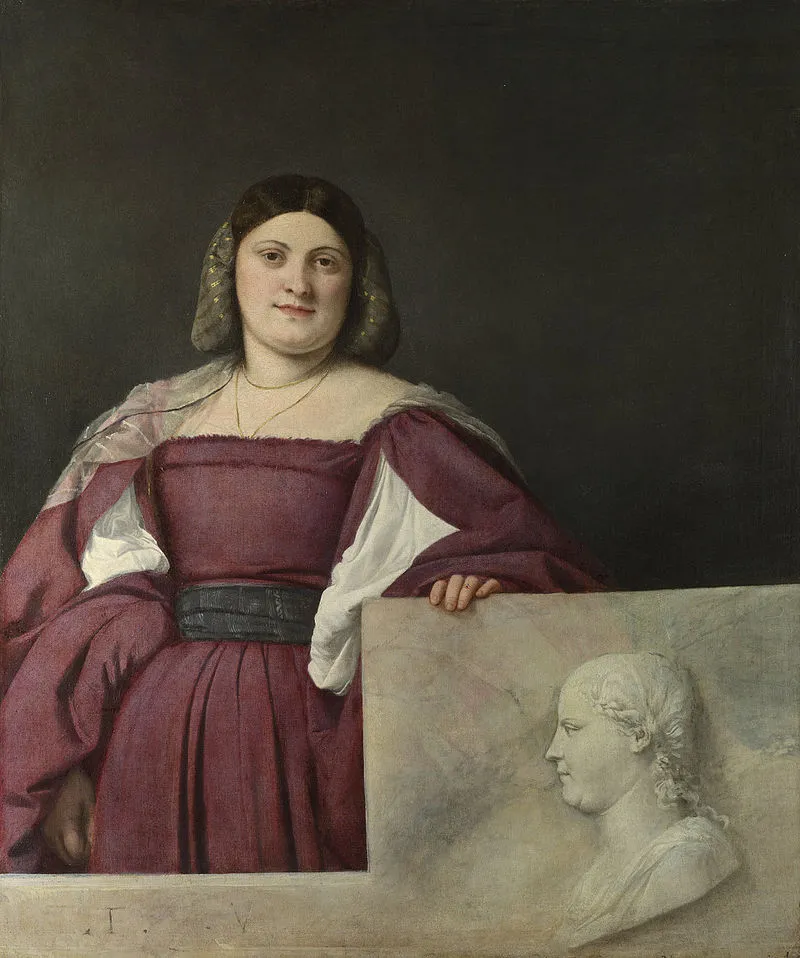
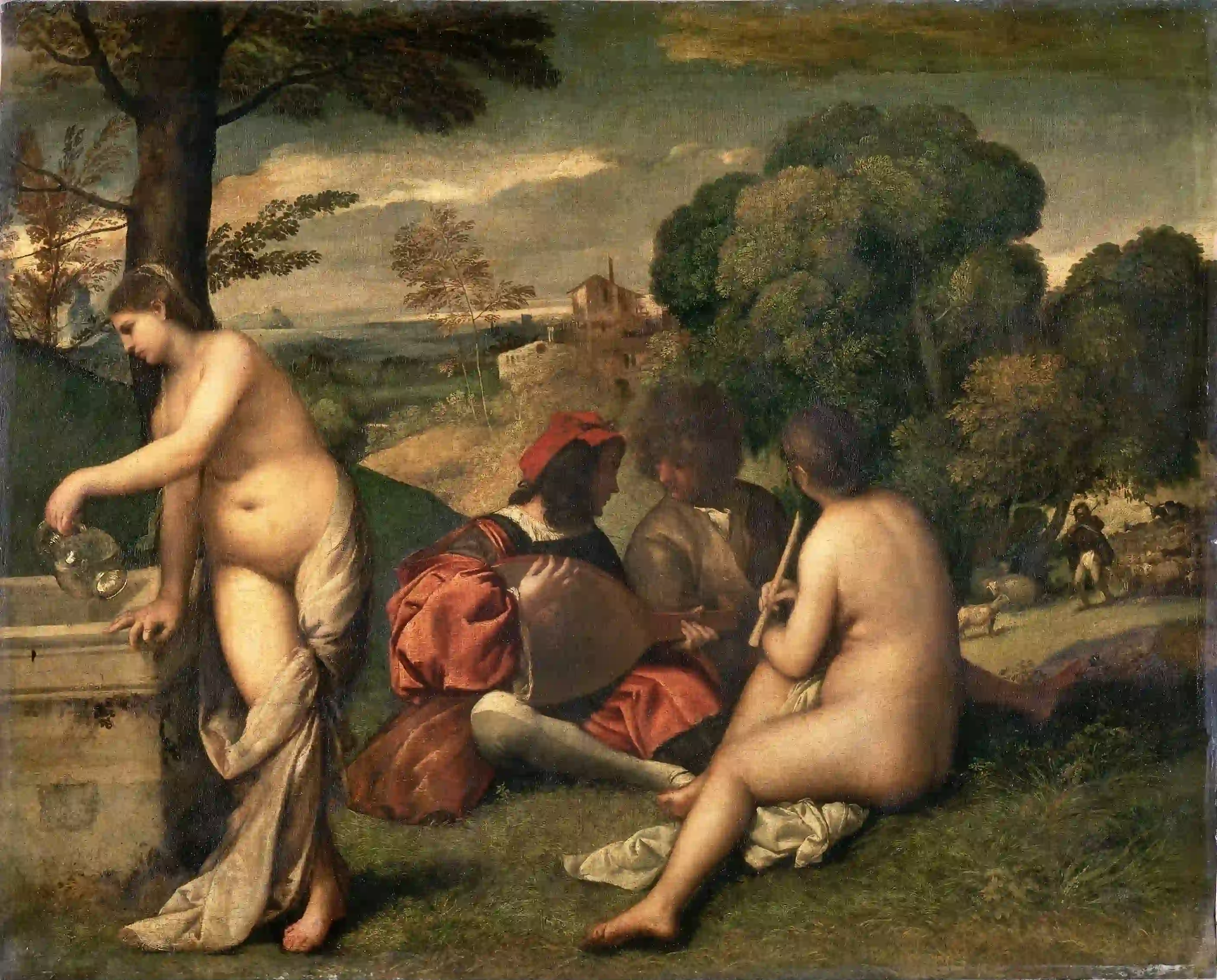
Tiziano Vecelli’s "Portrait of a Woman" showcases his exceptional skill with oil on canvas, a technique perfected during the Renaissance movement. The delicate brushwork and subtle play of light bring the subject’s personality to life, similar to his masterpieces like "Portrait of a Man" and "Orpheus and Eurydice." The oil on canvas medium allows for rich coloration and texture, making this painting a prime example of Renaissance technique and Titian’s enduring legacy.
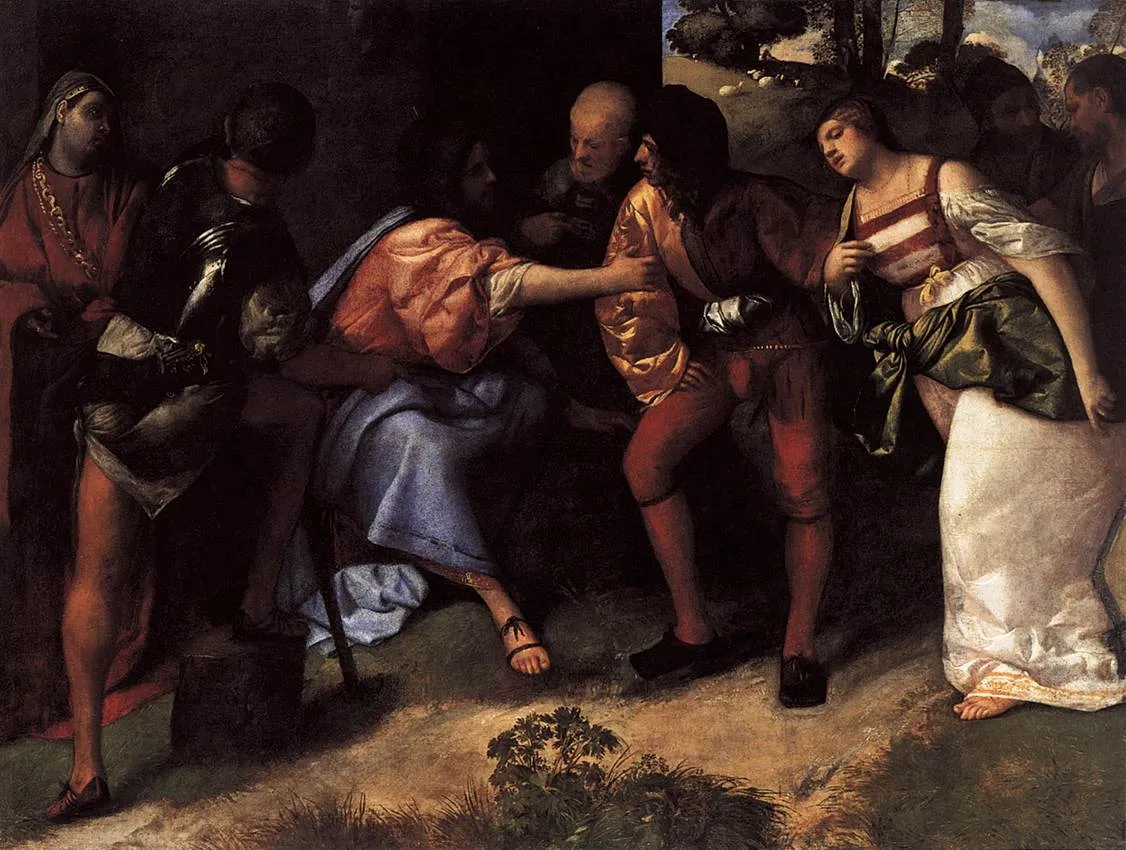
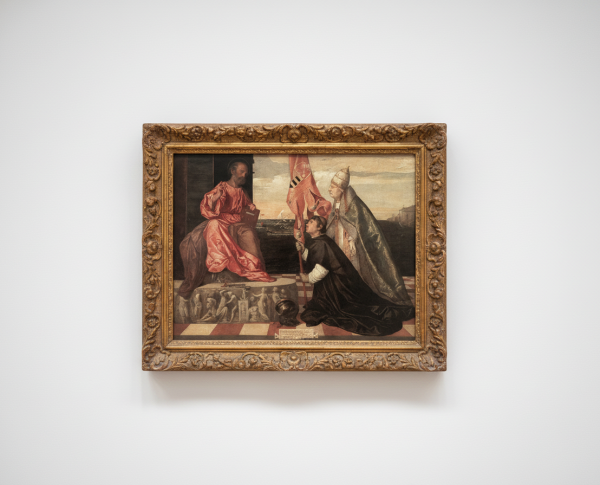
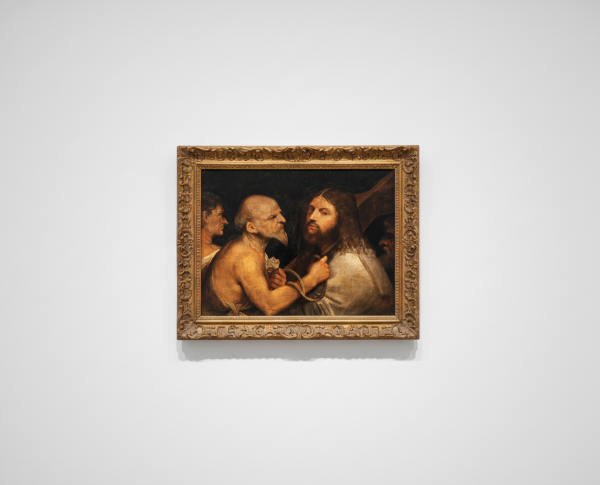
This fine art painting for sale not only highlights Tiziano Vecelli’s technical brilliance but also invites viewers to uncover hidden stories and symbols within the composition. Much like "Christ and the Adulteress" and "Pope Alexander IV Presenting Jacopo Pesaro to St Peter," this portrait reflects the cultural and social nuances of the Renaissance period. Each element, from attire to background, adds layers of meaning, making it a fascinating subject for collectors and enthusiasts.
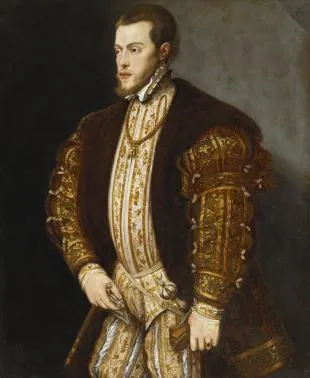
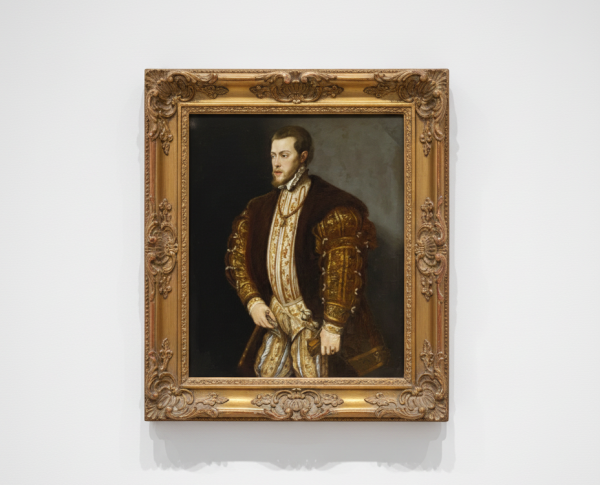
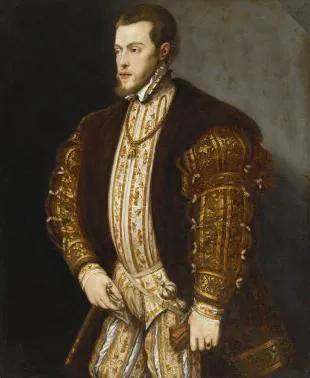
"Portrait of a Woman" by Tiziano Vecelli is more than just a beautiful artwork; it is a collector’s dream among fine art painting for sale. As part of the Renaissance movement, it pairs well with related masterpieces such as "Philip II of Spain" and "Orpheus and Eurydice." Owning such a painting means possessing a piece of history and artistry, offering both aesthetic pleasure and cultural significance for generations to come.
When Art Meets History
"Portrait of a Woman" by Tiziano Vecelli, also known as Titian, stands as a testament to the Renaissance movement’s enduring influence. Created during a time when hand-painted oil painting was reaching new heights, this work reflects both the cultural and artistic shifts of the era. Like his other masterpieces such as "Bathsheba at Her Bath" and "The Feast in the House of Levi," Titian’s portrait captures the elegance and sophistication that defined Renaissance society.
Techniques That Speak
Tiziano Vecelli’s mastery is evident in the delicate layers and rich textures of oil on canvas in "Portrait of a Woman." His innovative use of color and light, which can also be seen in works like "Lucretia" and "Allegory of Virtue and Vice," sets his paintings apart. The Renaissance movement prized such technical skill, and Titian’s brushwork brings the subject to life, elevating this portrait into a timeless example of artistic brilliance.
Emotions on Display
The expressive depth of "Portrait of a Woman" showcases Tiziano Vecelli’s ability to capture raw emotion through subtle cues. The subject’s gaze, combined with the nuanced play of shadow and light, evokes a sense of introspection. This fine art painting for sale resonates with the same emotional intensity found in Titian’s "The Wedding at Cana," inviting viewers to connect with the sitter’s inner world and the artist’s profound empathy.
Coveted by Collectors
As one of the Renaissance’s celebrated hand-painted oil paintings, "Portrait of a Woman" by Tiziano Vecelli remains highly sought after by collectors and museums alike. Its historical significance and technical virtuosity, shared by related works such as "Bathsheba at Her Bath" and "Lucretia," enhance its desirability. The painting’s enduring legacy ensures its place among the finest examples of Renaissance art, cherished by those who value true artistic heritage.
Related Renaissance Hand-Painted Oil Paintings by Other Artists
Other Famous Renaissance Artists:
Frequently Asked Questions About Portrait of a Woman
What is the historical context of "Portrait of a Woman"?
"Portrait of a Woman" was created during the Italian Renaissance, a period marked by a renewed interest in classical antiquity and humanism. Tiziano Vecelli, known as Titian, was a prominent figure in this movement, and his work reflects the cultural and artistic advancements of the 16th century.
Who is the subject of "Portrait of a Woman"?
The identity of the woman depicted in "Portrait of a Woman" remains uncertain, but she is often believed to represent an idealized form of feminine beauty typical of Titian's portraits. The lack of specific identification adds to the painting's allure and timelessness.
What artistic techniques did Titian use in this painting?
Titian employed a technique known as "painterly" style, characterized by loose brushwork and vibrant color palettes. His mastery of light and shadow, known as chiaroscuro, enhances the three-dimensionality of the figure, creating a lifelike presence.
What symbolism is present in "Portrait of a Woman"?
The painting is rich in symbolism, with elements such as the woman's attire and accessories often interpreted as indicators of her social status and virtue. The use of color and light also symbolizes the inner qualities of the subject, reflecting ideals of beauty and grace.
How does "Portrait of a Woman" reflect Renaissance ideals?
This work embodies Renaissance ideals by emphasizing individualism and the beauty of the human form. The focus on the subject's expression and attire showcases the era's appreciation for both physical beauty and the complexity of human emotion.
What influence did Titian have on portrait painting?
Titian's innovative approach to portraiture set new standards for subsequent generations of artists. His ability to capture personality and emotion in his subjects influenced the development of portrait painting, making it a significant genre in Western art.
What is the significance of color in "Portrait of a Woman"?
The use of color in "Portrait of a Woman" serves not only to enhance the aesthetic appeal but also to convey deeper emotional and symbolic meanings. Titian's strategic application of warm and cool tones creates a dynamic interplay that draws the viewer's eye and evokes a sense of intimacy.
How does the composition of "Portrait of a Woman" contribute to its impact?
The composition of the painting, with the subject positioned slightly off-center and gazing directly at the viewer, creates a sense of engagement and immediacy. This arrangement invites viewers to connect with the subject on a personal level, enhancing the emotional resonance of the work.
What are the notable features of the woman's attire in the painting?
The woman's attire is characterized by rich fabrics and intricate details, indicative of her high social status. The choice of clothing and accessories not only reflects the fashion of the time but also symbolizes the virtues of modesty and elegance associated with women in Renaissance society.
How has "Portrait of a Woman" been received by art historians and critics?
Art historians and critics have praised "Portrait of a Woman" for its technical mastery and emotional depth. It is often regarded as one of Titian's exemplary works, showcasing his ability to blend realism with idealism, and continues to be a subject of study and admiration in the art community.






















_GFM_Painting_(1).webp)


 100% Hand-Painted: Finished in 3-6 Weeks

.png)



















_(1).webp)