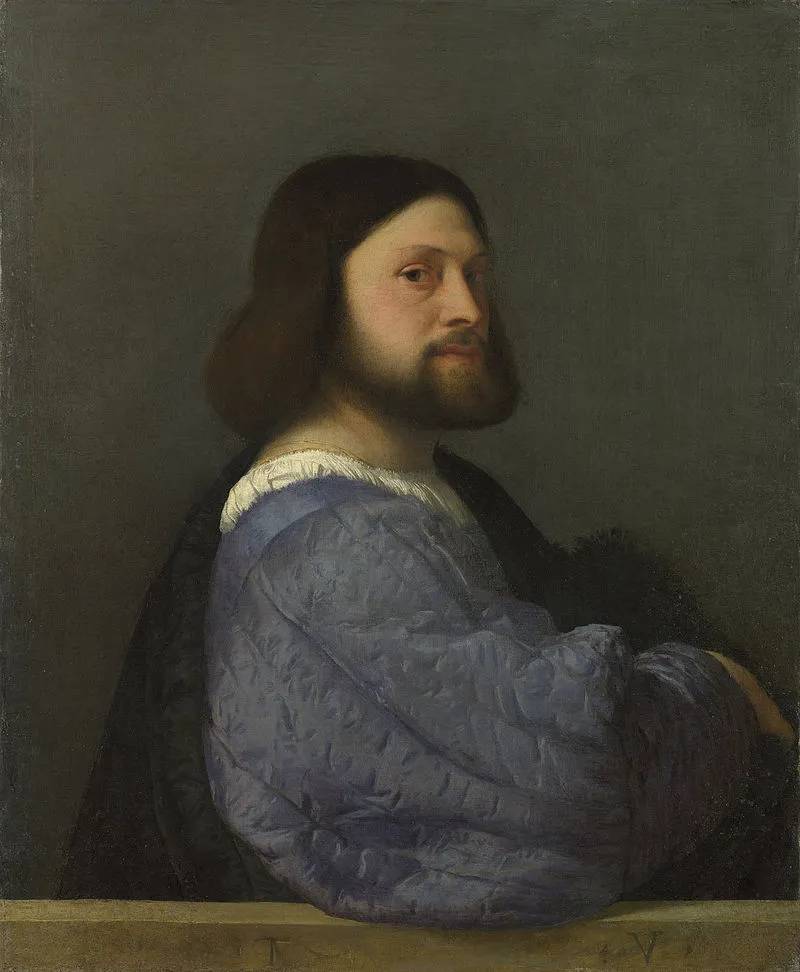
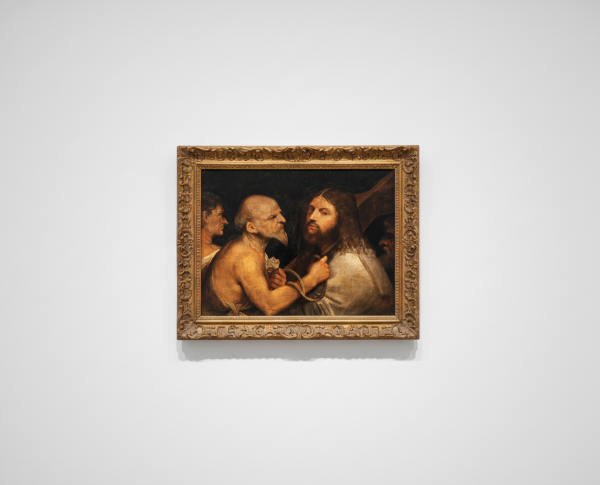
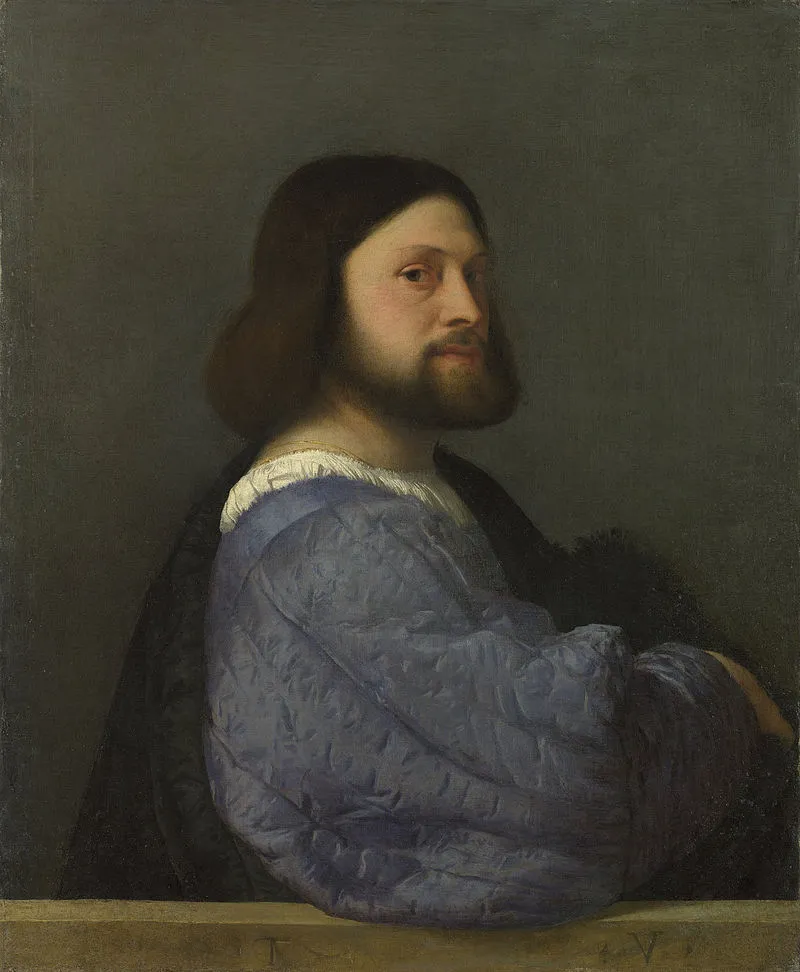
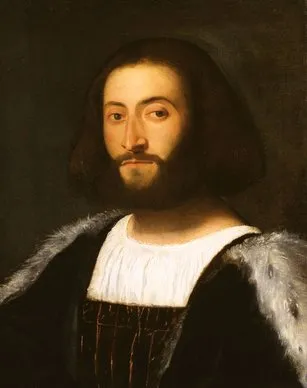
Tiziano Vecelli, renowned for his innovative techniques, demonstrates exceptional skill in "Portrait of Ariosto." The oil on canvas medium allows for rich, luminous colors and intricate details, hallmarks of Renaissance artistry. Each brushstroke reveals Titian’s mastery, making this oil on canvas a benchmark for portraiture. Collectors and admirers of the genre may also find interest in related masterpieces such as "Christ Carrying the Cross" and "Portrait of a Man" for their similar stylistic excellence.
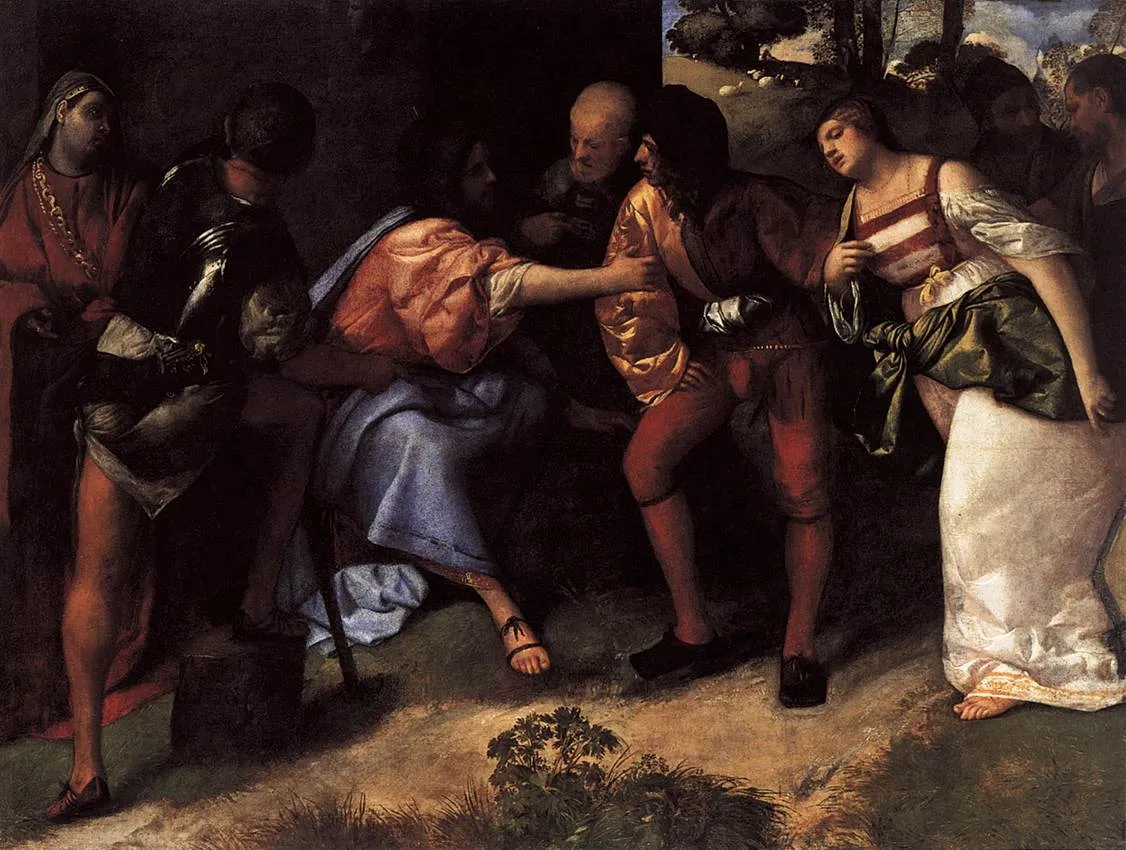
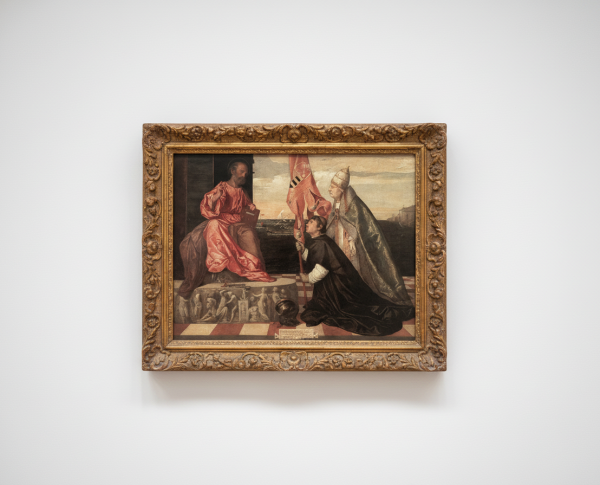
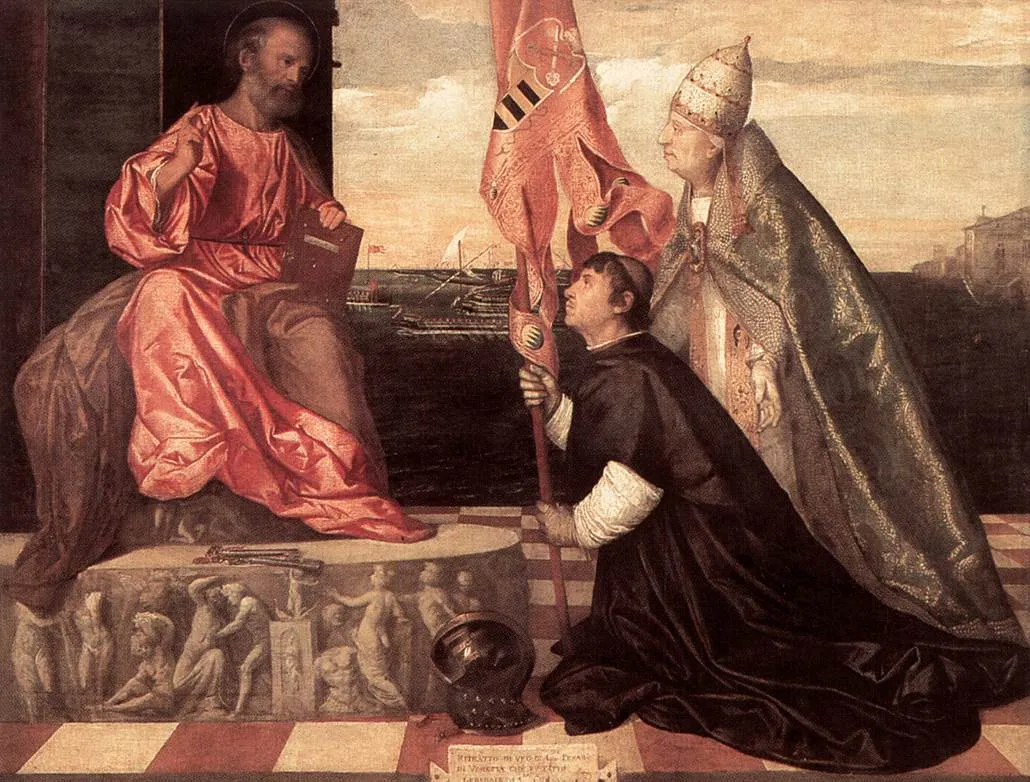
The "Portrait of Ariosto" is more than a simple likeness; it is layered with stories and symbols reflective of Renaissance ideals. Tiziano Vecelli imbues the subject with subtle gestures and thoughtful expressions, inviting viewers to ponder deeper meanings. Anyone searching for a hand-painted oil painting with narrative depth will appreciate these qualities. Complementary works like "Pope Alexander IV Presenting Jacopo Pesaro to St Peter" and "Christ and the Adulteress" echo these symbolic complexities.
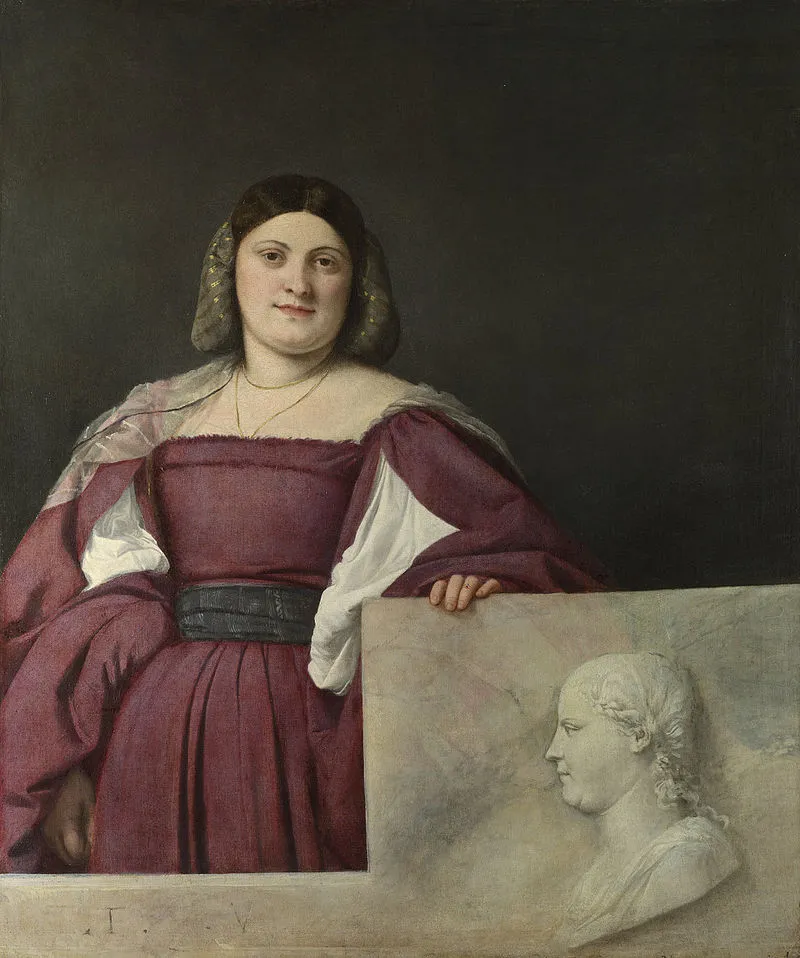
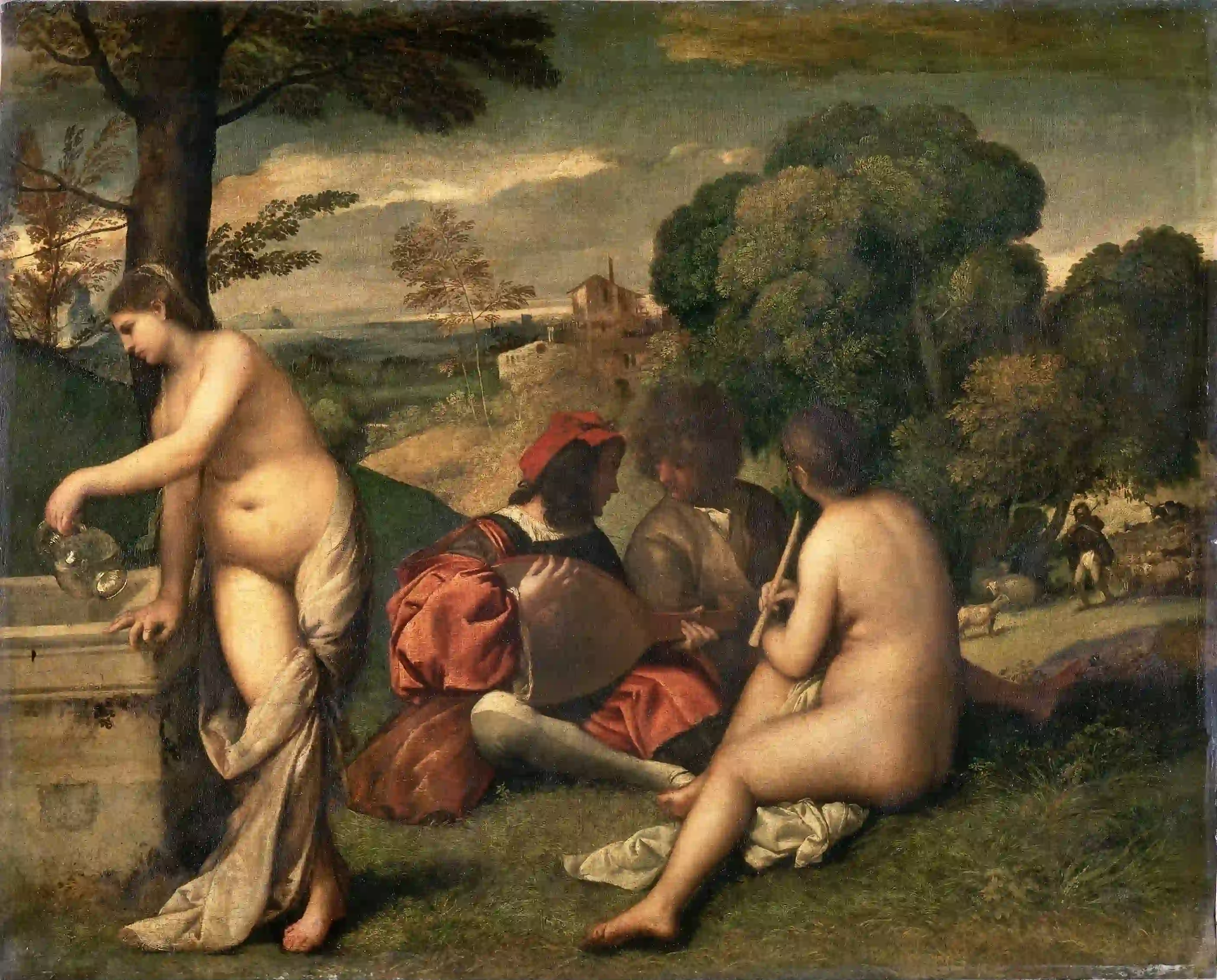
Owning "Portrait of Ariosto" means possessing a piece of Renaissance heritage, crafted by the legendary Tiziano Vecelli. As a fine art painting for sale, it appeals to collectors who value historical significance and artistic mastery. This classic joins a prestigious lineage, alongside related products like "Concert Champetre" and "Portrait of a Woman," offering both aesthetic pleasure and investment potential for those passionate about Renaissance oil on canvas masterpieces.
When Art Meets History
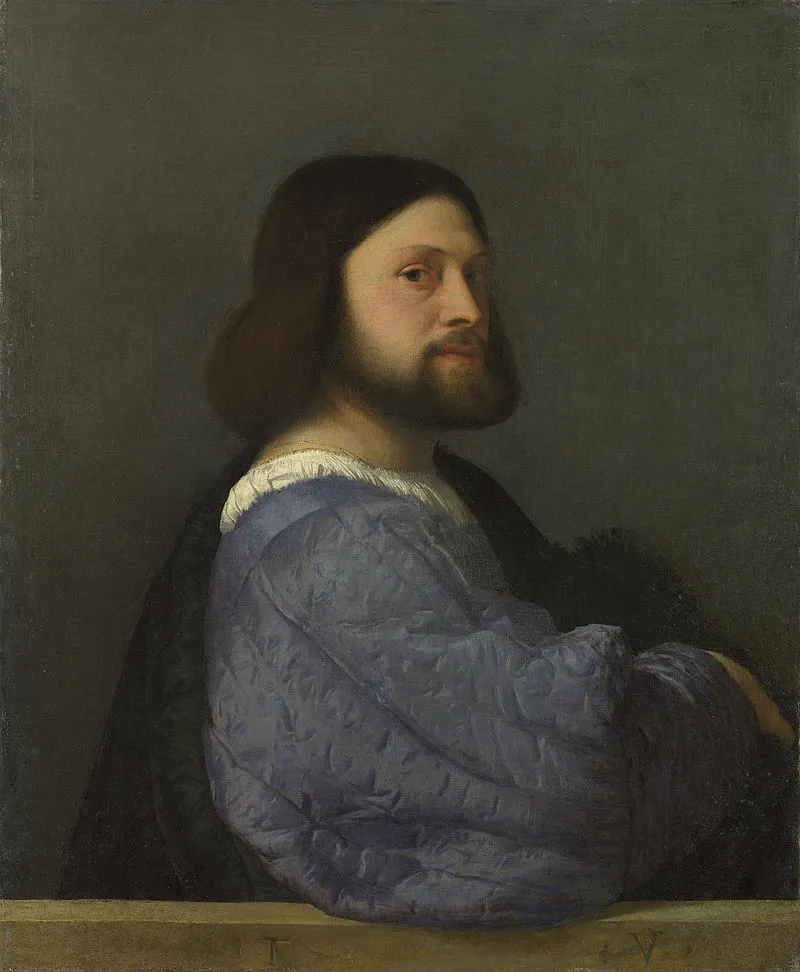
"Portrait of Ariosto" by Tiziano Vecelli, a master of the Renaissance movement, is a testament to the era’s fascination with humanism and individuality. This hand-painted oil painting captures the essence of Titian's subject, the renowned poet Ludovico Ariosto, reflecting the intellectual vibrancy of 16th-century Venice. Comparable to masterpieces like "The Feast in the House of Levi" and "The Wedding at Cana," this portrait bridges the worlds of art and history, immortalizing a literary figure with exceptional realism.
Techniques That Speak
Tiziano Vecelli's "Portrait of Ariosto" demonstrates his unparalleled skill in oil on canvas, a medium that defined the Renaissance. The artist’s delicate layering of pigments creates depth and luminosity, showcasing his mastery over light and shadow. Like his other works such as "Bathsheba at Her Bath" and "Allegory of Virtue and Vice," Titian’s brushwork in this painting brings the sitter to life, highlighting the technical brilliance that made him a leading figure among Renaissance painters.
Emotions on Display
In "Portrait of Ariosto," Tiziano Vecelli masterfully conveys the poet’s introspective gaze and dignified presence, inviting viewers to explore the subject’s inner world. The fine art painting for sale resonates with emotional depth, characteristic of the Renaissance movement’s focus on individuality. This portrait, alongside works like "Lucretia," exemplifies Titian’s ability to capture both the physical likeness and the soul of his sitters, leaving a lasting impression on all who behold it.
Coveted by Collectors
Collectors and art enthusiasts are drawn to "Portrait of Ariosto" for its historical significance and exquisite artistry. As a prime example of Renaissance portraiture, this hand-painted oil painting is highly sought after, much like Titian’s "The Wedding at Cana" and "Lucretia." Its provenance and connection to the great Tiziano Vecelli make it a centerpiece in any collection, ensuring its status as a treasured masterpiece in the world of fine art.
Related Renaissance Hand-Painted Oil Paintings by Other Artists
Other Famous Renaissance Artists:
Frequently Asked Questions About Portrait of Ariosto
What is the historical significance of "Portrait of Ariosto"?
"Portrait of Ariosto" is significant as it captures the essence of the Italian Renaissance, showcasing the humanist ideals of the period through its focus on individualism and character.
Who was Ludovico Ariosto, and why is he important?
Ludovico Ariosto was a prominent Italian poet known for his epic poem "Orlando Furioso." His contributions to literature and the arts made him a celebrated figure during the Renaissance, reflecting the cultural values of the time.
What artistic techniques did Tiziano Vecelli employ in this portrait?
Tiziano Vecelli utilized oil painting techniques, allowing for rich color saturation and intricate detail. His use of light and shadow enhances the three-dimensionality of Ariosto's features, creating a lifelike representation.
How does the composition of the painting contribute to its meaning?
The composition of "Portrait of Ariosto" is carefully structured, with Ariosto positioned slightly off-center, drawing the viewer's eye. This arrangement symbolizes the poet's dynamic personality and his role as a pivotal figure in Renaissance literature.
What symbolism can be found in the painting?
The painting features various symbolic elements, including the book in Ariosto's hand, representing knowledge and literary achievement, and the rich attire, which signifies his status and the cultural importance of the arts during the Renaissance.
In what ways does this portrait reflect Renaissance ideals?
This portrait reflects Renaissance ideals through its emphasis on humanism, showcasing the intellect and individuality of Ariosto. The realistic portrayal emphasizes the value placed on personal achievement and the exploration of human experience.
What influences can be seen in Tiziano's style in this work?
Tiziano's style in "Portrait of Ariosto" is influenced by Venetian painting traditions, characterized by vibrant colors and a focus on the interplay of light. His ability to convey emotion through facial expression is also a hallmark of his artistic approach.
How does this portrait compare to other works by Tiziano?
What materials were used in the creation of this painting?
Tiziano created "Portrait of Ariosto" using oil on canvas, a medium that allowed for greater flexibility and depth in color, contributing to the painting's overall richness and texture.
What is the current location of "Portrait of Ariosto"?
"Portrait of Ariosto" is currently housed in a prominent art gallery, where it continues to be studied and appreciated for its artistic and historical significance within the context of the Renaissance.






















_GFM_Painting_(1).webp)


 100% Hand-Painted: Finished in 3-6 Weeks

.png)
















_(1).webp)