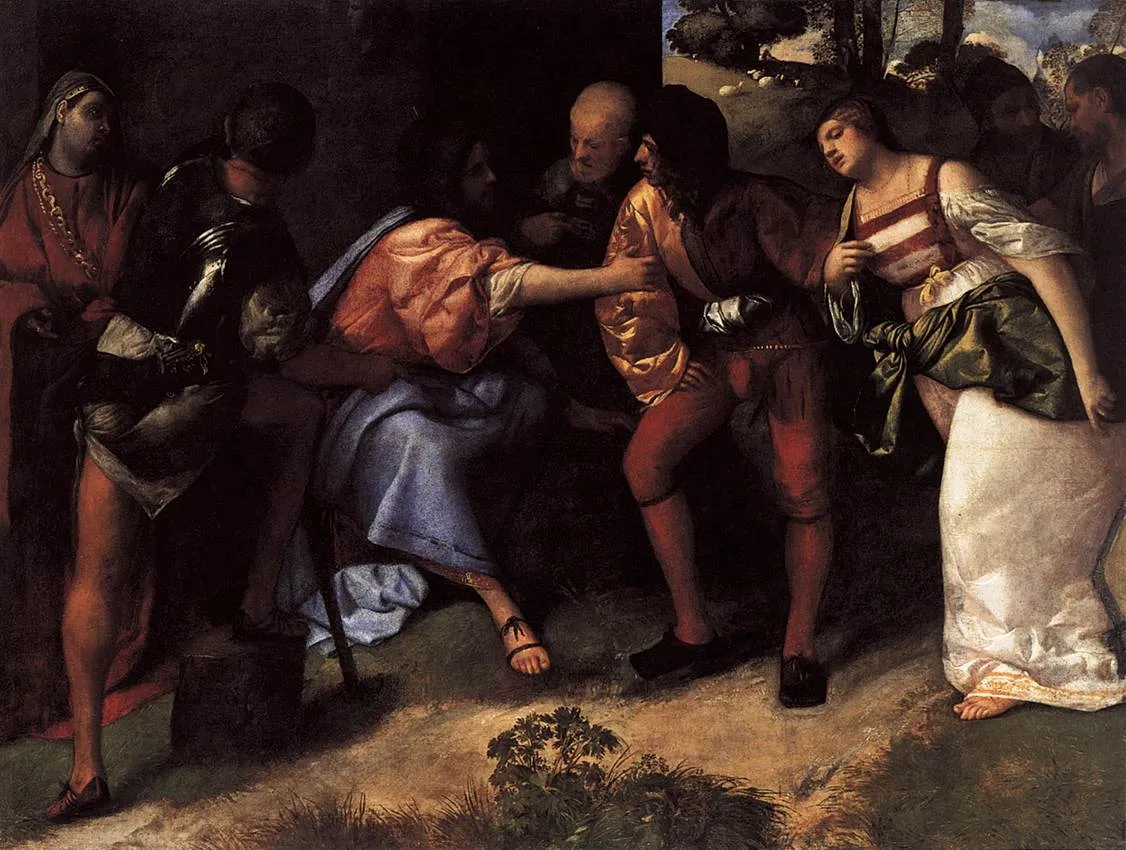
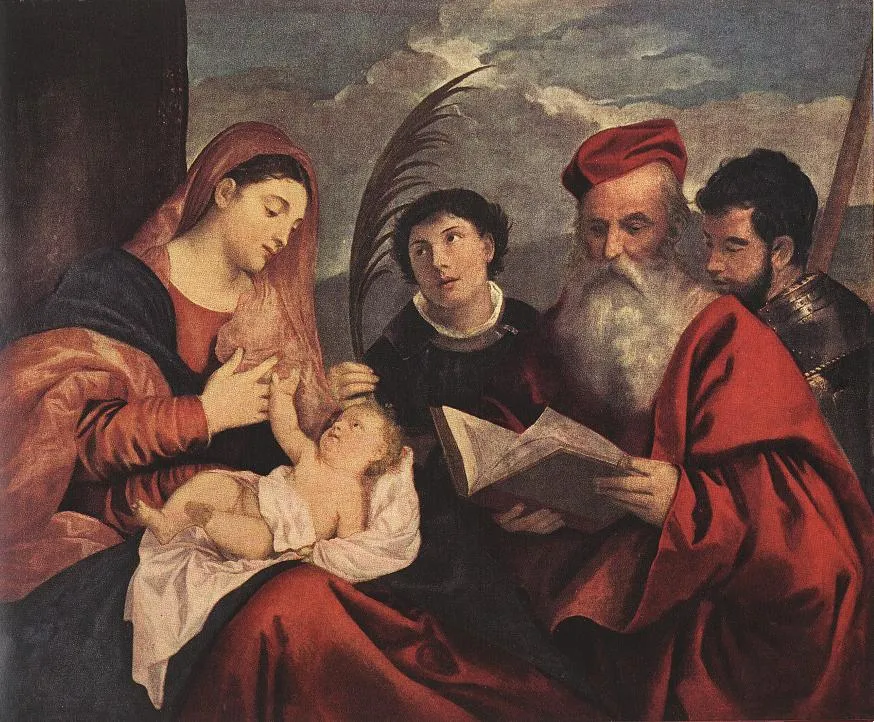
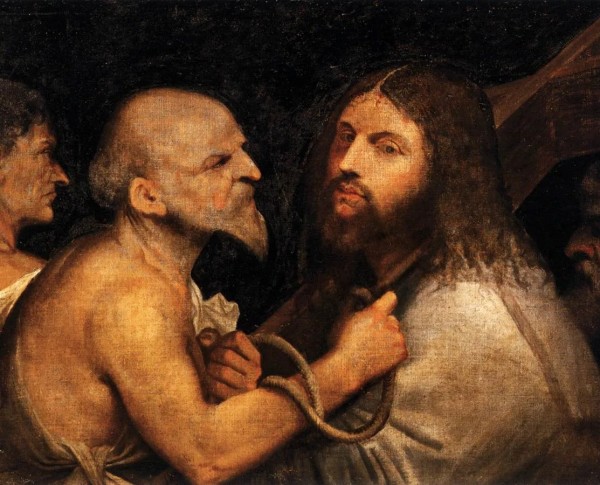
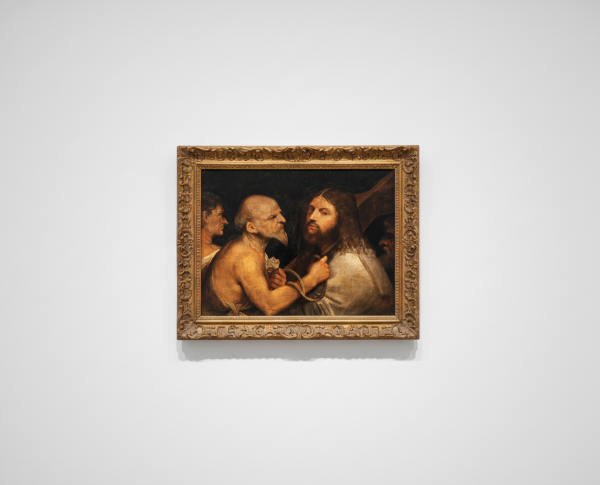
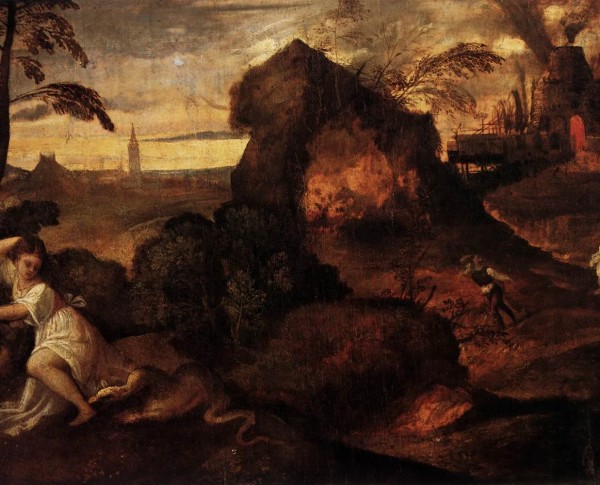
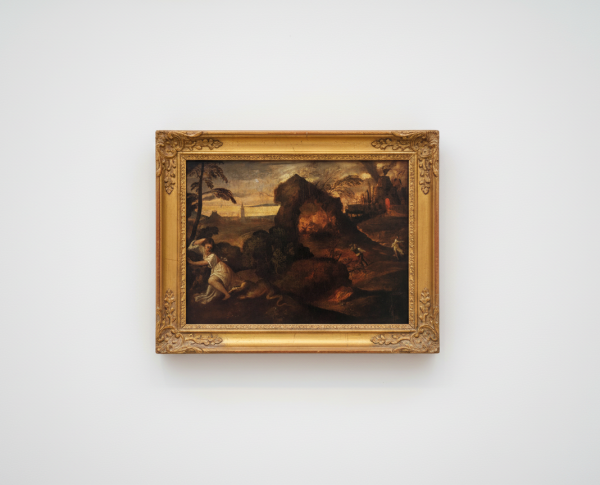
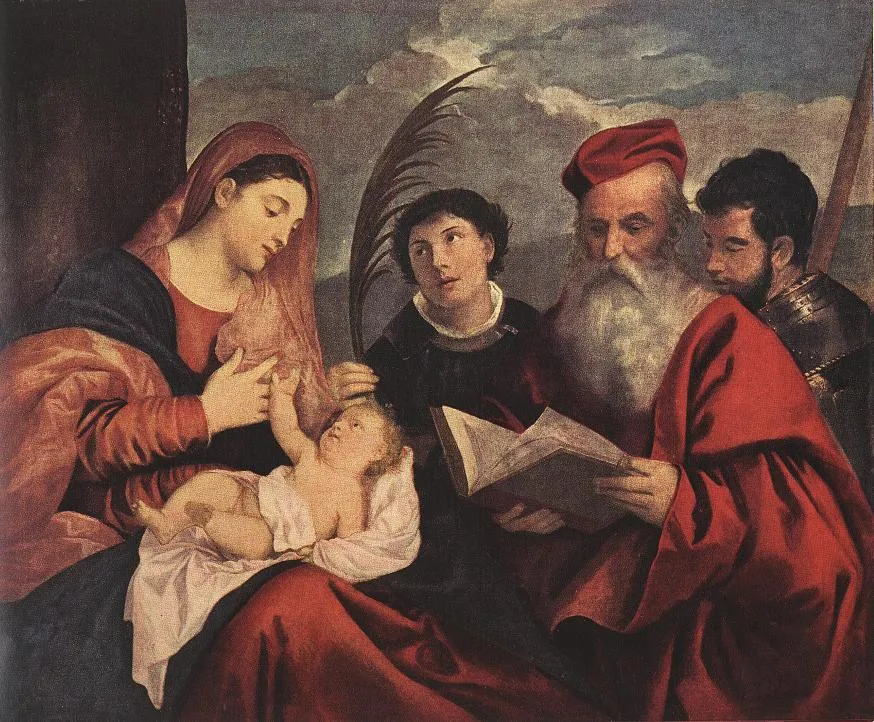
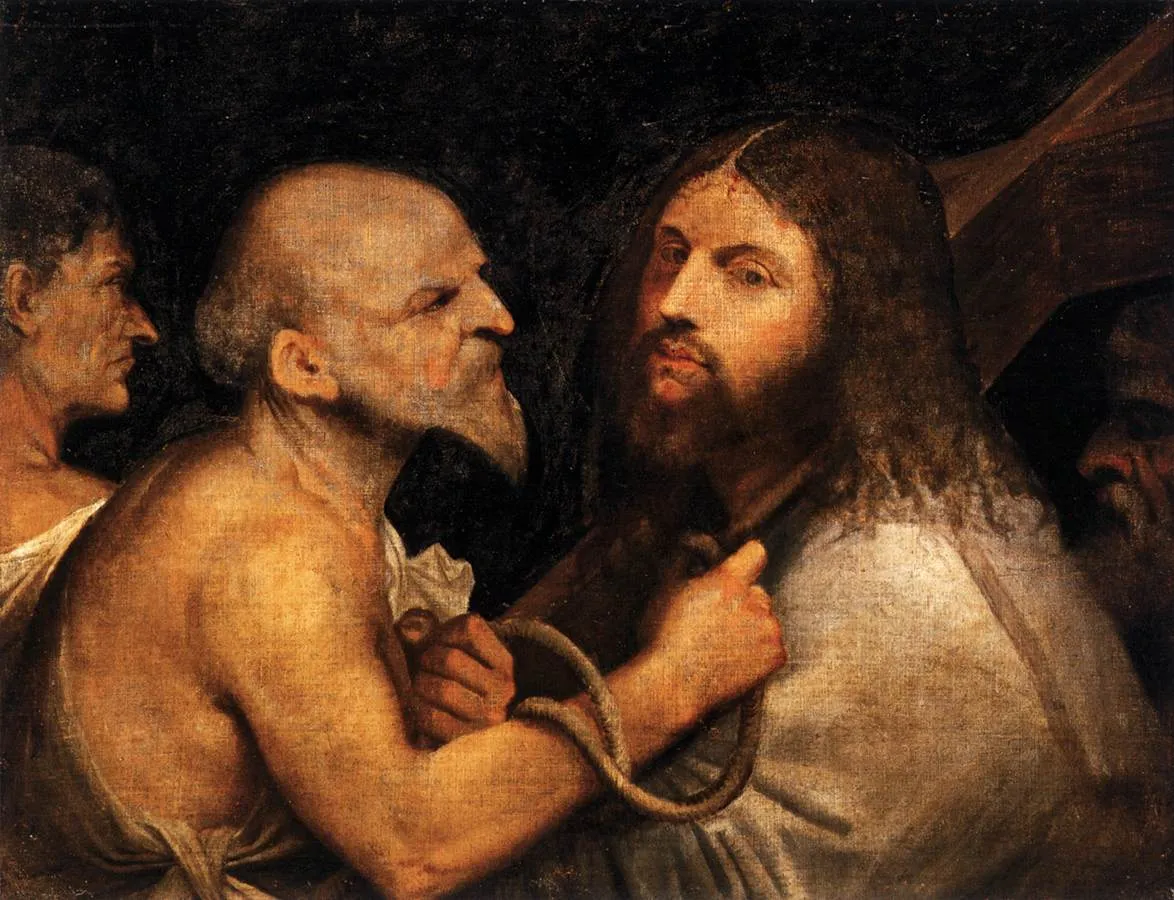
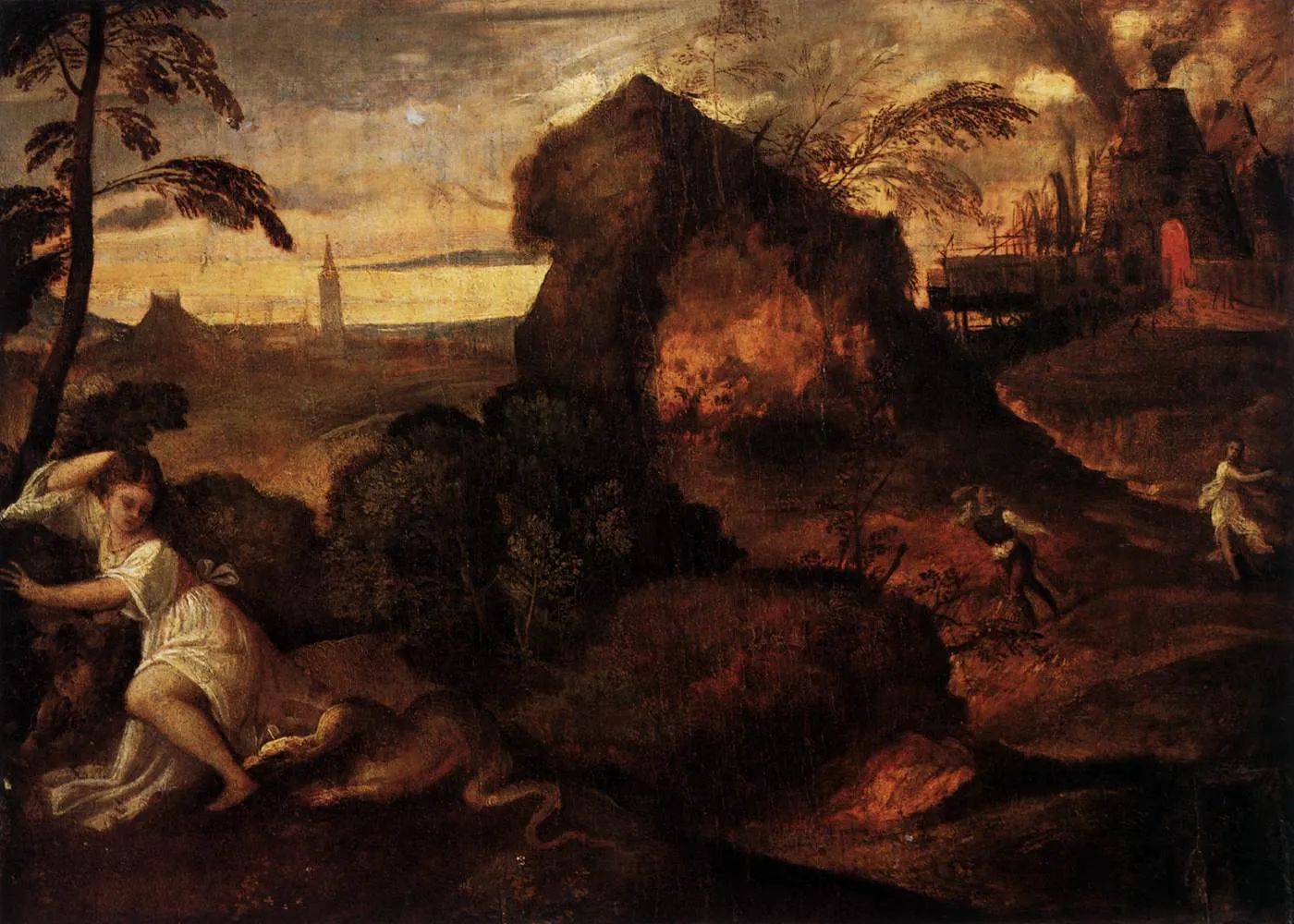
Tiziano Vecelli’s expertise shines through every detail of "Mary with the Child and Saints." The exquisite oil on canvas technique brings depth and vibrancy to the figures, capturing the emotion and spirituality of the Renaissance era. Comparable to his other celebrated works like "Christ and the Adulteress" and "Orpheus and Eurydice," this painting demonstrates Vecelli’s unmatched ability to blend color and light, making each composition a stunning example of Renaissance artistry.
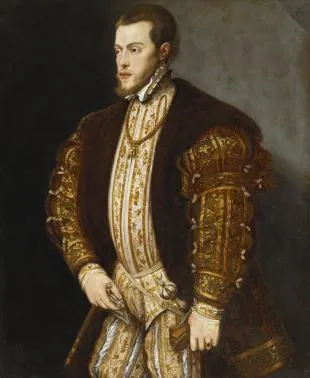
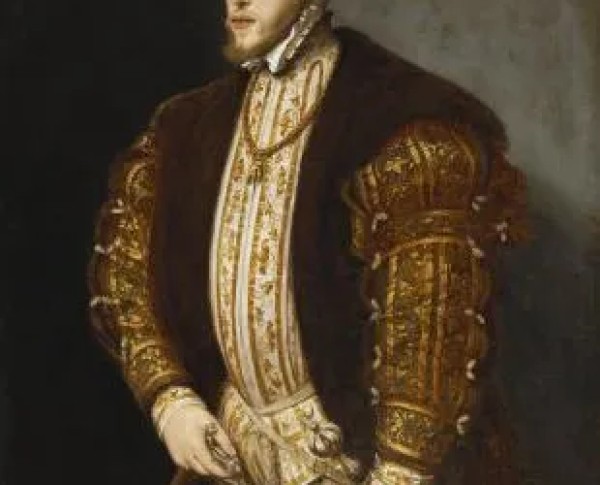
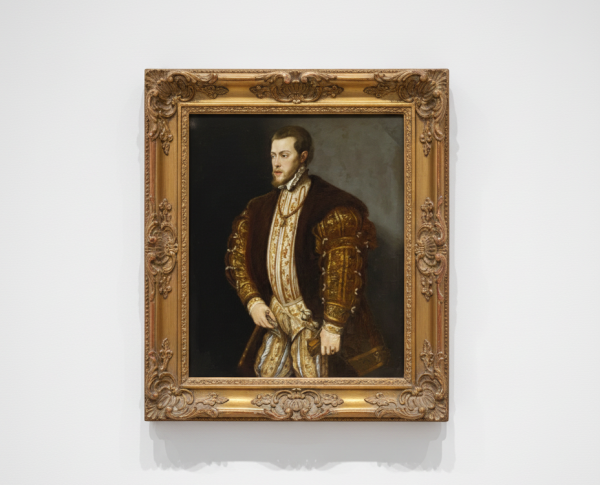
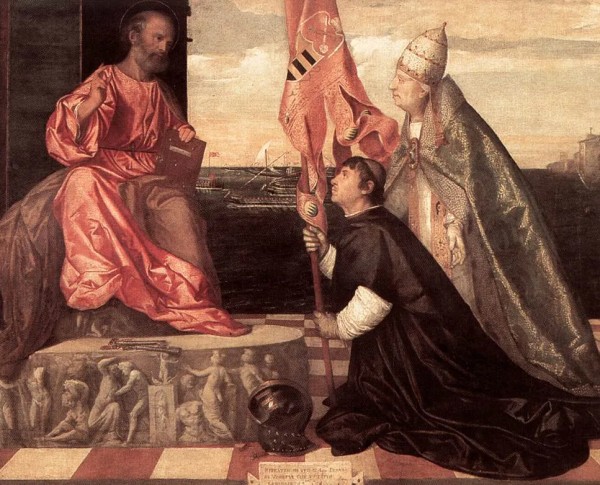
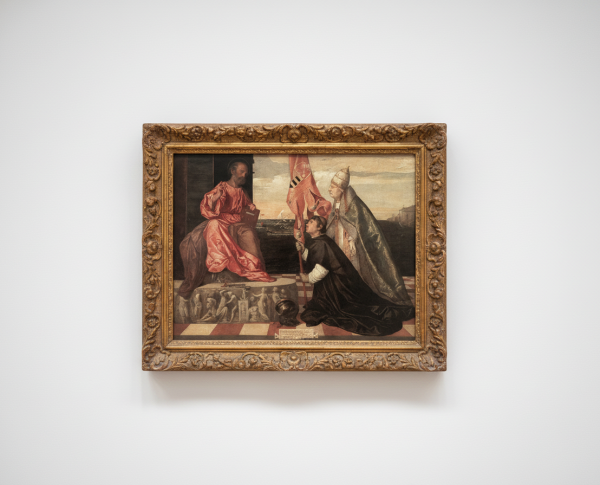
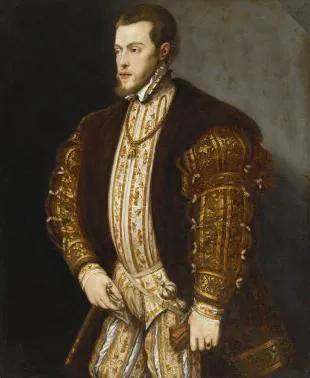
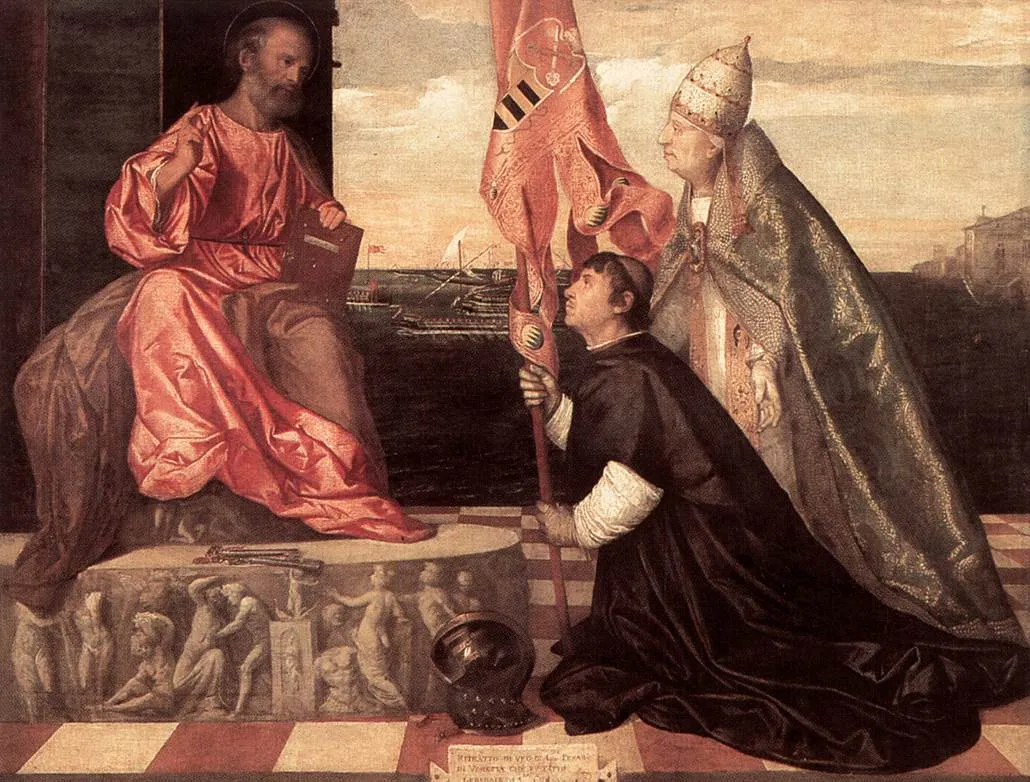
Within "Mary with the Child and Saints," Tiziano Vecelli weaves a rich tapestry of stories and symbols, characteristic of the Renaissance movement. Every figure and gesture holds profound meaning, inviting viewers to interpret the spiritual and cultural narratives encoded in this fine art painting for sale. Fans of Vecelli’s other masterpieces, such as "Philip II of Spain" and "Pope Alexander IV Presenting Jacopo Pesaro to St Peter," will recognize his signature approach to storytelling through symbolism.
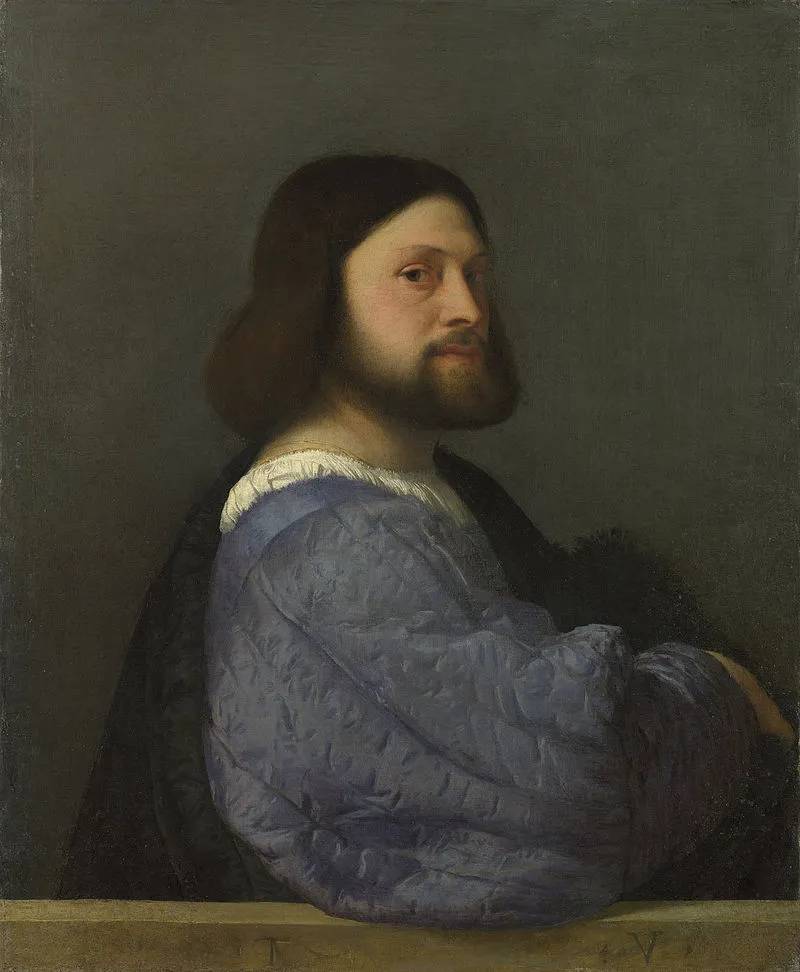
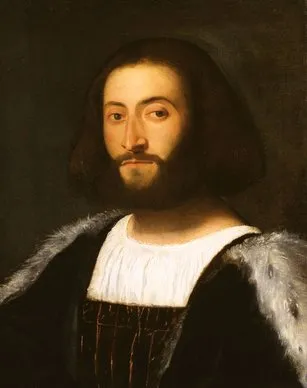
For collectors seeking a remarkable addition to their collection, "Mary with the Child and Saints" by Tiziano Vecelli is an unparalleled choice. As a hand-painted oil painting from the Renaissance, it holds immense value and prestige. Its connection to related works such as "Portrait of a Man" and "Orpheus and Eurydice" further enhances its desirability. This masterpiece stands as a testament to Vecelli’s genius and the enduring appeal of Renaissance fine art painting for sale.
When Art Meets History
"Mary with the Child and Saints" by Tiziano Vecelli stands as a testament to the profound influence of the Renaissance movement. This hand-painted oil painting not only highlights Vecelli's mastery but also reflects the era’s devotion to religious themes. Comparable works, such as "The Feast in the House of Levi" and "The Wedding at Cana," showcase how Renaissance artists merged spiritual narrative with human emotion, making each composition a vital piece of art history.
Techniques That Speak
Tiziano Vecelli’s expert use of oil on canvas in "Mary with the Child and Saints" demonstrates his remarkable skill in layering color and capturing light. The Renaissance period was defined by innovations in painting techniques, and Vecelli’s meticulous brushwork is evident throughout this piece. Much like "Allegory of Virtue and Vice" and "Bathsheba at Her Bath," this painting reveals how oil on canvas allowed artists to achieve depth, realism, and an enduring vibrance.
Emotions on Display
In "Mary with the Child and Saints," Tiziano Vecelli conveys deep emotion through expressive faces and tender gestures, hallmarks of Renaissance art. The painting’s subjects exude warmth and reverence, inviting viewers into a serene moment. This fine art painting for sale, reminiscent of "The Marriage Feast at Cana, c.1562," captures the intimate connection between the holy figures, making it a moving example of how Renaissance artists communicated profound feeling through their work.
Coveted by Collectors
Collectors highly value "Mary with the Child and Saints" by Tiziano Vecelli for its historical significance and artistic mastery. As a hand-painted oil painting from the Renaissance, it stands alongside celebrated works like "The Feast in the House of Levi." The painting’s enduring appeal ensures it remains a prized acquisition in the world of fine art painting for sale, sought after by those who appreciate both its spiritual and aesthetic importance.
Related Renaissance Hand-Painted Oil Paintings by Other Artists
Other Famous Renaissance Artists:
Frequently Asked Questions About Mary with the Child and Saints
What is the historical context of "Mary with the Child and Saints"?
"Mary with the Child and Saints" was created during the Renaissance period, a time characterized by a revival of classical learning and values. Tiziano Vecelli, known as Titian, was a prominent figure in this movement, and his work reflects the religious and cultural dynamics of 16th-century Italy.
Who are the saints depicted in the painting?
The painting features several saints, including Saint John the Baptist and Saint Peter. Their inclusion serves to emphasize the Christian narrative and the importance of these figures in the context of the Virgin Mary and the Child Jesus.
What artistic techniques did Titian use in this painting?
Titian employed a rich color palette and dynamic composition, utilizing chiaroscuro to create depth and volume. His brushwork is notable for its loose, expressive quality, which adds to the emotional impact of the figures.
What is the significance of the Virgin Mary and Child in this artwork?
The Virgin Mary and Child are central figures in Christian iconography, symbolizing maternal love and divine grace. Their portrayal reflects the Renaissance ideal of beauty and the sacred, inviting viewers to contemplate their spiritual significance.
How does this painting reflect the influence of Venetian art?
This painting exemplifies the Venetian style, characterized by vibrant colors and an emphasis on light. Titian's innovative use of color and texture distinguishes his work from that of his contemporaries, showcasing the unique qualities of Venetian painting.
What role does symbolism play in "Mary with the Child and Saints"?
Symbolism is integral to the painting, with each saint representing different virtues and aspects of faith. The presence of the Child Jesus signifies hope and salvation, while the saints serve as intercessors between humanity and the divine.
What is the composition of the painting, and how does it affect the viewer's experience?
The composition is carefully arranged to draw the viewer's eye towards the central figures of Mary and the Child. The surrounding saints create a sense of community and support, enhancing the overall narrative and inviting contemplation of the scene.
How does Titian's portrayal of Mary differ from other artists of his time?
Titian's portrayal of Mary is characterized by a more humanized and relatable depiction compared to the more idealized representations by other artists. His focus on emotional expression and naturalism allows viewers to connect with the figures on a personal level.
What is the significance of the setting in "Mary with the Child and Saints"?
The setting of the painting, often depicted with architectural elements or natural landscapes, serves to ground the divine figures in a relatable context. This juxtaposition of the sacred and the earthly enhances the viewer's understanding of the spiritual narrative.
How has "Mary with the Child and Saints" influenced later artists?
This painting has had a lasting impact on subsequent generations of artists, influencing their approach to religious subjects and the use of color and composition. Titian's innovative techniques and emotional depth have inspired countless works in the Baroque and beyond.






















_GFM_Painting_(1).webp)


 100% Hand-Painted: Finished in 3-6 Weeks

.png)















_(1).webp)