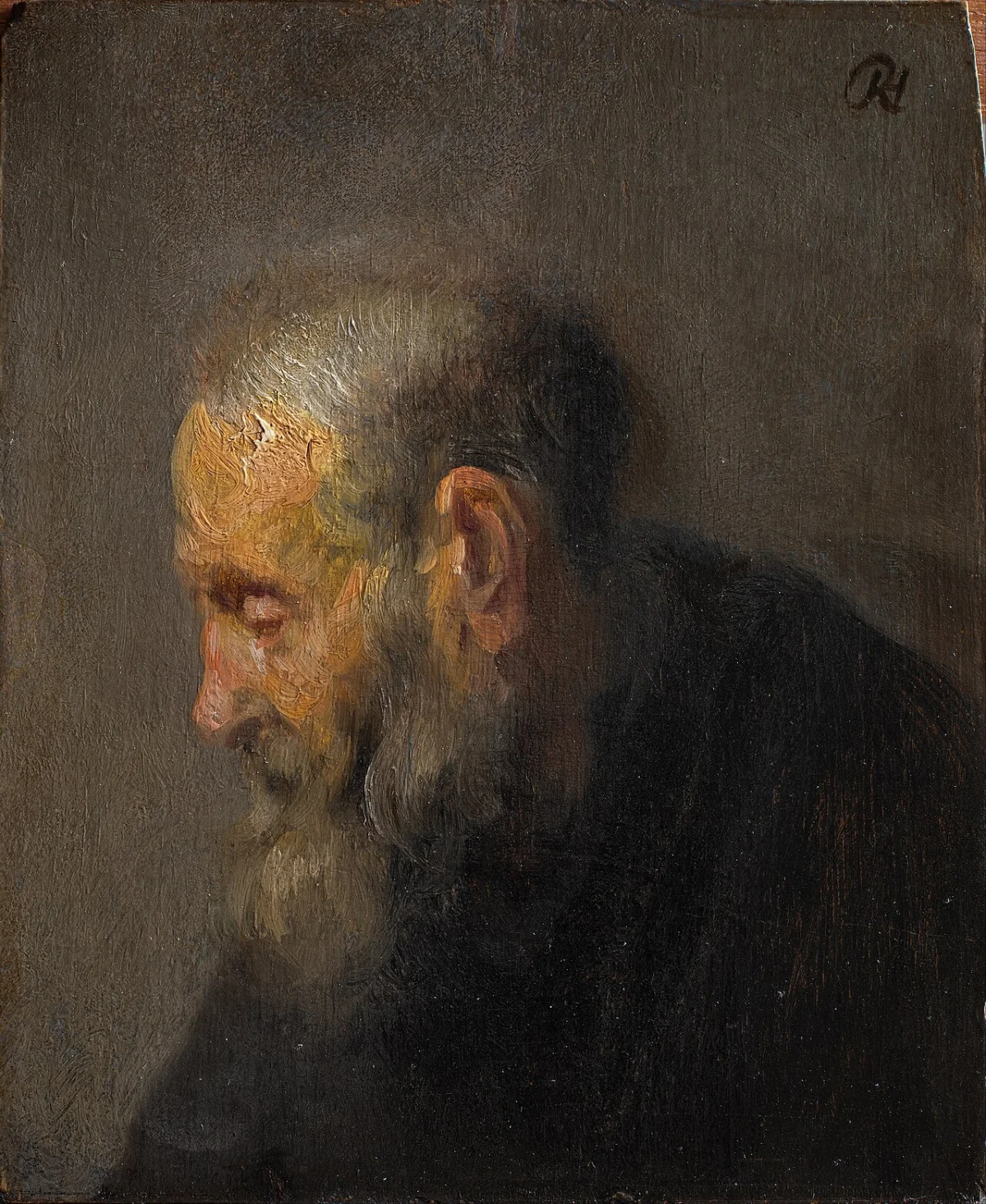
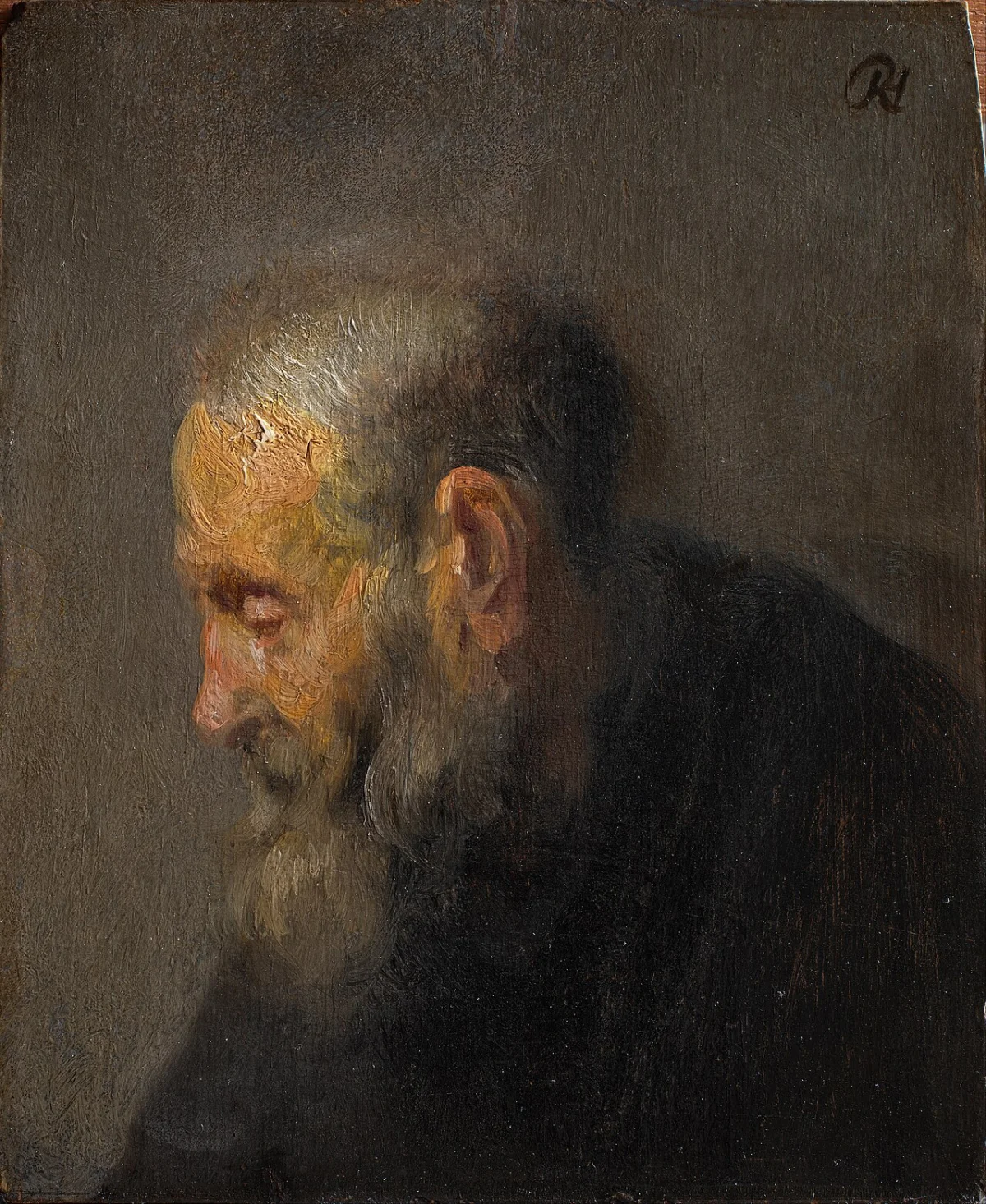
Rendered in exquisite oil on canvas, "Man’s Head in Profile" showcases Edwin Austin Abbey’s technical prowess and command over his medium. Each brushstroke demonstrates the artist’s dedication to realism and form, hallmarks of the Aestheticism movement. This painting stands alongside Abbey’s other celebrated works like "Study for Shakespeare" and "Sketch for mural decoration," offering viewers a glimpse into the masterful techniques that define his enduring legacy in fine art.
Within "Man’s Head in Profile," Abbey weaves subtle narratives through expression and posture, inviting viewers to ponder the subject’s inner life. As a fine art painting for sale, it captures both the individual and universal, echoing themes found in related pieces such as "Study for Antony and Cleopatra" and "Study: Head of a woman for Sir Galahad." Each element is thoughtfully placed, embodying the Aestheticism movement’s emphasis on beauty and meaning in visual storytelling.
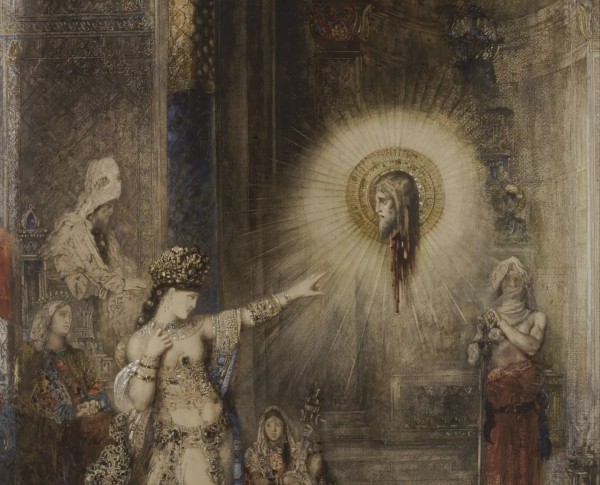
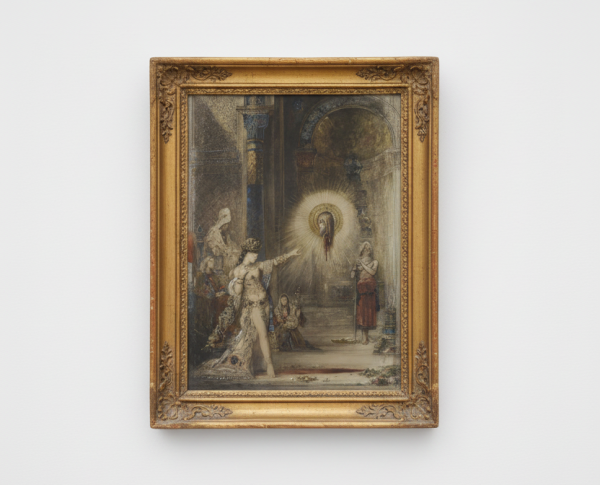
For those seeking a unique addition to their collection, "Man’s Head in Profile" by Edwin Austin Abbey stands out as a distinguished hand-painted oil painting. Its association with the Aestheticism movement and related works like "Study for Falstaff" and "The Apparition" enhances its value and appeal. Collectors and admirers of Abbey’s artistry will find this piece a true treasure, offering both historical significance and timeless beauty among fine art painting for sale.
When Art Meets History
"Man’s Head in Profile" by Edwin Austin Abbey stands as a testament to the Aestheticism movement, capturing a unique moment in art history. This hand-painted oil painting reflects Abbey’s dedication to beauty and form, echoing themes seen in related works like "Shipping on the Clyde" and "Quai de Paris." The painting’s emergence during the late 19th century highlights a period when artists sought to elevate visual pleasure, making it a significant piece for enthusiasts and historians alike.
Techniques That Speak
Edwin Austin Abbey’s mastery is evident in his use of oil on canvas, a medium favored for its depth and richness. In "Man’s Head in Profile," Abbey employs delicate brushwork and subtle shading—hallmarks of the Aestheticism movement. These techniques draw viewers into the sitter’s contemplative gaze, much like the atmospheric effects in "A House in a Clearing" and "Old English House by Moonlight." The artist’s attention to detail elevates this portrait to a true work of art.
Emotions on Display
The evocative expression captured in "Man’s Head in Profile" reveals Abbey’s ability to convey complex emotions through portraiture. This fine art painting for sale resonates with viewers, inviting them to ponder the subject’s inner world. Echoing the emotional depth found in "Liverpool from Wapping," Abbey’s work captures both vulnerability and strength, hallmarks of the Aestheticism movement. Collectors and admirers are drawn to the painting’s quiet intensity and timeless appeal.
Coveted by Collectors
As a celebrated example of Aestheticism, "Man’s Head in Profile" by Edwin Austin Abbey is highly sought after by art collectors. Its connection to other masterpieces like "Quai de Paris" and "Old English House by Moonlight" enhances its desirability. The hand-painted oil painting’s rarity and historical significance make it a prized addition to any collection, appealing to those who appreciate the enduring beauty and craftsmanship of Abbey’s work.
Related Aestheticism Hand-Painted Oil Paintings by Other Artists
Other Famous Aestheticism Artists:
Frequently Asked Questions About Man’s Head in Profile
What is the historical context of "Man’s Head in Profile"?
"Man’s Head in Profile" was created during the late 19th century, a period marked by significant artistic experimentation and the rise of modernism. Edwin Austin Abbey was known for his contributions to illustration and painting, often reflecting the cultural shifts of his time.
What artistic techniques did Edwin Austin Abbey use in this painting?
Abbey employed a combination of traditional painting techniques and innovative approaches, utilizing oil on canvas to create depth and texture. His use of light and shadow enhances the three-dimensional quality of the subject's profile.
What themes are explored in "Man’s Head in Profile"?
The painting explores themes of identity and introspection. The profile view invites viewers to contemplate the inner thoughts and emotions of the subject, suggesting a narrative beyond the visual representation.
How does "Man’s Head in Profile" reflect the artistic style of its time?
The painting reflects the transition from traditional realism to a more expressive style, characteristic of the late 19th century. Abbey's work embodies the influence of the Pre-Raphaelite movement, emphasizing detail and emotional depth.
What symbolic elements are present in the painting?
The profile view itself can symbolize contemplation and self-reflection. Additionally, the choice of colors and the expression of the subject may convey deeper emotional or psychological states, inviting interpretation.
In what ways did Edwin Austin Abbey's background influence this artwork?
Abbey's background in illustration and his exposure to various artistic movements greatly influenced his approach to painting. His ability to blend narrative with visual art is evident in "Man’s Head in Profile," showcasing his skill in storytelling through imagery.
What is the significance of the profile view in portraiture?
The profile view has a long-standing tradition in portraiture, often used to emphasize the subject's character and individuality. It allows for a unique perspective that can reveal aspects of personality and emotion that frontal views may not capture.
How does "Man’s Head in Profile" compare to Abbey's other works?
This painting stands out among Abbey's oeuvre for its focus on the human form and psychological depth. While many of his works include narrative elements, this piece is more introspective, highlighting his versatility as an artist.
What impact did "Man’s Head in Profile" have on later artists?
The painting's exploration of emotional depth and character influenced subsequent generations of artists who sought to incorporate psychological elements into their work. Abbey's innovative techniques and thematic focus paved the way for modern portraiture.
Where can I view "Man’s Head in Profile" today?
"Man’s Head in Profile" is part of the collection at [Gallery Name]. Visitors can view this artwork in the [specific exhibition or section] dedicated to the works of Edwin Austin Abbey and his contemporaries.






















_GFM_Painting_(1).webp)


 100% Hand-Painted: Finished in 3-6 Weeks

.png)















_(1).webp)