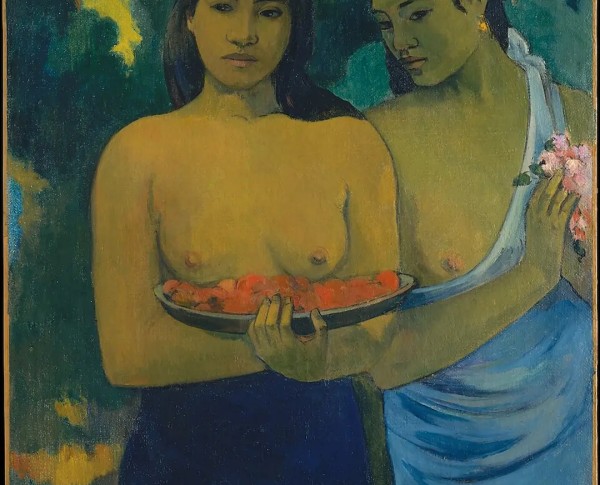
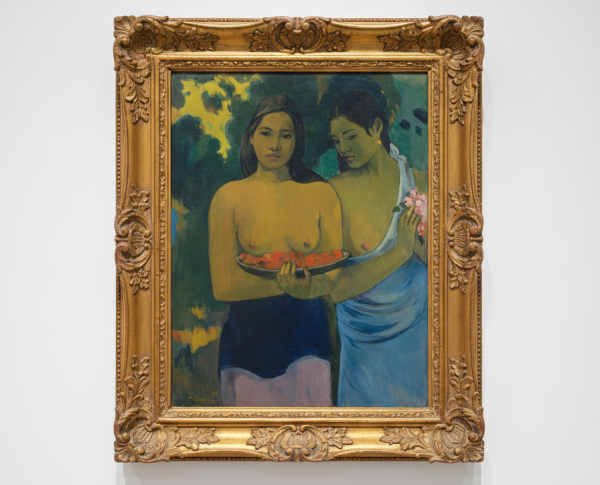
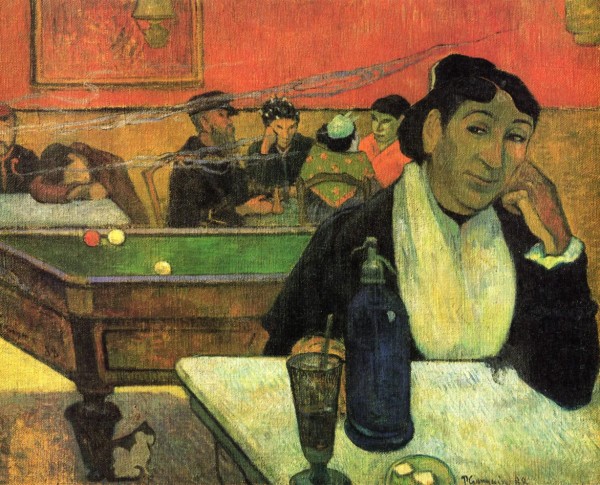
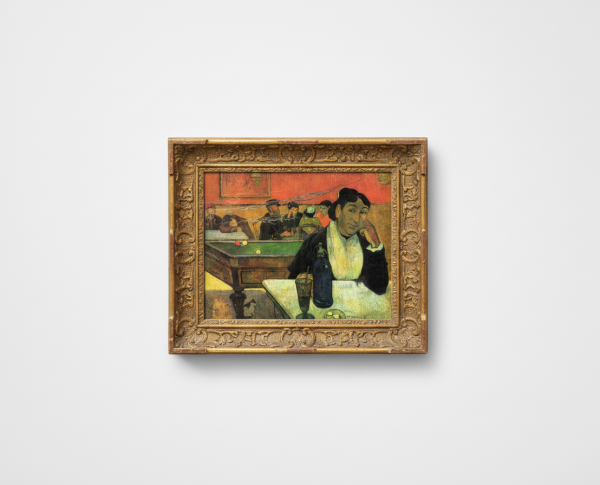
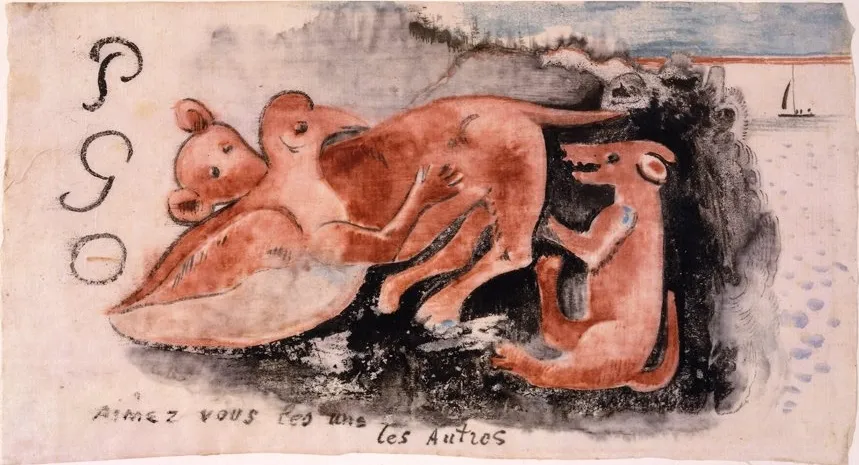
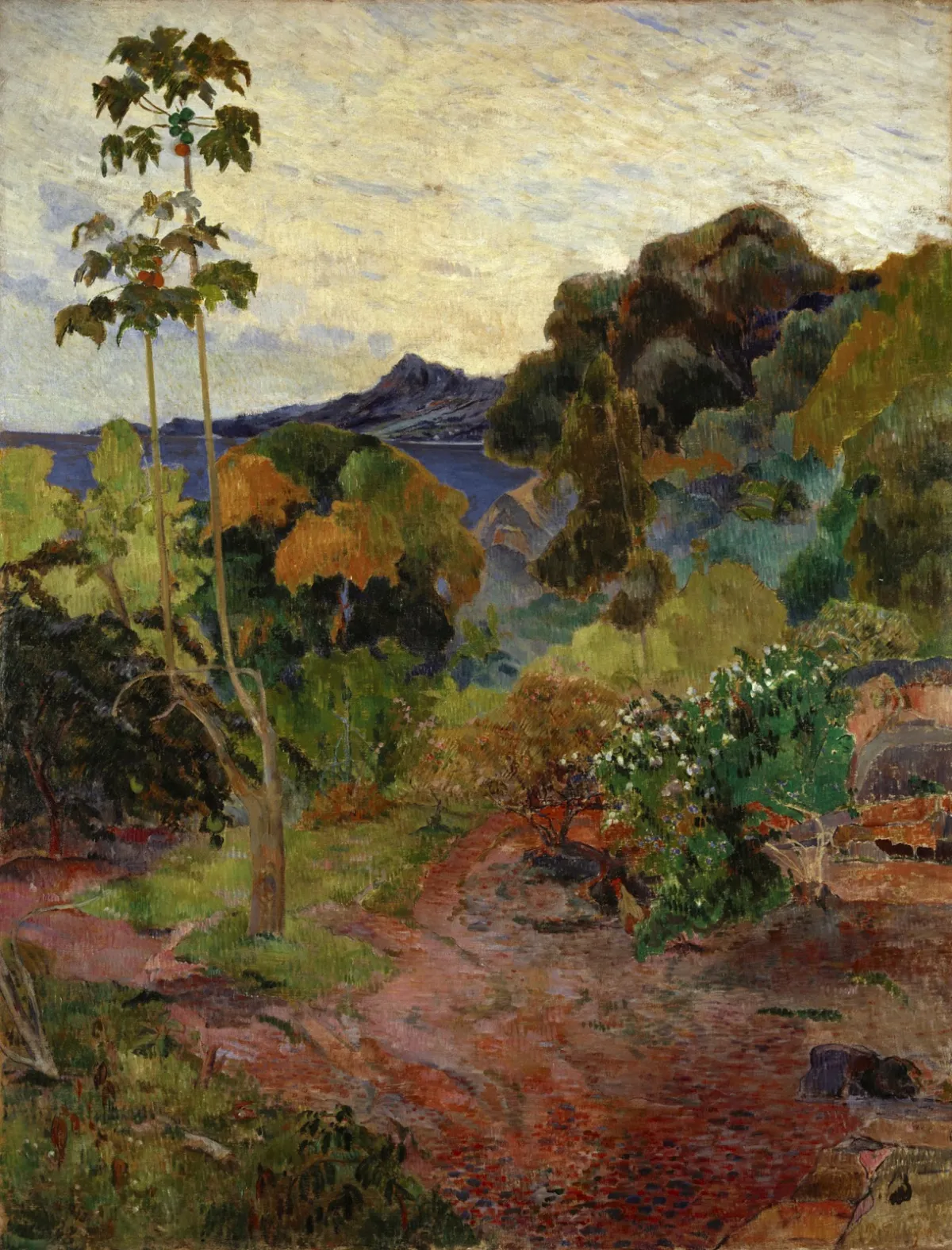
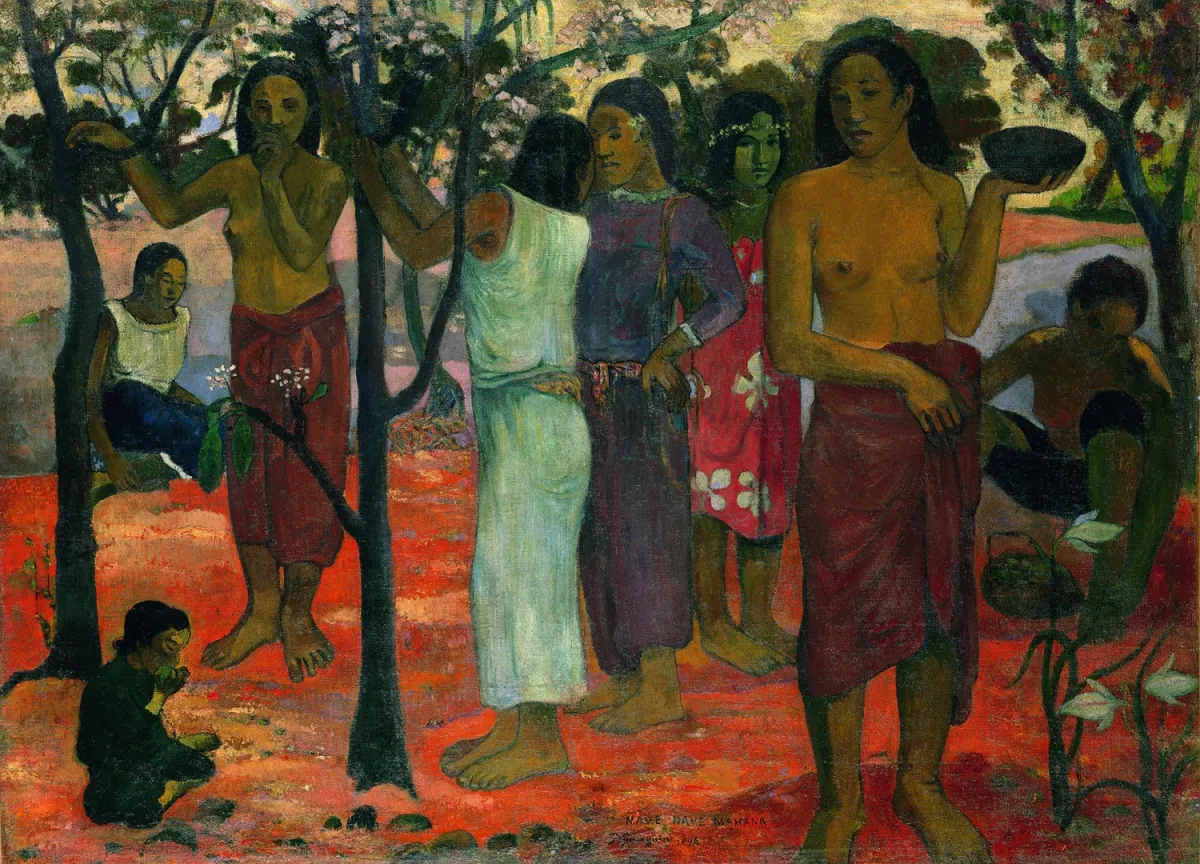
Paul Gauguin’s brushwork in "Love Each Other" demonstrates his exceptional skill with oil on canvas. The vibrant colors and bold forms are characteristic of his Post-Impressionism approach, echoing the expressive techniques seen in "Manaò tupapaú" and "Martinique Landscape." Each stroke reveals Gauguin’s mastery and his ability to convey deep emotion. This oil on canvas masterpiece is a testament to the artist’s innovative spirit and the enduring appeal of his unique visual language.
"Love Each Other" is more than a fine art painting for sale—it is a narrative woven with symbolism and cultural references. Paul Gauguin often infused his paintings with meanings drawn from his travels and personal experiences, as seen in works like "Exotic Eve" and "Where Do We Come From? What Are We? Where Are We Going?" This Post-Impressionism piece invites viewers to interpret the relationships and emotions depicted, making it both visually captivating and intellectually engaging.
For collectors seeking a hand-painted oil painting that embodies both historical significance and artistic excellence, "Love Each Other" by Paul Gauguin is an ideal choice. As part of the celebrated Post-Impressionism movement, this artwork stands alongside related products like "Parahi te marae" and "Manaò tupapaú." Owning such a piece not only connects you to Gauguin’s creative genius but also enhances your collection with a timeless work of art.
When Art Meets History
"Love Each Other" by Paul Gauguin stands as a testament to the transformative era of Post-Impressionism. Painted during a time when artists sought to break free from traditional techniques, this hand-painted oil painting captures the spirit of innovation. Gauguin, alongside contemporaries like Van Gogh, explored new ways to express emotion and symbolism. Similar works, such as "Skull With Burning Cigarette" and "Still Life with Beer Mug and Fruit," reflect the historical shift toward personal vision and creative freedom.
Techniques That Speak
Paul Gauguin’s mastery of oil on canvas is evident in "Love Each Other." Utilizing bold colors and expressive brushwork, he creates depth and emotion that draw the viewer in. The painting’s textured surface and layered pigments are hallmarks of Post-Impressionism, paralleling techniques found in "The White Orchard" and "Mulberry Tree." Gauguin’s approach to oil on canvas continues to inspire artists and collectors, making his works highly sought after in the art world.
Emotions on Display
"Love Each Other" radiates emotional intensity, a signature trait of Gauguin’s fine art painting for sale. Through vibrant hues and dynamic composition, Gauguin conveys themes of connection and human experience. The painting’s emotional resonance is reminiscent of his other works, such as "Town d'Avray: L'Etang au Batelier," where feeling takes precedence over realism. This focus on inner life defines Post-Impressionism, inviting viewers to reflect on their own emotions and relationships.
Coveted by Collectors
As a remarkable example of Post-Impressionist art, "Love Each Other" by Paul Gauguin is highly coveted by collectors worldwide. Its status as a hand-painted oil painting adds to its allure, much like related masterpieces such as "Skull With Burning Cigarette" and "Mulberry Tree." The painting’s provenance and artistic significance ensure its place among the most desirable fine art painting for sale, appealing to those who appreciate both historical context and timeless beauty.
Related Post-Impressionism Hand-Painted Oil Paintings by Other Artists
Other Famous Post-Impressionism Artists:
Frequently Asked Questions About Love Each Other
What is the historical context of "Love Each Other"?
"Love Each Other" was created by Paul Gauguin in 1889 during his time in Tahiti, a period marked by his exploration of themes related to love, spirituality, and the natural world. This painting reflects his desire to escape European civilization and immerse himself in what he perceived as a more authentic and primitive culture.
What artistic techniques did Gauguin use in "Love Each Other"?
Gauguin employed bold colors, simplified forms, and strong outlines in "Love Each Other." His use of flat areas of color and lack of perspective creates a two-dimensional effect that emphasizes the emotional content of the piece rather than realistic representation.
What themes are explored in "Love Each Other"?
The painting explores themes of love, connection, and the idealization of relationships. It captures the essence of human affection and the importance of community, reflecting Gauguin's fascination with the emotional bonds between individuals.
How does "Love Each Other" reflect Gauguin's artistic philosophy?
Gauguin believed in the power of art to convey deeper truths beyond mere representation. In "Love Each Other," he seeks to express the universal nature of love and the spiritual connections between people, aligning with his Symbolist approach that prioritizes emotion over realism.
What symbols are present in "Love Each Other"?
The figures in the painting are often interpreted as symbols of unity and harmony. The intertwining forms suggest a deep emotional bond, while the vibrant colors symbolize passion and vitality, reinforcing the theme of love as a fundamental human experience.
How does the composition of "Love Each Other" contribute to its meaning?
The composition features two figures closely intertwined, creating a sense of intimacy and connection. This arrangement draws the viewer's eye to the central theme of love, emphasizing the relationship between the subjects and inviting contemplation of their emotional state.
What influences can be seen in "Love Each Other"?
Gauguin's time in Tahiti greatly influenced "Love Each Other," as he incorporated elements of Polynesian culture and aesthetics. The use of local motifs and the depiction of Tahitian life reflect his admiration for the island's natural beauty and cultural richness.
How does "Love Each Other" fit into Gauguin's body of work?
This painting is a significant example of Gauguin's later works, showcasing his shift towards Symbolism and his exploration of emotional depth. It aligns with his broader artistic goals of transcending traditional European art forms and embracing a more expressive and personal style.
What impact did "Love Each Other" have on modern art?
"Love Each Other" has been influential in the development of modern art, particularly in its emphasis on emotional expression and the use of color. Gauguin's approach paved the way for later movements such as Expressionism and Fauvism, which similarly prioritized emotional resonance over realistic depiction.
What is the significance of the title "Love Each Other"?
The title "Love Each Other" encapsulates the central theme of the painting, emphasizing the importance of love and connection in human relationships. It serves as a reminder of the universal nature of affection and the need for compassion in society.






















_GFM_Painting_(1).webp)


 100% Hand-Painted: Finished in 3-6 Weeks

.png)















_(1).webp)