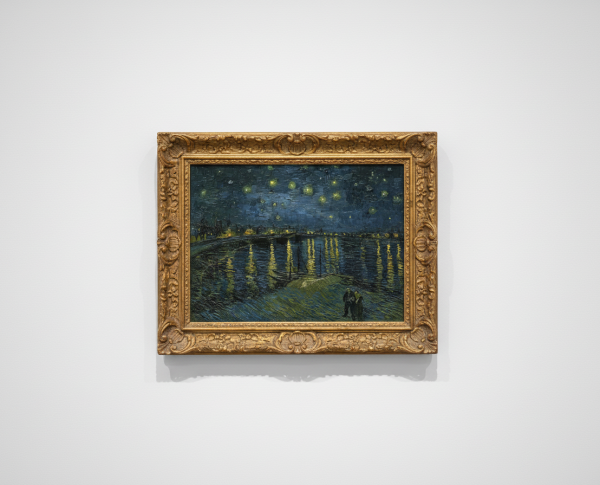
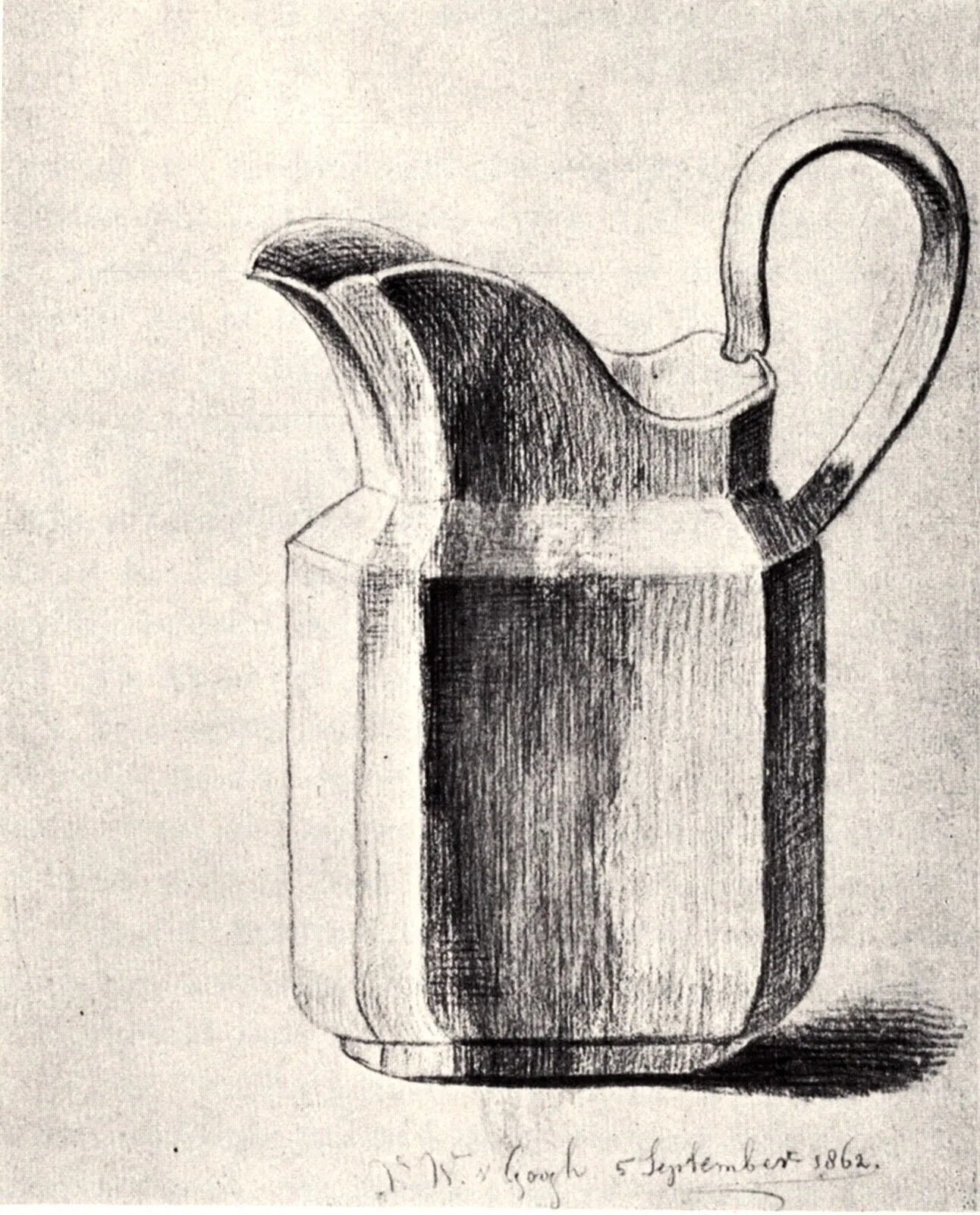
In "Milk Jug," Van Gogh’s mastery of oil on canvas is evident through his bold use of texture and color. The painting’s dynamic brushstrokes and rich palette reflect the artist’s emotional intensity, characteristic of Post-Impressionism. This technique links "Milk Jug" to other iconic works like "Drawbridge in Nieuw-Amsterdam" and "Vase With Twelve Sunflowers II," allowing collectors to appreciate the true skill behind each oil on canvas masterpiece.
"Milk Jug" by Vincent Van Gogh invites viewers to explore layers of meaning within a simple domestic object. As with "Skull With Burning Cigarette" and "The Night Café," Van Gogh transforms everyday scenes into profound statements. This hand-painted oil painting embodies the symbolic richness of Post-Impressionism, encouraging art enthusiasts to delve into the stories behind each brushstroke and consider adding such a fine art painting for sale to their collection.
Owning "Milk Jug" is akin to possessing a piece of art history. This oil on canvas by Vincent Van Gogh not only enhances any collection but also connects collectors with the spirit of the Post-Impressionism movement. Related products such as "Vase With Twelve Sunflowers II" and "The Red Vineyard" complement "Milk Jug," making it a coveted fine art painting for sale for those who appreciate Van Gogh’s genius and wish to invest in timeless beauty.
When Art Meets History
"Milk Jug" by Vincent Van Gogh is a remarkable hand-painted oil painting that encapsulates the spirit of the Post-Impressionism movement. Created during an era of artistic revolution, this piece reflects Van Gogh's fascination with everyday objects. Similar to masterpieces like "Te Poipoi" and "A Sunday Afternoon on the Island of La Grande Jatte," "Milk Jug" bridges the gap between historical context and personal expression, making it a significant work in the timeline of fine art.
Techniques That Speak
Vincent Van Gogh’s "Milk Jug" exemplifies his innovative oil on canvas technique, featuring bold brushstrokes and vibrant color palettes. The painting’s textured layers and dynamic lines are hallmarks of Post-Impressionism, echoing the energy found in works like "Morning Mist on the Orwell" and "Nave Nave Mahana." Van Gogh’s mastery of oil on canvas allows each element of "Milk Jug" to radiate with life, demonstrating his unique contribution to the art world.
Emotions on Display
Every stroke in Van Gogh’s "Milk Jug" evokes emotion, revealing the artist’s deep connection to his subject. This fine art painting for sale captures a sense of solitude and contemplation, inviting viewers to reflect on the beauty of ordinary life. The emotional resonance is reminiscent of Van Gogh’s other works and related paintings such as "On Deeside," where mood and atmosphere play central roles in the viewing experience.
Coveted by Collectors
"Milk Jug" stands as a sought-after hand-painted oil painting among collectors, admired for its historical significance and artistic mastery. As an important piece in the Post-Impressionism movement, it is often compared with related works like "Te Poipoi" and "Nave Nave Mahana." Vincent Van Gogh’s enduring legacy ensures that "Milk Jug" remains a prized acquisition for those seeking an exceptional fine art painting for sale.
Related Post-Impressionism Hand-Painted Oil Paintings by Other Artists
Other Famous Post-Impressionism Artists:
Frequently Asked Questions About Milk Jug
What is the historical context of Vincent Van Gogh's "Milk Jug"?
"Milk Jug" was painted in 1888 during Van Gogh's time in Arles, France, a period marked by his pursuit of color and light, as well as his desire to create a vibrant community of artists.
What artistic techniques did Van Gogh employ in "Milk Jug"?
Van Gogh utilized bold brushstrokes and a vibrant color palette to convey emotion and depth. The impasto technique, where paint is applied thickly, adds texture and dimension to the work.
What does the milk jug symbolize in the painting?
The milk jug can be interpreted as a symbol of nourishment and domesticity, reflecting Van Gogh's interest in everyday objects and their significance in daily life.
How does "Milk Jug" reflect Van Gogh's artistic style?
The painting exemplifies Van Gogh's post-impressionist style, characterized by expressive color, emotive brushwork, and an emphasis on personal interpretation over realistic representation.
What influences can be seen in "Milk Jug"?
Van Gogh was influenced by Japanese woodblock prints, which is evident in the composition and the use of flat areas of color, as well as the emphasis on everyday subjects.
How does the color palette contribute to the painting's mood?
The warm yellows and earthy tones create a sense of warmth and comfort, evoking feelings of homeliness and tranquility, which are central themes in Van Gogh's work.
What is the significance of the setting in "Milk Jug"?
The simple setting emphasizes the beauty of ordinary life, showcasing Van Gogh's ability to find inspiration in the mundane and elevate it to an art form.
In what way does "Milk Jug" reflect Van Gogh's emotional state?
The painting reflects Van Gogh's complex emotional landscape, with its vibrant colors and dynamic brushwork suggesting both a sense of joy and underlying turmoil during his life.
How does "Milk Jug" fit into Van Gogh's broader body of work?
"Milk Jug" is part of a series of still lifes that showcase Van Gogh's fascination with color and form, illustrating his evolution as an artist and his commitment to exploring the beauty of everyday objects.
What impact did "Milk Jug" have on future artists?
The painting has influenced countless artists by demonstrating the power of color and emotion in still life, paving the way for modern interpretations of everyday subjects in art.






















_GFM_Painting_(1).webp)


 100% Hand-Painted: Finished in 3-6 Weeks

.png)
















_(1).webp)