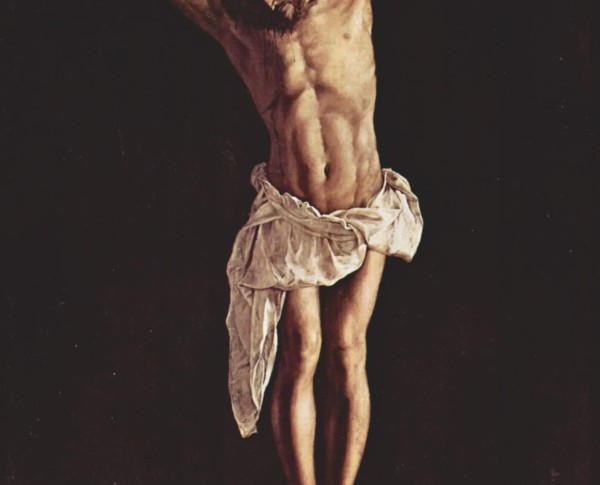
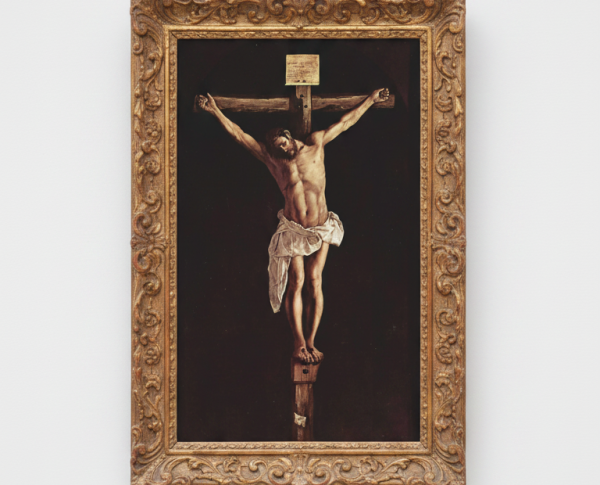
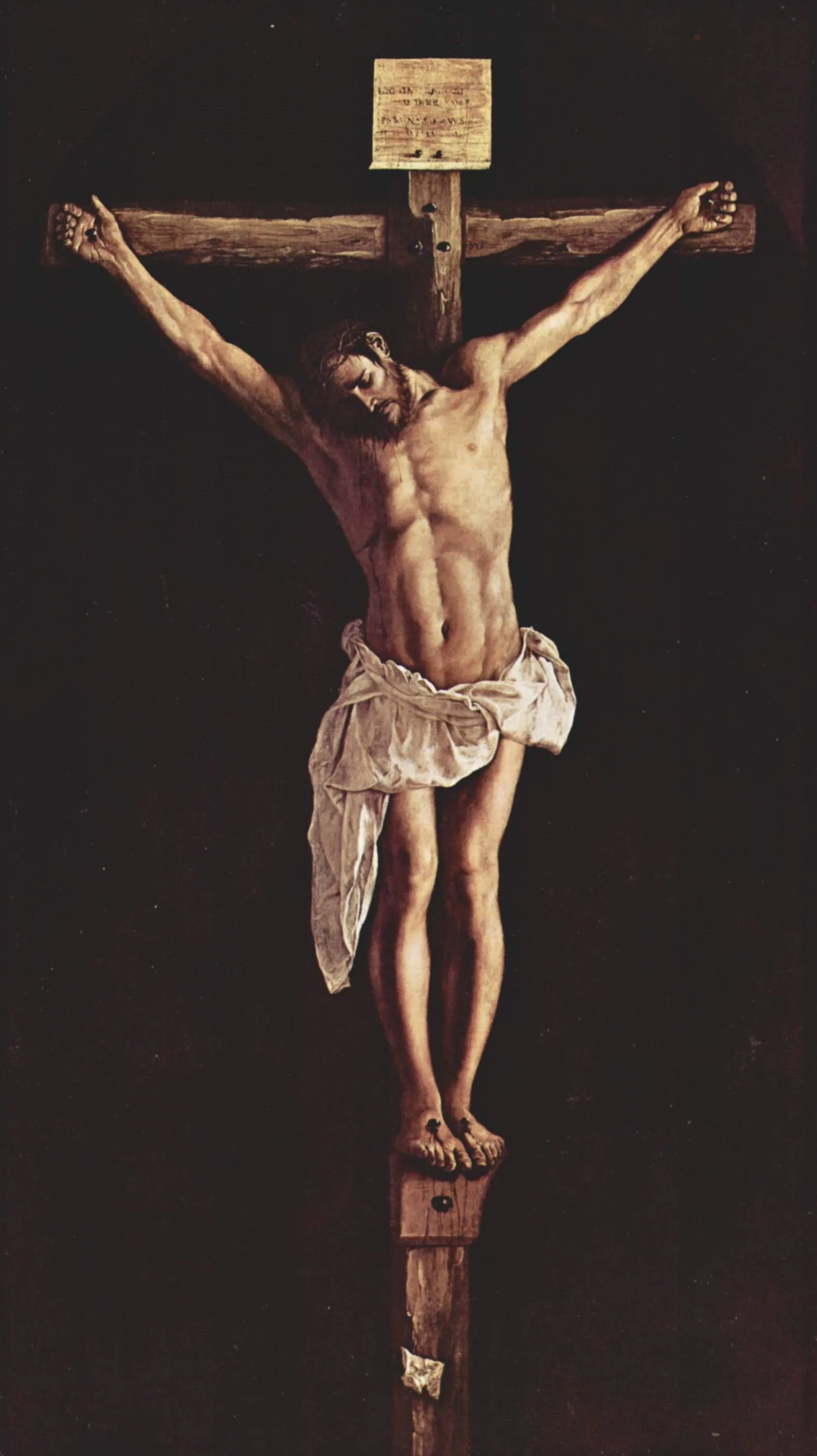
Francisco de Zurbaran’s "Christ on the Cross" showcases unparalleled technique and detail, emblematic of the Baroque era’s devotion to realism and drama. The artist’s use of oil on canvas allows for subtle gradations of light and shadow, enhancing the figure’s lifelike presence. Each brushstroke reveals Zurbaran’s mastery, elevating this work among the most revered oil on canvas creations. Such dedication to craft continues to inspire artists and collectors in search of authentic Baroque artistry.
In "Christ on the Cross," Francisco de Zurbaran weaves profound religious symbolism into his fine art painting for sale. The somber background and dramatic lighting draw focus to Christ, emphasizing themes of sacrifice and redemption central to the Baroque movement. Each element within the composition tells a story, inviting viewers to contemplate deeper meanings. Art historians and collectors value this painting not only for its beauty but also for the rich narratives embedded within its details.
For those seeking a remarkable addition to their collection, Francisco de Zurbaran’s "Christ on the Cross" represents an exquisite fine art painting for sale. As a celebrated work of the Baroque period, it appeals to collectors who appreciate both historical significance and artistic mastery. Owning such a piece connects one to the legacy of Zurbaran and the evocative power of Baroque oil painting, making it a prized acquisition for any discerning art enthusiast.
When Art Meets History
"Christ on the Cross" by Francisco de Zurbaran stands as a testament to the Baroque movement’s influence on religious art. Painted during a time of deep spiritual reflection in 17th-century Spain, this hand-painted oil painting captures the era’s devotion and grandeur. Zurbaran’s masterpiece shares historical significance with related paintings like "Penitent Magdalene" and "Cardsharps," each reflecting the period’s intense emotional and religious undertones that continue to captivate art lovers and historians alike.
Techniques That Speak
Francisco de Zurbaran’s "Christ on the Cross" exemplifies the Baroque style’s dramatic use of light and shadow, known as chiaroscuro. This oil on canvas highlights the artist’s meticulous brushwork and attention to anatomical detail, making the figure of Christ appear both lifelike and ethereal. Similar techniques are seen in related works such as "Boy Bitten by a Lizard" and "The Lute Player," showcasing the era’s mastery of realism and depth in every stroke.
Emotions on Display
The emotional intensity of "Christ on the Cross" is palpable, with Zurbaran’s composition evoking themes of sacrifice, suffering, and redemption. This fine art painting for sale draws viewers into a moment of solemn reflection, much like the evocative expressions found in "Basket of Fruit" and "Penitent Magdalene." Through subtle nuances in Christ’s face and posture, the artist connects the viewer to the profound spiritual message at the heart of the Baroque movement.
Coveted by Collectors
Collectors and museums highly value "Christ on the Cross" for its historical significance and masterful execution as a hand-painted oil painting. Francisco de Zurbaran’s reputation in the Baroque movement ensures that works like this, along with related paintings such as "Cardsharps" and "The Lute Player," remain sought-after pieces in the art world. Their timeless appeal and emotional depth make them essential additions to any serious fine art collection.
Related Baroque Hand-Painted Oil Paintings by Other Artists
Other Famous Baroque Artists:
Frequently Asked Questions About Christ on the Cross
What is the historical context of "Christ on the Cross" by Francisco de Zurbaran?
"Christ on the Cross" was painted during the Baroque period in the 17th century, a time characterized by dramatic expression and religious fervor. Zurbaran created this work in a context where Catholic art was used to convey religious themes and inspire devotion, particularly during the Counter-Reformation.
What artistic techniques did Zurbaran employ in this painting?
Zurbaran is known for his mastery of chiaroscuro, the use of strong contrasts between light and dark. In "Christ on the Cross," he skillfully highlights the figure of Christ against a dark background, enhancing the emotional impact and drawing the viewer's focus to the central figure.
What symbolism is present in "Christ on the Cross"?
The crucifixion of Christ symbolizes sacrifice, redemption, and the profound suffering endured for humanity's sins. The positioning of Christ's body, along with the use of light, conveys both anguish and divine grace, inviting contemplation of the themes of suffering and salvation.
How does "Christ on the Cross" reflect Baroque artistic principles?
This painting exemplifies Baroque principles through its dramatic composition, emotional intensity, and realistic detail. The focus on human emotion and the spiritual experience of suffering aligns with the Baroque aim to engage viewers on a personal level.
What materials and techniques were used in the creation of this painting?
Zurbaran typically used oil on canvas for his works, allowing for rich color and depth. His technique involved layering glazes to achieve luminosity and texture, which is evident in the portrayal of Christ's skin and the intricate details of the crucifix.
What influence did Zurbaran's religious background have on "Christ on the Cross"?
Zurbaran was deeply influenced by his religious upbringing and the Catholic faith, which is reflected in his choice of subjects and the spiritual depth of his works. This painting serves as a visual meditation on Christ's sacrifice, embodying the artist's devotion and theological insights.
In what ways has "Christ on the Cross" been interpreted by art historians?
Art historians often interpret "Christ on the Cross" as a representation of the human condition, emphasizing themes of suffering and redemption. The painting is seen as a pivotal example of how art can convey complex theological ideas and evoke emotional responses from viewers.
How does the composition of "Christ on the Cross" enhance its thematic elements?
The composition, with Christ centrally positioned and the verticality of the cross, creates a powerful visual impact. This arrangement draws the viewer's eye upward, symbolizing the connection between the earthly and the divine, and reinforcing the theme of transcendence through suffering.
What role did "Christ on the Cross" play in the evolution of religious art?
"Christ on the Cross" is significant in the evolution of religious art as it reflects the shift towards more personal and emotional representations of biblical figures. This approach paved the way for future artists to explore the human experience of faith and spirituality in their works.
How has "Christ on the Cross" influenced contemporary art?
The themes and techniques present in "Christ on the Cross" continue to resonate in contemporary art. Modern artists often draw on Zurbaran's exploration of suffering and redemption, using similar motifs to address current social and spiritual issues, thereby keeping the dialogue around these themes alive.























_GFM_Painting_(1).webp)


 100% Hand-Painted: Finished in 3-6 Weeks

.png)















_(1).webp)