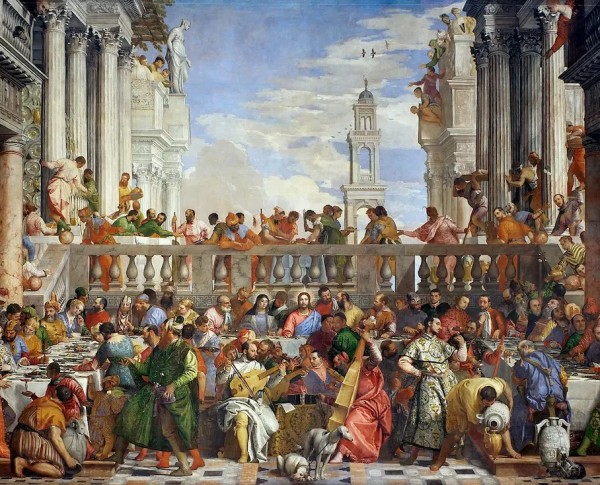
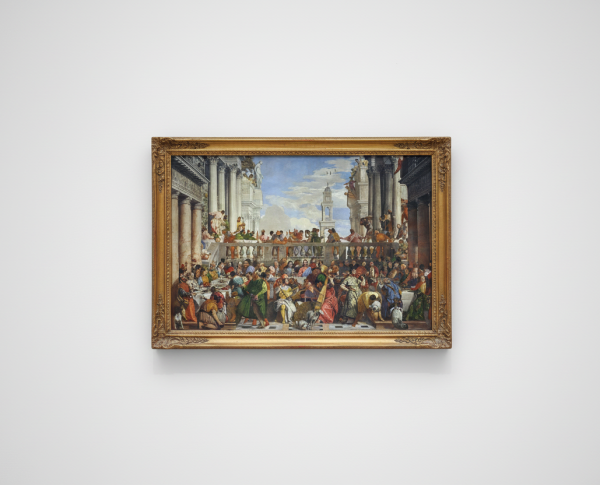
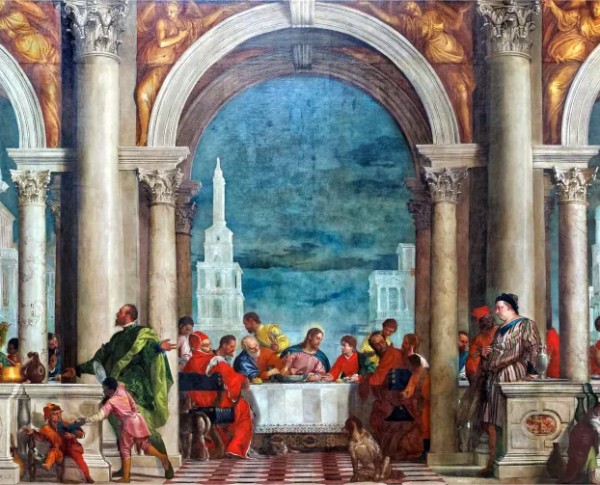
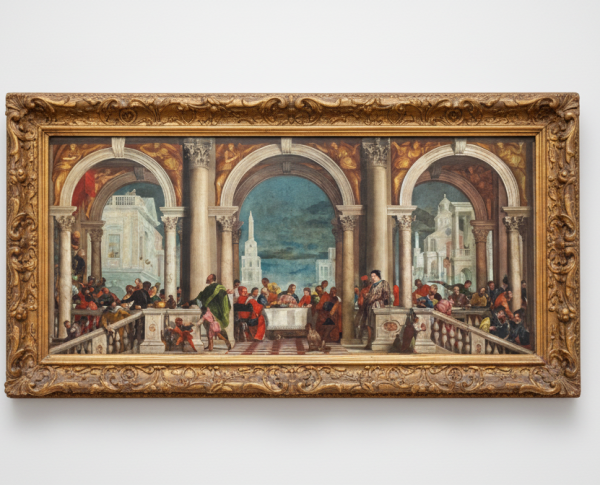
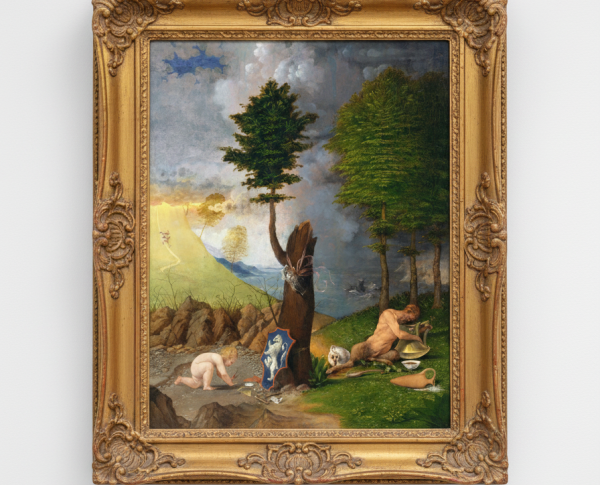
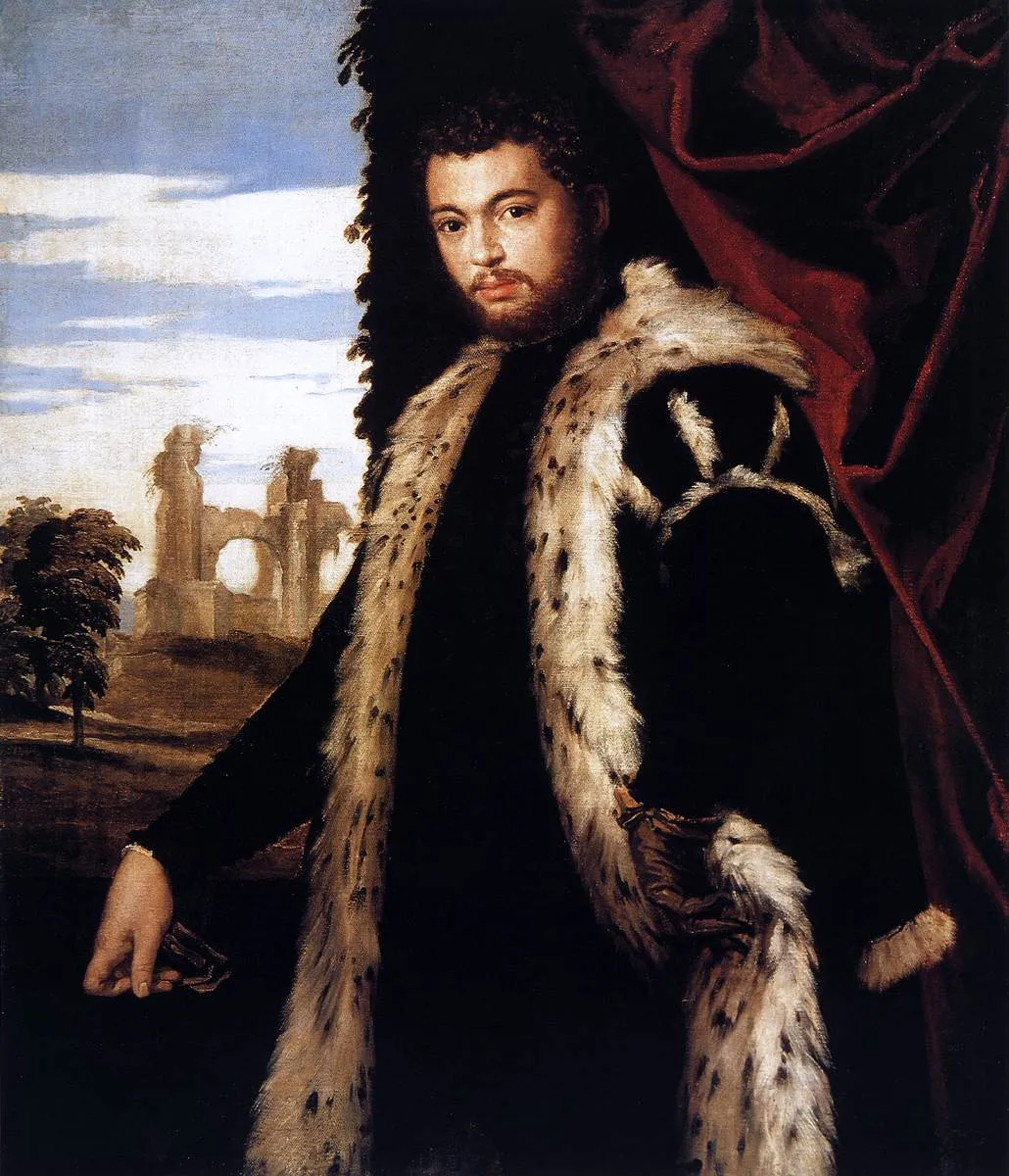
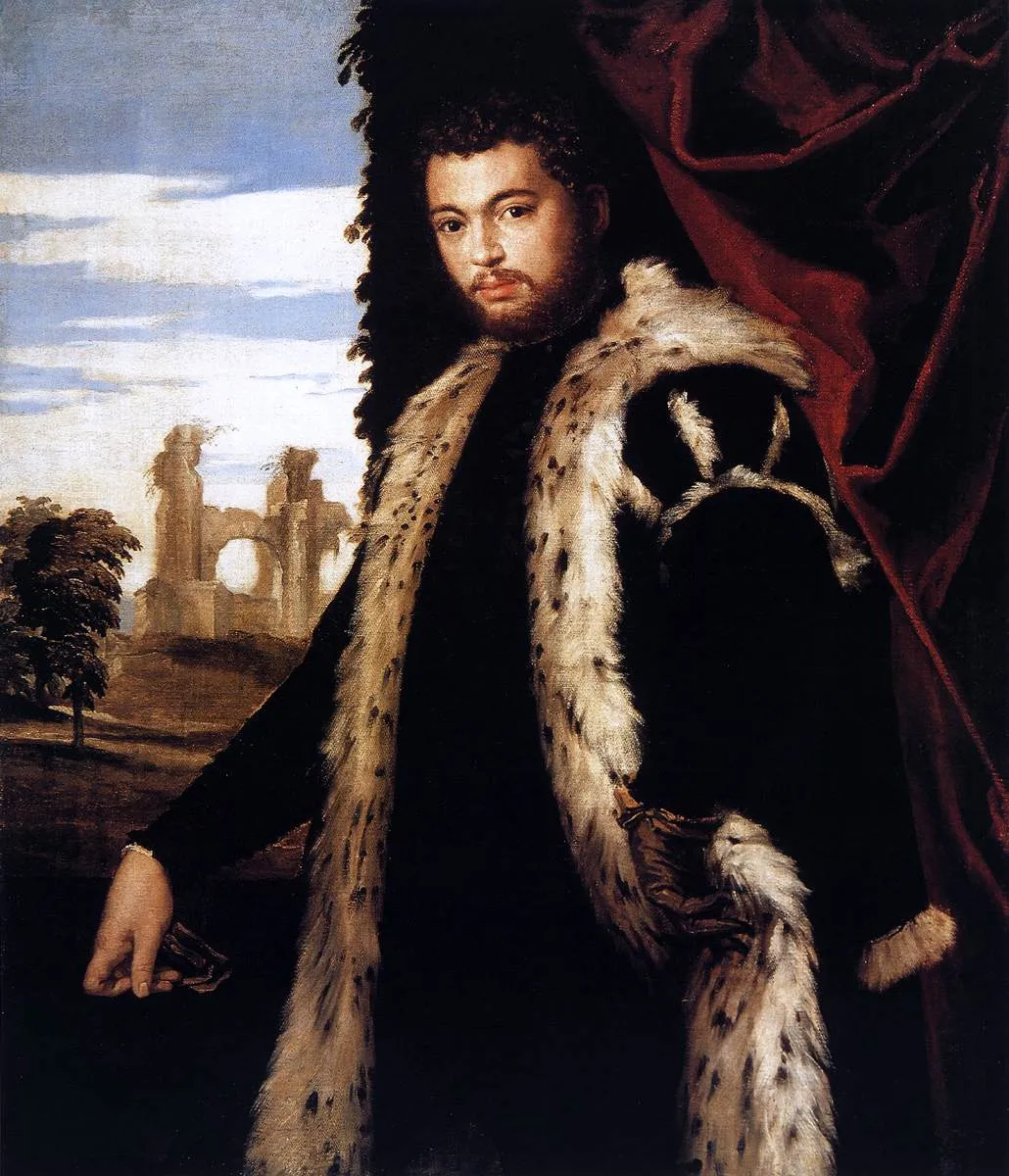
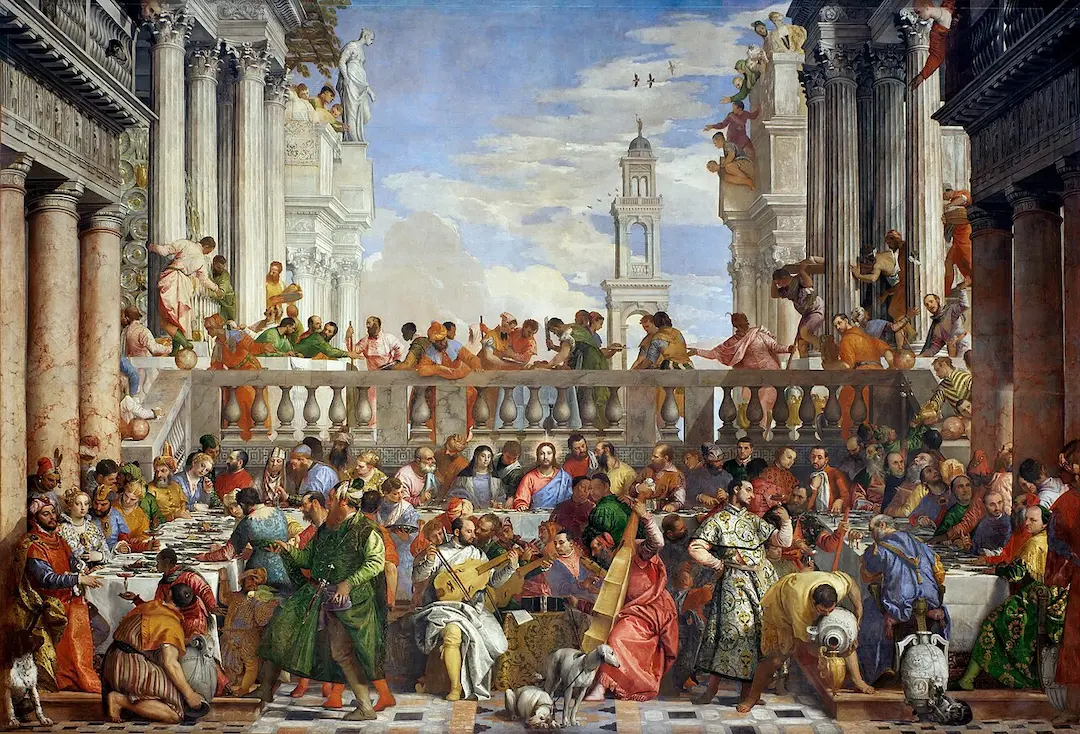
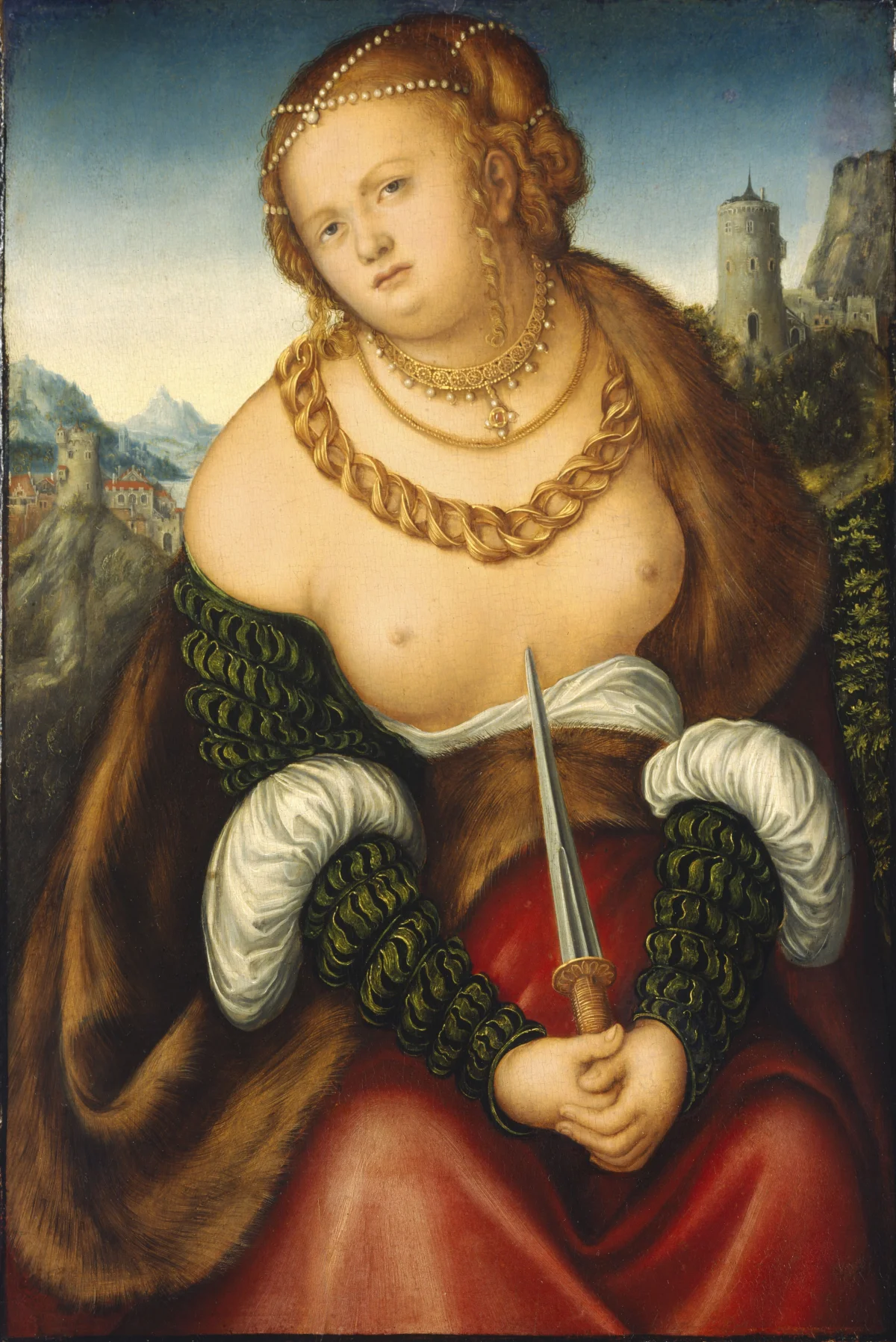
Paolo Veronese’s "Portrait of a Young Man Wearing Lynx Fur" demonstrates his expert use of oil on canvas, a hallmark of Renaissance painting. Veronese's meticulous attention to detail is evident in the lush textures of the lynx fur and the lifelike rendering of the sitter’s gaze. This oil on canvas masterpiece pairs beautifully with his other works, such as "Lucretia" and "The Marriage Feast at Cana, c.1562," making it a prized addition to any collection.
Within this fine art painting for sale, Veronese weaves subtle stories and Renaissance symbolism. The lynx fur, a rare and luxurious element, signifies status and sophistication, while the young man's expression hints at personal narrative. As with "Holy Family with Sts Anthony Abbot, Catherine and the Infant John the Baptist," Veronese’s paintings invite viewers to uncover hidden meanings and appreciate the depth of his Renaissance artistry.
"Portrait of a Young Man Wearing Lynx Fur" is a collector’s dream, representing the pinnacle of a hand-painted oil painting from the Renaissance. Paolo Veronese’s work continues to inspire admiration, much like his celebrated "Raising of the Daughter of Jairus." For those seeking a fine art painting for sale, this portrait offers timeless elegance and historical significance, making it an exceptional investment for art enthusiasts and collectors alike.
When Art Meets History
Paolo Veronese's "Portrait of a Young Man Wearing Lynx Fur" stands as a testament to the Renaissance era's fascination with individuality and status. This hand-painted oil painting captures not only the likeness of its subject but also the opulence of the time. Veronese, renowned for masterpieces like "Orpheus and Eurydice" and "Concert Champetre," imbued his portraits with historical significance, making each canvas a window into the world of Renaissance nobility and artistic achievement.
Techniques That Speak
Veronese’s mastery in oil on canvas is evident in this portrait, where delicate brushstrokes render lifelike textures and luxurious details, such as the lynx fur draped around the young man. His technique is comparable to that in "Mary with the Child and Saints" and "Portrait of Ariosto," showcasing his ability to handle light, shadow, and rich colors. The Renaissance movement’s emphasis on realism and depth is beautifully realized in this remarkable oil on canvas.
Emotions on Display
In "Portrait of a Young Man Wearing Lynx Fur," Paolo Veronese conveys a subtle interplay of pride and introspection, hallmarks of Renaissance portraiture. The subject’s composed gaze and the sumptuous fur hint at both personal ambition and social standing. Through this fine art painting for sale, viewers experience the emotional depth that Veronese also achieved in "Christ and the Adulteress," inviting contemplation about identity and emotion during the Renaissance.
Coveted by Collectors
As a prime example of Renaissance portraiture, this work by Paolo Veronese remains highly sought after by collectors worldwide. Its exquisite hand-painted oil painting technique and historical context make it a valuable addition to any collection. Alongside related paintings like "Concert Champetre" and "Portrait of Ariosto," "Portrait of a Young Man Wearing Lynx Fur" exemplifies the enduring appeal of Renaissance art and continues to captivate those searching for a distinguished fine art painting for sale.
Related Renaissance Hand-Painted Oil Paintings by Other Artists
Other Famous Renaissance Artists:
Frequently Asked Questions About Portrait of a Young Man Wearing Lynx Fur
What is the historical context of "Portrait of a Young Man Wearing Lynx Fur"?
This painting was created during the late Renaissance period, a time characterized by a renewed interest in classical antiquity and humanism. Veronese, an influential Venetian painter, was known for his vibrant colors and dramatic compositions, which reflect the artistic trends of the 16th century.
Who was Paolo Veronese, and what is his significance in art history?
Paolo Veronese (1528-1588) was a prominent Italian painter known for his grand historical and religious scenes. His work is celebrated for its rich color palette, intricate detail, and theatrical compositions. Veronese's contributions helped shape the Venetian school of painting, influencing generations of artists.
What materials and techniques did Veronese use in this painting?
Veronese typically employed oil on canvas for his portraits, allowing for a depth of color and texture. His technique often involved layering glazes to achieve luminosity, a hallmark of his style that enhances the realism and vibrancy of the subjects.
What does the lynx fur symbolize in this portrait?
The lynx fur worn by the young man signifies wealth and status, as fur garments were often associated with nobility during the Renaissance. It also reflects the subject's connection to nature and the exotic, which were popular themes in art of the time.
What can we infer about the identity of the young man in the portrait?
While the exact identity of the young man remains unknown, his attire and demeanor suggest he belonged to the upper echelons of society. The portrait may have served as a status symbol or a means of immortalizing his likeness for posterity.
How does Veronese's use of color contribute to the overall impact of the painting?
Veronese's masterful use of color creates a sense of vibrancy and life within the portrait. The rich, warm tones of the fur contrast with the cooler hues of the background, drawing the viewer's attention to the subject and enhancing the emotional resonance of the work.
What artistic influences can be seen in this work?
This painting reflects the influence of both Venetian and Mannerist styles. The emphasis on elegance and idealized beauty, along with the dramatic use of light and shadow, showcases Veronese's ability to blend these influences into a cohesive and captivating composition.
What role did portraiture play in Renaissance society?
Portraiture during the Renaissance served not only as a means of documenting individuals but also as a way to convey social status, power, and identity. Patrons commissioned portraits to assert their place in society and to celebrate their achievements, making them significant cultural artifacts.
How does this painting reflect the ideals of beauty during the Renaissance?
The portrayal of the young man embodies the Renaissance ideals of beauty, which emphasized proportion, harmony, and a naturalistic representation of the human form. Veronese's attention to detail and the graceful posture of the subject align with these aesthetic principles.
What is the significance of the background in this portrait?
The background of the painting is intentionally subdued, allowing the viewer to focus on the young man. This choice enhances the psychological depth of the portrait, inviting contemplation of the subject's character and the social context in which he existed.























_GFM_Painting_(1).webp)


 100% Hand-Painted: Finished in 3-6 Weeks

.png)















_(1).webp)