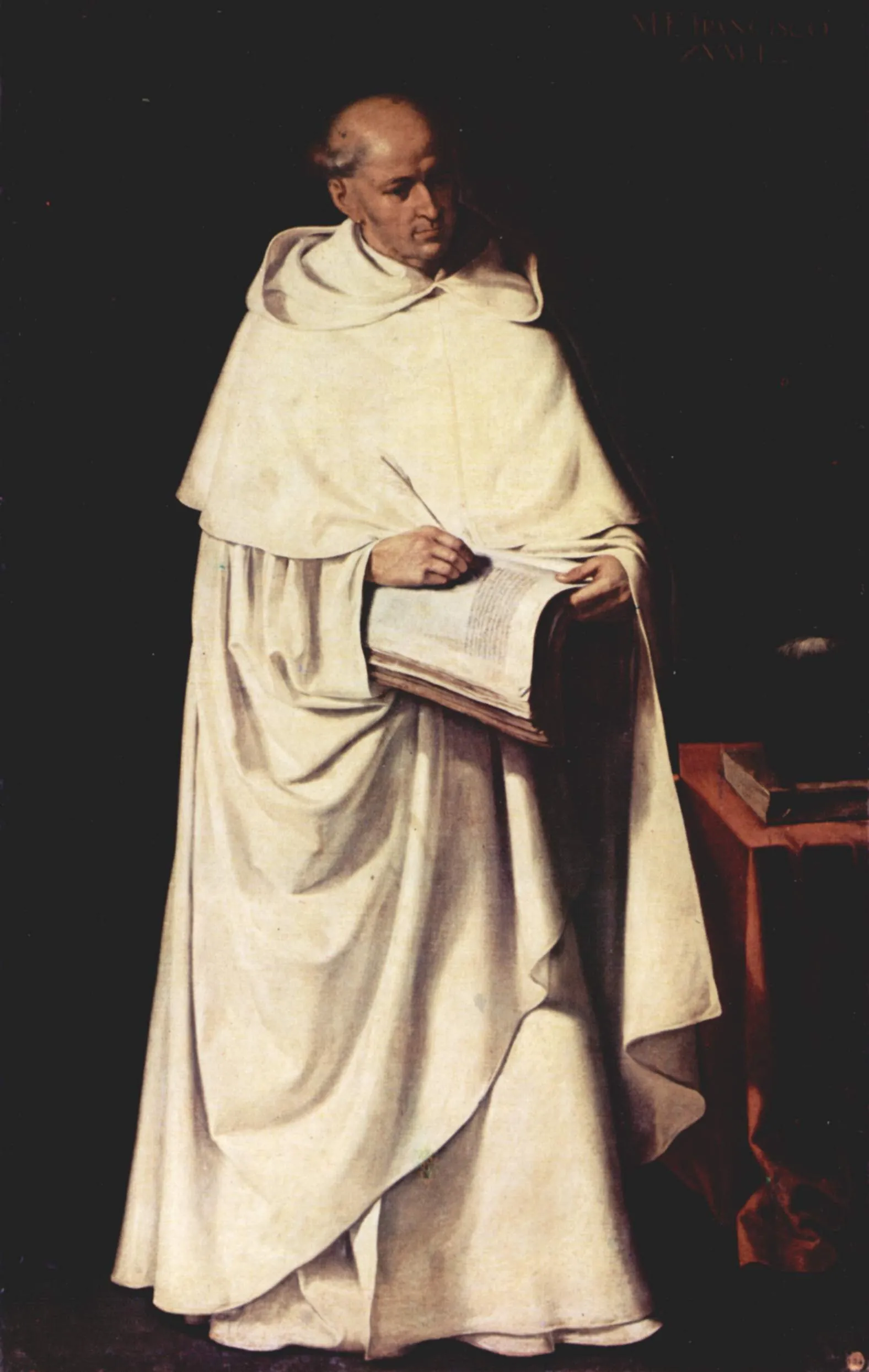
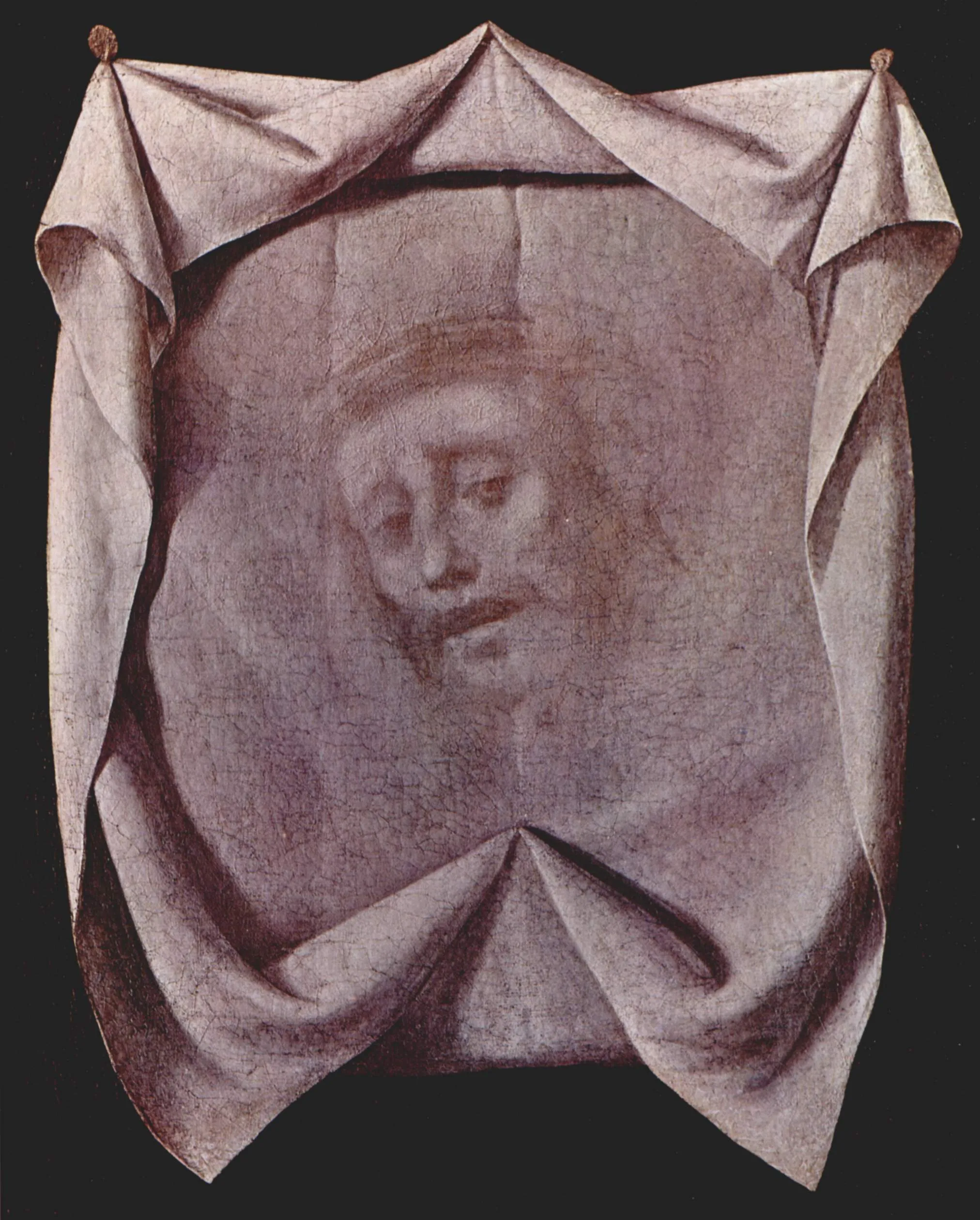
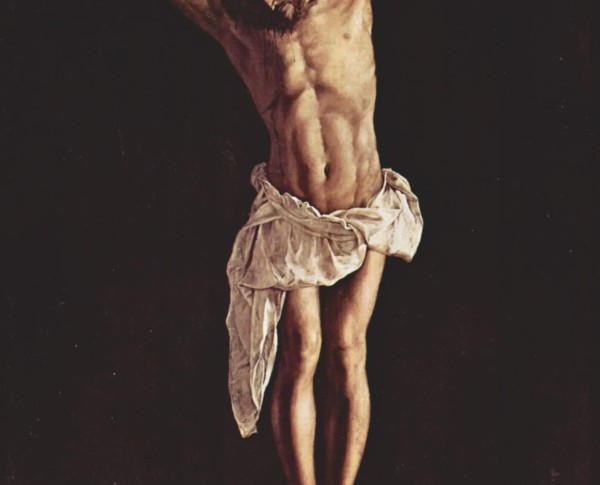
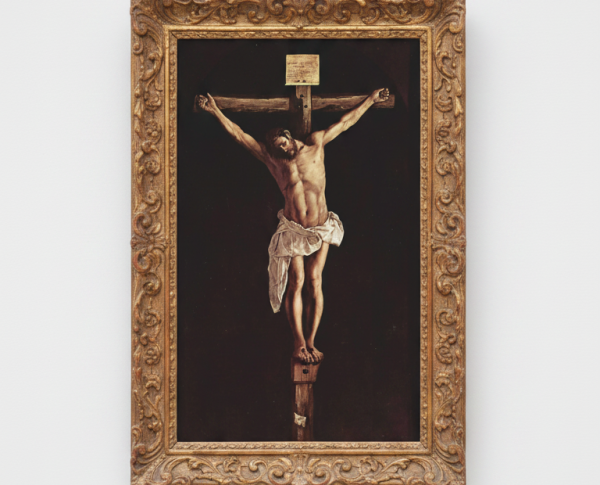
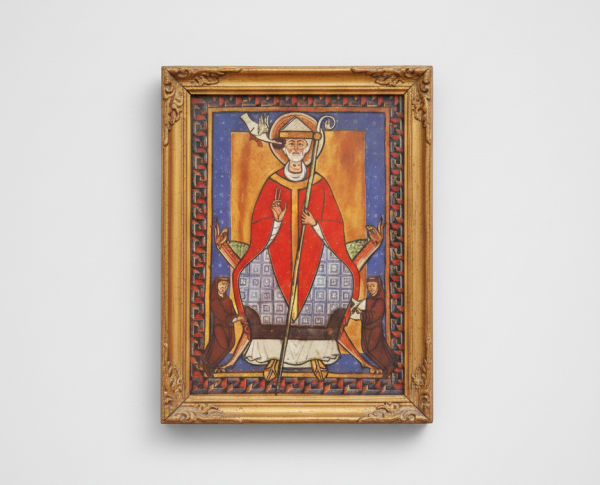
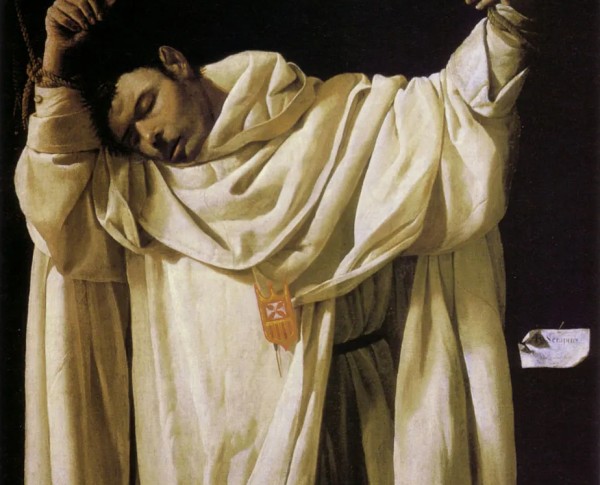
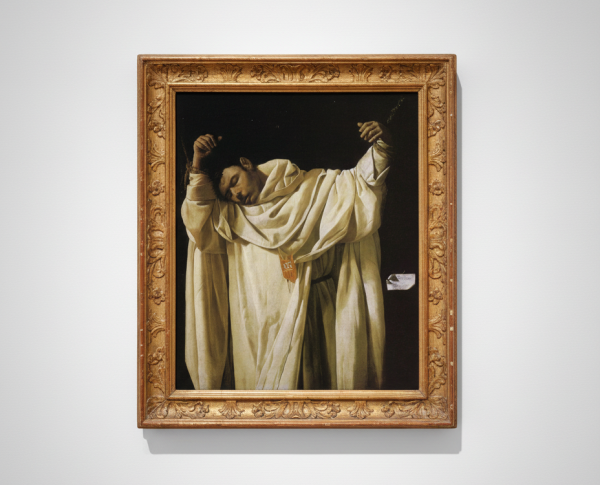
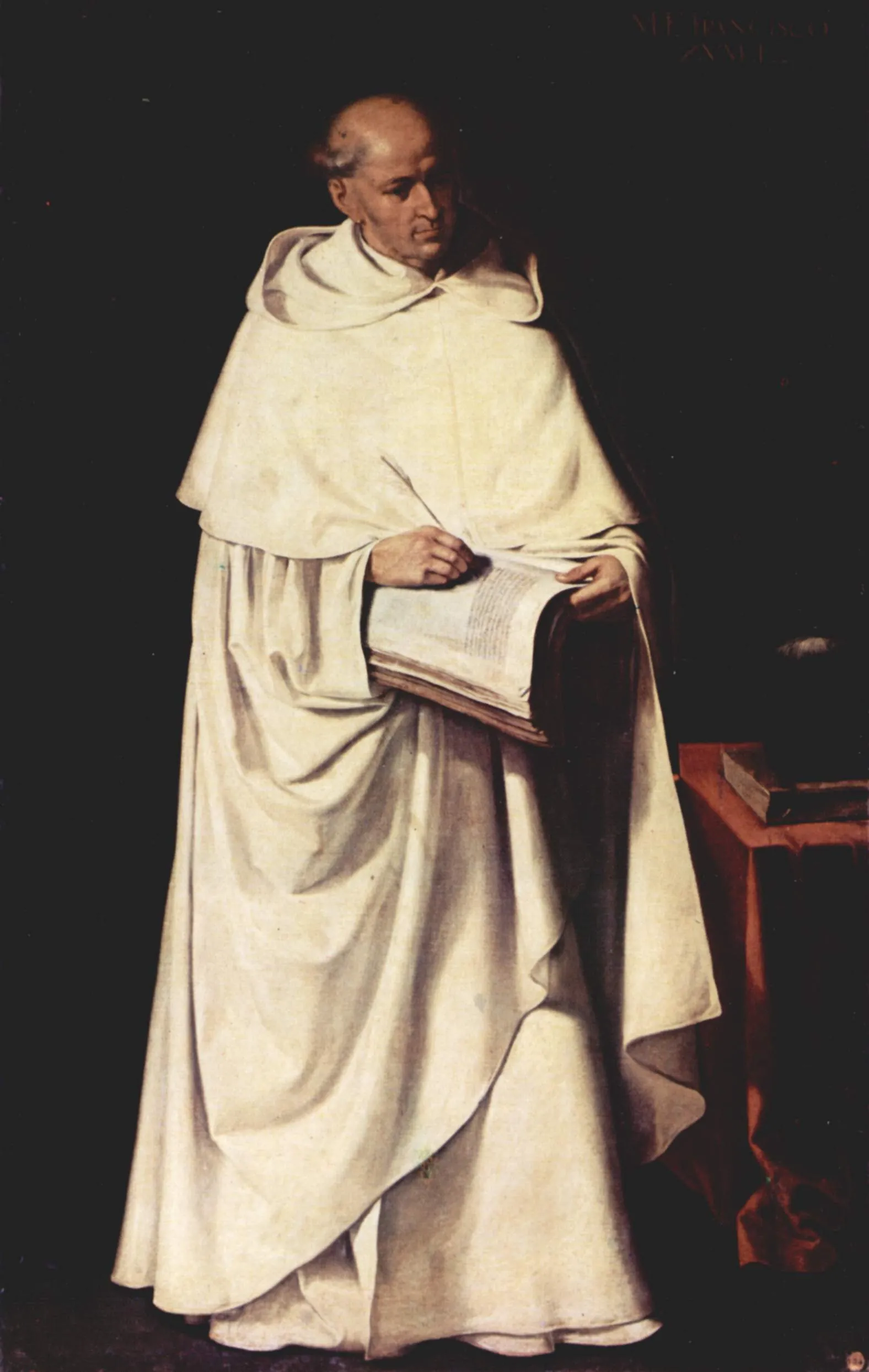
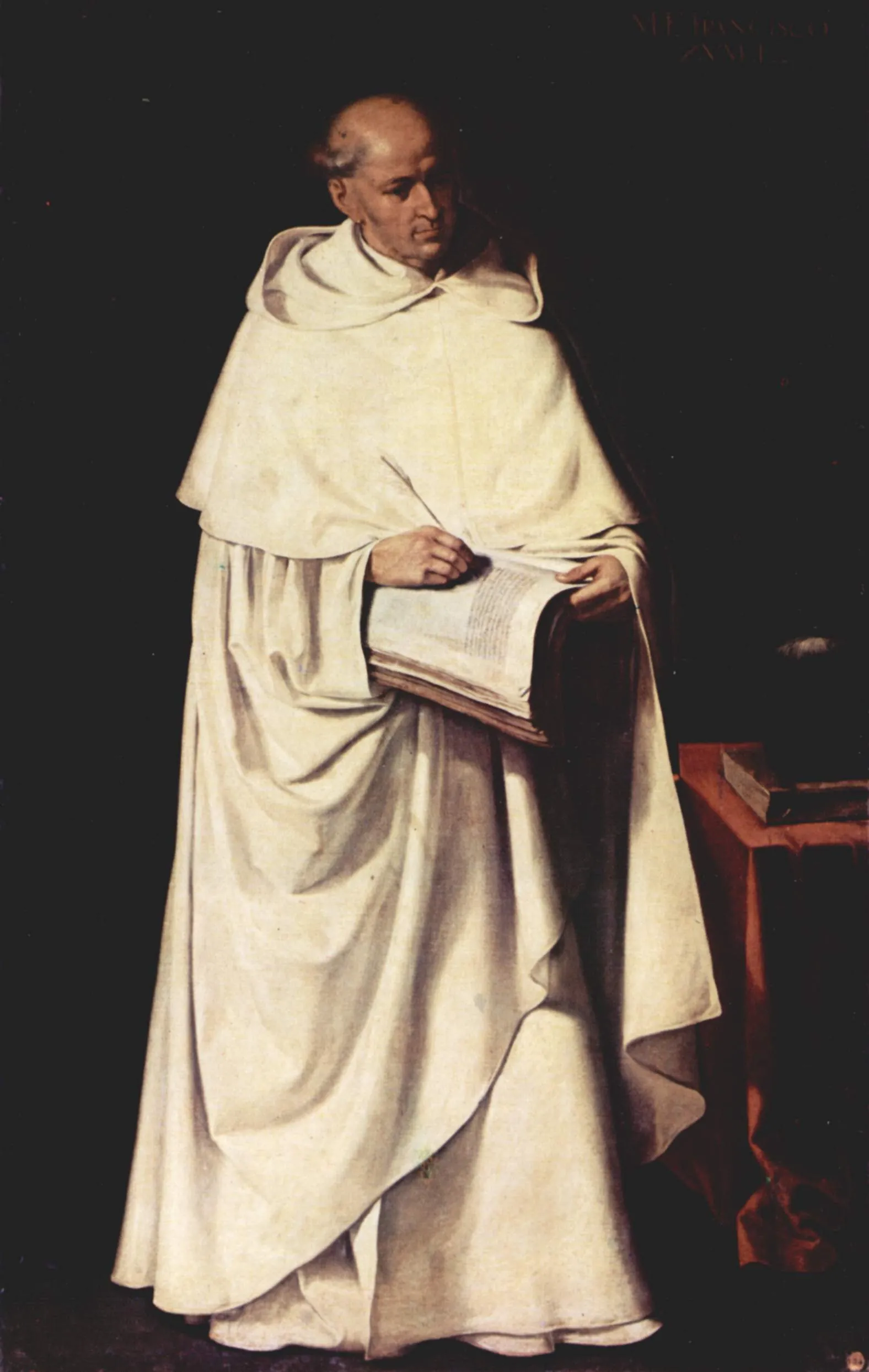
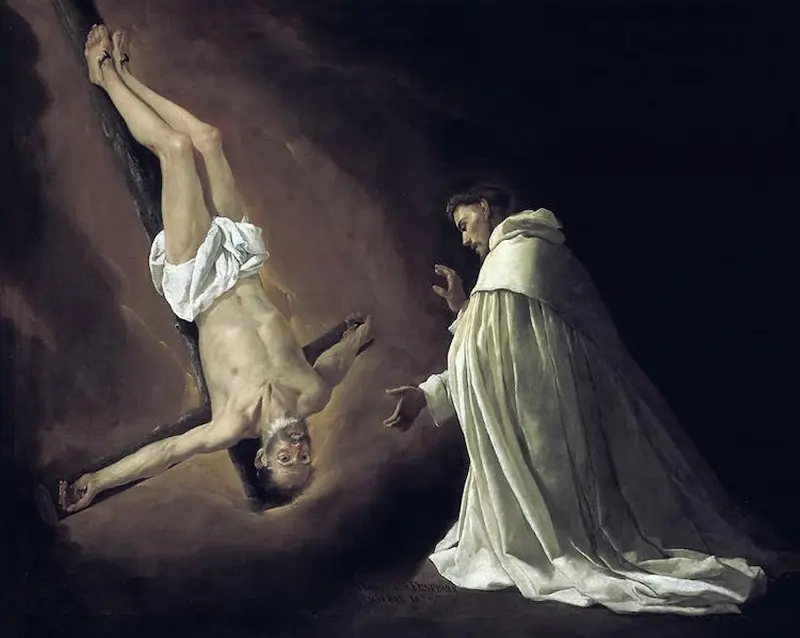
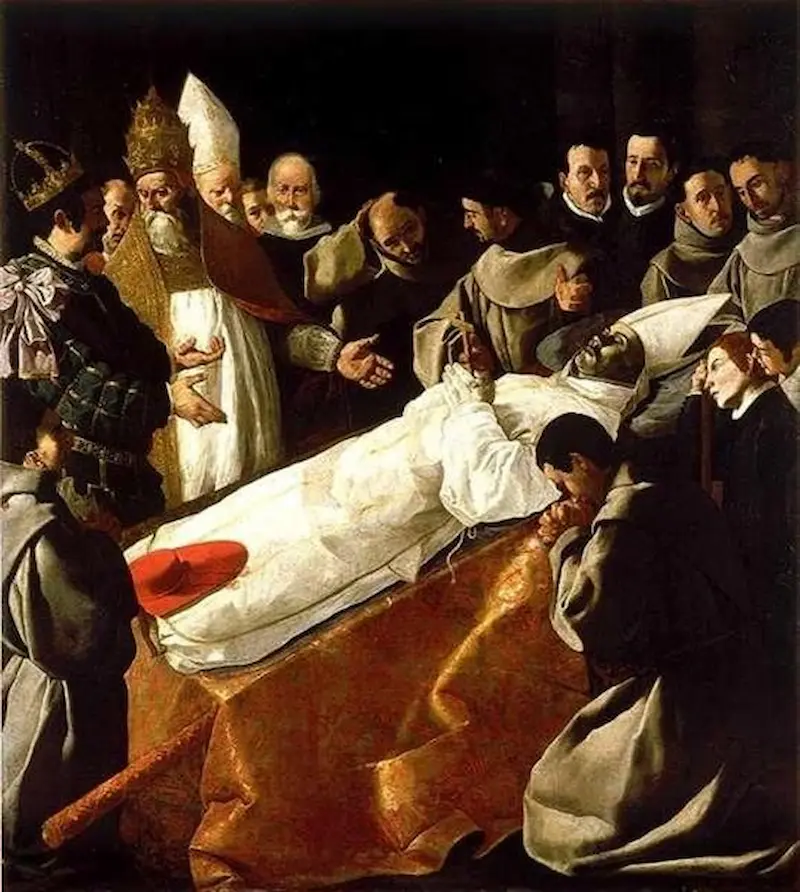
Francisco de Zurbaran’s command of oil on canvas is evident in every detail of "Portrait of Fra Zumel Francisco." The artist’s mastery shines through his use of light and shadow, hallmark techniques of the Baroque movement. Like his other works, including "Christ on the Cross" and "Cup of Water and a Rose on a Silver Plate," Zurbaran’s careful brushwork and subtle color palette elevate this portrait to a new level of expressive realism.
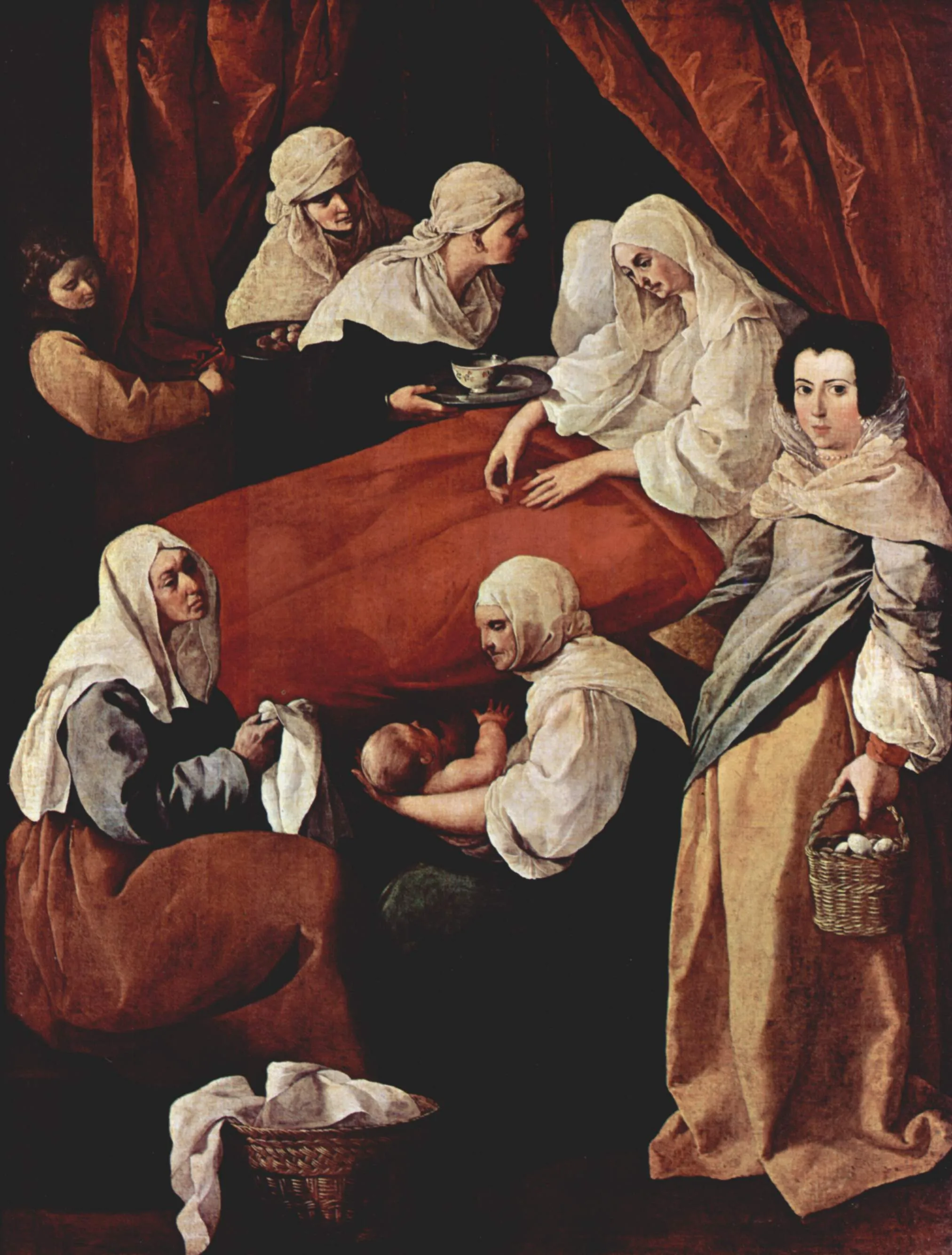
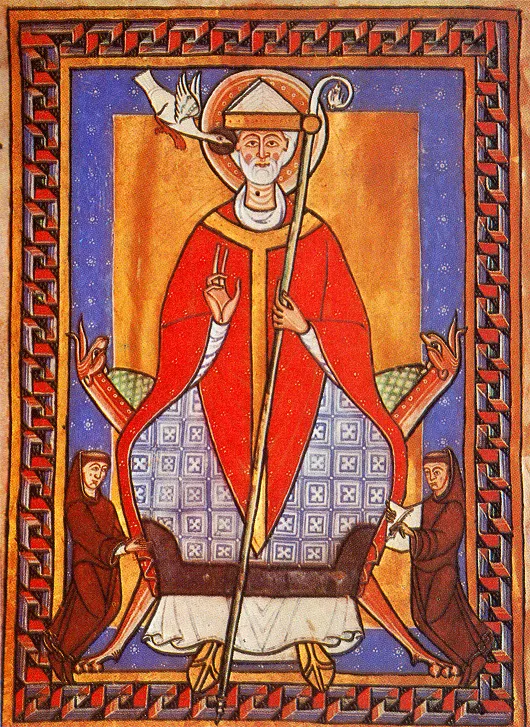
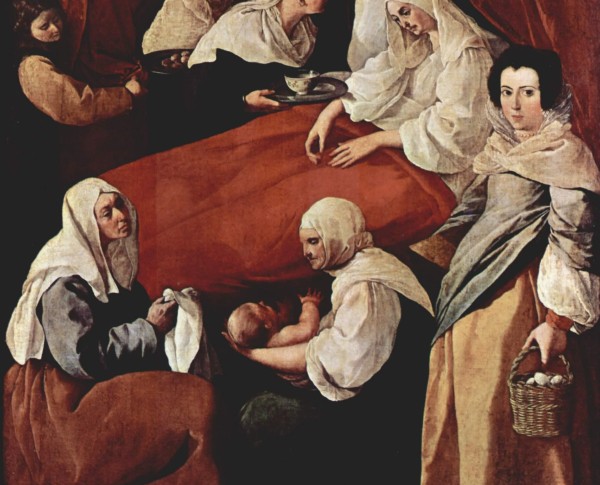
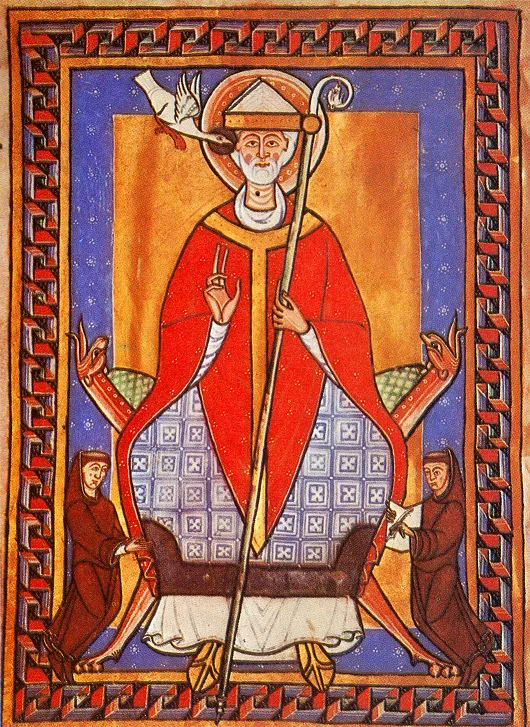
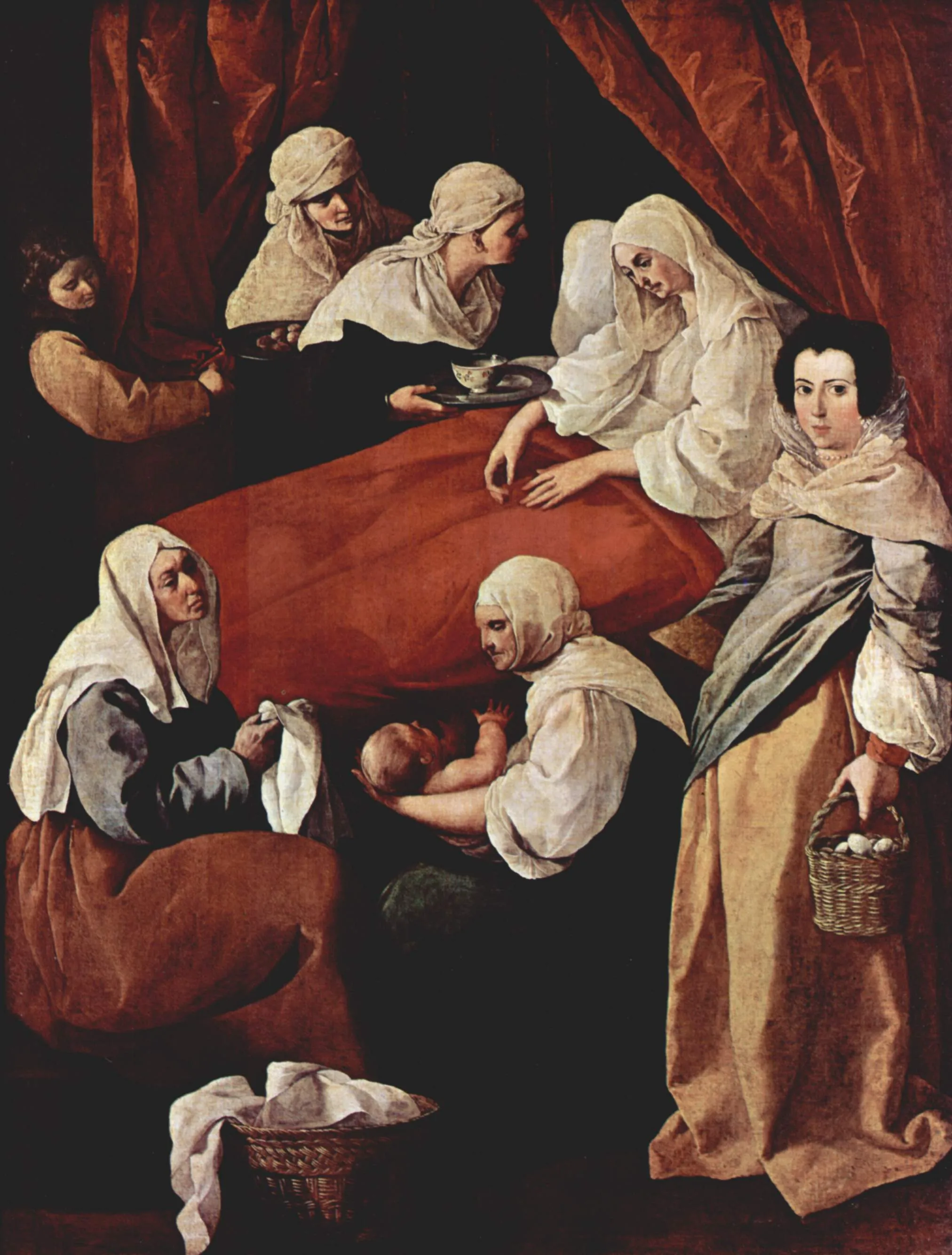
Within the serene expression and humble attire of Fra Zumel Francisco, Zurbaran weaves stories and symbols that are signature elements of Baroque art. The oil on canvas medium allows for nuanced textures, conveying both the monk’s piety and the era’s religious fervor. Similar to "The Young Virgin" and "St Gregory," this painting invites viewers to contemplate deeper meanings, making it a sought-after fine art painting for sale among collectors worldwide.
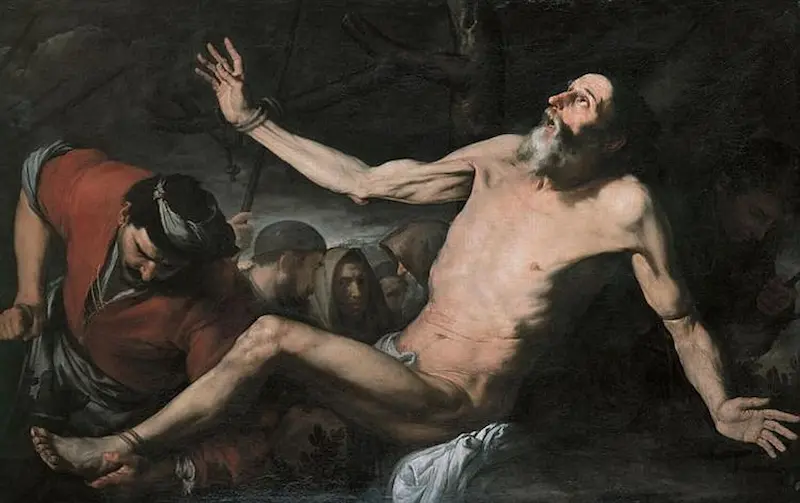
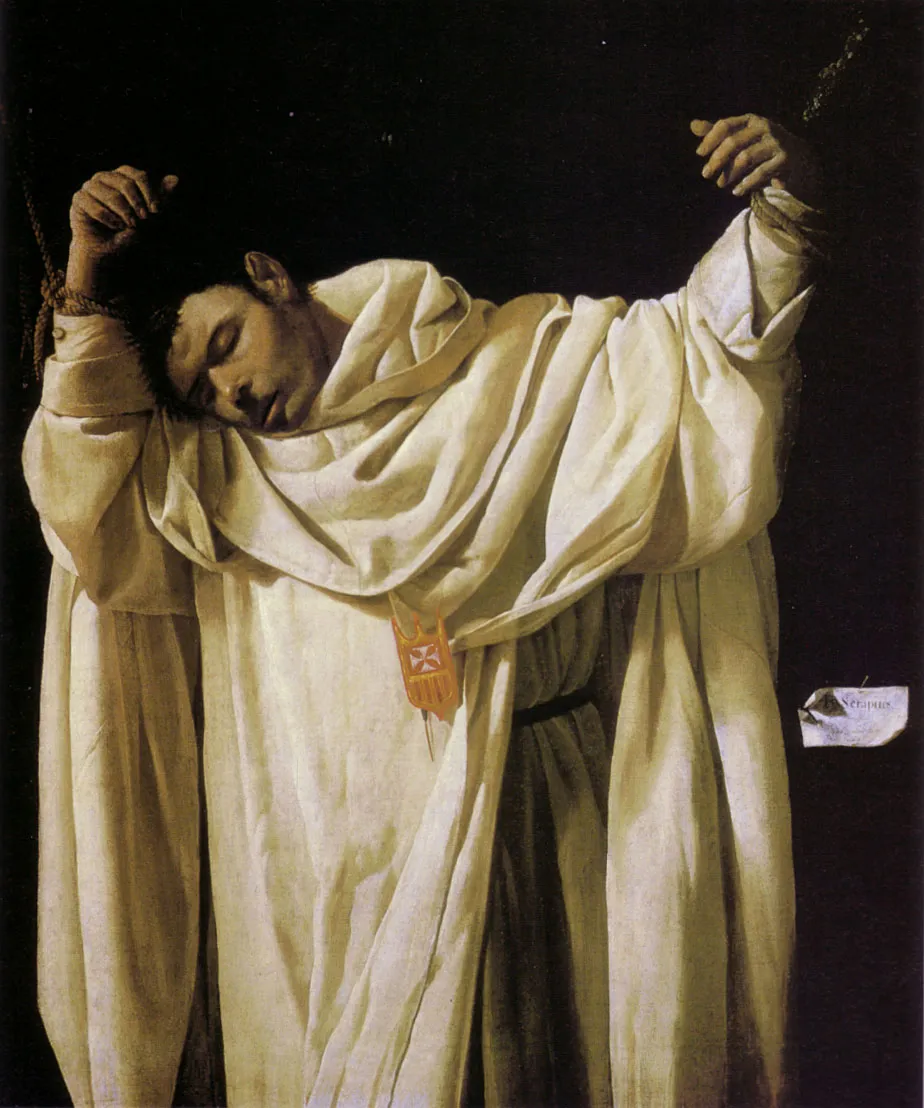
For those seeking a hand-painted oil painting with historical significance, "Portrait of Fra Zumel Francisco" represents a prized acquisition. Francisco de Zurbaran’s ability to capture the essence of his subjects makes his works, including related masterpieces like "Beato Serapio" and "Christ on the Cross," highly desirable. Owning such a Baroque oil on canvas is more than an investment—it’s a connection to the rich legacy of fine art painting for sale from one of Spain’s greatest artists.
When Art Meets History
"Portrait of Fra Zumel Francisco" by Francisco de Zurbaran stands as a testament to the profound impact of the Baroque movement. Painted during a period when religious devotion and realism were paramount, this hand-painted oil painting captures the essence of its era. Zurbaran, renowned for works like "Girl carrying Water" and "Musicians," masterfully immortalized figures with striking detail, making his portraits invaluable historical documents and prime examples of Baroque artistry.
Techniques That Speak
Francisco de Zurbaran’s "Portrait of Fra Zumel Francisco" exemplifies the Baroque mastery of oil on canvas. The artist’s use of chiaroscuro, a technique also seen in "Judith Beheading Holofernes (Caravaggio)," brings dramatic depth to the subject. Rich textures and lifelike shadows are hallmarks of Zurbaran’s style, making each brushstroke significant. This oil on canvas work is a prime example of how technical prowess can elevate a portrait beyond mere representation to enduring fine art.
Emotions on Display
The emotional gravity in "Portrait of Fra Zumel Francisco" is unmistakable, as Francisco de Zurbaran channels the Baroque movement’s focus on intense expression. The sitter’s solemn gaze invites viewers to ponder inner thoughts, much like the figures in "Saint Matthew and the Angel." This fine art painting for sale resonates with a sense of dignity and spiritual contemplation, making it a compelling choice for collectors who appreciate deeply evocative works.
Coveted by Collectors
Collectors worldwide seek "Portrait of Fra Zumel Francisco" for its historical significance and exquisite artistry. Francisco de Zurbaran’s reputation, built on masterpieces like "Boy with a Basket of Fruit," ensures that this hand-painted oil painting remains in high demand. As a standout in the Baroque movement, this portrait is not only an investment but a rare opportunity for enthusiasts to own a piece of art history, cherished alongside other renowned works of the era.
Related Baroque Hand-Painted Oil Paintings by Other Artists
Other Famous Baroque Artists:
Frequently Asked Questions About Portrait of Fra Zumel Francisco
Who is the artist of "Portrait of Fra Zumel Francisco"?
The painting is created by the renowned Spanish Baroque artist Francisco de Zurbarán, known for his religious themes and mastery of light and shadow.
What is the historical context of "Portrait of Fra Zumel Francisco"?
This portrait was painted in the 17th century, a time when Spain was experiencing a flourishing of arts and culture, particularly in religious imagery, which was significant in the Counter-Reformation.
Who is Fra Zumel Francisco?
Fra Zumel Francisco was a Franciscan friar, and the painting reflects the importance of religious figures in Spanish society during the Baroque period.
What artistic techniques did Zurbarán employ in this painting?
Zurbarán utilized chiaroscuro to create a dramatic contrast between light and shadow, enhancing the three-dimensionality of the figure and emphasizing the spiritual solemnity of the subject.
What symbolism is present in "Portrait of Fra Zumel Francisco"?
The painting symbolizes piety and devotion, with the friar's attire and posture conveying humility and a deep commitment to his faith, which were central themes in Zurbarán's work.
How does this painting reflect the Baroque style?
It reflects the Baroque style through its emotional intensity, realism, and the use of dramatic lighting, all of which were characteristic of the period's artistic expression.
What materials were used in the creation of this painting?
Zurbarán typically used oil on canvas, a medium that allowed him to achieve rich colors and detailed textures, contributing to the lifelike quality of his portraits.
Where is "Portrait of Fra Zumel Francisco" currently housed?
The painting is part of a collection in a prominent art institution, where it is preserved and displayed for public appreciation and scholarly study.
What influence did Zurbarán have on later artists?
Zurbarán's focus on religious themes and his innovative use of light influenced many artists in the Baroque period and beyond, contributing to the evolution of portrait painting.
What is the significance of the attire worn by Fra Zumel Francisco in the painting?
The friar's attire is significant as it represents his religious order and commitment to a life of service, reflecting the values of humility and devotion that were highly regarded in the Baroque era.























_GFM_Painting_(1).webp)


 100% Hand-Painted: Finished in 3-6 Weeks

.png)















_(1).webp)