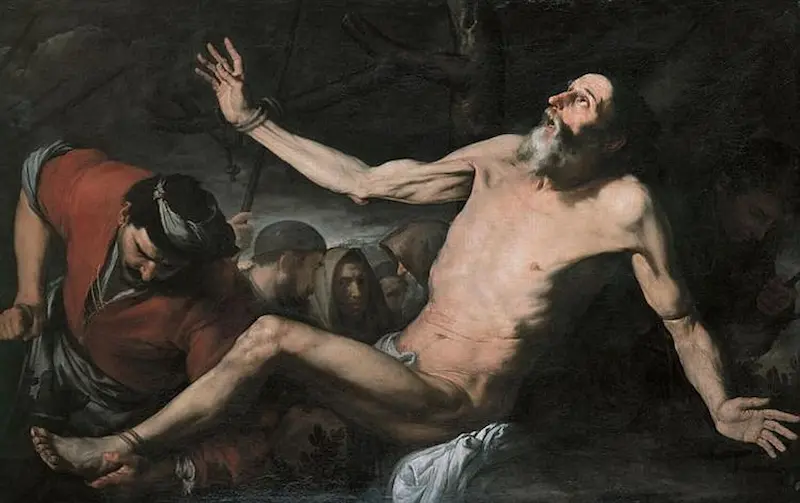
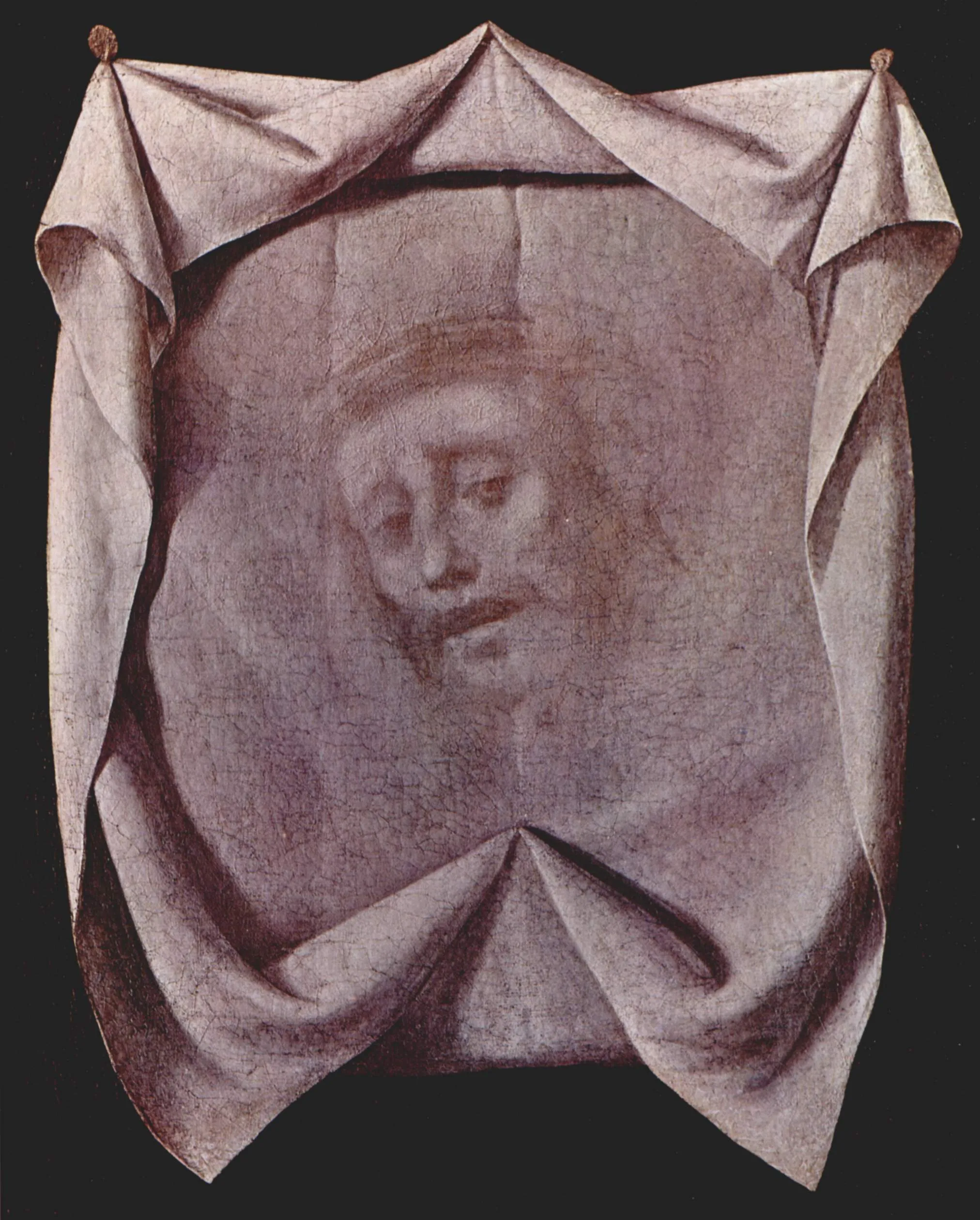
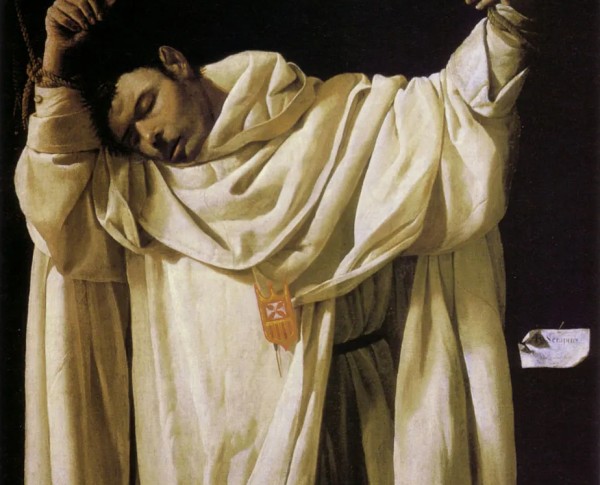
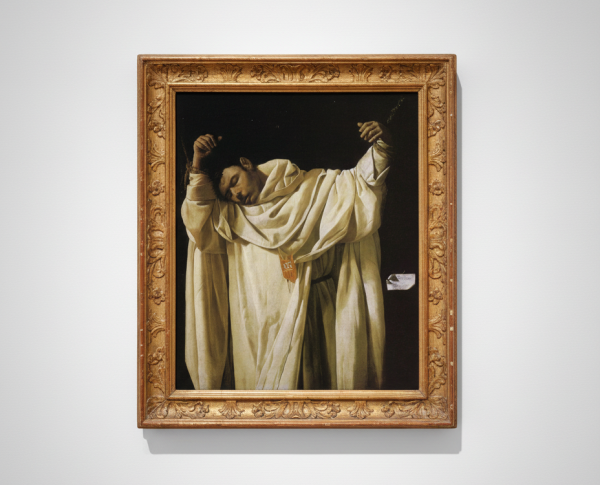
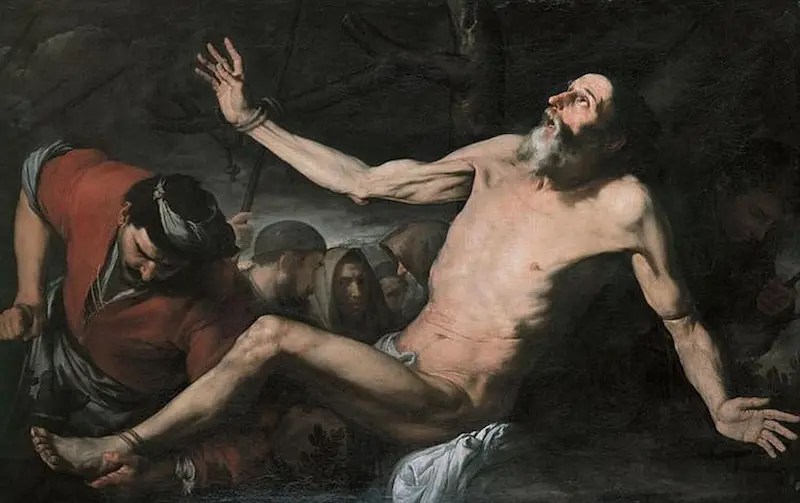
Francisco de Zurbaran’s "St Bartholomew almost in agony" showcases his extraordinary technique with oil on canvas, bringing to life the saint’s poignant expression. The textured brushwork and dramatic chiaroscuro are trademarks of the Baroque movement, drawing viewers into the scene’s intensity. This painting aligns with other celebrated works like "Apparition of Jesus Child to St Anthony of Padua" and "The Holy Face," highlighting Zurbaran’s mastery of the medium.
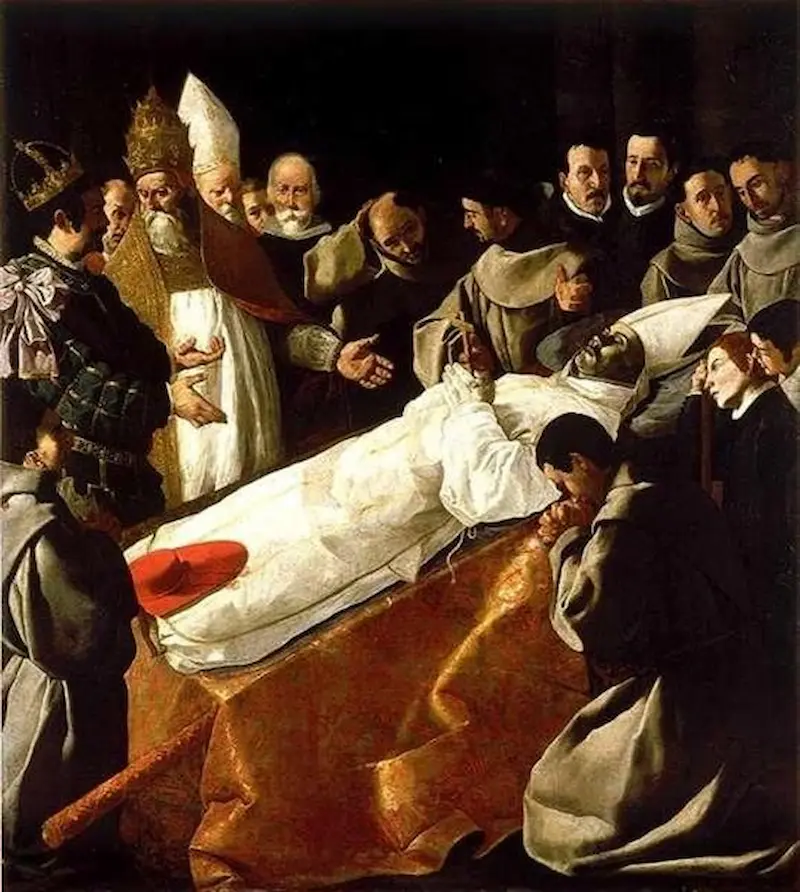
In "St Bartholomew almost in agony," Francisco de Zurbaran weaves a narrative of faith and suffering, hallmarks of Baroque storytelling. Each detail in this hand-painted oil painting is imbued with symbolism, from the saint’s expression to the subtle play of light. Such thematic richness is also found in related pieces like "Meditation of St Francis" and "The Death of St Bonaventura," offering collectors a deeper insight into Baroque symbolism.
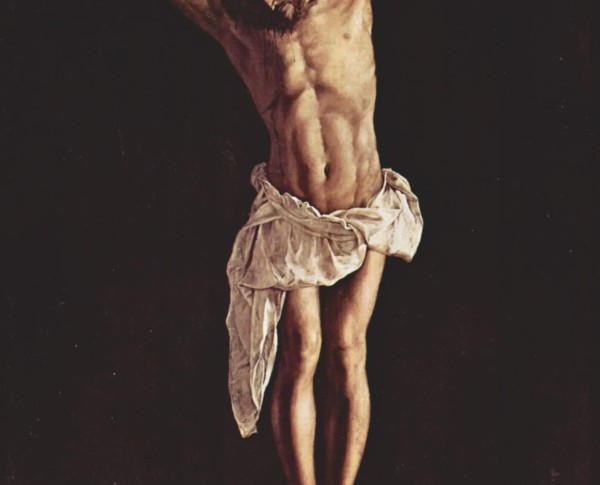
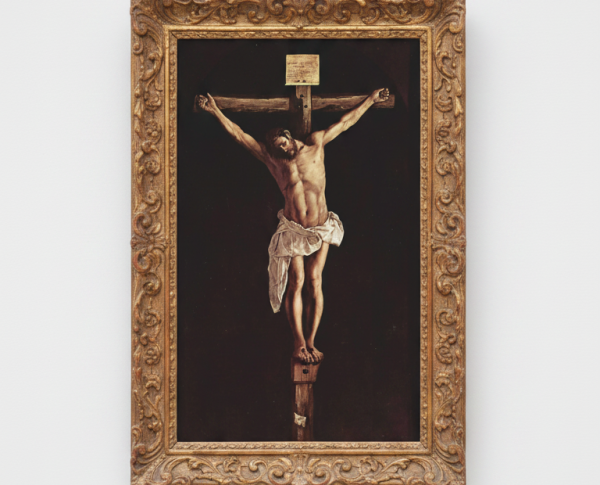
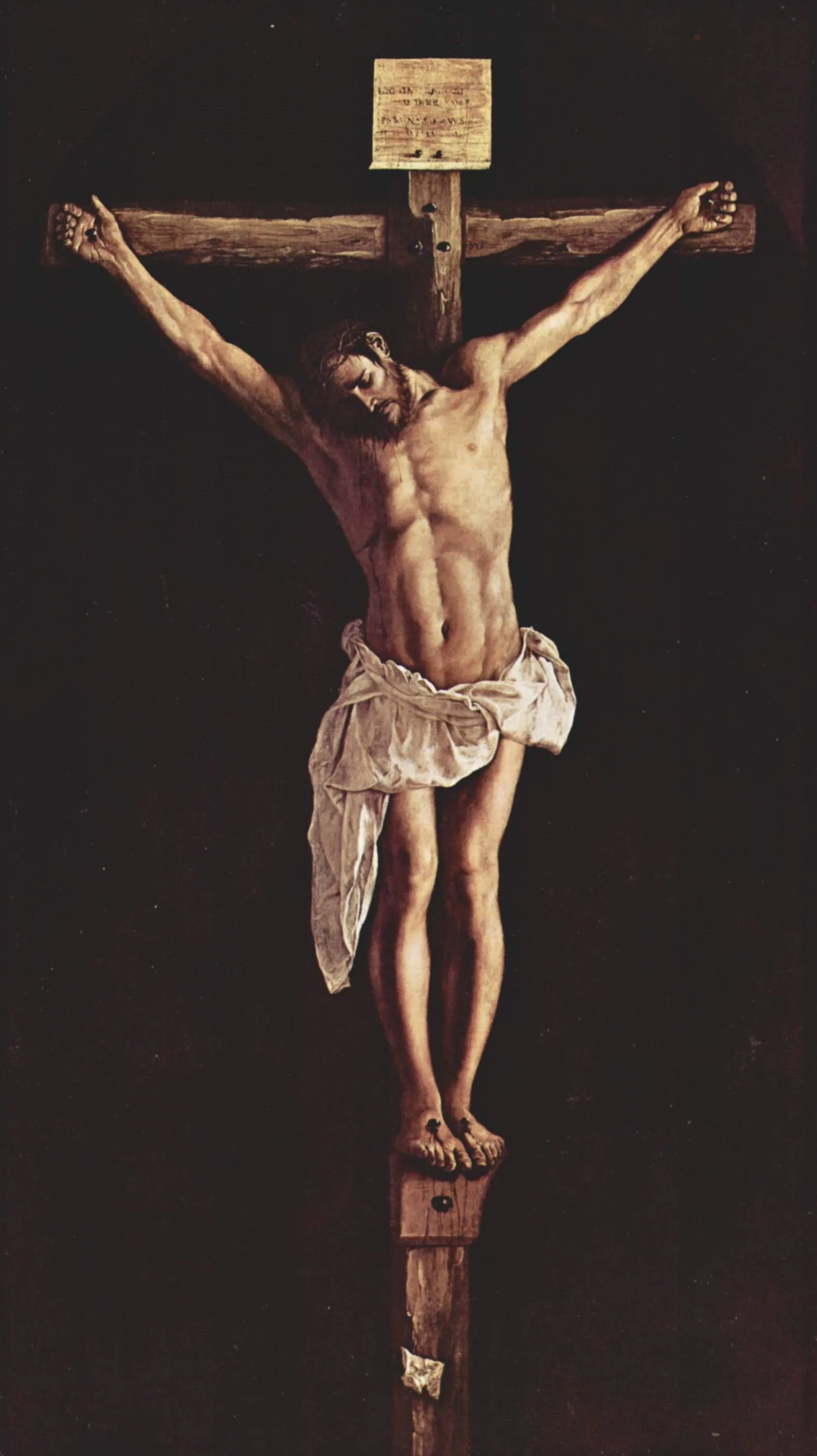
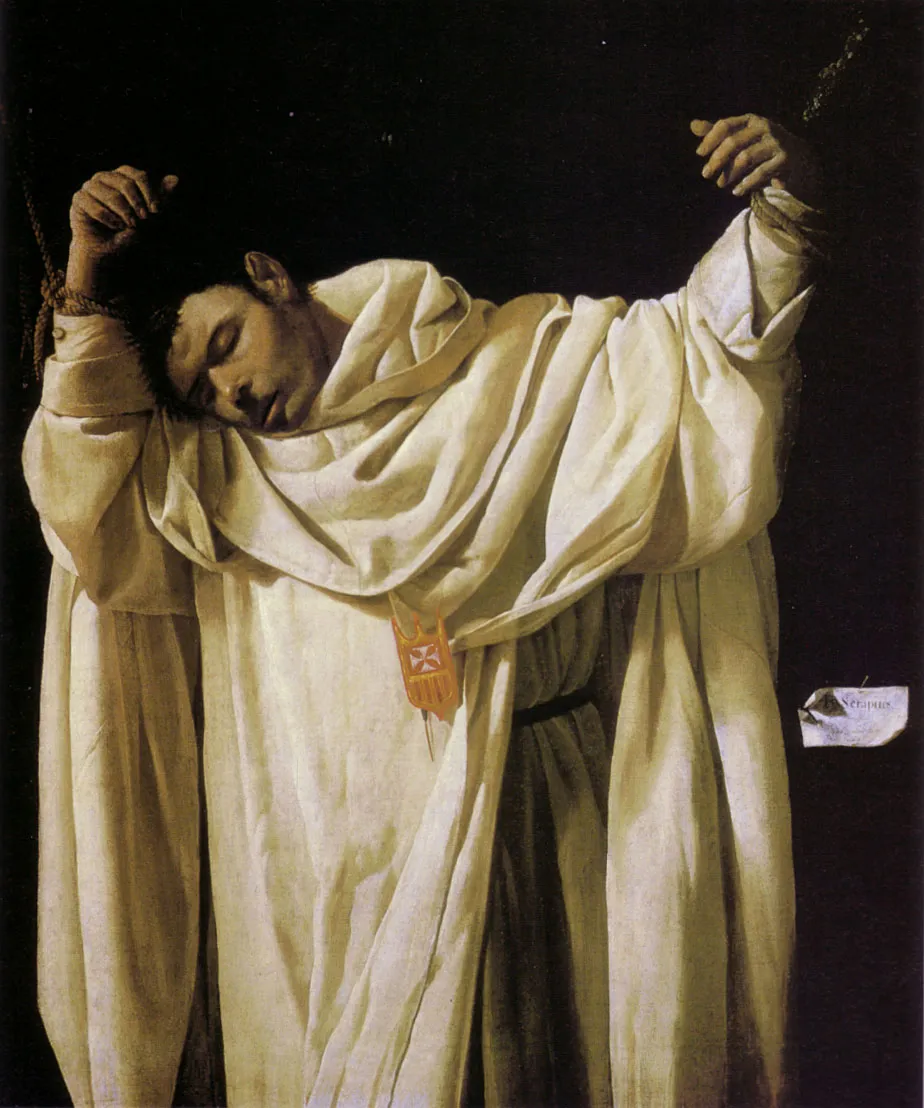
For those seeking a fine art painting for sale, "St Bartholomew almost in agony" by Francisco de Zurbaran is a remarkable choice. Its oil on canvas composition and Baroque heritage make it a coveted piece among collectors. Whether displayed alongside works like "Beato Serapio" or "Christ on the Cross," this painting elevates any collection, reflecting the enduring appeal and value of Zurbaran’s artistry within the Baroque movement.
When Art Meets History
Francisco de Zurbaran’s “St Bartholomew almost in agony” stands as a testament to the Baroque movement’s dramatic interplay of faith and emotion. Created during a time of religious fervor, this hand-painted oil painting captures a pivotal moment in Christian history. Like Caravaggio’s “Boy Bitten by a Lizard” and “Medusa,” Zurbaran’s work invites viewers to reflect on sacrifice and devotion. The painting’s historical roots make it a fascinating fine art painting for sale to collectors and enthusiasts alike.
Techniques That Speak
Zurbaran’s mastery of oil on canvas is evident in every brushstroke of “St Bartholomew almost in agony.” The artist employs chiaroscuro to heighten the sense of drama, much like in “Saint Francis of Assisi in Ecstasy.” The thick, textured application of paint and the careful attention to anatomical detail are hallmarks of Baroque technique. The luminous quality of this oil on canvas brings the saint’s suffering to life, ensuring the work’s enduring appeal among art lovers.
Emotions on Display
“St Bartholomew almost in agony” by Francisco de Zurbaran channels intense human emotion, a hallmark of Baroque fine art painting for sale. The saint’s expressive face and contorted posture evoke empathy, drawing viewers into his spiritual struggle. Similar emotional depth can be found in works like “Holy Family” and “Repentant Mary Magdalene.” Through dramatic lighting and deep shadows, Zurbaran captures the agony and transcendence of his subject, making this painting a moving experience for all who see it.
Coveted by Collectors
Francisco de Zurbaran’s “St Bartholomew almost in agony” is highly sought after by collectors due to its historical significance and striking execution. As a hand-painted oil painting from the Baroque movement, it stands alongside masterpieces like “Boy Bitten by a Lizard” and “Medusa.” Collectors value the rarity and emotional power of this fine art painting for sale, recognizing Zurbaran’s unique ability to blend spiritual intensity with technical brilliance in oil on canvas.
Related Baroque Hand-Painted Oil Paintings by Other Artists
Other Famous Baroque Artists:
Frequently Asked Questions About St Bartholomew almost in agony
What is the historical context of "St Bartholomew almost in agony"?
"St Bartholomew almost in agony" was created by Francisco de Zurbarán in the 17th century, a period marked by the Spanish Golden Age, where art flourished under the patronage of the Catholic Church and the Spanish monarchy.
What artistic techniques did Zurbarán employ in this painting?
Zurbarán is known for his mastery of chiaroscuro, the use of strong contrasts between light and dark. In this painting, he employs this technique to enhance the dramatic effect and to highlight the figure of St. Bartholomew.
What is the significance of St. Bartholomew in Christian iconography?
St. Bartholomew is one of the twelve apostles of Jesus and is often depicted in art holding a knife, symbolizing his martyrdom. His portrayal in this painting reflects themes of suffering and faith.
How does the composition of the painting contribute to its emotional impact?
The composition features a close-up view of St. Bartholomew, which creates an intimate connection with the viewer. The figure's expression and posture evoke a sense of anguish, enhancing the emotional depth of the artwork.
What materials and techniques did Zurbarán use for this artwork?
Zurbarán typically used oil on canvas for his paintings, allowing for rich color and texture. The smooth application of paint in "St Bartholomew almost in agony" showcases his skill in rendering lifelike details.
What themes are explored in "St Bartholomew almost in agony"?
The painting explores themes of martyrdom, suffering, and divine grace. It reflects the struggles of faith and the human condition, inviting viewers to contemplate the nature of sacrifice.
How does this painting compare to other works by Zurbarán?
This painting is characteristic of Zurbarán's style, which often focuses on religious subjects and emphasizes emotional intensity. Compared to his other works, "St Bartholomew almost in agony" stands out for its raw depiction of suffering.
What role did religion play in Zurbarán's artistic career?
Religion was central to Zurbarán's work, as he was commissioned to create numerous religious paintings for churches and monasteries. His art reflects the Counter-Reformation's emphasis on spirituality and devotion.
What is the significance of the color palette used in this painting?
Zurbarán's use of a muted color palette, dominated by earthy tones, enhances the somber mood of the painting. The subtle variations in color contribute to the overall atmosphere of despair and contemplation.
Where can I see "St Bartholomew almost in agony" displayed?
This painting is part of the collection at [insert gallery name], where it is displayed alongside other significant works from the Spanish Golden Age, allowing for a comprehensive exploration of the period's artistic achievements.























_GFM_Painting_(1).webp)


 100% Hand-Painted: Finished in 3-6 Weeks

.png)















_(1).webp)