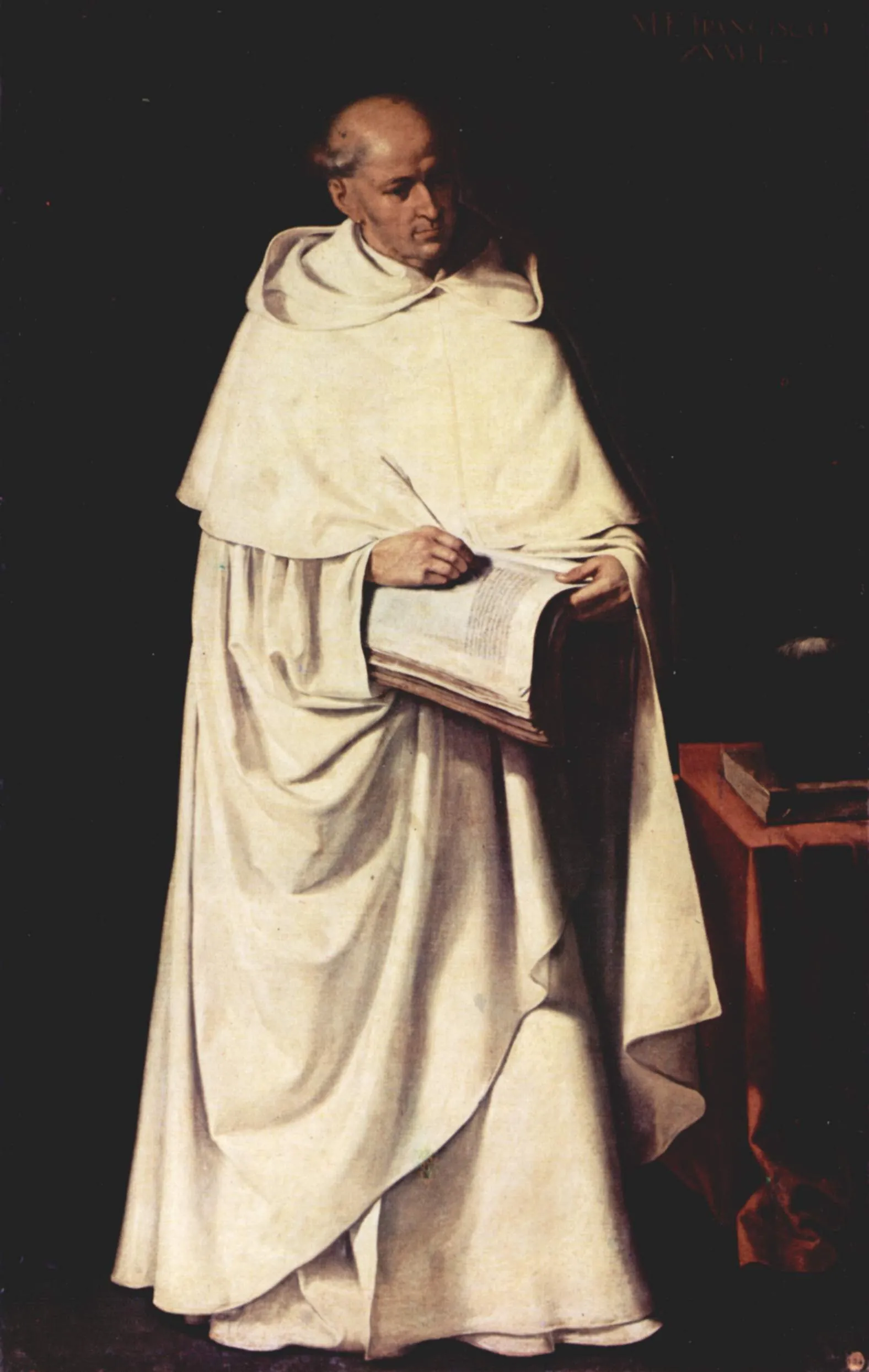
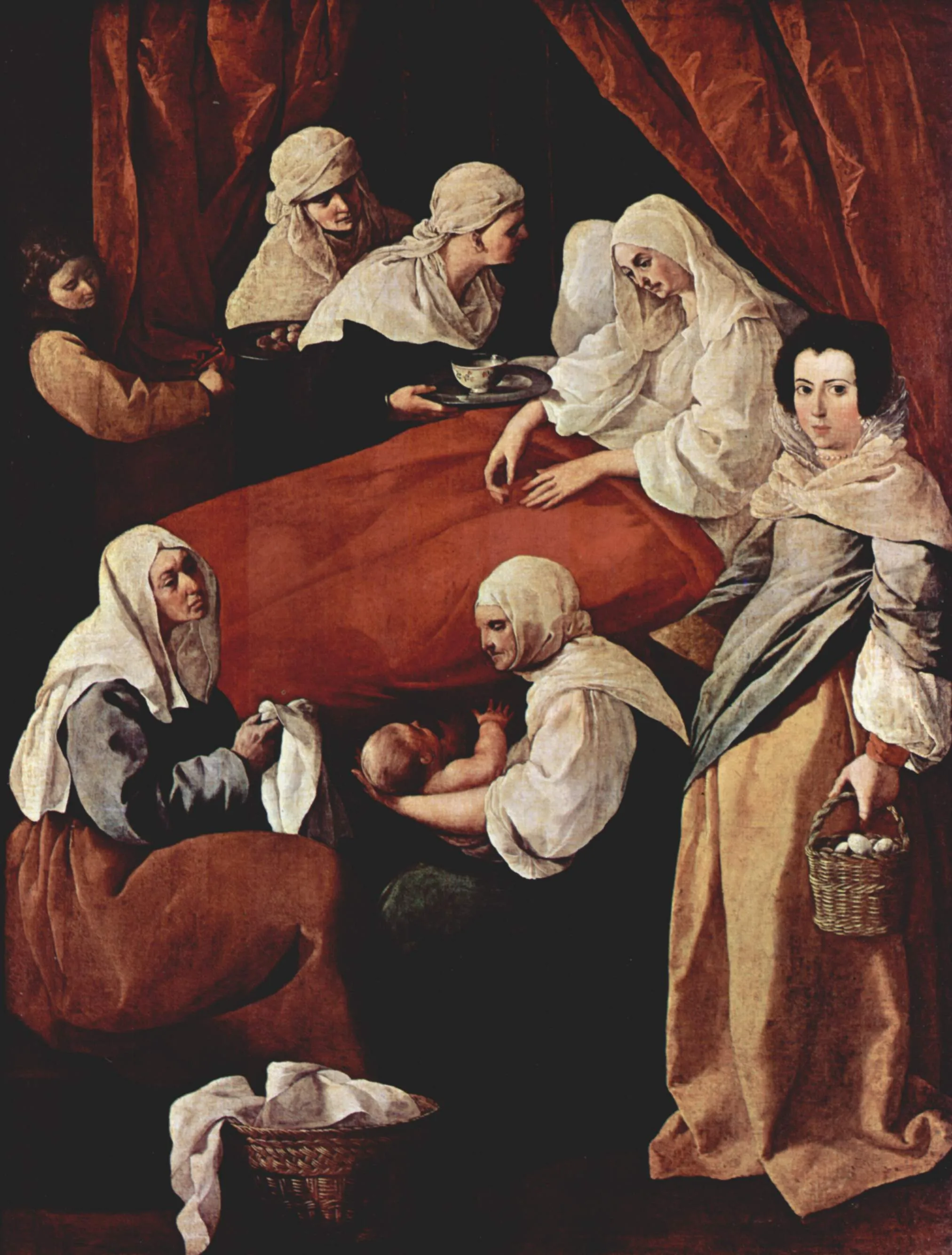
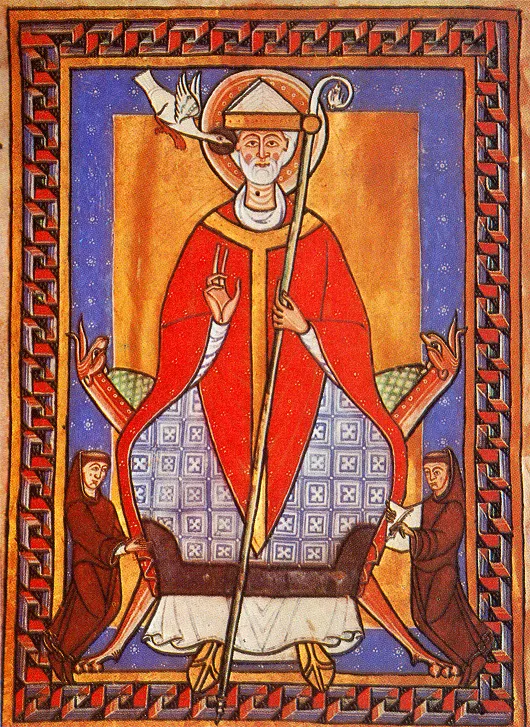
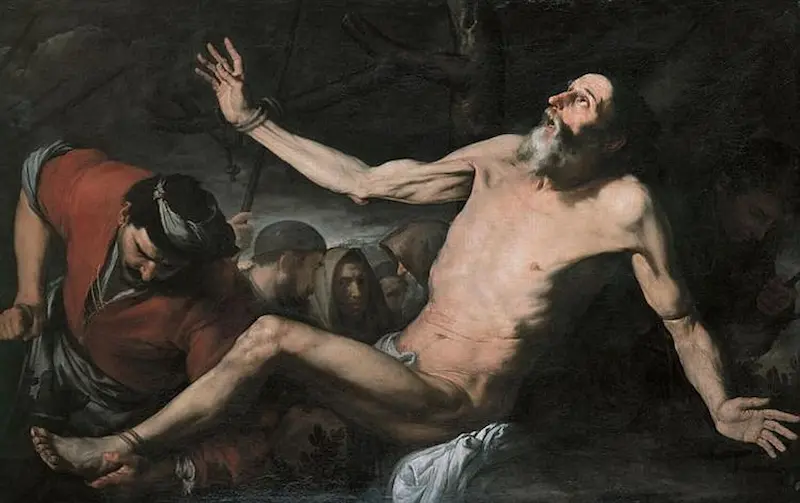
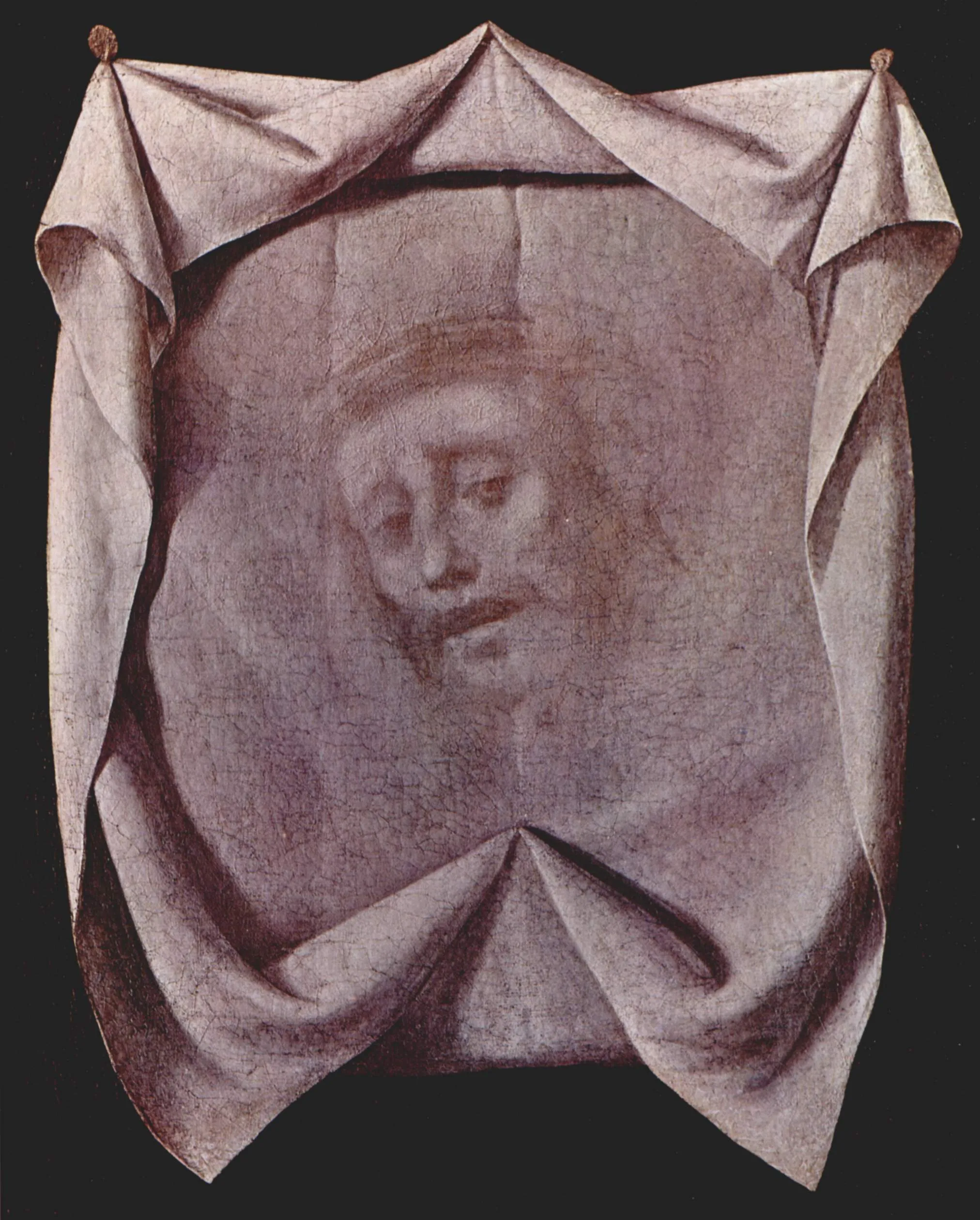
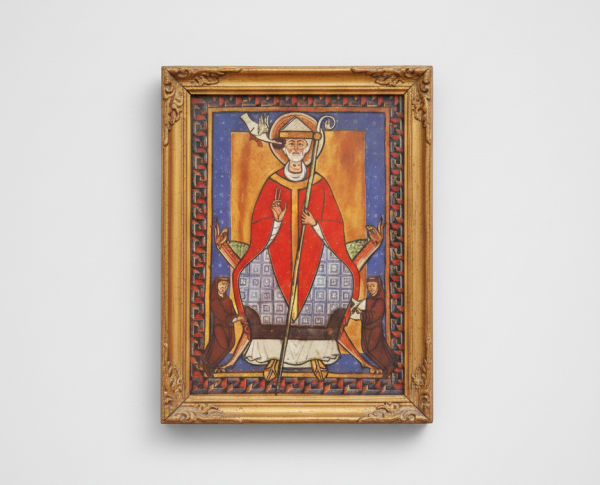
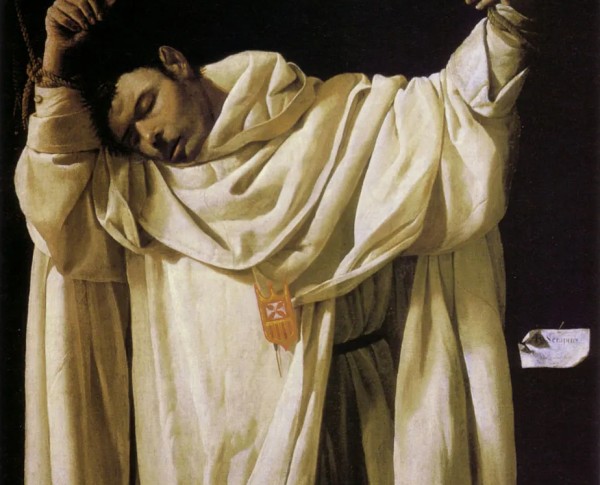
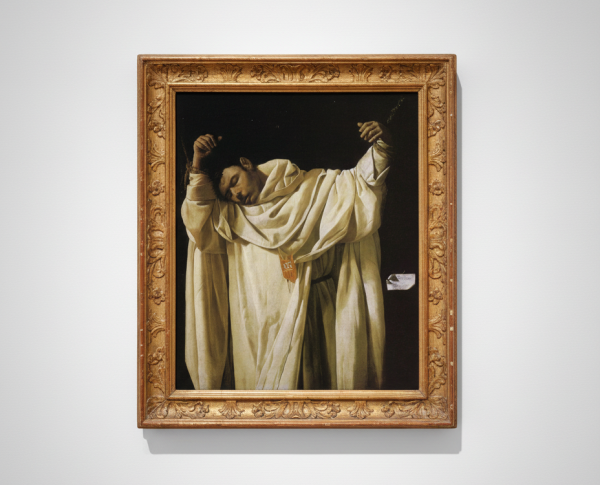
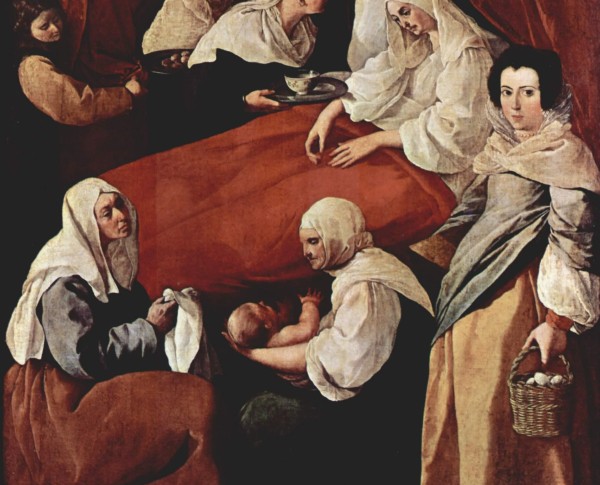
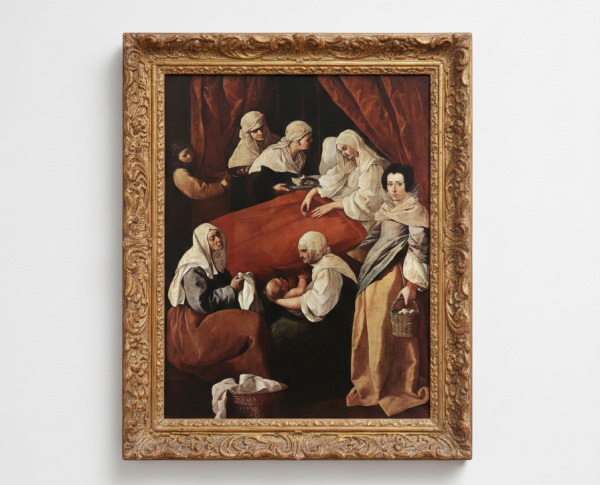
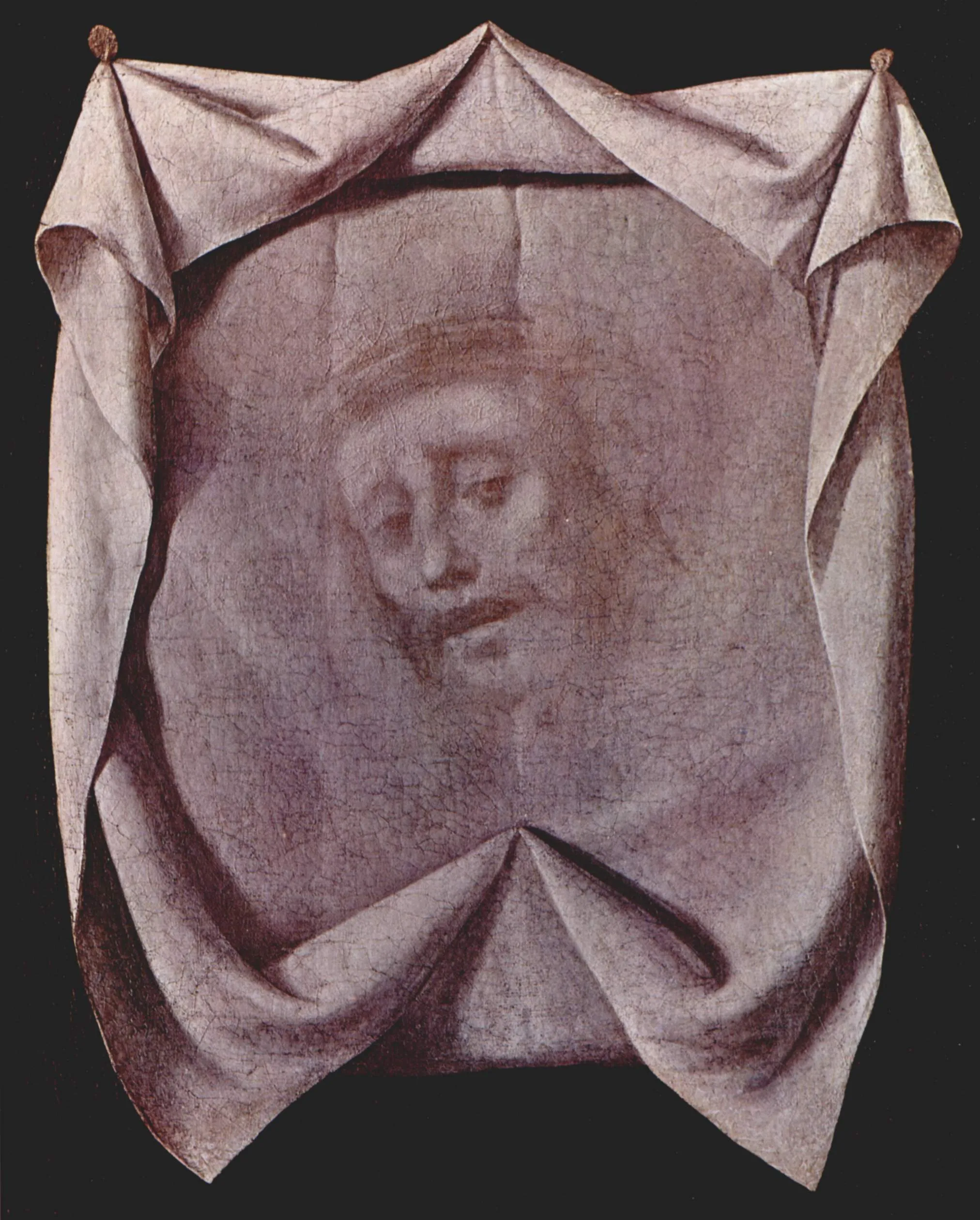
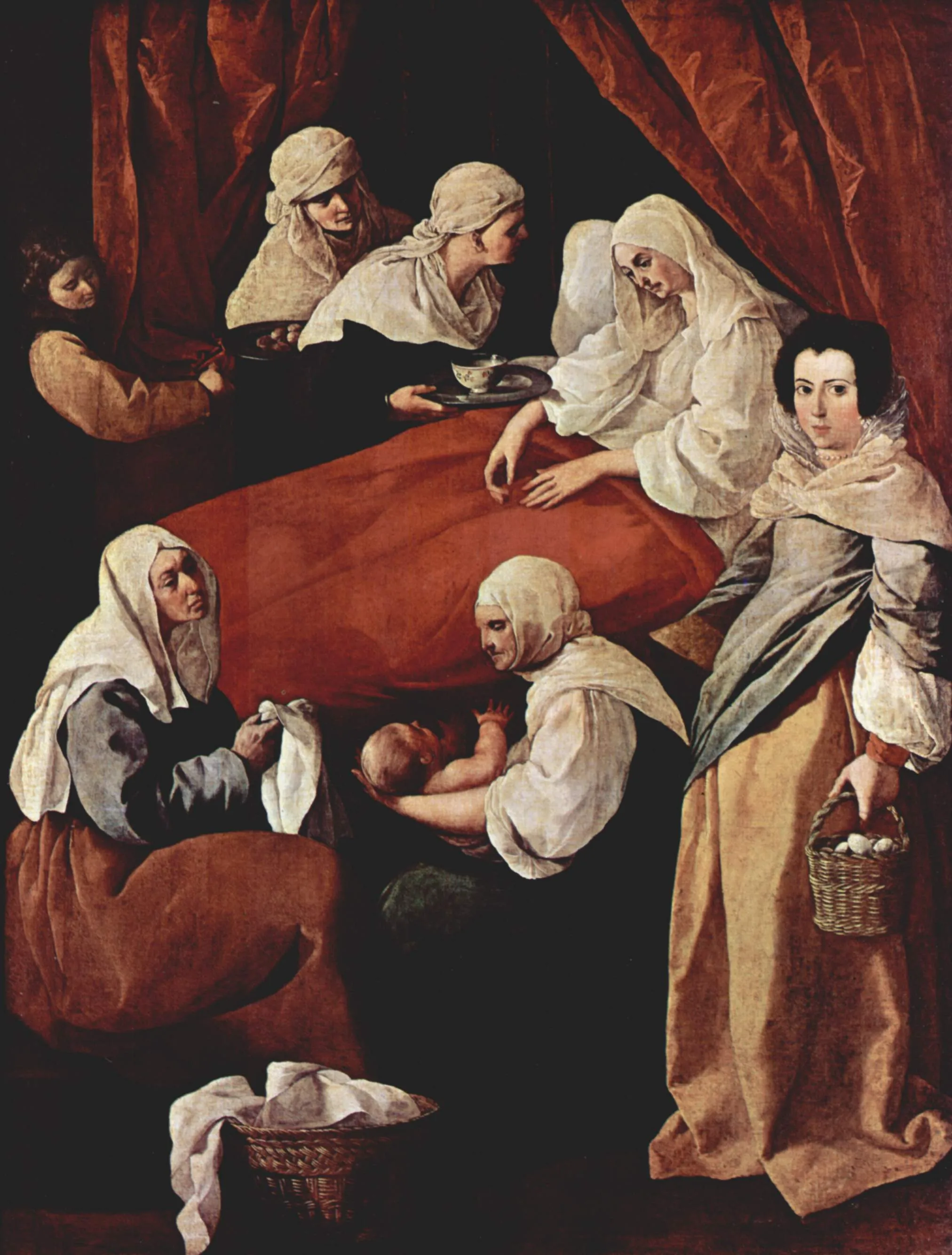
Francisco de Zurbaran’s "The Holy Face" is a stunning example of oil on canvas artistry, showcasing the painter’s renowned attention to detail and dramatic use of light and shadow. This Baroque masterpiece, like "Birth of the Virgin" and "Saint Lucy," reveals Zurbaran’s ability to evoke emotion and depth through each brushstroke. Collectors seeking a true representation of Baroque technique will find this oil on canvas work to be a testament to Zurbaran’s mastery.
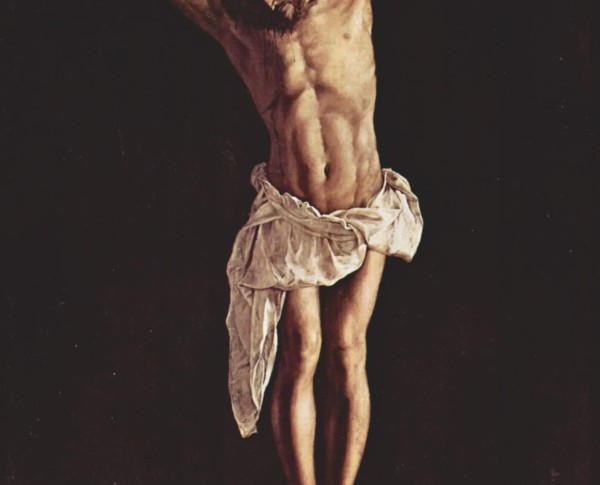
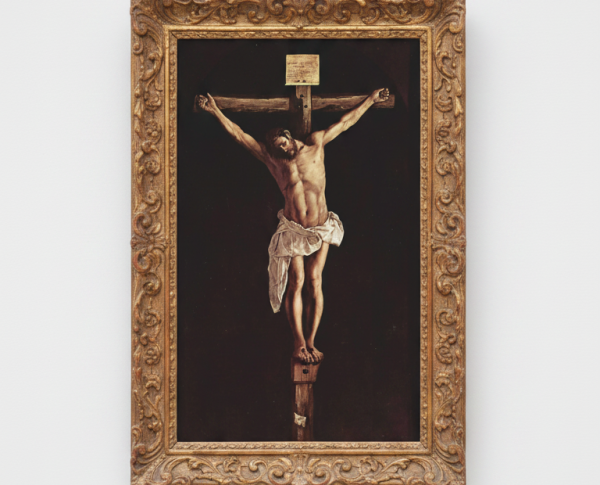
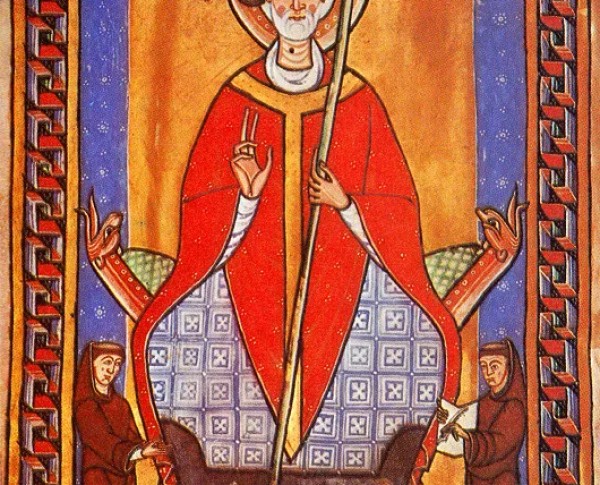
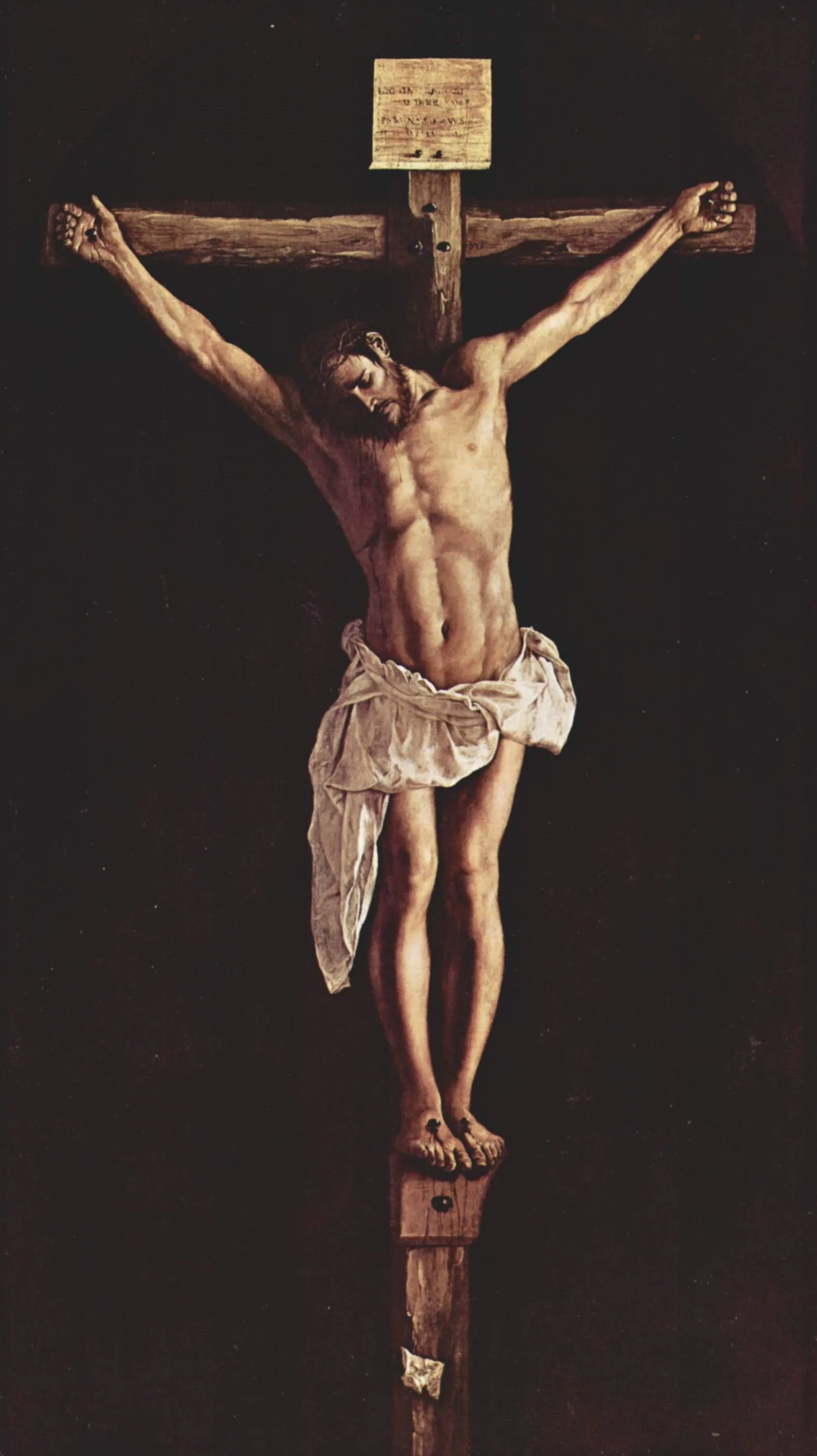
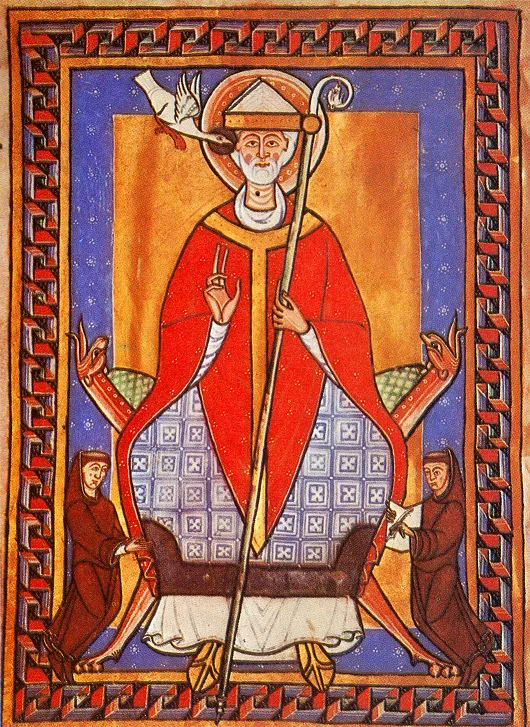
Within "The Holy Face," Francisco de Zurbaran weaves profound symbolism, characteristic of Baroque fine art painting for sale. The serene yet powerful visage invites viewers to contemplate themes of suffering and redemption, a motif echoed in related works like "St Gregory" and "Christ on the Cross." Each element in the composition speaks to Zurbaran’s skill in infusing his religious subjects with deep meaning and emotional resonance, appealing to both art historians and collectors.
Owning "The Holy Face" by Francisco de Zurbaran means acquiring a fine art painting for sale that embodies the spirit of the Baroque era. This masterpiece, alongside related pieces such as "Apotheosis of St Thomas Aquinas" and "Saint Lucy," offers collectors a unique glimpse into the world of 17th-century Spanish art. Zurbaran’s work remains highly sought after, making this painting a prized addition to any distinguished collection of Baroque art.
When Art Meets History
"The Holy Face" by Francisco de Zurbaran stands as a remarkable hand-painted oil painting from the Baroque movement, reflecting the era's spiritual intensity and artistic grandeur. Zurbaran, known for works like "Martha and Mary Magdalene" and "Self-Portrait," masterfully captures religious devotion. This painting not only exemplifies Baroque ideals but also offers a glimpse into 17th-century Spain, where faith and artistry intertwined. As a result, "The Holy Face" remains a celebrated historical treasure among fine art enthusiasts.
Techniques That Speak
Francisco de Zurbaran’s "The Holy Face" is a stunning example of oil on canvas technique, showcasing the artist’s ability to render lifelike textures and dramatic contrasts. The meticulous brushwork, seen also in his "Portrait of Charles II," highlights Zurbaran’s command over light and shadow, which is characteristic of Baroque art. This method not only brings depth to the subject but also invites viewers to appreciate the technical mastery behind each fine art painting for sale from this influential period.
Emotions on Display
In "The Holy Face," Francisco de Zurbaran conveys deep emotion through expressive features and intense gaze, embodying the spiritual fervor of the Baroque movement. The hand-painted oil painting draws viewers into a moment of reflection, much like his other works such as "Amor Vincit Omnia" and "Jupiter, Neptune and Pluto." Through careful attention to detail, Zurbaran transforms a simple portrait into a powerful meditation on faith, inviting emotional engagement from all who behold it.
Coveted by Collectors
"The Holy Face" remains a highly sought-after fine art painting for sale, cherished by collectors of Baroque masterpieces. Francisco de Zurbaran’s exceptional reputation, built through works like "Martha and Mary Magdalene" and "Self-Portrait," enhances the painting’s desirability. Its provenance and enduring appeal make it a prized addition to any collection, representing both artistic and historical significance. Collectors appreciate the rarity and beauty of Zurbaran’s oil on canvas works within the broader context of Baroque art.
Related Baroque Hand-Painted Oil Paintings by Other Artists
Other Famous Baroque Artists:
Frequently Asked Questions About The Holy Face
What is the historical context of "The Holy Face"?
"The Holy Face," painted by Francisco de Zurbarán in the 17th century, reflects the Counter-Reformation's emphasis on religious devotion and the veneration of sacred images during a time of significant religious turmoil in Europe.
What artistic techniques did Zurbarán employ in "The Holy Face"?
Zurbarán is known for his mastery of chiaroscuro, which he utilized in "The Holy Face" to create a dramatic contrast between light and shadow, enhancing the spiritual presence of the subject.
What is the significance of the facial expression in "The Holy Face"?
The serene and contemplative expression of the figure in "The Holy Face" symbolizes divine tranquility and invites viewers to reflect on the spiritual message of the artwork.
How does "The Holy Face" reflect the themes of the Baroque period?
The painting embodies the Baroque period's focus on emotional intensity and religious fervor, using dramatic imagery to evoke a deep spiritual response from the viewer.
What materials were used in the creation of "The Holy Face"?
Zurbarán typically used oil on canvas for his works, and "The Holy Face" is no exception, allowing for rich color and texture that contribute to the painting's overall impact.
What role does symbolism play in "The Holy Face"?
The painting is imbued with symbolism, particularly the representation of the Holy Face as a manifestation of Christ's divine nature, emphasizing themes of redemption and sacrifice.
How does "The Holy Face" compare to other works by Zurbarán?
While many of Zurbarán's works focus on religious themes, "The Holy Face" stands out for its intimate portrayal of Christ, showcasing his unique ability to convey deep spirituality through simplicity.
What influence did "The Holy Face" have on later artists?
The painting has influenced numerous artists in the depiction of religious subjects, particularly in the use of light and shadow to convey emotional depth and spiritual significance.
Where can one find "The Holy Face" today?
"The Holy Face" is part of a private collection and is occasionally exhibited in major art galleries, showcasing Zurbarán's significant contribution to Baroque art.
What is the overall message of "The Holy Face"?
The overall message of "The Holy Face" is one of divine love and compassion, inviting viewers to contemplate the nature of faith and the human connection to the divine.























_GFM_Painting_(1).webp)


 100% Hand-Painted: Finished in 3-6 Weeks

.png)















_(1).webp)