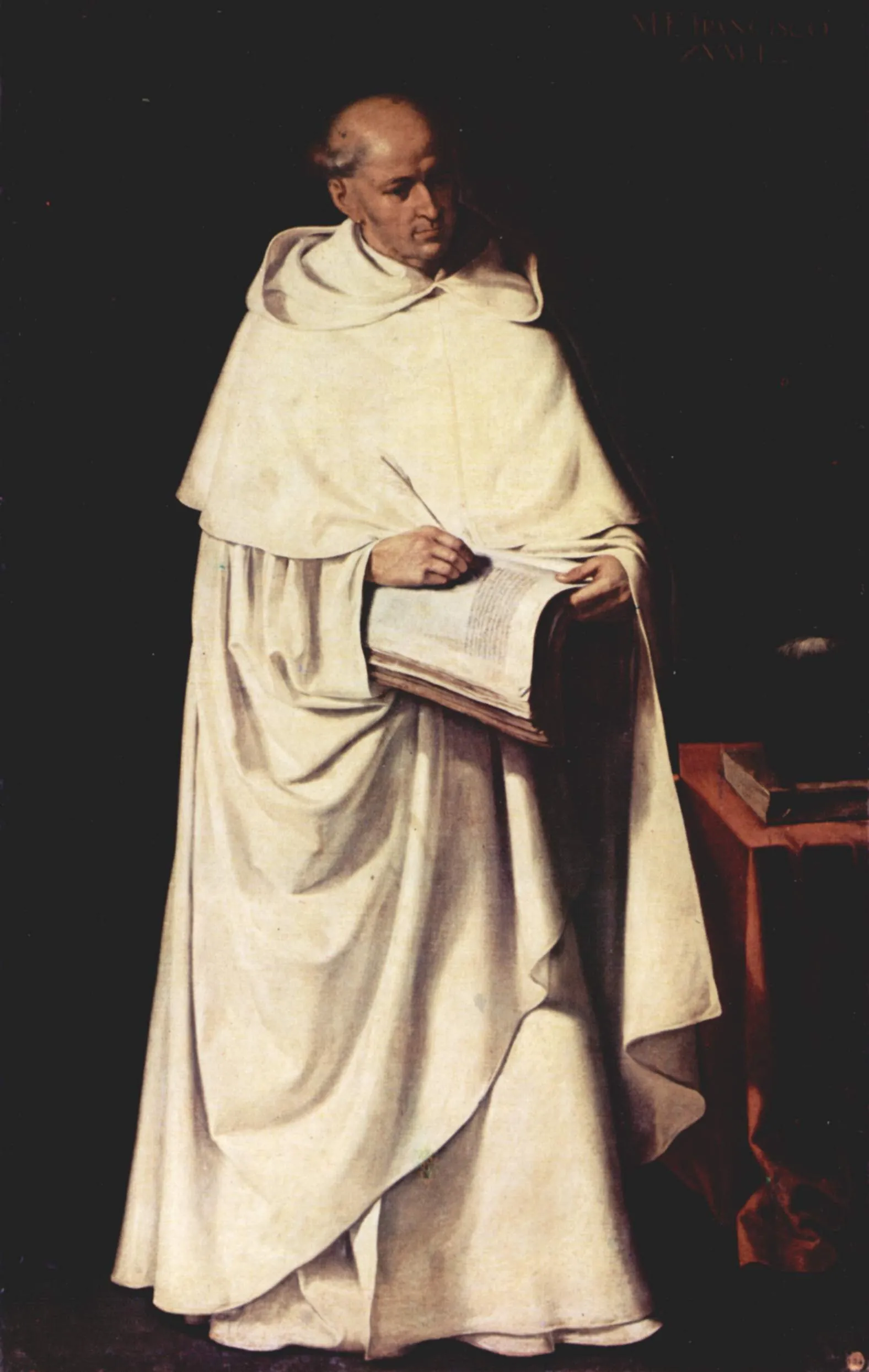
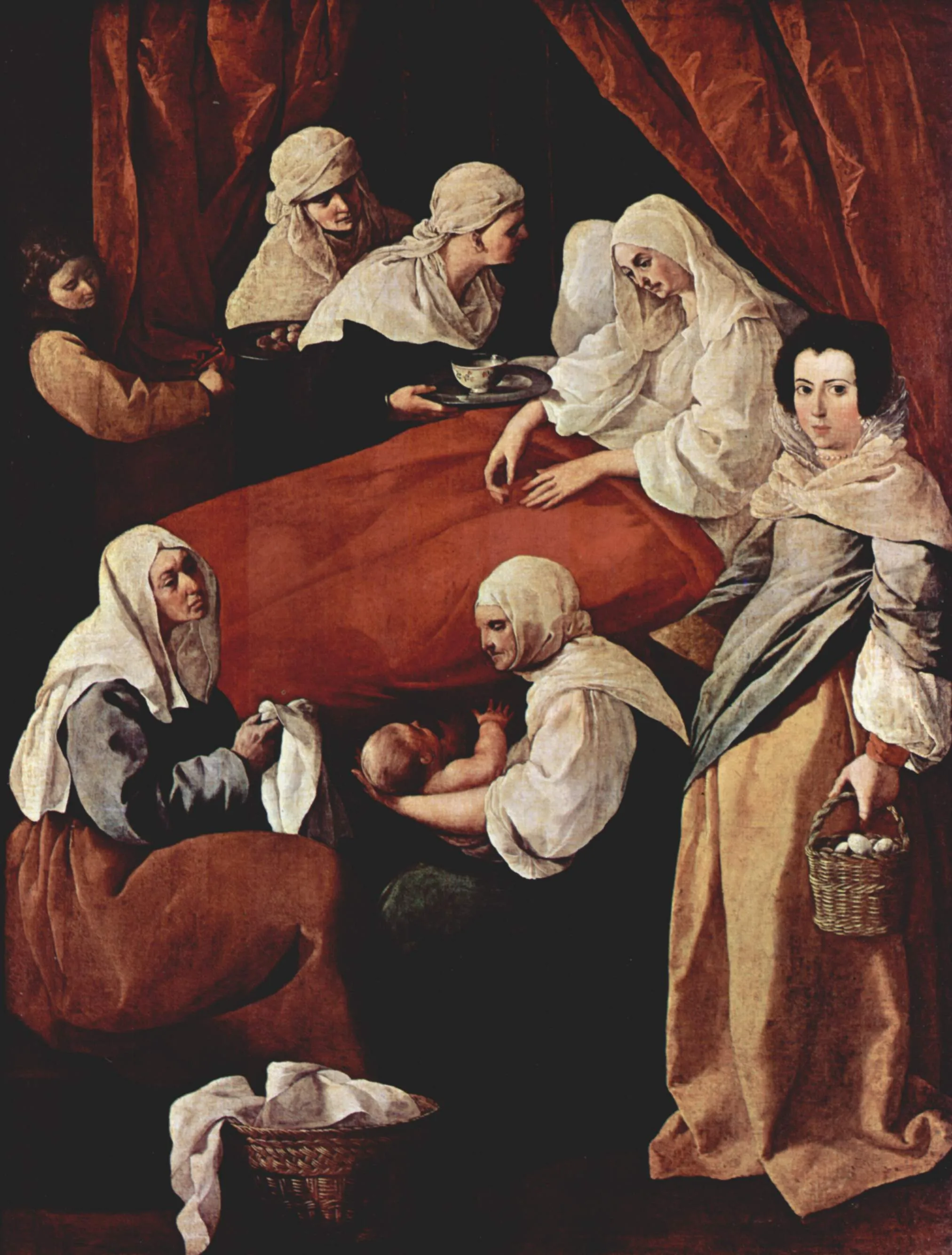
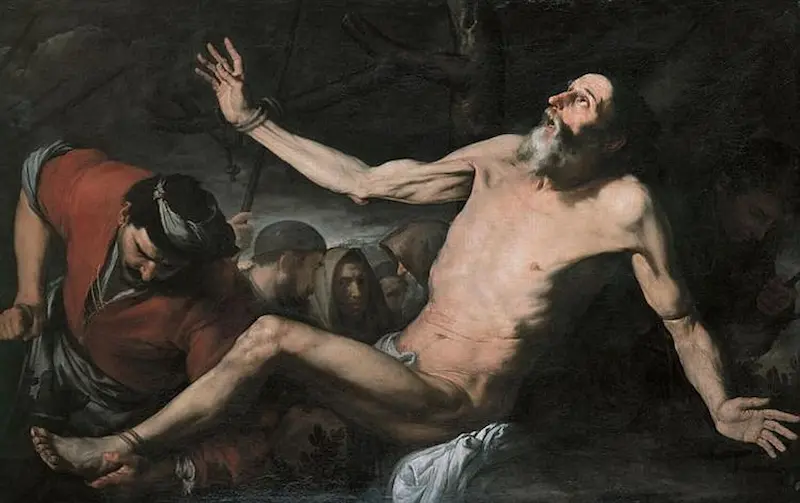
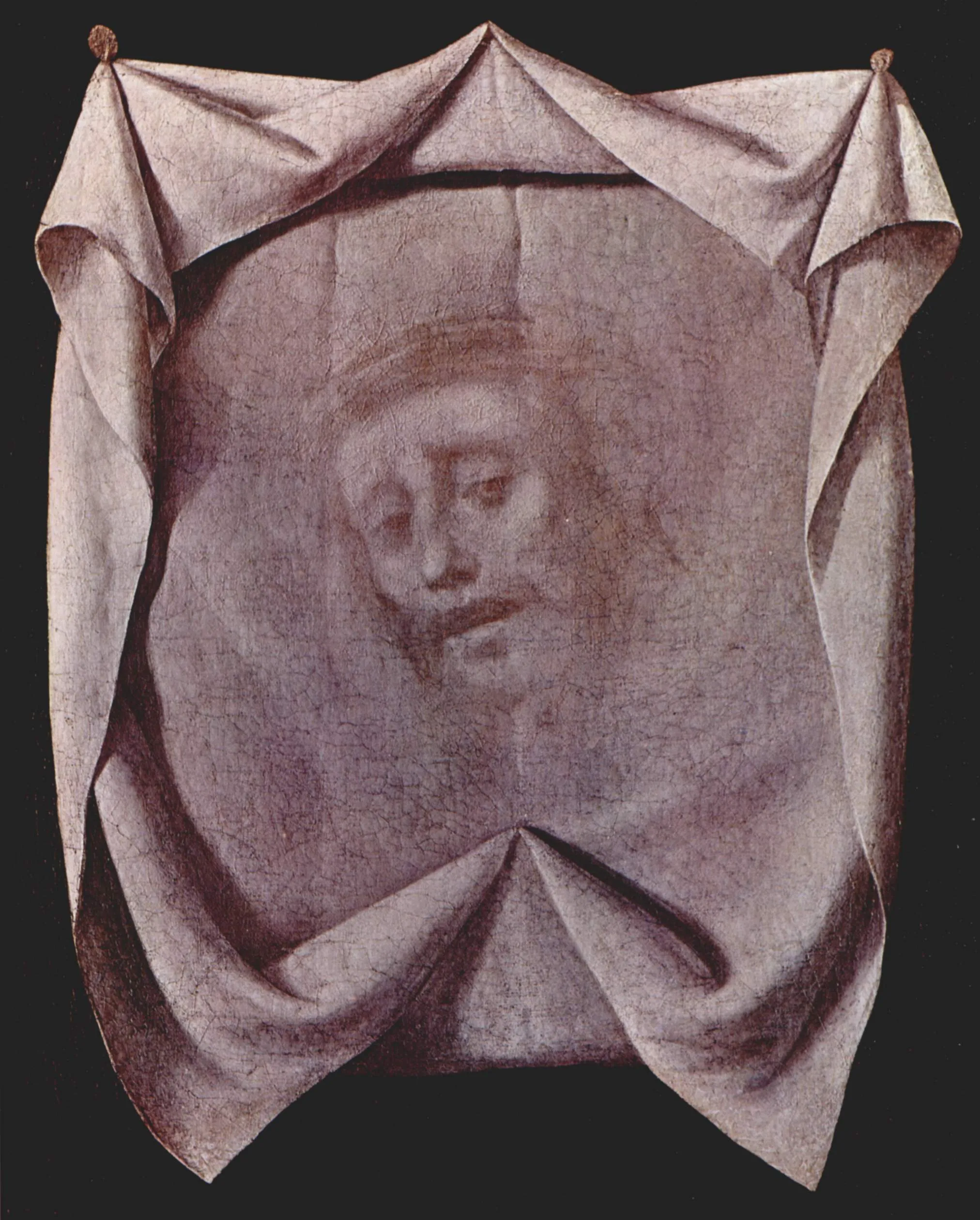
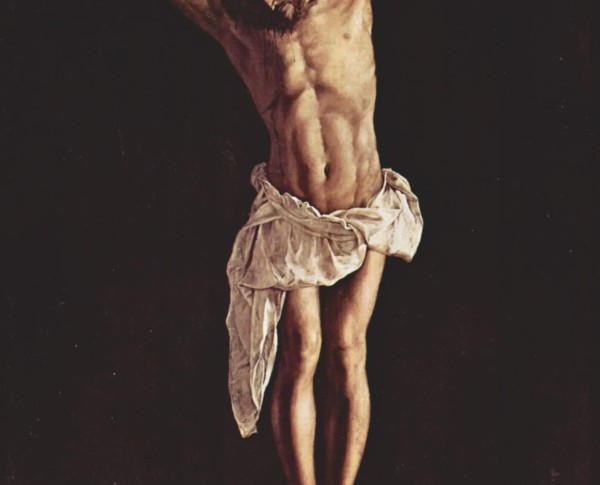
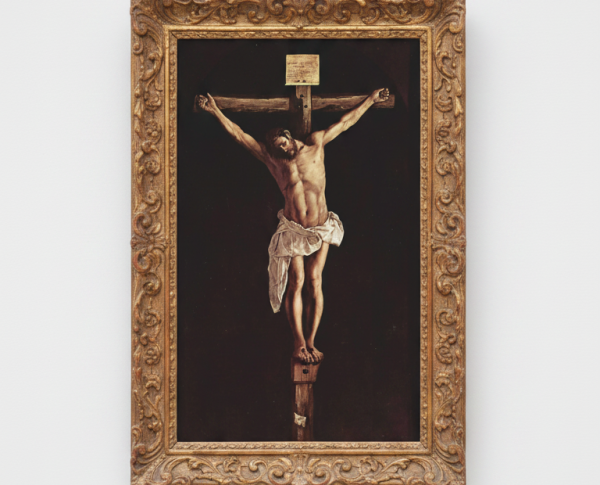
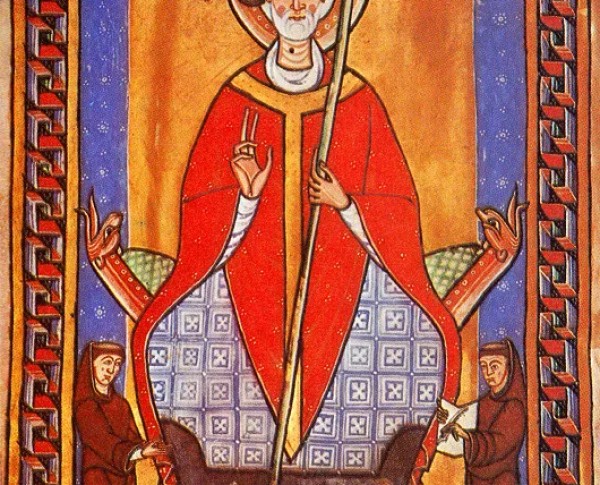
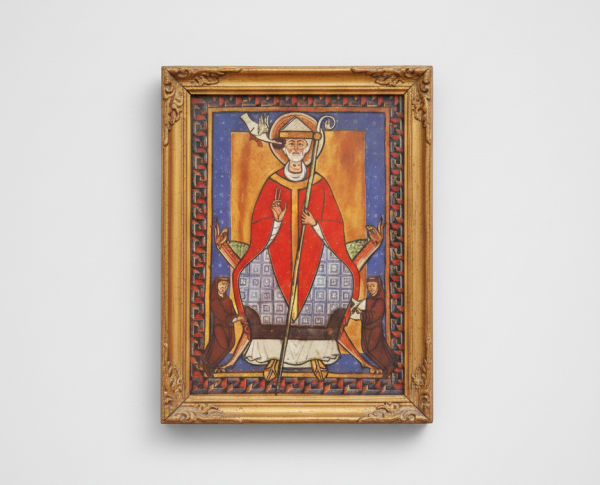
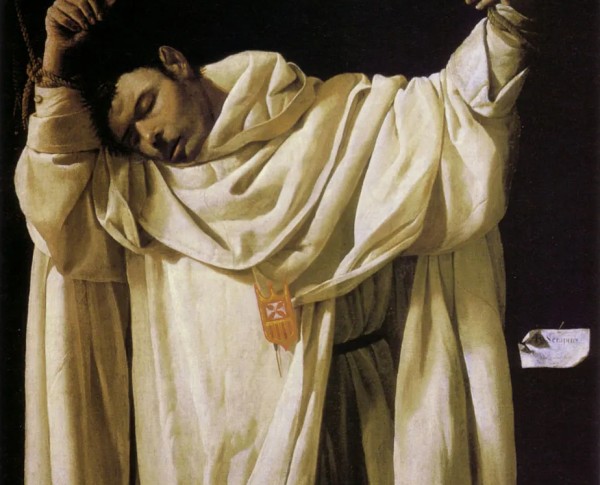
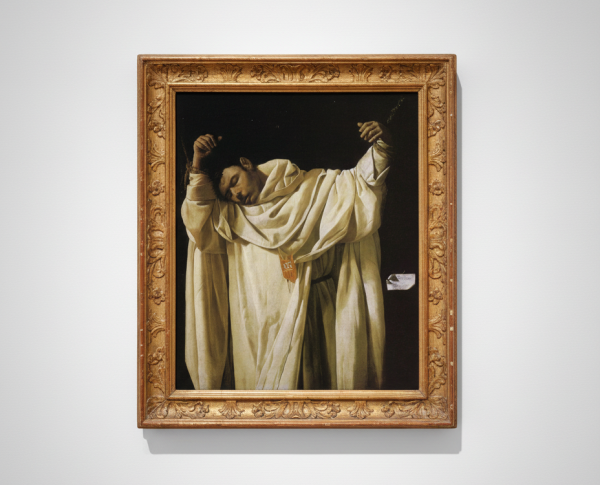
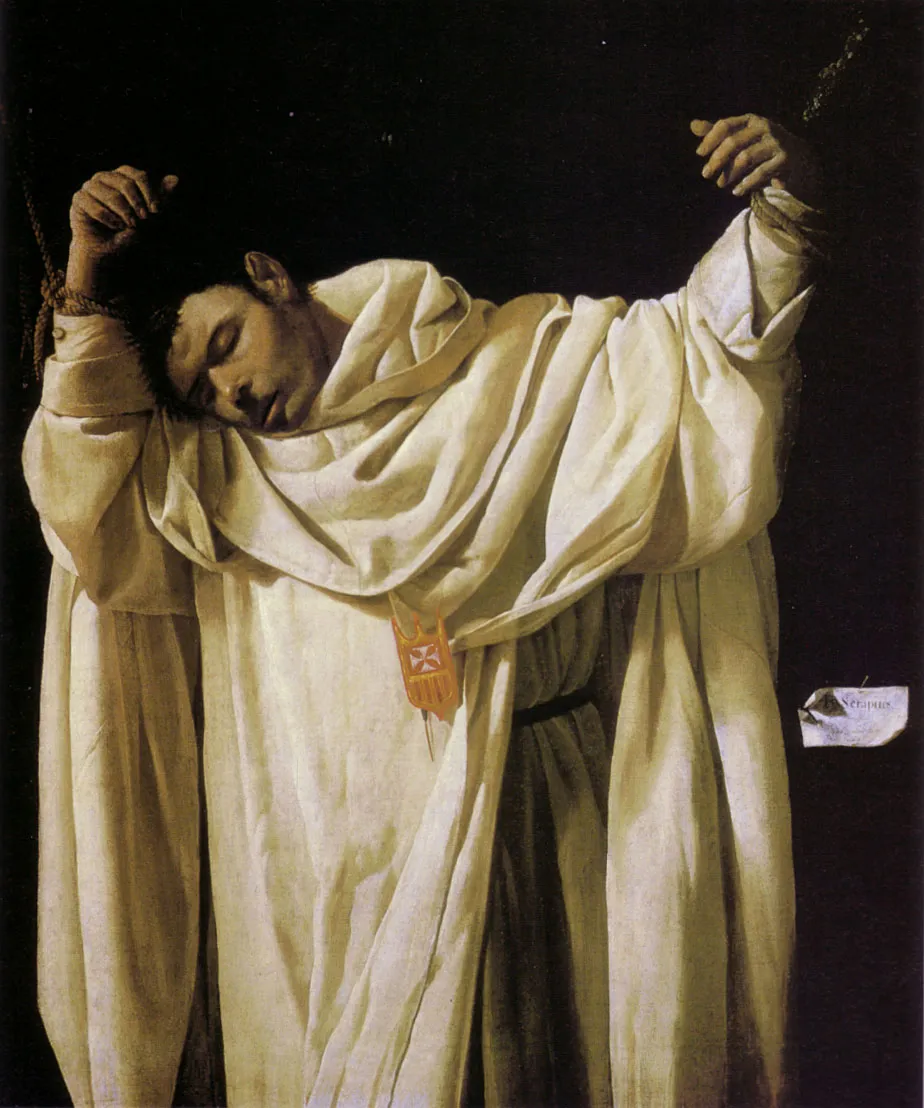
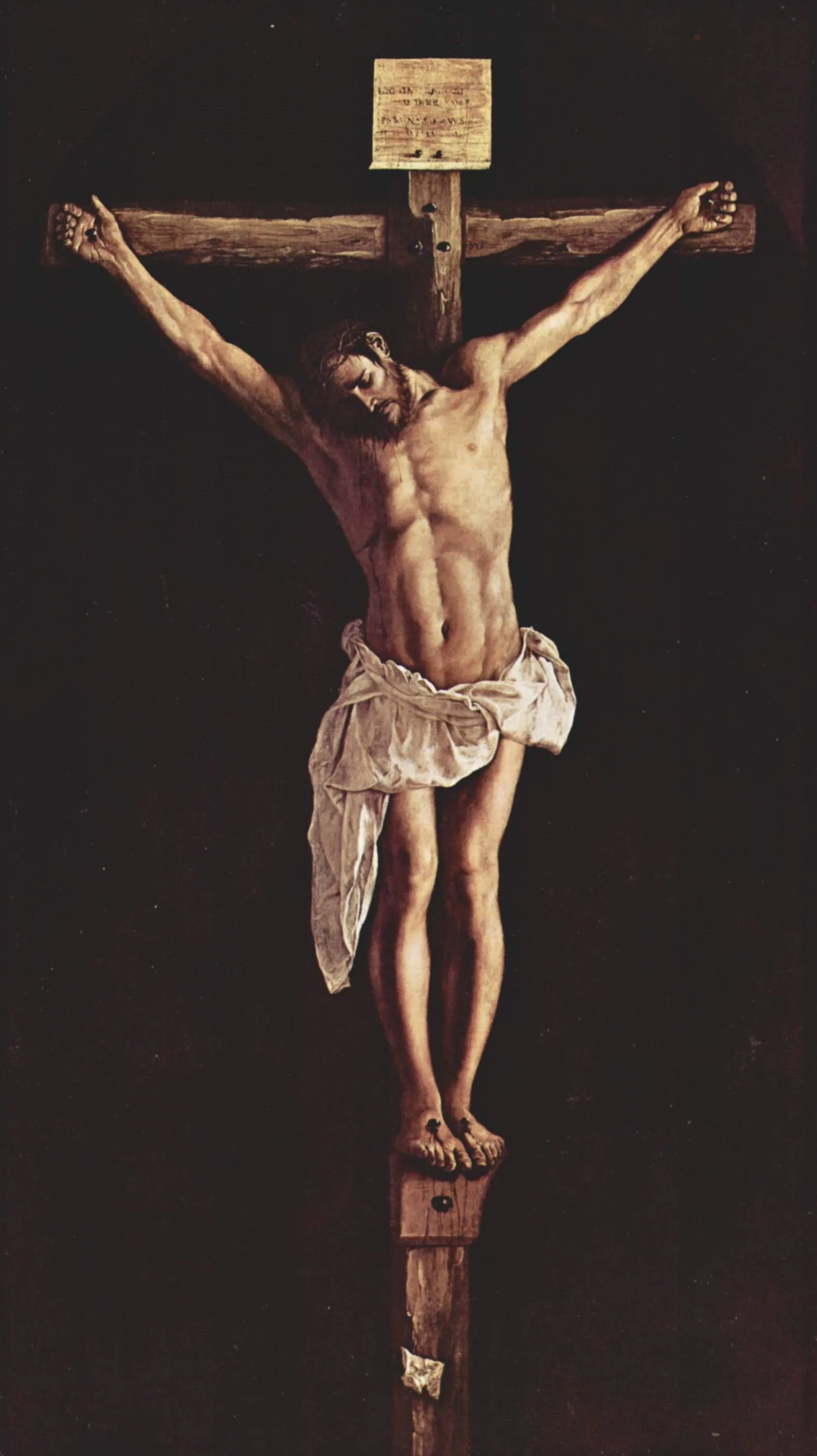
Francisco de Zurbaran’s expertise is evident in every detail of Beato Serapio, an exquisite example of oil on canvas technique. The artist’s mastery of light and shadow brings the figure to life, reflecting the intensity of the Baroque era. This painting exemplifies Zurbaran’s ability to evoke emotion through subtle color transitions and meticulous brushwork, similar to his other works such as Christ on the Cross and St Gregory, both of which are celebrated for their technical brilliance.
Beato Serapio is more than just a fine art painting for sale; it is a narrative rich in symbolism and history. The painting depicts the martyred Mercedarian friar, capturing his serene acceptance of fate—a common theme in Baroque art. Zurbaran’s attention to symbolic elements, such as the white habit and restrained palette, deepens the painting’s spiritual message. Collectors often seek related works like Christ on the Cross for their similarly profound storytelling and religious symbolism.
This hand-painted oil painting by Francisco de Zurbaran remains a treasured piece for art collectors worldwide. The timeless allure of Beato Serapio, combined with its historical significance within the Baroque movement, makes it a prized acquisition. Those interested in expanding their collection should also consider complementary masterpieces such as St Gregory, each offering unique insights into Zurbaran’s artistic vision and the enduring appeal of oil on canvas artworks from this remarkable period.
When Art Meets History
"Beato Serapio" by Francisco de Zurbaran stands as a testament to the Baroque movement’s dramatic interplay of faith and realism. Created in 1628, this hand-painted oil painting captures the martyrdom of Serapio, a significant religious figure. Zurbaran’s masterpiece, alongside related works like "Saint Francis of Assisi in Ecstasy" and "Saint Matthew and the Angel," reflects the era’s intense spirituality and masterful storytelling, making it a cornerstone in the history of Baroque religious art.
Techniques That Speak
Francisco de Zurbaran’s use of oil on canvas in "Beato Serapio" demonstrates his remarkable ability to render texture, light, and shadow. The artist’s skillful brushwork brings depth to Serapio’s robes and conveys a sense of solemnity. This painting, much like "The Lute Player" and "Basket of Fruit," showcases Zurbaran’s command of chiaroscuro, a hallmark of the Baroque movement, elevating the narrative power of his compositions and celebrating the enduring beauty of oil on canvas.
Emotions on Display
The emotional intensity in "Beato Serapio" is palpable, as Francisco de Zurbaran masterfully evokes compassion and reverence through his subject’s tranquil expression. The Baroque movement is renowned for its ability to stir profound feelings, and this fine art painting for sale exemplifies that tradition. In harmony with works like "Mercury and Battus," Zurbaran’s depiction of martyrdom invites viewers to reflect on sacrifice and devotion, making it a deeply moving addition to any collection.
Coveted by Collectors
"Beato Serapio" by Francisco de Zurbaran is highly sought after by art collectors who appreciate Baroque masterpieces. As a hand-painted oil painting, its rarity and historical significance make it a prized acquisition. Collectors who admire related paintings such as "Saint Francis of Assisi in Ecstasy" value the authenticity and emotional depth found in Zurbaran’s work. This painting’s enduring appeal ensures its place among the most coveted treasures in the world of fine art.
Related Baroque Hand-Painted Oil Paintings by Other Artists
Other Famous Baroque Artists:
Frequently Asked Questions About Beato Serapio
What is the historical context of "Beato Serapio"?
"Beato Serapio" was painted by Francisco de Zurbarán in the 17th century, during the Spanish Golden Age, a period marked by significant artistic and cultural achievements in Spain.
Who was Beato Serapio?
Beato Serapio, also known as Saint Serapion, was a Mercedarian friar who was martyred in the 13th century. His life and death symbolize the virtues of sacrifice and devotion to faith.
What artistic techniques did Zurbarán employ in this painting?
Zurbarán is known for his mastery of chiaroscuro, a technique that uses strong contrasts between light and dark to create a dramatic effect. In "Beato Serapio," this technique enhances the spiritual and contemplative mood of the work.
What is the significance of the color palette used in "Beato Serapio"?
The color palette features deep, rich tones, predominantly earth colors, which evoke a sense of solemnity and reverence, reflecting the spiritual nature of the subject matter.
How does "Beato Serapio" reflect the Baroque style?
This painting exemplifies the Baroque style through its emotional intensity, dramatic use of light, and focus on religious themes, all characteristic of the period's artistic tendencies.
What symbols are present in "Beato Serapio"?
The painting includes symbolic elements such as the chains that represent Serapion's martyrdom and the halo that signifies his sanctity, reinforcing his role as a holy figure.
What influences can be seen in Zurbarán's work on "Beato Serapio"?
Zurbarán was influenced by Caravaggio's dramatic realism and the spiritual themes of the Counter-Reformation, which sought to inspire devotion through art.
How does the composition of "Beato Serapio" contribute to its impact?
The composition is carefully arranged, with Serapion positioned centrally, drawing the viewer's focus and creating a sense of intimacy and connection with the saint.
What role did religious themes play in Zurbarán's body of work?
Religious themes were central to Zurbarán's oeuvre, as he often depicted saints and biblical figures, aiming to convey spiritual messages and evoke a sense of piety among viewers.
How has "Beato Serapio" been received by art critics and historians?
"Beato Serapio" is highly regarded by art critics and historians for its technical skill and emotional depth, often cited as a prime example of Zurbarán's unique ability to blend realism with spirituality.























_GFM_Painting_(1).webp)


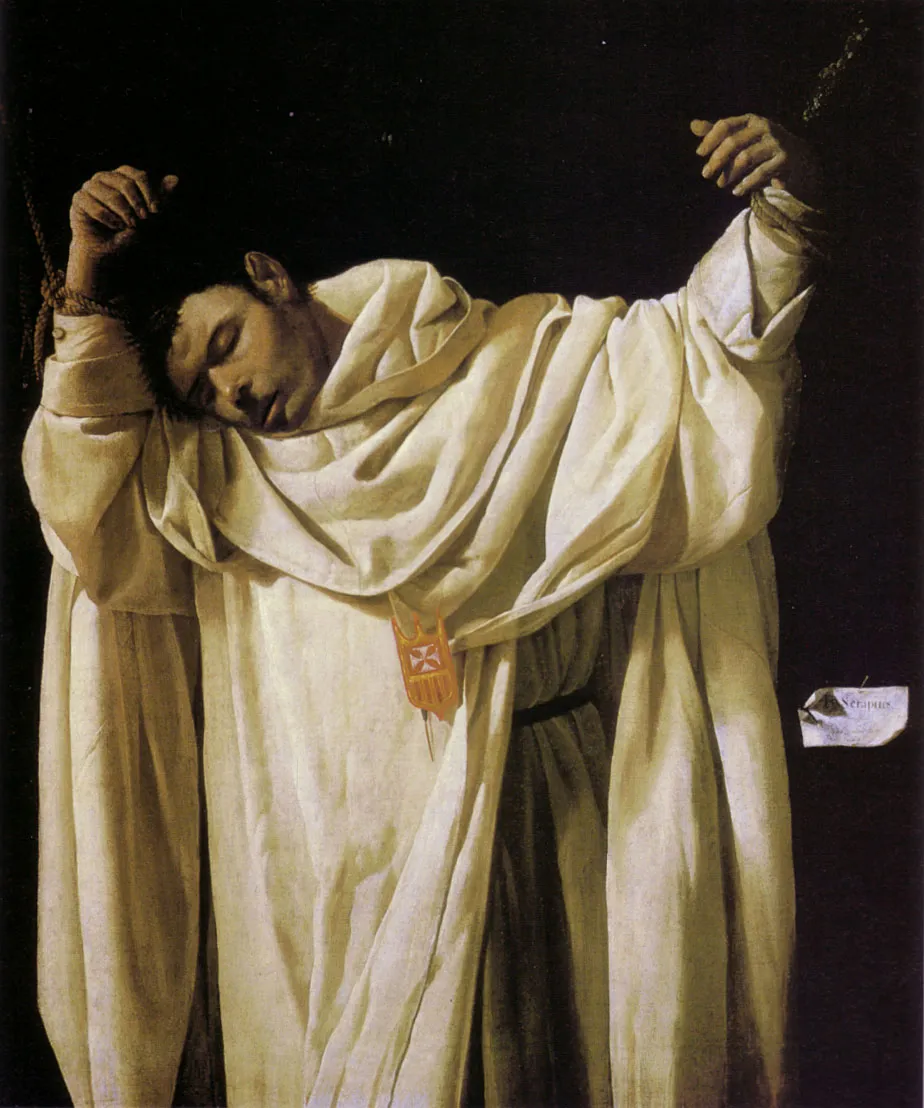
 100% Hand-Painted: Finished in 3-6 Weeks

.png)
















_(1).webp)