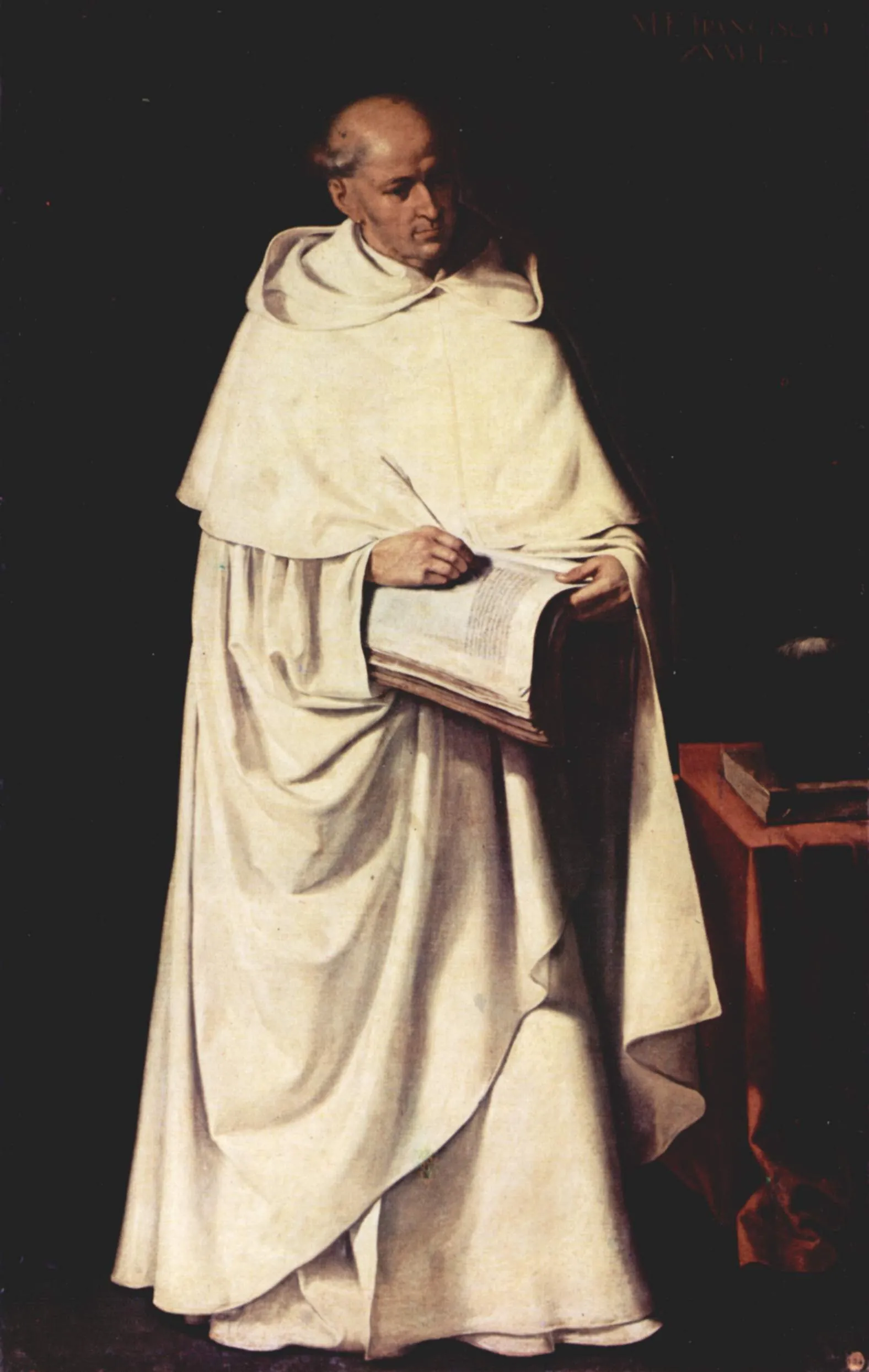
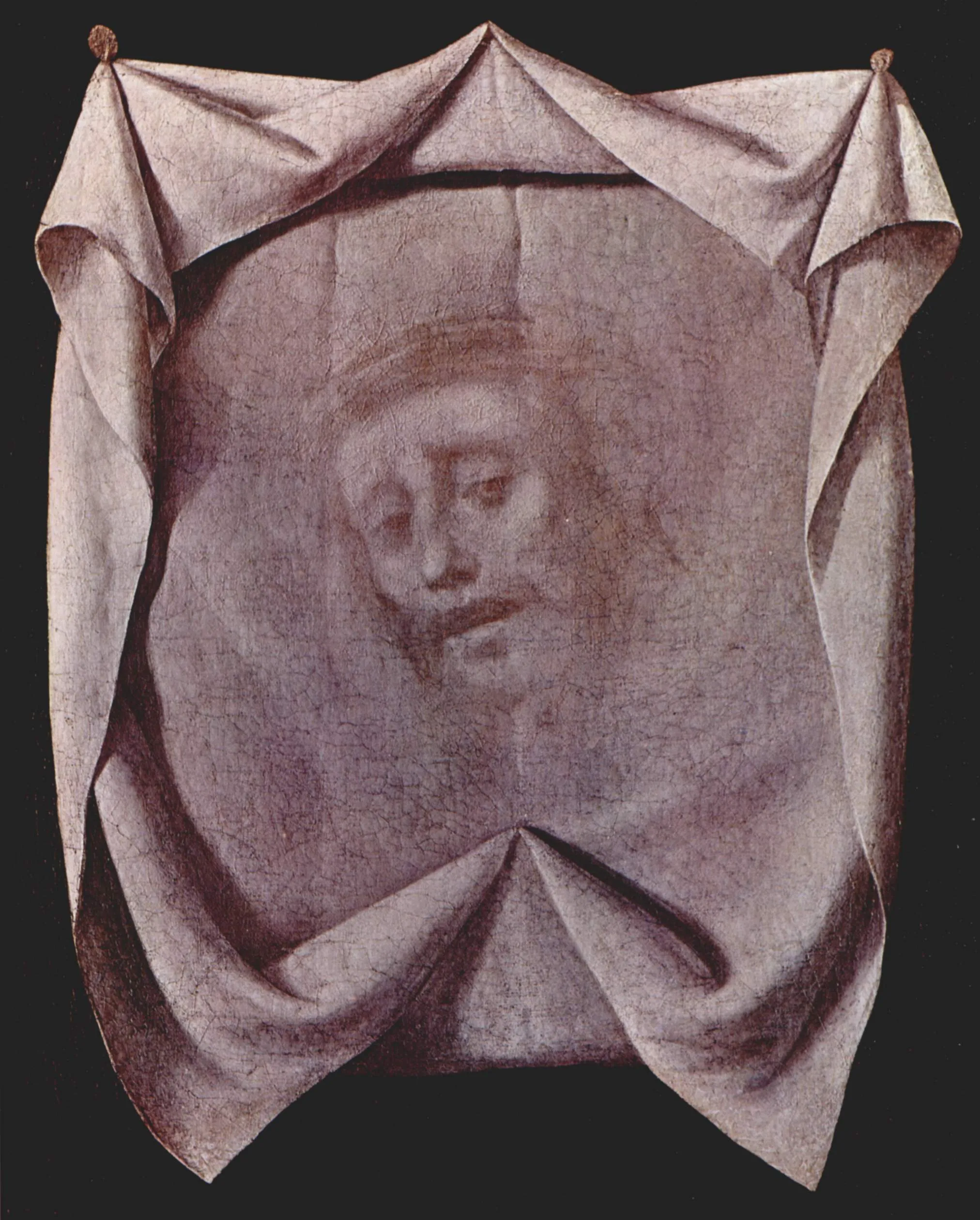
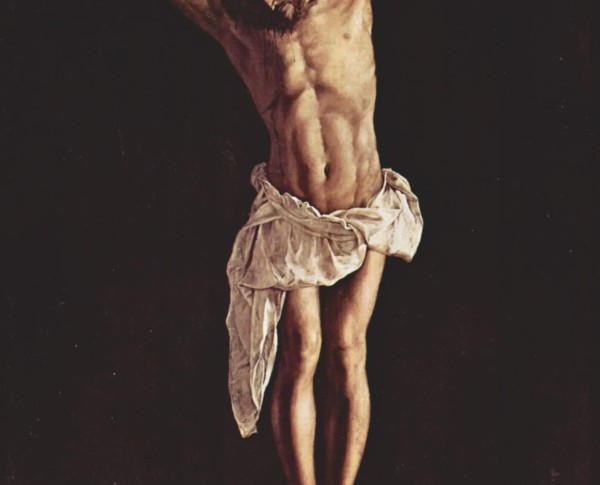
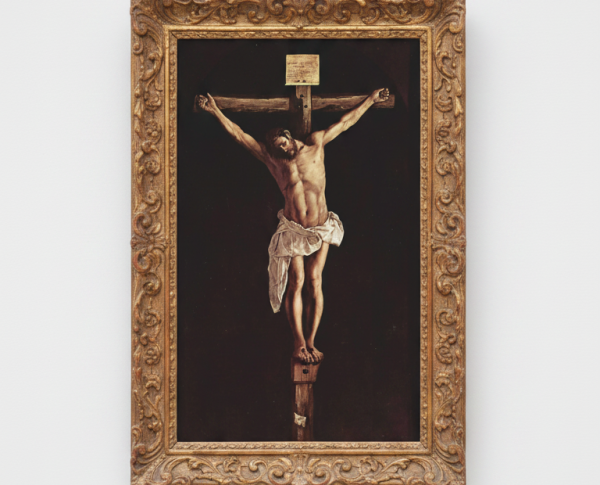
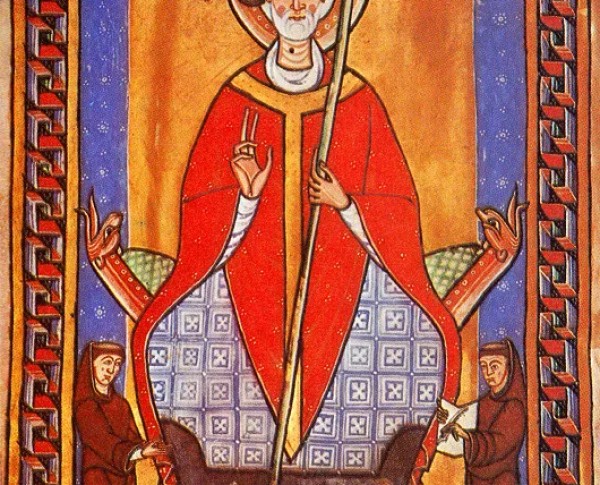
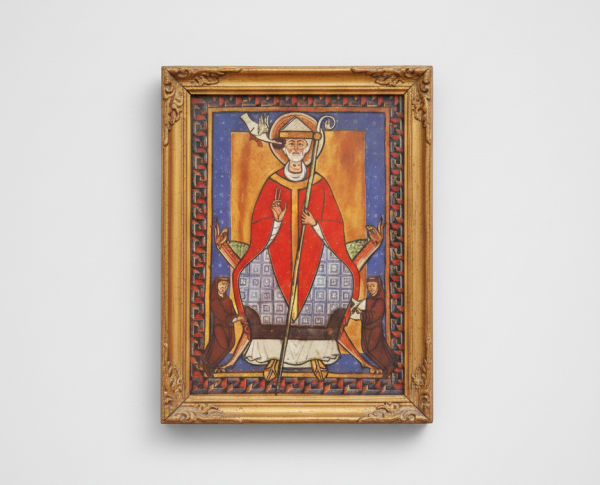
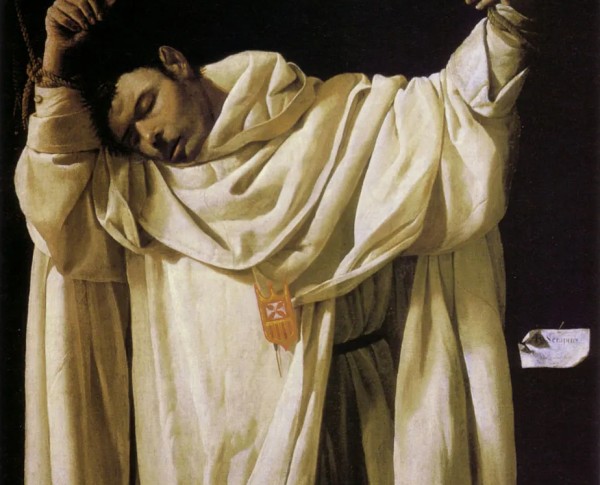
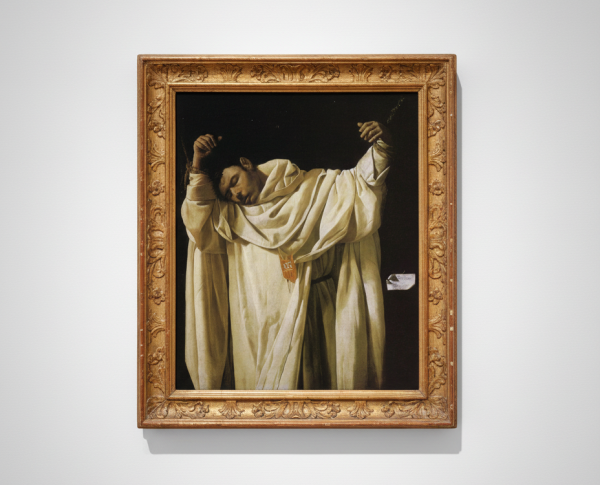
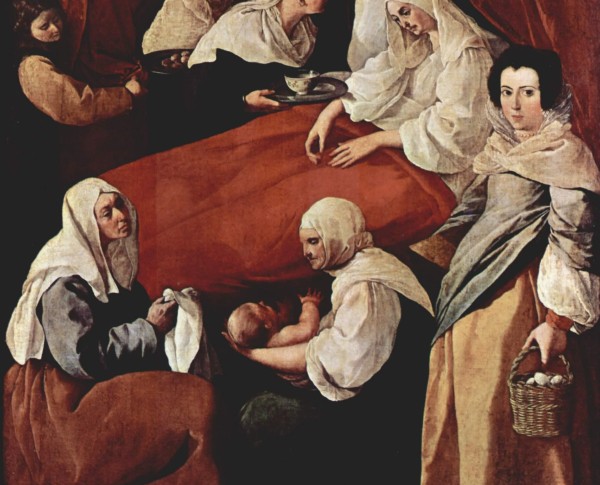
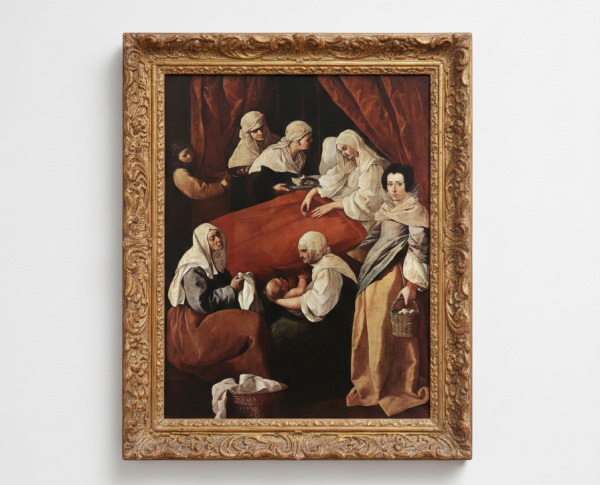
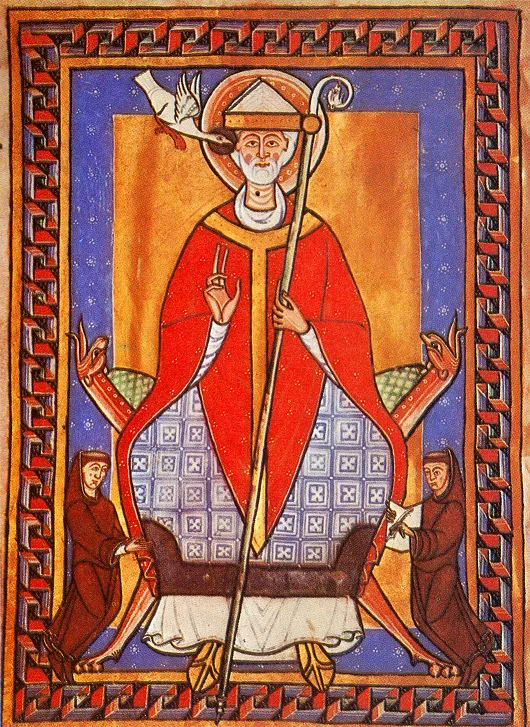
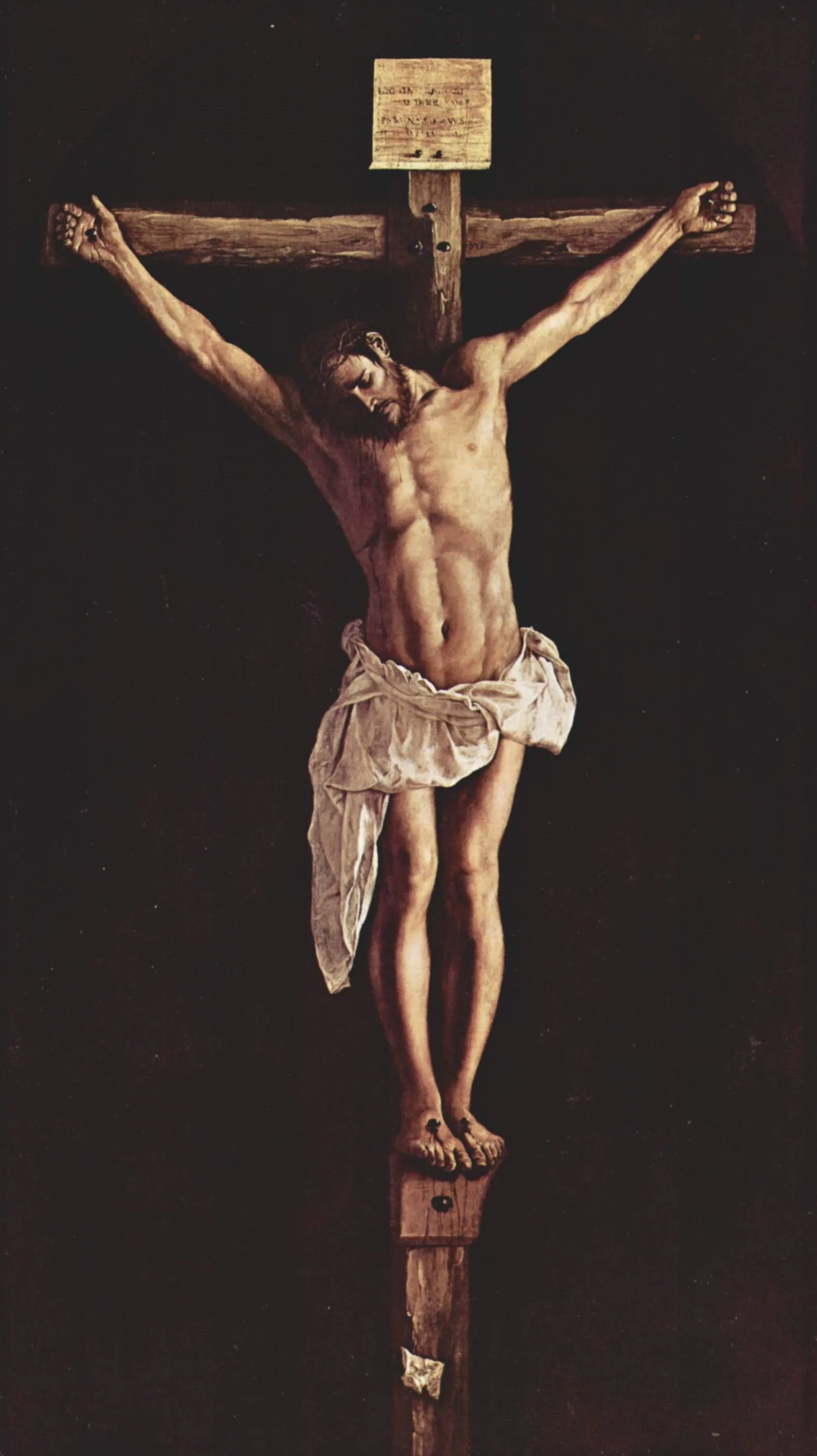
Francisco de Zurbaran’s "St Gregory" exemplifies the technical brilliance of Baroque oil on canvas artworks. The painting’s dramatic contrasts and meticulous details bring the saint’s presence to life, demonstrating Zurbaran’s mastery. As a leading figure in Spanish Baroque art, his technique in "St Gregory" is echoed in related works like "Christ on the Cross," making it a prime example for those who appreciate historical oil on canvas masterpieces.
In "St Gregory," Zurbaran weaves rich narratives and potent symbols, typical of Baroque fine art painting for sale. The depiction of the saint is layered with spiritual meaning, reflecting the era’s emphasis on emotion and faith. Collectors interested in symbolic religious art will find connections between this work and others by Zurbaran, including "Christ on the Cross," making them ideal companions in any curated collection of Baroque masterpieces.
For those seeking a rare and valuable hand-painted oil painting, "St Gregory" by Francisco de Zurbaran is an exceptional choice. Its historical significance and exquisite craftsmanship elevate it as a coveted piece among Baroque artworks. Pairing it with related products like "Christ on the Cross" enhances any collection, offering art lovers an opportunity to own a fine art painting for sale that embodies the spirit of Zurbaran’s artistic legacy.
When Art Meets History
"St Gregory" by Francisco de Zurbarán stands as a testament to the grandeur of the Baroque movement. This hand-painted oil painting captures the religious fervor and dramatic realism that defined 17th-century Spanish art. Zurbarán's expertise is evident as he places St Gregory among the ranks of his other masterpieces, such as "Portrait of a Courtesan" and "Doubting Thomas." The painting reflects a period when faith and artistry merged, shaping the narrative of Western fine art.
Techniques That Speak
Francisco de Zurbarán’s "St Gregory" showcases his masterful use of oil on canvas, a medium favored during the Baroque era for its depth and luminosity. The artist employs chiaroscuro, skillfully balancing light and shadow to create a lifelike presence. Similar to works like "Amor Vincit Omnia" and "A lute player," Zurbarán’s brushwork and attention to detail highlight the richness of the fabric and the saint’s serene expression, making this painting a true study in technical excellence.
Emotions on Display
In "St Gregory," the emotional gravity is palpable, a hallmark of Baroque artistry. Francisco de Zurbarán imbues the saint with a sense of solemnity and introspection, drawing viewers into a moment of quiet reverence. This fine art painting for sale resonates with the same intensity found in "Boy Bitten by a Lizard" and "Doubting Thomas," inviting collectors to experience the spiritual depth and psychological realism that Zurbarán so expertly conveys.
Coveted by Collectors
As one of the most sought-after works from the Baroque period, "St Gregory" by Francisco de Zurbarán is highly prized among art enthusiasts. The painting’s combination of technical mastery and profound emotion makes it a standout among hand-painted oil paintings. Collectors often compare it to related pieces like "Portrait of a Courtesan" and "Amor Vincit Omnia," recognizing its enduring value and significance within the world of fine art painting for sale.
Related Baroque Hand-Painted Oil Paintings by Other Artists
Other Famous Baroque Artists:
Frequently Asked Questions About St Gregory
Who is the artist of "St Gregory"?
The painting "St Gregory" was created by the renowned Spanish Baroque artist Francisco de Zurbarán, known for his religious works and mastery of light and shadow.
What is the historical context of "St Gregory"?
What is the significance of St Gregory in the Catholic Church?
St Gregory the Great, depicted in the painting, is a significant figure in the Catholic Church, recognized as a Doctor of the Church and celebrated for his contributions to liturgy and theology.
What artistic techniques did Zurbarán use in "St Gregory"?
Zurbarán employed chiaroscuro, a technique that contrasts light and dark, to create depth and emphasize the spiritual presence of St Gregory in the painting.
What symbols are present in "St Gregory"?
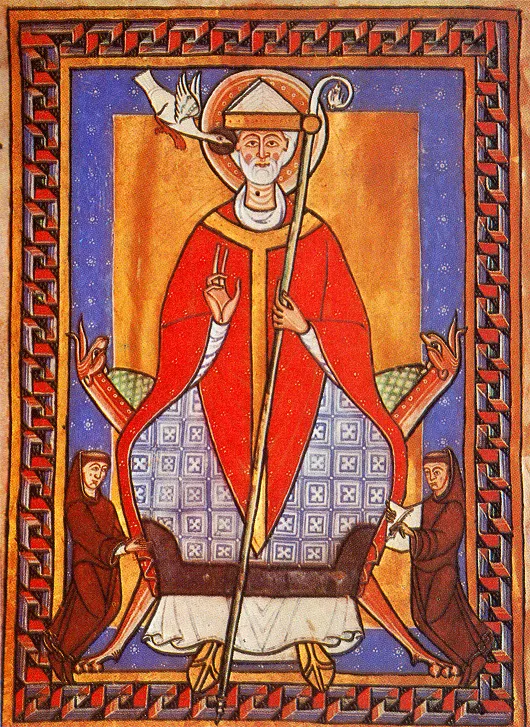
The painting features various symbols, including the papal tiara and the book, which represent St Gregory's role as a pope and his contributions to Christian doctrine.
How does "St Gregory" reflect Baroque art characteristics?
The painting exemplifies Baroque art through its dramatic use of light, emotional intensity, and the focus on religious themes that engage the viewer's spirituality.
What is the composition of "St Gregory"?
In "St Gregory," the composition is centered around the figure of the saint, with a dynamic arrangement that draws the viewer’s eye towards his serene expression and contemplative posture.
Where can "St Gregory" be viewed today?
"St Gregory" is housed in various collections, and its current location can be confirmed through the art gallery or museum hosting the painting.
What influence did Zurbarán have on later artists?
Zurbarán's focus on religious themes and his unique handling of light influenced many later artists, particularly in the realms of religious and still life painting.
What emotions does "St Gregory" evoke in viewers?
The painting evokes a sense of reverence and contemplation, inviting viewers to reflect on the spiritual significance of St Gregory's life and contributions to the Church.























_GFM_Painting_(1).webp)


 100% Hand-Painted: Finished in 3-6 Weeks

.png)















_(1).webp)