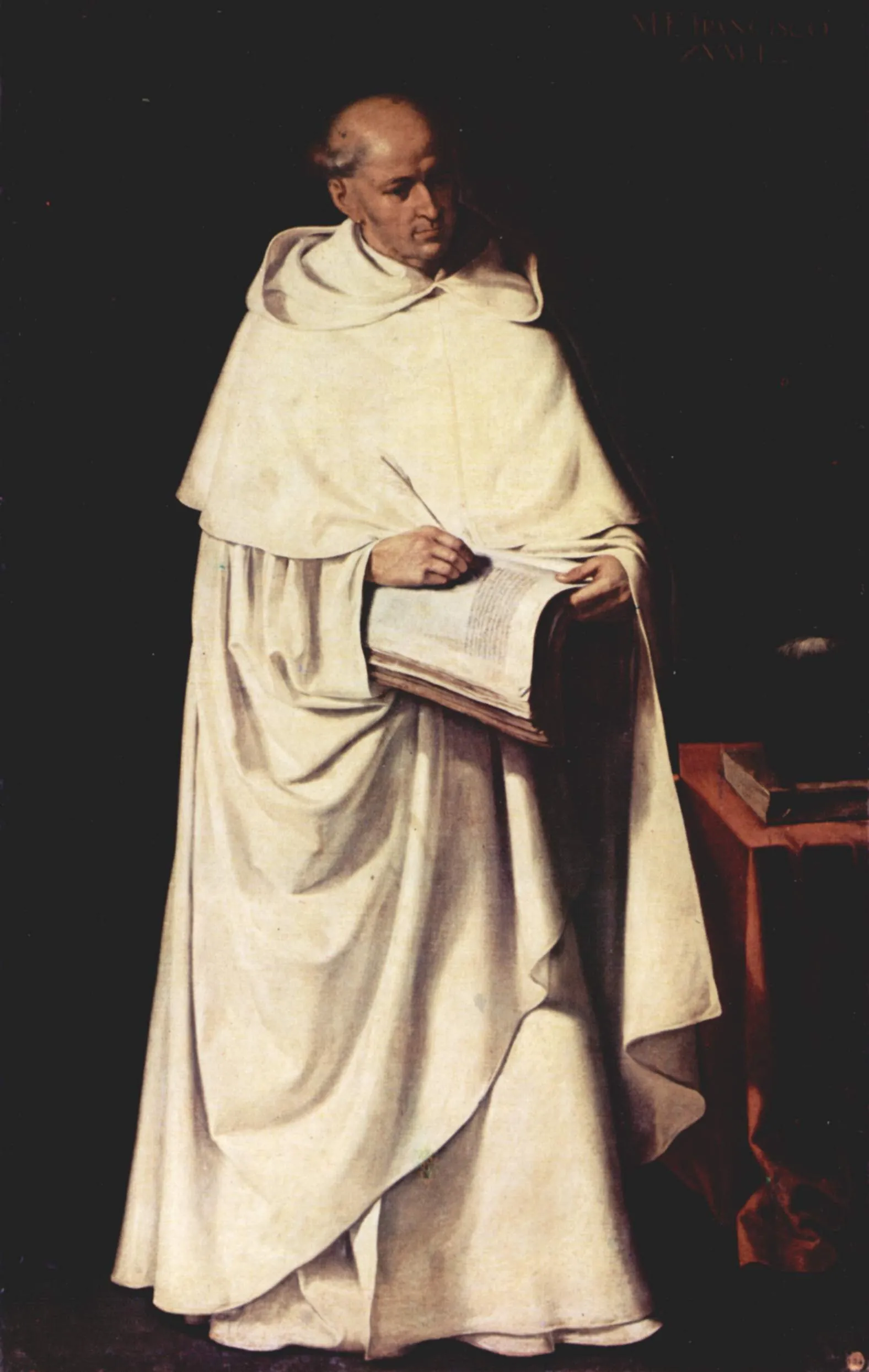
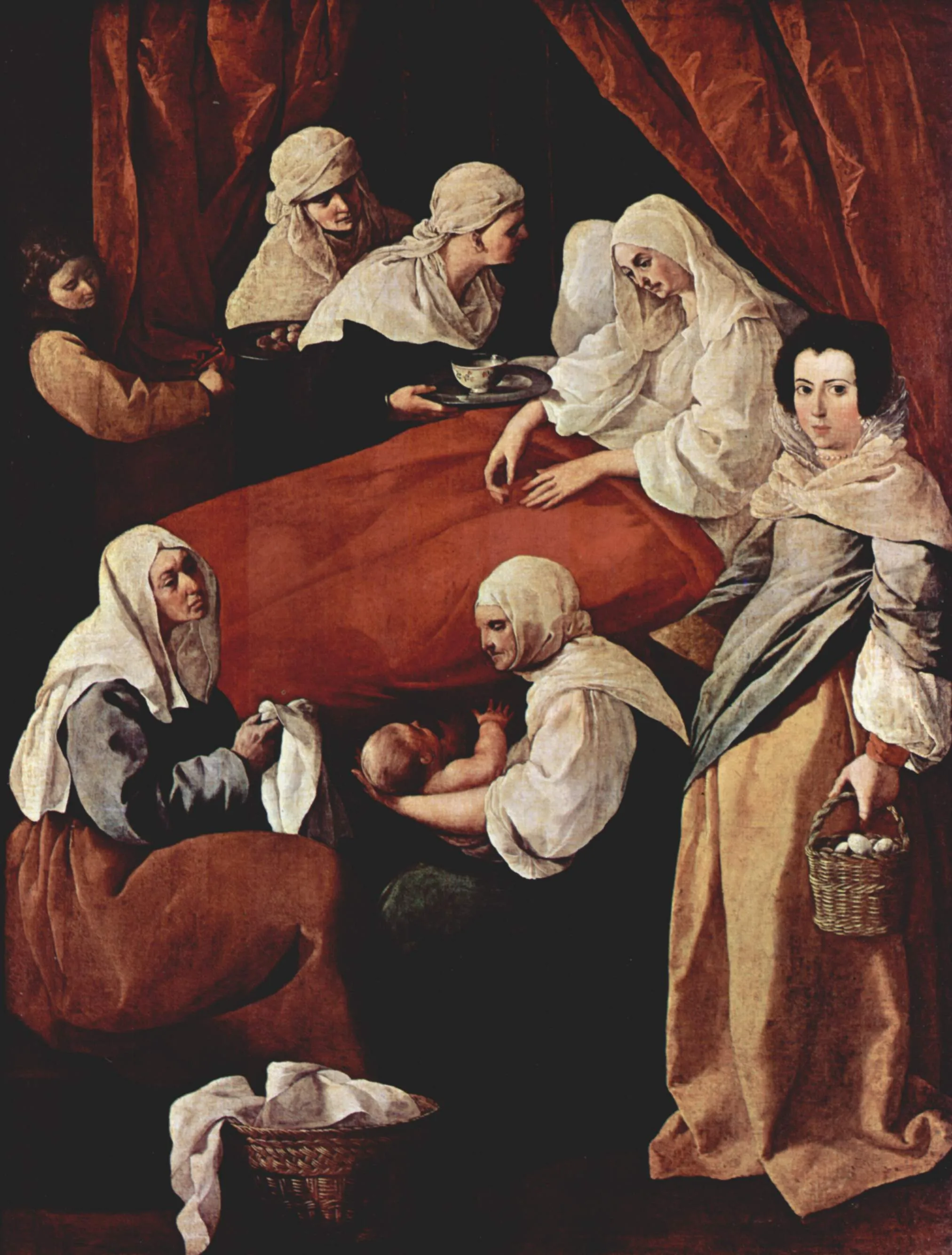
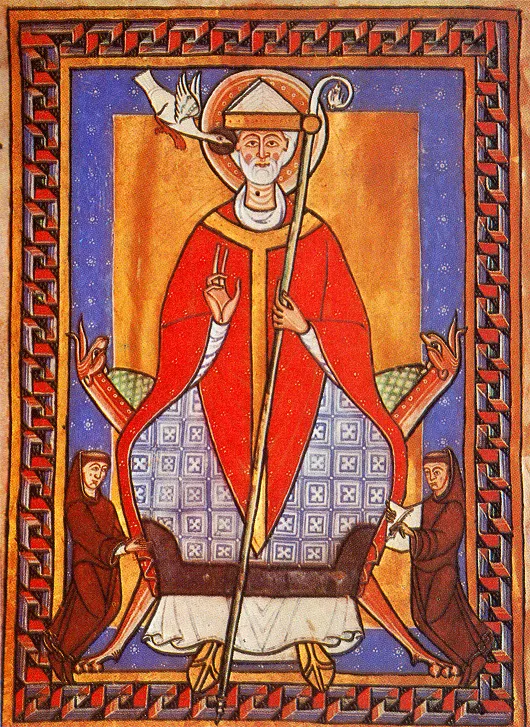
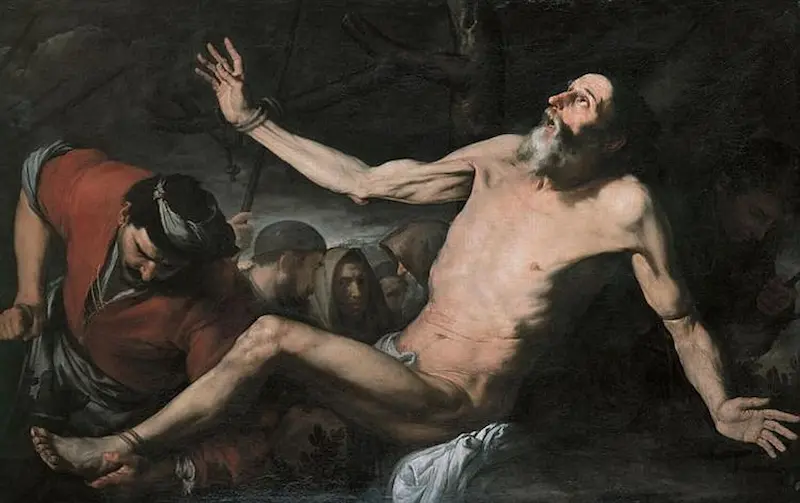
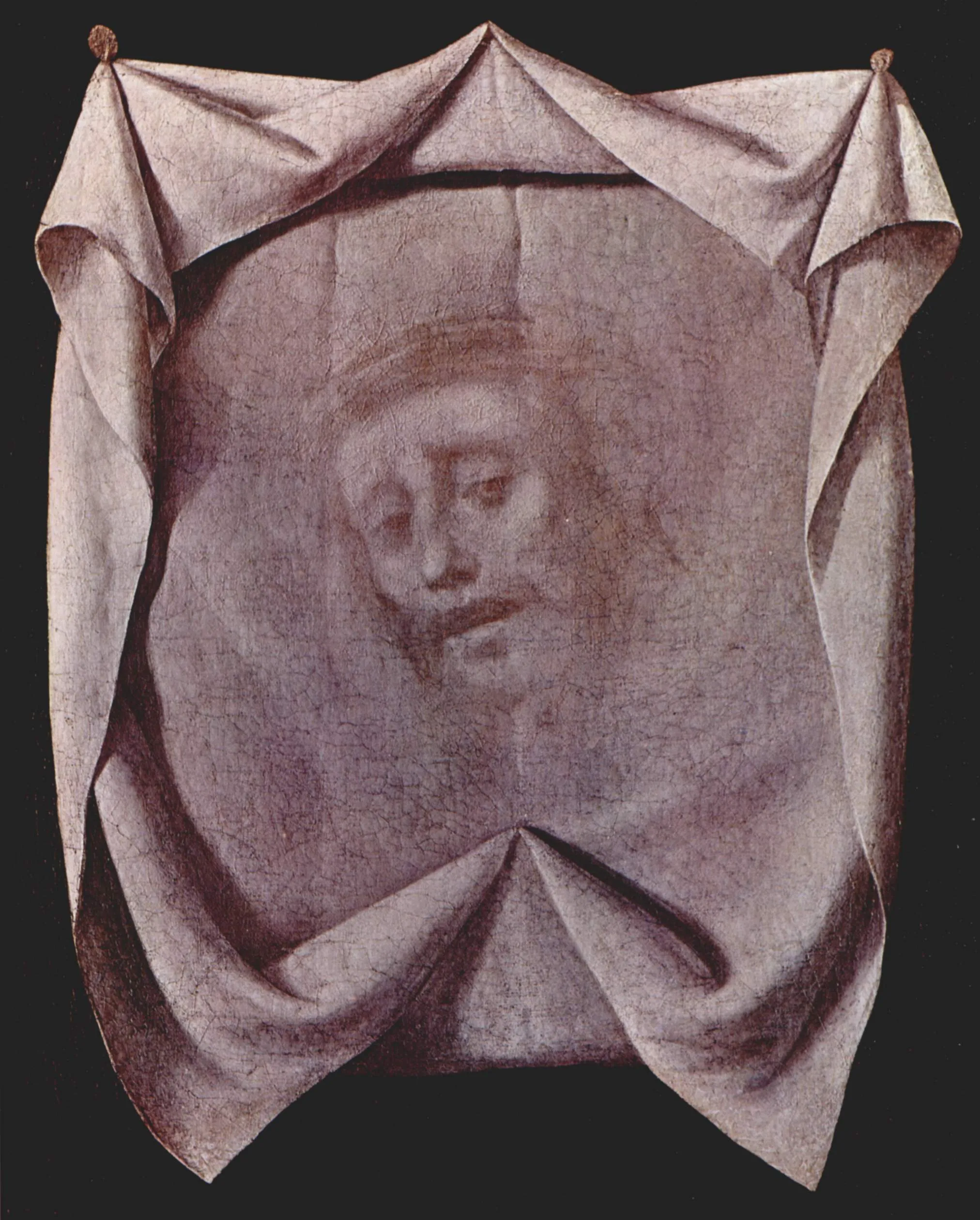
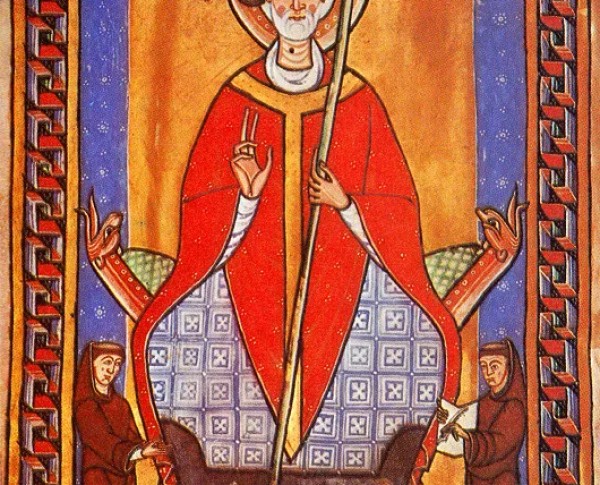
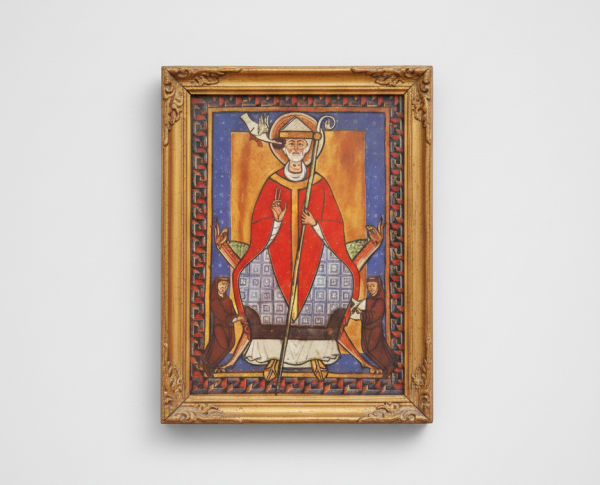
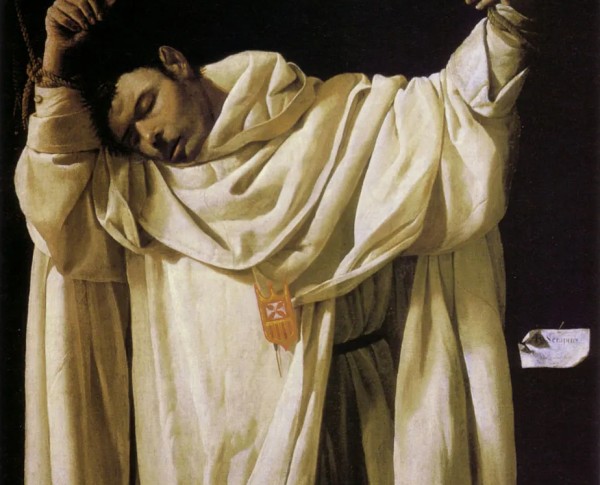
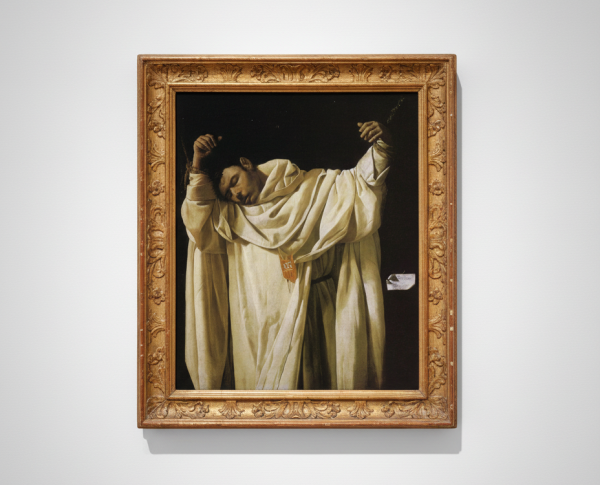
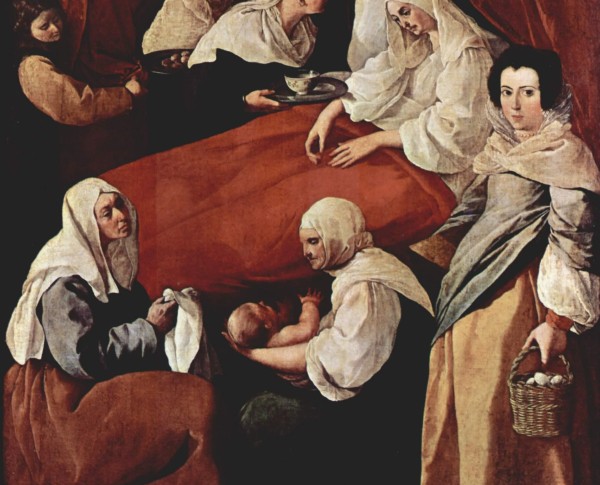
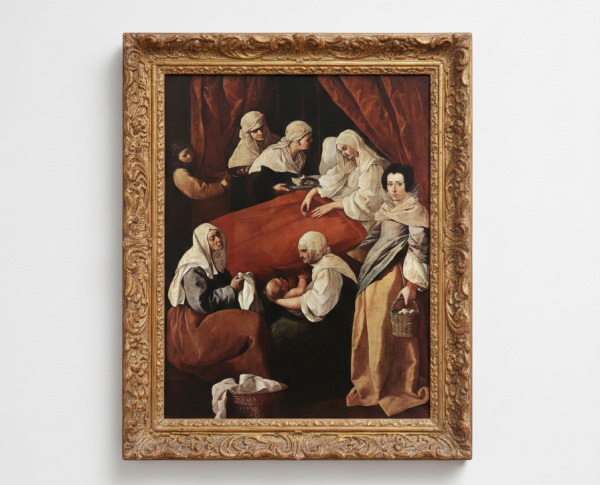
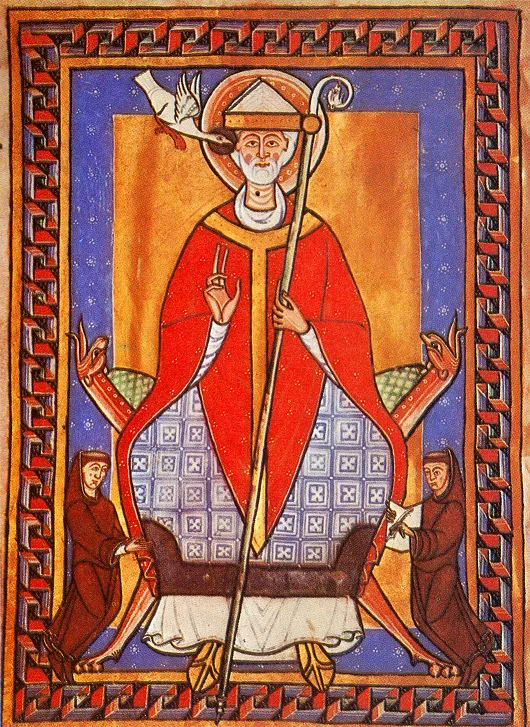
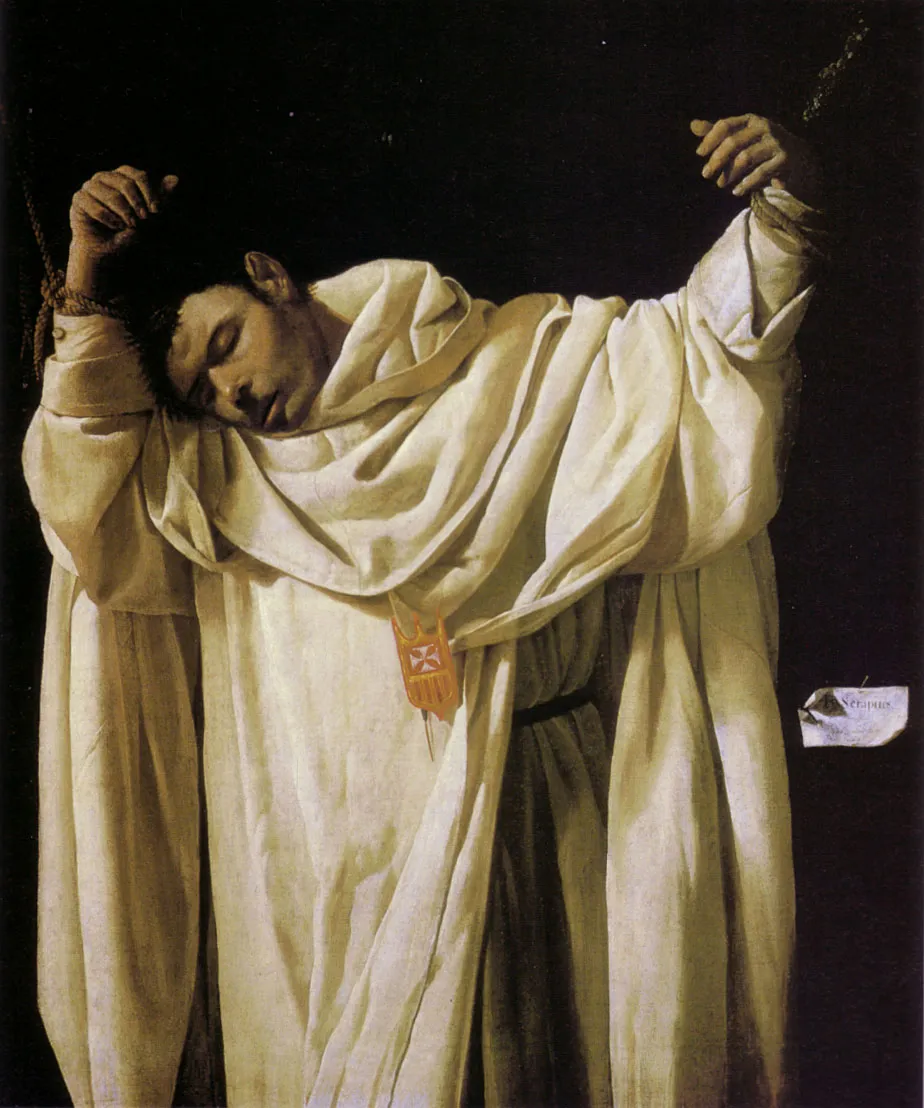
Francisco de Zurbaran’s technique in this oil on canvas shines through in his rendering of light and texture, hallmarks of the Baroque movement. Each brushstroke enhances the narrative, making the figures appear almost lifelike. This painting shares a stylistic kinship with Zurbaran’s other works, such as "St Gregory" and "Beato Serapio," demonstrating the artist’s consistent dedication to realism and emotion in every oil on canvas creation.
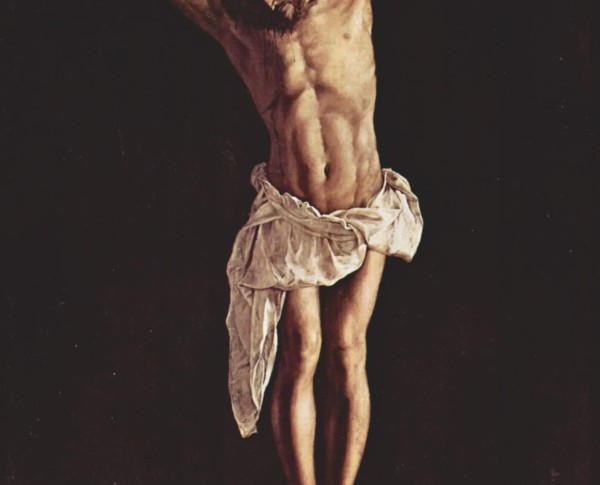
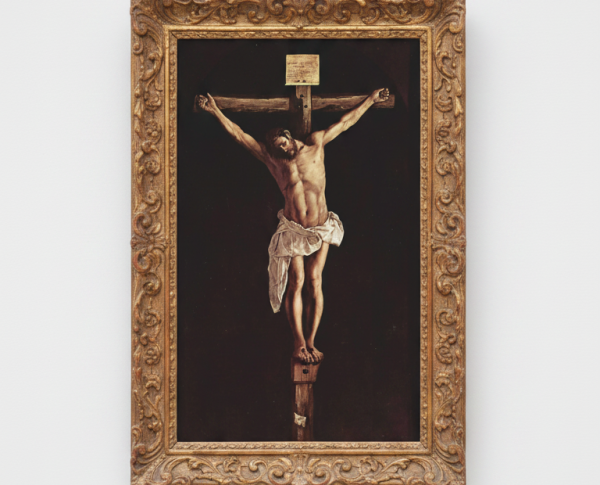
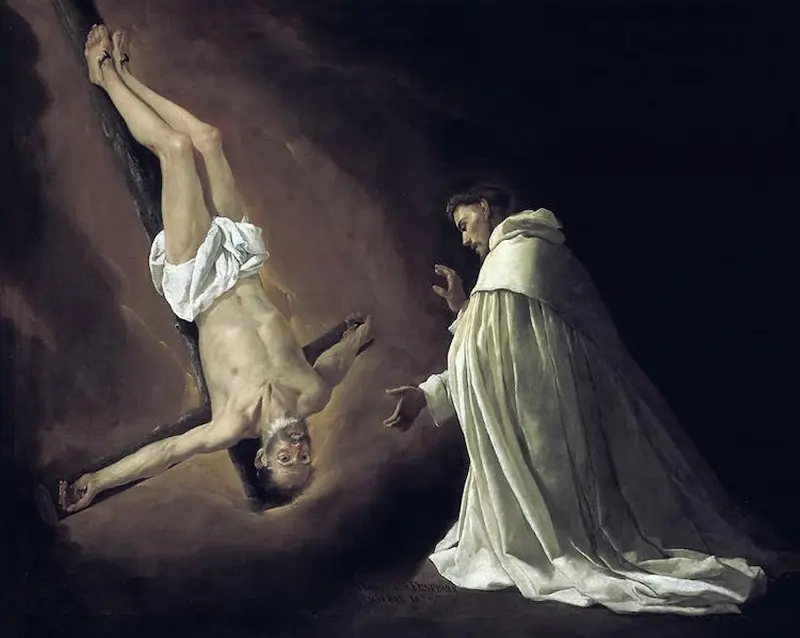
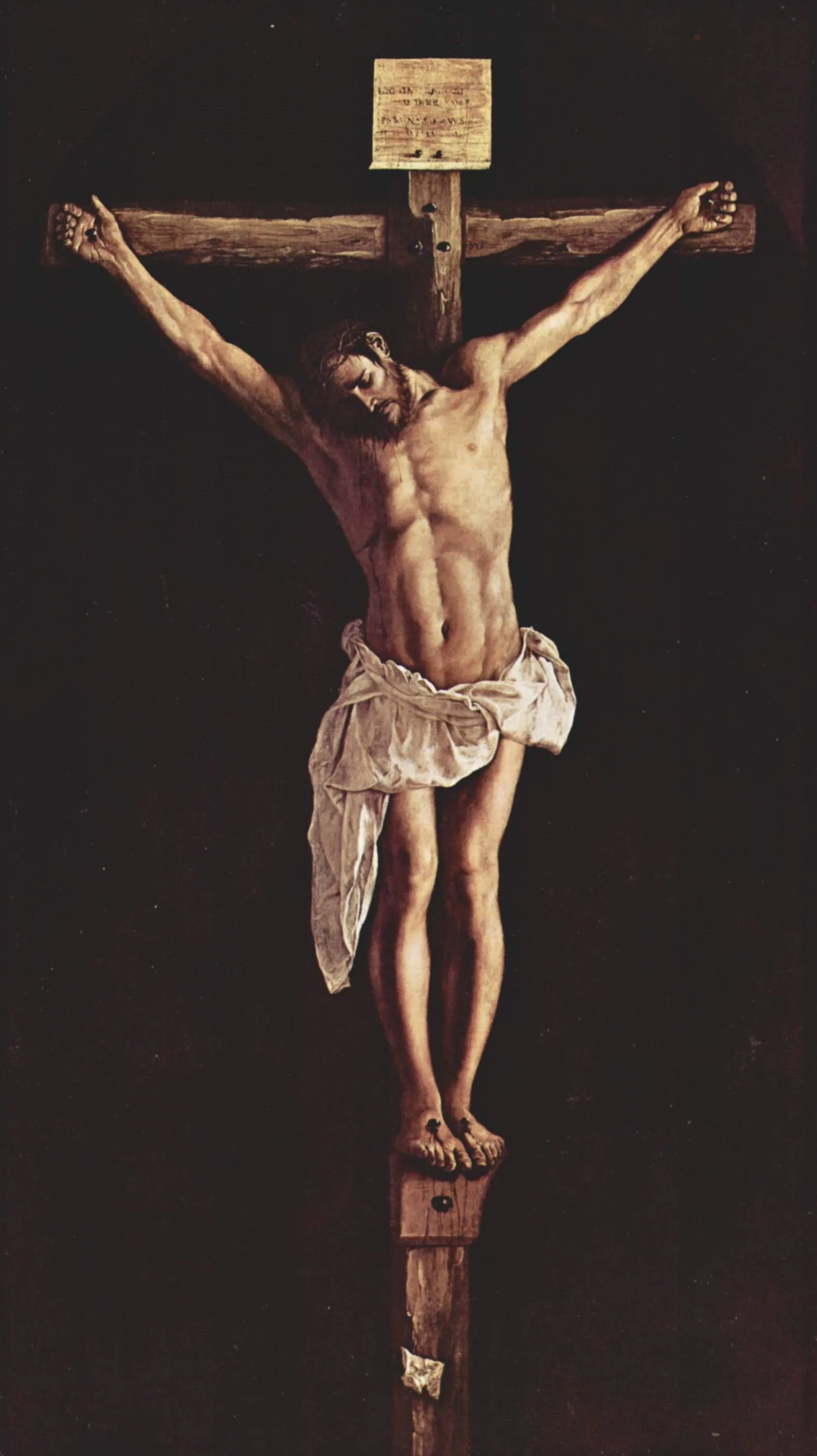
In "Appearance of St Peter to St Peter Nolasco," Zurbaran weaves a spiritual narrative rich with Baroque symbolism. The hand-painted oil painting invites viewers to ponder the divine encounter, with subtle references to faith and redemption. Fans of religious art will find parallels with related products like "Christ on the Cross" and "St Gregory," as each fine art painting for sale explores profound themes through symbolic storytelling and meticulous detail.
This fine art painting for sale is not just a visual masterpiece, but also a prized collectible for lovers of Baroque art. Francisco de Zurbaran’s "Appearance of St Peter to St Peter Nolasco" holds an esteemed place among hand-painted oil paintings, making it highly sought after. Collectors may also be interested in related works, including "Beato Serapio" and "Christ on the Cross," for a comprehensive Baroque collection.
When Art Meets History
Francisco de Zurbaran’s "Appearance of St Peter to St Peter Nolasco" stands as a testament to the rich historical tapestry of the Baroque era. This hand-painted oil painting captures a spiritual moment, blending religious devotion with artistic mastery. Zurbaran’s work, like his "Saint Jerome Writing" and "Portrait of Charles II," reflects the era’s deep engagement with faith and realism. Collectors seeking masterpieces from the Baroque movement will appreciate the historical significance of this fine art painting for sale.
Techniques That Speak
Francisco de Zurbaran’s use of oil on canvas in "Appearance of St Peter to St Peter Nolasco" demonstrates his command of light and shadow—a hallmark of the Baroque movement. His technique, evident in related works such as "Amor Vincit Omnia" and "Musicians," brings depth and drama to every figure. Each brushstroke enhances the emotional intensity, making this oil on canvas a prime example of technical brilliance cherished by art connoisseurs and collectors alike.
Emotions on Display
In "Appearance of St Peter to St Peter Nolasco," Zurbaran’s mastery evokes profound emotion, a signature of the Baroque period. The hand-painted oil painting captures a divine encounter, drawing the viewer into the spiritual experience. Like in his "Mercury and Battus," the artist’s use of expressive faces and gestures intensifies the narrative. This fine art painting for sale resonates with viewers, inviting them to explore the emotional depths characteristic of Zurbaran’s celebrated works.
Coveted by Collectors
Collectors prize "Appearance of St Peter to St Peter Nolasco" for its blend of historical importance and artistic excellence. Francisco de Zurbaran’s oil on canvas paintings, including "Saint Jerome Writing" and "Portrait of Charles II," are highly sought after in the world of fine art. This painting’s provenance and its connection to the Baroque movement make it a standout piece for those seeking a distinguished fine art painting for sale to enrich their collection.
Related Baroque Hand-Painted Oil Paintings by Other Artists
Other Famous Baroque Artists:
Frequently Asked Questions About Appearance of St Peter to St Peter Nolasco
What is the historical context of "Appearance of St Peter to St Peter Nolasco"?
This painting by Francisco de Zurbarán was created in the 17th century, a period marked by the Counter-Reformation, which sought to reaffirm Catholic doctrine and inspire devotion through art.
Who was St. Peter Nolasco, and why is he significant?
St. Peter Nolasco was a Spanish priest and founder of the Order of the Blessed Virgin Mary of Mercy, dedicated to rescuing Christian captives from Muslim captivity. His life and work are central to the themes of mercy and redemption in the painting.
What artistic techniques did Zurbarán employ in this painting?
Zurbarán is known for his mastery of chiaroscuro, which he uses in this work to create dramatic contrasts between light and shadow, enhancing the spiritual presence of the figures.
What symbolism is present in "Appearance of St Peter to St Peter Nolasco"?
The appearance of St. Peter symbolizes divine guidance and intervention, while the light surrounding him represents holiness and the divine nature of his message to Nolasco.
How does the composition of the painting contribute to its meaning?
The composition draws the viewer's eye towards the central figures, emphasizing the moment of revelation and the importance of the encounter between the two saints, thereby highlighting themes of faith and inspiration.
What role does color play in this artwork?
Zurbarán's use of a limited color palette, dominated by earthy tones and deep shadows, creates a somber yet reverent atmosphere, reinforcing the spiritual gravity of the scene.
In what ways does this painting reflect the Baroque style?
The painting exemplifies Baroque art through its emotional intensity, dramatic use of light, and focus on religious themes, all of which were characteristic of the period's artistic expression.
What is the significance of the figures' expressions in the painting?
The expressions of both St. Peter and St. Peter Nolasco convey a sense of awe and reverence, illustrating the profound impact of divine communication and the weight of spiritual responsibility.
How has "Appearance of St Peter to St Peter Nolasco" influenced later artists?
This work has influenced later artists by showcasing the power of religious imagery and the potential for art to evoke deep emotional and spiritual responses, paving the way for future Baroque and religious art.
Where can one view "Appearance of St Peter to St Peter Nolasco" today?
The painting is part of the collection at the Museo de Bellas Artes de Bilbao in Spain, where it continues to attract visitors interested in Baroque art and religious themes.























_GFM_Painting_(1).webp)


 100% Hand-Painted: Finished in 3-6 Weeks

.png)















_(1).webp)