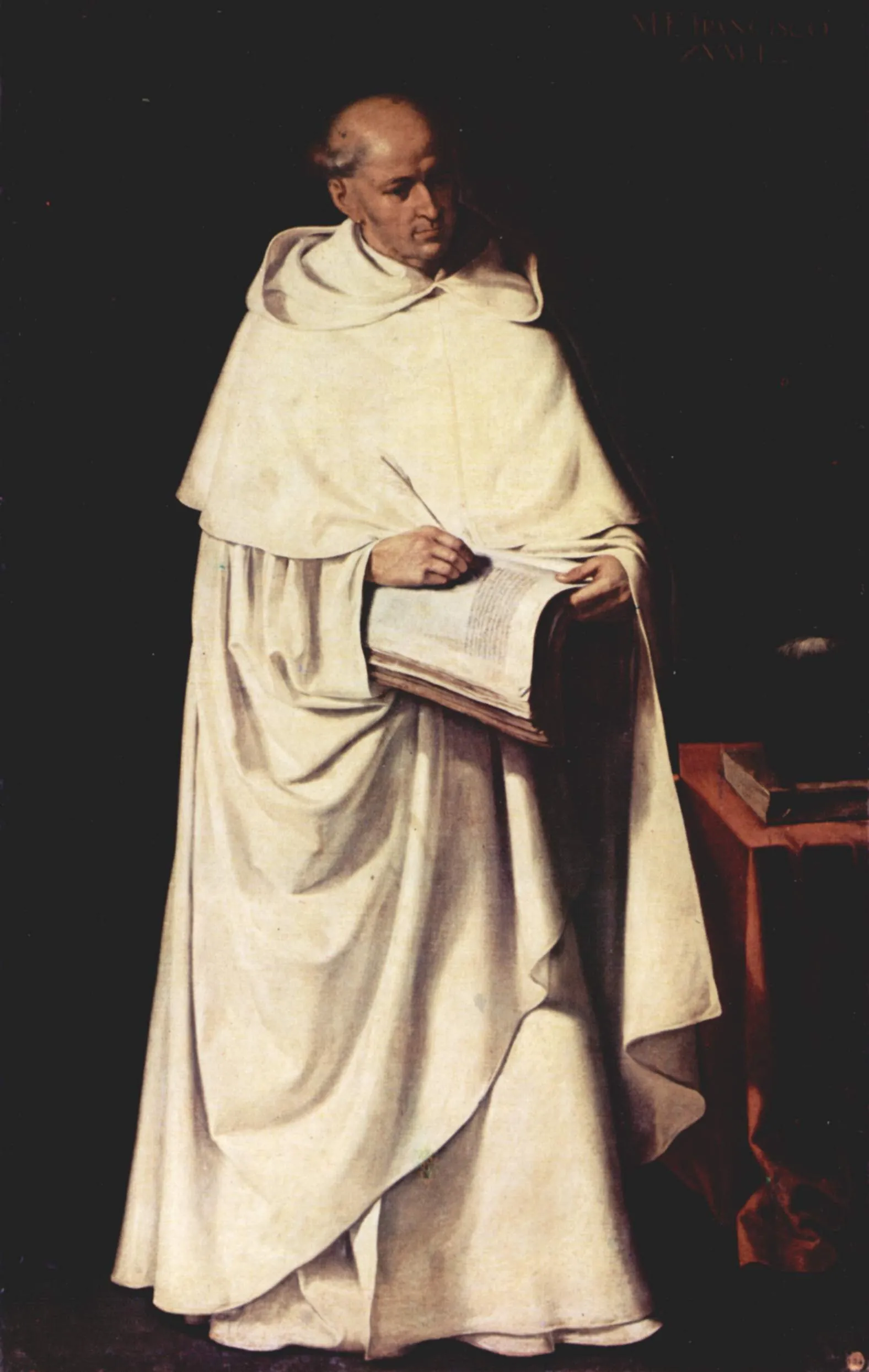
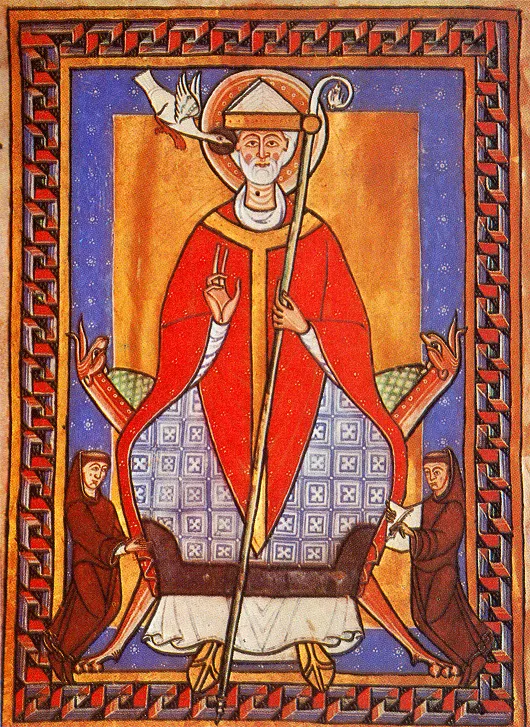
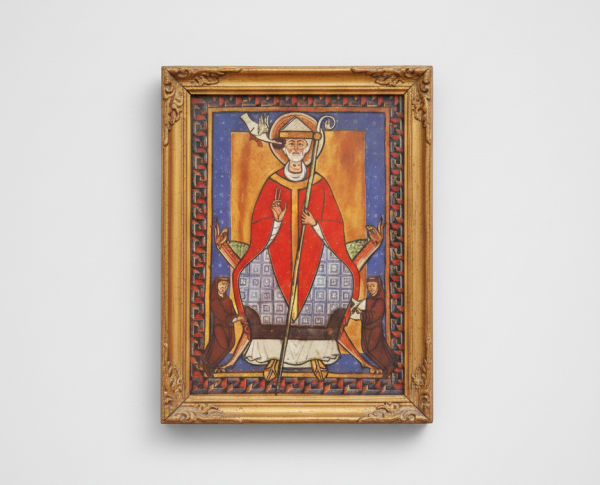
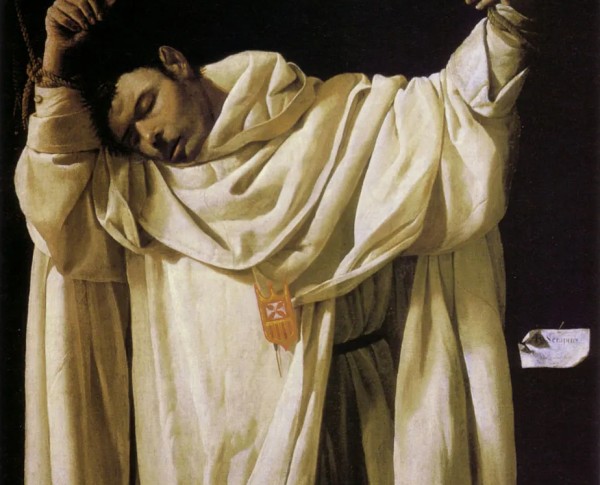
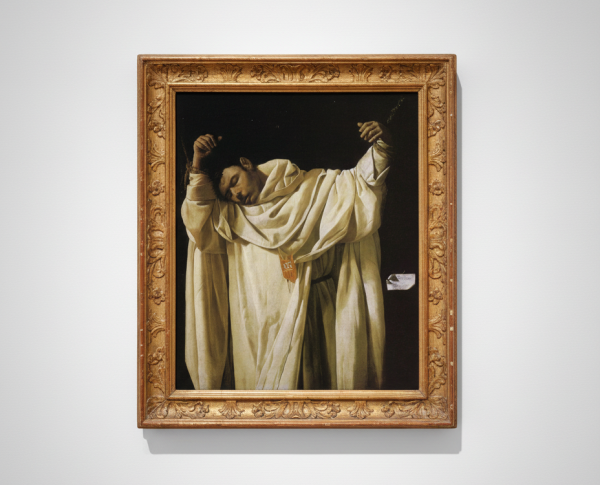
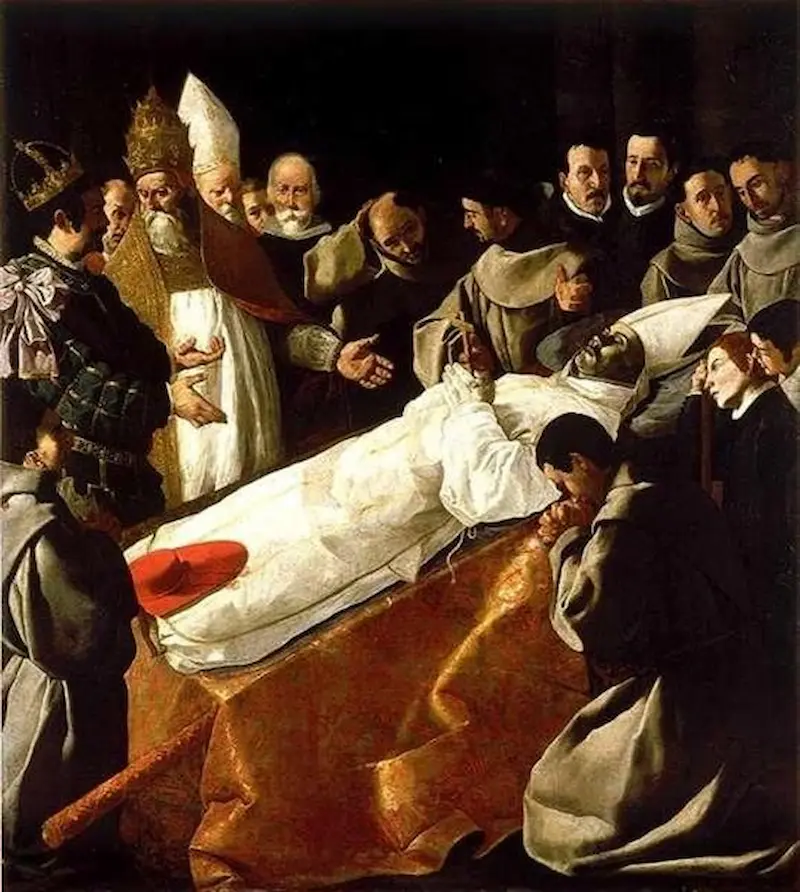
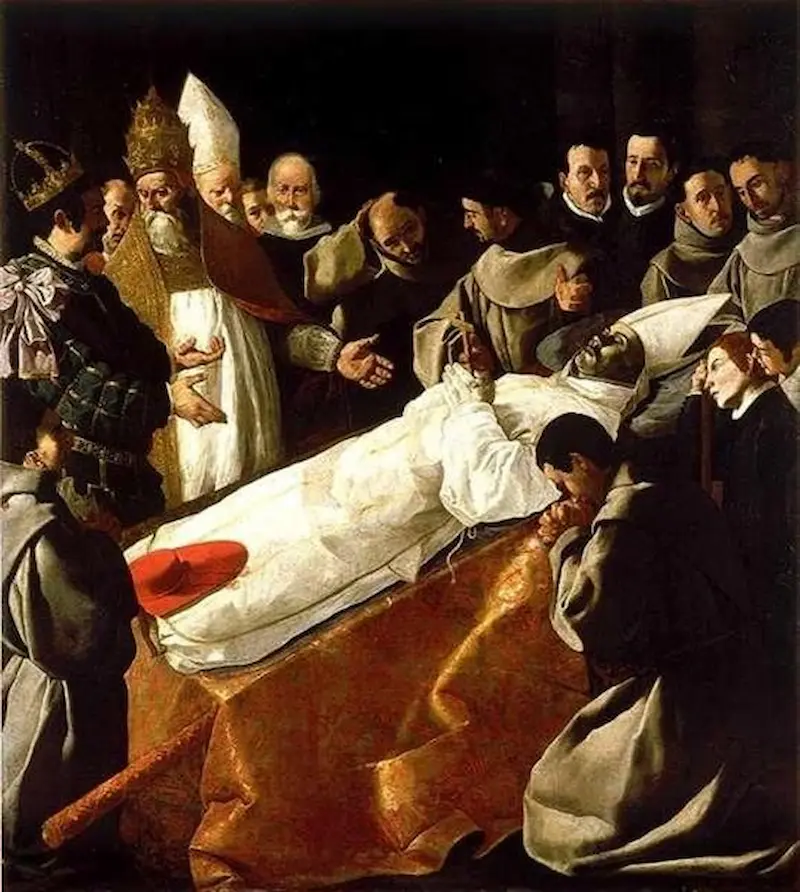
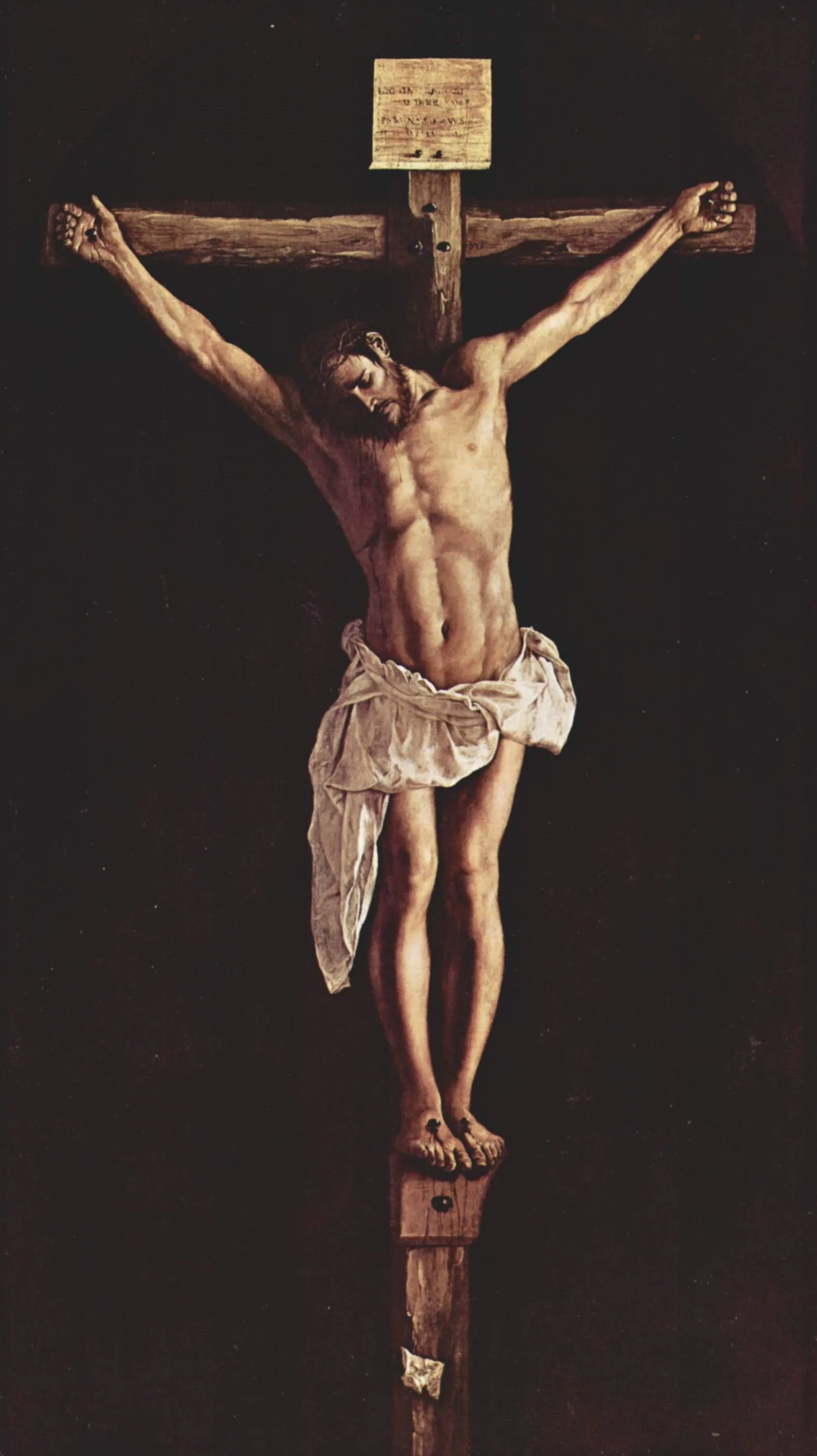
Zurbaran’s technique in "The Death of St Bonaventura" showcases his exceptional command of oil on canvas. The intricate interplay of light and shadow, a hallmark of the Baroque movement, reveals his ability to evoke drama and spirituality. Each brushstroke adds dimension and life to the narrative, placing this painting among other celebrated works such as "Christ on the Cross" and "St Gregory," and highlighting the enduring appeal of Zurbaran’s oil on canvas masterpieces.
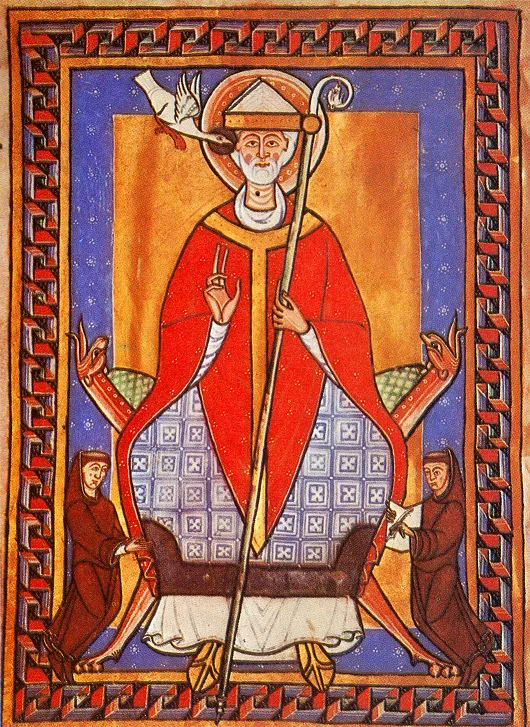
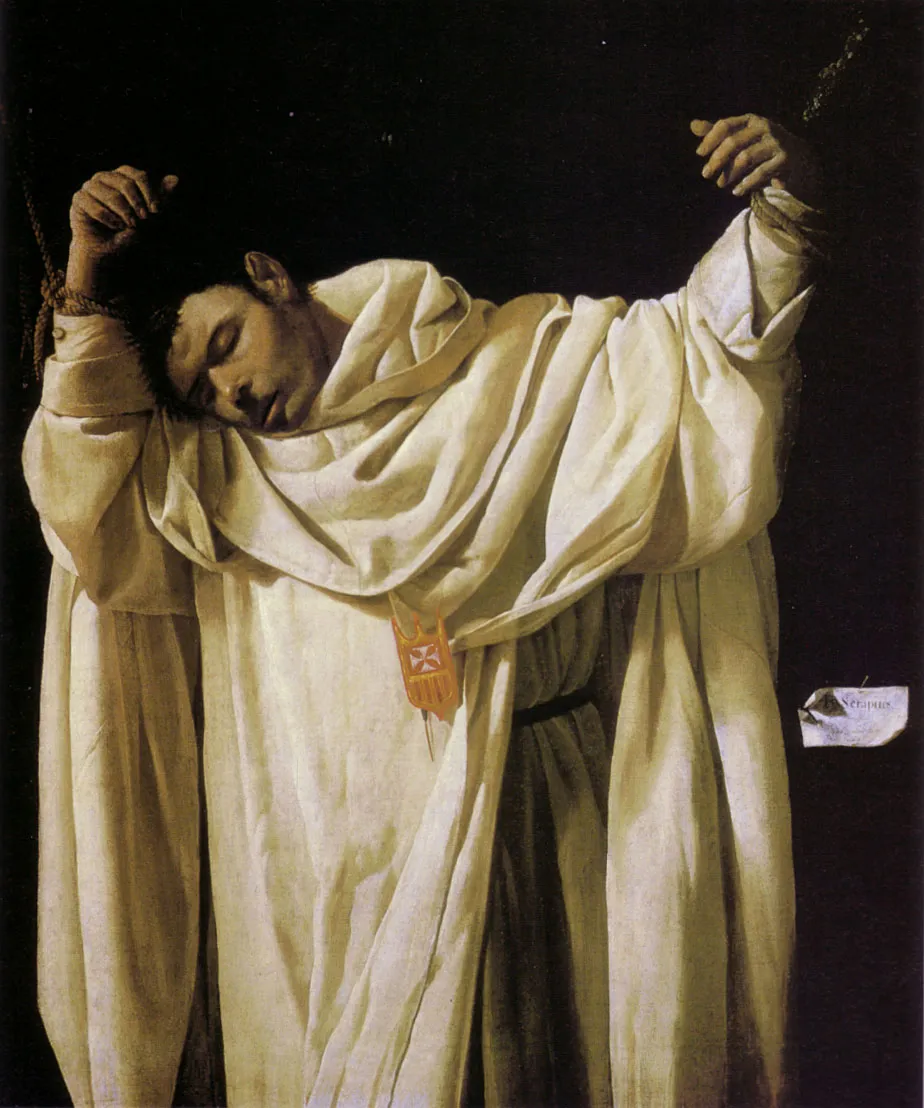
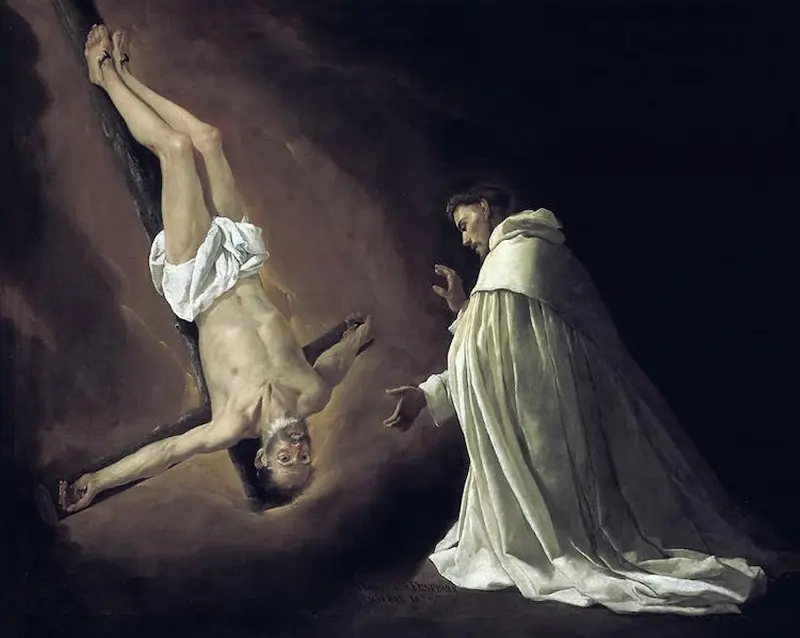
"The Death of St Bonaventura" is more than a visual masterpiece; it is rich with religious symbolism and narrative detail. Zurbaran’s careful composition guides viewers through the poignant story, using symbolic gestures and expressions to convey St Bonaventura’s sanctity and legacy. This hand-painted oil painting shares thematic depth with related products like "Appearance of St Peter to St Peter Nolasco" and "Beato Serapio," making it a captivating addition to any Baroque collection.
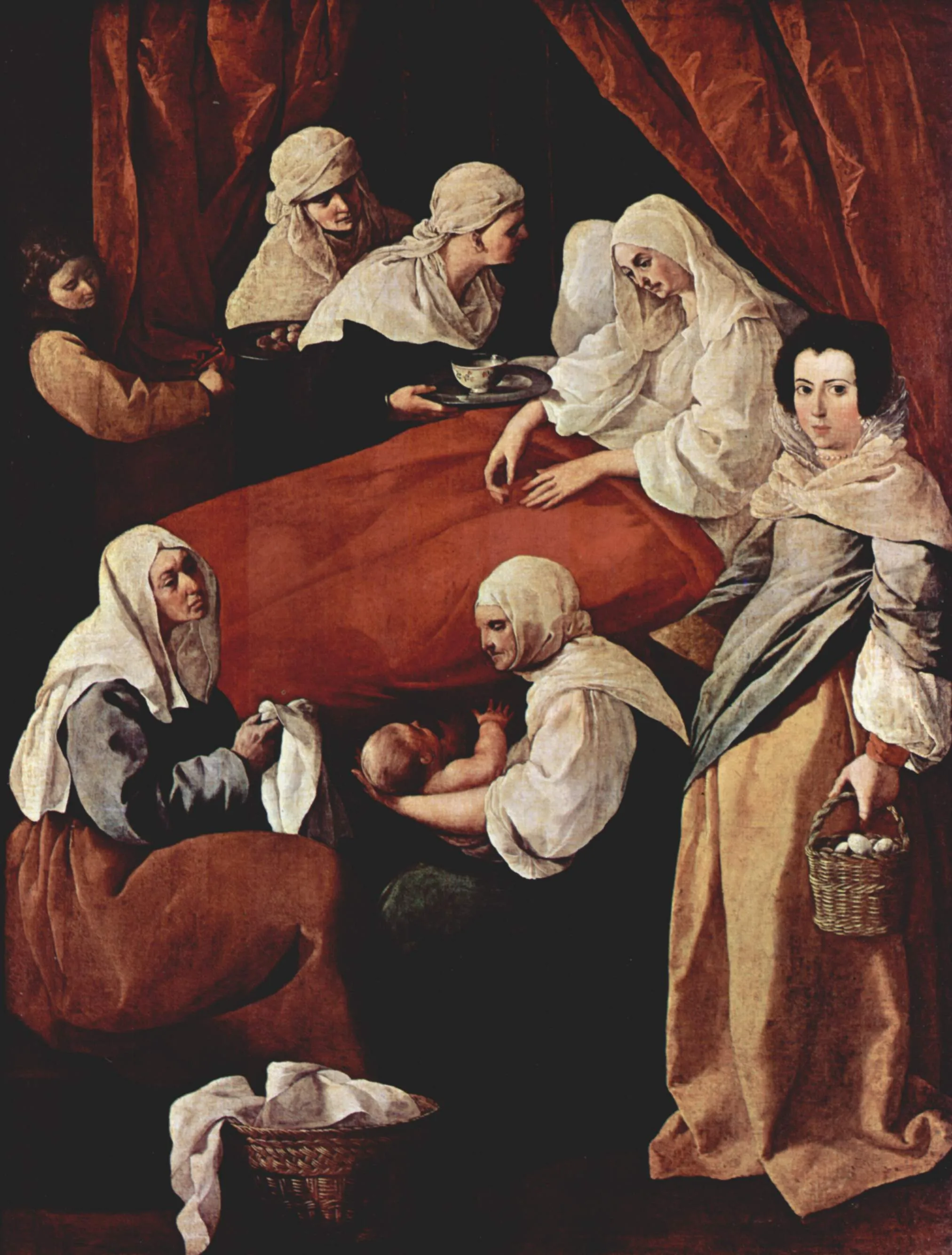
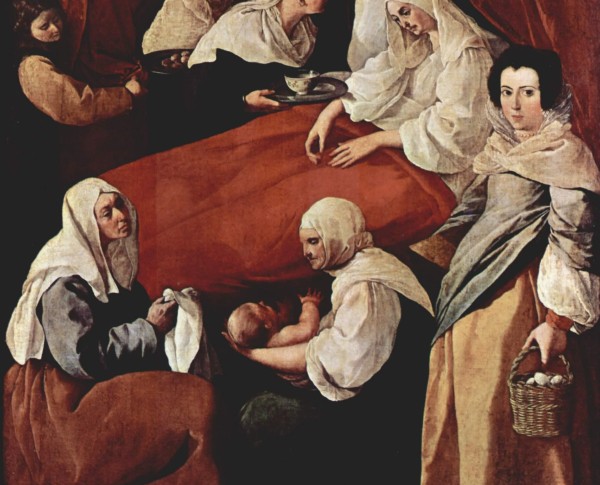
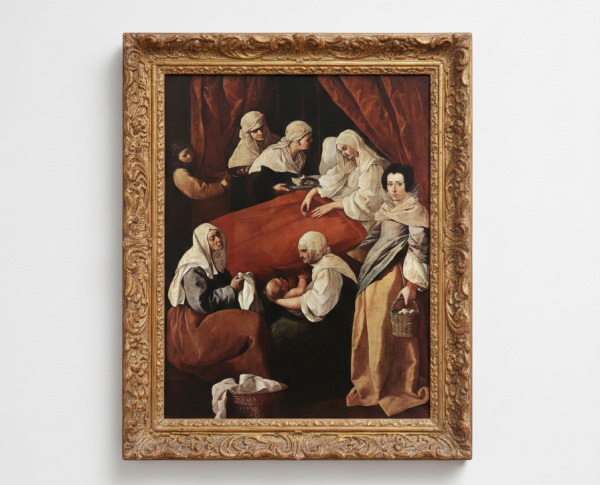
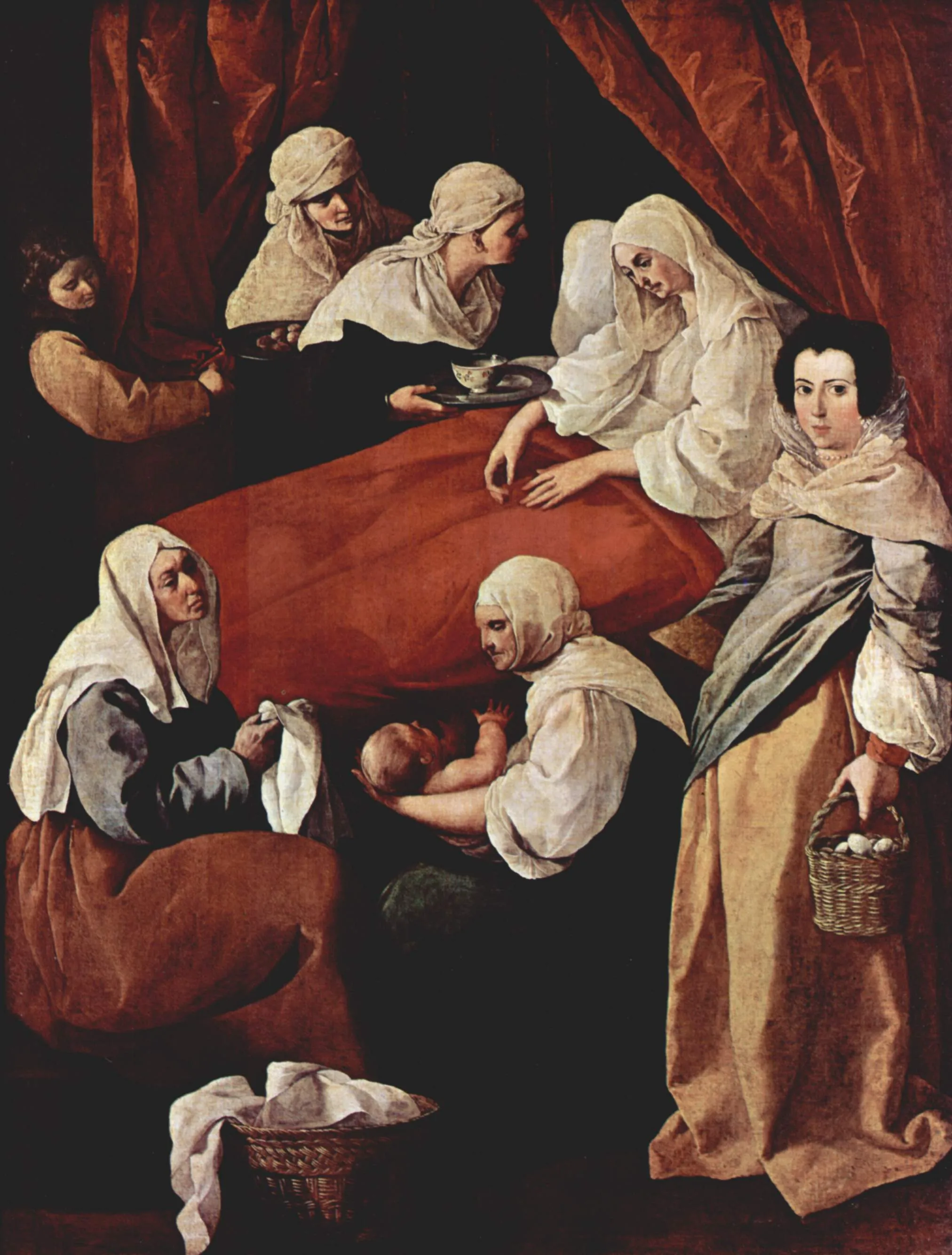
For collectors seeking a remarkable fine art painting for sale, "The Death of St Bonaventura" by Francisco de Zurbaran is a distinguished choice. Its historical significance within the Baroque movement, combined with the artist’s renowned technique, makes it highly desirable. Collectors often pair it with works like "Birth of the Virgin" and "Christ on the Cross," appreciating the enduring value and visual impact that Zurbaran’s masterpieces bring to any fine art collection.
When Art Meets History
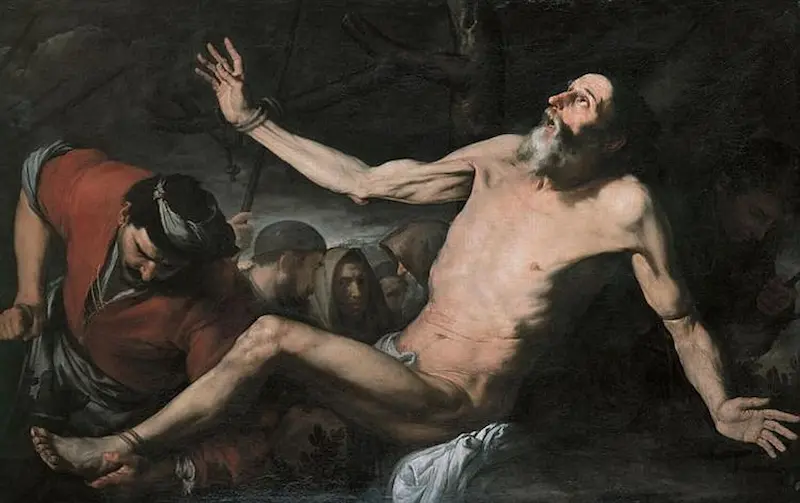
"The Death of St Bonaventura" by Francisco de Zurbaran stands as a remarkable example of Baroque artistry, capturing a pivotal historical moment through masterful depiction. This hand-painted oil painting immerses viewers in the solemnity of St Bonaventura’s final moments, echoing the narrative power found in related works like "Judith Beheading Holofernes" and "Saint Francis of Assisi in Ecstasy." Zurbaran's commitment to realism and drama brings history vividly to life, making this piece a timeless treasure.
Techniques That Speak
Francisco de Zurbaran’s "The Death of St Bonaventura" showcases the artist’s exceptional skill in oil on canvas, a hallmark of the Baroque movement. Through dramatic contrasts of light and shadow, Zurbaran achieves a sense of depth and spiritual intensity similar to masterpieces like "A lute player" and "Amor Vincit Omnia." The meticulous brushwork and rich, layered textures reveal the artist’s devotion to detail, making this oil on canvas an enduring testament to Baroque technique.
Emotions on Display
The emotional gravity of "The Death of St Bonaventura" is palpable, as Francisco de Zurbaran uses his Baroque sensibilities to convey profound sorrow and reverence. The figures’ expressions and gestures evoke empathy, drawing comparisons to the heartfelt narratives in "Self-Portrait" and "Saint Francis of Assisi in Ecstasy." This fine art painting for sale resonates with viewers, inviting them to reflect on themes of mortality and sanctity, hallmarks of the Baroque movement’s emotional depth.
Coveted by Collectors
As a masterpiece by Francisco de Zurbaran, "The Death of St Bonaventura" is highly sought after by art collectors and enthusiasts of the Baroque period. This hand-painted oil painting, alongside related works like "Amor Vincit Omnia" and "Judith Beheading Holofernes," represents the pinnacle of 17th-century artistry. Its historical significance and technical brilliance make it a prized addition to any collection, reflecting the lasting appeal of fine art painting for sale from this era.
Related Baroque Hand-Painted Oil Paintings by Other Artists
Other Famous Baroque Artists:
Frequently Asked Questions About The Death of St Bonaventura
What is the historical context of "The Death of St Bonaventura"?
"The Death of St Bonaventura" was painted by Francisco de Zurbarán during the Baroque period, a time characterized by dramatic expression and religious themes. The painting reflects the Counter-Reformation's emphasis on spirituality and the veneration of saints.
Who was St Bonaventura, and why is he significant?
St Bonaventura was a 13th-century Franciscan theologian and philosopher, recognized as a Doctor of the Church. He is significant for his contributions to Christian mysticism and his role in the development of Franciscan spirituality.
What artistic techniques did Zurbarán employ in this painting?
Zurbarán is known for his mastery of chiaroscuro, which is evident in this work. He skillfully uses light and shadow to create depth and emphasize the spiritual intensity of the scene, enhancing the emotional impact of St Bonaventura's death.
How does the composition of the painting contribute to its meaning?
The composition centers on St Bonaventura, surrounded by figures that symbolize the heavenly and earthly realms. This arrangement highlights the saint's transition from life to afterlife, underscoring the theme of divine grace and salvation.
What symbolism is present in "The Death of St Bonaventura"?
The painting features various symbols, such as the open book, representing knowledge and faith, and the light emanating from above, signifying divine presence and the sanctity of St Bonaventura's soul as he ascends to heaven.
What role does color play in this artwork?
Zurbarán employs a muted color palette, dominated by earth tones, to evoke a somber yet reverent atmosphere. The use of gold accents highlights the sacredness of the subject and draws the viewer's attention to the spiritual significance of the moment.
How does this painting reflect the characteristics of Baroque art?
This painting exemplifies Baroque art through its dramatic use of light, emotional intensity, and focus on religious themes. The dynamic poses of the figures and the vivid portrayal of spiritual experiences are hallmarks of the Baroque style.
What is the significance of the figures surrounding St Bonaventura?
The figures surrounding St Bonaventura represent various aspects of the Christian faith, including angels and possibly other saints. Their presence emphasizes the communal aspect of faith and the idea of intercession in the afterlife.
In what ways has "The Death of St Bonaventura" influenced later artists?
This painting has influenced later artists by demonstrating the power of religious narrative through visual art. Its emotive quality and dramatic composition have inspired subsequent generations to explore similar themes in their own works.
Where can "The Death of St Bonaventura" be viewed today?
"The Death of St Bonaventura" is housed in the Museo de Bellas Artes de Bilbao in Spain. It remains a significant work within the context of Spanish Baroque art and continues to attract scholars and art enthusiasts alike.























_GFM_Painting_(1).webp)


 100% Hand-Painted: Finished in 3-6 Weeks

.png)















_(1).webp)