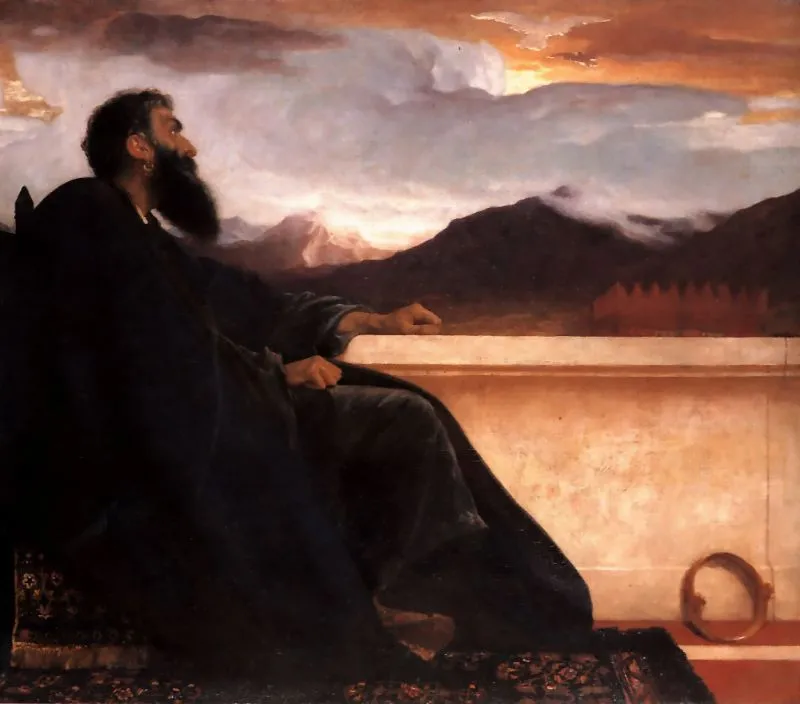
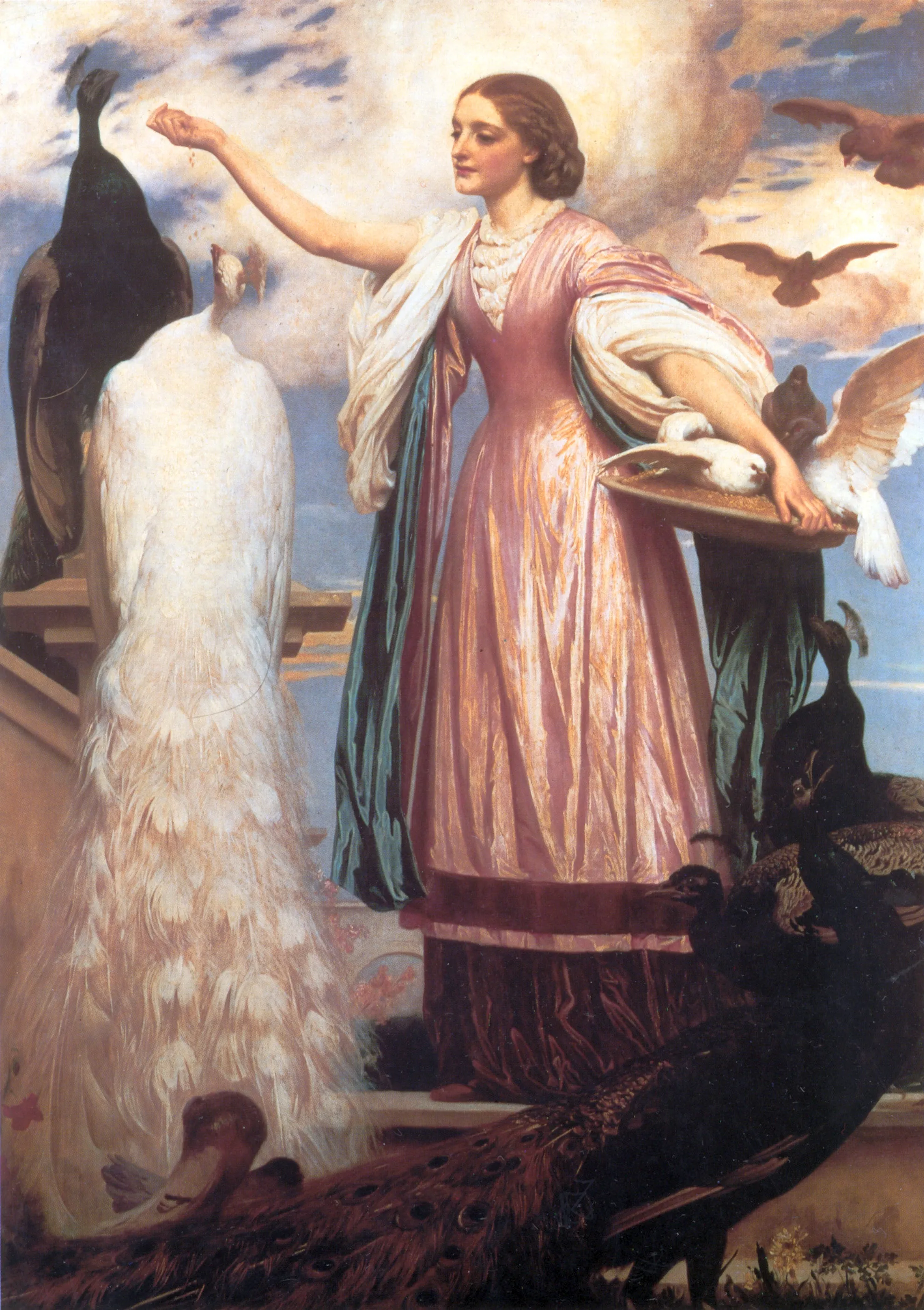
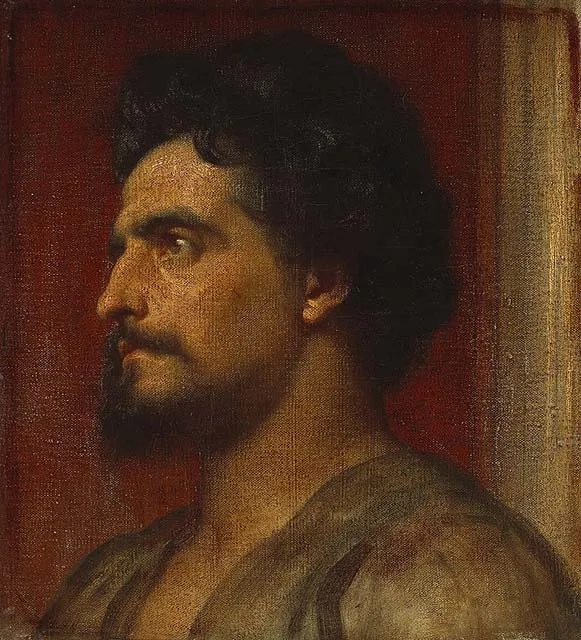
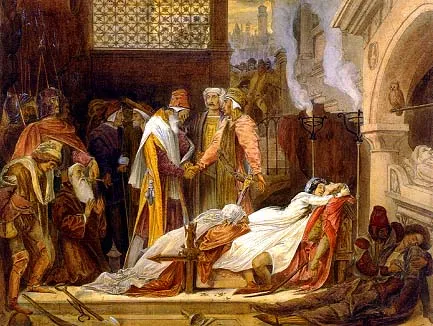
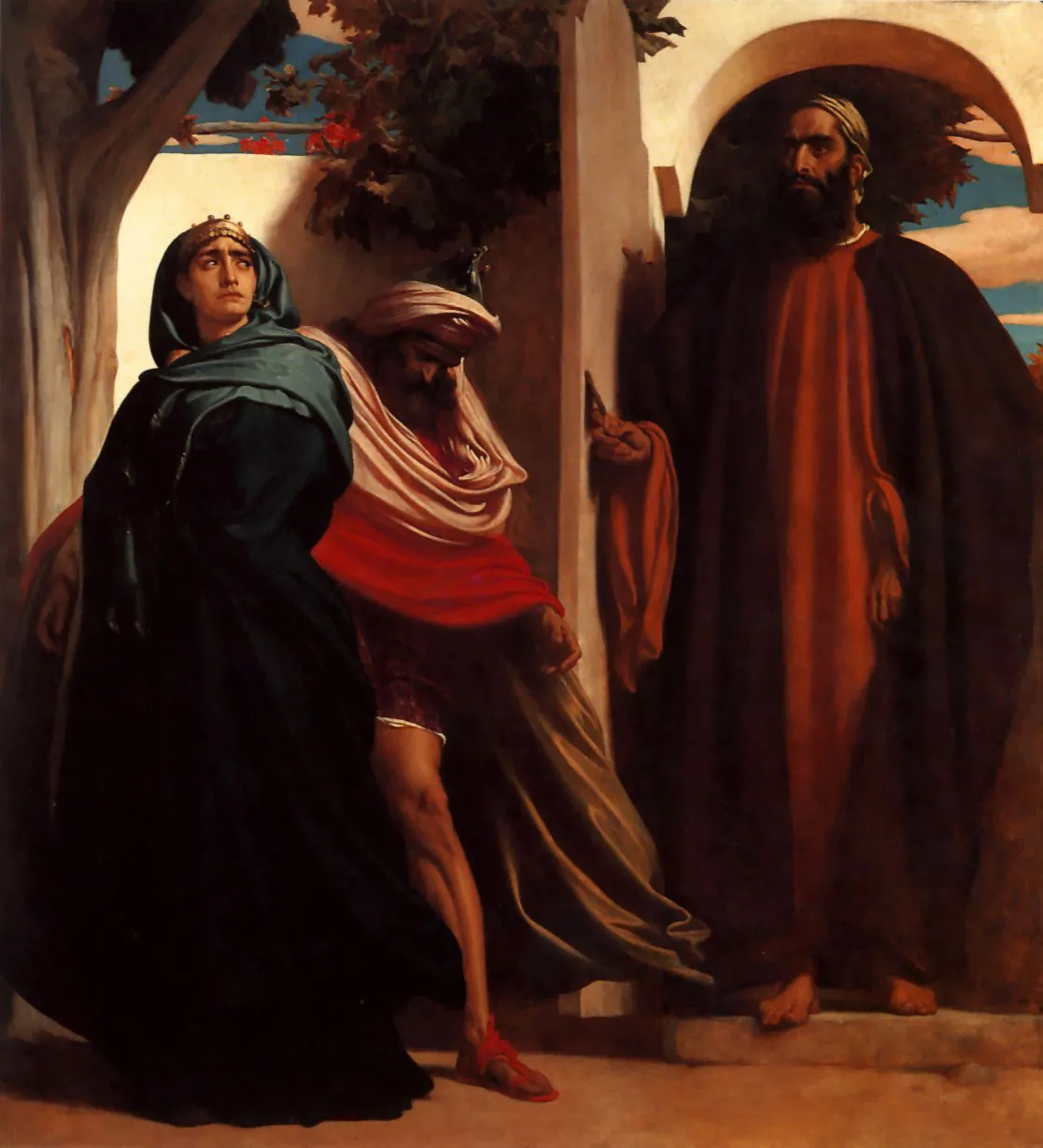
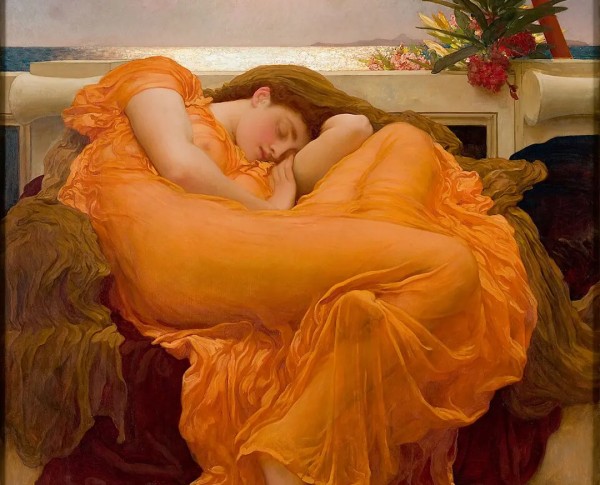
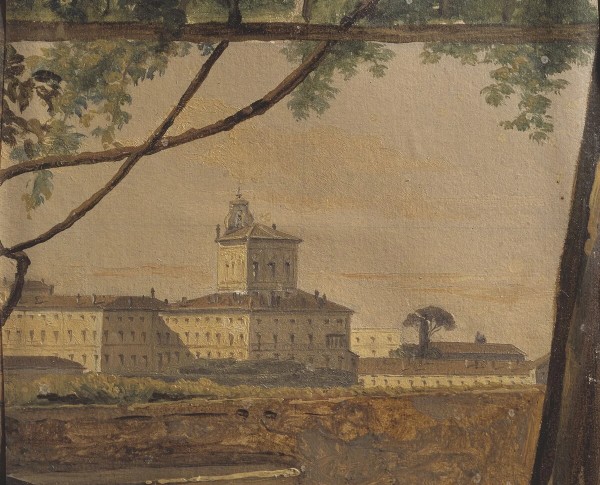
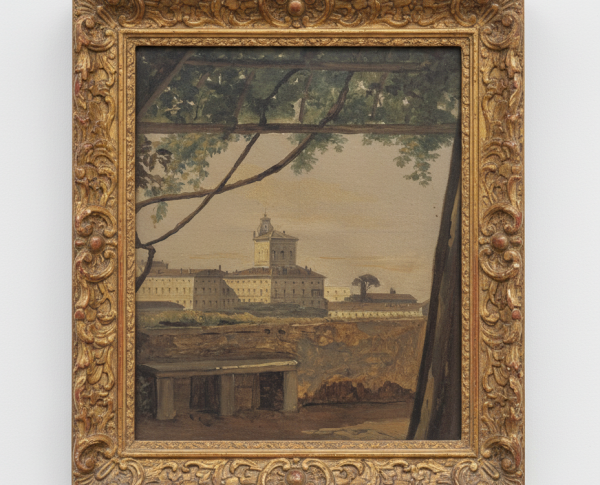
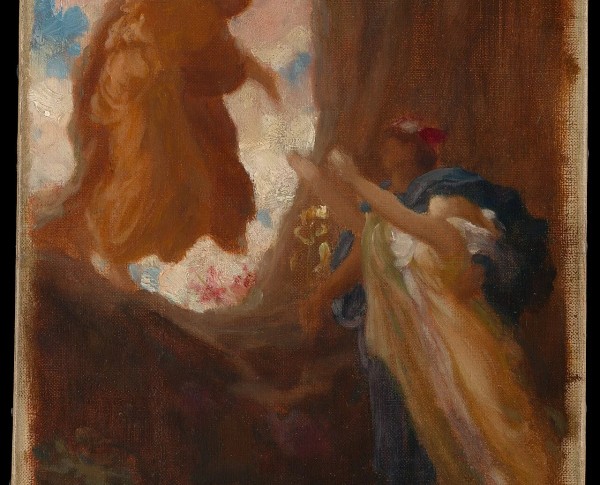
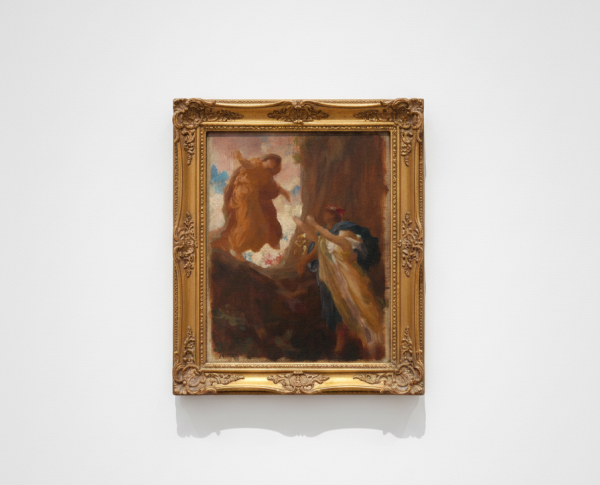
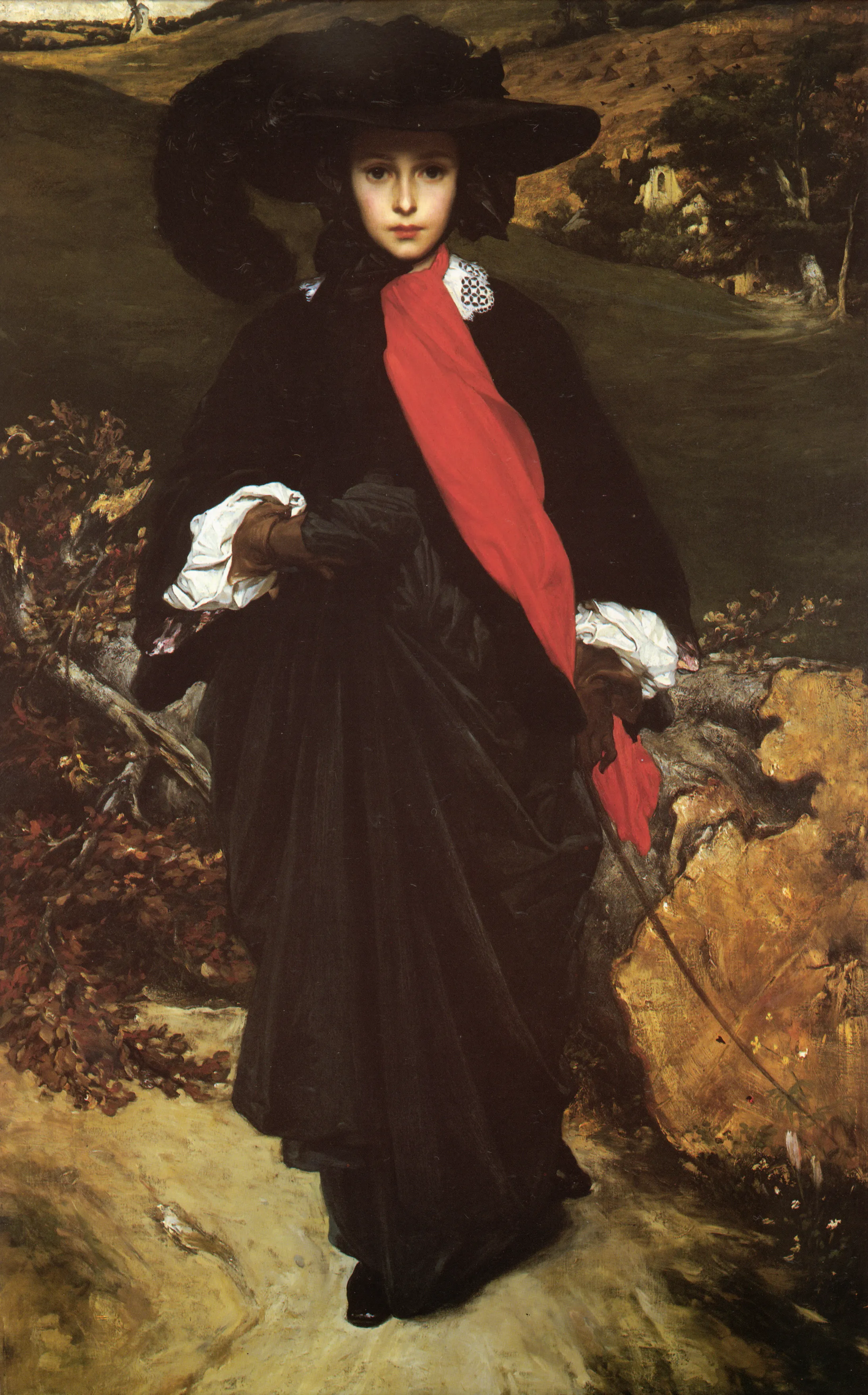
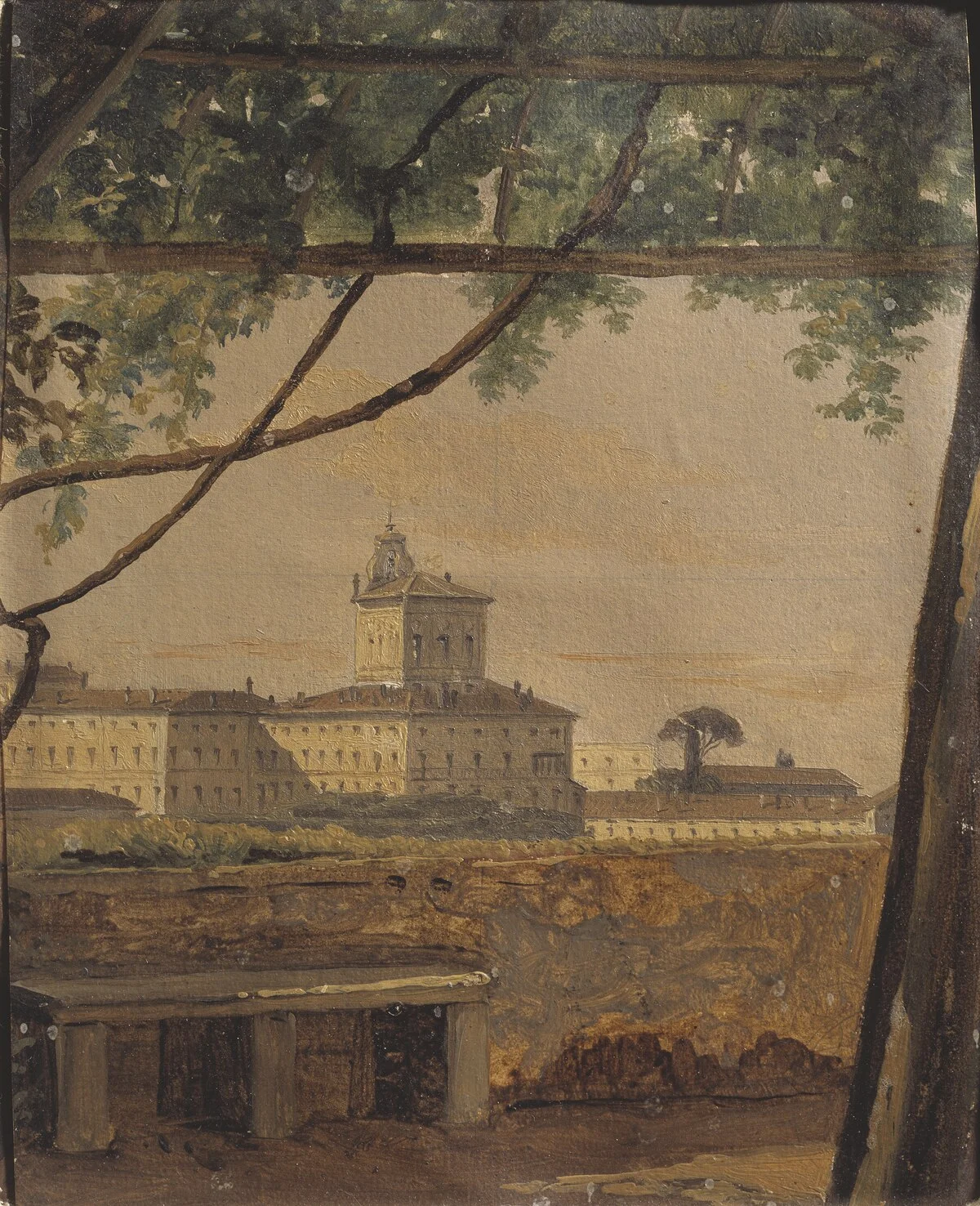
Lord Frederick Leighton’s expert technique is evident in the "Portrait of May Sartoris," where his mastery of oil on canvas brings depth and realism to life. The Academic Classicism movement valued precision and idealized forms, and Leighton’s careful brushwork highlights these qualities. Similar attention to detail can be seen in his other works, including "The Villa Malta, Rome" and "Actaea, the Nymph of the Shore," showcasing his consistent brilliance in the world of fine art.
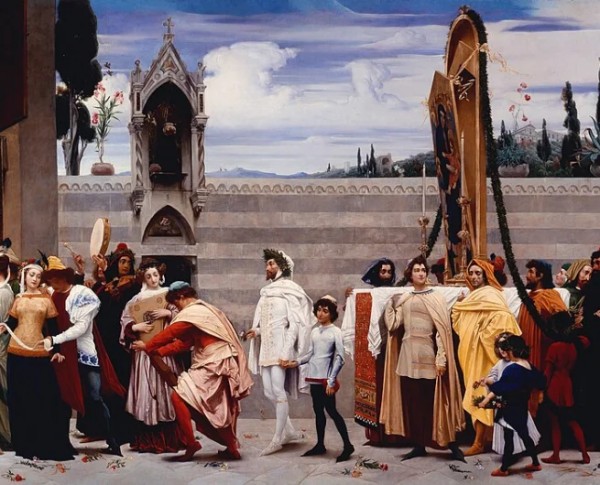
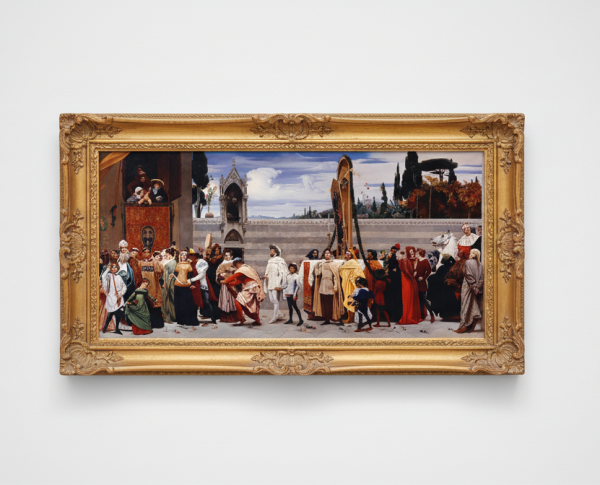
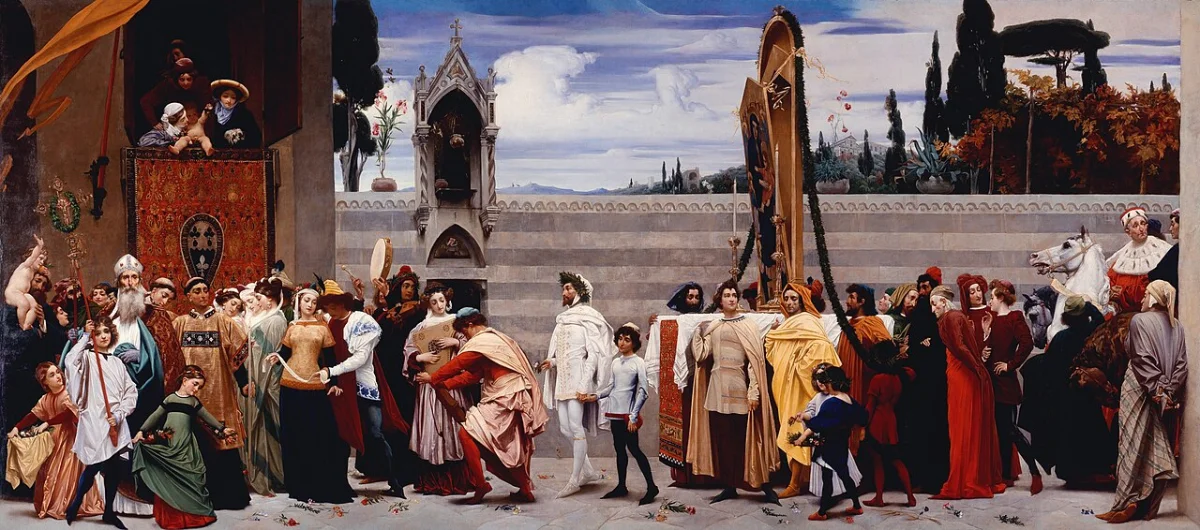
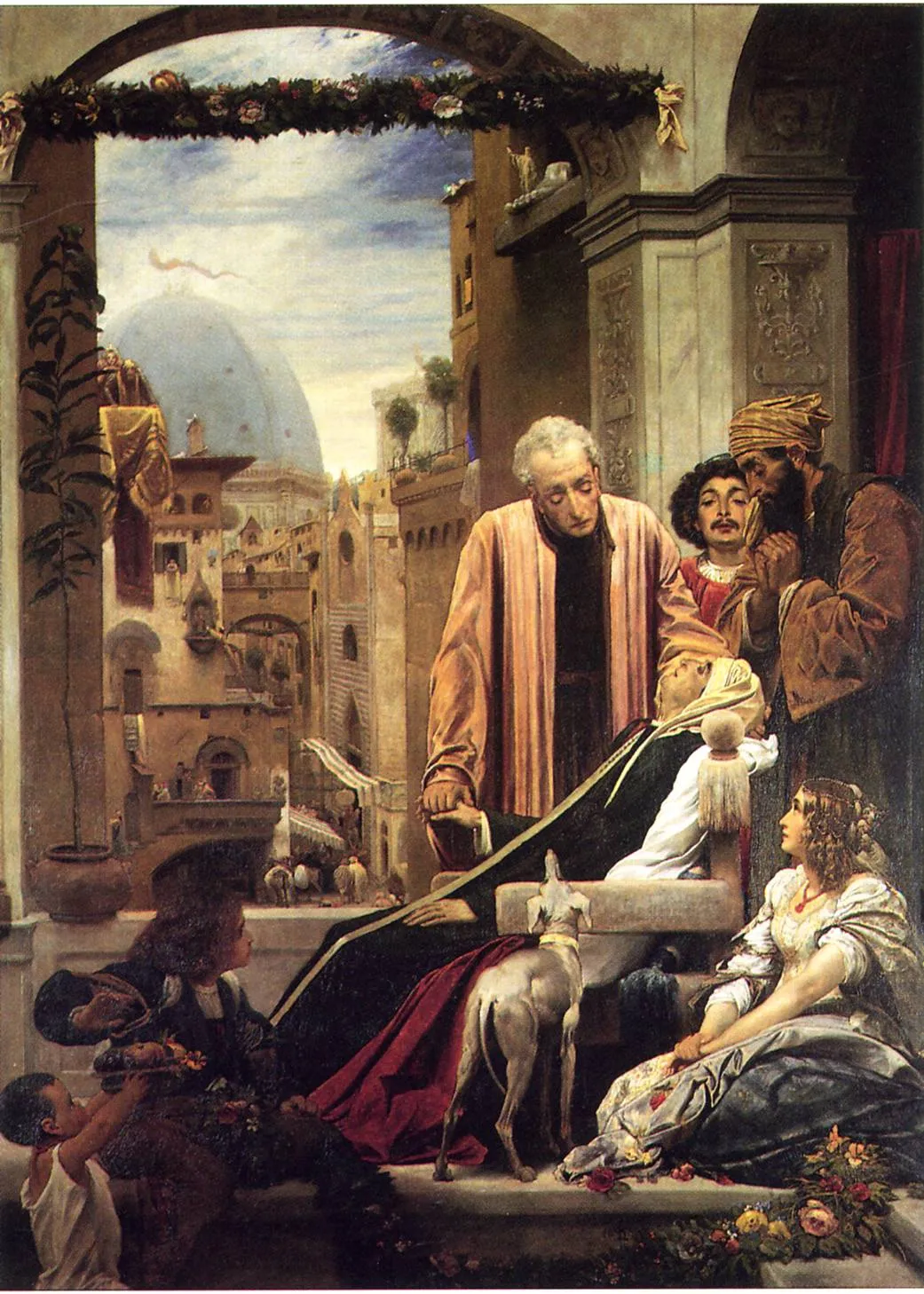
Every hand-painted oil painting by Lord Frederick Leighton tells a story, and "Portrait of May Sartoris" is no exception. The sitter’s elegant pose and serene expression evoke a sense of refinement characteristic of the Academic Classicism movement. Art enthusiasts seeking a fine art painting for sale will appreciate the subtle symbolism and storytelling present in this portrait, as well as in related works like "The Death of Brunelleschi" and "An Italian Lady."
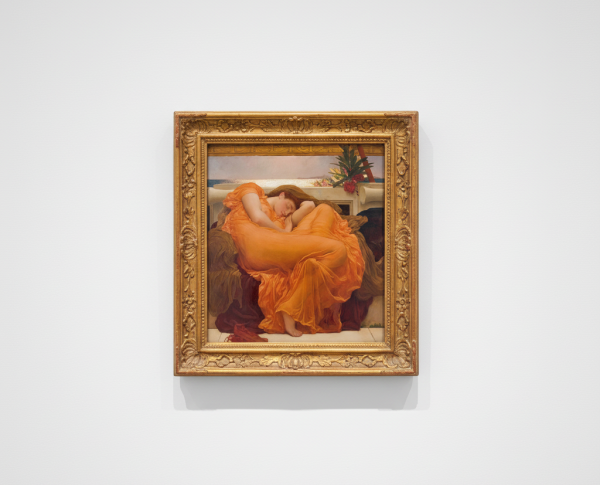
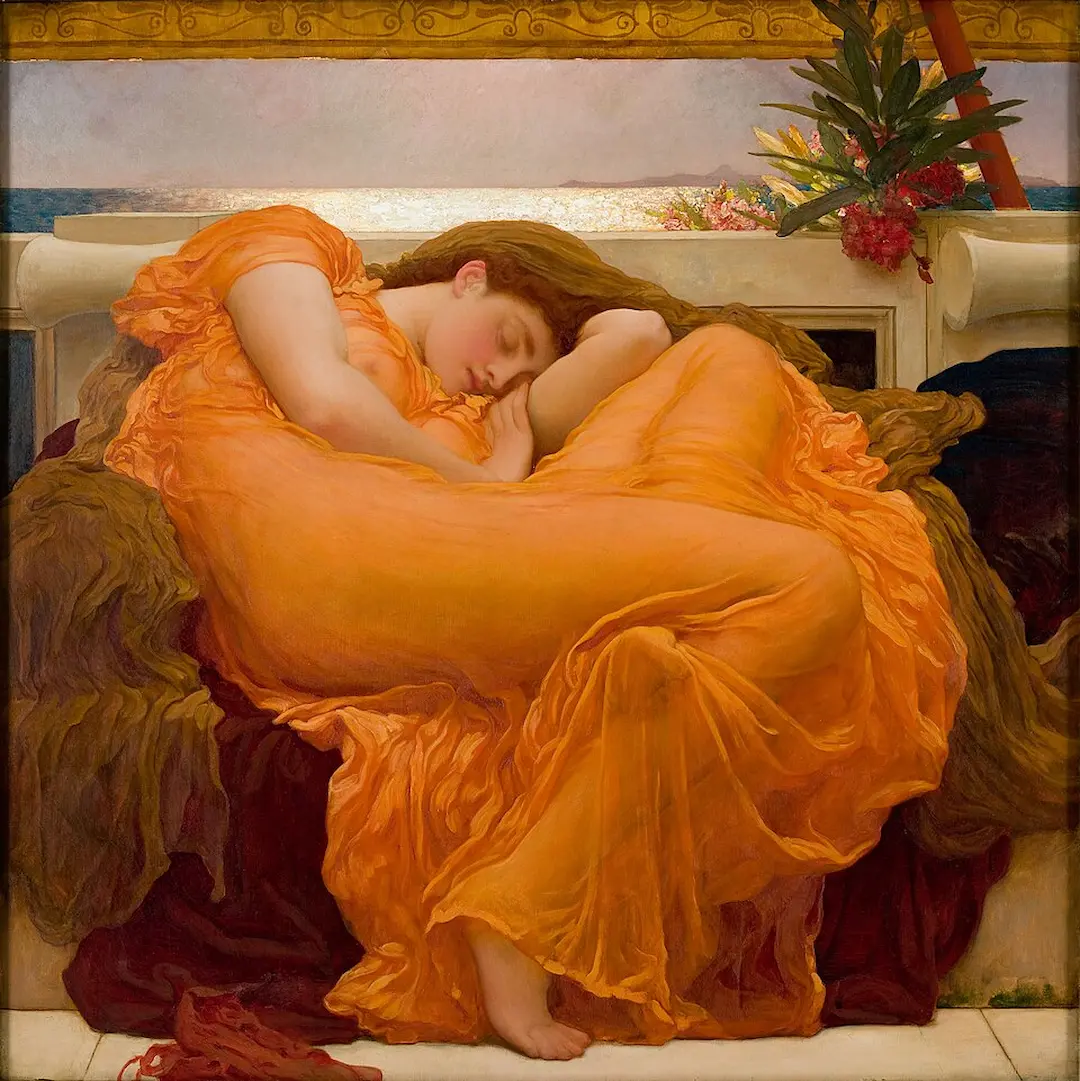
For those searching for an exquisite oil on canvas to enhance their collection, "Portrait of May Sartoris" by Lord Frederick Leighton is an exceptional choice. As a masterpiece of Academic Classicism, it stands alongside other sought-after pieces such as "Flaming June" and "Actaea, the Nymph of the Shore." Owning such a fine art painting for sale not only elevates a collection but also preserves the legacy of one of history’s most esteemed artists.
When Art Meets History
"Portrait of May Sartoris" by Lord Frederick Leighton stands as a testament to the refined elegance of the Academic Classicism movement. This hand-painted oil painting captures a moment in Victorian society, where tradition and artistry intertwined. Leighton, known for masterpieces like "Springtime" and "Half Length Figure," immortalized May Sartoris with the same attention to detail seen in "Nymphes et Satyre (Nymphs and Satyr)." Collectors and historians alike cherish this work for its rich historical context.
Techniques That Speak
Lord Frederick Leighton's mastery of oil on canvas is evident in every brushstroke of "Portrait of May Sartoris." The artist’s meticulous layering and delicate rendering of textures reflect the ideals of Academic Classicism, much like in his "Young Girl Defending Herself against Eros 1880." Leighton’s techniques bring out the lifelike quality of his subject, making this painting a benchmark for those who appreciate the precision and depth of traditional oil on canvas works.
Emotions on Display
In "Portrait of May Sartoris," Lord Frederick Leighton conveys a serene yet introspective mood, a hallmark of his fine art painting for sale. The sitter’s poised expression and gentle demeanor evoke a sense of grace, reminiscent of the subtle emotions found in Leighton’s "The Storm" and "Springtime." Through the Academic Classicism lens, Leighton transforms a simple portrait into a profound exploration of human emotion, inviting viewers to connect with May Sartoris’s quiet strength.
Coveted by Collectors
As a celebrated example of Academic Classicism, "Portrait of May Sartoris" by Lord Frederick Leighton is highly sought after among art enthusiasts. This hand-painted oil painting stands alongside related works like "Half Length Figure" and "Young Girl Defending Herself against Eros 1880" as a prized addition to any collection. Its historical significance and exquisite craftsmanship make it a fine art painting for sale that continues to captivate collectors worldwide.
Related Academic Classicism Hand-Painted Oil Paintings by Other Artists
Other Famous Academic Classicism Artists:
Frequently Asked Questions About Portrait of May Sartoris
What is the historical significance of "Portrait of May Sartoris"?
"Portrait of May Sartoris," painted by Lord Frederick Leighton in 1890, is significant as it exemplifies the late Victorian era's fascination with beauty and femininity, reflecting societal ideals of the time.
Who was May Sartoris, and what role did she play in the creation of this artwork?
May Sartoris was a prominent model and muse for several artists, including Leighton. Her portrayal in this painting highlights her status in the artistic community and her influence on the aesthetic movement.
What artistic techniques did Lord Frederick Leighton employ in this portrait?
Leighton utilized a combination of classical composition, rich color palettes, and intricate detailing to create a lifelike representation of Sartoris, emphasizing both her physical beauty and emotional depth.
What symbolism is present in "Portrait of May Sartoris"?
The painting incorporates elements of symbolism, particularly in Sartoris's attire and pose, which convey themes of grace, femininity, and the idealized beauty of women in the Victorian era.
How does "Portrait of May Sartoris" reflect the Aesthetic Movement?
This portrait embodies the Aesthetic Movement's principles by prioritizing beauty and visual pleasure over narrative content, showcasing Leighton's commitment to aesthetic ideals through meticulous detail and composition.
What materials and techniques were used in the creation of this painting?
Leighton primarily used oil on canvas for "Portrait of May Sartoris," employing traditional techniques such as glazing and layering to achieve depth and luminosity in the colors.
In what ways does this portrait demonstrate Leighton's artistic style?
The portrait exemplifies Leighton's signature style, characterized by a blend of classical influences, romanticism, and an emphasis on the human form, all of which are evident in the graceful depiction of Sartoris.
What is the significance of the background in "Portrait of May Sartoris"?
The background of the painting is intentionally subdued, allowing the viewer's focus to remain on Sartoris, thus enhancing her prominence and the overall impact of her portrayal.
How does this painting compare to other works by Lord Frederick Leighton?
Compared to Leighton's other works, "Portrait of May Sartoris" stands out for its intimate portrayal of a single subject, showcasing his ability to capture personality and emotion in a way that is both personal and universal.
What influence did "Portrait of May Sartoris" have on subsequent portraiture?
This painting influenced subsequent portraiture by setting a standard for the depiction of women in art, inspiring later artists to explore similar themes of beauty, individuality, and emotional expression in their works.























_GFM_Painting_(1).webp)


 100% Hand-Painted: Finished in 3-6 Weeks

.png)















_(1).webp)